
Jul 29, 2026
Discover why travel to Namibia for safaris is a must. Experience breathtaking landscapes, abundant wildlife, and luxurious stays in uncrowded parks.
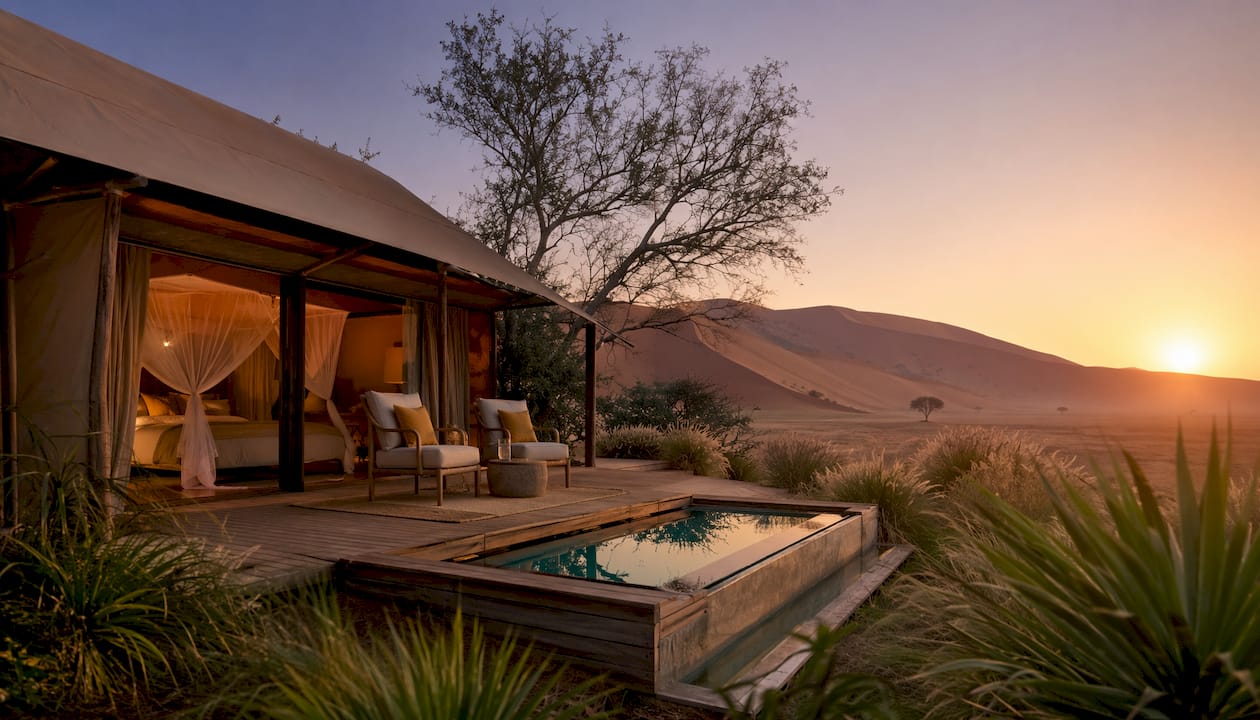
Why travel to Namibia for safaris: the definitive guide
TL;DR:
Namibia offers unrivaled solitude, cinematic landscapes, and desert-adapted wildlife in private reserves and remote regions. Its focus on ecological diversity and immersive experiences distinguishes it from traditional savanna safaris, especially during the dry season from May to October. Bespoke planning ensures travelers can enjoy exclusive access, guided tracking, and tailored itineraries in this vast, transformative landscape.
Namibia is the finest safari destination on earth for travellers who want cinematic, uncrowded wilderness paired with genuinely luxurious, bespoke stays. Nowhere else on the continent gives you towering crimson dunes at sunrise, desert-adapted elephants tracked on foot through ancient riverbeds, and a floodlit waterhole alive with lions and elephants, all within a single itinerary. The dry season from May to October is the headline window for wildlife viewing, but Namibia rewards visitors year-round in ways that most safari countries simply cannot match.
Here is why Namibia belongs at the top of your list:
Space and solitude. Namibia is one of the least populous countries in the world, with a sparse population spread across a vast land area. That translates directly into uncrowded parks and private concessions where you may spend an entire morning without seeing another vehicle.
Cinematic landscapes. From the towering red dunes of Sossusvlei to the fog-shrouded Skeleton Coast, every frame is extraordinary for photographers.
Desert-adapted wildlife. Elephants, black rhino, and desert lions have evolved behaviours found nowhere else on the continent.
Private-reserve access. Exclusive concessions allow night drives, off-road tracking, and guided walks that national parks prohibit.
Photographic light. The clear desert atmosphere and open horizons produce the kind of golden-hour light that photographers travel continents to find.
If you are ready to plan, the best months are June through September. Secretnamibia’s bespoke planning team can help you build an itinerary around your priorities from the very first enquiry.
Table of Contents
What makes Namibia different from other safari destinations?
Signature places every Namibia safari should include
Wildlife you will see, where, and when
Safari styles and private reserves: which experience suits you?
When to go: a photographer’s and wildlife-watcher’s seasonal guide
Practical planning: distances, costs, visas, and safety
What a realistic Namibia safari looks like: sample itineraries
Why bespoke planning makes a Namibian safari work
Key takeaways
The Namibia that stays with you
Plan your bespoke Namibia safari with Secretnamibia
Useful sources and further reading
What makes Namibia different from other safari destinations?
Most safari-goers picture East Africa: the Serengeti, the Masai Mara, vast herds of wildebeest moving across open savanna. That style of safari is magnificent, but it is also shared with thousands of other visitors at peak season. Namibia operates on an entirely different logic. The country’s safari appeal is built on scale, solitude, and ecological diversity rather than sheer game density, and that distinction changes everything about the experience.
Where a classic savanna safari delivers volume, a Namibian safari delivers depth. You spend longer in each location, tracking rather than spotting, reading landscape rather than scanning for movement. The dry-season viewing window from May to October concentrates animals at permanent waterholes in Etosha, making sightings reliable and often spectacular, but the real magic is in the quieter corners: Damaraland’s desert-adapted elephants, the Skeleton Coast’s eerie shipwrecks and fur-seal colonies, the Caprivi Strip’s papyrus-fringed floodplains.
Photographers, take note: Namibia’s open horizons and clean desert atmosphere produce extraordinary light. Sossusvlei at sunrise and the Skeleton Coast’s cold Atlantic fog offer two completely different palettes, both world-class.
Conservation is woven into the fabric of travel here. Namibia’s communal conservancy model, supported by organisations like the World Wildlife Fund, means that many private concessions channel revenue directly into local communities and wildlife protection. When you book a private-reserve stay, you are funding the rangers who protect the desert-adapted black rhino you have come to see.
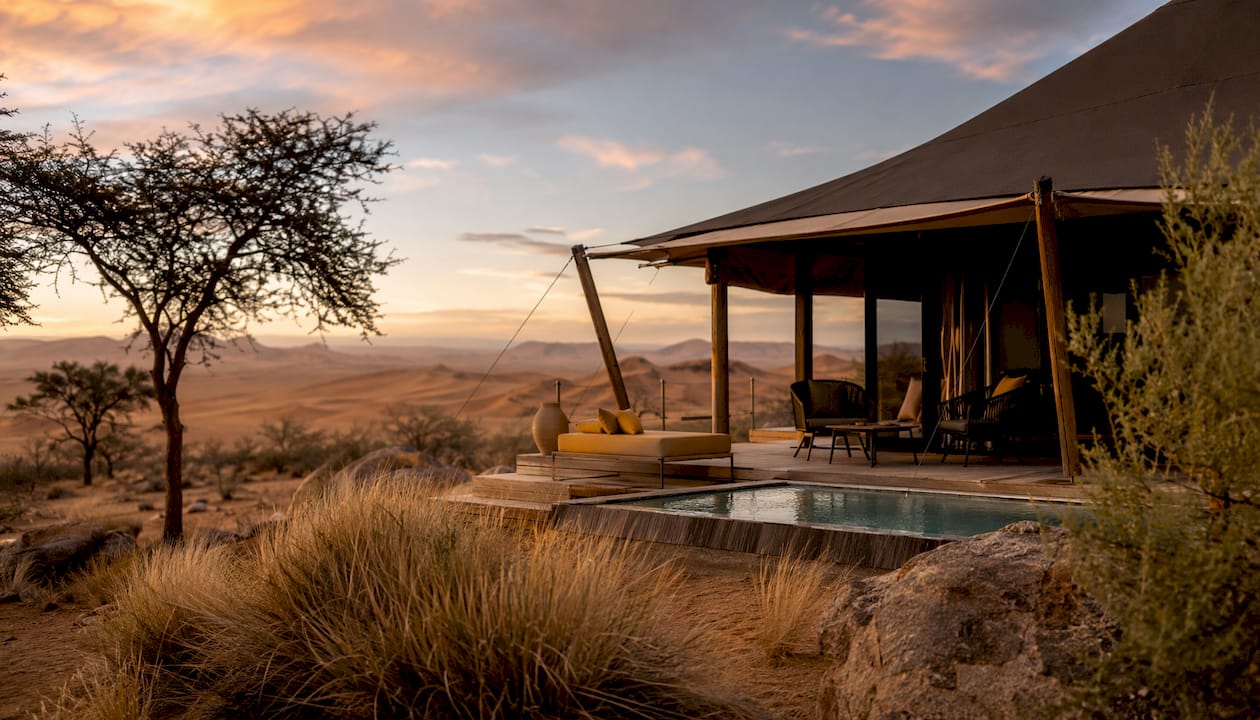
Signature places every Namibia safari should include
Namibia’s geography is so varied that each region feels like a separate country. These are the places that define a Namibian safari itinerary, and each one earns its place for a distinct reason.
Sossusvlei and Deadvlei (Namib Desert). The Namib Desert is one of the oldest on earth, and Sossusvlei’s dunes are its most dramatic expression. Climb Big Daddy at first light and you will understand why photographers plan entire trips around this single hour. Deadvlei’s bleached camel thorn trees against a white clay pan and burnt-orange dunes is one of the most photographed scenes in Africa.
Etosha National Park. Covering roughly 22,000 square kilometres, Etosha is built around a vast salt pan and a network of mapped waterholes. In the dry season, lions, elephants, rhino, and giraffe converge at these points with remarkable predictability. The Etosha waterhole experience at night, lit by floodlight from a rest-camp hide, is unlike anything else in Africa.
Skeleton Coast. Remote, windswept, and genuinely wild, the Skeleton Coast is Namibia at its most primal. Shipwrecks rust into the sand, Cape fur seals bark in their thousands at Cape Cross, and desert-adapted lions occasionally patrol the shoreline. Fly-in access is the most practical way to reach the deep north.
Damaraland. This ancient landscape of volcanic rock, petrified forests, and dry riverbeds is where you track desert-adapted elephants on foot with a specialist guide. Twyfelfontein, a UNESCO World Heritage Site, adds a cultural dimension with its extraordinary rock engravings.
Fish River Canyon. The second-largest canyon in the world stretches for roughly 160 kilometres through the southern desert. Sunrise from the rim, when shadows extend across the canyon floor for what seems like miles, is a genuinely humbling experience.
Walvis Bay and Cape Cross. The Walvis Bay lagoon hosts thousands of flamingos and offers boat-based seal and dolphin viewing. Cape Cross is home to one of the largest Cape fur-seal colonies on the continent. These coastal highlights complement any inland desert itinerary beautifully.
Caprivi Strip (Bwabwata National Park). A complete contrast to the desert south, the Caprivi’s papyrus floodplains and riverine forests deliver wetland birding and elephant sightings in a lush, green setting. If bird watching is high on your agenda, this region is extraordinary.
Wildlife you will see, where, and when
Namibia’s wildlife is distributed across dramatically different ecosystems, so knowing which species live where, and when they are most visible, shapes the entire itinerary.
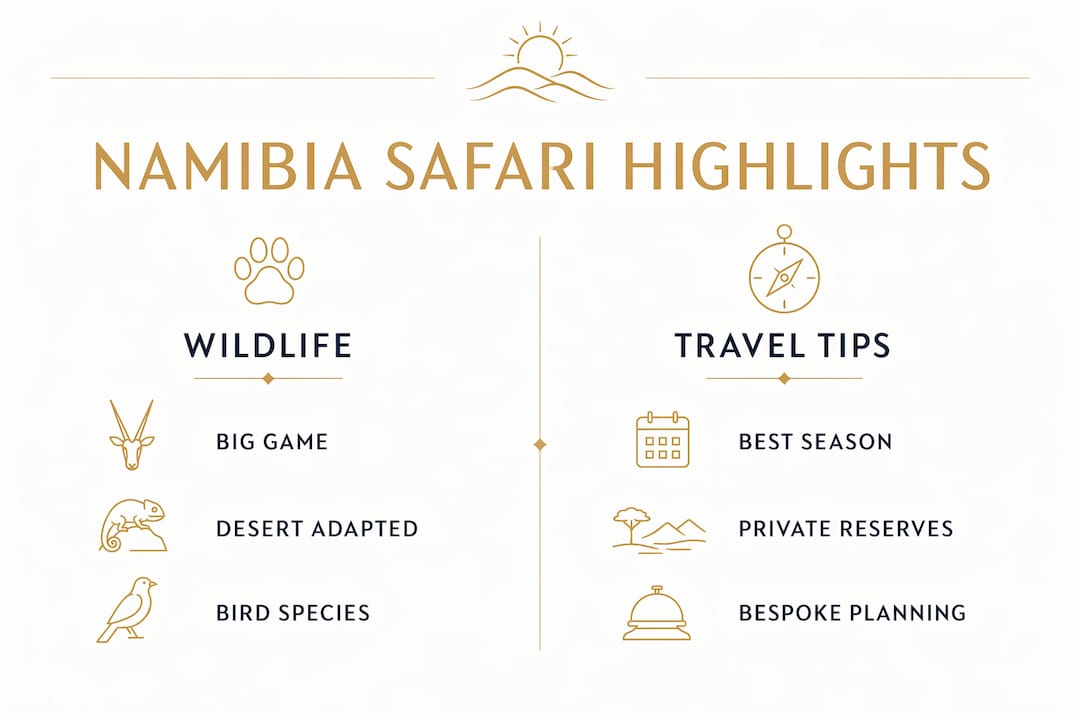
Headline species by region
Region | Key Species | Best Season |
|---|---|---|
Etosha National Park | Lion, elephant, black rhino, giraffe, cheetah, oryx | May–October (dry) |
Damaraland | Desert-adapted elephant, desert-adapted black rhino | Year-round; dry season for tracking |
Skeleton Coast / Hoanib | Desert lion, Cape fur seal, brown hyena | Year-round; fly-in recommended |
Caprivi / Bwabwata | Hippo, crocodile, sitatunga, many bird species | November–April (wet) for birds |
Walvis Bay / Cape Cross | Cape fur seal, flamingo, dolphin (boat tours) | Year-round |
Dry vs wet season at a glance
The dry season from May to October is the prime window for big-game viewing. Vegetation thins out, water sources shrink to permanent waterholes, and animals concentrate in predictable locations. June through August can be bitterly cold before sunrise, so pack layers. The wet or green season from November to April transforms the desert into a blooming, photogenic landscape. Wildlife disperses across the terrain and is less predictable at waterholes, but birding peaks, wildflowers carpet the Namib, and the Caprivi floodplains fill with water birds.
One expectation to manage honestly: desert-adapted rhino and lions are genuinely low-density and require guided tracking in private concessions or specialist fly-in camps for a realistic chance of an encounter. These are not Etosha waterhole sightings. They are earned, guided experiences that tend to be among the most memorable of any safari.
Safari styles and private reserves: which experience suits you?
Namibia offers more variety in safari style than almost any other destination, and choosing the right approach makes an enormous difference to what you experience.
Self-drive safari. Namibia’s gravel road network is extensive and manageable in a well-equipped 4×4. Self-drive gives you freedom, flexibility, and significant cost control. It suits confident travellers who enjoy the planning process and are comfortable with long drives between highlights. Secretnamibia’s self-drive safari planning service handles the logistics so you can focus on the adventure.
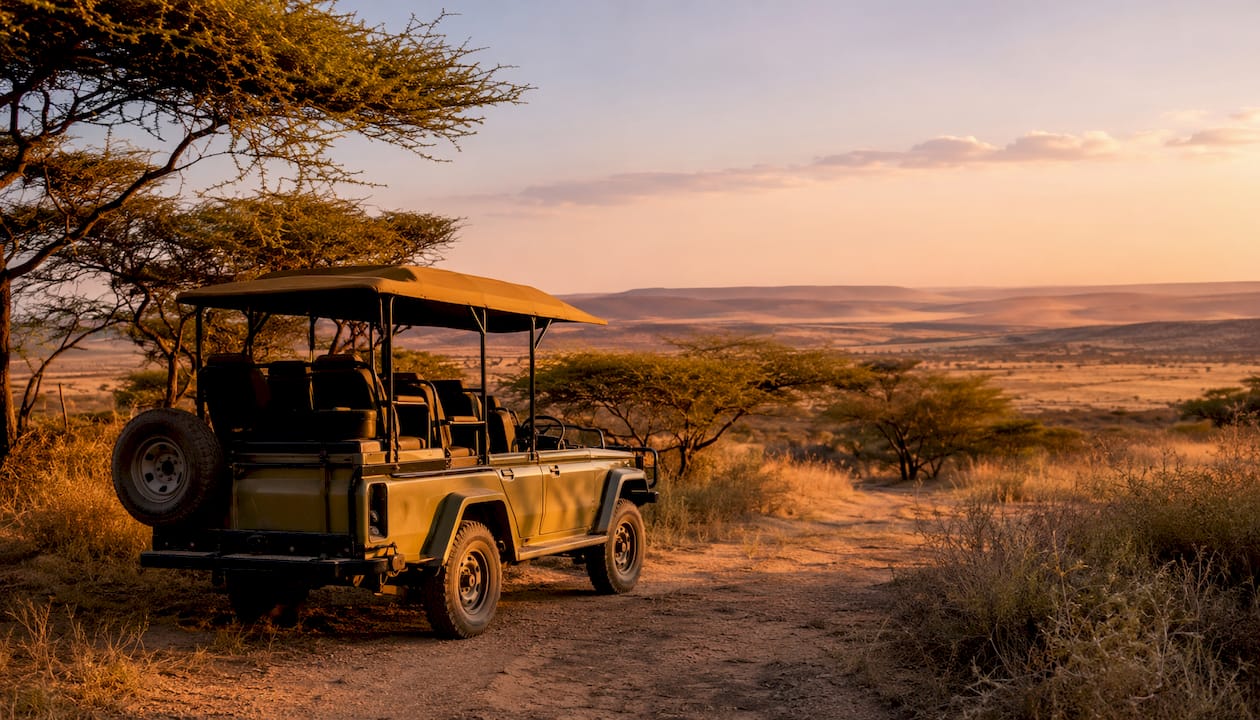
Guided lodge-based safari. An expert guide changes everything. You learn to read tracks, identify calls, and understand animal behaviour in ways that transform a sighting into a story. Lodge-based guiding suits travellers who want depth of experience without the logistical responsibility of self-drive.
Fly-in safari. Remote fly-in camps open access to areas of the Skeleton Coast and northern concessions that are simply impractical by road. The trade-off is cost: deep remote fly-in camps typically run from US $900 to US $1,500 or more per person per day. For travellers with limited time and a desire for absolute remoteness, the premium is worth it.
Private reserve and concession stays. This is where Namibia’s safari experience separates itself most clearly from national parks.
Why private reserves matter
National parks like Etosha are magnificent, but they come with rules that limit the depth of your experience: no off-road driving, no night drives, no walking outside fenced camps. Private concessions and reserves operate under different conditions. Night drives reveal nocturnal species that day visitors never see. Guided walks bring you face-to-face with the micro-ecology of the desert. Off-road tracking follows animals into terrain that a road-bound vehicle cannot reach. Conservation partnerships mean your stay directly funds anti-poaching patrols and community programmes.
The luxury safari lodges operating within private concessions typically offer a small number of suites or tented rooms, ensuring that your game activity is genuinely exclusive. You are not sharing a waterhole hide with forty other guests. You are watching a pride of lions drink at dusk with your guide and perhaps one other couple.
Pro Tip: If your priority is desert-adapted elephants or black rhino, choose a private concession in Damaraland or the Palmwag area rather than relying solely on Etosha. The tracking experience in a concession, guided on foot or by vehicle off-road, is far more immersive than a roadside sighting.
When to go: a photographer’s and wildlife-watcher’s seasonal guide
Choosing the right travel window is one of the most consequential decisions in planning a Namibian safari. The two seasons deliver genuinely different experiences, and neither is objectively better. It depends entirely on what you are there for.
Dry season: May to October
May and June bring cooling temperatures, thinning vegetation, and the first reliable waterhole concentrations. Early June mornings can be cold enough for frost in some areas, so a warm layer is not optional.
July and August are peak season for wildlife viewing. Animals are predictable, guides are at their most active, and the light in the late afternoon turns the dunes and pans a deep, saturated gold. Book lodges well in advance for these months.
September and October are warmer and drier, with animals under visible stress at waterholes. This creates dramatic, intense sightings. Temperatures climb toward 40°C in October, which is uncomfortable but produces extraordinary photographic tension.
Wet or green season: November to April
November and December see the first rains arrive, the desert blooms almost overnight, and migrant birds flood into the Caprivi and the Namib. Crowds thin in some regions, and lodge rates often drop.
January through March is full wet season. Roads in some concessions become impassable, and self-drive access to remote areas may be restricted. Guided and fly-in options remain viable.
April is a transitional month with receding rains, lush green landscapes, and excellent photographic conditions before the dry season concentrates wildlife again.
Pro Tip: For Skeleton Coast photography, the cold Benguela Current creates dense Atlantic fog that rolls inland in the mornings, particularly between June and September. Shoot in that fog for atmospheric, otherworldly images. Arrive at your coastal location before sunrise and wait for the light to burn through.
Practical planning: distances, costs, visas, and safety
Namibia rewards careful logistics. The single most common mistake travellers make is underestimating driving distances and trying to cover too many regions in too few days.
Road and distance realities
Namibia is a large country. The drive from Windhoek to Sossusvlei takes roughly four to five hours on a good day; Sossusvlei to Swakopmund adds another two to three hours.
Gravel roads are the norm outside main highways. A 4×4 is strongly recommended for Damaraland, the Skeleton Coast, and any remote concession access.
Fuel stations are sparse in remote areas. Carry a full spare tyre and extra fuel when venturing off main routes.
Drive only in daylight. Unlit roads and animals crossing at night make after-dark driving genuinely hazardous.
Indicative cost ranges by safari style
Safari Style | Indicative Daily Cost (per person) | Notes |
|---|---|---|
Self-drive (budget lodges) | US $150 or more | Vehicle hire, fuel, and mid-range accommodation |
Guided lodge-based | US $400 or more | Includes guiding, meals, and activities |
Private luxury concession | US $600–$1,200+ | All-inclusive, exclusive activities, conservation levy |
Remote fly-in camp | US $900–$1,500+ | Flights, full board, all activities included |
These are indicative ranges only. Actual costs vary by season, lodge, group size, and itinerary. Contact Secretnamibia for a personalised quote.
Visas and health basics (US travellers)
US passport holders currently receive a visa-free entry stamp for stays up to 90 days. Always verify current requirements with the Namibian Embassy or the US State Department before travel, as policies can change.
Recommended vaccinations typically include hepatitis A, typhoid, and routine boosters. Malaria prophylaxis is advised for the Caprivi Strip and northern regions; Etosha and the south carry lower risk. Consult a travel medicine clinic at least six weeks before departure.
Comprehensive travel insurance with medical evacuation cover is not optional in a country where the nearest hospital may be several hours away.
Windhoek is considered one of Africa’s safer capitals, but standard precautions apply: do not leave valuables in parked vehicles, and be aware of your surroundings in unfamiliar areas.
What a realistic Namibia safari looks like: sample itineraries
7-day fly-in safari
Day 1. Arrive Windhoek. Transfer to a boutique guesthouse for an overnight rest and briefing.
Day 2. Fly to Sossusvlei. Afternoon walk among the dunes; sunset from a high ridge.
Day 3. Sunrise climb of Big Daddy or Dune 45. Morning in Deadvlei for photography. Afternoon at leisure in the lodge.
Day 4. Fly to Damaraland. Afternoon guided walk in search of desert-adapted elephants along a dry riverbed.
Day 5. Full day in Damaraland. Morning tracking on foot or by vehicle; afternoon visit to Twyfelfontein rock engravings.
Day 6. Fly to Etosha. Afternoon game drive to the first waterholes. Sundowner in the bush.
Day 7. Full morning game drive in Etosha. Afternoon transfer to Windhoek for departure.
10–14-day road and lodge safari
Days 1–2. Windhoek arrival and orientation. Drive south to the Fish River Canyon for sunset and sunrise views.
Days 3–4. Drive north to Sossusvlei. Two full days for dune climbing, Deadvlei, and Sesriem Canyon.
Days 5–6. Drive to Swakopmund on the Atlantic coast. Kayaking with seals in Walvis Bay; optional dune activities.
Days 7–9. Drive north to Damaraland. Spend at least three nights here to maximise the chance of tracking desert-adapted elephants and to recover from the long drives.
Days 10–12. Drive east to Etosha National Park. Three full days of waterhole game drives, including at least one night session at a floodlit hide.
Days 13–14. Drive south to Windhoek via Okonjima Nature Reserve, home to the AfriCat Foundation’s cheetah and leopard rehabilitation programme.
Daily rhythm across both itineraries: Early wake-up for a 6:00 AM game activity while temperatures are cool and animals are active. Return to the lodge by mid-morning for breakfast and rest during the midday heat. Late afternoon game drive or guided walk from 4:00 PM. Sundowner in the field, then dinner under a sky so dark and star-filled it genuinely stops conversation.
Why bespoke planning makes a Namibian safari work
Namibia is not a destination that rewards improvisation. The distances are too great, the logistics too specific, and the private concession access too relationship-dependent for a last-minute approach to deliver the experience you are imagining.
Secretnamibia’s bespoke planning approach addresses exactly this. The team builds itineraries around your priorities, whether that is luxury safari lodges in private concessions, a self-drive road trip with carefully chosen overnight stops, or a fly-in circuit that maximises wildlife time and minimises transit. The value is not just in the itinerary document. It is in the relationships with lodge managers, the knowledge of which waterhole is active this week, and the ability to adjust when a road washes out or a rare sighting opportunity appears.
What to prepare before you enquire
Your preferred travel dates and flexibility window (dry season books out fast, especially July and August).
A clear sense of your priorities: photography, wildlife density, landscape, cultural experiences, or a combination.
Your comfort level with self-drive versus guided travel, and your tolerance for remote, off-grid conditions.
Any specific species or experiences on your wish list (desert-adapted rhino tracking, Skeleton Coast fly-in, Etosha night drives).
Your approximate budget range per person per day, so the team can match you to the right lodge tier.
Conservation is built into many of the private concessions Secretnamibia works with. Bespoke itineraries can include community visits and conservation-focused activities that reinforce positive impact, so if responsible travel matters to you, say so at the outset.
Key takeaways
Namibia is the world’s most compelling uncrowded safari destination, combining desert-adapted wildlife, cinematic landscapes, and private-reserve exclusivity in a single itinerary that no other country can replicate.
Point | Details |
|---|---|
Best travel window | Dry season May–October delivers concentrated waterhole wildlife; July–August is peak for sightings. |
Unique wildlife | Desert-adapted elephants, black rhino, and desert lions require guided concession access for reliable encounters. |
Private reserves vs national parks | Private concessions allow night drives, off-road tracking, and walking safaris that Etosha prohibits. |
Realistic trip length | A 10–14-day itinerary covers the key regions without exhausting driving; seven days works as a focused fly-in circuit. |
Bespoke planning | Secretnamibia builds custom itineraries with private-concession access, self-drive logistics, and fly-in coordination. |
The Namibia that stays with you
There is a particular quality to the silence in Namibia that you do not find anywhere else. Standing at the rim of Fish River Canyon at first light, with the canyon floor still in shadow and the air sharp enough to see your breath, you understand why people describe this country as a place that changes you rather than merely impresses you.
The luxury of a Namibian safari is not primarily about thread counts or wine lists, though the lodges deliver both with genuine care. It is about the feeling of being genuinely small in a genuinely vast landscape, guided by people who know every track and every waterhole and who find as much wonder in a dung beetle’s navigation as in a lion’s kill. Secretnamibia exists to give you that experience, shaped around your priorities, with the logistical weight taken off your shoulders entirely.
Plan your bespoke Namibia safari with Secretnamibia
Secretnamibia offers something specific that generic booking platforms cannot: a team that knows Namibia’s private concessions, lodge managers, and seasonal rhythms well enough to build an itinerary that actually delivers what you came for.
Whether you are drawn to a luxury all-inclusive safari across Sossusvlei and Etosha, a fly-in circuit to the remote Skeleton Coast, a self-drive road trip through Damaraland, or a honeymoon package at one of the country’s most extraordinary private lodges, the planning process starts with a single conversation. Core services include bespoke itinerary design, private-reserve and concession access, self-drive logistics, fly-in coordination, family safari planning, and luxury group packages.
Enquire about your bespoke Namibia safari and let the team build an itinerary around exactly what you want to see, do, and feel.
Useful sources and further reading
World Wildlife Fund: Namibia — An authoritative overview of Namibia’s conservation landscape, communal conservancy model, and the species the country is working to protect. Essential context for travellers who want to understand the conservation impact of their visit.
Sossusvlei.org — Practical destination information for the Sossusvlei and Namib Desert region, including access routes, dune descriptions, and visitor guidance.
TreadRight Foundation — A useful resource for travellers interested in responsible and sustainable tourism practices, relevant to anyone choosing conservation-focused safari operators.
Natural Photographer — Guidance on wildlife and landscape photography techniques, with resources applicable to Namibia’s distinctive desert and coastal environments.
Secretnamibia: Etosha National Park — Secretnamibia’s destination guide to Etosha, covering waterhole locations, best camps, and seasonal advice for planning your park days.
Secretnamibia: Namibia self-drive safaris — A practical resource for travellers considering a self-drive itinerary, with route suggestions, vehicle advice, and lodge recommendations.
Recommended
RELATED
Safari Guides
Oct 30, 2025
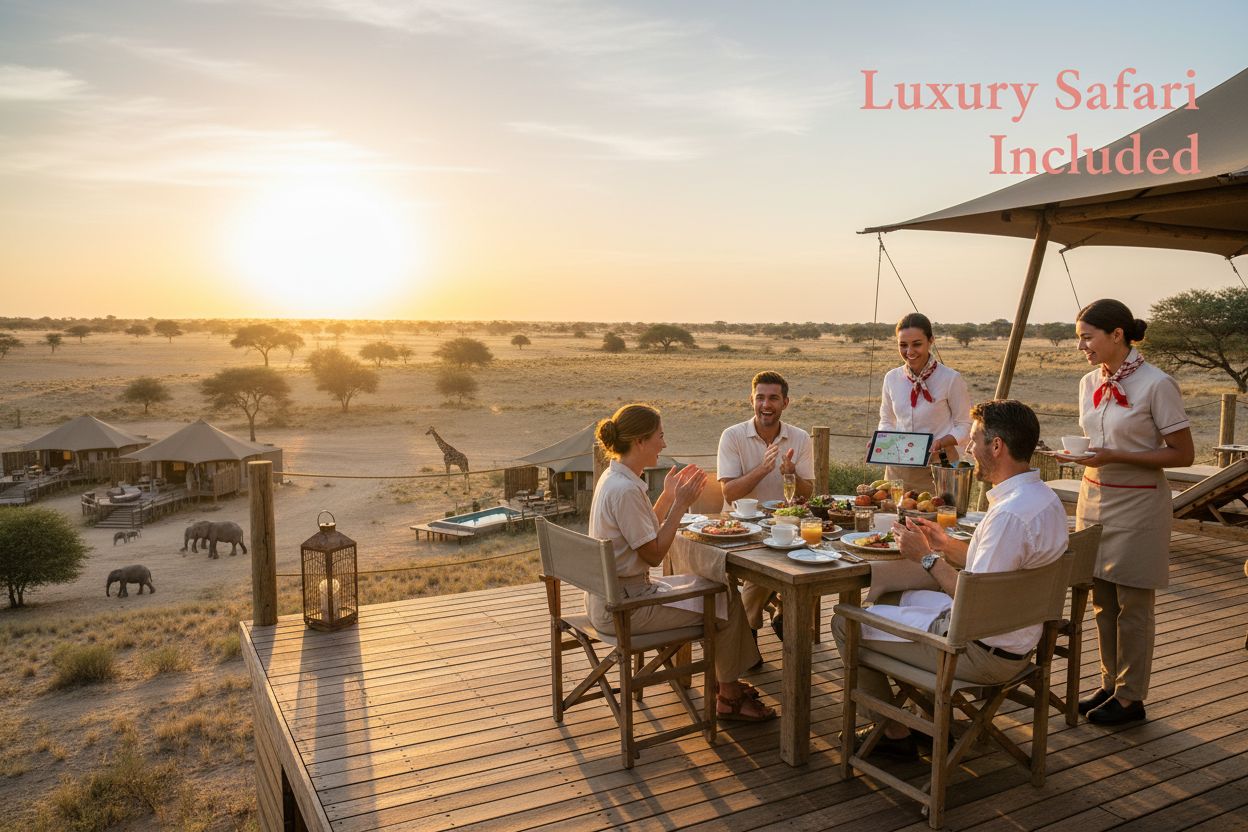
Understanding What is Included in Luxury Safaris
Explore what is included in luxury safaris, from exclusive accommodations to bespoke experiences that cater to discerning travelers.
Feb 24, 2026
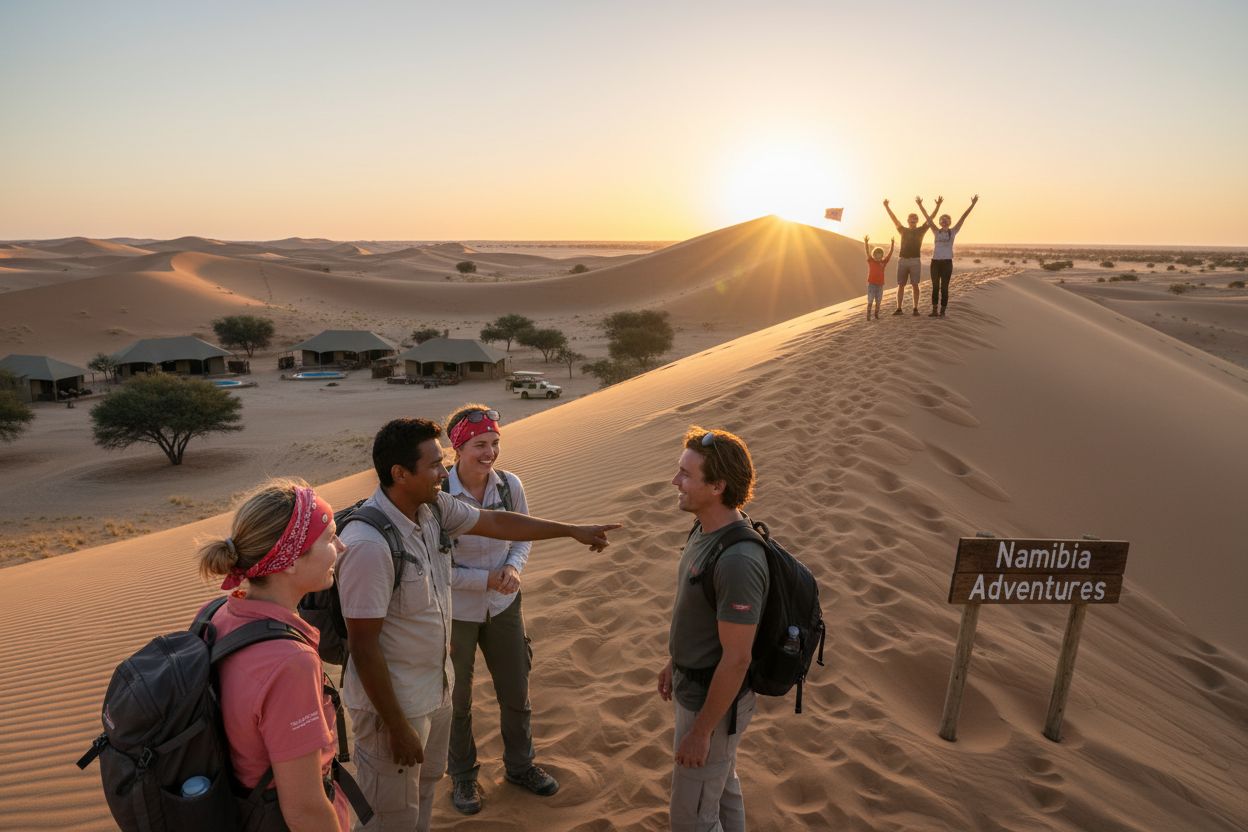
Why Namibia Adventures Matter: An In-Depth Look
Discover why Namibia adventures are essential for luxury travelers seeking unique, immersive experiences in nature and wildlife exploration.
Feb 23, 2026
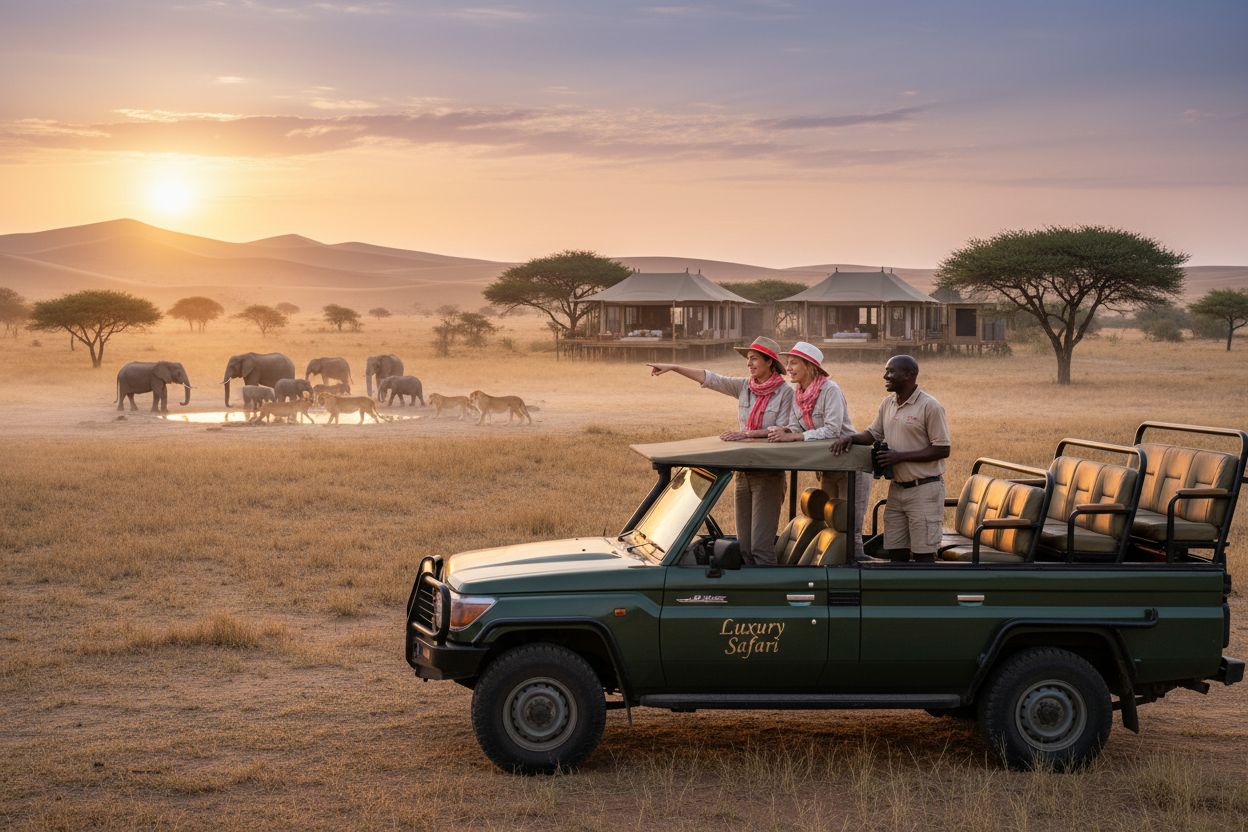
What to Expect on a Luxury Safari: A Comprehensive Guide
Discover what to expect on a luxury safari and gain a deeper understanding of the unique experiences that await you in the wild.
Feb 22, 2026
Understanding Namibia Safari Costs Explained
Explore Namibia safari costs explained to uncover what influences pricing and what it means for your adventure.
Feb 21, 2026
Understanding the Role of Safari Experts in Wildlife Travel
Explore the role of safari experts and gain a comprehensive understanding of how they enhance wildlife travel experiences for all types of travelers.
Feb 20, 2026
Guide organisation safari all inclusive : vivez l'aventure de vos rêves
Découvrez notre guide organisation safari all inclusive étape par étape pour planifier un voyage inoubliable au cœur de la nature.