Aug 26, 2026
Explore the top things to do in Namibia, from climbing iconic dunes to wildlife tracking and coastal adventures. Discover your adventure!
Namibia bucket list: the essential things to do in 2026
If you can only do three things in Namibia, choose these: climb the towering red dunes at Sossusvlei for sunrise, spend several days tracking wildlife through Etosha’s waterhole circuit, and stand on the wind-scoured edge of the Skeleton Coast. Everything else on this list builds around that core, and how much of it you fit in depends entirely on how many days you have.
For a short stopover, Sossusvlei plus a short coastal detour to Swakopmund covers the essentials. A longer visit allows you to combine Sossusvlei, the coast, and an Etosha loop. Extended trips can add destinations such as Damaraland, Fish River Canyon, and include at least one night in a private reserve.
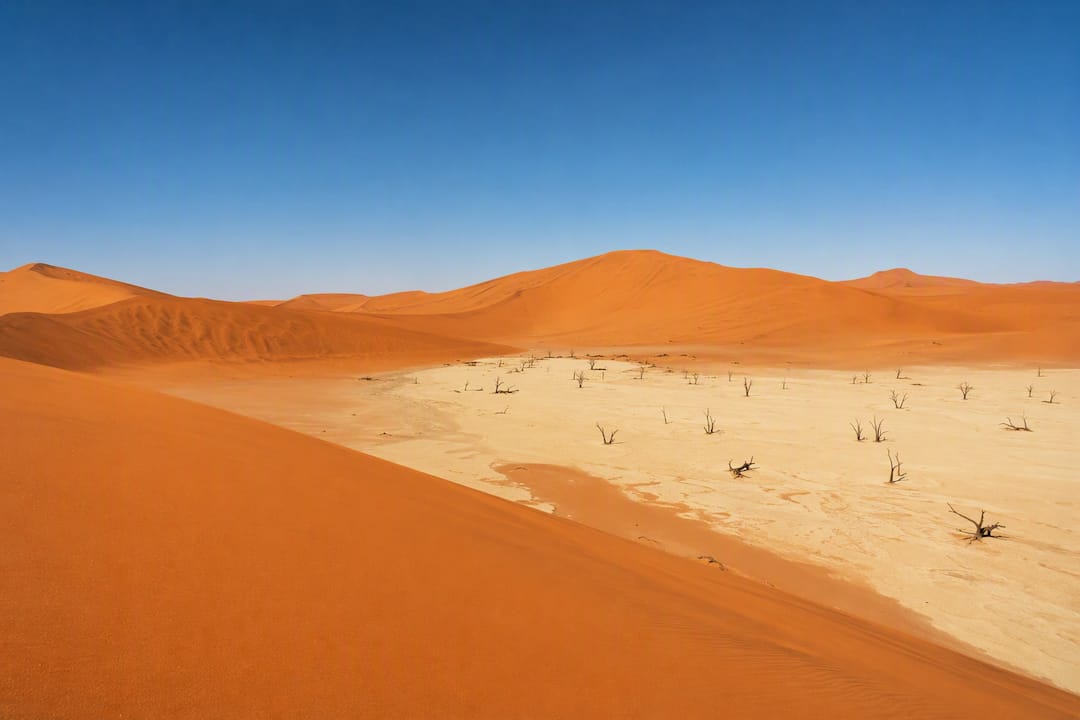
Namib dunes: Sossusvlei and Deadvlei at first light
Etosha National Park’s waterhole safari circuit
Swakopmund and Walvis Bay’s coastal activities
Skeleton Coast seal colonies and shipwrecks
Kolmanskop ghost town and Fish River Canyon
Damaraland, Spitzkoppe and cultural visits
Adventure add ons: ballooning, dune 4x4, stargazing
Secretnamibia builds bespoke itineraries around exactly this kind of prioritization, matching gate times, flight routings, and lodge choices to however many days you actually have.
Key Takeaways
Namibia rewards travelers who prioritize by trip length and pair national park highlights with at least one private reserve stay for genuinely personalized wildlife access.
Point | Details |
|---|---|
Prioritize the big three | Sossusvlei sunrise, an Etosha safari loop, and the Skeleton Coast cover Namibia’s core appeal in limited time. |
Beat the gate at Sossusvlei | Overnight park access or an early pre-dawn start delivers the best dune light and avoids queues. |
Match season to priority | Dry season concentrates wildlife at Etosha’s waterholes; green season offers wildflowers and lower rates. |
Add a private reserve for depth | Exclusive game drives, off-road tracking, and conservation partnerships suit honeymooners and small groups best. |
Let Secretnamibia handle logistics | Bespoke itinerary planning sequences self-drive, fly-in, and private-reserve legs around your available days. |
Table of Contents
Things to do in Namibia: the ranked highlights list
Planning your trip: days, seasons, and getting around
Why private game reserves deserve a place on your itinerary
What to expect on a Namibia safari
Why Namibia’s scale changes how you see wildlife
Let Secretnamibia turn this list into your itinerary
Sources
Things to do in Namibia: the ranked highlights list
Namibia rewards travelers who plan around light, distance, and season rather than a rigid checklist. Here is the order in which we’d rank the country’s essential attractions and activities, with the practical detail that turns each one from an idea into a plan.
1. Sossusvlei and Deadvlei at sunrise
Nothing else in Namibia looks like this. Star dunes rise past 300 meters above a cracked white clay pan dotted with centuries dead camelthorn trees, and the whole scene turns deep orange as the sun clears the horizon. Climbing Big Daddy or Dune 45 before the heat sets in is among the most photographed experiences in the country, and for good reason.
The trick is beating the crowds and the temperature, and that means beating the gate. Staying overnight inside Namib-Naukluft National Park gives you a genuine head start on both, since gate access from outside the park adds a drive that eats into the cool morning hours you need for the climb and the light you want for photographs, according to Wilderness Travel’s Namibia guide. Our Sossusvlei destination guide covers lodge options that sit inside or near the park boundary for exactly this reason.
Pro Tip: Bring more water than you think you need. The dune climb looks short on a map, but soft sand at altitude in rising heat is deceptively tiring, even for fit travelers.
2. Etosha National Park’s waterhole safari
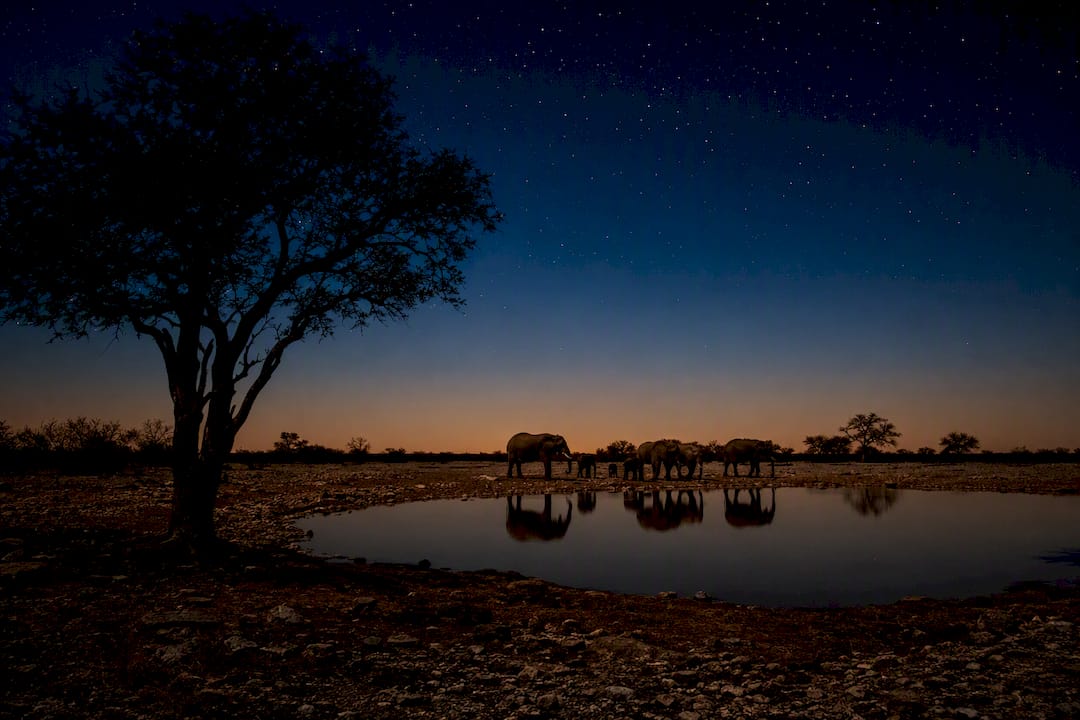
Etosha’s enormous salt pan concentrates wildlife around a network of waterholes in a way that few other parks manage, which is why it consistently ranks among Namibia’s premier game viewing destinations, per In Africa and Beyond’s highlights coverage. Elephant, lion, black rhino, and vast herds of zebra and springbok cycle through the same waterholes in the dry season, often within view of a parked vehicle.
Self-drive works well here because the road network is manageable and waterholes are marked and accessible. A guided option adds tracker knowledge that self-drivers miss, particularly for predator sightings. Our Etosha highlights page breaks down which camps put you closest to the most productive waterholes.
3. Swakopmund and Walvis Bay coastal activities
The desert meets the Atlantic here, and the contrast produces a genuinely different kind of day. Kayaking and catamaran trips out of Walvis Bay regularly pass seal colonies and, depending on season, pods of dolphins. The lagoon itself draws thousands of flamingos, a reflection of the wetland’s international significance recognized by the Ramsar Convention on Wetlands.
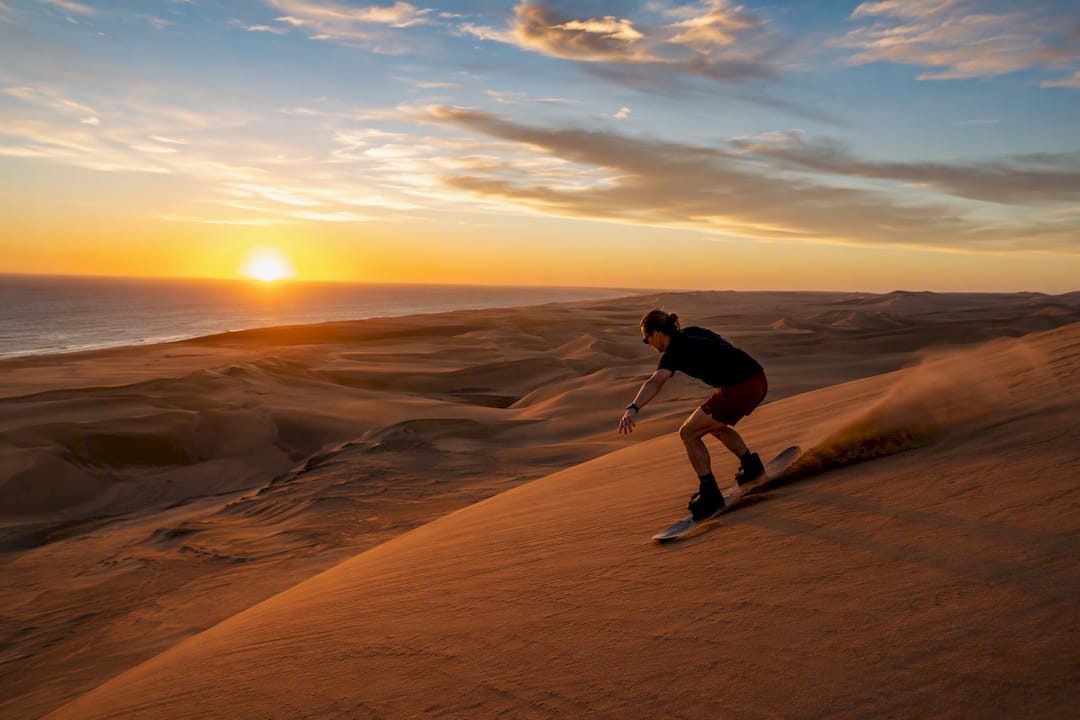
Swakopmund itself leans adventurous: skydiving, quad biking, and sandboarding on the dunes just outside town. Our Swakopmund experiences page details which operators run which activities and when flamingo numbers peak.
4. Skeleton Coast and Cape Cross seal colony
Cape Cross holds one of the largest Cape fur seal colonies in the world, and the smell reaches you before the sight does. Further north, the Skeleton Coast’s rusted shipwrecks tell a bleaker story: a coastline so treacherous that sailors named it for the wrecks and bones it accumulated. Access to the wilder northern sections is limited and best handled by charter flight, since road access is long and permits are restrictive.
5. Kolmanskop ghost town
Sand has swallowed this abandoned diamond mining town room by room, and photographers chase the same effect: dunes spilling through doorways and window frames in buildings left exactly as their German owners abandoned them in the 1950s. Morning light works best, when low sun rakes across the sand drifts inside the old ballroom and hospital. Access is restricted to guided hours, so check timing before you drive out from Lüderitz.
6. Fish River Canyon
Africa’s largest canyon system carves a gorge that many visitors experience from the main viewpoint rather than undertaking the full multi-day hiking trail. The multi day hike demands serious fitness and a permit and is only accessible outside the hottest times of the year. A shorter visit to the rim viewpoint delivers most of the visual impact in under two hours, which suits travelers building the canyon into a broader loop rather than a dedicated hiking trip.
7. Spitzkoppe and Damaraland
Spitzkoppe’s granite peaks erupt from flat gravel plains like something out of a different geological era, and the formation is a magnet for climbers and photographers chasing the same golden hour glow that makes Sossusvlei famous. Damaraland, further north, holds Twyfelfontein’s rock engravings, some of the densest concentrations of ancient petroglyphs in Africa, alongside desert adapted elephants that have learned to survive on riverbeds that only flow after rain.
8. Cultural experiences done responsibly
Visits to Himba communities and San guided walks are among the most requested cultural experiences in Namibia, and they work best when structured through community conservancies that return tourism revenue directly to residents, a model that Responsible Vacation’s Namibia guide points to as genuinely beneficial rather than performative. Our San cultural experiences page outlines what a respectful, conservancy-linked visit looks like in practice.
Ask your guide how the visit is structured before you go
Bring cash for direct community fees rather than relying on card payment
Photograph people only with explicit permission
9. Adventure activities and stargazing
Hot air ballooning over the Namib at dawn, dune 4x4 excursions, and sandboarding round out the adrenaline side of a Namibia trip. For something quieter, the NamibRand area holds Africa’s first International Dark-Sky Reserve designation, a status confirmed by the International Dark-Sky Association, and the resulting night skies are dense with stars in a way most travelers have never seen. Our Namibia stargazing guide lists the specific lodges positioned for the darkest, clearest viewing.
10. Seasonal timing shifts everything
Dry season (roughly May through October) concentrates wildlife around waterholes and delivers Etosha’s best game viewing. Namibia’s green season brings wildflower blooms and calving among plains game, offering a different, less crowded kind of photography along with lower lodge rates, a trade off worth weighing according to In Africa and Beyond.
Planning your trip: days, seasons, and getting around
How much of this list you can realistically cover depends on your route and your transport choice as much as your calendar.
48 to 72 hours: Fly into Windhoek, drive or fly to Sossusvlei for a sunrise dune climb, then a short coastal stop in Swakopmund before flying out. Tight but genuinely satisfying.
7 to 10 days: Sossusvlei, Swakopmund and Walvis Bay, then loop north into Etosha for two or three nights of waterhole game viewing. This is the sweet spot for most first time visitors.
14 or more days: Add Damaraland and Spitzkoppe between the coast and Etosha, plus a private reserve stay and, fitness permitting, the Fish River Canyon viewpoint.
Best time to visit splits into two honest camps. Dry season delivers the concentrated wildlife viewing that makes Etosha famous, with clear skies and minimal rain. Green season trades some of that concentration for wildflowers, dramatic cloud formations, and noticeably lower lodge rates.
Transport shapes the whole experience:
Self-drive gives total flexibility and suits confident drivers comfortable with gravel roads and long distances between fuel stops.
Fly-in safaris save enormous amounts of time on a route where Sossusvlei to Etosha alone can mean a full day’s drive, letting you cover more ground in fewer days.
Guided small-group touring sits between the two, useful for travelers who want local knowledge without managing logistics themselves.
Budget shape varies just as much: self-drive with midrange guesthouses runs leanest, fly-in circuits between luxury lodges sit at the top end, and a blended approach, self-driving the accessible southern loop while flying into remote northern camps, often gives the best value for the experience delivered.
Why private game reserves deserve a place on your itinerary
National parks like Etosha are extraordinary, but they come with shared roads, fixed gate hours, and vehicles queuing at the same waterhole. Private reserves flip that script. Game drives run on your schedule, guides can go off-road to follow a sighting, and vehicle numbers per sighting are capped, often to just one or two. Many reserves also run direct conservation partnerships, meaning your stay contributes to anti-poaching work or species reintroduction rather than just park entry fees.
Exclusivity: fewer vehicles per sighting, often none at all beside yours
Flexibility: off-road tracking and drive times built around wildlife, not gate hours
Tailored guiding: private guides who adapt each drive to your interests, whether that’s birds, big cats, or photography
Conservation stake: many reserves fund anti-poaching units or wildlife research directly through guest stays
Reserves anchored around desert-adapted wildlife, black rhino tracking on foot, or big cat research tend to combine strong lodges with genuine conservation credibility. Our Africat Foundation highlights page covers one such conservation-linked experience.
Pro Tip: Private reserve stays add the most value for honeymooners and small groups. The exclusivity that feels wasted on a large family group becomes the whole point when it’s just the two of you and a guide who knows exactly what you came to see.
What to expect on a Namibia safari
Days on safari follow a rhythm: pre-dawn wake up, a two to three hour morning game drive while temperatures are cool and animals are active, a long lodge break through the heat of the day, then a second drive into sunset followed by dinner under an open sky.
Wildlife viewing rewards patience at waterholes more than fast driving between sightings
Guides set the pace and the distance from animals, and their instructions are non-negotiable for safety
“Luxury” in Namibia usually means private plunge pools, guided nature walks, and sundowner drinks on a dune rather than sheer scale
Visiting Himba or San communities calls for asking before photographing and following your guide’s lead on appropriate conduct
Namibia’s fairy circles, those mysterious bare patches scattered through grassland in Damaraland and the Kalahari fringes, remain a genuine scientific curiosity, documented as a recognized arid grassland phenomenon) rather than folklore. Guides love pointing them out, and there’s still no single settled explanation for why they form.
Why Namibia’s scale changes how you see wildlife
Namibia gives you something crowded parks cannot: silence long enough to actually watch an animal rather than photograph it and move on. The light here does something particular too, flattening distance across dune fields until a lone oryx on a ridge looks etched rather than photographed.
Designing a Namibia itinerary well means balancing that solitude against logistics: a desert sunrise, a coastal afternoon, a private reserve evening drive, none of it collides if the routing respects drive times and gate hours. The most memorable trips we’ve helped shape lean into that scale rather than fighting it, and they favor operators and conservancies that put real money back into the land.
— Secret
Let Secretnamibia turn this list into your itinerary
Namibia’s best experiences share a common problem: gate times, charter flight schedules, and private reserve access windows are unforgiving, and a single missed connection can cost you a sunrise at Sossusvlei or a night at a fully booked lodge. Secretnamibia builds bespoke itineraries that solve exactly this, sequencing self-drive legs, fly-in hops, and private-reserve nights so nothing on your list gets sacrificed to logistics.
Our planning covers custom itineraries, private guides, direct lodge partnerships, and both self-drive and fly-in routings, backed by relationships with reserves that prioritize conservation alongside guest experience. Browse the luxury safari features that define our high-end packages, then enquire directly with your travel dates and priorities from this list, and we’ll shape a route around them.
Sources
Recommended
RELATED
Safari Guides
Oct 30, 2025
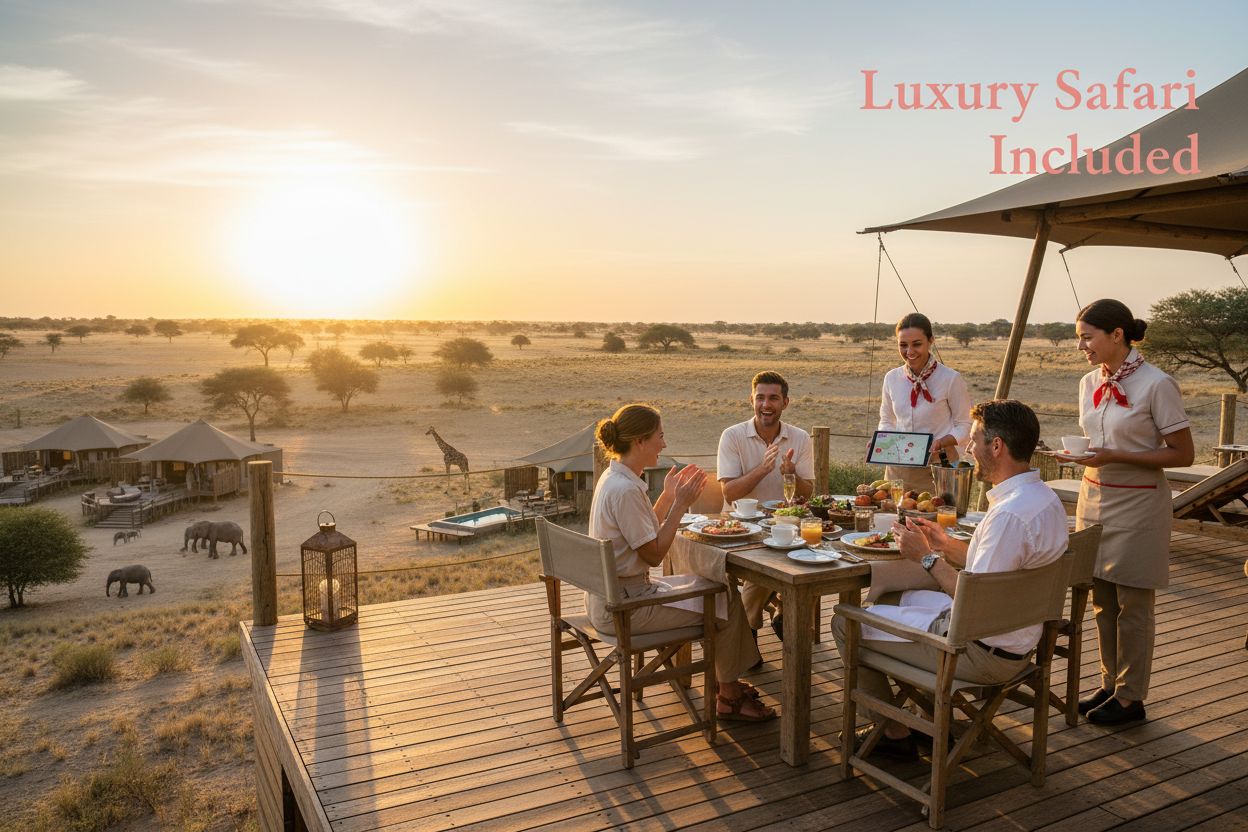
Understanding What is Included in Luxury Safaris
Explore what is included in luxury safaris, from exclusive accommodations to bespoke experiences that cater to discerning travelers.
Feb 24, 2026
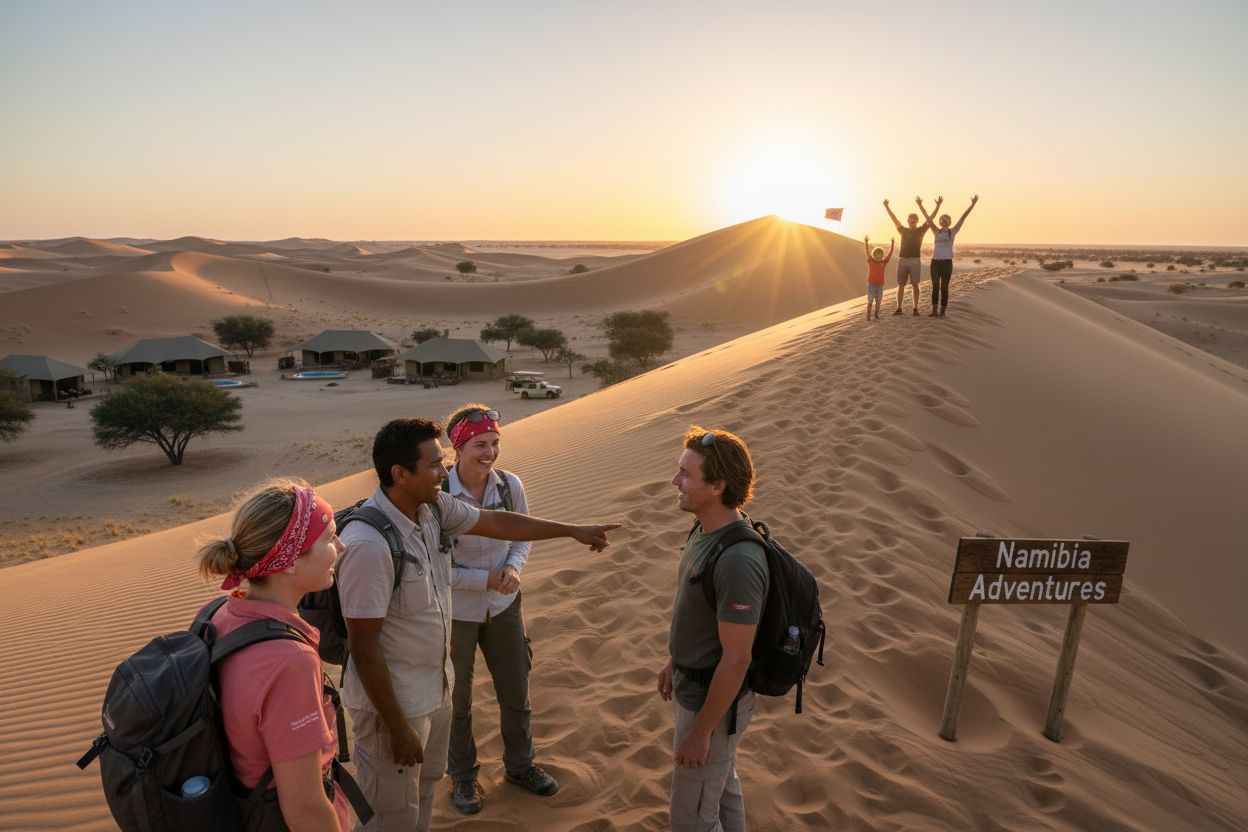
Why Namibia Adventures Matter: An In-Depth Look
Discover why Namibia adventures are essential for luxury travelers seeking unique, immersive experiences in nature and wildlife exploration.
Feb 23, 2026
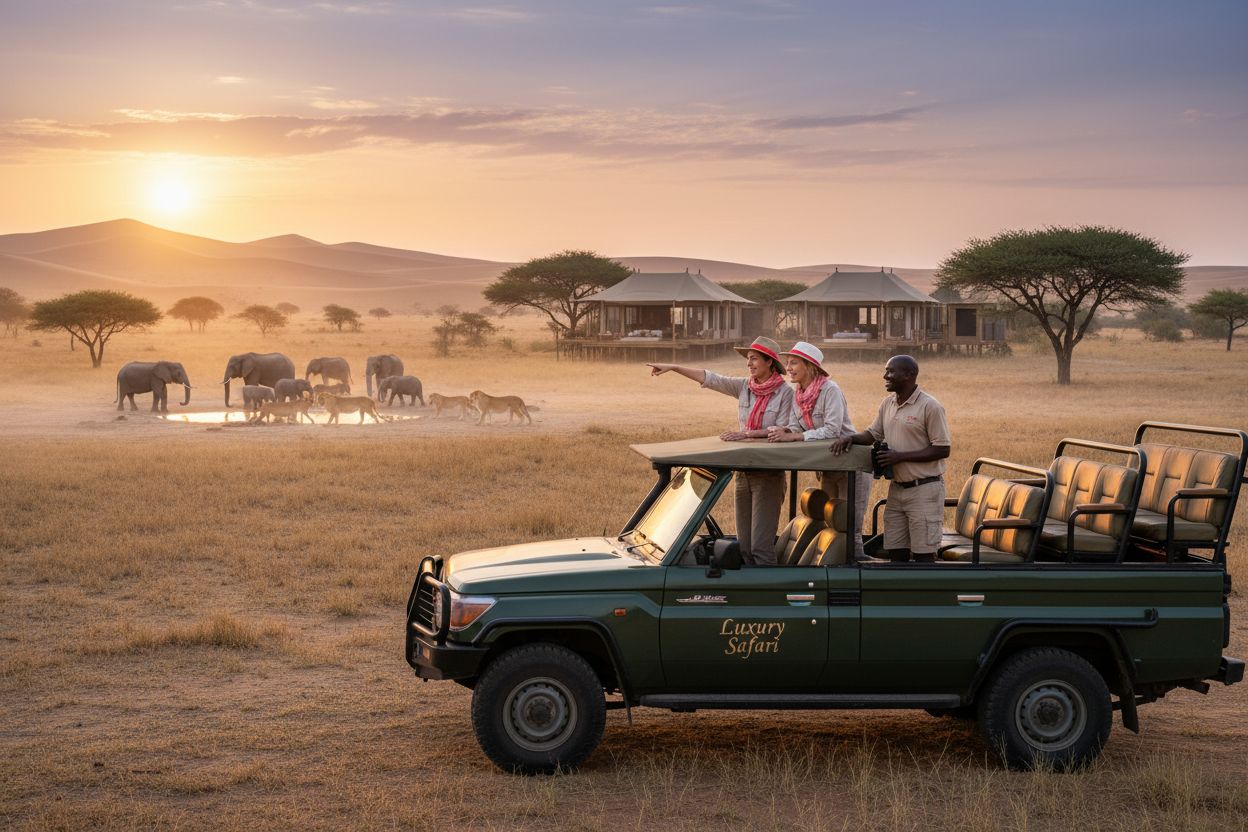
What to Expect on a Luxury Safari: A Comprehensive Guide
Discover what to expect on a luxury safari and gain a deeper understanding of the unique experiences that await you in the wild.
Feb 22, 2026
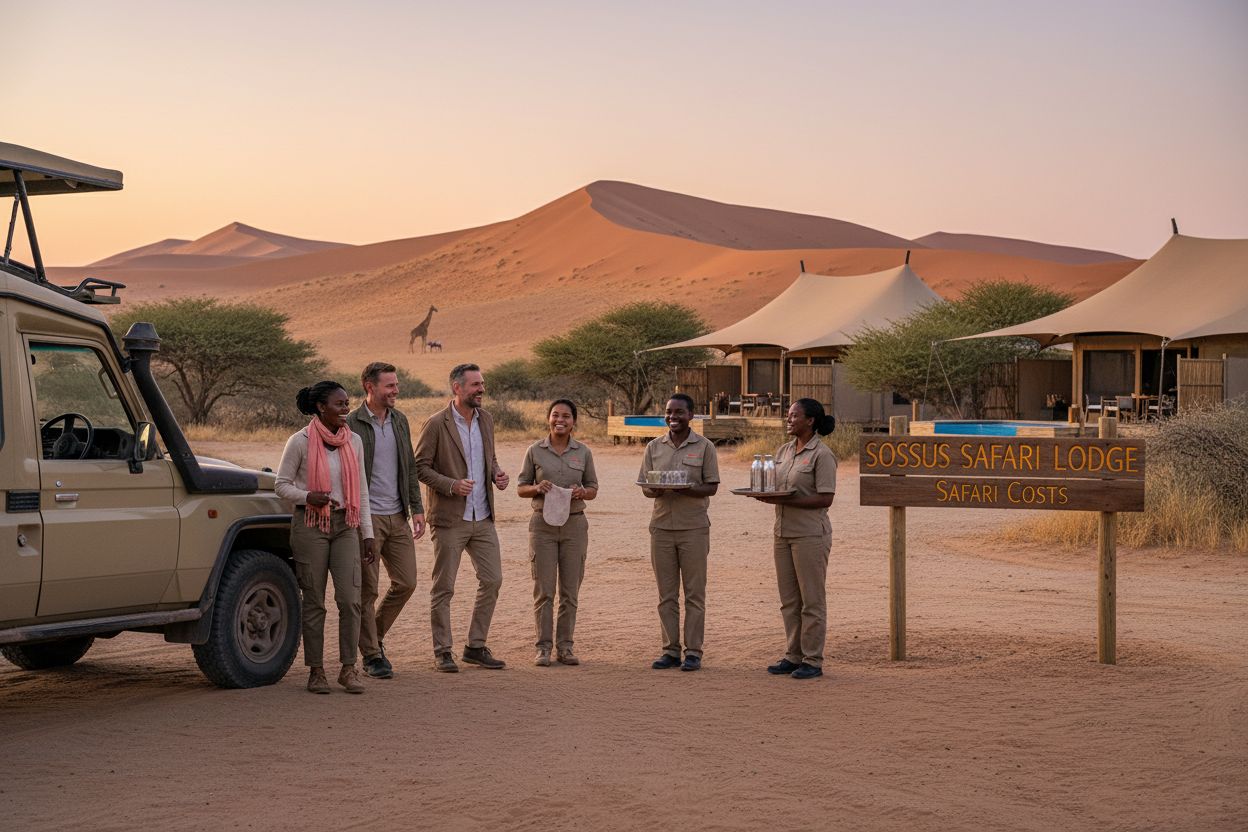
Understanding Namibia Safari Costs Explained
Explore Namibia safari costs explained to uncover what influences pricing and what it means for your adventure.
Feb 21, 2026
Understanding the Role of Safari Experts in Wildlife Travel
Explore the role of safari experts and gain a comprehensive understanding of how they enhance wildlife travel experiences for all types of travelers.
Feb 20, 2026
Guide organisation safari all inclusive : vivez l'aventure de vos rêves
Découvrez notre guide organisation safari all inclusive étape par étape pour planifier un voyage inoubliable au cœur de la nature.