Aug 27, 2026
Explore Namibia's unique wildlife, including the Big Five and rare desert specialists—encounters that make every moment unforgettable.
Namibia wildlife: where to find Africa’s desert icons
Namibia holds Africa’s Big Five plus a roster of desert specialists you will not find anywhere else on the continent. Black rhino move through Damaraland’s gravel plains, desert-adapted elephants dig for water in dry riverbeds, and oryx stand motionless against dunes that seem too hostile for anything to survive. Etosha, the Skeleton Coast, and the Zambezi wetlands each hold a different piece of this picture.
Sighting densities here run lower than in the wetter safari circuits of East Africa. That is the trade. What you get instead is scarcity that makes every encounter feel earned, not routine.
Big Five present: lion, leopard, elephant, buffalo, and both black and white rhino
Signature desert species: desert-adapted elephant, desert lion, Hartmann’s mountain zebra, oryx
Prime regions: Etosha National Park, Damaraland, the Skeleton Coast, and the Zambezi wetlands in the northeast
TL;DR:
Namibia offers low-density wildlife encounters, making each sighting feel rare and rewarding, especially in the dry season from June to October.
The Big Five are present but spread across different regions: lions and rhinos mainly in Etosha, desert-adapted elephants in Damaraland, and buffalo in the Zambezi wetlands.
Desert species like desert lions, desert elephants, and Hartmann’s mountain zebras require specialist guides and remote access, often limited to fly-in concessions.
Private reserves and conservancies offer exclusive, tailored safaris that support conservation efforts and provide better chances to see rare and elusive wildlife species.
Table of Contents
Namibia’s ecosystems and how they shape wildlife
Where do you find the Big Five in Namibia?
What makes Namibia’s desert wildlife unique?
How rich is Namibia’s birdlife and reptile diversity?
How does conservation work in Namibia, and what threatens it?
Which parks give you the best chance of seeing Namibia’s wildlife?
Why private game reserves outshine national parks in Namibia
What should you expect on a Namibia wildlife trip?
What are Namibia’s lesser-known and endemic species?
Where can you study or research Namibia’s wildlife?
How can you practice responsible wildlife tourism in Namibia?
How Secret Namibia can help you plan a wildlife safari
Key Takeaways
Sources
Namibia’s ecosystems and how they shape wildlife
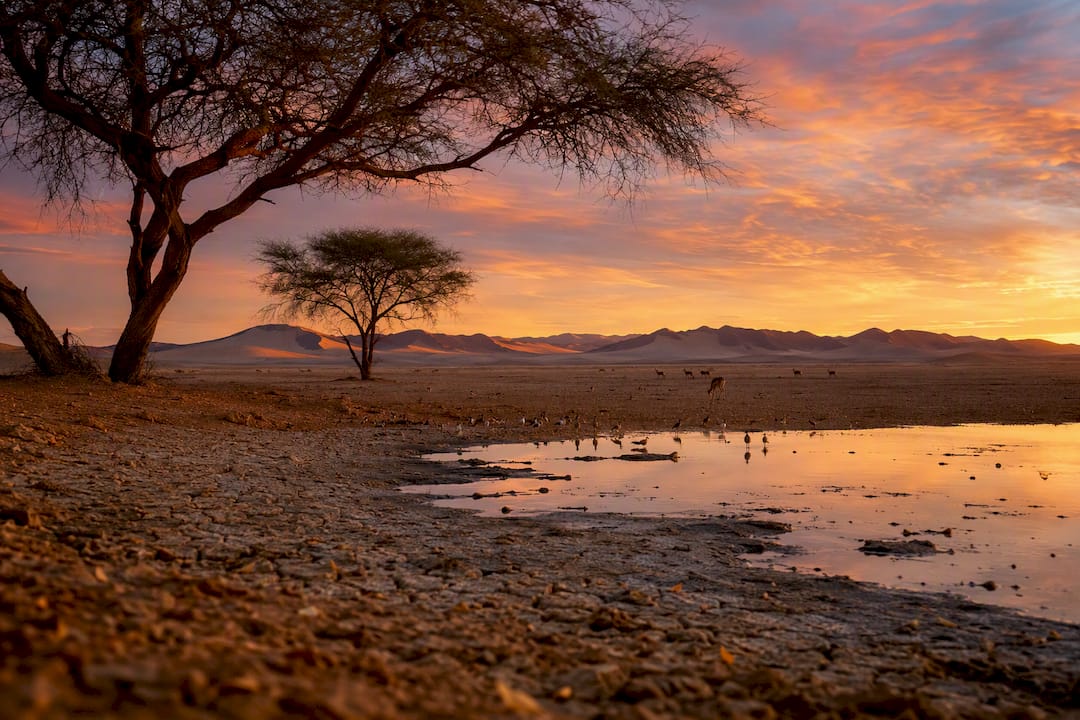
Namibia’s animals are products of the ground beneath them. The Namib Desert, one of the oldest deserts on Earth, runs along the entire coastline and forces species like the oryx and the fog-basking beetle to extract moisture from air rather than rainfall. Inland, the Etosha pan and its surrounding grassland form a mineral-rich basin where waterholes concentrate wildlife during the dry months, making it the country’s most reliable big-game viewing ground. Far to the northeast, the Zambezi wetlands (formerly the Caprivi Strip) belong to a completely different world of floodplains, riverine forest, and papyrus channels that support hippo, buffalo, and elephant herds moving up from Botswana and Zambia. Between these extremes sits the central savanna, a transitional zone of camelthorn woodland and open plains that bridges desert and wetland ecosystems.
Cold Atlantic currents push fog inland across the Namib most mornings, and that fog is a lifeline. It sustains lichen fields, succulents, and the insects that feed the desert’s small predators.
Namib Desert: oryx, springbok, fog-basking beetle, desert-adapted elephant
Etosha plains: lion, elephant, black rhino, zebra, large antelope herds
Zambezi wetlands: buffalo, hippo, crocodile, wetland birds
Central savanna: leopard, cheetah, kudu, giraffe
Namibia’s terrestrial mammal count sits around 200 species, 14 of them endemic, a figure that reflects exactly this range of habitats packed into one country.
Where do you find the Big Five in Namibia?
Namibia is one of the few countries where you can chase all five headline species, but not in one park, and not with equal ease.
Lion — Etosha holds the largest population, with regular sightings near waterholes such as Okaukuejo and Halali, especially in the dry season.
Leopard — Widespread but elusive across Etosha, the central escarpment, and private reserves; night drives improve your odds considerably.
Elephant — Etosha’s herds are classic savanna elephants; Damaraland and Kaokoland hold the desert-adapted population, smaller in herd size and built for scarcity.
Rhino — Etosha and Damaraland both hold black rhino, with Namibia home to the largest free-roaming black rhino population on the planet; white rhino appear mainly on private reserves and in Etosha.
Buffalo — Confined almost entirely to the Zambezi wetlands, where floodplain grazing supports herds absent from the country’s arid center.
Desert-adapted elephants have evolved larger feet and smaller herd sizes that let them cross greater distances between water sources, a trait you will not see in their savanna cousins. Cheetah numbers here are also the highest anywhere in the world, though sightings depend heavily on which conservancy you visit.
Pro Tip: Visit Etosha between June and October when waterholes shrink and animals cluster around the few that remain. Outside those months, the bush is greener but wildlife disperses widely and sightings take patience.
For a fuller rundown of which species pair with which season, this wildlife-spotting guide breaks down species by month and region.
What makes Namibia’s desert wildlife unique?
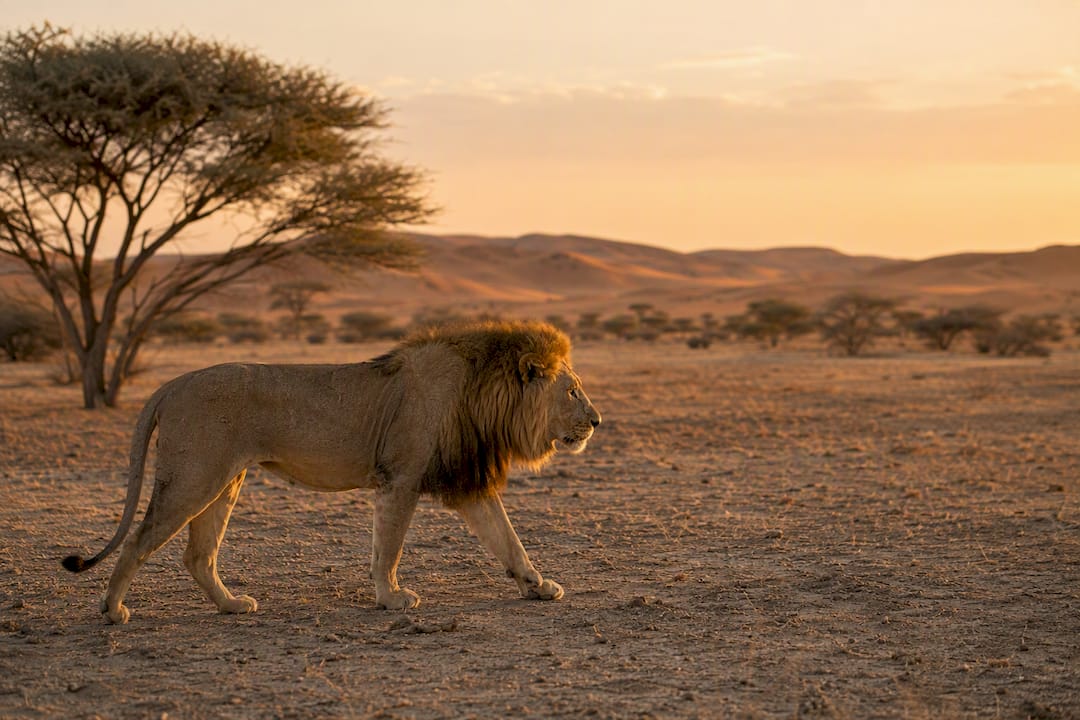
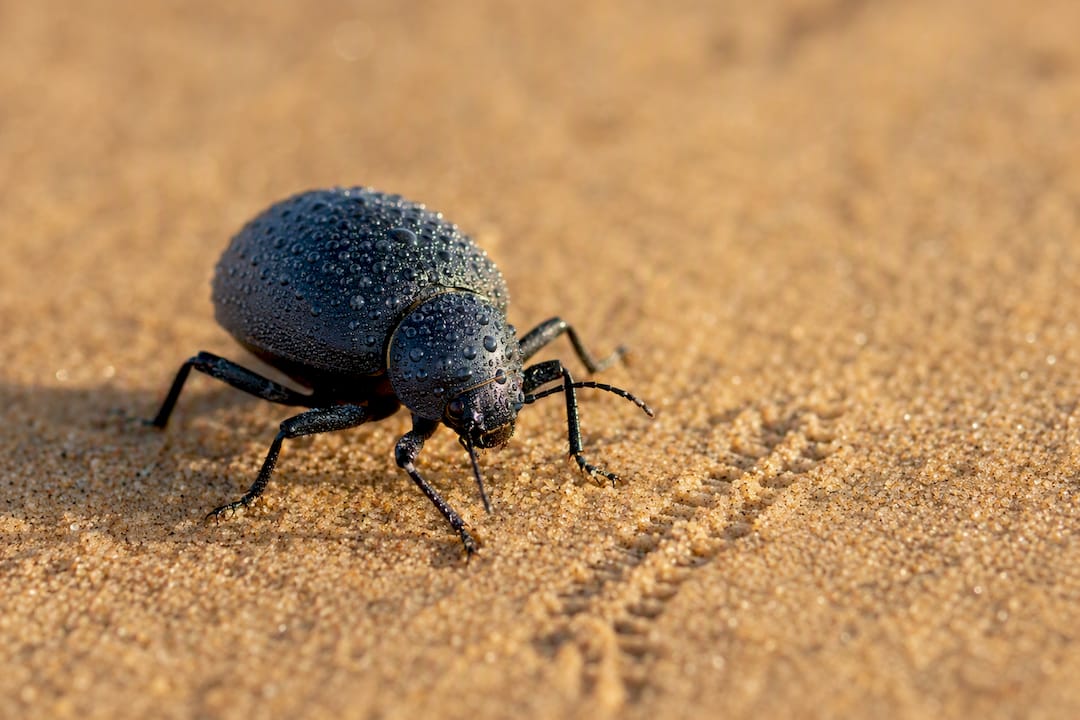
This is where Namibia stops resembling any other safari country. Desert-adapted elephants survive on riverbed vegetation and can travel enormous distances between waterholes, a behavioral adjustment, rather than a separate species. In Damaraland and Kaokoland, a small population of desert-adapted lions has learned to hunt seals and birds along dry riverbeds, occasionally reaching the coast itself. Hartmann’s mountain zebra clings to steep, rocky escarpments where other grazers cannot climb, and along the coastal dunes, the fog-basking beetle tilts its body each morning to catch condensation, drinking dew that never falls as rain.
None of this is easy to see from a self-drive route.
Desert lion and elephant tracking usually requires specialist guides working known territories
Palmwag and the wider NamibRand region are among the better-access points for these species
Remote concessions often mean fly-in access rather than tarred roads
Pro Tip: Book desert-tracking excursions well ahead of your trip. Guides who know current lion or rhino movements are a small, specialized group, and demand for their time during peak months runs high.
How rich is Namibia’s birdlife and reptile diversity?
Namibia’s dry reputation undersells its biodiversity. The country records roughly 645 bird species and around 250 reptile species, with 14 bird species and 59 reptile species found nowhere else. Over 4,300 plant species grow here, 683 of them endemic, numbers pulled together from national biodiversity compendia rather than a single field count, but they underline just how much diversity hides in what looks like empty terrain.
Three pockets deliver most of the birding highlights:
Walvis Bay and the coastal lagoons, where thousands of flamingos and a resident Cape fur seal colony draw both birders and boat-based wildlife trips
The central escarpment, home to raptors and dry-country specials like the rockrunner
The Zambezi wetlands, where papyrus and floodplain habitats bring in African skimmers, fish eagles, and a completely different bird list from the arid south
If birding is the focus of your trip, plan around the wetter months for the wetlands and the dry season for the coast, when lagoon numbers peak.
How does conservation work in Namibia, and what threatens it?
Namibia’s conservation model is built on giving communities a direct stake in wildlife survival. Roughly 45% of the country sits under some form of conservation management, spanning national parks, private farms, and communal conservancies. That last category is the country’s real innovation: land where local communities hold the rights to manage and benefit from wildlife, rather than a government agency managing it on their behalf.
Namibia has numerous communal conservancies that cover a significant portion of the country and have helped restore populations of lion, cheetah, black rhino, and zebra while providing tourism income directly to local communities.
The economic case is concrete: conservancy-linked tourism and joint-venture lodges generate income for local communities that gives poaching a real opportunity cost. That said, threats persist.
Rhino and pangolin trafficking spikes tied to regional demand networks
Human-wildlife conflict, particularly where elephants and predators cross into farmland
Drought pressure, which pushes animals toward settled areas in search of water
Modern tools help track and respond to these pressures. Satellite collars and platforms like EarthRanger let rangers monitor rhino and elephant movement in near real time, flagging unusual activity before it escalates. Namibia’s community-led conservation model is often cited as one reason its rhino and cheetah numbers have held up where other countries have lost ground.
Which parks give you the best chance of seeing Namibia’s wildlife?
Each region rewards a different kind of curiosity, and the parks rarely overlap in what they offer.
Etosha National Park — the country’s headline destination, where waterhole viewing delivers reliable lion, elephant, and black rhino sightings, especially from June through October.
Namib-Naukluft National Park — vast dune fields and gravel plains holding oryx, springbok, and the insect life adapted to fog, with MEFT’s own park pages covering access points and habitat notes in detail.
Skeleton Coast — a starkly beautiful stretch of shipwrecks and seal colonies, best known for shorebirds and marine wildlife rather than big game.
Damaraland and Kaokoland — the epicenter of desert-adapted rhino and elephant tracking, usually accessed through specialist guides and remote lodges.
Zambezi region, including Bwabwata, Mudumu, and Nkasa Rupara — Namibia’s wetland corner, where buffalo, hippo, and dense birdlife replace the arid south’s cast entirely.
Multi-day stays consistently outperform single-night stops, simply because desert and wetland species alike move on their own schedules, not the visitor’s.
Why private game reserves outshine national parks in Namibia
National parks like Etosha are shared spaces, open to every vehicle with a permit, and that openness comes with real limits. Sightings happen alongside other vehicles, guiding is generalized, and access to sensitive areas like known rhino territory is restricted for good reason. Private reserves flip that arrangement. Guiding becomes specialized and often tracker-led, vehicle numbers stay low, and access extends into concessions where desert rhino and desert-adapted elephant actually live.
That exclusivity is not just comfort. It changes what you see.
Tailored guiding: trackers who follow individual rhino or lion prides can put you closer to a specific animal, not just “the area where they sometimes are”
Conservation partnerships: many private reserves fund anti-poaching patrols and community conservancy programs directly through guest fees
Flexible itineraries: walking safaris, night drives, and off-road tracking that national park rules typically restrict
Lower guest density: fewer vehicles per sighting, often meaning private or near-private access to a moment with wildlife
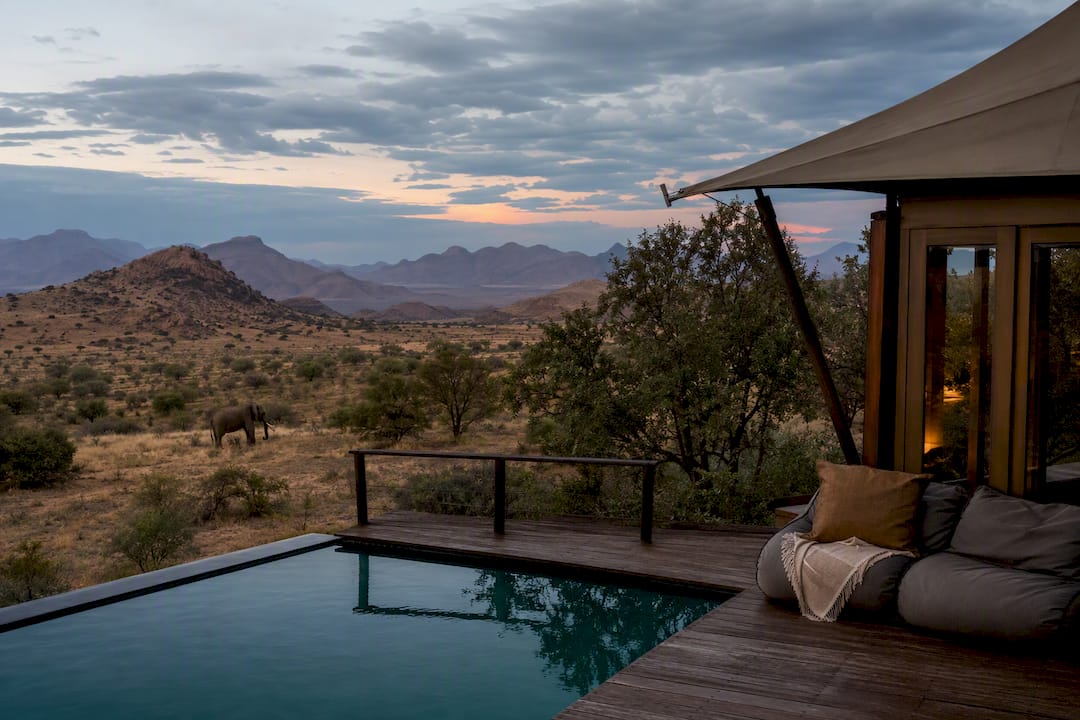
Secret Namibia arranges precisely this kind of access. Rhino tracking experiences in Damaraland’s private concessions, fly-in stays in remote desert camps, and conservation-linked safaris that put guest fees to direct use are all built around the reality that rare sightings reward those willing to go where the crowds don’t. Guest suites in these reserves tend toward understated luxury: canvas and stone design, open-air showers, and decks positioned for dawn light over dry riverbeds where elephants pass on their own timetable.
What should you expect on a Namibia wildlife trip?
Expectations matter as much as itineraries here. Namibia is not a country where every drive ends in a lion sighting, and that is precisely its appeal.
Seasonality: the dry season (roughly May to October) concentrates wildlife at waterholes and offers the clearest viewing; the wet season brings green landscapes, migratory birds, and more scattered game.
Format: self-drive suits confident travelers on a budget, guided drives raise your odds through local knowledge, walking safaris bring you closer to tracks and smaller wildlife, and boat trips on the Zambezi rivers open up hippo and birdlife you cannot reach by vehicle.
Etiquette and kit: keep a respectful distance from all wildlife, avoid off-road driving outside licensed areas, and pack neutral-colored clothing, a wide-brim hat, and binoculars for the long game views Namibia specializes in.
Pro Tip: Pack layers even in the dry season. Desert mornings can sit near freezing before climbing to warm afternoons, and most game drives start before sunrise.
What are Namibia’s lesser-known and endemic species?
Beyond the Big Five and the headline desert specialists, Namibia holds a quieter cast of animals that rarely make the brochure but define the country’s ecological character. The Damara dik-dik, one of Africa’s smallest antelope, moves through dense bush along the escarpment, while the Hartmann’s mountain zebra occupies rocky terrain too steep for its plains cousin. Along the coast, the Cape fur seal forms colonies numbering in the thousands at sites like Cape Cross, drawing both predators and photographers.
Reptile endemism runs deep here too. Namibia’s web-footed gecko survives on the Namib’s dune fields by burrowing during the day and emerging at night to avoid lethal surface temperatures, while various Namaqua chameleon populations shift color partly to regulate body heat rather than purely for camouflage. Among invertebrates, the fog-basking beetle remains one of the most cited examples of desert adaptation anywhere on the continent, angling its body each dawn to channel condensed fog droplets directly into its mouth.
These species rarely anchor a safari itinerary on their own, but they reward travelers who slow down. A guide who stops for a dik-dik or a gecko track in the sand is usually the same guide who will find you the desert lion later that day. Namibia’s endemism, spread across mammals, birds, reptiles, and plants, is less about singular icons and more about a whole ecosystem finely tuned to scarcity.
Where can you study or research Namibia’s wildlife?
Namibia has become a genuine draw for ecology students, researchers, and serious naturalists, not just photographers. The country’s conservancy system generates a steady stream of monitoring data, and several field research stations partner with universities and NGOs to track rhino, elephant, and predator populations across the north and northwest.
Volunteer and research placements typically run through conservancy-linked programs or established conservation organizations working on desert lion monitoring, rhino patrol support, or bird population surveys in the Zambezi wetlands. University partnerships, particularly around desert ecology and human-wildlife conflict mitigation, have made Namibia something of a living laboratory for arid-zone conservation science.
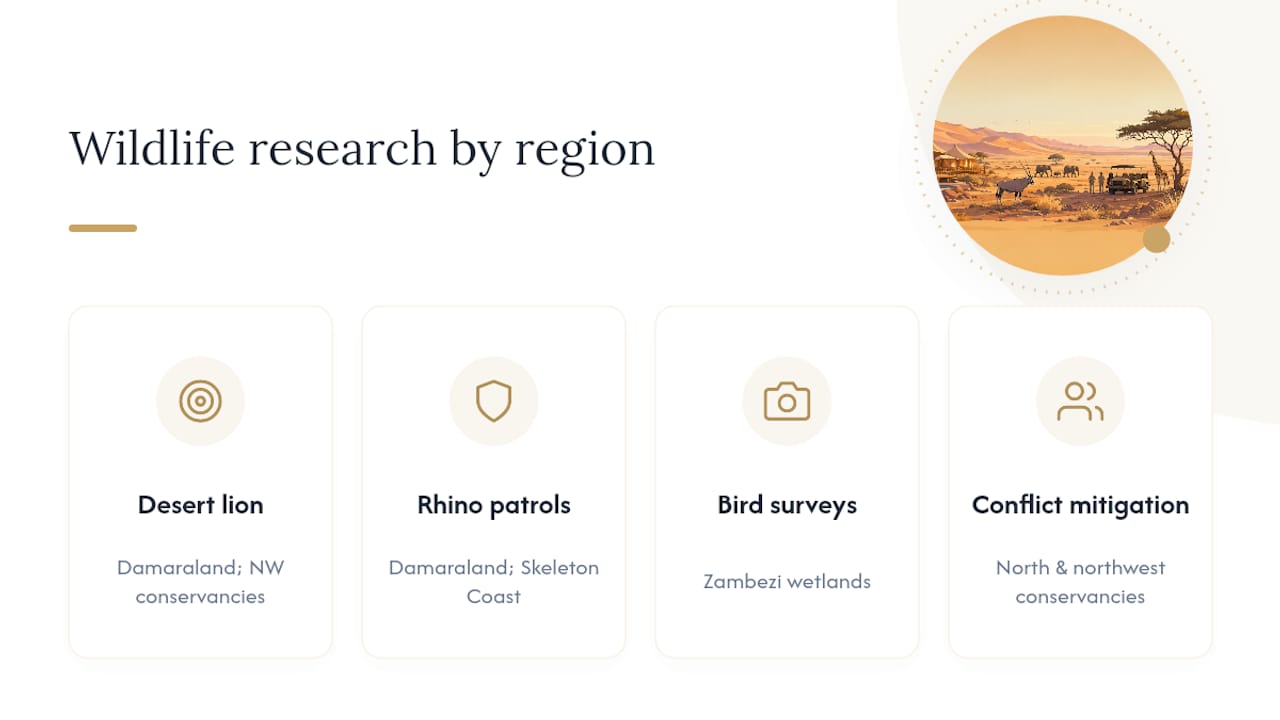
For independent researchers, the practical entry point is usually a conservancy office or a recognized conservation body rather than a park authority directly, since much of the on-the-ground monitoring work happens at community level. Anyone planning academic fieldwork should expect permitting processes through Namibia’s environmental authorities, and lead time of several months is typical given the remoteness of key research areas like Damaraland and the Skeleton Coast.
Even non-specialist travelers can engage with this side of Namibia. Several lodges and conservancies build guest activities directly around ongoing research, from joining a rhino monitoring patrol to sitting in on a camera-trap review, turning a holiday into a genuine, if brief, contribution to the data.
How can you practice responsible wildlife tourism in Namibia?
Ethical viewing in Namibia starts with distance. Vehicles should never crowd an animal, block its escape route, or drive off-road to get a closer photo outside a licensed concession where such access is explicitly permitted. Guides who cut corners on these basics are not the ones worth booking, regardless of how good their sighting record looks.
A few principles hold across the country:
Keep voices low and movements slow around predators and skittish herbivores like oryx or springbok
Never encourage or pay for staged wildlife interactions, feeding, or baiting
Support lodges and operators that reinvest in the conservancies where they operate, since that income is what keeps land under conservation rather than agriculture
Ask before your trip how a lodge’s fees connect to anti-poaching or community programs, since transparent operators generally answer this without hesitation
Responsible tourism in Namibia is not an abstract ideal. It is the literal mechanism that funds ranger patrols, satellite collaring, and the conservancy payments that keep rural communities invested in wildlife over livestock or land conversion. Choosing operators who take this seriously is one of the few decisions a traveler makes that directly shapes conservation outcomes on the ground.
Secret Namibia’s view: luxury, conservation and the curated safari
Namibia rewards patience over spectacle. The conservancies and private reserves doing this well have proven that luxury and conservation are not competing interests; the guest fees fund the rangers who protect the rhino you came to see. A well-curated trip, built around specialist guides and community-linked lodges, gives you both the comfort and the conscience most travelers are actually looking for. If that balance appeals to you, we would welcome the chance to talk through a bespoke itinerary.
— Secret
How Secret Namibia can help you plan a wildlife safari
You’ve read what makes Namibia’s wildlife different. Turning that into a real itinerary, especially one that includes desert rhino tracking or fly-in access to remote conservancies, is where local expertise pays off. Secret Namibia is the option for travelers who want the private-reserve experience without spending months piecing together permits, guides, and lodge availability themselves.
Here’s what that looks like in practice:
Custom itineraries built around the specific species and regions covered in this guide
Access to private guides and specialist trackers for desert rhino and desert-adapted elephant
Conservation-linked safaris that channel part of your trip’s cost into the conservancies protecting these animals
24/7 support and premium lodge partnerships across Etosha, Damaraland, and the Zambezi wetlands
Every hour spent negotiating logistics is an hour not spent choosing between a sunrise walk and a sundowner over the dunes. Explore the luxury safari features that define Namibia’s finest experiences or enquire directly to start shaping a trip around the wildlife, regions, and pace that matter most to you.
Key Takeaways
Namibia’s wildlife stands apart because desert-adapted species and community-led conservancies work together to sustain animal populations that thrive nowhere else in Africa.
Point | Details |
|---|---|
Big Five distribution varies | Buffalo live almost exclusively in the Zambezi wetlands, while Etosha covers lion, elephant, rhino, and leopard. |
Desert specialists need specialist access | Desert-adapted elephant, desert lion, and Hartmann’s mountain zebra usually require guided tracking in remote concessions like Damaraland. |
Conservancies drive real recovery | Roughly 45% of Namibia is under conservation management, and communal conservancies have helped restore rhino, lion, and cheetah numbers. |
Biodiversity runs deep | Namibia holds around 200 mammal species, 645 bird species, and over 4,300 plant species, many of them endemic. |
Private reserves boost your odds | Secret Namibia arranges tailored rhino tracking, fly-in desert camps, and conservation safaris that improve rare-species sightings while supporting local communities. |
Sources
Recommended
RELATED
Safari Guides
Oct 30, 2025
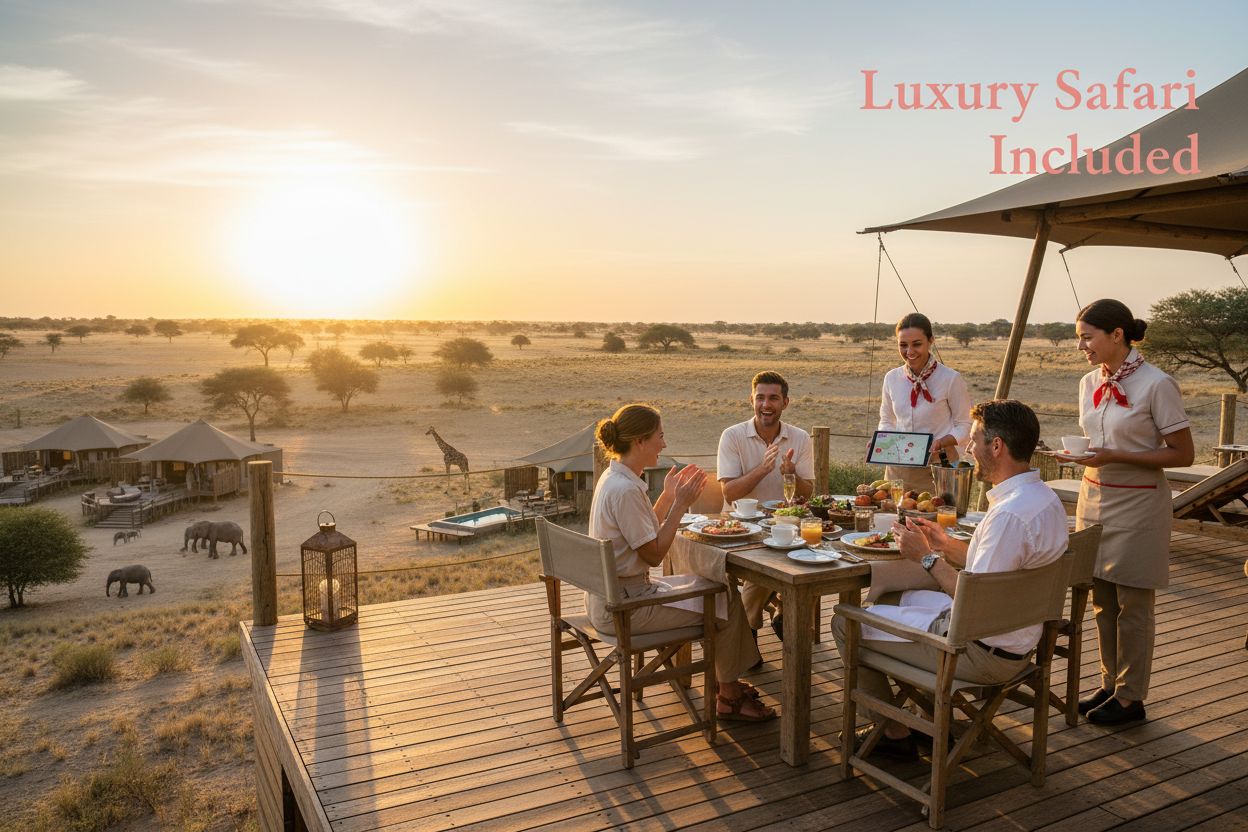
Understanding What is Included in Luxury Safaris
Explore what is included in luxury safaris, from exclusive accommodations to bespoke experiences that cater to discerning travelers.
Feb 24, 2026
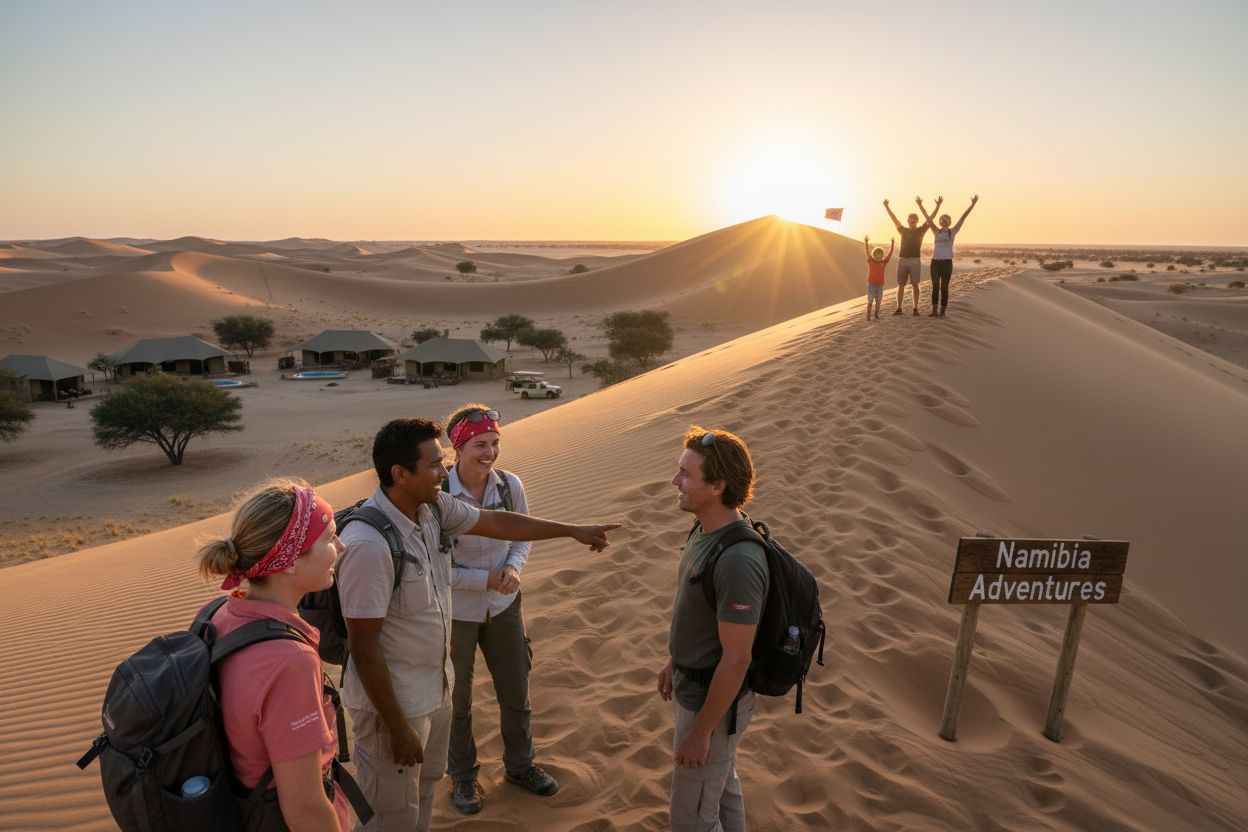
Why Namibia Adventures Matter: An In-Depth Look
Discover why Namibia adventures are essential for luxury travelers seeking unique, immersive experiences in nature and wildlife exploration.
Feb 23, 2026
What to Expect on a Luxury Safari: A Comprehensive Guide
Discover what to expect on a luxury safari and gain a deeper understanding of the unique experiences that await you in the wild.
Feb 22, 2026
Understanding Namibia Safari Costs Explained
Explore Namibia safari costs explained to uncover what influences pricing and what it means for your adventure.
Feb 21, 2026
Understanding the Role of Safari Experts in Wildlife Travel
Explore the role of safari experts and gain a comprehensive understanding of how they enhance wildlife travel experiences for all types of travelers.
Feb 20, 2026
Guide organisation safari all inclusive : vivez l'aventure de vos rêves
Découvrez notre guide organisation safari all inclusive étape par étape pour planifier un voyage inoubliable au cœur de la nature.