
Jul 10, 2026
Discover how Namibia wildlife conservation transforms communities into stewards of nature. Learn about successful initiatives and grassroots efforts.
Namibia wildlife conservation: the community-led model
TL;DR:
Namibia’s community-led conservation system places local communities at the center of wildlife protection. It has resulted in significant recovery of species like black rhinos, elephants, and desert lions over the past decades. The “Namibia for Life” initiative now ensures permanent funding using an endowment model to support conservation and local livelihoods.
Namibia wildlife conservation is defined as a community-led stewardship system that places local people at the center of protecting the country’s extraordinary natural heritage. Over 20% of Namibia’s landmass falls under formal protection, a figure that reflects decades of deliberate policy and grassroots action. The Community-Based Natural Resource Management program, known as CBNRM, has driven spectacular recoveries of black rhinos, elephants, and desert lions since the 1990s. The 2026 “Namibia for Life” initiative has now secured permanent financing for this model, making Namibia a global benchmark for nature preservation that actually works.
What is Namibia wildlife conservation and why does it matter?
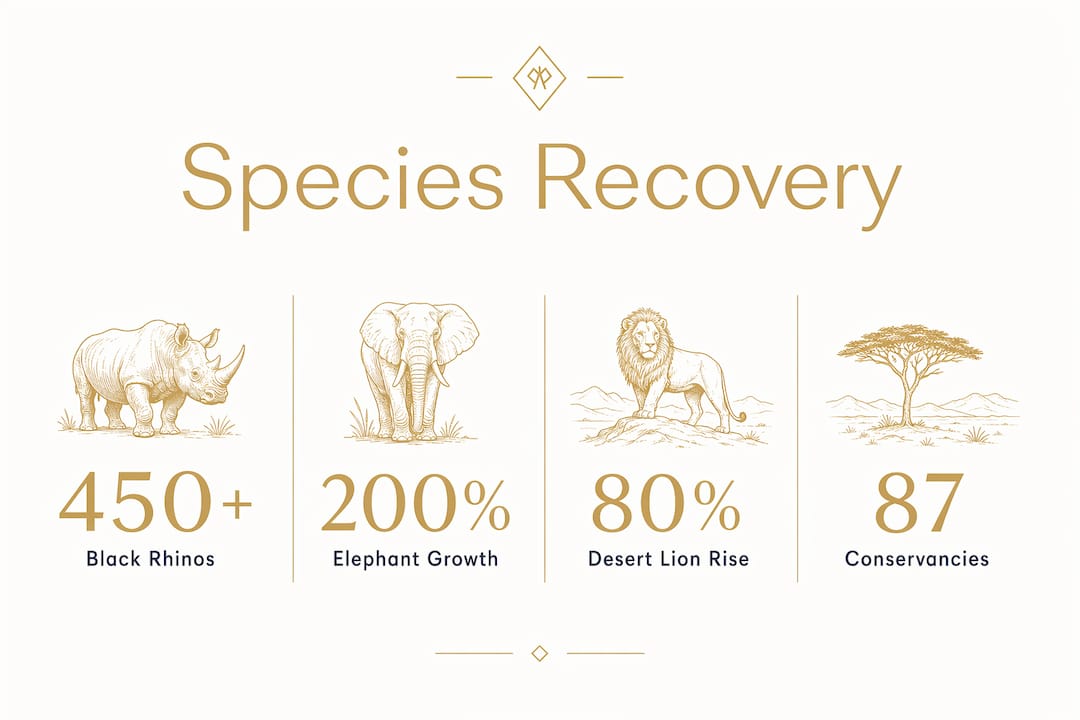
Namibia’s approach to wildlife protection is built on a simple but powerful idea: communities that benefit from wildlife will protect it. This philosophy underpins the CBNRM model, which formally began taking shape in the 1980s and 1990s when Namibia granted communal communities the legal right to manage and benefit from wildlife on their land. The results have been extraordinary. Black rhino populations grew from a few hundred in 1990 to the second largest globally, elephant numbers quadrupled, and the desert lion population increased sevenfold since 1995.
Namibia’s conservation philosophy integrates biodiversity protection with rural economic development, viewing them as complementary goals rather than competing ones. That means the recovery of cheetahs and black rhinos directly fuels tourism revenue, which in turn funds more conservation work. For travelers, this creates a rare opportunity: visiting Namibia is not just a safari holiday. It is an act of participation in one of the most successful wildlife protection systems on the planet.
How does the CBNRM model work in practice?
The CBNRM model operates through communal conservancies, which are legally recognized governance units where local communities hold rights over wildlife and tourism on their land. Each conservancy elects its own management committee, sets rules for resource use, and negotiates agreements with tourism operators. This structure gives communities real authority, not just token involvement.
The scale of the system is remarkable. Namibia’s communal conservancies now cover around 186,000 square kilometers, which is approximately 60% of all communal land in the country. They employ over 2,500 people, including 700 game and forest guards who monitor wildlife daily. In 2025, these conservancies generated over N$109 million, supporting both livelihoods and ongoing conservation efforts.
Species recovery: the numbers that tell the story
Species | Status before CBNRM | Status today |
|---|---|---|
Black rhino | A few hundred (1990) | Second largest global population |
Elephant | Severely depleted | Numbers quadrupled |
Desert lion | Near-absent (1995) | Population increased sevenfold |
Cheetah | Declining | Recovering, tourism-linked |
These recoveries did not happen by accident. Game guards trained in anti-poaching techniques, wildlife monitoring, and community leadership have been central to the effort. UNDP and Namibia’s Ministry of Environment, Forestry and Tourism have supported training centers and deployed monitoring technologies to reinforce these gains. Increasing women’s participation in leadership roles within conservancies has also strengthened governance and accountability.
Conservancies do not operate in isolation. They connect with national parks like Etosha National Park to form wildlife corridors, allowing animals to move freely across vast landscapes. This ecosystem connectivity is what allows large mammals, including elephants and lions, to thrive at meaningful population scales.
Pro Tip: If you want to witness the CBNRM model in action, ask your safari operator whether your lodge is affiliated with a communal conservancy. Lodges that pay conservancy fees directly fund game guards and community development projects.
What is the “Namibia for Life” initiative launched in 2026?
“Namibia for Life” is Africa’s first Project Finance for Permanence initiative, launched in 2026 to permanently protect 20 million hectares of communal land. The initiative secured over N$1.1 billion in funding, equivalent to approximately US$63 million, making it the largest single conservation finance commitment in Namibia’s history.
The initiative currently supports 87 communal conservancies, with plans to expand to 100, and benefits over 283,000 people living within conservancy areas. What makes it genuinely groundbreaking is its financial structure. Rather than relying on short-term donor grants that expire, “Namibia for Life” includes an endowment fund designed to provide perpetual financial support. That fund could grow to over US$75 million with additional investments from climate and conservation partners.
What “Namibia for Life” covers
Element | Detail |
|---|---|
Land protected | 20 million hectares of communal conservancy land |
Funding secured | Over N$1.1 billion (~US$63 million) |
Conservancies supported | 87 currently, expanding to 100 |
People benefiting | Over 283,000 community members |
Finance model | Endowment fund for perpetual support |
The PFP model shifts conservation away from unreliable donor cycles toward long-term endowments that guarantee steady resources for community management. This is the structural change that conservationists have sought for decades. Namibia has now achieved it at national scale.
Pro Tip: Travelers who visit Namibia in 2026 and beyond are entering a country mid-transformation. Asking lodge staff about “Namibia for Life” and how their property participates is a great way to understand the bigger picture behind your safari experience.
What challenges does wildlife protection in Namibia face?
Namibia’s conservation success is real, but it is not without friction. Human-wildlife conflict remains one of the most pressing challenges facing communities living alongside wildlife. Elephants raid crops, lions kill livestock, and the economic losses can be devastating for rural families who depend on their animals for survival.
Namibia addresses this through practical, community-level solutions:
Predator-proof kraals: Reinforced enclosures for livestock that prevent lion and leopard attacks. Communities that installed these kraals have reported zero livestock losses since installation in some areas.
Electrified boundary fences: Used in specific high-conflict zones to separate wildlife movement corridors from farming areas.
Rapid response teams: Trained community members who respond to conflict incidents and document losses for compensation claims.
Compensation schemes: Formal programs that reimburse farmers for verified livestock losses caused by predators.
Governance challenges also exist within some conservancies. Uneven benefit distribution, weak financial management, and limited accountability in certain committees have undermined trust in specific areas. Namibia’s government and NGO partners continue to address these issues through auditing, leadership training, and stronger reporting requirements.
Conservation hunting is another topic that generates debate. Namibia defends it as a science-based tool that generates significant revenue for conservancies while managing wildlife populations. The argument is that regulated, quota-based hunting produces more income per animal than most photographic tourism alternatives, particularly in remote areas where lodge infrastructure is limited.
Pro Tip: If you are passionate about wildlife protection in Namibia, support conservancies that publish annual financial reports. Transparent governance is the clearest sign that community benefits are being managed responsibly.
How can travelers support Namibia’s conservation efforts through eco-tourism?
Eco-tourism in Namibia is not a marketing label. It is a functional part of the conservation model, where tourism revenue funds game guards, community development, and wildlife monitoring. Choosing the right safari experience directly determines how much of your spending reaches conservation on the ground.
The most effective choices for conservation-minded travelers include:
Staying at community-run lodges: Properties like those affiliated with communal conservancies channel a percentage of bed fees directly to the conservancy fund.
Booking through operators with conservancy partnerships: Operators who have formal agreements with conservancies ensure that your safari contributes to the CBNRM system.
Choosing eco-friendly safari experiences: Look for properties with solar power, water recycling, and local employment policies.
Respecting conservation zones: Visitors must respect predator-proof kraals, borehole management areas, and designated wildlife corridors. These boundaries exist to reduce human-wildlife conflict, and crossing them undermines the coexistence that communities have worked hard to build.
Buying from local artisans and community enterprises: Many conservancies run craft cooperatives and cultural tourism programs. Spending money here keeps income within the community.
Sustainable wildlife practices extend beyond the lodge. On game drives, following your guide’s instructions about vehicle positioning and noise levels protects animal behavior and reduces stress on wildlife. The benefits of eco-friendly safaris go well beyond personal experience. They create a financial argument for conservation that communities can sustain long after any single traveler has gone home.
Key takeaways
Namibia’s community-led conservation model, anchored by CBNRM and the 2026 “Namibia for Life” initiative, is the most effective wildlife protection system in Africa, combining permanent finance, species recovery, and direct community benefit.
Point | Details |
|---|---|
CBNRM drives recovery | Black rhinos, elephants, and desert lions have all rebounded significantly under community stewardship. |
“Namibia for Life” secures permanence | Over N$1.1 billion in funding protects 20 million hectares and benefits 283,000 people. |
Economic integration is the key | Conservation and rural development reinforce each other; wildlife recovery boosts tourism and community income. |
Human-wildlife conflict requires active management | Predator-proof kraals and rapid response teams reduce losses and maintain community support for conservation. |
Traveler choices matter | Staying at conservancy-affiliated lodges and booking with responsible operators directly funds wildlife protection. |
Why Namibia’s model deserves more attention than it gets
Having spent years studying and traveling through Southern Africa’s conservation areas, I find Namibia’s approach genuinely different from anything else on the continent. Most conservation models treat local communities as a problem to be managed. Namibia treats them as the solution. That is not a slogan. It is a structural reality embedded in law, governance, and finance.
What strikes me most about “Namibia for Life” is not the funding figure. It is the endowment mechanism. Conservation projects that depend on annual donor goodwill are fragile. An endowment that compounds over time is not. Namibia has effectively built a conservation system that can outlast any single government, NGO, or funding cycle. That is genuinely rare.
The challenges are real. Climate change is shifting rainfall patterns across the Namib and Kalahari, which will stress both wildlife and the communities that depend on them. Scaling the CBNRM model to areas with weaker governance traditions remains difficult. But the trajectory is clear. Namibia has proven that community empowerment and wildlife recovery are not in tension. They are the same project.
If you are planning a safari, choosing Namibia is one of the most meaningful decisions you can make. And if you choose lodges and operators that are genuinely embedded in the conservancy system, you are not just watching conservation. You are funding it.
— Secret
Plan your conservation-minded safari with Secretnamibia
Secretnamibia specializes in tailored safari experiences that connect you with Namibia’s most magnificent wildlife areas, including lodges and camps that operate within or alongside communal conservancies.
Whether you are drawn to tracking desert-adapted lions across the Kunene, watching elephants at Etosha’s waterholes, or staying at a community lodge in the Caprivi Strip, Secretnamibia builds itineraries that put conservation at the center of your experience. Every trip is planned with an expert who understands which properties genuinely contribute to wildlife protection and which simply use the language. For travelers who want their safari to mean something beyond the photographs, explore luxury wildlife experiences or learn how conservation safaris work before you book.
FAQ
What is the CBNRM model in Namibia?
The Community-Based Natural Resource Management model gives communal communities legal rights to manage and benefit from wildlife on their land. It has driven major species recoveries since the 1990s, including the world’s second-largest black rhino population.
What is the “Namibia for Life” initiative?
“Namibia for Life” is Africa’s first Project Finance for Permanence initiative, launched in 2026. It secured over N$1.1 billion to permanently protect 20 million hectares across 87 communal conservancies, benefiting over 283,000 people.
How does eco-tourism in Namibia support conservation?
Tourism revenue from conservancy-affiliated lodges funds game guards, wildlife monitoring, and community development. Choosing lodges with formal conservancy partnerships ensures your spending directly supports wildlife protection.
What are the main threats to Namibia’s wildlife?
Human-wildlife conflict is the primary challenge, with elephants raiding crops and predators killing livestock. Namibia addresses this through predator-proof kraals, electrified fences, rapid response teams, and compensation schemes for affected communities.
Which Namibia endangered species have recovered most significantly?
Black rhinos, elephants, and desert lions have shown the most dramatic recoveries. The black rhino population grew from a few hundred in 1990 to the second largest globally, while the desert lion population increased sevenfold since 1995.
Recommended
RELATED
Safari Guides
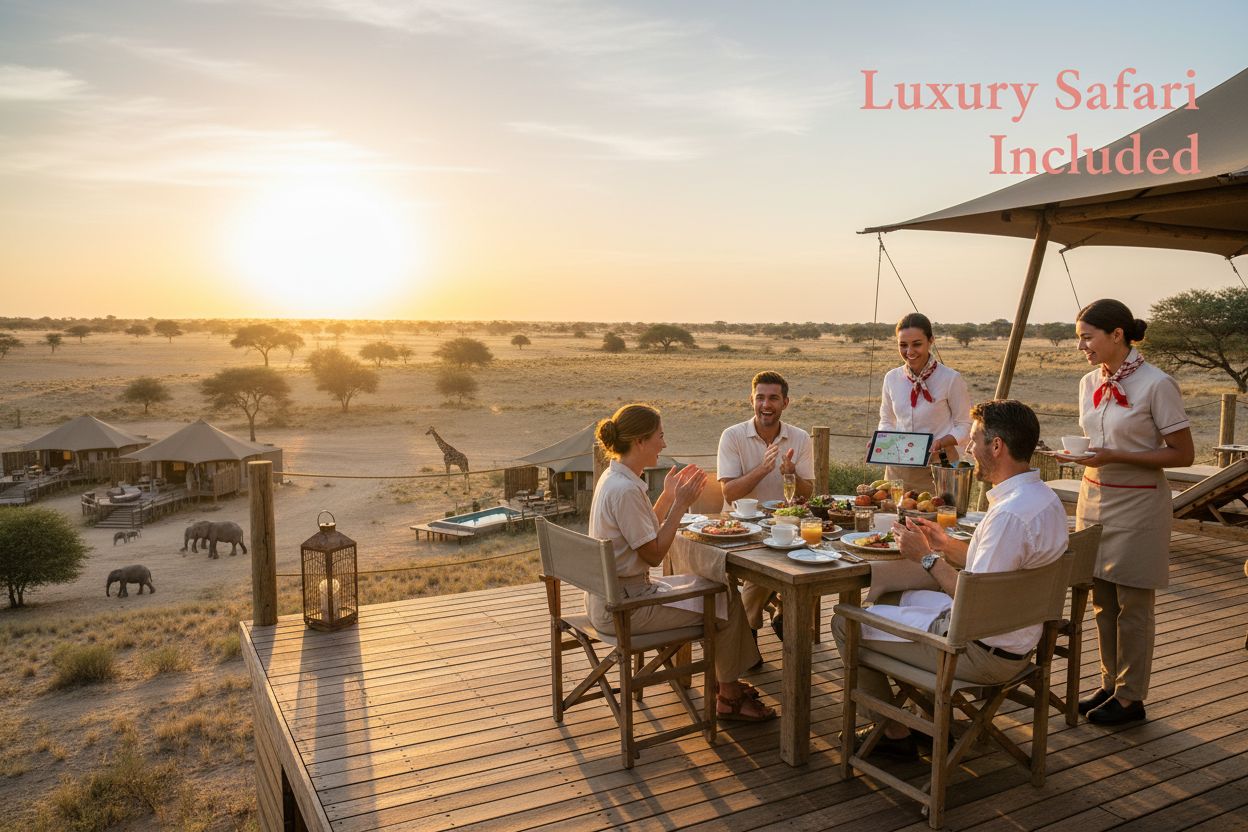
Oct 30, 2025
Understanding What is Included in Luxury Safaris
Explore what is included in luxury safaris, from exclusive accommodations to bespoke experiences that cater to discerning travelers.
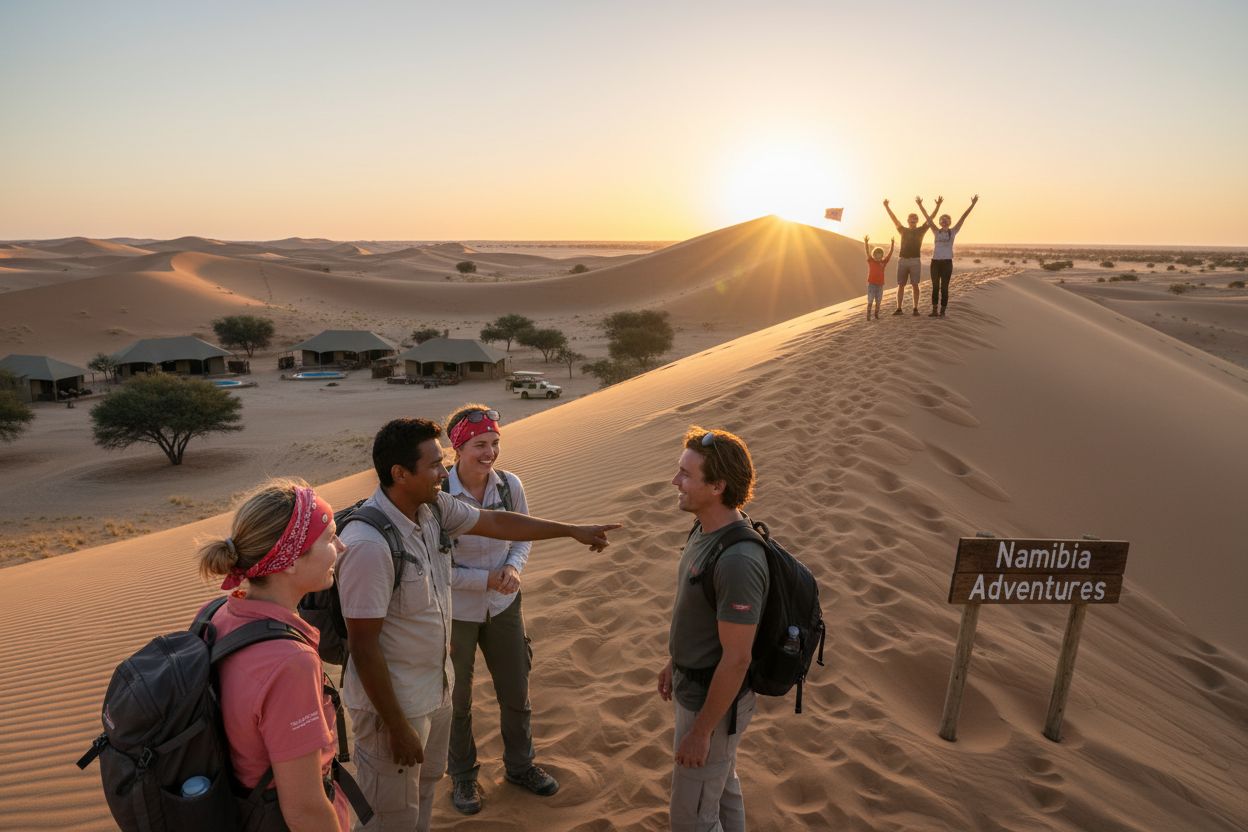
Feb 24, 2026
Why Namibia Adventures Matter: An In-Depth Look
Discover why Namibia adventures are essential for luxury travelers seeking unique, immersive experiences in nature and wildlife exploration.
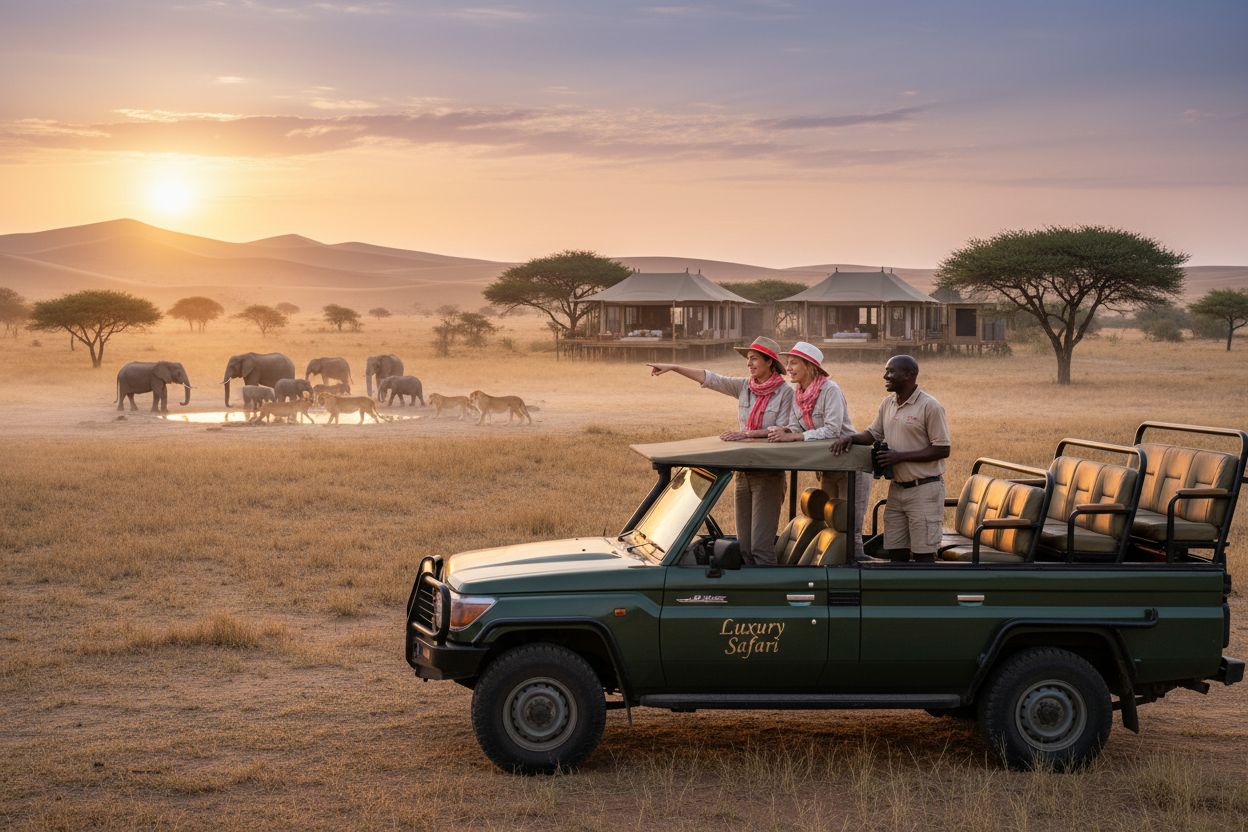
Feb 23, 2026
What to Expect on a Luxury Safari: A Comprehensive Guide
Discover what to expect on a luxury safari and gain a deeper understanding of the unique experiences that await you in the wild.
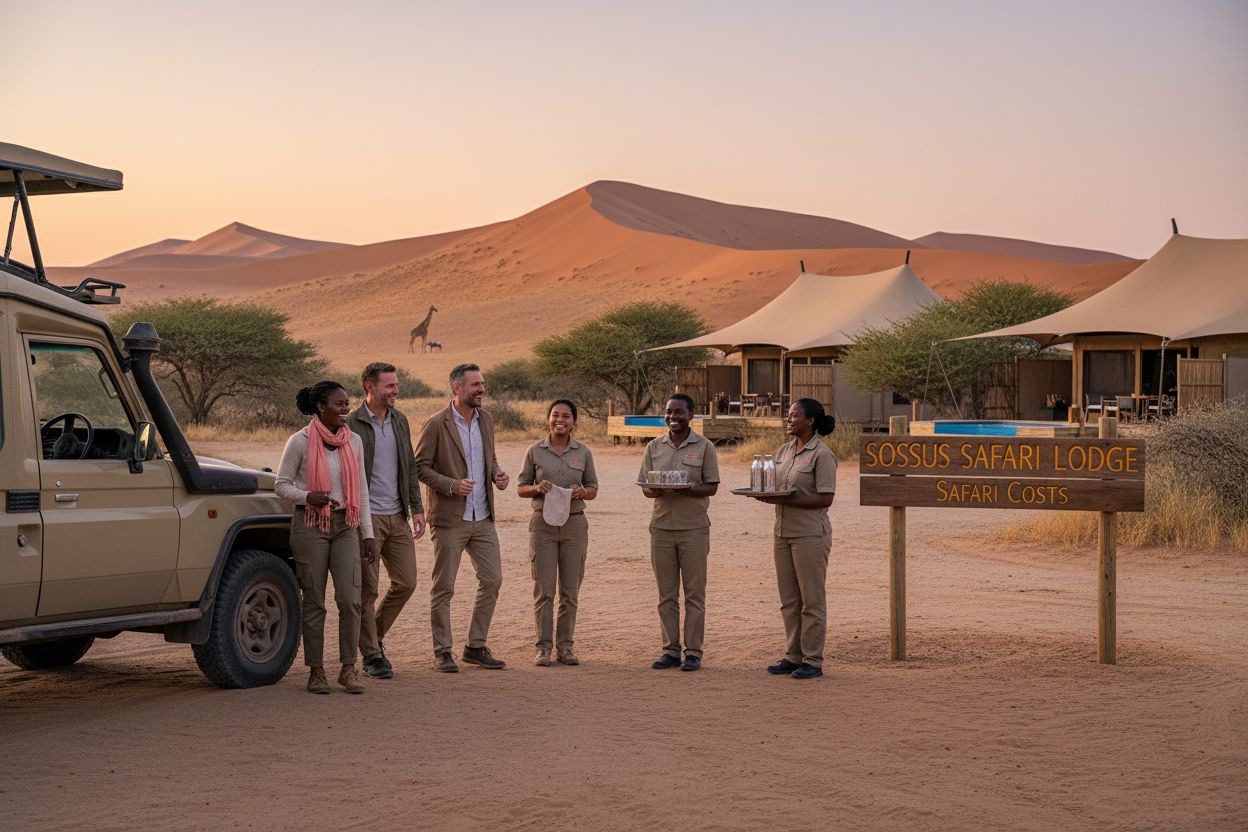
Feb 22, 2026
Understanding Namibia Safari Costs Explained
Explore Namibia safari costs explained to uncover what influences pricing and what it means for your adventure.
Feb 21, 2026
Understanding the Role of Safari Experts in Wildlife Travel
Explore the role of safari experts and gain a comprehensive understanding of how they enhance wildlife travel experiences for all types of travelers.
Feb 20, 2026
Guide organisation safari all inclusive : vivez l'aventure de vos rêves
Découvrez notre guide organisation safari all inclusive étape par étape pour planifier un voyage inoubliable au cœur de la nature.