
Mar 17, 2026
Discover Namibia's top wildlife across diverse ecosystems. Expert guide to spotting desert elephants, black rhinos, and nocturnal species on luxury safaris in 2026.
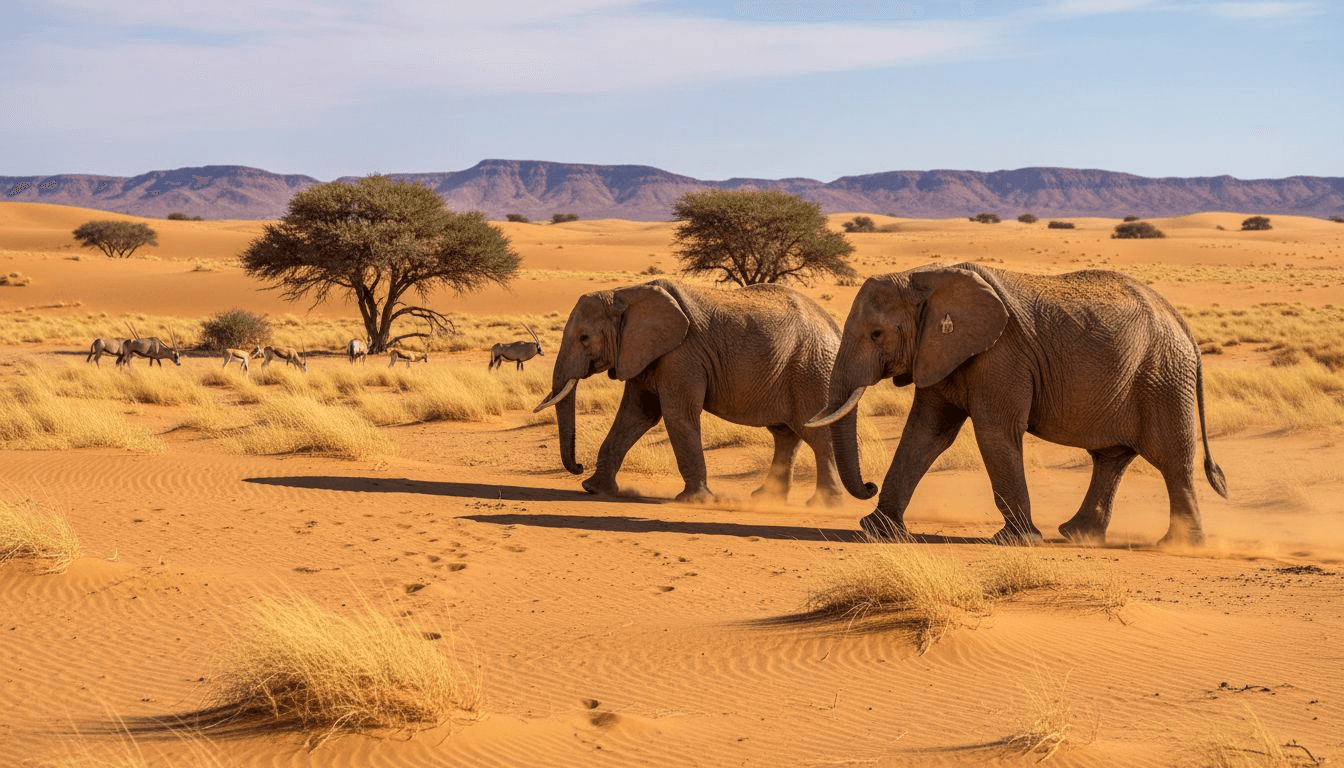
Top wildlife to spot in Namibia for luxury safaris 2026
Namibia’s extraordinary landscapes shelter some of Africa’s most elusive wildlife, from desert-adapted elephants traversing ancient riverbeds to nocturnal predators prowling beneath star-filled skies. For affluent travelers seeking authentic encounters beyond crowded game reserves, choosing which species to prioritize can transform a good safari into an unforgettable journey. This guide reveals the most remarkable wildlife across Namibia’s distinct ecosystems, helping you craft a luxury safari that delivers exclusive sightings in settings few travelers experience. Understanding where and when to spot these creatures ensures your investment in a premium Namibian adventure yields the extraordinary moments you seek.
Table of Contents
How To Choose Which Wildlife To Spot On Your Namibian Safari
Top Wildlife To Spot In The NamibRand Nature Reserve
Desert-Adapted Wildlife In Northwest Namibia: Damaraland And Skeleton Coast
Wildlife Highlights Of Etosha National Park: Black Rhinos And Fire-Adapted Savannahs
Comparing Namibia’s Top Wildlife Regions For Luxury Safari Experiences
Experience Namibia’s Wildlife In Ultimate Luxury
Key takeaways
Point | Details |
|---|---|
NamibRand nocturnal species | Brown hyenas and aardvarks thrive in this dark sky reserve, perfect for exclusive night safaris |
Desert-adapted megafauna | Northwest Namibia hosts rare elephants, rhinos, and lions uniquely evolved for arid survival |
Etosha rhino stronghold | Supports the world’s largest southwestern black rhino population in fire-adapted savannah ecosystems |
Regional diversity advantage | Each ecosystem offers distinct species and safari styles, from night drives to waterhole stakeouts |
Luxury planning benefits | Selecting regions by target wildlife maximizes exclusive encounters and optimizes premium safari experiences |
How to choose which wildlife to spot on your Namibian safari
Selecting wildlife targets for your Namibian safari requires understanding how the country’s diverse Namibian landscapes shape animal distribution and behavior. Unlike East African parks where species congregate predictably, Namibia’s wildlife spreads across dramatically different habitats, each supporting specialized fauna.
Consider these selection criteria when planning a Namibia safari:
Ecosystem type determines species availability: coastal deserts, gravel plains, savannah woodlands, and ephemeral river systems each harbor distinct communities
Endemic and adapted species offer encounters impossible elsewhere, like desert elephants navigating waterless terrain for days
Activity patterns matter, nocturnal animals require different safari timing and specialized guiding compared to daytime grazers
Conservation status adds significance, spotting critically endangered southwestern black rhinos carries greater weight than common species
Accessibility versus exclusivity balance impacts your experience, remote areas demand more effort but deliver unmatched privacy
Pro Tip: Match your physical comfort level with safari intensity. Tracking desert lions involves rugged terrain and unpredictable sightings, while Etosha waterhole viewing offers reliable encounters with minimal exertion.
Rarity doesn’t always equal value. A prolonged elephant sighting in Damaraland’s stark beauty can prove more memorable than a fleeting glimpse of a rare cat. Focus on quality of experience rather than checklist completion. The best luxury safaris balance iconic species with unexpected discoveries, allowing time for observation rather than rushing between sightings. Consider seasonal variations too, dry months concentrate animals at water sources while green season disperses them but offers dramatic landscapes and newborn wildlife.
Top wildlife to spot in the NamibRand nature reserve
Spanning approximately 2,000 square kilometers of pristine wilderness, NamibRand nature reserve offers something most safari destinations cannot: absolute darkness. This International Dark Sky Reserve status creates ideal conditions for spotting nocturnal animals including brown hyenas and the endlessly fascinating aardvark, creatures that remain hidden in light-polluted areas.
Nocturnal safaris here reveal a completely different cast of characters:
Brown hyenas patrol vast territories, their keen senses detecting carrion across kilometers of desert
Aardvarks emerge after sunset to excavate termite mounds with powerful claws, rarely seen elsewhere
Bat-eared foxes hunt insects using oversized ears that detect underground movement
Cape foxes and black-backed jackals navigate the cooling sands as temperatures drop
Porcupines rustle through sparse vegetation, their quills catching moonlight
The reserve’s remoteness guarantees exclusivity. You won’t encounter safari convoys here. Luxury lodges limit guest numbers, ensuring your night drive doesn’t compete with other vehicles. Expert guides use red-filtered spotlights that illuminate animals without disturbing natural behaviors, creating intimate viewing opportunities impossible in crowded parks.
Pro Tip: Schedule your NamibRand visit during new moon phases for optimal stargazing combined with wildlife viewing. The Milky Way’s brilliance adds ethereal beauty to nocturnal animal encounters.
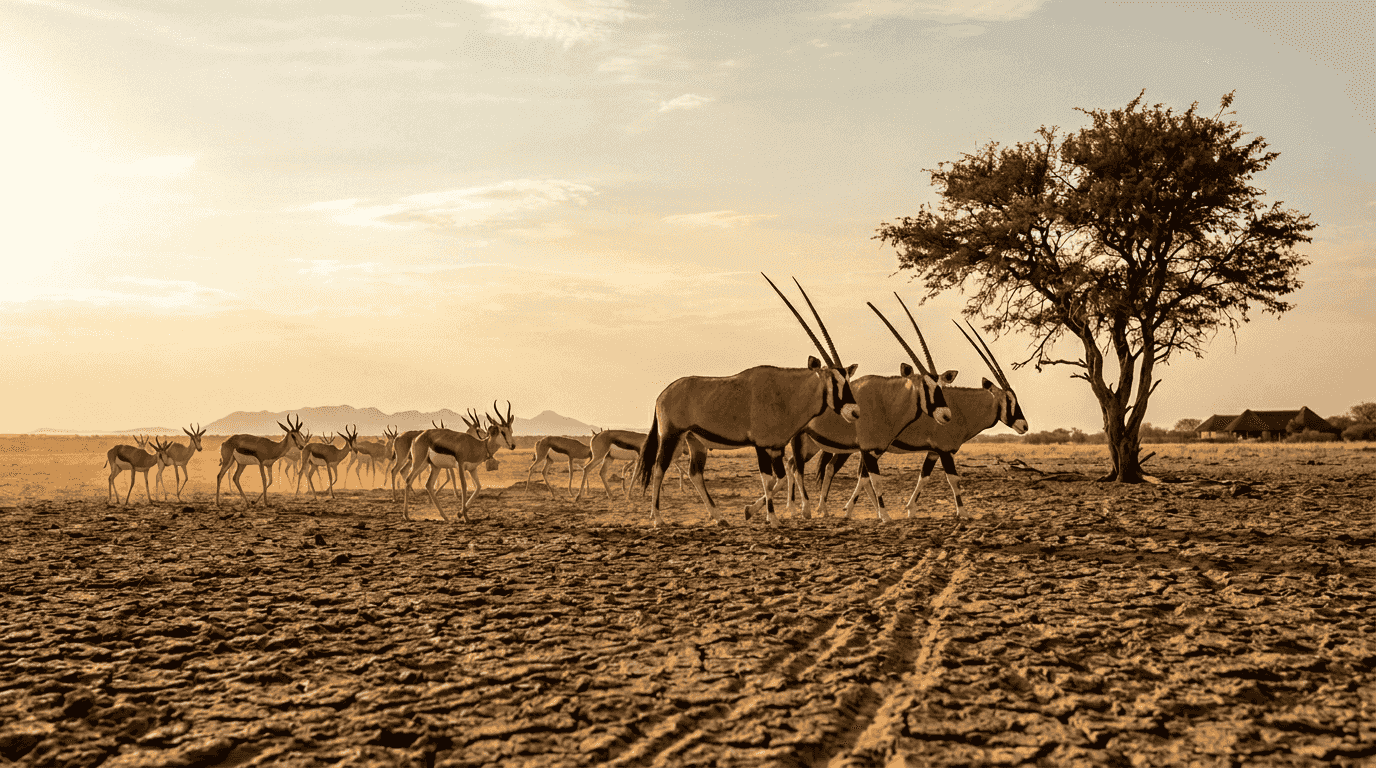
Beyond nocturnal specialties, NamibRand supports desert-adapted species like oryx and springbok, their movements dictated by ephemeral grass growth following rare rains. The landscape itself becomes part of the wildlife story, with ancient dunes and mountains providing context for how these creatures survive extreme conditions. Morning walks reveal tracks from the previous night’s activity, allowing guides to reconstruct the invisible dramas that unfolded while you slept. This combination of active night safaris and interpretive day experiences creates comprehensive understanding of desert ecosystem dynamics, elevating your safari beyond simple animal sightings into ecological education wrapped in luxury comfort.
Desert-adapted wildlife in northwest Namibia: Damaraland and Skeleton Coast
Northwest Namibia presents one of Africa’s most compelling wildlife narratives: megafauna thriving where survival seems impossible. Desert-adapted elephants, rhino, and lions have evolved remarkable strategies for enduring landscapes that receive minimal rainfall and offer scarce vegetation.
These adaptations make encounters profoundly meaningful:
Desert elephants travel up to 70 kilometers between water sources, their larger feet and leaner builds suited for sand traversal
Black rhinos browse on moisture-rich succulents, extracting water from plants rather than depending on rivers
Desert-adapted lions hunt along dry riverbeds, their prides smaller and ranges larger than savannah cousins
Giraffes strip leaves from acacia trees in seemingly barren valleys, finding sustenance where none appears to exist
Tracking these animals involves genuine exploration. Unlike Etosha’s predictable waterhole congregations, Damaraland wildlife roams freely across unfenced wilderness. Your guide reads subtle signs: fresh elephant dung indicating a herd passed hours ago, lion tracks in sandy riverbed suggesting a pride resting in shade nearby. This detective work adds adventure to luxury, transforming passive viewing into active discovery.
The Skeleton Coast extends this wilderness experience to Namibia’s Atlantic edge, where desert meets ocean in dramatic collision. Here, brown fur seals colonize beaches in massive numbers, attracting jackals and occasionally lions that have learned coastal hunting techniques. The juxtaposition of desert predators on foggy beaches creates surreal safari moments found nowhere else on Earth.
Luxury lodges in these regions blend seamlessly with landscapes, offering comfort without compromising authenticity. Guided walks, rhino tracking excursions, and scenic flights over the Skeleton Coast provide varied perspectives on how wildlife adapts to extremes. The low tourist density means your encounters remain private, often just you, your guide, and animals unaccustomed to human presence. This combination of rarity, adaptation, and exclusivity defines northwest Namibia’s appeal for discerning safari travelers seeking experiences beyond conventional game viewing.
Wildlife highlights of Etosha national park: black rhinos and fire-adapted savannahs
Etosha National Park anchors Namibia’s wildlife credentials, supporting the world’s largest population of southwestern black rhinos within ecosystems naturally adapted to periodic fire. This 22,270 square kilometer reserve demonstrates how conservation success depends on maintaining ecological processes, including wildfires that many perceive as destructive but actually sustain habitat health.
The September 2025 wildfire that swept portions of Etosha highlighted these dynamics. Rather than catastrophe, the burn cleared old grass, stimulated fresh growth, and maintained the savannah-grassland mosaic that supports diverse herbivores. Black rhinos, classified as critically endangered globally, thrive here because Etosha preserves the complete ecosystem they require, not just protected space.
Species | Population estimate | Key habitat | Viewing difficulty |
|---|---|---|---|
Black rhino | 300+ individuals | Dense mopane woodlands, waterhole edges | Moderate, patient waterhole watching pays off |
African elephant | 2,500+ individuals | Pan edges, woodlands | Easy, highly visible year-round |
Lion | 200+ individuals | Open plains, waterhole perimeters | Easy during dry season |
Cheetah | 150+ individuals | Short grass plains | Moderate, requires scanning open areas |
Giraffe | 2,000+ individuals | Acacia woodlands throughout | Very easy, tall and conspicuous |
Waterhole strategy defines Etosha safari success. During dry months, animals must drink, creating natural viewing theaters where you position yourself and wait for wildlife to arrive. Luxury lodges within the park offer floodlit waterholes where nocturnal visits by black rhinos, elephants, and lions unfold steps from your room, extending game viewing into evening hours without leaving camp comfort.
Pro Tip: Focus on Okaukuejo waterhole for black rhino sightings, particularly late afternoon and after dark when these shy creatures feel secure approaching water.
Beyond megafauna, Etosha shelters remarkable diversity:
Springbok, gemsbok, and blue wildebeest congregate in thousands across the pan edges
Rare black-faced impala, endemic to northern Namibia and southern Angola
Roan and sable antelope in woodland areas, both uncommon elsewhere
Over 340 bird species, including breeding flamingos when seasonal pans fill
The park’s accessibility makes it ideal for travelers wanting guaranteed sightings without extreme remoteness. Well-maintained roads, excellent infrastructure, and predictable animal concentrations deliver reliable luxury safari wildlife experiences suitable for all fitness levels. Yet Etosha retains wildness, its vast salt pan creating otherworldly landscapes and its conservation significance providing purpose beyond entertainment. Understanding that your rhino sighting contributes to protecting critically endangered species adds depth to the visual spectacle, connecting luxury travel with meaningful conservation outcomes.
Comparing Namibia’s top wildlife regions for luxury safari experiences
Each of Namibia’s premier wildlife regions offers distinct advantages, and understanding these differences helps align your safari investment with personal priorities. Northwest Namibia represents the heart of safari adventure, while NamibRand offers exceptional nocturnal viewing under pristine skies, and Etosha delivers reliable abundance.
Region | Signature species | Landscape type | Safari style | Exclusivity level | Best season |
|---|---|---|---|---|---|
NamibRand | Brown hyenas, aardvarks, desert species | Dune fields, gravel plains | Night drives, stargazing, guided walks | Very high, limited lodges | Year-round for nocturnal |
Northwest Namibia | Desert elephants, lions, black rhinos | Rocky deserts, dry riverbeds | Tracking expeditions, scenic flights | High, remote locations | May to October |
Etosha National Park | Black rhinos, elephants, lions, cheetahs | Savannah, salt pan, woodlands | Waterhole watching, game drives | Moderate, popular but vast | May to October |
Consider these factors when choosing:
Physical engagement level: Damaraland tracking demands more exertion than Etosha waterhole sitting
Sighting predictability: Etosha guarantees encounters, northwest regions offer adventure with less certainty
Photographic opportunities: Etosha’s open terrain and concentrated animals favor photography, NamibRand’s night safaris challenge technical skills
Cultural integration: Northwest areas combine wildlife with Himba community visits, adding human dimension
Accommodation style: All regions offer luxury, but remoteness varies from accessible (Etosha) to isolated (Skeleton Coast)
Many discerning travelers combine regions, experiencing nocturnal NamibRand, adventurous Damaraland tracking, and reliable Etosha viewing within one comprehensive itinerary. This approach maximizes diversity while maintaining luxury standards throughout. The Namibia safari region comparison reveals how thoughtful planning creates varied experiences rather than repetitive game drives.
Time allocation matters too. Etosha rewards three to four days for thorough waterhole coverage across different areas. Damaraland benefits from flexibility, allowing extra days if elephant tracking proves challenging. NamibRand shines with two to three nights, enough for multiple nocturnal safaris and stargazing sessions without exhausting the experience. Budget permitting, extended stays in each region deepen understanding and increase rare sighting probability, transforming surface-level tourism into genuine wildlife immersion.
Experience Namibia’s wildlife in ultimate luxury
Transforming wildlife knowledge into unforgettable reality requires expert planning and access to Namibia’s finest safari properties. Secret Namibia specializes in crafting bespoke itineraries that position you perfectly for the encounters you’ve imagined, whether tracking desert elephants at dawn or watching black rhinos drink under floodlights.
Our luxury Namibia safaris combine exclusive lodges with expert guides who understand animal behavior and ecosystem dynamics, elevating your experience beyond simple sightings into educational journeys. Private vehicles, flexible scheduling, and carefully selected properties ensure comfort matches adventure. We arrange everything from nocturnal NamibRand expeditions to Etosha’s prime waterhole lodges, creating seamless luxury wildlife experiences across Namibia’s diverse regions. Your wildlife wishlist becomes our planning blueprint, with each day designed around optimal viewing times, seasonal movements, and your personal pace preferences.
FAQ
What animals are easiest to spot in Namibia?
Springbok, giraffes, and elephants rank among the most visible, particularly around Etosha’s waterholes where animals concentrate predictably during dry months. Oryx and zebra also appear frequently across multiple regions. Desert-adapted species in Damaraland require more patience and tracking effort but reward persistence with remarkable sightings in dramatic settings.
When is the best time to see Namibia’s wildlife?
The dry season from May through October offers superior wildlife viewing as diminishing water sources force animals to congregate at remaining waterholes and rivers. Vegetation thins, improving visibility, and cooler temperatures increase daytime animal activity. Nocturnal species in NamibRand can be spotted year-round, with clear, moonless nights providing ideal conditions regardless of season.
Are there unique animals only found in Namibia?
Namibia hosts desert-adapted elephant and lion populations exhibiting unique survival behaviors not found elsewhere, though the species themselves exist in other regions. The southwestern black rhino subspecies thrives primarily in Namibia’s protected areas. Brown hyenas, while present in southern Africa, display specialized desert behaviors here. These adaptations and concentrated populations make Namibian wildlife encounters distinctly different from other African destinations.
How many days should I spend on a Namibian wildlife safari?
A minimum of seven to ten days allows meaningful exploration of two to three distinct regions without exhausting travel. This timeframe permits three days in Etosha for comprehensive game viewing, two to three days in Damaraland for desert-adapted species tracking, and two nights in NamibRand for nocturnal safaris. Longer itineraries of 12 to 14 days enable deeper immersion, increased rare sighting probability, and relaxed pacing that enhances luxury safari enjoyment.
Recommended
RELATED
Safari Guides
Oct 30, 2025
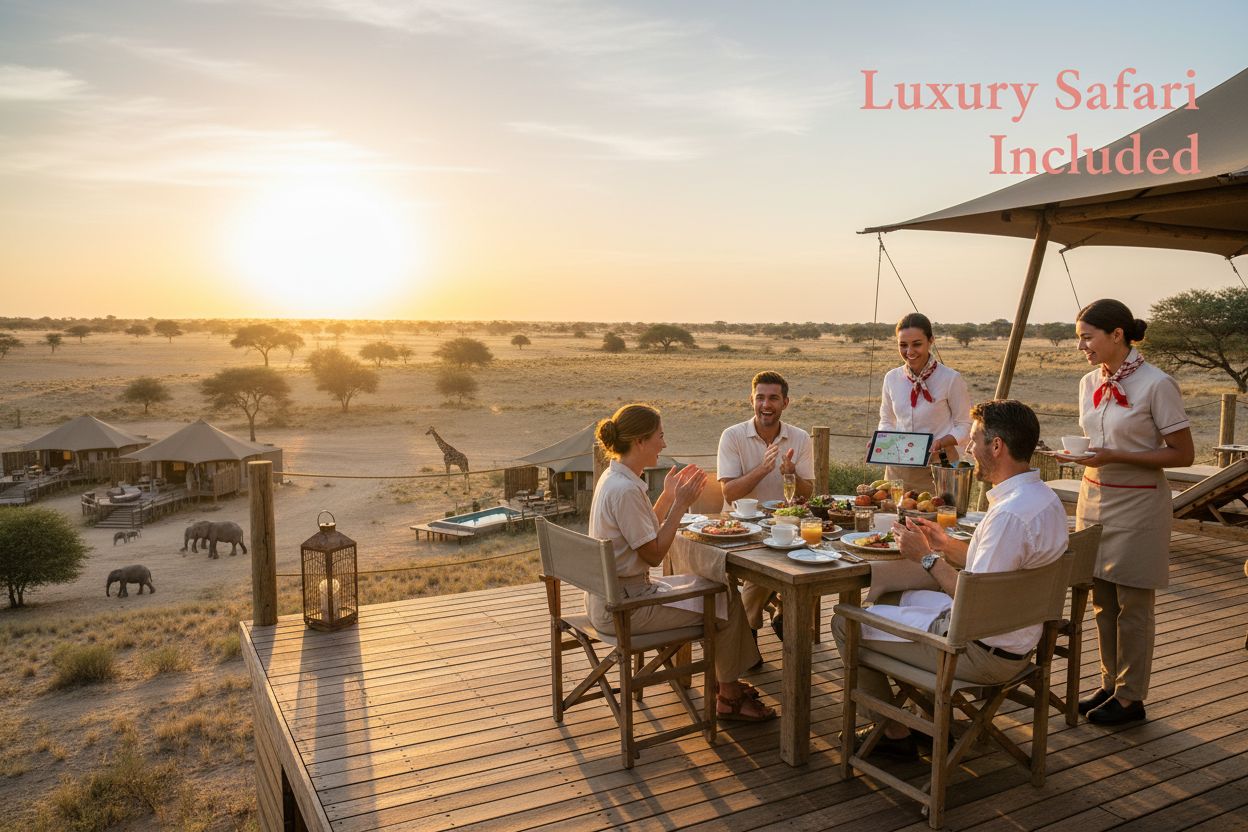
Understanding What is Included in Luxury Safaris
Explore what is included in luxury safaris, from exclusive accommodations to bespoke experiences that cater to discerning travelers.
Feb 24, 2026
Why Namibia Adventures Matter: An In-Depth Look
Discover why Namibia adventures are essential for luxury travelers seeking unique, immersive experiences in nature and wildlife exploration.
Feb 23, 2026
What to Expect on a Luxury Safari: A Comprehensive Guide
Discover what to expect on a luxury safari and gain a deeper understanding of the unique experiences that await you in the wild.
Feb 22, 2026
Understanding Namibia Safari Costs Explained
Explore Namibia safari costs explained to uncover what influences pricing and what it means for your adventure.
Feb 21, 2026
Understanding the Role of Safari Experts in Wildlife Travel
Explore the role of safari experts and gain a comprehensive understanding of how they enhance wildlife travel experiences for all types of travelers.
Feb 20, 2026
Guide organisation safari all inclusive : vivez l'aventure de vos rêves
Découvrez notre guide organisation safari all inclusive étape par étape pour planifier un voyage inoubliable au cœur de la nature.