
Aug 9, 2026
Explore diverse safari vacation ideas in Africa, from thrilling desert adventures to immersive wildlife experiences—find your perfect getaway!
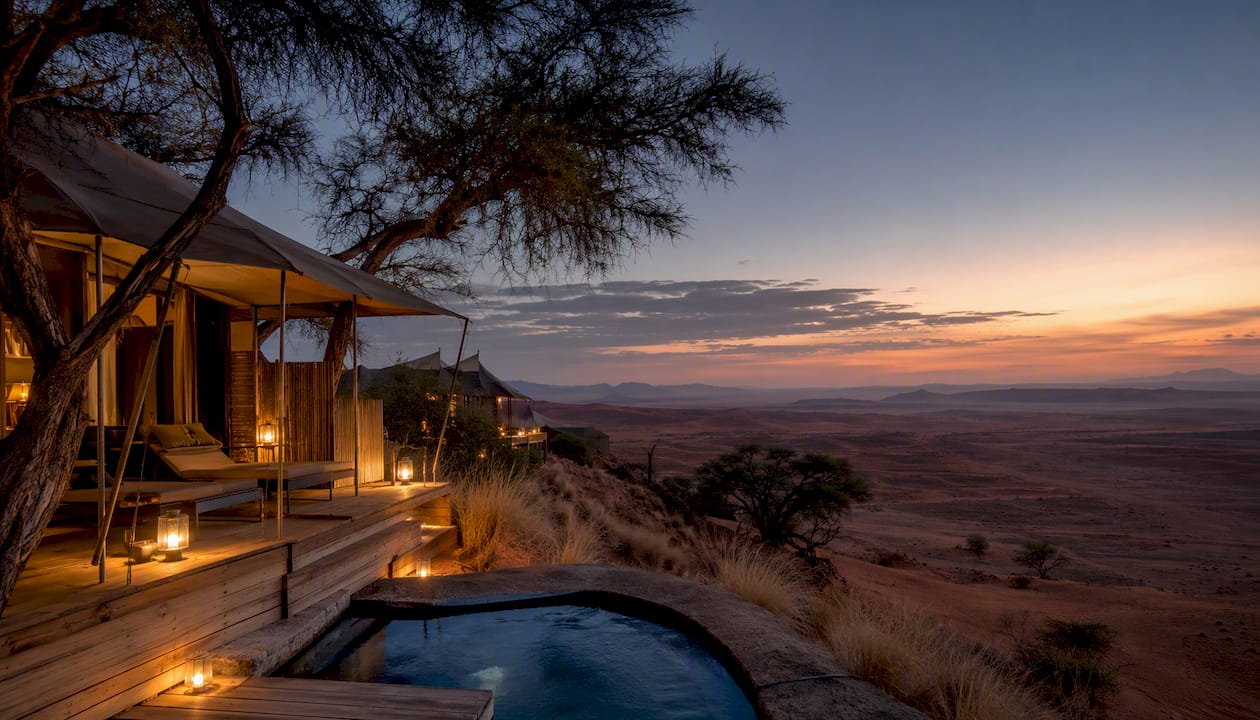
Safari vacation ideas: inspiring African adventures for every traveler
From the rust-red dunes of the Namib Desert to the thundering wildebeest crossings of the Serengeti National Park, Africa offers a range of safari vacation ideas that can genuinely reshape how you see the natural world. The standout options span private desert safaris in Namibia, Great Migration game drives in Kenya and Tanzania, water safaris in Botswana’s Okavango Delta, self-drive adventures in Kruger National Park, and photographic or walking safaris for those who want something more immersive. Each style suits a different traveler, budget, and season.
A few ideas worth putting at the top of your shortlist:
Private desert safaris in Namibia — Secretnamibia’s specialty, pairing the Namib’s otherworldly landscapes with intimate lodge experiences and expert guiding on private conservancies
Great Migration game drives in the Serengeti and Maasai Mara, best timed for the river crossings of July through September
Okavango Delta water safaris in Botswana, where mokoro canoe trips and boat excursions reveal wildlife from a completely different vantage point
Kruger National Park self-drives in South Africa, the most accessible and affordable entry point into African wildlife
Walking safaris in Zambia or Zimbabwe, where you trade the vehicle for boots and learn the bush at ground level
Private game reserves deserve particular attention. Unlike national parks, they limit vehicle numbers at sightings, permit off-road driving in approved areas, and allow you to set your own game-drive schedule. Conservation partnerships are often built directly into the fee structure. If you want to understand what that means for the quality of your experience, Secretnamibia’s private-reserve planning guide is a useful starting point.
Key takeaways
Africa’s best safari vacations come down to five decisions: experience type, timing, budget tier, accommodation style, and operator ethics. Get those right, and the wildlife takes care of itself.
Point | Details |
|---|---|
Match experience type to your goals | Walking safaris suit natural history depth; game drives suit all ages; water safaris and desert safaris offer genuinely different wildlife perspectives. |
Time your trip around wildlife windows | Dry season (May–October) for Southern Africa; July–September for Mara/Serengeti river crossings; January–March for Serengeti calving. |
Set a realistic budget tier | Mid-range runs $300–$600 per person per day; a 6-night trip costs roughly $5,000–$8,000 per person excluding international flights. |
Choose accommodation that matches your priorities | Private reserves allow off-road driving, night drives, and walking safaris that national park lodges cannot offer. |
Secretnamibia for bespoke planning | Secretnamibia designs custom luxury circuits across Namibia and Southern Africa, including private-reserve bookings and fly-in logistics. |
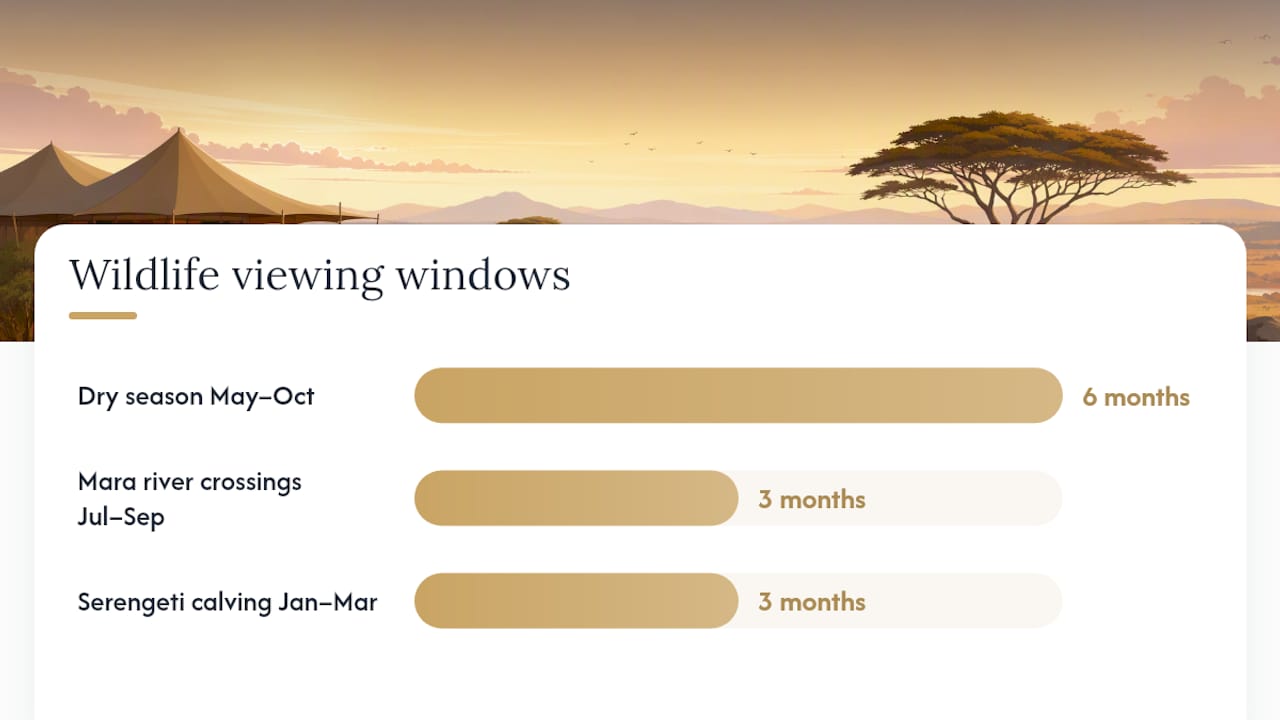
Table of Contents
Which safari experience type fits your travel style?
Top safari destinations and what makes each one special
When to go and how long to stay
How much does a safari trip cost?
Where to stay: lodges, tented camps, and private reserves
Planning checklist: visas, vaccines, insurance, and what to pack
How to choose an ethical safari operator
Featured ideas from Secretnamibia: luxury desert safaris and private reserves
Getting there: flights, transfers, and entry points
Cultural experiences and community visits worth including
Recommended itinerary examples combining destinations and experience types
What we love about Namibia: a perspective from Secretnamibia
Secretnamibia can plan your perfect safari
Sources
Which safari experience type fits your travel style?
The format of your safari shapes everything: the physical demands, the wildlife encounters, the photography opportunities, and the cost. Luxury travelers have a particularly wide range of safari types to choose from, but every budget has a format that works. Here is a breakdown of the main experience types and what each genuinely delivers.
Classic game drives remain the most popular format for good reason. Morning and late-afternoon drives in an open 4x4 maximize sightings because predators are most active at those hours. They suit all fitness levels and ages, and they work across virtually every destination on the continent.
Walking safaris trade distance for depth. You cover less ground but notice far more — tracks, dung beetles, termite mounds, the smell of wild sage after rain. Guides carry rifles and read the bush with a precision that no vehicle-based experience can replicate. Physically, they require reasonable fitness, and they are not suitable for young children. The trade-off is deliberate: you sacrifice the panoramic sweep for close-up natural history learning that stays with you long after the trip.
Water and Delta safaris in the Okavango or along Chobe’s riverfront offer a genuinely different perspective. Mokoro canoe trips, boat safaris, and marine wildlife cruises expand what “safari” means well beyond large-mammal game drives. Elephant herds wade across channels, hippos surface a few meters from your boat, and the birdlife is extraordinary.
Hot-air balloon safaris over the Serengeti or Maasai Mara are a sunrise experience unlike any other. The silence above the plains at dawn, with herds moving below, is genuinely spectacular. They are expensive (typically $500–$600 per person for a one-hour flight with champagne breakfast) and weather-dependent, so treat them as an add-on rather than the core of your trip.
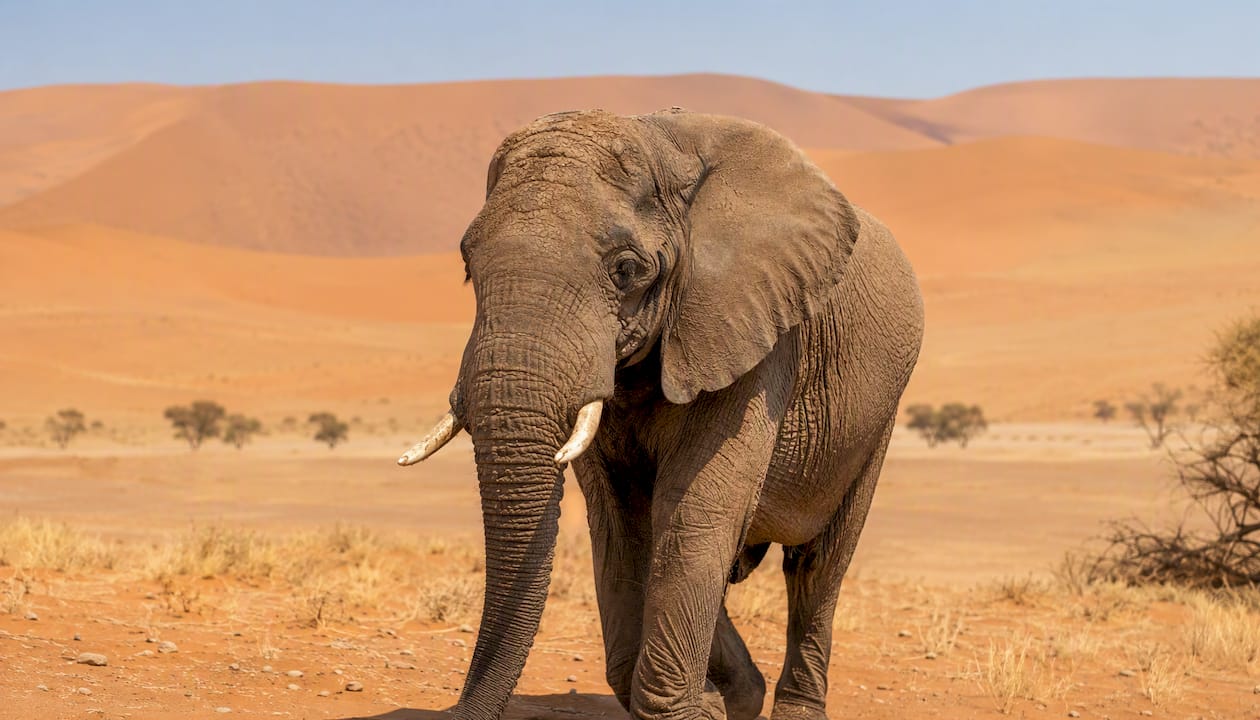
Desert safaris in Namibia are in a category of their own. The Namib is the world’s oldest desert, and the wildlife adapted to it — oryx, desert-adapted elephants, brown hyenas — behaves differently from savanna species. The landscapes are photographic gold at any hour.
Photographic safaris pair dedicated guiding with vehicles modified for camera stability. If photography is your primary goal, a specialist photographic guide who understands light, behavior, and positioning is worth every extra dollar.
Self-drive safaris suit independent travelers who want flexibility and lower costs. Kruger is the gold standard for this format, with paved roads and well-equipped rest camps. The trade-off is that you are your own guide.
Mobile-camp and overland safaris move through multiple ecosystems over 10–21 days, following wildlife or seasonal patterns. They are the best way to cover serious ground and suit travelers who prefer variety over depth at a single location.
Family-friendly safaris work best at private reserves with dedicated family guiding, age-appropriate activities, and lodges that genuinely welcome children. Not every camp does.
Pro Tip: Green season (November through May) offers significantly lower prices at many camps, and the lush landscapes make for extraordinary photography — particularly for birding and newborn wildlife. The trade-off is thicker vegetation, which can make large-mammal sightings harder.
Top safari destinations and what makes each one special
Each of Africa’s great safari regions has a distinct character. Here is a compact guide to the destinations you are most likely to encounter when planning a trip.
Region | Best Months | Signature Highlight |
|---|---|---|
Serengeti National Park | July–September, January–March | Great Migration river crossings; calving season |
Maasai Mara National Reserve | July–October | Mara River wildebeest crossings |
Kruger National Park | May–September | Big Five self-drive; private reserve access |
Okavango Delta | June–October | Water-based safaris; mokoro trips |
Etosha National Park | May–October | Floodlit waterholes; desert-adapted wildlife |
Chobe National Park | July–October | Highest elephant density; boat safaris |
Ngorongoro Crater | June–September | Dense Big Five concentration in a caldera |
Serengeti National Park, Tanzania covers roughly 14,750 km² of open savanna and is the stage for the greatest wildlife spectacle on earth. The annual Great Migration sees over 1.5 million wildebeest and hundreds of thousands of zebra moving in a continuous loop. River crossings in the northern Serengeti, where crocodiles wait in the Mara River, happen most reliably between July and September. Calving season in the southern Serengeti runs January through March and draws the highest concentration of predators of the year.
Accommodation ranges from mobile tented camps that follow the migration to permanent luxury lodges in the central Seronera area
Fly-in access from Arusha or Kilimanjaro International Airport is the most practical route
Maasai Mara National Reserve, Kenya is the northern extension of the Serengeti ecosystem and shares the same migration. The Mara River crossings here are arguably more dramatic because the terrain funnels animals into narrower crossing points. The reserve also has a strong resident population of big cats year-round.
Accommodation includes both public campsites and high-end private conservancy camps on the reserve’s edges
Private conservancies surrounding the Mara allow off-road driving and walking safaris not permitted inside the reserve itself
Kruger National Park, South Africa is one of Africa’s largest game reserves at 19,485 km² and the most accessible for independent travelers. Paved roads, well-equipped rest camps, and comparatively low entry fees make Kruger uniquely suited to self-drive safaris. Private reserves on Kruger’s western boundary offer a step up in exclusivity and guiding quality at a significantly higher price.
Okavango Delta, Botswana is a UNESCO World Heritage Site and one of the world’s largest inland deltas. The annual flood from Angolan rains transforms the delta between June and October, concentrating wildlife on islands and attracting extraordinary numbers of birds. Fly-in camps are the norm here, and most fall firmly in the luxury price band.
Etosha National Park, Namibia is built around a vast salt pan that acts as a magnet for wildlife during the dry season. Floodlit waterholes at several rest camps allow night viewing that most African parks do not permit. Desert-adapted species — black rhino, desert lion, gemsbok — make Etosha unlike any East African park.
Accessible by road from Windhoek (approximately 4.5 hours) or by fly-in to Ondangwa Airport
Pairs naturally with Namibia’s private conservancies and the Namib Desert for a multi-ecosystem itinerary
Chobe National Park, Botswana has among the highest elephant densities on the continent. Boat safaris along the Chobe River are a signature experience, with herds of hundreds crossing the water at dusk. Fly-in camps in Botswana typically fall in the luxury price band, reflecting the country’s high-value, low-volume conservation model.
Ngorongoro Crater, Tanzania is a collapsed volcanic caldera roughly 20 km across, sheltering a self-contained ecosystem with dense populations of lion, elephant, buffalo, black rhino, and flamingo. The density of wildlife within the crater is extraordinary, though the rim camps and descent roads can feel busy during peak season.
When to go and how long to stay
The single biggest factor in safari quality is timing. Dry season concentrates animals around water sources and improves visibility; green season offers lower prices, lush landscapes, and exceptional birding. Here is how the calendar breaks down across the continent’s key regions.
January–March: Southern Serengeti calving season. Enormous predator activity. Green, photogenic landscapes. Lower prices at most camps.
April–May: Shoulder season across East and Southern Africa. Some camps close for maintenance. Excellent value for those who don’t mind occasional rain.
June–July: Dry season begins in Southern Africa. Etosha, Chobe, and Kruger all come into peak game-viewing condition. Migration river crossings begin in the northern Serengeti.
July–September: Peak season in the Mara and northern Serengeti features famous river crossings and abundant wildlife
October–November: “Shoulder” in East Africa; the short rains begin. Southern Africa still excellent. Namibia’s desert landscapes are particularly striking in October light.
November–April: Green season across most of Africa. Prices drop 30–60% at many camps. Birding peaks. Newborn wildlife is abundant. Vegetation is thicker, which can reduce large-mammal visibility.
For trip length, a useful rule of thumb: 3–4 nights is the minimum to settle into a single reserve and see meaningful wildlife. 7–10 nights allows you to combine two ecosystems — say, Etosha and the Namib, or Kruger and a private reserve. 10–14 nights or more suits multi-country itineraries or migration-focused trips where you want to follow wildlife across regions.
How much does a safari trip cost?
Safari pricing clusters into three honest tiers, and understanding what each includes prevents nasty surprises at checkout.
Budget ($150–$300 per person per day): Self-drive options like Kruger, shared-vehicle safaris, and basic tented camps. Park fees, accommodation, and some meals are typically included; internal flights and premium guiding are not.
Mid-range ($300–$600 per person per day): Guided lodge safaris with full board, two game drives daily, and park fees included. A 6-night mid-range safari runs roughly $5,000–$8,000 per person, excluding international flights. This tier covers most of the classic East and Southern African lodge experiences.
Luxury ($1,000+ per person per day): Private reserves, fly-in camps in Botswana, exclusive-use villas, and bespoke itineraries. Everything is typically included: all meals, premium drinks, laundry, game drives, bush walks, park fees, and internal transfers. Botswana fly-in camps can reach $1,200–$2,500 per person per night.
What is almost never included at any tier: international flights, visas, travel insurance, and personal items. Budget an additional $1,500–$3,000 per person for international flights from the US to major safari hubs (Nairobi, Johannesburg, Windhoek).
Cost callout: A self-drive Kruger trip can cost as little as $150–$200 per person per day including accommodation and park fees, making it one of Africa’s most accessible wildlife experiences. A private-reserve fly-in camp in Botswana at the opposite end of the spectrum can cost ten times that amount — and the difference in exclusivity and guiding quality is real.
Where to stay: lodges, tented camps, and private reserves
Accommodation type shapes your safari as much as the destination does. Here is what each style actually delivers.
Permanent lodges are fixed structures, often with en-suite bathrooms, swimming pools, and restaurant-style dining. They offer the most comfort and are the easiest to book. The trade-off is that they can feel removed from the bush, particularly in heavily developed areas.
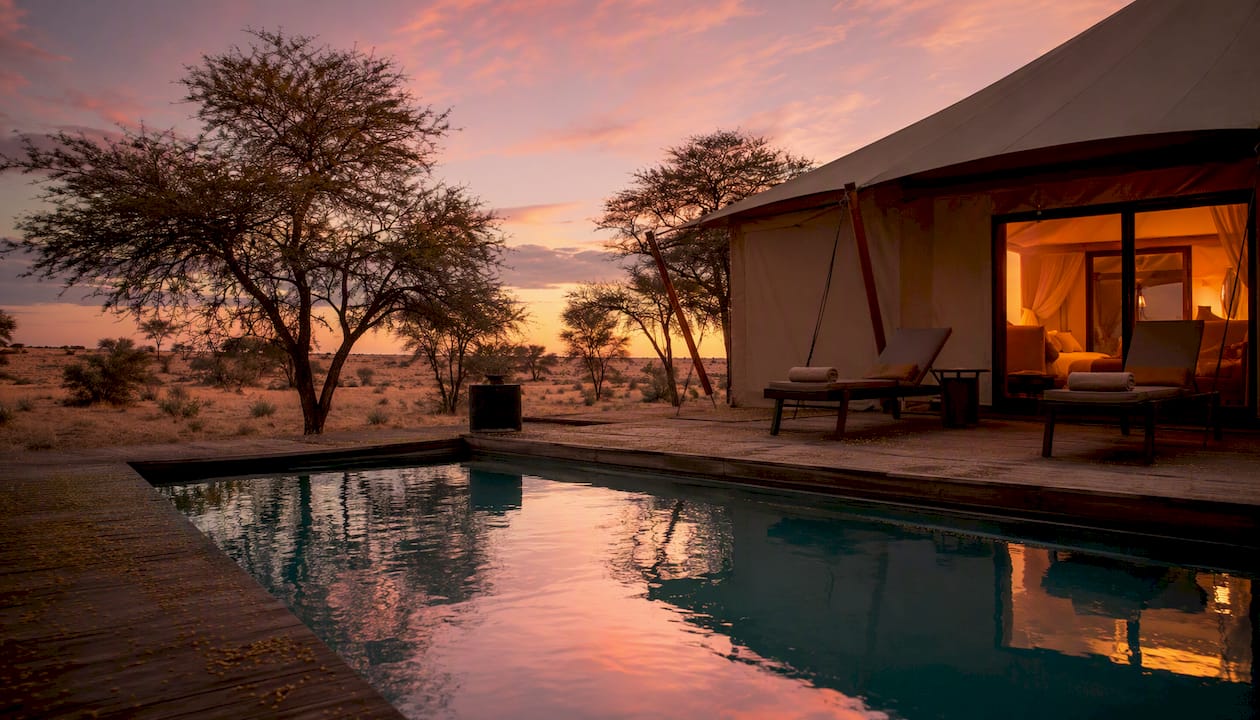
Tented camps sit closer to the wild. Canvas walls mean you hear every sound of the night — lions calling, hyenas whooping, elephants moving through camp. Quality ranges from basic to extraordinarily luxurious, with some tented camps offering private plunge pools and butler service. Bush camp experiences at this level blend wilderness immersion with genuine luxury.
Mobile camps follow the wildlife or the season, dismantling and relocating every few weeks. They are the most immersive option for migration-focused travelers and typically fall in the mid-to-luxury range.
Fly-in luxury camps in remote areas like the Okavango or Namibia’s private conservancies are accessible only by light aircraft. The remoteness is the point: no day visitors, no shared sightings, and a guide-to-guest ratio that makes every drive feel private.
Private-reserve villas and portfolio suites represent the top of the market. Exclusive-use properties sleep 6–12 guests and come with a dedicated guide, chef, and vehicle. They are the closest thing to having an entire reserve to yourself.
When choosing between national park accommodation and a private reserve, the key question is what you want from your game drives. National parks restrict vehicles to roads and limit time at sightings. Private reserves allow off-road driving, walking safaris, and night drives, and they cap the number of vehicles at any sighting to two or three. For photographers and serious wildlife enthusiasts, that difference is significant.
Pro Tip: Book private-reserve camps at least 6–12 months in advance for peak season (July–September). The best camps in Botswana and Namibia’s private conservancies fill up well ahead of that window.
Planning checklist: visas, vaccines, insurance, and what to pack
Getting the logistics right before you travel makes everything smoother once you arrive. Work through this checklist in order.
Visas and entry requirements: US passport holders can enter South Africa, Namibia, Botswana, Tanzania, and Kenya visa-free or on arrival for tourism stays, but rules change. Check the relevant embassy website within 3 months of travel.
Vaccinations: Yellow fever vaccination is required for entry into some countries (including Tanzania if arriving from a yellow fever zone). Consult a travel clinic at least 6–8 weeks before departure. Malaria prophylaxis is strongly recommended for most safari destinations.
Travel insurance: Choose a policy that explicitly covers medical evacuation. Helicopter or fixed-wing evacuation from a remote camp to a hospital can cost $50,000 or more without coverage. This is non-negotiable for remote destinations.
Currency and tipping: Carry US dollars for tips and small purchases in many destinations. Guide tipping norms typically run $10–$40 per person per day; tracker and camp staff tips are separate. Ask your operator for their specific guidance.
What to pack: Layered neutral clothing (khaki, olive, tan), strong sun protection, and quality binoculars improve your experience significantly. Avoid blue and black, which attract tsetse flies in some regions.
Camera gear: A smartphone camera is adequate for many travelers. A telephoto lens (200mm or longer) or a rental camera body makes a real difference for wildlife photography.
Documents: Carry physical copies of your passport, visa, travel insurance policy, and vaccination certificate. Store digital copies in a cloud service.
Health: Consult a travel medicine clinic for destination-specific advice. This article is general guidance, not medical advice.
Packing callout: Binoculars are the single most underrated piece of safari kit. A mid-range pair (8x42 or 10x42) transforms distant sightings and is worth carrying in your hand luggage rather than checked baggage. Secretnamibia’s safari safety checklist covers health and gear preparation in detail for Namibia-specific trips.
How to choose an ethical safari operator
The operator you choose determines whether your money supports conservation and communities or undermines them. Ask direct questions before booking.
Questions to ask any operator:
What percentage of your fees goes directly to conservation or anti-poaching programs?
Do you employ local guides and community staff, and at what level?
Which community benefit programs does your camp support?
How do you handle wildlife habituation — do your guides maintain safe distances from predators?
Are your camps certified by any recognized conservation body (e.g., Responsible Tourism Tanzania, Fair Trade Tourism)?
Red flags to watch for:
Operators who offer “walking with lions” or “cheetah petting” experiences — these almost always involve captive-bred or habituated animals and have no legitimate conservation value
Camps that bait or feed wildlife to guarantee sightings
Unclear or absent tipping structures, which often indicate poor staff compensation
No mention of community benefit or conservation partnerships anywhere on the website
The most credible operators are transparent about where money goes. If an operator cannot answer your conservation questions specifically, that is your answer. Conservation safaris that genuinely support wildlife preservation build anti-poaching support and community employment directly into their operating model.
Featured ideas from Secretnamibia: luxury desert safaris and private reserves
Namibia occupies a singular position among Africa’s safari destinations. The Namib Desert is the world’s oldest, and its landscapes — towering red dunes at Sossusvlei, the vast white pan of Etosha, the wild Atlantic coastline at Skeleton Coast — are unlike anything in East or Southern Africa. What makes Namibia particularly compelling for the discerning traveler is the combination of dramatic desert scenery with genuinely intimate wildlife encounters on private conservancies.
Why private game reserves in Namibia?
National parks like Etosha are magnificent, but they operate under the same constraints as parks everywhere: vehicles stay on roads, game drives follow fixed hours, and you share sightings with other guests. Private conservancies surrounding Etosha and across the Namibian interior operate differently. Off-road driving is permitted in designated areas, game drives can start before dawn or run after dark, and the guide-to-guest ratio is typically 1:4 or better. Conservation fees are channeled directly into anti-poaching and community programs, and the lodges themselves are designed to sit lightly in the landscape.
Sample itinerary 1: 5-day desert-luxe and Etosha loop
Day 1–2: Fly into Windhoek, transfer to a private lodge in the NamibRand Nature Reserve. Afternoon game drive across ancient dune fields. Sundowner on a dune crest.
Day 3: Morning walk with a guide through desert-adapted vegetation. Afternoon photography session in the dunes at golden hour.
Day 4–5: Fly north to Etosha. Two full days of game drives, including an evening session at a floodlit waterhole. Fly back to Windhoek.
Sample itinerary 2: 9-day multi-reserve luxury circuit
Day 1–2: Windhoek arrival. Private conservancy in central Namibia. Night drives and walking safaris.
Day 3–4: Fly to Sossusvlei. Sunrise dune walk at Deadvlei. Afternoon at leisure in a luxury desert lodge.
Day 5–7: Fly to Etosha. Three days across the park’s eastern and western sections, with a private waterhole at your lodge.
Day 8–9: Damaraland or Skeleton Coast. Desert-adapted elephant tracking. Return to Windhoek.
Accommodation highlights on Secretnamibia’s featured reserves:
Private plunge pools overlooking desert plains or waterholes
Open-plan suites with canvas walls that dissolve the boundary between interior and landscape
Dedicated guiding teams with deep knowledge of desert ecology and tracking
Menus built around local produce, often served under the stars
For a step-by-step luxury Namibia itinerary tailored to your travel dates, Secretnamibia’s planning team can build a custom circuit from any of these starting points.
Getting there: flights, transfers, and entry points
Most US travelers reach East African safari hubs via connecting flights through London (Heathrow), Amsterdam (Schiphol), Doha (Hamad International), or Dubai (DXB). Nairobi’s Jomo Kenyatta International Airport and Dar es Salaam’s Julius Nyerere International Airport are the primary gateways for Tanzania and Kenya. Johannesburg’s O.R. Tambo International Airport is the main hub for Southern Africa, with onward connections to Windhoek (Hosea Kutako International), Livingstone, and Maun (for Botswana).
Internal transfers within safari regions typically involve light aircraft (5–12 seat Cessna or Pilatus PC-12 aircraft) or road transfers. Flying between camps saves significant time — a 6-hour road transfer in Namibia becomes a 45-minute flight — and is worth the additional cost on itineraries covering multiple regions. Most luxury camps include internal flight costs in their packages; always confirm this when comparing quotes.
Entry points to note: Windhoek is the practical base for Namibia itineraries. Arusha serves as the gateway for Serengeti and Ngorongoro trips. Maun is the entry point for Okavango Delta fly-in camps. Kasane handles Chobe access.
Cultural experiences and community visits worth including
A safari that includes time with local communities adds a dimension that wildlife drives alone cannot provide. The most meaningful cultural experiences are those integrated into the operator’s community benefit model rather than staged performances.
In Namibia, visits to Himba communities in the Kunene region offer genuine insight into one of Africa’s most distinctive pastoral cultures. The Himba have maintained traditional dress, architecture, and cattle-herding practices despite significant external pressure, and community-run visits channel fees directly to the families involved. Similarly, San Bushman tracking experiences in the Kalahari region of Namibia and Botswana connect guests with the world’s oldest hunter-gatherer knowledge system — reading tracks, identifying edible plants, and understanding the landscape as a living map.
In Kenya, Maasai cultural visits adjacent to private conservancies around the Mara are common. The quality varies widely: the best are run by Maasai-owned conservancies where guides are community members and proceeds fund schools and clinics. Ask your operator specifically whether the visit is community-owned and operated.
Tanzania’s Hadzabe people near Lake Eyasi offer one of East Africa’s most authentic cultural encounters, with morning hunts and fire-making demonstrations led by community members. This experience pairs naturally with a Ngorongoro or northern circuit itinerary.
Recommended itinerary examples combining destinations and experience types
East Africa classic: 10 nights
Combine the Serengeti (4 nights, timed for either calving in January–March or river crossings in July–September) with the Ngorongoro Crater (2 nights, rim lodge) and the Maasai Mara (3 nights, private conservancy camp). This circuit covers the full migration ecosystem, two of Africa’s most iconic landscapes, and the option of a Maasai cultural visit. Internal flights connect all three areas. Budget: mid-range to luxury, $6,000–$14,000 per person excluding international flights.
Southern Africa circuit: 12 nights
Open in Johannesburg and drive or fly into Kruger for 3 nights of self-drive or guided game drives. Fly to Maun for 4 nights in the Okavango Delta (mokoro, boat, and game drives). Continue to Chobe for 2 nights of boat safaris and elephant encounters. Close with 3 nights in Namibia — either Etosha or a private conservancy. This itinerary covers four distinct ecosystems and three countries, with a natural progression from accessible to remote.
Namibia luxury desert circuit: 8 nights
As detailed in the Secretnamibia section above, this itinerary pairs the NamibRand Nature Reserve with Sossusvlei and Etosha, using light aircraft transfers throughout. It suits couples, honeymooners, and photographers who want extraordinary landscapes alongside genuine wildlife encounters. All-inclusive pricing at luxury camps means the per-day cost is high, but the total trip cost is often comparable to a longer mid-range East Africa itinerary once international flights are factored in.
Family safari: 9 nights
Families with children aged 8 and older do well on a Kruger self-drive (3 nights, rest camps with pools and family units) followed by a private reserve in the Greater Kruger area (3 nights, family-friendly lodge with dedicated children’s activities) and a beach extension in Mozambique or the Garden Route (3 nights). This structure keeps game-drive intensity manageable for younger travelers while delivering genuine Big Five encounters.
What we love about Namibia: a perspective from Secretnamibia
There is a specific quality of light in Namibia at 6 AM that you do not find anywhere else in Africa. The dunes at NamibRand shift from deep shadow to burning amber in the space of twenty minutes, and if your guide has positioned you correctly on a ridge, you watch the entire desert wake up in silence. No engine noise, no other vehicles. Just the sound of wind across ancient sand.
That stillness is what separates Namibia’s private conservancies from almost every other safari destination. The guide-to-guest ratio, the absence of shared sightings, the freedom to stop wherever the light or the tracks demand — these are not marketing abstractions. They are the actual texture of the experience. And the wildlife here rewards patience in ways that busier parks cannot: desert-adapted black rhino moving through moonscape terrain, brown hyenas at a waterhole at dusk, a pair of bat-eared foxes outside your tent at dawn.
One practical tip from the team: plan your game drives around the first and last two hours of daylight. Midday in the Namibian desert is spectacular for landscape photography but quiet for wildlife. The animals know what they are doing, and so should you.
For a personalized itinerary built around your travel dates and interests, contact Secretnamibia’s planning team directly.
Secretnamibia can plan your perfect safari
Secretnamibia’s bespoke planning service takes the complexity out of building a multi-destination African safari. Rather than piecing together camps, flights, and transfers independently, you get a single point of contact who knows the reserves, the seasonal windows, and the lodges that genuinely deliver on their promises.
The team specializes in luxury safari experiences across Namibia and Southern Africa, with particular depth in private conservancies, fly-in logistics, and family-friendly itineraries. Services include:
Custom itinerary design for Namibia, Botswana, South Africa, Tanzania, and Kenya
Private-reserve bookings with access to camps not listed on public booking platforms
Fly-in logistics and light aircraft coordination across multi-country circuits
Family safari planning with age-appropriate activities and child-friendly lodges
Safety and health preparation guidance, including links to Secretnamibia’s safari safety checklist covering medical evacuation, vaccinations, and gear
To request a tailored quote or discuss your travel dates, visit Secretnamibia and share your preferred destinations, travel party, and rough budget. The team responds within 24 hours.
Sources
Africa Safari Guide 2026: Plan Your First Trip — TravelBuzzy
Safari travel tips: what to know before you go | EF Go Ahead Tours
Recommended
RELATED
Safari Guides
Oct 30, 2025
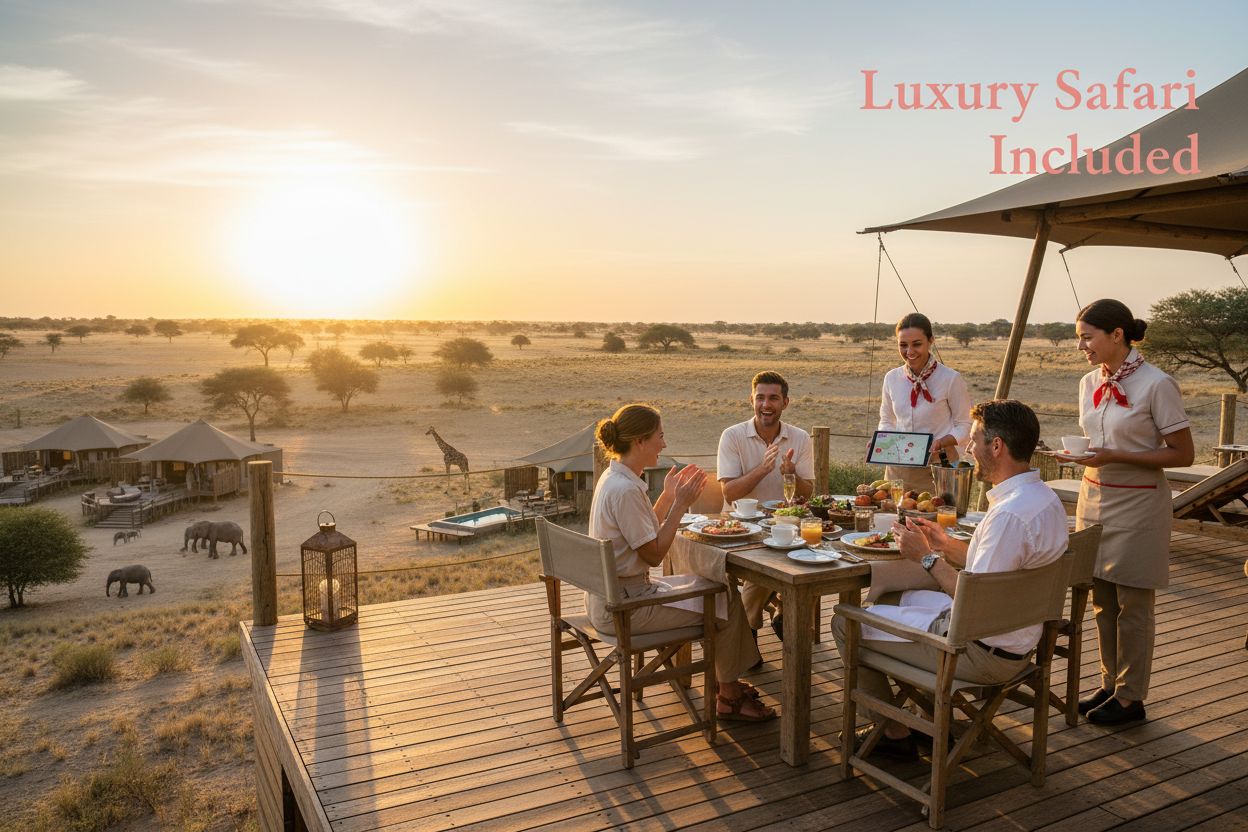
Understanding What is Included in Luxury Safaris
Explore what is included in luxury safaris, from exclusive accommodations to bespoke experiences that cater to discerning travelers.
Feb 24, 2026
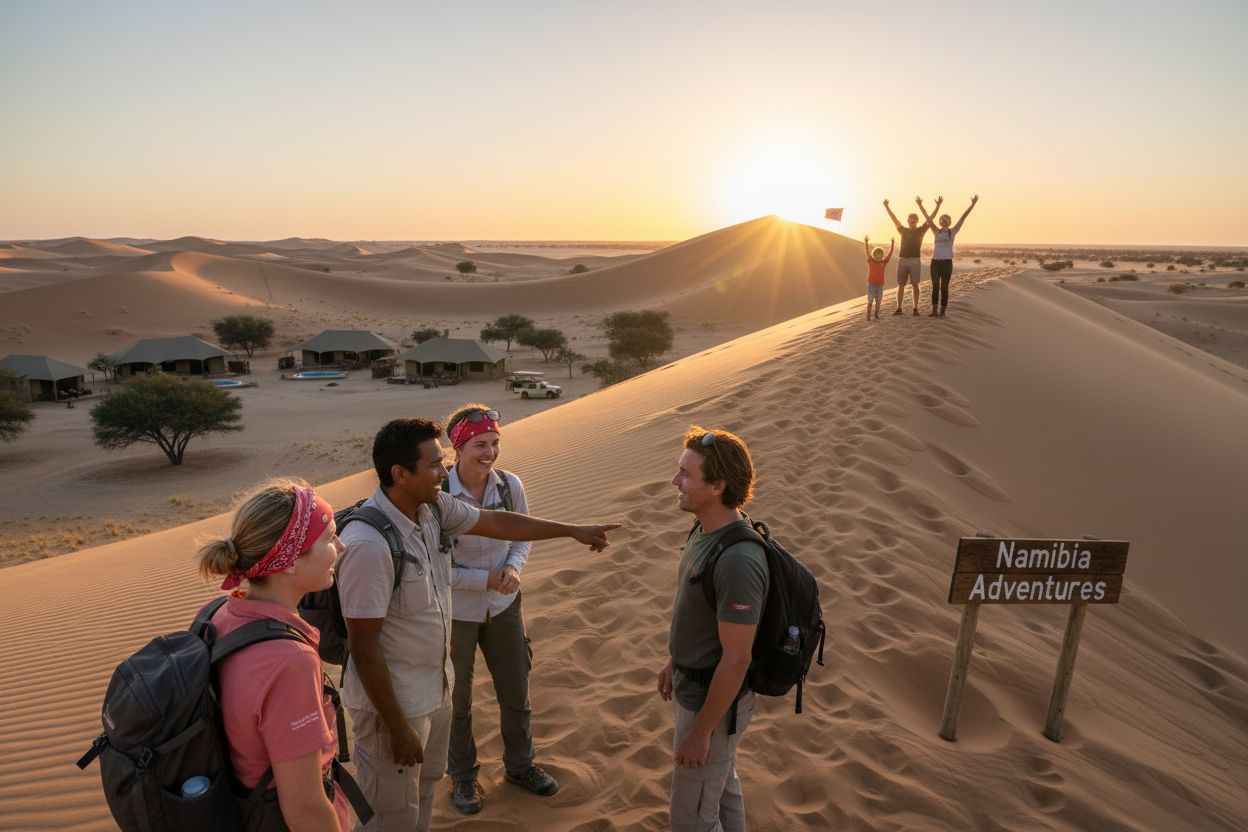
Why Namibia Adventures Matter: An In-Depth Look
Discover why Namibia adventures are essential for luxury travelers seeking unique, immersive experiences in nature and wildlife exploration.
Feb 23, 2026
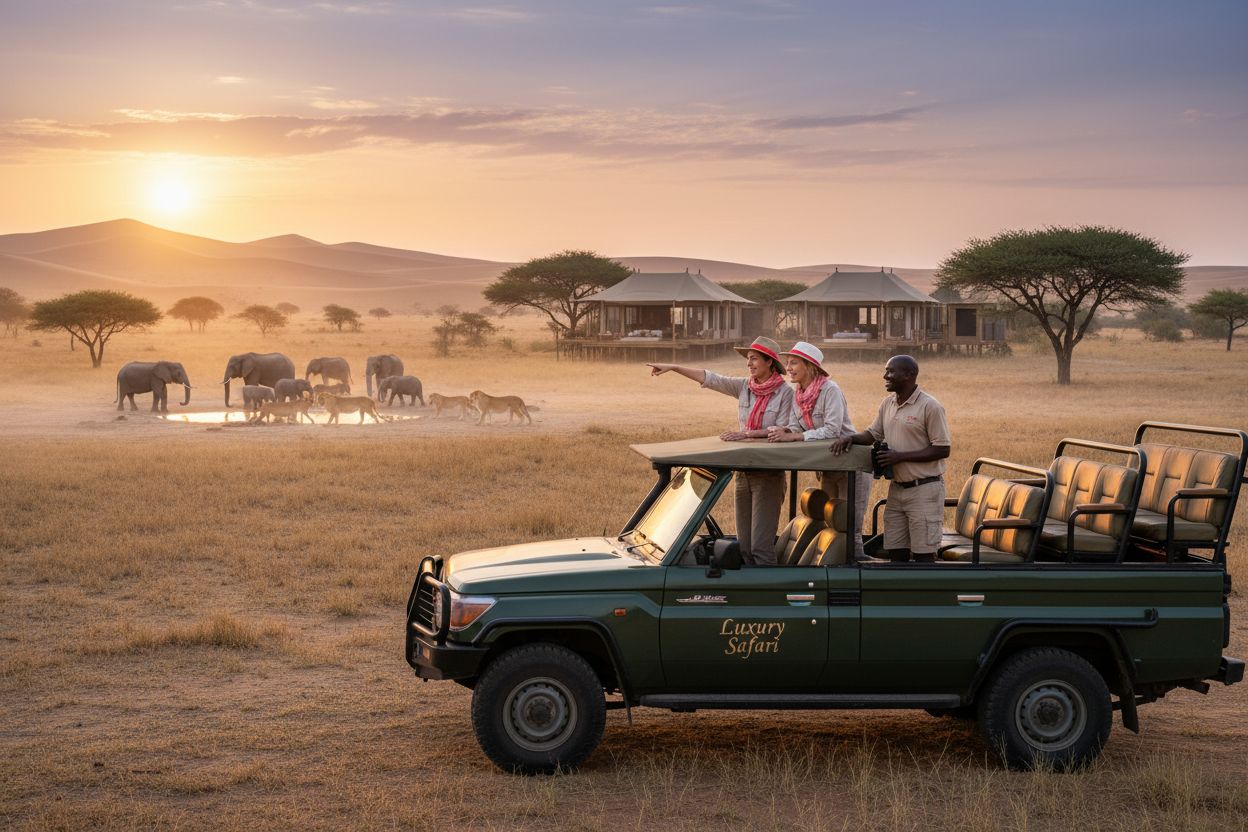
What to Expect on a Luxury Safari: A Comprehensive Guide
Discover what to expect on a luxury safari and gain a deeper understanding of the unique experiences that await you in the wild.
Feb 22, 2026
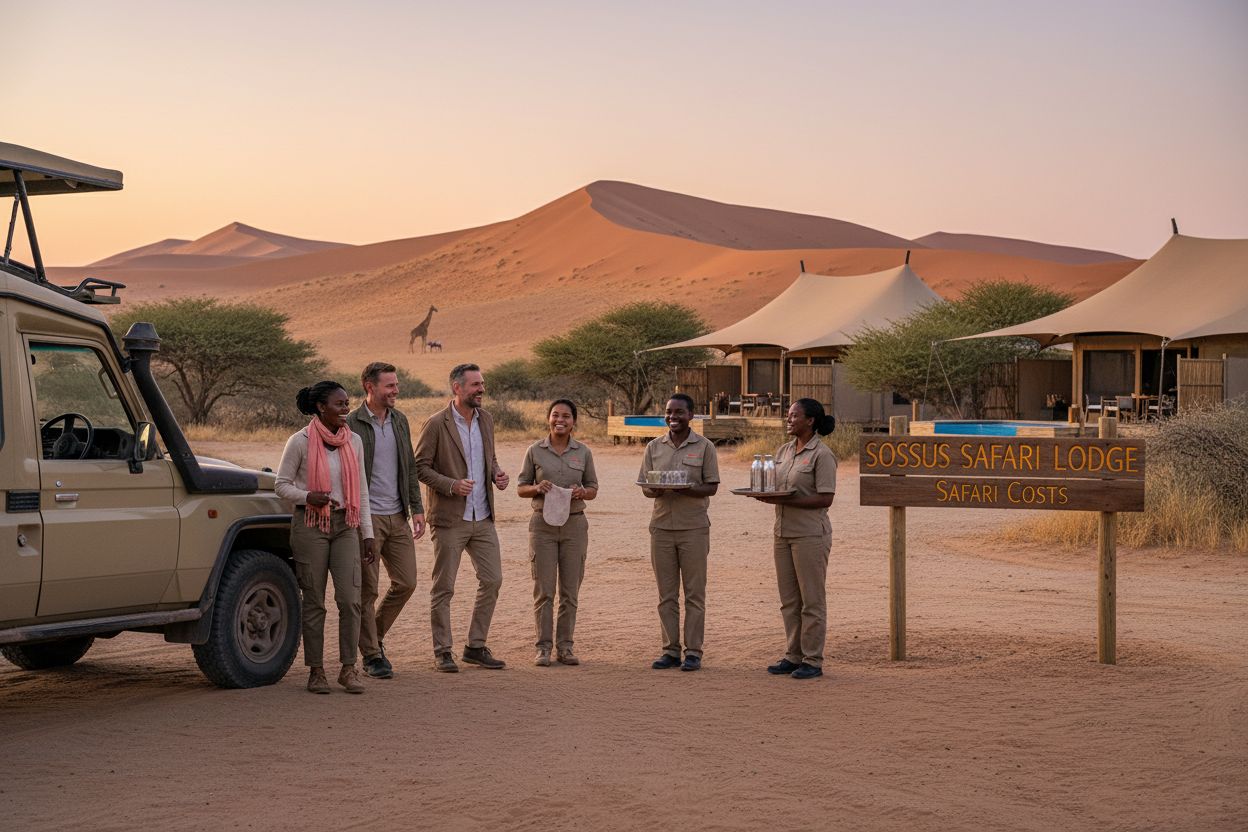
Understanding Namibia Safari Costs Explained
Explore Namibia safari costs explained to uncover what influences pricing and what it means for your adventure.
Feb 21, 2026
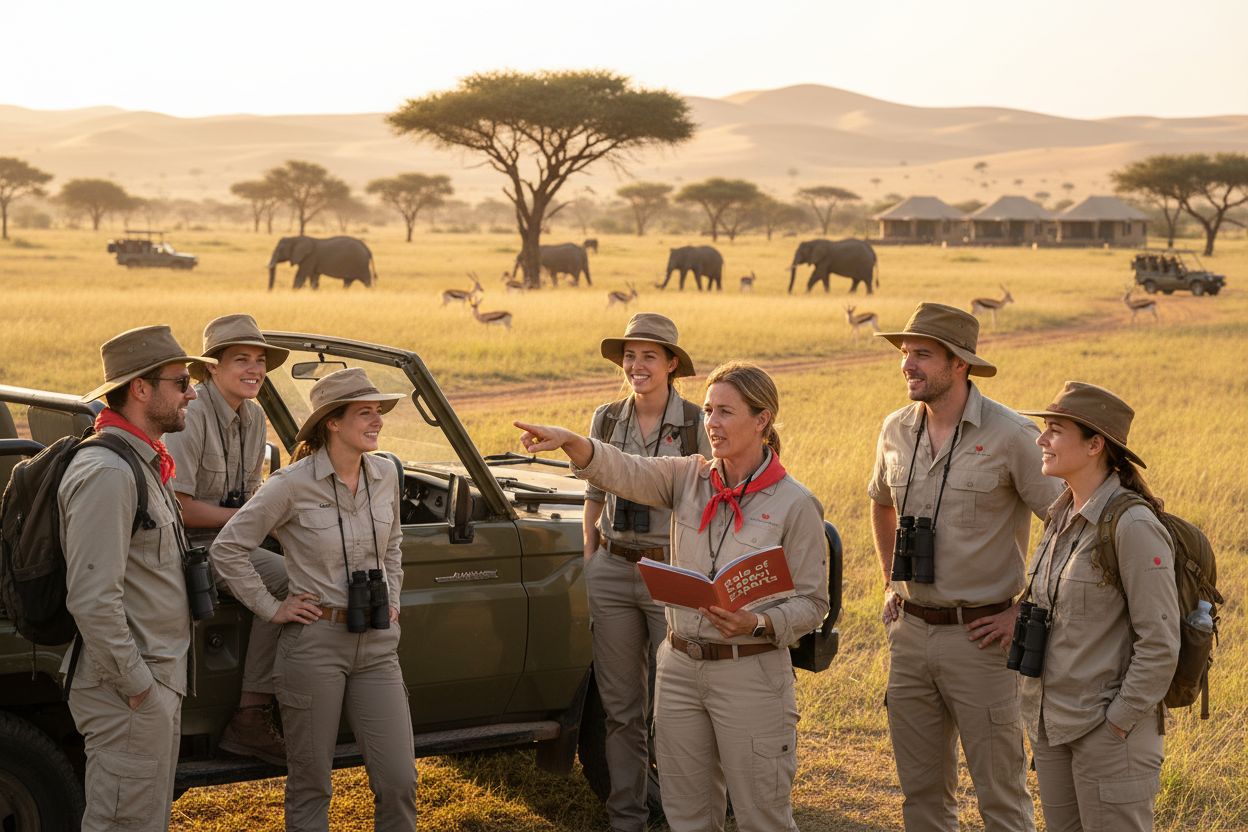
Understanding the Role of Safari Experts in Wildlife Travel
Explore the role of safari experts and gain a comprehensive understanding of how they enhance wildlife travel experiences for all types of travelers.
Feb 20, 2026
Guide organisation safari all inclusive : vivez l'aventure de vos rêves
Découvrez notre guide organisation safari all inclusive étape par étape pour planifier un voyage inoubliable au cœur de la nature.