
Mar 27, 2025
Discover 7 adventure safari options in Namibia designed for luxury travellers. Learn key tips for planning private wildlife and exploration experiences.
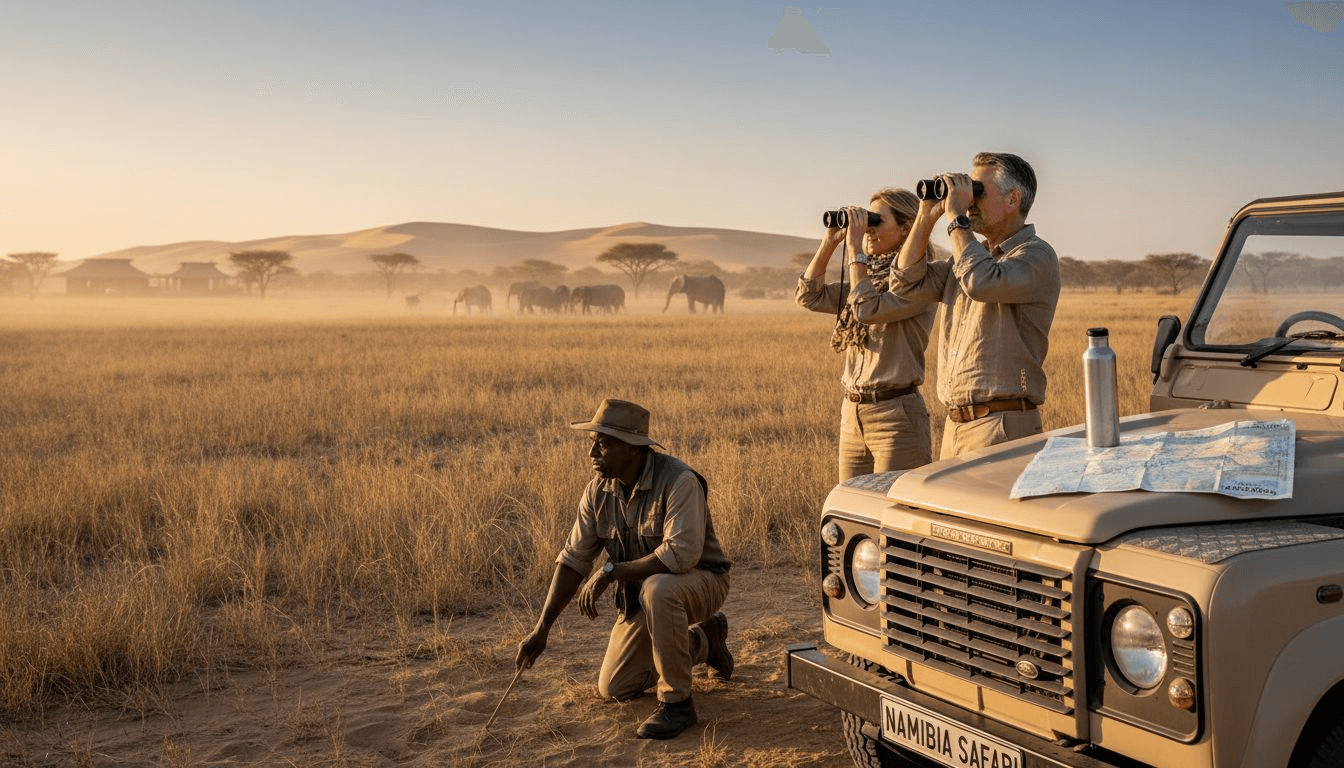
7 Top Adventure Safari Options for Luxury Travellers
Planning a luxury safari in Africa can feel overwhelming when you want more than a standard package tour. You might be searching for the perfect balance between independence, comfort, safety, and once-in-a-lifetime adventure. With options ranging from self-drive safaris to expert-led desert expeditions, it is tough to know which approach truly fits your dream experience.
This guide unlocks practical ways to personalise your journey, so you can enjoy flexibility, expert guidance, and unique wildlife encounters without sacrificing peace of mind. Whether you are hoping to spot rare desert wildlife, explore at your own pace, or create family-friendly memories, you will discover clear strategies tailored for luxury travellers.
Get ready to uncover insider tips and actionable options that will help you craft a safari itinerary as individual as you are. The following ideas highlight how to turn each day of your African adventure into a story worth telling.
Table of Contents
1. Experience Guided Self-Drive Safari Adventures
2. Explore Exclusive Fly-In Safari Packages
3. Enjoy Family-Friendly Safari Excursions
4. Choose Bespoke Private Game Lodge Journeys
5. Witness Unique Desert Safari Expeditions
6. Combine Adventure With Victoria Falls Tours
7. Customise Itineraries With Expert Safari Planning
Quick Summary
Takeaway | Explanation |
|---|---|
1. Choose Guided Self-Drive Safaris | Enjoy the freedom of self-driving with professional guidance for safety and insights throughout your adventure. |
2. Opt for Fly-In Safari Packages | Experience convenience and exclusivity, reaching remote areas quickly and avoiding long road travels. |
3. Engage in Family-Friendly Safaris | These trips are structured to keep children engaged with shorter activities, educational content, and comfortable accommodations. |
4. Personalise Your Safari Itinerary | Tailor every detail of your journey, from daily activities to dietary needs, ensuring a bespoke experience. |
5. Combine Safari with Victoria Falls | Enhance your travels by exploring diverse landscapes and activities, creating a rich and varied African adventure. |
1. Experience Guided Self-Drive Safari Adventures
Imagine navigating Namibia’s vast reserves at your own pace, stopping whenever wildlife captures your attention, yet having an expert guide beside you offering professional support and insight. Guided self-drive safaris blend the freedom of independent exploration with the safety and expertise of professional guidance, creating an ideal experience for luxury travellers seeking both adventure and peace of mind.
The essence of a guided self-drive safari lies in its flexibility. Unlike traditional game drives where you’re confined to a scheduled route and vehicle, self-drive safaris allow you to determine your own itinerary, stopping to observe wildlife for as long as you wish or detouring to explore lesser-known areas. You maintain control of timing, pacing, and destinations. However, what distinguishes the guided variant is the addition of professional support that transforms the experience from mere sightseeing into an educational wildlife encounter.
When you opt for a guided self-drive option, you’re typically paired with an experienced safari guide who travels with you throughout your journey. This professional brings encyclopaedic knowledge of animal behaviour, vegetation patterns, and optimal wildlife viewing locations. They navigate the terrain, handle navigation logistics, and most importantly, identify wildlife that untrained eyes might miss entirely. A skilled guide can spot a concealed leopard 200 metres away or recognise territorial markings that indicate predator activity in your planned route.
Safety represents another compelling reason to choose guided self-drive experiences. Your guide manages radio communication systems that connect you with other safari operators, providing real-time updates about wildlife concentrations, road conditions, and any challenges ahead. Should your vehicle experience mechanical difficulties, require provisions, or encounter unexpected situations, professional support remains immediately available. For North American and European travellers unfamiliar with African driving conditions, this safety net proves invaluable.
The practical implementation of guided self-drive safaris works like this. You rent or arrange a well-equipped four-wheel-drive vehicle suited to reserve conditions. Your guide joins you in this vehicle, typically occupying the front passenger seat to facilitate better spotting angles and communication with other guides. You control the driving yourself, deciding when to accelerate along open plains or navigate more challenging terrain. Your guide provides directions, recommendations, and interpretation of everything you encounter. This partnership creates an immersive learning experience where you don’t simply observe wildlife but understand the ecological systems supporting it.
For luxury travellers, guided self-drive safaris offer something increasingly rare: genuine autonomy within a structured experience. You escape the confines of lodge-based activities and crowded national park routes whilst retaining professional expertise. Your accommodation remains luxurious, your comfort never compromised, yet your daytime exploration feels genuinely adventurous and personally directed.
Professional tip Establish clear communication with your guide on the first morning regarding your wildlife interests, photography preferences, and physical comfort needs, allowing them to customise the route and pacing specifically for your preferences rather than following a generic itinerary.
2. Explore Exclusive Fly-In Safari Packages
Fly-in safari packages represent the pinnacle of safari convenience and exclusivity, whisking you directly from your luxury lodge to remote wilderness areas accessible only by aircraft. This approach eliminates lengthy road transfers and delivers you to pristine reserves where crowds rarely venture, maximising your time in the field and minimising travel fatigue.
The fundamental appeal of fly-in safaris lies in their ability to access game reserves that traditional road-based tourism simply cannot reach efficiently. Light aircraft can land on remote airstrips positioned strategically throughout Namibia’s vast private reserves, granting access to areas spanning thousands of hectares. What might require eight hours of driving becomes a 45-minute flight, allowing you to spend more hours observing wildlife and less time traversing dusty roads. For travellers with limited time or those combining multiple reserves into a single itinerary, this time efficiency proves invaluable.
The experience begins with seamless logistics. Your safari operator arranges all flight connections, co-ordinating your departure from your current location directly to your next reserve. You arrive refreshed rather than exhausted, ready to begin game drives immediately upon landing. The aircraft themselves are typically small, twin-engine planes carrying between four and eight passengers, ensuring intimate group sizes and superior wildlife viewing angles from elevated positions. Many luxury packages include champagne welcomes at your destination lodge and immediate orientation drives to acquaint you with your new surroundings.
Fly-in packages work particularly well when you wish to experience multiple ecosystems within a single trip. Imagine starting in the dune landscapes of Sossusvlei, then flying to the waterhole abundance of a private Etosha reserve, followed by the riverine scenery of Damaraland. Each transition happens smoothly with minimal ground time, allowing you to curate an exceptionally diverse safari experience. Understanding how fly-in safaris operate helps you appreciate how this logistics orchestration enables wildlife encounters across vastly different habitats during a single journey.
The exclusivity factor distinguishes fly-in packages from standard safari experiences. Private airstrips mean you bypass the congestion of commercial airports and major parks entirely. You encounter far fewer other safari vehicles, sometimes seeing only your own guide and tracker during entire game drives. This solitude transforms your wildlife encounters into profoundly personal experiences rather than orchestrated tourism events. For North American and European travellers accustomed to crowded travel experiences, this level of exclusivity feels genuinely transformative.
Luxury accommodations awaiting your arrival typically feature exceptional design and personalised service. Many fly-in lodges intentionally maintain small capacities, sometimes hosting just 20 or 30 guests across an entire reserve. This limited guest count means dedicated staff attention, bespoke meal planning adapted to your preferences, and the flexibility to adjust daily itineraries based on wildlife activity rather than fixed schedules. Your guides possess intimate knowledge of the reserve’s terrain, knowing precisely where specific lion prides den or which waterhole attracts the most prolific game concentrations.
Practically speaking, fly-in safaris suit several traveller profiles exceptionally well. Families with children appreciate the reduced travel time and ability to access multiple reserves without exhausting vehicle hours. Honeymooners value the romantic seclusion and seamless logistics that free them from itinerary planning concerns. Multi-generational groups benefit from the flexibility to tailor experiences to different activity preferences at each destination. Business travellers converting holiday time into maximum safari impact find the time efficiency indispensable.
Professional tip Request your fly-in operator schedule at least one afternoon game drive on your arrival day and keep one morning reserve for your final departure, maximising actual safari hours rather than having idle time between travel segments.
3. Enjoy Family-Friendly Safari Excursions
Safari experiences designed specifically for families transform what could be challenging travel into unforgettable bonding moments where children develop genuine connections with wildlife and nature. Family-friendly safari excursions prioritise comfort, education, and engagement whilst maintaining the adventure and authenticity that make safari so compelling.
The misconception many parents hold is that safaris suit only adult travellers or that young children will find game drives boring. Reality proves quite different. Children typically possess greater enthusiasm for wildlife observation than adults, remaining patient through long periods of quiet searching for that elusive leopard. What they need is structure, engagement, and age-appropriate activities that transform passive observation into active discovery. Quality family safari operators understand this distinction and design excursions accordingly.
Family-friendly safaris typically begin with thoughtful lodge selection. Many luxury reserves now offer family suites featuring interconnected rooms, allowing parents privacy whilst keeping children nearby. Children’s clubs or ranger programmes operate at various lodges, offering structured activities led by trained staff during afternoon rest periods or evening downtime. These might include tracking lessons, plant identification walks, or educational sessions about conservation efforts. This structure gives parents time to relax whilst children engage meaningfully with their environment.
Game drive timing represents another crucial consideration. Family packages often feature shorter morning drives lasting two to three hours rather than the standard four hour expeditions, matching children’s attention spans and comfort levels. Some operators offer specialised morning drives focused on smaller animals, birds, and insect life that genuinely capture young imaginations more effectively than distant large predators. Afternoon drives might skip the pre-dawn start, allowing children to wake naturally and enjoy breakfast together before heading out.
Education transforms safari from tourism into genuine learning. Guides working with family groups typically possess expertise in explaining ecological relationships in accessible language. Children learn why lions need vast territories, how plants adapt to arid conditions, and how conservation work protects endangered species. This contextual knowledge deepens their appreciation immeasurably. Planning family safari adventures requires understanding age-appropriate activities that combine learning with genuine excitement.
Accommodation quality matters significantly for family comfort. Luxury family reserves typically offer excellent food options accommodating various preferences, ensuring picky eaters remain satisfied. Many feature swimming pools where children can cool off during hot afternoons, childproofed rooms with safety features, and staff trained in family dynamics. Quality bedding, reliable hot water, and reliable electricity are non-negotiable for family comfort.
The practical implementation of family safaris works best when you communicate clearly with your operator beforehand. Discuss your children’s ages, interests, and comfort levels. Share any dietary requirements or activity preferences. Ask specifically about guide experience with families and whether the reserve offers specialised family programming. Request staggered departure times if some family members wish to sleep in whilst others pursue sunrise game drives.
Multi-generational trips gain special value from family-friendly safari design. Grandparents, parents, and children create memories together in ways few other travel experiences facilitate. The shared wonder of watching elephants at a waterhole or giraffes gracefully moving across plains transcends generational differences. These moments often become the family stories retold for decades afterwards.
Physical comfort requirements vary by child age. Younger children benefit from reserves with shorter drive distances and more accessible terrain. Teenagers often thrive with adventure elements like walking safaris or night game drives, which differ markedly from daytime vehicle-based observation. Communicating these details helps operators customise experiences appropriately.
Professional tip Pack high-quality binoculars sized appropriately for your children’s hands, a field guide focused on birds and insects rather than large mammals, and a simple wildlife journal where children sketch or note their sightings, transforming passive observation into active participation that holds their attention throughout game drives.
4. Choose Bespoke Private Game Lodge Journeys
Bespoke private game lodge journeys represent the ultimate expression of luxury safari customisation, where every element from daily itineraries to meal preferences to wildlife focus aligns precisely with your vision. Unlike standard lodge packages following predetermined schedules, bespoke experiences grant you complete autonomy to shape your adventure according to your interests, pace, and preferences.
The fundamental distinction between bespoke private journeys and conventional lodge stays lies in control and personalisation. Standard lodge packages operate on fixed schedules, predetermined game drive routes, and shared experiences with other guests. Bespoke private journeys, by contrast, treat your group as the only priority. Your guides adjust daily routes based on wildlife activity and your expressed interests. Your chef prepares meals tailored to dietary requirements and culinary preferences. Your lodge staff learns your routines and anticipates your needs. This level of personalisation transforms the experience from excellent service into genuinely intimate hospitality.
The logistics of arranging bespoke private journeys typically involve direct communication with your safari operator before arrival. You discuss your wildlife priorities, whether that means focusing primarily on photographic opportunities of specific species, observing predator behaviour, studying landscape ecology, or documenting bird species. You outline your activity preferences, indicating whether you wish to combine game drives with walking safaris, visit community projects, explore geological formations, or spend dedicated time pursuing particular interests. You communicate timing preferences, whether you favour early morning starts or prefer leisurely breakfasts before midmorning departures.
Accommodation in bespoke journeys often means private lodge ownership or exclusive lodge booking. Some luxury operators can reserve entire smaller properties, ensuring no other guests share your space. This exclusivity means guides dedicate themselves entirely to your group’s objectives rather than balancing multiple vehicles’ needs. Your accommodation becomes your personal retreat rather than shared hotel space. Understanding the advantages of private safari experiences clarifies why exclusivity transforms the fundamental character of your journey.
Meal experiences become culinary adventures in bespoke private journeys. Luxury lodges typically feature chefs trained in sophisticated cuisine who adapt menus to your preferences. A honeymooning couple might enjoy romantic candlelit dinners in scenic locations. A family might request casual outdoor picnics. Bird watchers might appreciate breakfast served early with thermos coffee so they can reach prime birding locations at dawn. Special dietary requirements receive meticulous attention, ensuring guests never feel restricted.
Guide selection represents another significant advantage. Quality operators allow guests to meet guides before committing to trips or take guest preferences into consideration when assigning guides. Some specialise in particular expertise like ornithology, big cat behaviour, or landscape photography. Guides working on bespoke journeys often possess higher qualifications and experience levels, commanding premium remuneration that reflects their expertise.
The practical implementation of bespoke private journeys requires advance planning but rewards that investment substantially. Begin by articulating your specific safari objectives to your operator. Rather than vague requests like seeing wildlife, specify interests like photographing lions hunting, studying elephant family dynamics, or observing how different species share waterholes. Explain any physical limitations or accessibility requirements. Discuss budget parameters so your operator can recommend appropriate properties matching your financial preferences. Share your ideal trip duration and season preferences.
Weather considerations become more manageable in bespoke journeys since schedules adapt to conditions. If rain creates challenging driving conditions but provides spectacular wildlife photography opportunities, your guides can adjust accordingly. If wind patterns shift bird movements, guides can modify routes. This flexibility transforms potential disruptions into opportunities rather than compromises.
Bespoke private journeys suit several traveller profiles exceptionally well. North American and European couples celebrating milestones or seeking romantic escapes value the intimate atmosphere and privacy. Photographers pursuing specific visual objectives appreciate guides understanding photographic requirements and positioning vehicles optimally. Nature researchers or conservation professionals benefit from guides willing to spend entire days on particular research interests. Multi-generational groups with varying activity preferences appreciate the ability to split into different vehicles pursuing age-appropriate activities.
Professional tip Provide your operator with a detailed wildlife priority list ranked by importance at least six weeks before arrival, allowing guides time to study current animal movements and plan routes maximising your chances of encountering your top priorities rather than leaving this crucial planning until your arrival.
5. Witness Unique Desert Safari Expeditions
Desert safari expeditions offer an entirely different safari paradigm from traditional game reserves, exchanging crowded waterholes and predictable wildlife concentrations for solitude, vast landscapes, and the profound sense of exploration that ancient explorers experienced. The Namib Desert, one of Earth’s oldest and most spectacularly formed deserts, provides an extraordinary canvas for luxury travellers seeking adventure beyond conventional safari experiences.
What distinguishes desert safaris fundamentally is the landscape itself. Rather than lush game reserves with abundant vegetation and concentrated wildlife, desert expeditions navigate towering red dunes, hidden canyon systems, and sparse vegetation adapted to extreme aridity. Wildlife adapts differently here, with creatures emerging primarily during cooler dawn and evening hours. The vast open plains create visual drama impossible in dense bushland reserves. Your perspective fundamentally shifts when you can see across 50 kilometres of uninterrupted dune fields rather than through occasional tree gaps.
Expert-led desert explorations combine trekking and specialised wildlife observation across extreme landscapes where vehicles navigate carefully to protect fragile ecosystems. The experience differs markedly from standard game drives because movement is slower, more deliberate, and often involves walking alongside your vehicle to explore areas inaccessible to vehicles. You might descend into hidden valleys, climb towering dunes for sunrise observations, or explore archaeological sites revealing ancient human presence in these harsh environments.
Accommodation in desert safaris spans a spectrum from exclusive luxury camps positioned strategically within the dunes to remote lodges overlooking vast expanses. Many feature open designs maximising views and natural ventilation whilst maintaining sophisticated comfort standards. Meals often occur under stars with minimal light pollution, creating dining experiences impossible in populated areas. The silence in deserts proves almost overwhelming to travellers accustomed to constant ambient noise, making the experience profoundly meditative.
Wildlife encounters in deserts require patience and different expectations than traditional safaris. You might observe gemsbok moving across dunes with remarkable grace, their white coats reflecting intense sunlight. Springbok groups navigate terrain seeming inhospitable to large herbivores yet supporting them through remarkable physiological adaptations. Birds like the endemic Dune Lark appear unexpectedly in seemingly barren expanses. Reptiles and smaller creatures dominate the fauna, with guided night walks revealing scorpions, snakes, and invertebrates invisible during daylight.
Photographic opportunities in deserts differ significantly from savanna experiences. The geometric perfection of dune formations, the interplay of shadows and light on sand patterns, and the clarity of atmospheric conditions create landscape photography possibilities rarely matched elsewhere. Sunrise over the dunes produces colours ranging from deep purple through vibrant reds and golds as light angles shift. Sunset delivers equally dramatic transformations. Skilled guides position you optimally to capture these ephemeral moments.
Physical demands of desert safaris require honest self-assessment. Walking on soft sand demands more exertion than walking on firm ground. Heat exposure, whilst managed through careful timing and hydration, remains intense. Altitude variations in dune areas can surprise lowland travellers. Yet guides adjust experiences to match fitness levels, offering vehicle-based alternatives alongside walking options for those preferring reduced physical exertion.
Cultural integration represents another compelling aspect of desert expeditions. Many desert regions support indigenous communities maintaining traditional ways despite modern pressures. Quality operators facilitate respectful cultural encounters where you learn about adaptation strategies, traditional practices, and contemporary challenges facing desert inhabitants. These interactions create profound understanding impossible from standard tourism.
The practical implementation of desert safari expeditions begins with realistic expectation setting. Desert experiences reward flexibility and open mindedness more than specific wildlife checklists. You release attachment to seeing particular species and instead embrace whatever encounters arise. Weather becomes a feature rather than a disruption. Wind patterns, cloud formations, and atmospheric conditions create visual drama and influence animal behaviour you observe directly.
Best seasons for Namibian desert safaris vary depending on your priorities. Winter months from June through August offer comfortable temperatures and excellent visibility but also attract more visitors. Spring and autumn provide moderate temperatures and reduced crowds, though occasional rainfall creates unpredictable conditions. Summer from December through February brings extreme heat but also fascinating behavioural adaptations and landscape transformations following rare rains.
Professional tip Book multi-day desert expeditions spanning at least three days rather than single day excursions, allowing sufficient time to venture deep into remote areas beyond day-trip radius and experience the profound silence and solitude transforming desert exploration from mere sightseeing into genuine wilderness immersion.
6. Combine Adventure with Victoria Falls Tours
Combining Namibian safari experiences with Victoria Falls tours creates an itinerary spanning multiple countries and ecosystems, transforming your African journey into a comprehensive exploration of the continent’s most iconic natural wonders. This multi-destination approach allows you to contrast intimate wildlife observation with one of Earth’s most spectacular natural phenomena, delivering unparalleled variety within a single trip.
Victoria Falls represents one of the world’s seven natural wonders, a massive waterfall spanning the Zambezi River border between Zimbabwe and Zambia. The falls generate an awe that photographs cannot adequately capture. The sheer volume of water plummeting 108 metres creates a visible mist extending kilometres downwind, producing rainbows visible in multiple directions simultaneously. The thunderous roar reverberates through your entire body. Standing before Victoria Falls produces a visceral response distinct from any other natural spectacle, offering an experience fundamentally different from safari wildlife observation.
The logistics of combining safari and Victoria Falls work remarkably smoothly through careful itinerary planning. Most luxury operators coordinate multi-country journeys seamlessly, handling all international border crossings, visa requirements, and flight connections. A typical itinerary might allocate eight days to Namibian safari experiences across multiple reserves, then fly you to Victoria Falls for two to three days combining natural wonder tourism with adventure activities. This structure allows sufficient time in each location for meaningful experiences rather than rushed highlights touring.
Comparing African safari destinations with Victoria Falls experiences helps travellers understand how these fundamentally different attractions complement each other within a single journey. Safari demands patience, early mornings, and sustained observation to appreciate wildlife behaviour nuances. Victoria Falls, by contrast, creates immediate impact, demanding only that you stand present before its grandeur. The psychological contrast between these experiences creates memorable journey arcs that single-destination trips cannot achieve.
Accommodation at Victoria Falls spans from ultra-luxury lodges perched on cliff edges overlooking the falls to intimate boutique properties positioned strategically throughout the region. Many feature open terraces where you can watch the mist rising from the gorge whilst enjoying breakfast or evening sundowners. The constant presence of the falls creates an environment where natural beauty pervades every moment. Several lodges offer suites with private plunge pools positioned to maximise views. The accommodation quality at Victoria Falls rivals that of luxury safari lodges, ensuring your experience maintains consistent luxury standards throughout your journey.
Activity options at Victoria Falls extend far beyond observation. Adventure seekers combine wildlife safari experiences with adrenaline activities like white water rafting through the Zambezi River gorge, Victoria Falls helicopter flights offering aerial perspectives, or bungee jumping from the falls bridge. More contemplative travellers prefer sunrise walks through rainforest ecosystems fed by falls mist, guided geology tours explaining the falls formation, or spa treatments at luxury resort facilities. This activity diversity appeals to travellers with varied interests within the same travel party.
The cultural dimensions of Victoria Falls add another layer of richness. Local communities maintain deep connections to the falls, regarding them with spiritual significance beyond mere geological phenomena. Quality operators facilitate respectful cultural interactions where you learn indigenous perspectives and contemporary challenges facing communities dependent upon falls tourism. These encounters transform the experience from simple sightseeing into meaningful cultural exchange.
Timing considerations matter significantly when combining safari and falls experiences. The Zambezi River’s water volume varies seasonally, affecting both falls appearance and activity availability. During high water months from April through August, the falls display maximum volume and power, though mist intensity sometimes obscures the full falls view. Low water months from October through December reveal the falls’ underlying rock structure more clearly whilst reducing mist. Safari experiences differ seasonally too, with dry season offering superior wildlife concentration and visibility. Coordinating these seasonal preferences with your operator ensures optimal conditions for both destinations.
The practical implementation of combined itineraries begins with communicating your interests clearly to your operator. If you prioritise wildlife observation over adventure activities, allocate more days to safari and fewer to Victoria Falls. If you seek adventure activities combined with natural spectacles, balance days more evenly. Discuss whether you prefer visiting Zimbabwe or Zambia sides of the falls, as each offers distinct perspectives and activity combinations. Your operator can customise the itinerary matching your preferences precisely.
Transition logistics require attention but rarely present challenges with experienced operators. Flight transfers between Namibia and Victoria Falls typically span two to three hours, often involving a brief connection through Botswana or Zimbabwe. Your operator arranges all logistics, meeting you on arrival and transferring you directly to your next accommodation. Passport control and border crossings happen smoothly with operators familiar with procedures and requirements.
Multi-generational groups particularly benefit from combined itineraries. Younger travellers enjoy adventure activities like falls helicopter flights or rafting. Older family members prefer contemplative experiences and accommodation comfort. Combined itineraries accommodate all preferences within a single journey, creating shared experiences without forcing all participants into identical activities.
Professional tip Book your combined itinerary with operators specialising in multi-country journeys rather than coordinating separate safari and falls components independently, as specialist operators maintain relationships with properties at both locations, secure preferred accommodation positioning, and manage logistics ensuring seamless transitions rather than requiring you to navigate international coordination.
7. Customise Itineraries with Expert Safari Planning
The difference between a competent safari holiday and a truly transformative African adventure lies largely in the quality of itinerary planning before you depart. Expert safari planners transform your vague wishes into meticulously orchestrated journeys where every element aligns with your preferences, creating experiences that feel personally designed rather than mass produced.
Why does expert planning matter so profoundly? Safari itineraries involve dozens of interconnected decisions spanning accommodation selection, reserve choice, guide assignment, activity scheduling, dietary requirements, and logistical coordination across multiple international boundaries. An inexperienced planner might book accommodation based solely on luxury amenities without considering proximity to prime game viewing areas. They might schedule activities without understanding seasonal wildlife patterns or reserve ecological characteristics. They might coordinate flights creating exhausting transitions rather than strategic gaps for rest and reflection. Expert planners orchestrate these elements into seamless wholes where timing, location, and activity combine optimally.
Understanding how expert safari planners orchestrate exceptional journeys reveals the complexity underlying seemingly straightforward safari bookings. Quality planners possess encyclopaedic knowledge of reserves, understanding not just accommodation quality but how each property positions guests relative to wildlife viewing opportunities. They know which guides excel at photography, which excel at cultural interpretation, which excel at patient wildlife observation. They understand seasonal patterns, knowing precisely when particular species congregate where, which ecosystems present optimal conditions during specific months, and how weather patterns influence animal behaviour and human comfort.
The practical implementation of expert planning begins with comprehensive initial consultation. Your planner asks detailed questions extending far beyond basic logistics. They want to understand your travel style. Do you prefer early mornings or leisurely breakfasts? Are you comfortable with rustic simplicity or do you require luxury amenities? Are you driven by specific wildlife goals or open to whatever unfolds? What physical capabilities should influence activity selection? Do you seek solitude and contemplation or social engagement with other guests? These nuanced preferences shape every recommendation.
Experienced planners also discuss unspoken concerns influencing your comfort. Some North American travellers unfamiliar with African travel worry about health risks or safety, requiring reassurance through careful planning and facility selection. European travellers sometimes struggle with heat exposure or physical exertion levels. Multigenerational groups need careful coordination ensuring activities suit all ages. Honeymooners desire romantic seclusion and timing allowing peaceful moments together. Photography enthusiasts require guides understanding light angles and positioning vehicles for optimal composition. Discussing these concerns allows planners to address them proactively rather than discovering problems upon arrival.
Reserve selection exemplifies how planning expertise creates superior experiences. Namibia offers numerous exceptional reserves, each with distinct characteristics. The Etosha National Park delivers highest wildlife density and concentration but also higher tourist volumes. Private Etosha concessions offer exclusivity and personalised experiences but require careful selection of individual properties. Desert reserves provide solitude and unique landscapes but different wildlife and activity profiles. Damaraland offers dramatic geology and cultural opportunities alongside wildlife viewing. A knowledgeable planner matches reserve characteristics with your stated preferences rather than defaulting to familiar names or highest price points.
Guide assignment represents another planning element dramatically influencing your experience. Quality operators allow guest preferences to influence guide selection. If you prioritise photography, your planner requests a guide with photographic expertise and patience. If you seek cultural understanding, they match you with guides possessing strong community connections and communication skills. If you value predator behaviour observation, they select guides with research backgrounds. This matching process transforms guides from generic service providers into partners aligned with your specific journey objectives.
Activity scheduling requires understanding not just what appeals to you but optimal timing for each activity. Early morning game drives suit birders and photographers seeking optimal light. Late afternoon drives often concentrate wildlife as animals move toward waterholes during cooling evening periods. Walking safaris work best when terrain allows and your fitness level permits. Night drives suit nocturnal species observation. A skilled planner sequences these activities considering physical demands, interest variety, and wildlife patterns rather than simply repeating identical routines daily.
Logistical coordination prevents exhausting transitions that undermine holiday quality. Rather than booking sequential accommodations requiring constant packing and moving, expert planners balance exploration with consolidation. Perhaps you spend three nights in one location establishing comfort and routine before transitioning. Perhaps you return to a favoured lodge for final nights allowing reflection and integration. Flight timing ensures you arrive rested rather than depleted, with sufficient afternoon time for orientation before evening activities.
The investment in expert planning pays dividends through superior outcomes. You spend your actual safari time engaged fully rather than second guessing logistics or wishing you had chosen different accommodation. Your guide selections align with your interests rather than requiring adaptation to whoever was available. Your activity scheduling matches your energy levels and preferences rather than imposing predetermined routines. The entire experience feels personalised because it genuinely is.
Cost considerations deserve honest discussion. Expert planning services sometimes carry fees, yet those fees often return value through optimised spending. A planner might recommend a moderately priced property with superior location over a luxury property in suboptimal position, saving you money whilst improving your experience. They negotiate preferred rates through operator relationships, securing better value than independent booking. They prevent expensive mistakes like booking properties requiring exhausting transfers or selecting reserves offering limited activity variety.
Professional tip Provide your safari planner with a detailed document describing your travel style, specific wildlife interests, accommodation preferences, dietary requirements, and any health or physical considerations at least three months before your departure, allowing adequate time for thoughtful planning rather than rushed recommendations.
Below is a comprehensive table summarising the diverse safari options and their unique features as discussed throughout the article.
Safari Type | Key Features | Best Suited For |
|---|---|---|
Guided Self-Drive Safari | Combines independent exploration with professional support enhancing safety and wildlife understanding. | Travellers seeking autonomy with expert guidance. |
Fly-In Safari Packages | Swift, exclusive access to remote reserves via light aircraft for maximised wildlife time and minimised road travel. | Time-conscious luxury travellers desiring pristine experiences. |
Family-Friendly Safari Excursions | Activities tailored for children, family-oriented accommodations, and age-appropriate engagement programmes. | Families wanting educational, engaging, and comfortable safari experiences. |
Bespoke Private Game Lodge Journeys | Fully personalised itineraries, private accommodations, and exclusive services custom-made to guest preferences. | Individuals or groups desiring tailored and luxurious experiences. |
Desert Safari Expeditions | Emphasises solitude in dramatic landscapes, showcasing unique wildlife and geological features. | Adventurers seeking exploration in remote and vast desert settings. |
Combined Victoria Falls Tours | Merges Namibian safari exploration with the iconic majestic Victoria Falls adventure. | Travellers desiring a multifaceted itinerary spanning varied ecosystems and iconic natural landmarks. |
Expert Safari Planning Customisation | Offers meticulously designed itineraries matching individual preferences, goals, and pace. | Travellers seeking a seamless, expertly orchestrated safari experience. |
Discover Your Perfect Luxury Safari Adventure with Secret Namibia
Navigating the many exceptional safari choices for luxury travellers can be overwhelming when seeking personalised, authentic experiences that match your unique interests and comfort requirements. Whether you are drawn to guided self-drive safaris offering both freedom and expert insight or exclusive fly-in packages granting unparalleled access to private wilderness areas, understanding how to blend adventure with seamless logistics and bespoke service is crucial. At Secret Namibia we understand these challenges and specialise in crafting tailored journeys addressing your goals such as family-friendly excursions, desert expeditions, or combining Namibia’s spectacular game reserves with the awe-inspiring Victoria Falls.
Unlock the full potential of your African safari by partnering with expert planners who transform your ideas into meticulously customised itineraries. Visit our Landing Page to explore our extensive collection of luxury and adventure safaris. Learn more about planning unforgettable family safaris or discover how to combine safari with Victoria Falls tours for a truly diverse journey. Act now to secure your preferred dates and experience unparalleled exclusivity comfort and personalised attention on your next African adventure.
Frequently Asked Questions
What are guided self-drive safaris and how do they work?
Guided self-drive safaris provide the freedom of exploring at your own pace while having a professional guide alongside you. Rent a well-equipped vehicle and follow your guide’s instructions for an enriching experience tailored to your wildlife interests.
How do I choose the best fly-in safari package for luxury travel?
To select the ideal fly-in safari package, assess your preferred destinations and activities during the safari. Compare flight connections, accommodation options, and logistics to maximise your time in remote reserves, ensuring a seamless journey.
What should I pack for a family-friendly safari excursion?
For a family-friendly safari, pack items that engage children, like binoculars for wildlife spotting and a journal for sketching. Ensure to include sun protection gear, comfortable clothing, and any specific dietary snacks your children enjoy.
How can I customise my safari itinerary for a bespoke private journey?
Customise your safari itinerary by detailing your wildlife interests, preferred activities, and meal preferences to your safari planner. Provide this information well in advance, allowing the planner time to tailor your experience to fit your desires.
What makes desert safari expeditions unique compared to traditional ones?
Desert safari expeditions offer solitude and stunning landscapes, focusing on different wildlife adapted to arid conditions. Prepare for slower-paced adventures that involve walking and exploring, with the opportunity to photograph dramatic desert scenery.
How do I effectively combine a Namibian safari with Victoria Falls tours?
To effectively combine a Namibian safari with Victoria Falls tours, coordinate your itinerary to maximise your time at both locations. Strike a balance between days spent on safari and activities at Victoria Falls to ensure a rich and varied experience.
Recommended
RELATED
Safari Guides
Oct 30, 2025
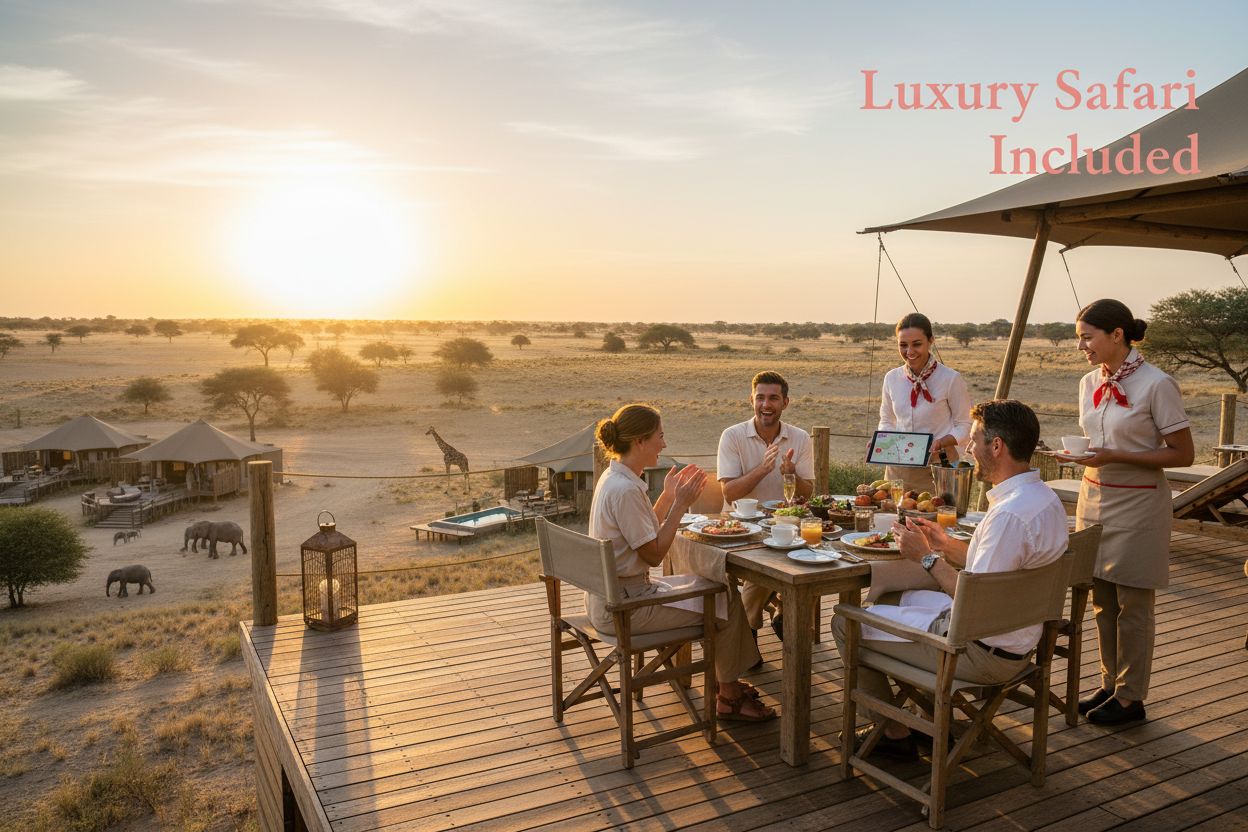
Understanding What is Included in Luxury Safaris
Explore what is included in luxury safaris, from exclusive accommodations to bespoke experiences that cater to discerning travelers.
Feb 24, 2026
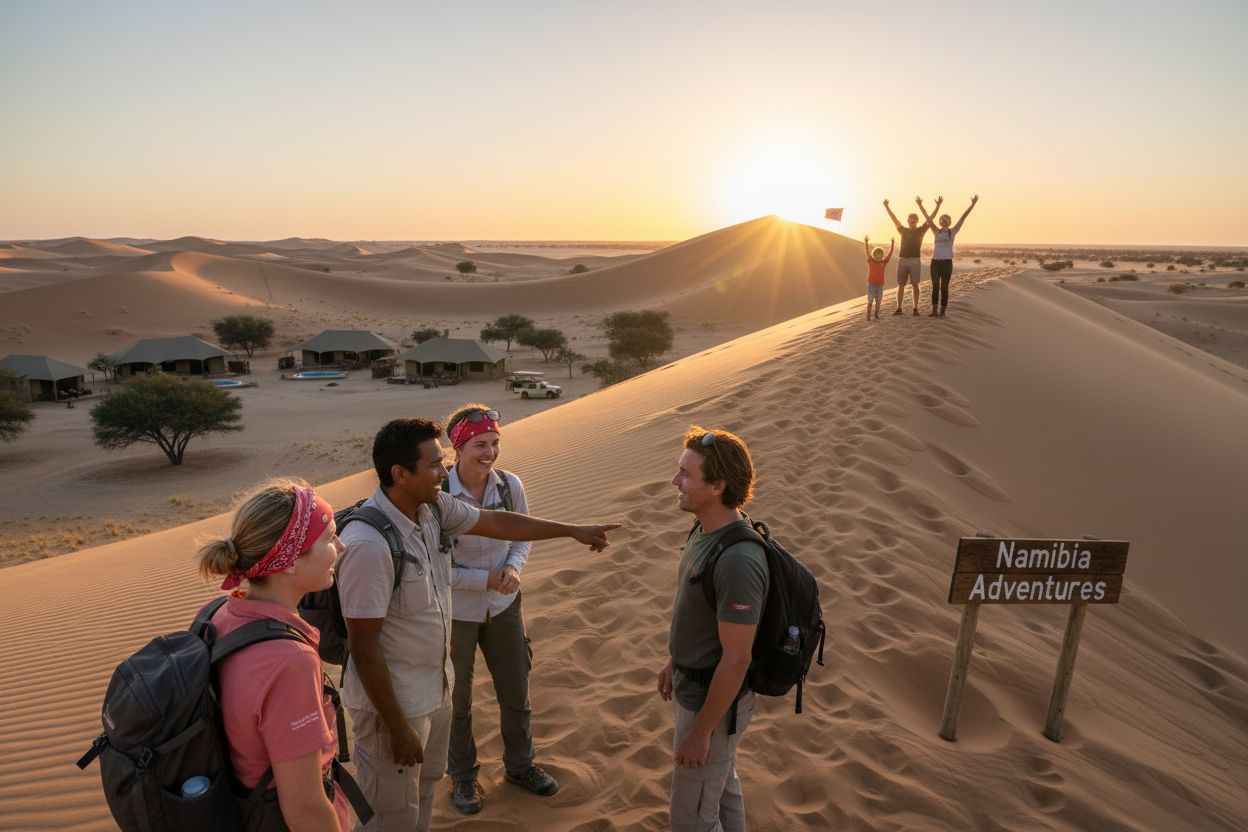
Why Namibia Adventures Matter: An In-Depth Look
Discover why Namibia adventures are essential for luxury travelers seeking unique, immersive experiences in nature and wildlife exploration.
Feb 23, 2026
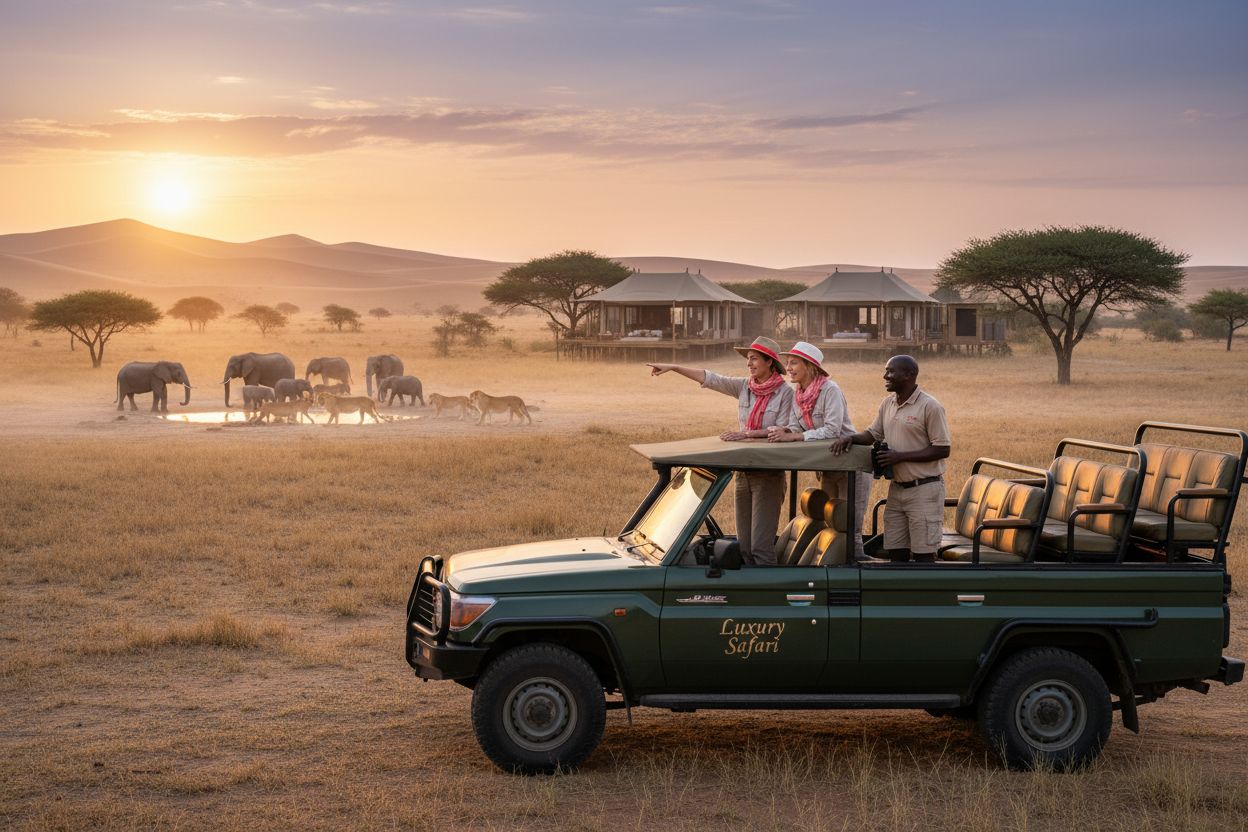
What to Expect on a Luxury Safari: A Comprehensive Guide
Discover what to expect on a luxury safari and gain a deeper understanding of the unique experiences that await you in the wild.
Feb 22, 2026
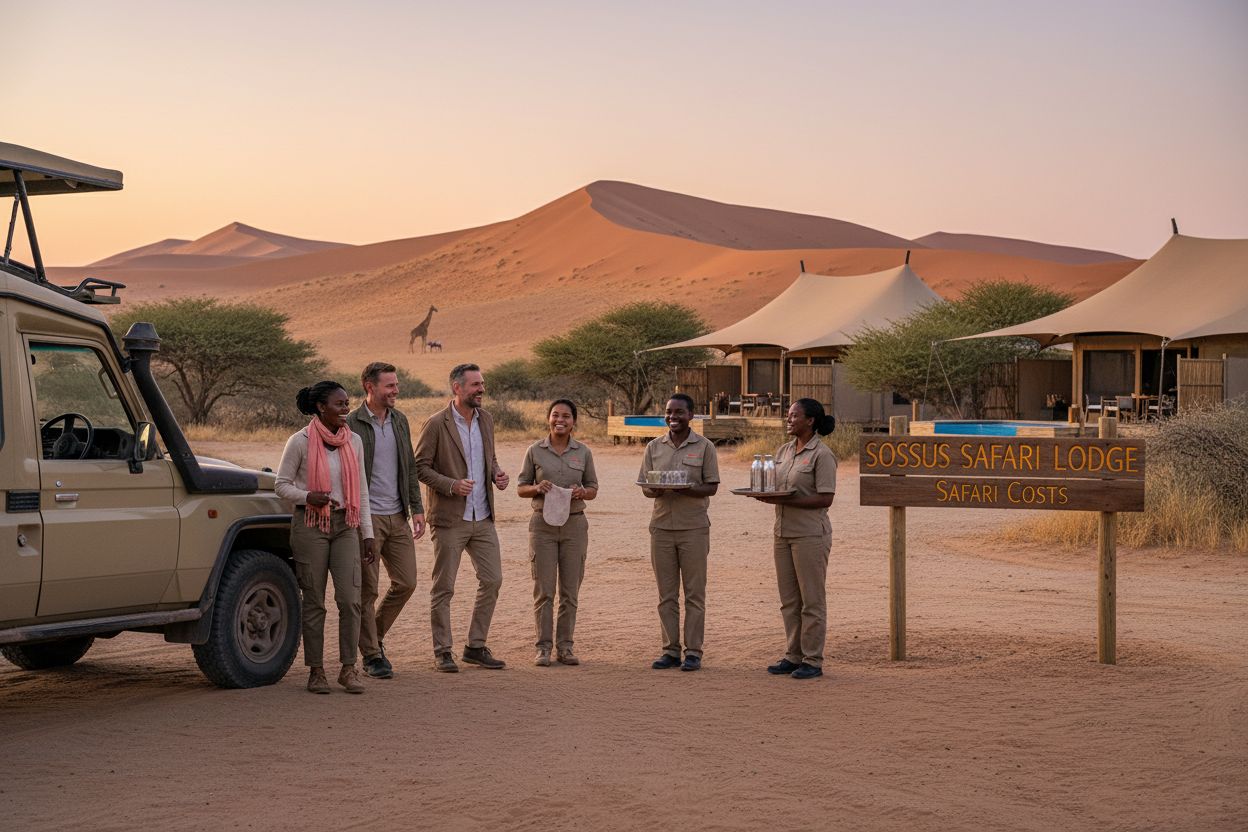
Understanding Namibia Safari Costs Explained
Explore Namibia safari costs explained to uncover what influences pricing and what it means for your adventure.
Feb 21, 2026
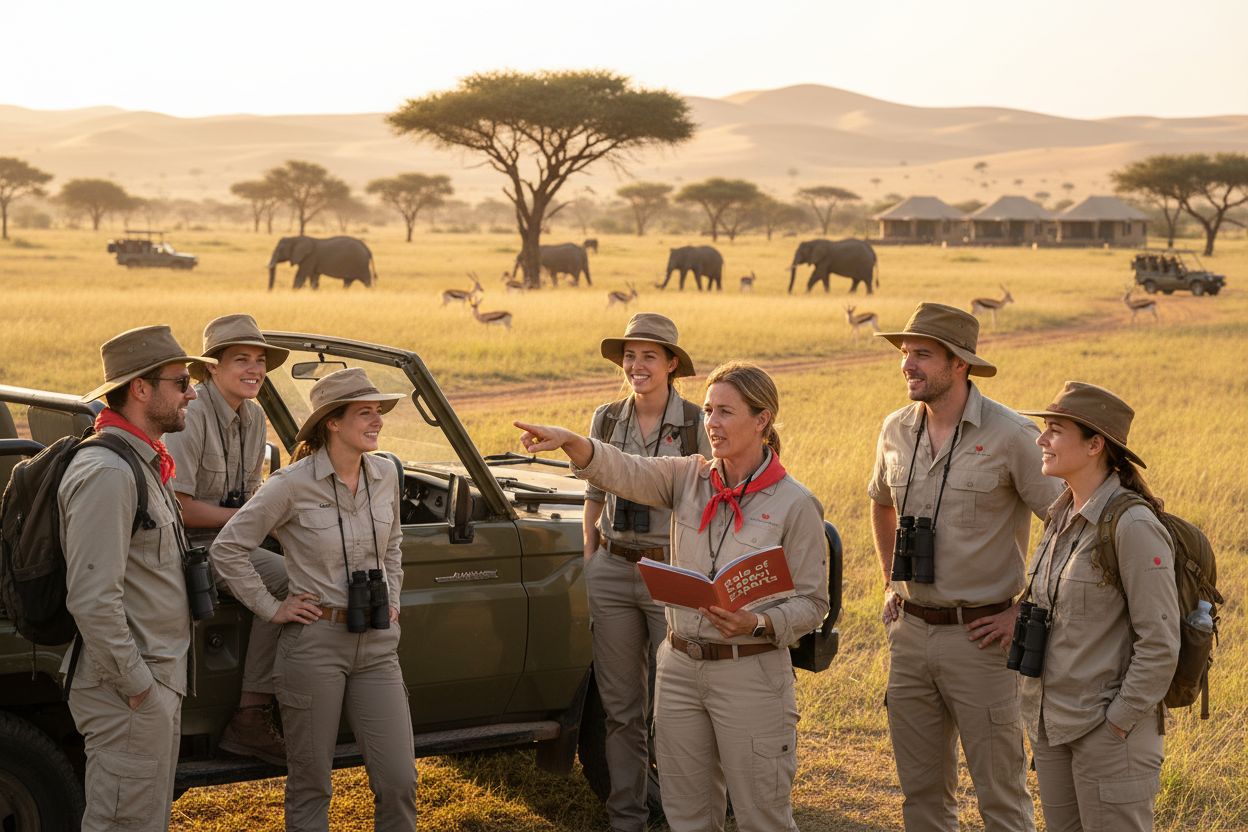
Understanding the Role of Safari Experts in Wildlife Travel
Explore the role of safari experts and gain a comprehensive understanding of how they enhance wildlife travel experiences for all types of travelers.
Feb 20, 2026
Guide organisation safari all inclusive : vivez l'aventure de vos rêves
Découvrez notre guide organisation safari all inclusive étape par étape pour planifier un voyage inoubliable au cœur de la nature.