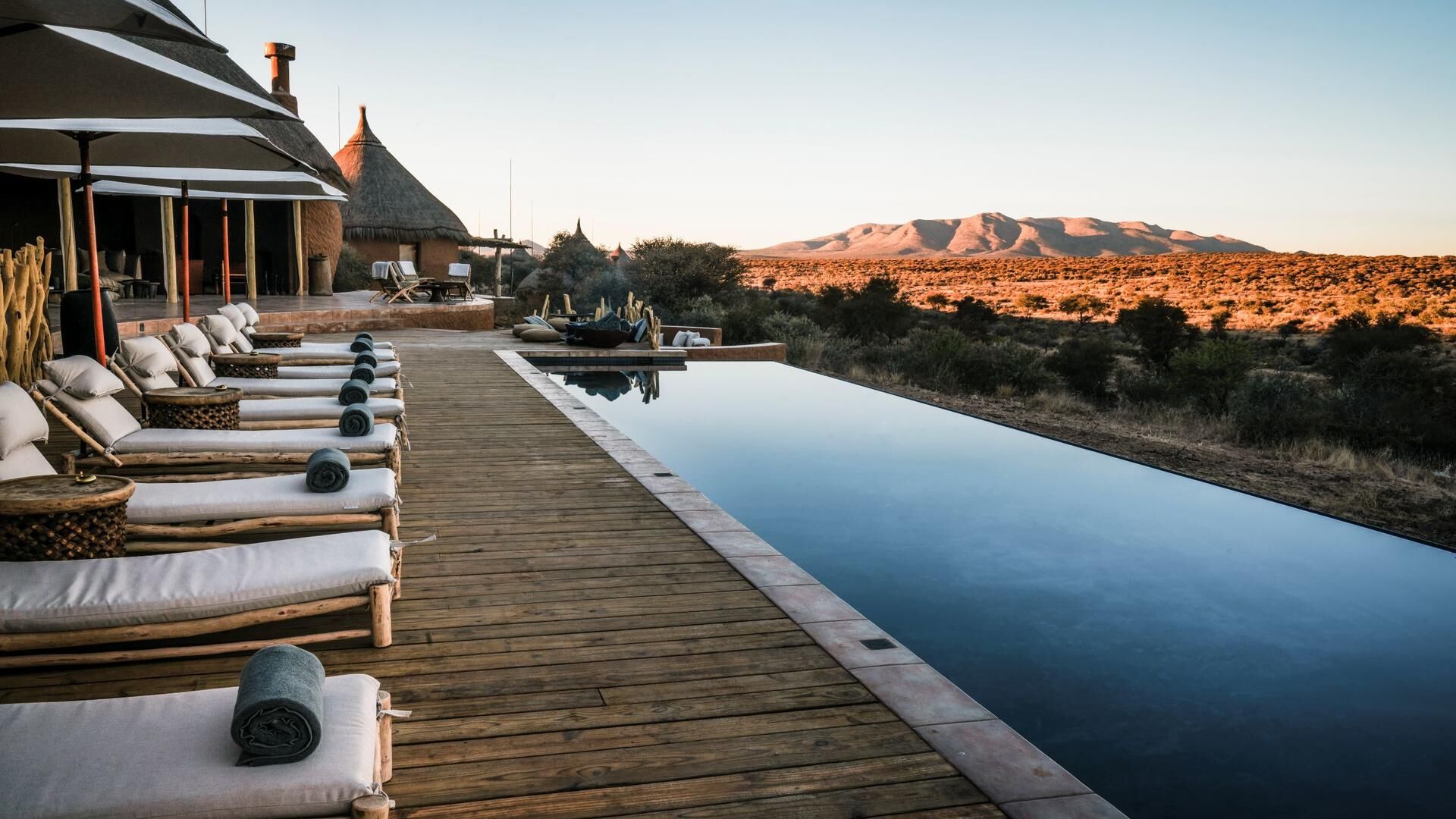
Namibia's private game reserves trade regulated scale for exclusive traversing rights, guided walks after sunrise, and off-road access that brings you closer to desert-adapted wildlife. National parks deliver vast self-drive freedom but restrict night drives and foot safaris. The difference between a private reserve and a national park in Namibia shapes every aspect of how you experience the landscape, from the rhythm of your days to the intimacy of your encounters with elusive species such as black rhino and Hartmann's mountain zebra.
Choosing between these two formats is less about luxury levels and more about how you prefer to move through the arid expanses that define this country. Private concessions often sit adjacent to protected areas, offering a quieter counterpoint to the sometimes busy arteries of Etosha or the rugged tracks of the Namib-Naukluft. With three decades of combined experience, the group books directly with camps and lodges, designing tailor-made journeys for individuals, couples, families and private groups of up to eight guests.
The rules that govern each landscape quietly dictate the texture of your memories, turning a simple game drive into something far more personal or expansive depending on where you choose to stay.
What is the difference between a private reserve and a national park in Namibia?
Private reserves in Namibia are typically parcels of land leased from communal conservancies or privately owned farms, where operators hold exclusive traversing rights. This means your guide can leave designated roads, follow animal tracks across open ground, and offer activities such as guided walks and night drives that are generally prohibited inside national parks. National parks, managed by the Ministry of Environment, Forestry and Tourism, remain open to all visitors and emphasise self-drive exploration along a network of public tracks, with stricter controls on off-road driving, after-dark activity and walking safaris to protect both wildlife and visitor safety.
In practical terms, a stay in a private reserve often feels more like having your own corner of the wilderness, with fewer vehicles and greater flexibility. National park accommodation, whether inside or on the periphery, grants access to immense public spaces where the sheer scale can deliver dramatic sightings but at the cost of spontaneity. These distinctions become especially meaningful when tracking desert-adapted elephant or hoping for a close encounter with a leopard under starlit skies.
Traversing Rights and Vehicle Access
One of the clearest distinctions lies in where vehicles are allowed to travel. Inside national parks such as Etosha or Namib-Naukluft, all visitors must remain on marked gravel or sandy roads. This creates a predictable framework that many independent travellers appreciate, particularly those exploring Namibia on an all-inclusive luxury safari with occasional self-drive segments. The trade-off is that animals often move away from the roads during the heat of the day, limiting close-range viewing.
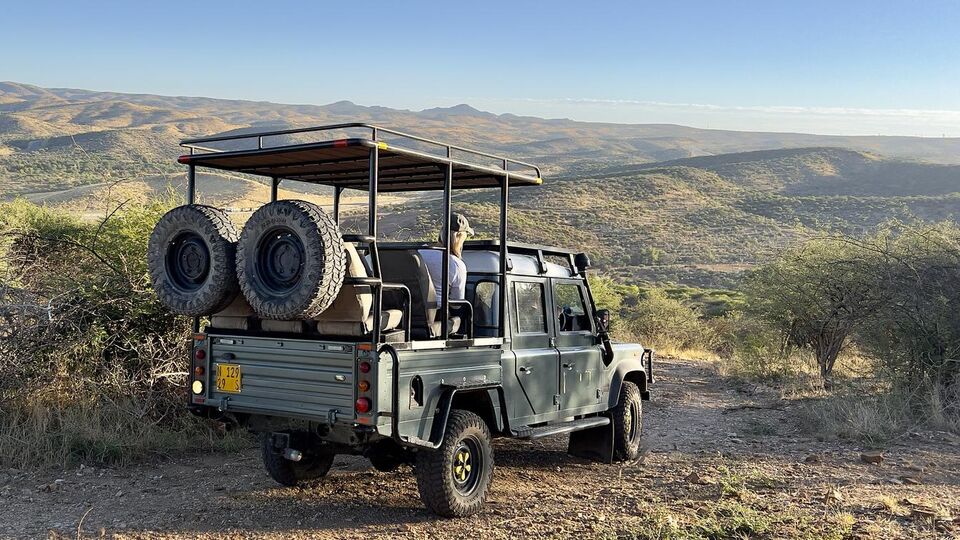
On private reserves, professional guides enjoy the freedom to drive off established tracks in search of specific behaviour or to position vehicles for optimal light and wind direction. This off-road access frequently results in more intimate encounters, especially with species that favour thick vegetation or rocky outcrops. The difference is tangible: one morning you might follow fresh spoor across a calcrete plain that no public vehicle has touched, the tyres crunching softly over ground untouched since the last rains.
That sense of quiet privilege, of being the only ones present in a particular fold of the landscape, is what many travellers remember long after the specific animals have faded from view.
Guided Walks and the Freedom of Foot Safaris
Walking in Namibia's national parks is tightly regulated and usually limited to escorted trails in designated zones, such as the guided routes in the Namib-Naukluft or specific areas of Waterberg Plateau. These activities require advance permits and operate under strict parameters to minimise disturbance. The experience remains rewarding, particularly when interpreting the smaller wonders of the desert: ancient welwitschia plants, intricate spider webs strung between stones, or the tracks of nocturnal creatures written in the sand.
Private reserves remove many of these constraints. Knowledgeable guides can lead guests on foot at first light, reading the ground with practised ease and pausing to examine a dung beetle rolling its prize or a pair of bat-eared foxes returning from a night's hunting. The ability to stop, listen, and absorb the landscape without the constant hum of an engine adds a layer of connection that vehicle-bound travellers sometimes miss. Safety remains paramount, with guides carrying appropriate equipment and maintaining radio contact with camp.
Night Drives and the After-Dark World
As the sun slips below the horizon in a national park, activity largely ceases for visitors. Gates close, self-drivers return to their rest camps, and the nocturnal realm belongs once more to the animals. While some lodges on the periphery of Etosha offer floodlit waterholes that reveal black rhino and other shy species after dark, true night drives with spotlights are not permitted inside the park boundaries.
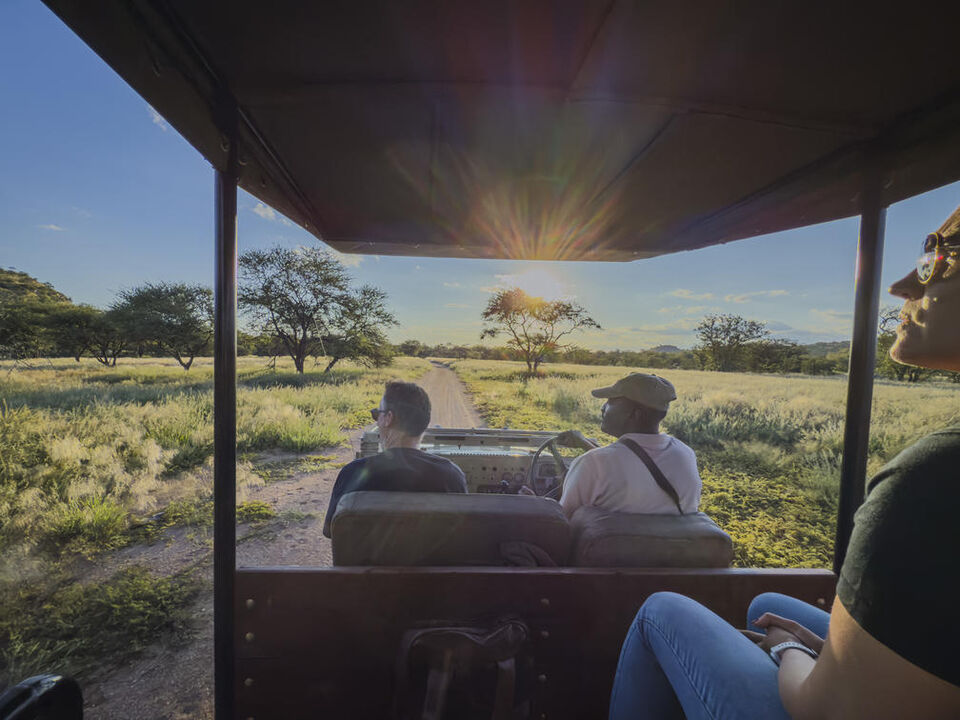
In contrast, private reserves embrace the darkness. Spotlights sweep across the bush, catching the reflective eyes of aardvark, porcupine or the occasional leopard on the prowl. The experience transforms your understanding of the ecosystem, revealing how different the same terrain feels when temperatures drop and the hunters of the night emerge. Many travellers find these after-sunset excursions among the most memorable elements of their Namibian journey, particularly in areas known for healthy populations of nocturnal specialists.
Scale, Solitude and Wildlife Encounters
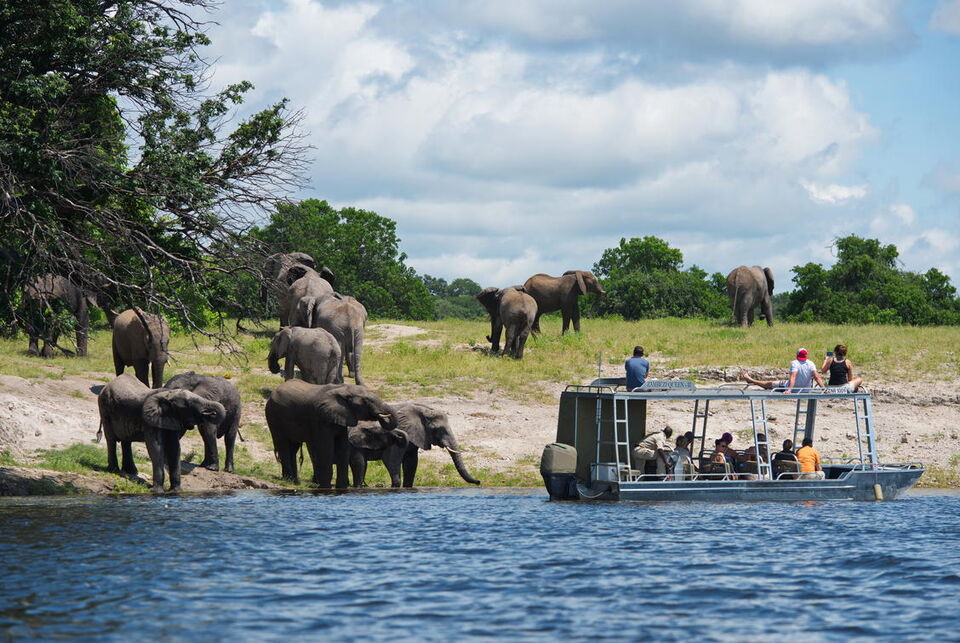
National parks deliver a different kind of grandeur. The sweeping salt pans of Etosha, the towering red dunes of Sossusvlei, and the vastness of the Namib-Naukluft offer a sense of perspective that smaller private reserves cannot replicate. Self-drive exploration allows you to set your own pace, lingering at a waterhole as elephant herds arrive or watching a dust devil whirl across an empty plain. The unpredictability and self-reliance form part of the appeal for many who return to Namibia year after year.
Private reserves counter this with focused wildlife viewing and lower visitor numbers. Because traversing areas are smaller and exclusively managed, guides can spend more time with individual animals without impacting other vehicles. This often translates into higher quality sightings of desert-adapted species that have learned to thrive in harsh conditions. The atmosphere feels more curated, more personal, and frequently more luxurious in its attention to detail.
Choosing the Right Format for Your Namibian Journey
Your decision ultimately rests on what you value most: the freedom of self-directed exploration across epic landscapes or the intimacy and flexibility that exclusive access provides. Many of our travellers combine both approaches within a single itinerary, beginning with the structured wonder of a national park before retreating to a private concession for deeper immersion and specialist guiding. The contrast itself becomes part of the story of their safari.
Seasonal variations also influence the choice. During the dry months from June to October, water sources concentrate game in predictable locations inside national parks, making self-drive particularly rewarding. In the green season, when animals disperse across wider areas, the tracking skills and off-road capabilities of private reserve guides often prove invaluable. Flexibility in planning allows you to match the format to both the calendar and your personal preferences.
A well-considered Namibian itinerary rarely chooses one format to the exclusion of the other; instead it weaves the strengths of each into a journey that feels both expansive and intimate.
Planning Your Private or Public Safari with Confidence
Understanding these distinctions early in the planning process prevents disappointment and ensures every day on safari aligns with your expectations. Whether you lean towards the self-drive liberty of national parks or the exclusive privileges of private reserves, the key lies in honest conversation about what moves you most: vast open spaces under African skies or the thrill of following a guide who knows every twist in the local terrain.
For discerning travellers seeking a private safari beyond our set itineraries, we invite you to contact us directly. We specialise in designing exceptional, tailor-made journeys for individuals, couples, families, and private groups of up to eight guests. Drawing on our handpicked network of distinguished camps and lodges, we curate every detail with precision and care, creating a seamless, deeply personal safari experience shaped entirely around your preferences, pace, and budget.
Read more about exceptional properties in our guide to Namibia's best private game reserves for luxury safari getaways. For journeys that continue into classic savanna landscapes, explore South Africa through Encounters Africa, our sister brand within the same group.
Plan your safari: Enquire with Secret Namibia for tailor-made Namibia journeys. For safaris beyond Namibia, in Botswana, South Africa, Kenya, Tanzania, Rwanda, Uganda, Zambia and Zimbabwe, speak to the travel designers at Encounters Africa, Secret Namibia's sister company for the rest of Africa.