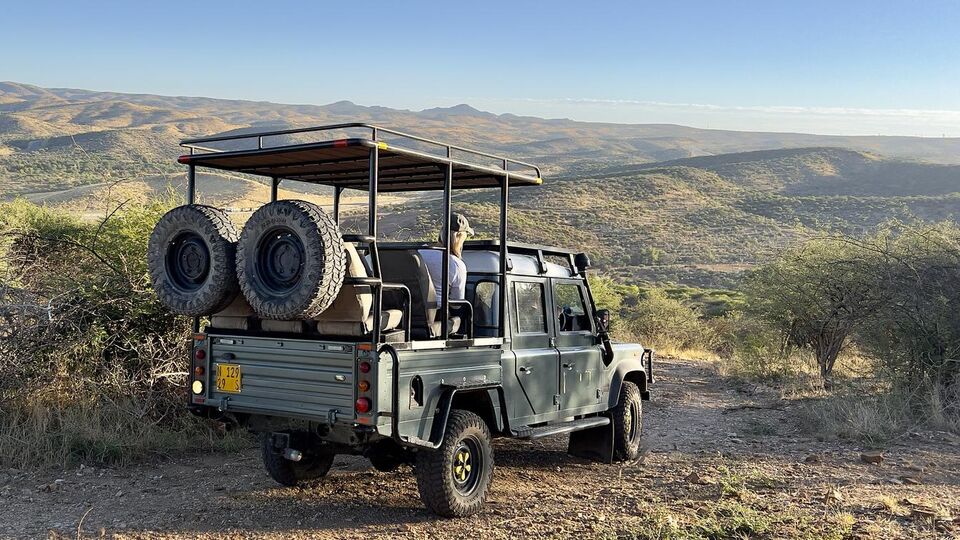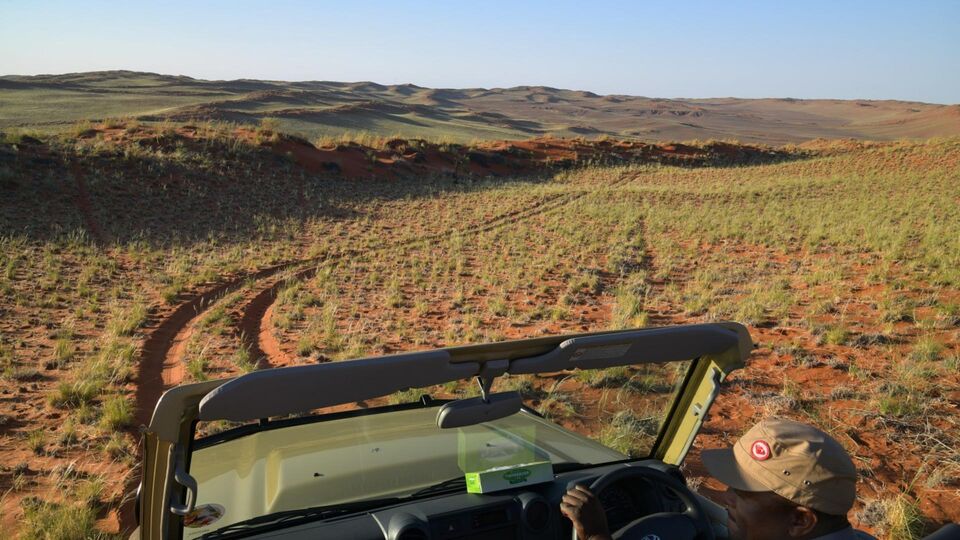
Namibia gravel roads demand respect from the moment your tyres leave the tar. These extensive networks of corrugated surfaces, loose stones and sudden washaways shape every self-drive day, turning ambitious plans into measured journeys where patience becomes the most valuable skill. With distances that appear modest on a map yet consume entire afternoons, understanding realistic speeds, routine tyre punctures and strategic fuel stops prevents the surprises that catch many visitors off guard.
Our practical guide draws on three decades of combined experience to highlight what actually happens on Namibia's roads. Secret Namibia books directly with camps and lodges, creating tailor-made journeys for individuals, couples, families and private groups of up to eight guests. Our sister brand Encounters Africa continues these adventures into Botswana and beyond.
Why Namibia's Gravel Roads Require a Different Mindset
The country's road network spans more than 40,000 kilometres, with only around 5,000 kilometres sealed. The remainder consists of gravel that varies dramatically by region and season. What looks like a straightforward four-hour drive between towns can stretch into six or seven once corrugations shake your vehicle and visibility drops in fine dust.
Travellers often underestimate how these surfaces affect both vehicle and driver. The constant vibration fatigues concentration faster than smooth asphalt, while sharp stones hidden in loose gravel wait to slice sidewalls. Approaching each stretch with respect rather than haste transforms potential frustration into an integral part of the Namibian experience.
Respect for Namibia's gravel roads is not about fear but about rhythm, finding the speed where your vehicle and the landscape move in harmony rather than conflict.
Realistic Speeds on Corrugated Surfaces
Most experienced self-drivers maintain between 60 and 80 kilometres per hour on well-maintained gravel, dropping to 40 or even 30 kilometres per hour when corrugations intensify or visibility decreases. Pushing beyond 90 kilometres per hour on rough sections risks losing control as tyres skip across the washboard pattern that develops over time.
These speeds mean that covering 300 kilometres might require five to six hours of actual driving, excluding stops for photographs, wildlife sightings or simply stretching legs. Early starts become essential, particularly during the hotter months when afternoon winds stir up dust clouds that reduce visibility to dangerous levels.
Seasonal variations affect driving conditions significantly. After good rains, many roads develop a slippery clay surface that demands even greater caution, while prolonged dry periods create deeper corrugations that rattle both vehicle and passengers. Always check current road conditions with local authorities or your chosen operator before departure.
Do You Need a 4x4 to Drive Around Namibia?
For most visitors exploring beyond sealed roads, a high-clearance 4x4 is strongly recommended though not always mandatory on major routes. Two-wheel drive vehicles with good ground clearance can manage many of the primary gravel roads between major destinations during the dry season, but they lack the capability to tackle sandy tracks, river crossings or remote areas after rain.
A 4x4 provides essential advantages including higher ground clearance, better traction in soft sand, and the low-range gearing needed for challenging conditions. Rental companies typically insist on 4x4 vehicles for self-drive itineraries that include Sossusvlei, the Skeleton Coast or Caprivi, where deep sand and potential water crossings feature regularly. The additional cost delivers both safety and peace of mind across Namibia's varied terrain.
Tyre Punctures: An Expected Part of Every Journey
In Namibia, a puncture represents routine maintenance rather than an emergency. Most self-drive vehicles carry two spare tyres because the probability of multiple incidents during a two-week journey remains remarkably high. The combination of sharp stones and high tyre pressures needed for gravel driving makes sidewall damage particularly common.
Learning to change a tyre confidently before departure proves invaluable. Practice in a safe environment at home, and ensure your rental vehicle includes a functional jack, wheel spanner and ideally a compressor for reinflating after repairs. Many travellers also carry tyre repair kits containing plugs and sealant for temporary fixes in remote areas.
Local mechanics in even the smallest towns can repair punctures efficiently, often while you enjoy a cold drink. Budget for these stops in both time and finances, viewing them as opportunities to interact with Namibians rather than delays. Carrying a satellite phone or ensuring reliable mobile coverage through your provider adds another layer of security when travelling through sparsely populated regions.
Each tyre change becomes a small ritual, a reminder that Namibia measures journeys not in kilometres covered but in experiences gathered along the way.
Fuel Range Between Towns and Strategic Planning
Fuel stations appear at intervals that require careful calculation. While major routes between Windhoek, Swakopmund and Etosha offer relatively frequent opportunities, remote areas demand greater foresight. Always depart with a full tank and plan to refuel whenever you pass a station, regardless of how much remains.
Typical ranges between reliable fuel stops include 250 kilometres from Windhoek to Rehoboth, 350 kilometres across the Namib to Sesriem, and up to 400 kilometres in the northern regions towards Rundu. Diesel remains widely available, though premium grades may prove scarce outside larger centres. Carrying an additional 20-litre jerry can provides crucial insurance, particularly for journeys into areas like the Kaokoveld or southern Namib.
Monitor your consumption carefully as it increases significantly on gravel compared with tar. A loaded 4x4 might achieve only 8 to 10 kilometres per litre under these conditions, making range calculations essential rather than optional. Factor in detours for game drives, photography or unexpected wildlife encounters that inevitably extend your planned route.
Why the Distances in Namibia Catch People Out
On paper, the 350 kilometres from Sossusvlei to Swakopmund appears manageable within a day. In practice, the gravel surfaces, necessary stops for fuel and provisions, and the sheer scale of the landscape often require splitting this into two days with an overnight at a desert lodge. The eye struggles to judge distances accurately across endless plains, making each horizon seem deceptively close.
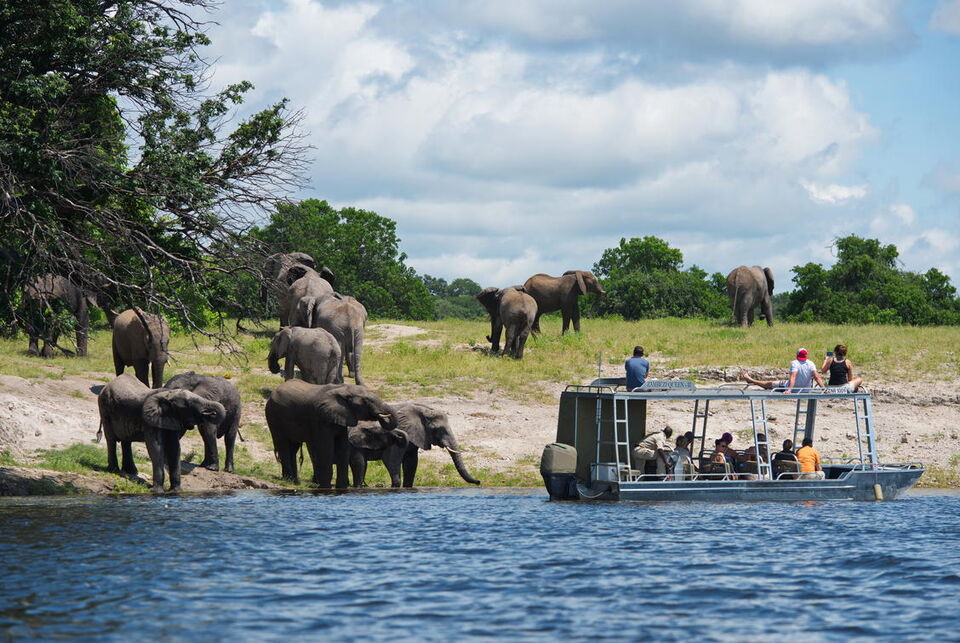
This phenomenon affects even seasoned travellers. What appears as a gentle curve on the map reveals itself as a series of dry riverbeds, sudden climbs and descents that slow progress dramatically. Adding wildlife viewing along the way, whether springbok on the plains or elephants in dry river courses, further extends travel time in the most delightful manner.
Successful self-drive itineraries build in buffer days rather than attempting to maximise daily distances. This approach allows time to appreciate the changing light across red dunes, the silence that descends at sunset, and the unexpected pleasures of simply watching the landscape unfold at a respectful pace.
The distances that catch travellers out ultimately gift them something more valuable: the chance to experience Namibia on its own unhurried terms.
Preparing Your Vehicle and Mind for Namibia's Roads
Before collecting your rental vehicle, conduct a thorough inspection focusing on tyre condition, spare wheels, jack functionality and basic tools. Confirm that your insurance covers gravel road driving, as many standard policies exclude it. Understanding your vehicle's capabilities and limitations prevents overconfidence in challenging conditions.
Pack strategically with recovery equipment including a tow rope, traction mats and a comprehensive first aid kit. Water, non-perishable snacks and a paper map remain essential even in the age of satellite navigation, which can lose signal in remote valleys. Most importantly, adopt a mindset that views the journey itself as the destination rather than merely transport between highlights.
Many travellers combine self-drive segments with fly-in transfers for particularly remote or time-consuming sections. This hybrid approach maximises both independence and efficiency while reducing fatigue on the longest gravel stretches.
Seasonal Considerations for Self-Drive Travel
The timing of your journey influences both road conditions and wildlife viewing opportunities. Dry season months from May to October typically offer firmer gravel surfaces and excellent game concentrations around water sources, though temperatures can climb uncomfortably during the day. Summer brings the possibility of dramatic thunderstorms that transform roads into challenging slipways.
Consult detailed seasonal vehicle guidance when planning your dates, as rental requirements and road accessibility vary throughout the year. Understanding these patterns helps create an itinerary that matches both your preferences and the realities of Namibia's climate.
Embracing the Pace That Namibia Sets
Namibia teaches its visitors that the most rewarding journeys unfold at the speed of the land itself. By respecting the gravel roads, anticipating punctures as routine, calculating fuel ranges with care and allowing generous time for the distances involved, self-drivers discover a deeper connection with this ancient landscape.
Each careful kilometre reveals new perspectives on a country that refuses to be rushed. The satisfaction of navigating these roads successfully becomes one of the most memorable aspects of any Namibian journey, creating stories that travellers recount long after the dust has settled.
For discerning travellers seeking a private safari beyond our set itineraries, we invite you to contact us directly. We specialise in designing exceptional, tailor-made journeys for individuals, couples, families, and private groups of up to eight guests. Drawing on our handpicked network of distinguished camps and lodges, we curate every detail with precision and care, creating a seamless, deeply personal safari experience shaped entirely around your preferences, pace, and budget.
Plan your safari: Enquire with Secret Namibia for tailor-made Namibia journeys. For safaris beyond Namibia, in Botswana, South Africa, Kenya, Tanzania, Rwanda, Uganda, Zambia and Zimbabwe, speak to the travel designers at Encounters Africa, Secret Namibia's sister company for the rest of Africa.