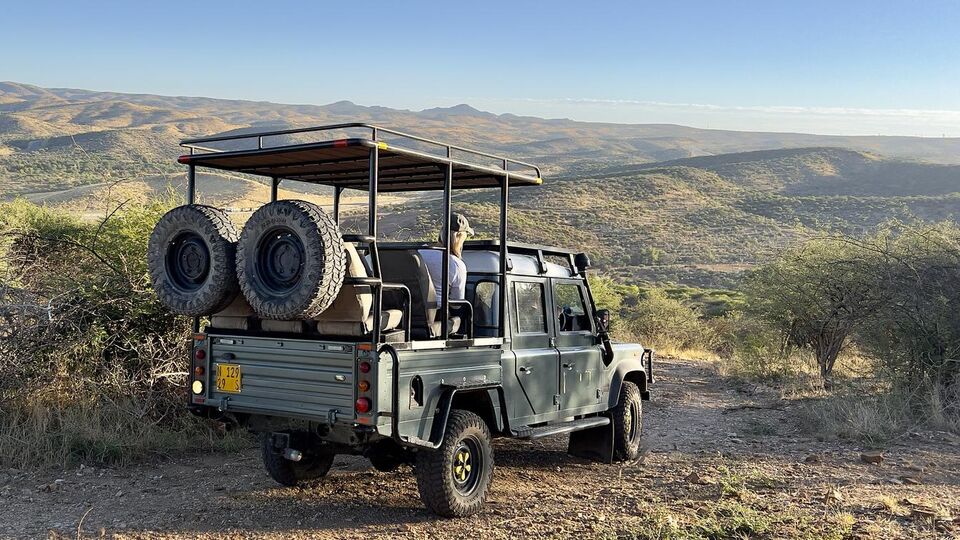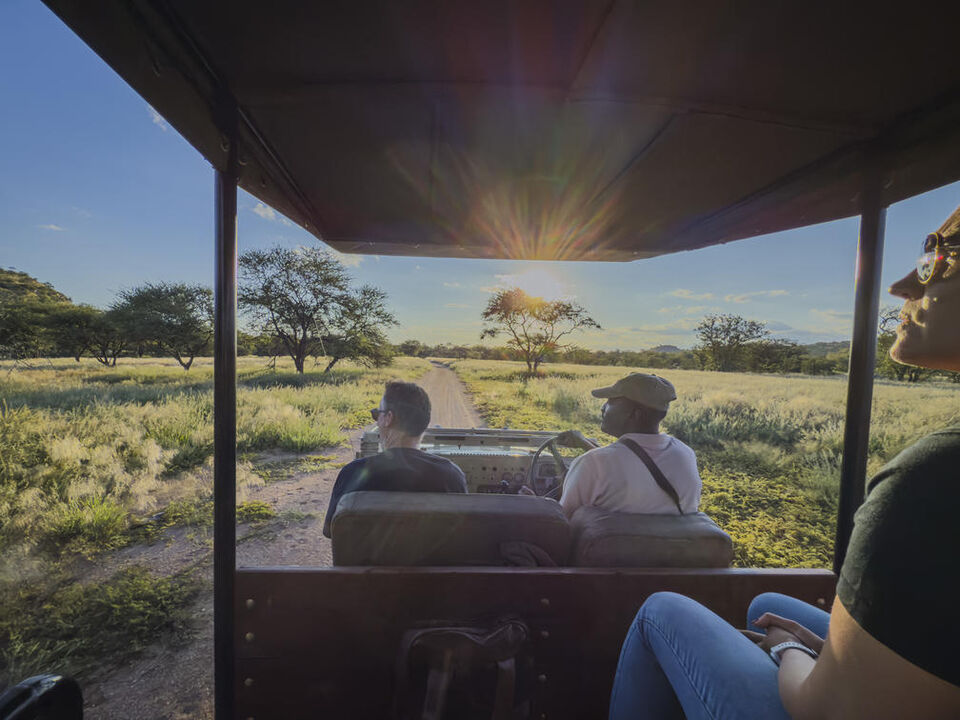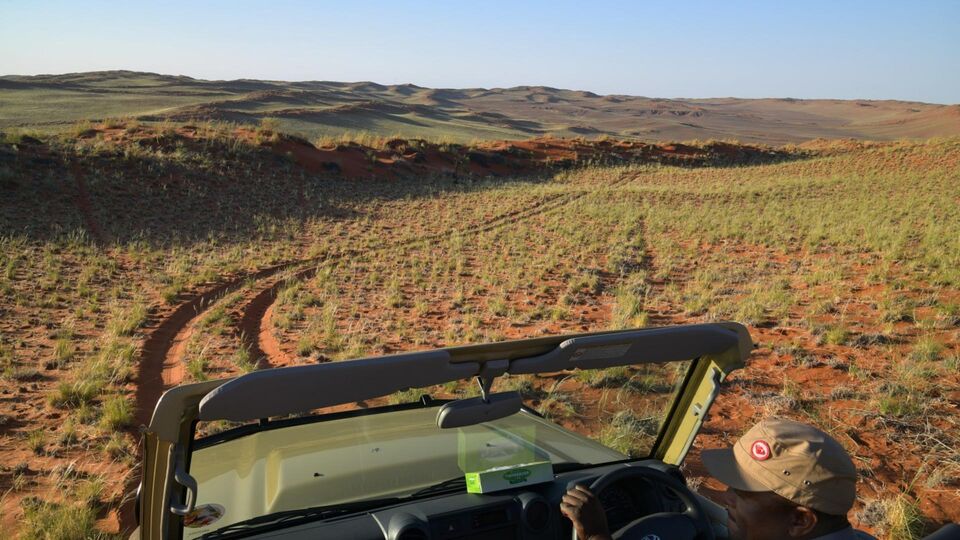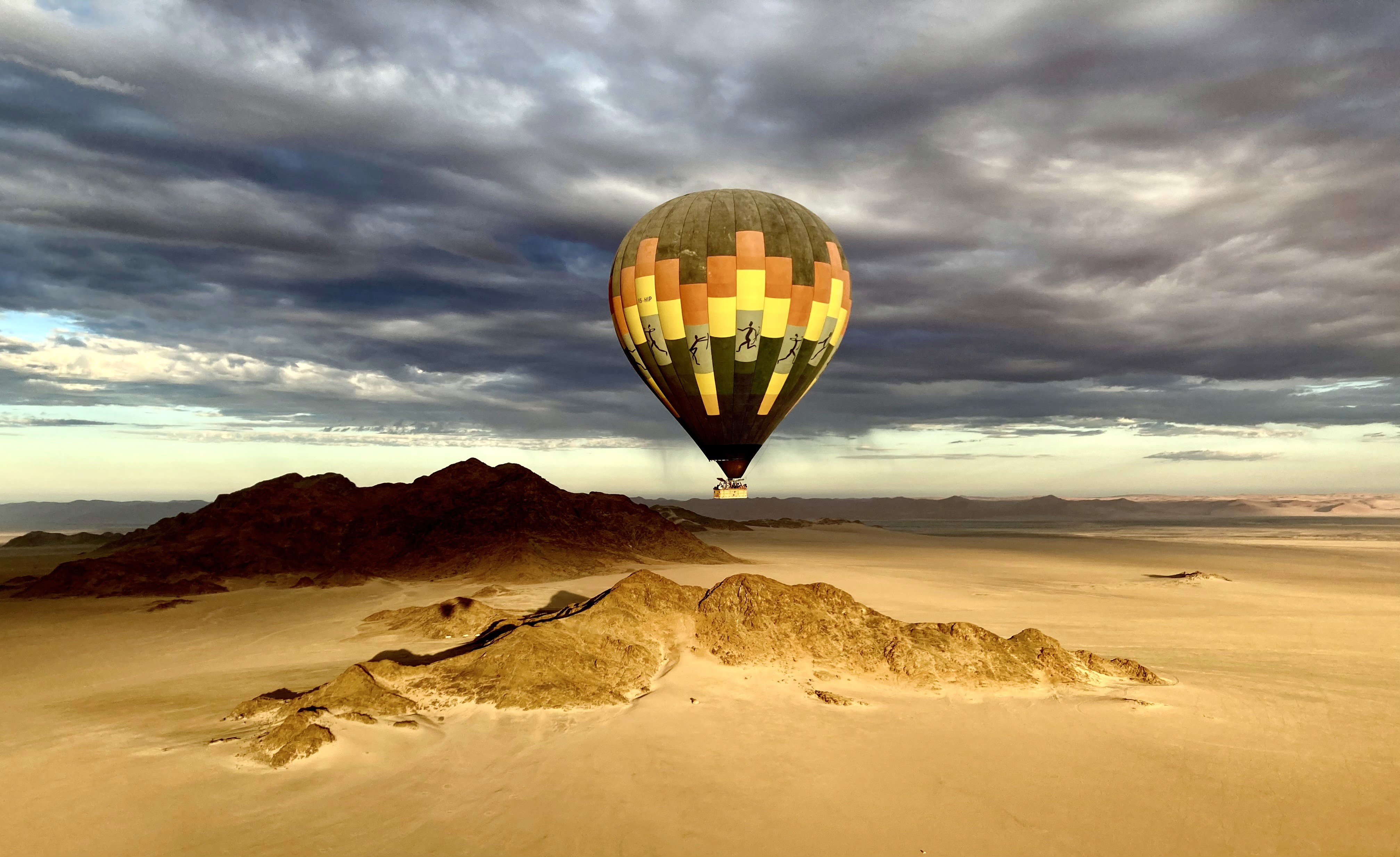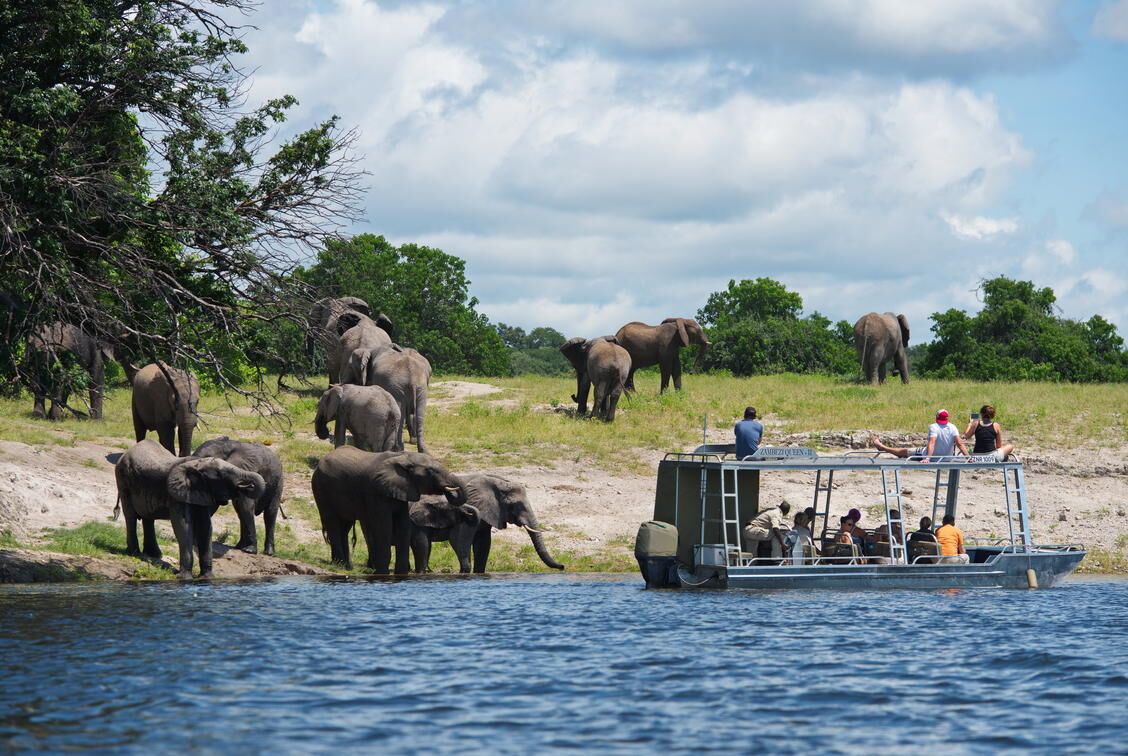
Namibia by month reveals how sharply the calendar shapes every safari experience across its varied landscapes. The dry winter months concentrate wildlife around scarce water sources, delivering reliable game viewing, while the shoulder seasons offer dramatic light ideal for photographers. Green summer brings migratory birds and the thrill of newborn animals, yet the Skeleton Coast's persistent fog rolls in regardless of the season. With three decades of combined experience Secret Namibia books directly with camps and lodges, creating tailor-made journeys for individuals, couples, families and private groups of up to eight. Our sister brand Encounters Africa continues these adventures into Botswana, Kenya, Tanzania and beyond at our 9-day Great Migration safari.
Understanding Namibia's Distinct Seasons
Namibia's climate follows a clear pattern divided into dry winter from May to September, shoulder months in April and October, and the green summer from November to March. Temperatures swing dramatically between day and night, especially in the desert regions where evenings can drop close to freezing even in summer. Rainfall is generally low, averaging between 50mm and 350mm annually depending on location, with most precipitation falling in the northern and eastern areas during the summer months.
These seasonal shifts directly influence wildlife behaviour, vegetation, and the overall character of a journey. In the dry months, animals gather predictably at waterholes, creating opportunities for extended observation. The wetter period transforms the arid plains into lush grasslands, supporting breeding cycles for many species. Coastal areas, however, remain under the influence of the cold Benguela current, producing morning fog that can linger for days along the Skeleton Coast.
The rhythm of Namibia's seasons writes its own rules, teaching travellers to move with the land rather than against it.
The Dry Winter Months: May to September
From May through September, Namibia experiences its dry winter season when rainfall is virtually absent and daytime temperatures remain comfortable, typically between 20 and 25 degrees Celsius. Nights can be chilly, particularly in the higher elevations around the Etosha region where frost is not uncommon. This period sees wildlife concentrating around permanent water sources, making game viewing highly productive in areas such as Etosha National Park and private concessions in the northwest.
Vegetation thins out, improving visibility across the plains and allowing clear sightlines to distant herds. Predators become more active during daylight hours as they follow prey to water. Birdlife is less diverse during these months, though resident species such as ostrich, kori bustard and various raptors remain active. The clear skies also create spectacular star displays, with the Milky Way particularly vivid in the desert regions.
Read our seasonal breakdown for Etosha National Park to understand how waterhole activity peaks during these cooler, drier months.
June, July and August: Peak Game Viewing
These core winter months deliver some of the most consistent wildlife encounters in Namibia. Animals visit water points at predictable times, often in the early morning and late afternoon. In the northern regions, large herds of springbok, zebra and wildebeest gather alongside elephants and the occasional black rhino. The lack of foliage means predators are easier to spot, with lions and leopards frequently observed near water sources.
Travel during this time requires warm layers for early morning and evening activities, as temperatures can fall significantly after sunset. Many camps offer roaring fires in the evenings, adding to the atmosphere of remote comfort under vast African skies.
Shoulder Seasons: April and October
April and October represent transitional periods when temperatures begin to moderate and light conditions become particularly favourable for photography. In April, the last rains of the season may still occur, leaving the landscape vibrant with fresh growth before the dry period sets in. October brings rising temperatures and the anticipation of the first rains, creating a sense of expectation across the bush.
These months often provide a balance between good game viewing and fewer travellers. The golden light of early morning and late afternoon casts long shadows across the red dunes and gravel plains, offering exceptional opportunities for landscape and wildlife photography. Migratory birds begin to arrive or depart, adding variety to the avian population.
Our detailed guide explores the best time to visit Sossusvlei, highlighting how shoulder season light transforms the iconic dunes.
Photography Opportunities in Transitional Light
Photographers particularly value these months for the quality of light and reduced dust in the atmosphere. The interplay of sun and shadow on the dunes at Sossusvlei creates striking contrasts, while in the north, animals against sparse vegetation stand out clearly. Fewer vehicles at popular viewpoints allow for more contemplative image making.
Early morning mists in the highlands and dramatic sunsets become more frequent, rewarding those who rise before dawn or linger after dusk. The shoulder seasons also tend to offer better value at many camps, with slightly lower rates than peak winter months.
In Namibia, light itself becomes a character in the landscape, shifting mood and meaning with each passing month.
The Green Months: November to March
November marks the beginning of Namibia's summer rainy season, although actual precipitation varies considerably by region and year. The landscape transforms as acacia trees leaf out and grasses emerge, creating a lush green backdrop quite different from the stark beauty of the dry months. Temperatures rise, often exceeding 30 degrees Celsius in the interior, with afternoon thunderstorms common in the north and east.
This period coincides with the birth of many young animals, from springbok lambs to elephant calves. Migratory birds arrive in significant numbers, with over 200 species recorded in some wetland areas during peak summer. The increased insect life supports a surge in bird activity, making these months particularly rewarding for ornithologists.
Birdlife and Newborn Wildlife
The arrival of Palaearctic migrants transforms the avian landscape, with species such as bee-eaters, rollers and various waders adding vibrant colour and sound. In the Etosha region, flamingos may gather in large numbers at the pans if sufficient rain has fallen. Mammals give birth in synchrony with the new growth, providing excellent opportunities to observe nurturing behaviour.
While game viewing can be more challenging due to thicker vegetation and dispersed water sources, the rewards lie in witnessing the cycle of renewal. Many travellers find the dramatic thunderstorms and sense of rejuvenation deeply moving aspects of a Namibian journey.
The Skeleton Coast's Persistent Fog
Along Namibia's Atlantic coastline, the seasons play by different rules. The cold Benguela current generates dense fog that rolls inland almost daily, regardless of whether it is July or January. This moisture sustains a unique ecosystem of fog-dependent plants and animals, from lichens that absorb water directly from the air to beetles that perform elaborate dances to collect droplets.
The fog creates an ethereal atmosphere along the Skeleton Coast, where shipwrecks emerge ghost-like from the mist. Temperatures remain significantly cooler than in the interior, rarely exceeding 20 degrees Celsius. This coastal climate offers a striking contrast to the desert heat just a short distance inland, adding valuable diversity to any comprehensive Namibian itinerary.
How Coastal Conditions Affect Travel Plans
Travellers heading to the coast should pack layers and expect reduced visibility in the mornings. The fog typically burns off by midday, revealing dramatic dunes meeting the sea. Activities such as scenic flights often operate above the fog layer, offering breathtaking perspectives on this meeting of desert and ocean.
Wildlife along the coast includes large colonies of Cape fur seals, which thrive in the nutrient-rich waters. The contrast between the arid interior and this foggy shoreline creates memorable transitions within a single journey.
Namibia never hurries. Its seasons unfold with deliberate grace, inviting travellers to slow down and notice the subtle shifts that define each month.
When is the best time of year to visit Namibia?
The best time of year to visit Namibia depends on your priorities: for exceptional game viewing with wildlife concentrated at waterholes, choose the dry winter months from June to September when temperatures are mild and vegetation is sparse. Photographers often prefer the shoulder months of April and October for their dramatic light and transitional landscapes. Those interested in birdlife, green scenery and newborn animals will find November to March rewarding despite higher temperatures and occasional rain. The Skeleton Coast experiences fog throughout the year, creating its own microclimate independent of inland seasons. Ultimately, Namibia rewards visitors in every month, with each period offering distinct experiences shaped by the land's ancient rhythms.
Planning Your Seasonal Namibian Journey
Selecting the right month for your Namibian experience requires balancing wildlife priorities with personal preferences for weather, crowds and photographic conditions. Many travellers choose to combine different regions and seasons within one journey, experiencing both the concentrated game viewing of the dry north and the coastal mysteries further west. Professional guidance helps navigate these choices, ensuring your time aligns with the experiences that matter most to you.
Activities also shift with the seasons. Walking trails become more comfortable in the cooler months, while scenic flights over the dunes offer different perspectives as the landscape colours change. Understanding these nuances allows for more meaningful engagement with Namibia's remarkable environments.
Choosing Your Namibia Season with Confidence
Each month in Namibia tells its own story through shifting light, wildlife movement and the subtle pulse of the land. Whether you seek the drama of predators at a dry season waterhole, the soft light of shoulder months on towering dunes, or the vibrant renewal of summer with its birds and newborns, this vast country delivers authentic experiences throughout the year. The persistent coastal fog serves as a reminder that some elements of Namibia follow rhythms entirely their own.
For discerning travellers seeking a private safari beyond our set itineraries, we invite you to contact us directly. We specialise in designing exceptional, tailor-made journeys for individuals, couples, families, and private groups of up to eight guests. Drawing on our handpicked network of distinguished camps and lodges, we curate every detail with precision and care, creating a seamless, deeply personal safari experience shaped entirely around your preferences, pace, and budget.
If your interests extend beyond Namibia's borders into neighbouring countries, our sister brand Encounters Africa stands ready to craft seamless continuations of your African journey.
Plan your safari: Enquire with Secret Namibia for tailor-made Namibia journeys. For safaris beyond Namibia, in Botswana, South Africa, Kenya, Tanzania, Rwanda, Uganda, Zambia and Zimbabwe, speak to the travel designers at Encounters Africa, Secret Namibia's sister company for the rest of Africa.