
Apr 7, 2026
Discover the key differences between Namibia's game reserves and national parks, and learn how to choose the right setting for your perfect luxury safari experience.
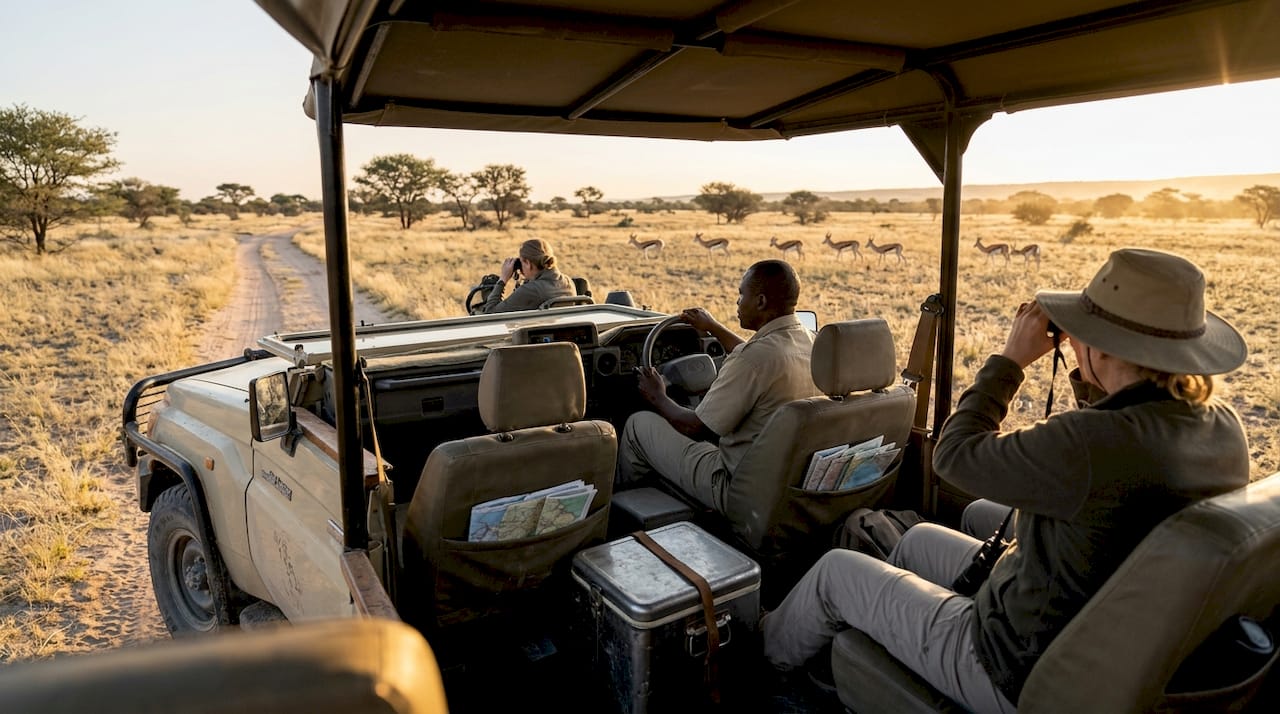
Game reserves vs national parks: choosing your Namibia safari
TL;DR:
Namibia’s national parks focus on large-scale conservation and offer structured wildlife experiences.
Game reserves provide more flexibility, exclusivity, and personalized activities for luxury travelers.
Combining both enables a diverse, contrast-rich safari experience with iconic wildlife and private immersion.
Many travelers arriving in Namibia assume that a wildlife destination is simply a wildlife destination. You book a lodge, spot some elephants, and call it a safari. But that assumption can quietly rob you of the most extraordinary experiences this country has to offer. The truth is, Namibia’s game reserves and national parks are fundamentally different in how they’re managed, what they allow, and how they make you feel. Understanding those differences isn’t just useful trivia. It’s the single most powerful tool you have for designing a luxury safari that genuinely exceeds your expectations.
Table of Contents
Understanding national parks and game reserves
Key differences: Management, rules, and guest access
Wildlife encounters and exclusivity
Choosing what’s right for your safari style
What most luxury safari guides won’t tell you
Plan your custom Namibia safari adventure
Frequently asked questions
Key Takeaways
Point | Details |
|---|---|
Management structure | National parks are government-managed while game reserves can be privately or community-run. |
Guest experience | Game reserves typically offer greater exclusivity and tailored activities, whereas national parks offer structured, world-renowned wildlife viewing. |
Wildlife conservation | Both protect wildlife, but parks have stricter rules while reserves may include sustainable community involvement. |
Trip customization | Choosing the right mix of national parks and game reserves helps you achieve your ideal luxury safari in Namibia. |
Understanding national parks and game reserves
Now that you’re aware these terms aren’t interchangeable, let’s clarify their core definitions and purpose in Namibia.
Namibia’s national parks are state-run protected areas managed by the Ministry of Environment, Forestry and Tourism through the agency NamibRand. These are vast, publicly owned landscapes governed by national legislation and conservation mandates. Think of iconic destinations like Etosha National Park, the Namib-Naukluft Park, and the Skeleton Coast. They exist primarily to protect biodiversity, regulate human activity, and ensure that Namibia’s extraordinary wildlife heritage is preserved for future generations.
Game reserves, on the other hand, can be privately owned, communally managed, or state-administered, and they operate with considerably more flexibility. Some are exclusive private concessions attached to luxury lodges. Others are community-based reserves where local populations actively participate in both conservation and tourism. This variety is precisely what makes them so fascinating and, for many luxury travelers, so appealing.
Namibia’s legal framework adds another layer of nuance. Game parks and nature reserves operate under the Nature Conservation Ordinance, without a strict hierarchy based on international IUCN (International Union for Conservation of Nature) categories. This means the terminology can overlap, and the experience within each type of area varies enormously. The country’s commitment to sustainable tourism in Namibia is woven through both systems, though the mechanisms differ.
Here’s a quick overview of the two main types:
Feature | National parks | Game reserves |
|---|---|---|
Ownership | Government | Private, communal, or state |
Management body | Ministry of Environment | Private operators or communities |
Primary goal | Large-scale conservation | Conservation combined with tourism |
Activity flexibility | Moderate | High |
Visitor numbers | Higher | Often lower and more exclusive |
Key characteristics of each type:
National parks cover 14% of Namibia across 20 state-run parks, representing an enormous public investment in conservation
Game reserves often permit night drives, off-road driving, and walking safaris not always available in national parks
Community reserves blend local livelihoods with wildlife protection, creating a uniquely Namibian model
Private reserves frequently offer all-inclusive luxury packages with highly personalised guiding
Key differences: Management, rules, and guest access
With a baseline understanding of both types of protected areas, you’re ready to compare exactly how they impact your travel experience.
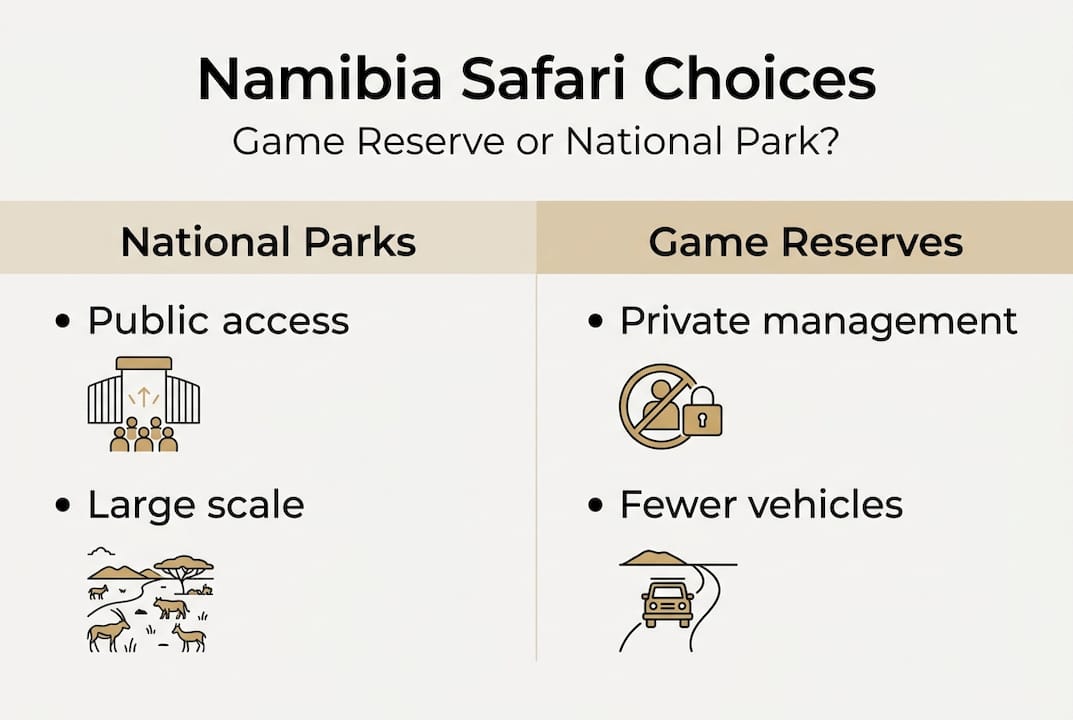
The most significant practical difference comes down to governance. National parks follow standardised rules set by the government. Entry fees, opening hours, speed limits, and permitted activities are uniform and non-negotiable. This consistency is reassuring for first-time visitors, but it does create a more structured, less flexible experience. The 20 state-run parks cover 135,906 km² of Namibia’s landscape, a staggering commitment to wildlife protection that few countries can match.
Game reserves, whether private or communal, operate under their own management frameworks. This means the rules, activities, and guest experiences are shaped by the operator’s vision rather than a government template. You might find that a private reserve allows sunset game drives in open vehicles, guided bush walks at dawn, or even intimate dinners set up in the wilderness. These are experiences that most national parks simply cannot offer due to regulatory constraints.
Worth knowing: Namibia’s system allows limited hunting auctioned in some protected areas, a controversial but legally sanctioned conservation funding tool. This is more common in certain reserves than in core national parks.
Here’s how the two compare across the key dimensions that matter most to luxury travelers:
Dimension | National parks | Game reserves |
|---|---|---|
Self-drive access | Yes, widely permitted | Often restricted to guided only |
Night drives | Rarely permitted | Commonly offered |
Walking safaris | Limited areas | Frequently available |
Hunting | Occasionally auctioned | More common in private reserves |
Accommodation style | Camps to luxury lodges | Boutique to ultra-luxury |
Crowd levels | Moderate to high | Low to very exclusive |
If you’re planning game drives in Etosha, you’ll find a magnificent, well-organised experience with exceptional wildlife density. But if total immersion and privacy are what you’re after, exploring luxury lodges in Namibia within private reserves will almost certainly deliver a more tailored encounter.
Wildlife encounters and exclusivity
Beyond rules and structures, what truly sets these destinations apart is the kind of wildlife experience and exclusivity you can expect.
National parks like Etosha are genuinely world-class for wildlife viewing. The sheer density of animals around the famous waterholes is breathtaking, and the park’s size means you can encounter lions, elephants, rhinos, leopards, and cheetahs all within a single day. However, during peak season, you may find yourself sharing a sighting with several other vehicles. That’s simply the nature of a publicly accessible park.
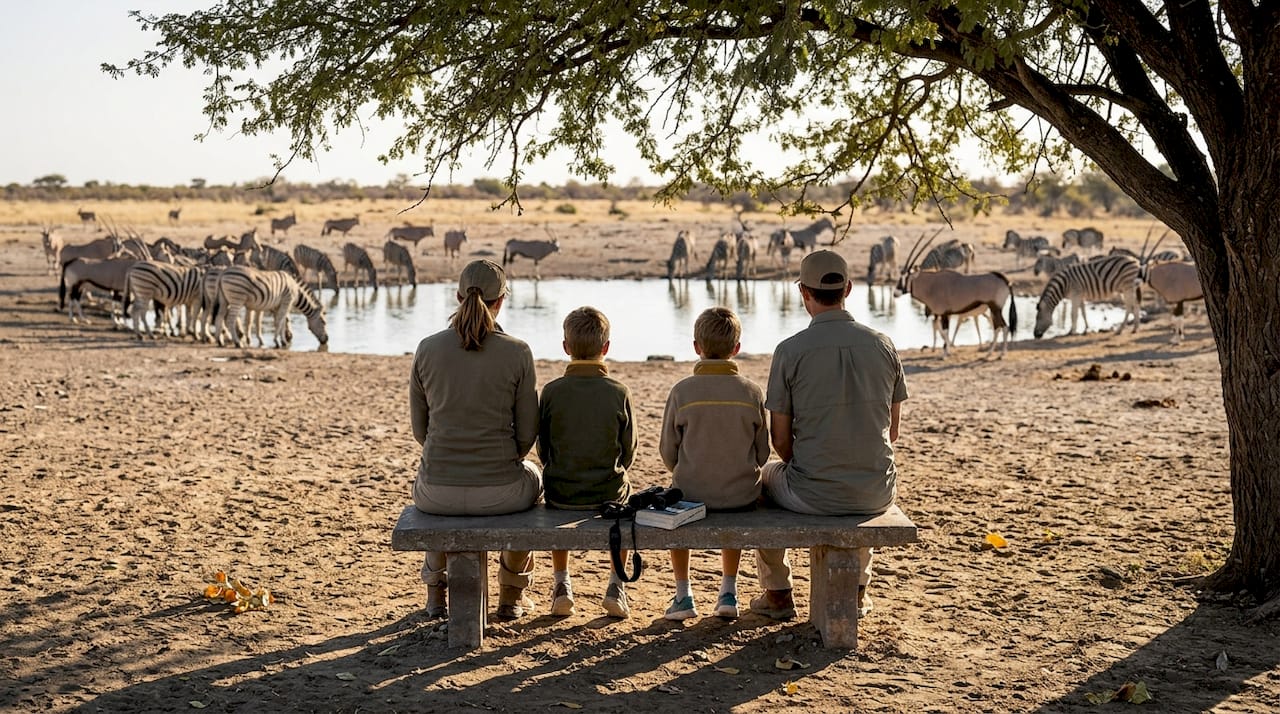
Game reserves shift the equation dramatically. Many private reserves operate strict vehicle limits per sighting, meaning you might watch a leopard dragging its prey into a tree with no other guests in sight. Off-road driving, which is prohibited in most national parks, allows guides to follow animals through the bush rather than waiting on designated roads. The result is a far more dynamic and intimate encounter.
Namibia pioneered community-based conservation, and some reserves involve local communities in ways that blend authentic cultural experiences with wildlife viewing. Staying in a community reserve means your tourism spend directly supports local livelihoods, adding a layer of meaning to every game drive.
Pro Tip: If privacy and customisation are high on your priority list, look at top safari lodges operating within exclusive private concessions. These properties often limit their guest numbers to fewer than 20 at any one time, creating a genuinely secluded atmosphere.
What to expect from each type of destination:
National parks: High wildlife density, iconic landscapes, self-drive freedom, moderate exclusivity
Private game reserves: Tailored guiding, off-road access, night drives, very high exclusivity
Community reserves: Cultural immersion, authentic encounters, meaningful conservation impact
Luxury group experiences: Luxury group lodges in Namibia within reserves can offer private-use buyouts for ultimate seclusion
Choosing what’s right for your safari style
Armed with an understanding of your options, it’s time to turn comparison into action and craft your dream safari.
The good news is that Namibia’s protected areas system provides for both large-scale parks and flexible reserves, meaning there is genuinely something for every type of traveler. The challenge is knowing which combination suits your style, budget, and expectations.
National parks are the ideal choice if you want iconic, large-scale wildlife spectacles. Etosha’s floodlit waterholes at night, the haunting shipwrecks of the Skeleton Coast, or the surreal landscapes of Namib-Naukluft are experiences that belong on every serious traveler’s list. These parks offer structure, accessibility, and the reassurance of well-maintained infrastructure.
Game reserves are the better fit if you value privacy, flexibility, and the kind of personalised attention that transforms a holiday into something genuinely memorable. Many of the best lodges in Namibia sit within private concessions, offering all-inclusive packages where expert guides tailor every activity to your interests.
Here’s a simple framework for making your decision:
Define your priorities. Is it wildlife density, privacy, cultural connection, or adventure activities? Write them down before you start browsing itineraries.
Consider your group’s needs. Families, honeymooners, and large groups each have different requirements. A private reserve like Naankuse Lodge can accommodate specific needs that a national park camp cannot.
Match your priorities to the right destination. Use the comparison tables above to align your wishlist with the type of area that delivers it best.
Think about combining both. A few nights in Etosha followed by a private reserve gives you iconic wildlife and exclusive luxury in a single trip.
Pro Tip: Blending a national park with a private game reserve is the smartest itinerary structure for most luxury travelers. You get the scale and spectacle of a great park, then retreat to the intimacy and indulgence of an exclusive reserve. It’s genuinely the best of both worlds.
What most luxury safari guides won’t tell you
Here’s the perspective that most travel articles quietly skip over. The debate between national parks and game reserves is often framed as a competition, as if you must choose a winner. That framing misses the point entirely.
The most extraordinary safaris we’ve seen are built on contrast. A morning spent watching thousands of zebras converge on an Etosha waterhole is a completely different emotional experience to a private sunset drive in a silent reserve with a knowledgeable guide who knows every animal by name. Neither replaces the other. Together, they create something far richer.
There’s also the question of impact. Choosing an eco-forward private reserve or a community-based model isn’t just a feel-good decision. It’s a practical one. Your stay directly funds anti-poaching units, community schools, and habitat restoration. Explore safari sustainability and you’ll quickly see how much your choice of accommodation matters. Some of the most exclusive experiences in Namibia are also the most responsible ones. That’s not a coincidence.
Plan your custom Namibia safari adventure
Ready to turn knowledge into your dream Namibian journey? Here’s how to take the next step.
At Secret Namibia, we specialise in crafting itineraries that blend the magnificent scale of Namibia’s national parks with the intimacy and indulgence of exclusive game reserves. Whether you’re drawn to luxury Namibia safaris that combine iconic parks with private concessions, or you want to explore the full spectrum of luxury wildlife experiences available across the country, our team is here to guide every decision.
If the idea of meaningful, low-impact travel appeals to you, our conservation safaris are designed to deliver extraordinary encounters while actively supporting Namibia’s wild places. Get in touch with our expert team today and let’s start building your perfect safari.
Frequently asked questions
Are game reserves or national parks better for first-time safari travelers?
National parks offer classic, well-structured wildlife viewing that’s ideal for first-timers, while game reserves provide greater privacy and customisation that tends to suit repeat visitors or those seeking a more exclusive experience.
Can you self-drive in Namibian game reserves and national parks?
Self-drive is widely permitted and popular in most national parks, but many game reserves restrict access to guided activities only to maintain exclusivity and ensure guest safety. National parks have standardised access rules, while reserves can be more restrictive.
Do game reserves have the same level of wildlife protection as national parks?
Both offer strong conservation frameworks, but national parks carry stricter public regulations. Some reserves allow limited, controlled hunting by auction as a conservation funding mechanism, which is far less common in core national parks.
How do community-based reserves differ from other game reserves?
Namibia pioneered community-based conservation, and these reserves blend local livelihoods directly with tourism and wildlife protection, offering a more culturally immersive and meaningfully sustainable safari experience than standard private reserves.
Recommended
RELATED
Safari Guides
Oct 30, 2025
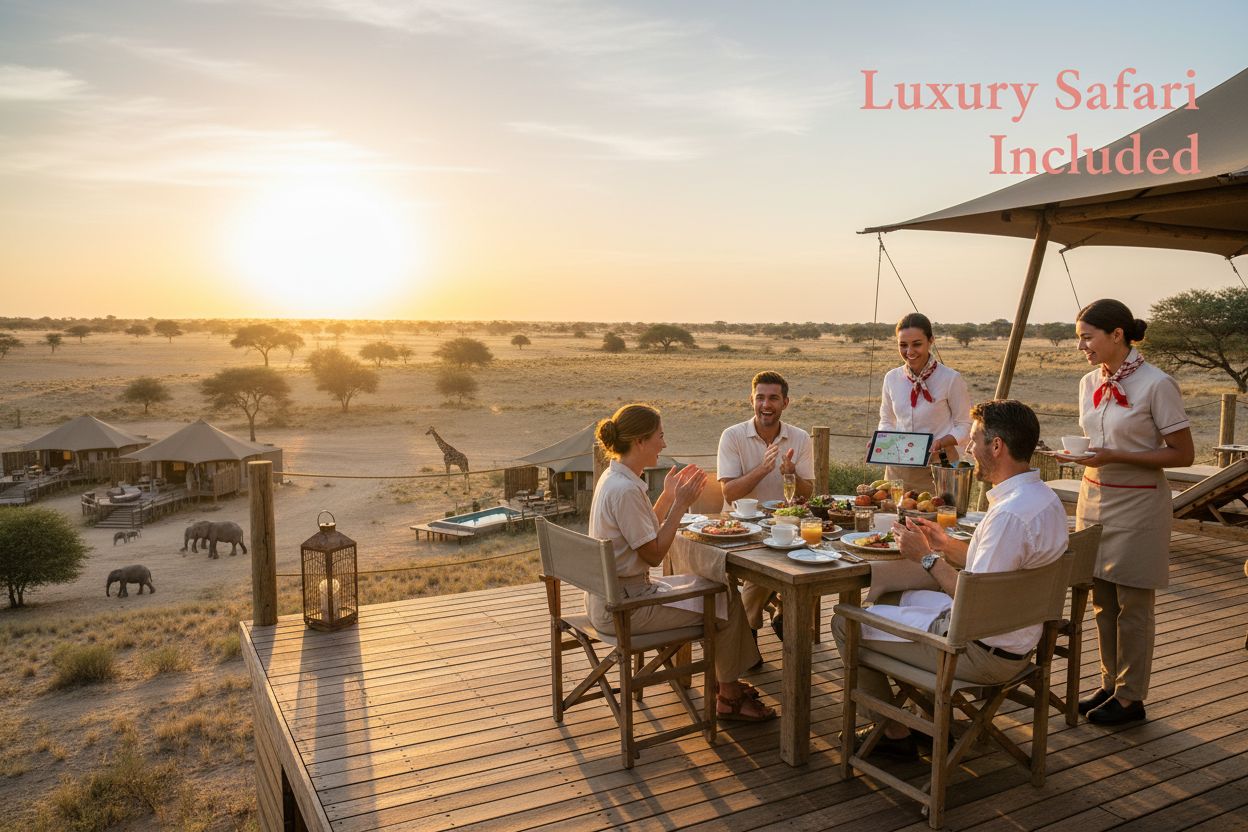
Understanding What is Included in Luxury Safaris
Explore what is included in luxury safaris, from exclusive accommodations to bespoke experiences that cater to discerning travelers.
Feb 24, 2026
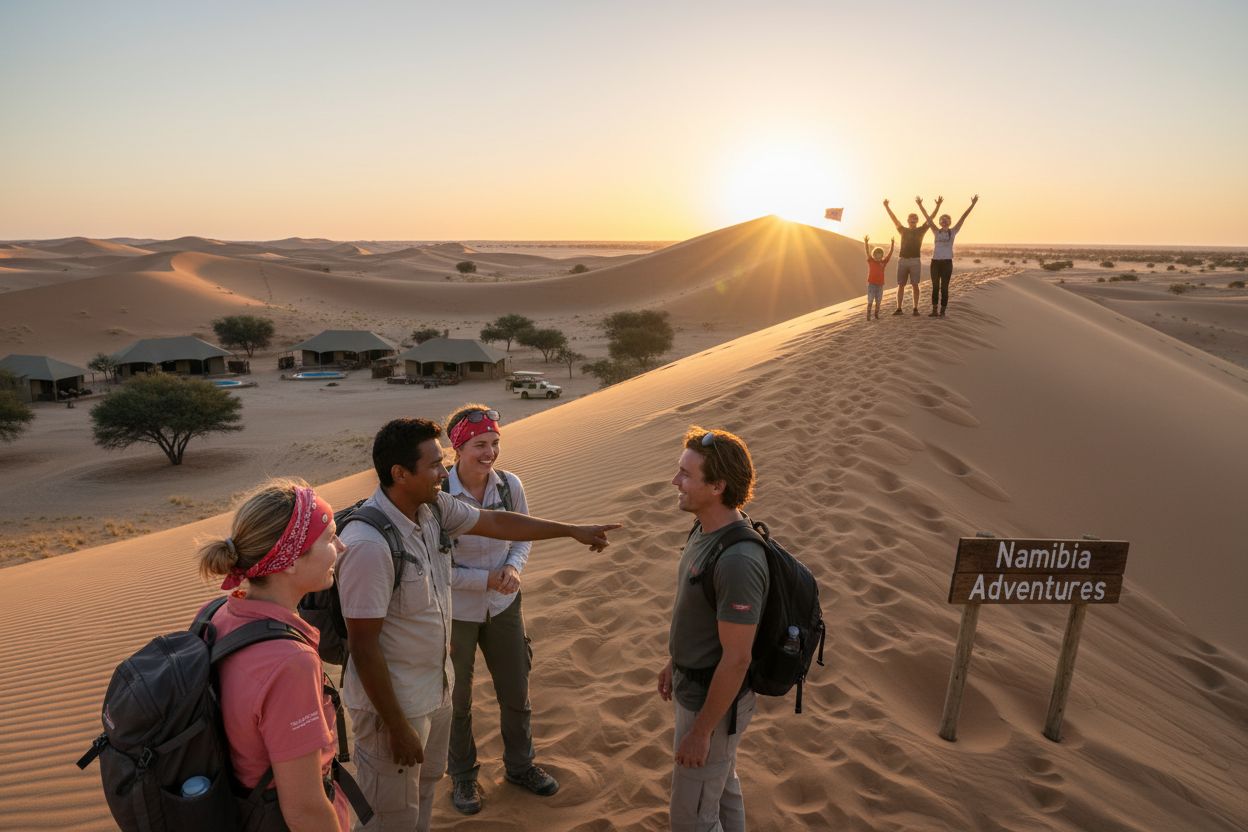
Why Namibia Adventures Matter: An In-Depth Look
Discover why Namibia adventures are essential for luxury travelers seeking unique, immersive experiences in nature and wildlife exploration.
Feb 23, 2026
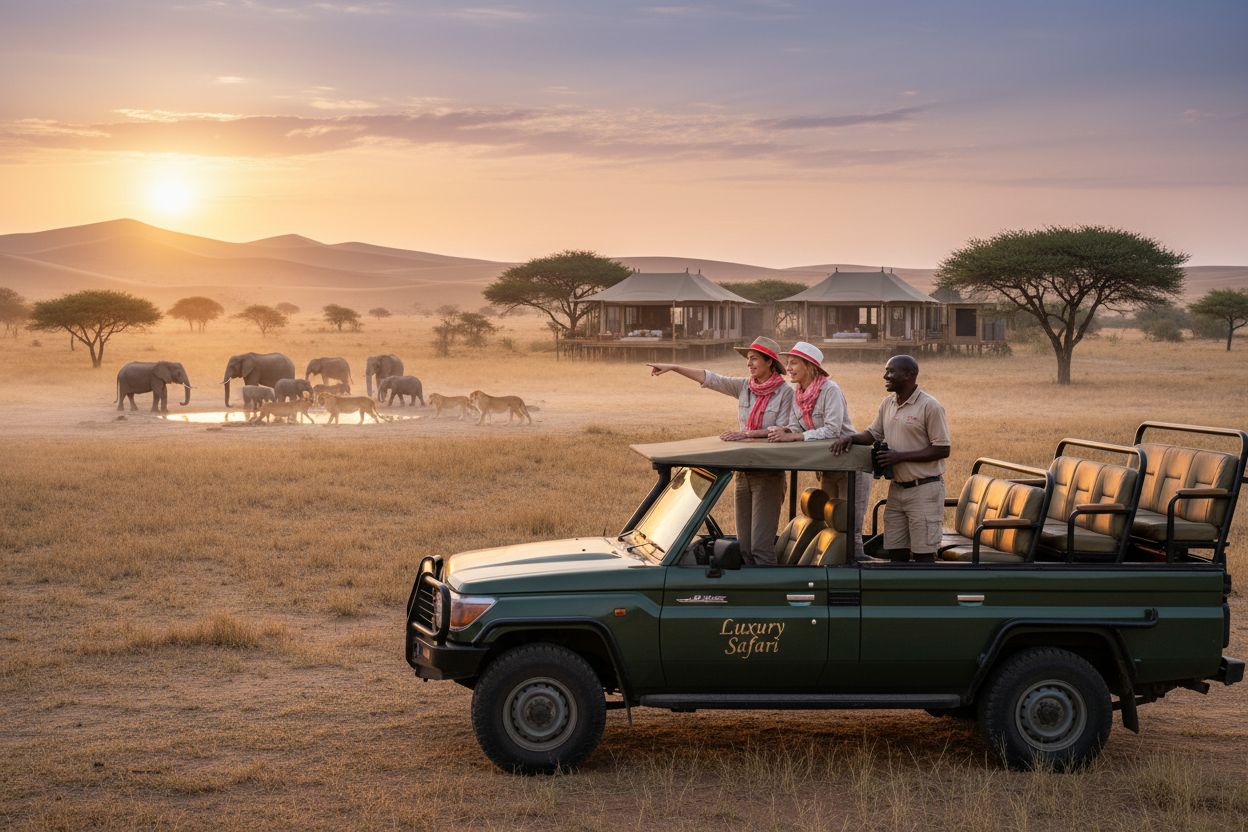
What to Expect on a Luxury Safari: A Comprehensive Guide
Discover what to expect on a luxury safari and gain a deeper understanding of the unique experiences that await you in the wild.
Feb 22, 2026
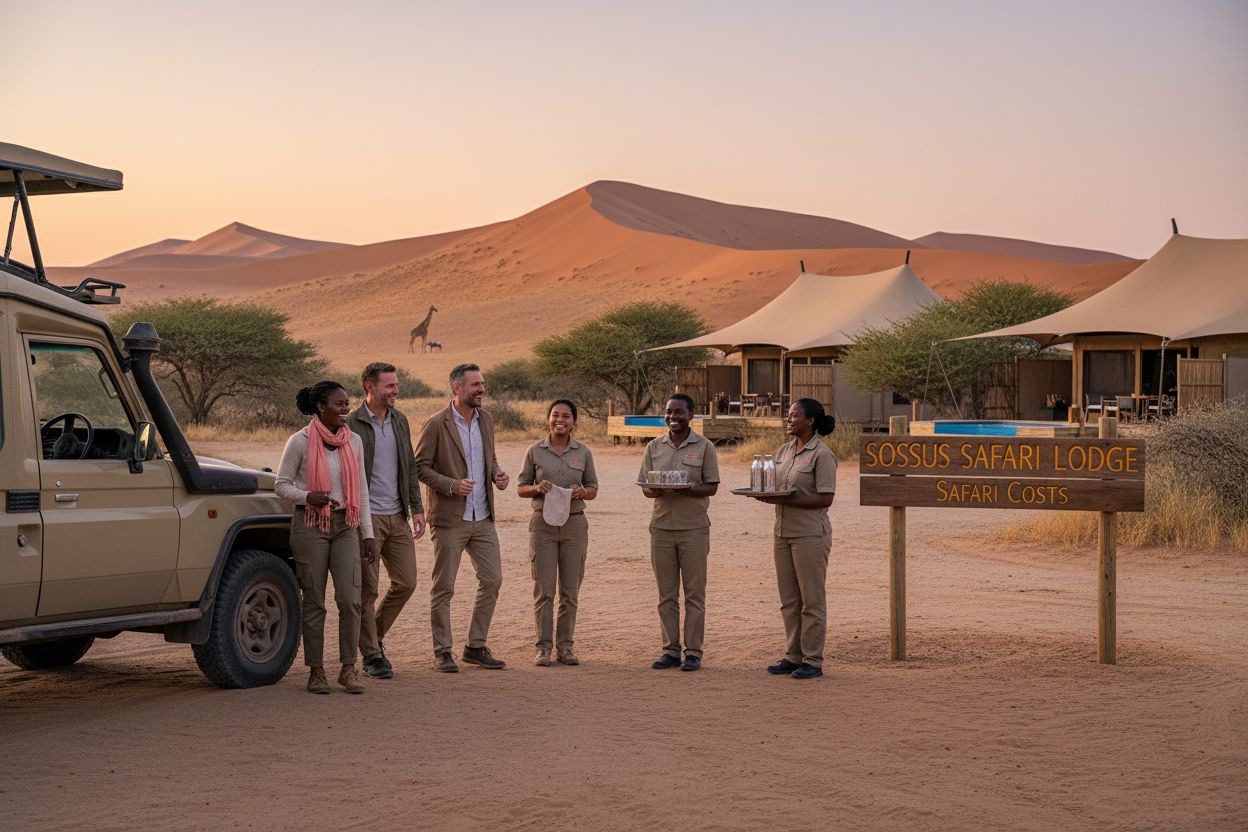
Understanding Namibia Safari Costs Explained
Explore Namibia safari costs explained to uncover what influences pricing and what it means for your adventure.
Feb 21, 2026
Understanding the Role of Safari Experts in Wildlife Travel
Explore the role of safari experts and gain a comprehensive understanding of how they enhance wildlife travel experiences for all types of travelers.
Feb 20, 2026
Guide organisation safari all inclusive : vivez l'aventure de vos rêves
Découvrez notre guide organisation safari all inclusive étape par étape pour planifier un voyage inoubliable au cœur de la nature.