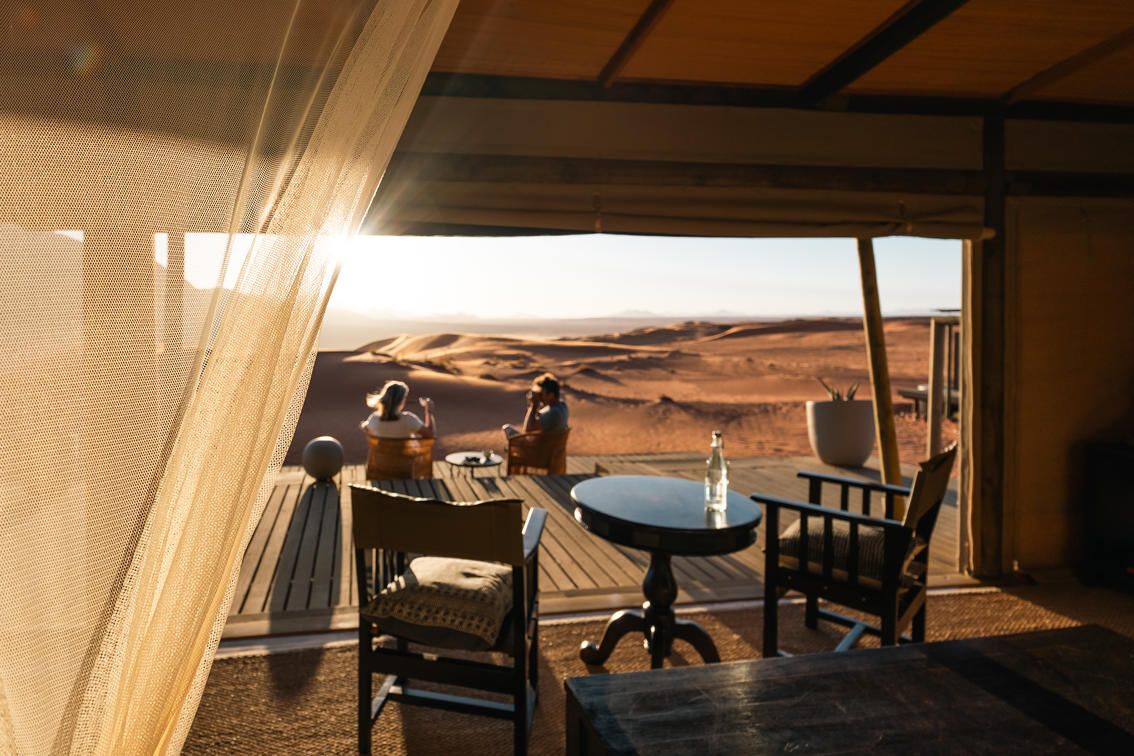
Namibia’s desert swings between icy dawns and blistering afternoons in a single day, while fine dust infiltrates every zipper and lens. Our practical guide explains how to dress for these extremes, protect camera gear, and pack efficiently. What to pack for Namibia comes down to versatile layers, dust-proofing strategies, and a thoughtful approach to the temperature swings that define this remarkable country.
With three decades of combined experience, the group books directly with camps and lodges, designing tailor-made itineraries for individuals, couples, families and private groups of up to eight guests. Read the full advice at our comprehensive first-time Namibia safari guide. For journeys continuing into gorilla country, explore Rwanda’s mountain forests with Encounters Africa, our sister brand specialising in safaris across Southern and East Africa.
The Dramatic Temperature Swings That Shape Every Namibian Day
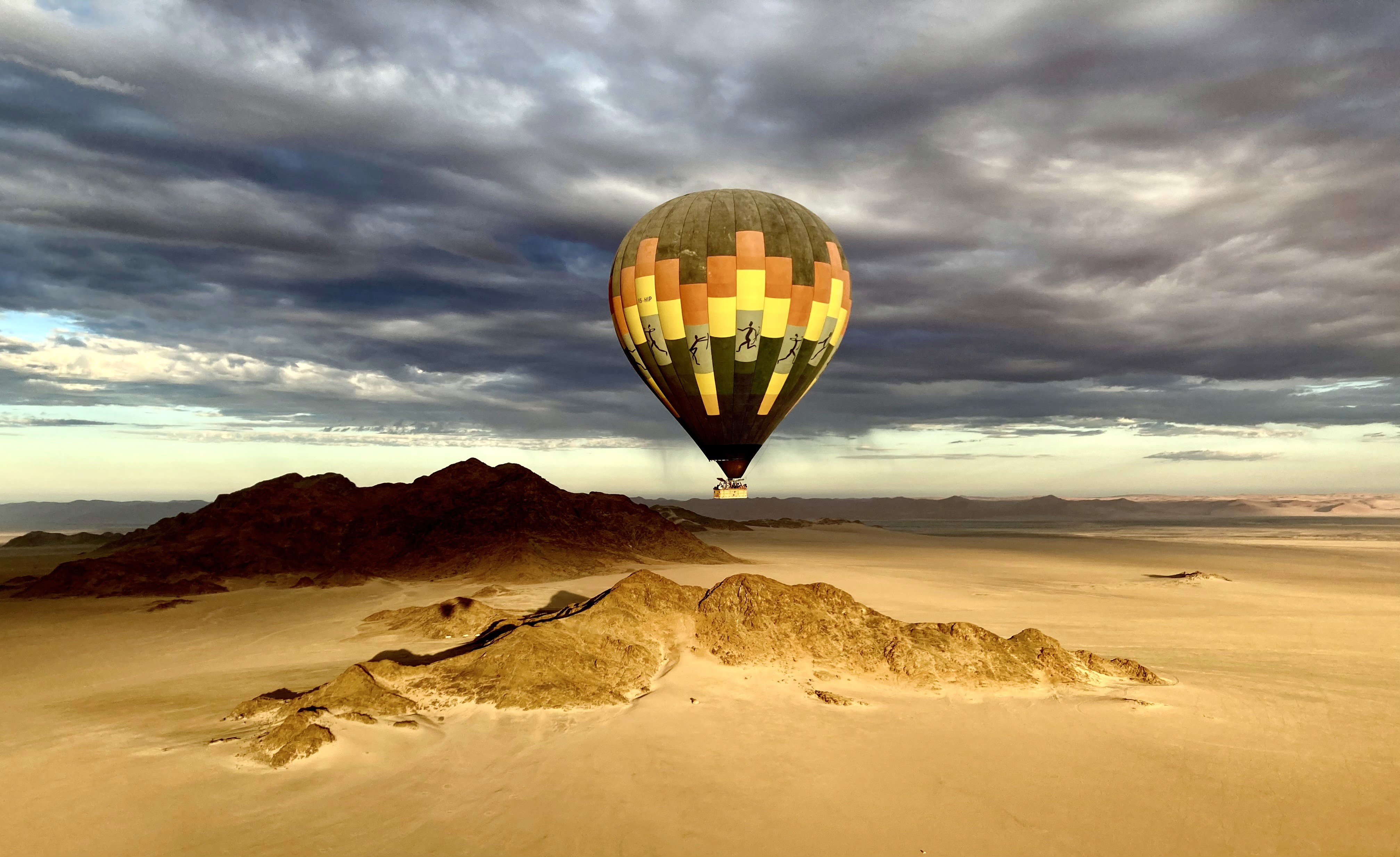
Arrive at a remote camp in the Namib and you may wake to frost on the canvas while the mercury hovers just above freezing. By mid-afternoon the same landscape can reach 35 °C, with the sun beating down on pale sand that reflects heat like a mirror. These rapid shifts occur across much of the country, from the gravel plains of the central desert to the higher elevations around the Waterberg Plateau.
Evenings often bring another drop as soon as the sun disappears behind distant mountains. The key is understanding that a single day can demand clothing suitable for both a Scottish winter morning and a Mediterranean summer lunch. Packing for Namibia therefore begins with accepting that one heavy jacket will not suffice; instead, thoughtful layering becomes your most reliable companion.
The desert does not ease you in gently. It tests your preparation from the first pale light of dawn, rewarding those who have planned for every degree of its mood.
Why Layers Outperform Bulk in Namibia’s Variable Climate
Merino wool base layers offer an excellent starting point. They regulate body temperature, wick moisture, and resist odour even after several days of wear in remote areas where laundry facilities may be limited. Pair these with lightweight long-sleeved shirts that provide sun protection while allowing air to circulate during the heat of the day.
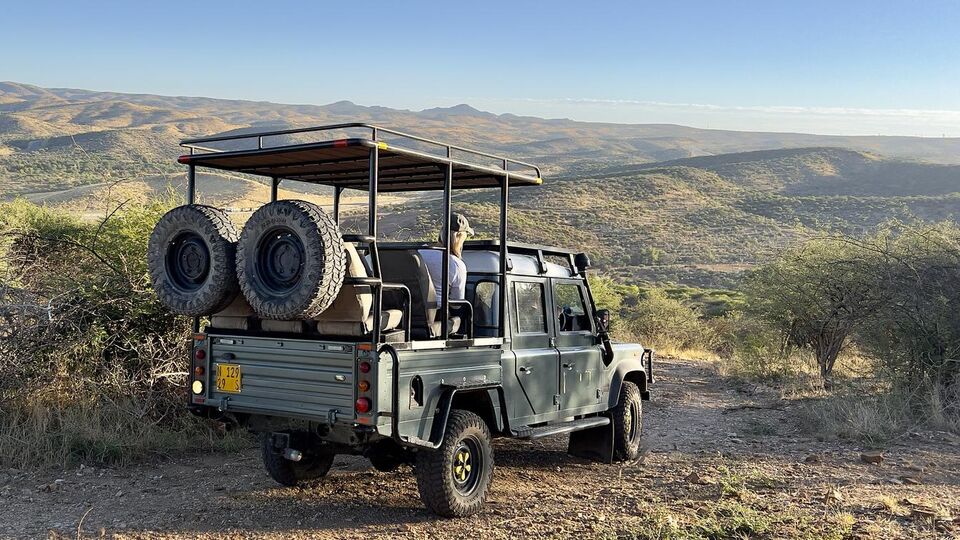
A soft-shell jacket or lightweight fleece adds warmth for early morning game drives without weighing down your luggage. For the coldest mornings, a packable down jacket that compresses into its own pocket proves invaluable. Trousers with zip-off legs allow you to adapt instantly as the temperature climbs, though many experienced travellers prefer lightweight hiking trousers that offer both comfort and protection from thorns and dust.
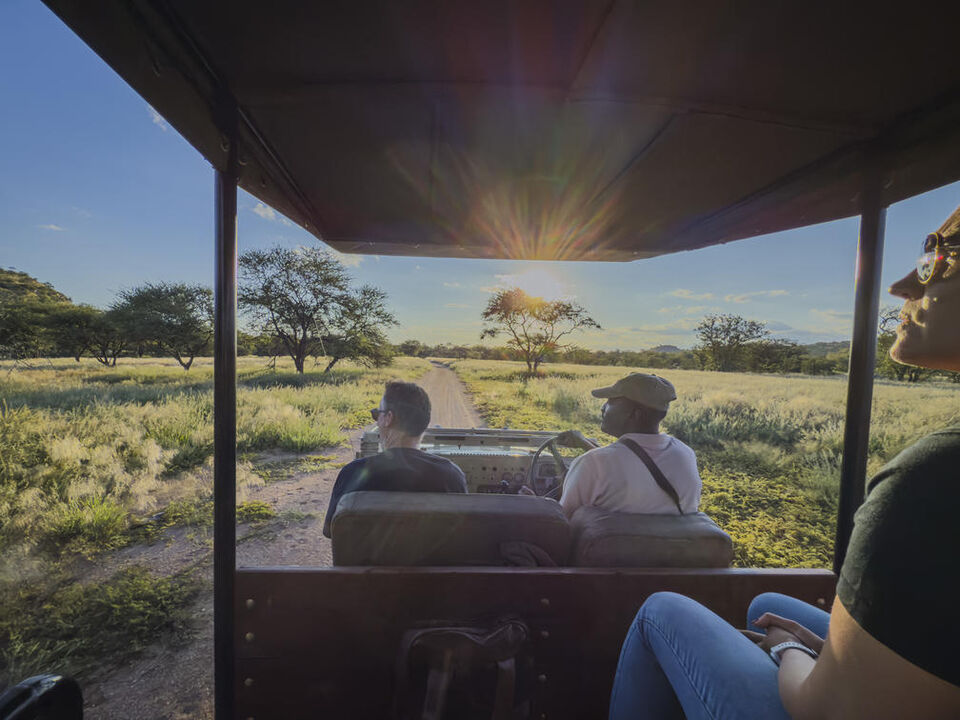
Headwear matters more than many first-time visitors realise. A wide-brimmed hat shields your face and neck from intense ultraviolet rays, while a beanie or buff becomes essential for those frozen departures before sunrise. Gloves, often overlooked, provide surprising comfort when gripping cold binoculars or camera equipment at dawn.
Footwear Choices for Desert Terrain and Camp Life
Sturdy walking shoes or lightweight hiking boots handle the rocky ground and occasional sand. Avoid heavy boots that retain heat and add unnecessary weight to your bag. Many camps provide comfortable sandals for use around the property, allowing your feet to breathe after a dusty day in the field.
Socks deserve careful selection. Merino blends prevent blisters during longer walks and remain comfortable whether the air feels crisp or scorching. Pack enough pairs to rotate daily, as dust tends to work its way into footwear with remarkable persistence.
Dust: The Silent Invader of Cameras, Lenses and Clothing
Namibia’s fine, talc-like dust finds its way into every crevice. It infiltrates camera bags, settles on lenses, and can cause expensive mechanical issues if not addressed. Understanding this reality changes how you approach both packing and daily maintenance of your equipment.
Choose a camera bag with robust seals and consider adding silica gel packets that absorb moisture and help combat dust accumulation. Lens cleaning kits should include a blower brush, microfibre cloths, and lenspen for quick field maintenance. Many professional guides recommend keeping equipment in sealed ziplock bags when not in use, particularly during drives on particularly dusty tracks.
Dust in Namibia is not merely inconvenient, it is a constant presence that demands respect and preparation from every photographer hoping to capture its landscapes.
Practical Protection Strategies for Valuable Gear
Weather-sealed camera bodies and lenses offer better resistance, though no equipment is entirely immune. Pack spare batteries in sealed containers, as dust can cause unexpected drainage. A polarising filter not only reduces glare on salt pans but also acts as a protective barrier for your lens.
For those travelling with binoculars, a simple dust cover or neoprene case provides an extra layer of defence. Consider leaving bulky tripods behind unless you have specific astrophotography plans, as many lightweight alternatives now deliver excellent stability without adding significant weight or dust-collecting surfaces.
What Should You Pack for Namibia?
The most effective packing list for Namibia focuses on versatile, layered clothing, dust protection for electronics, and items that address the country’s dramatic daily temperature variations. Essential items include three to four merino wool base layers, two lightweight long-sleeved shirts with UPF protection, one packable down jacket, one fleece mid-layer, two pairs of quick-dry hiking trousers, comfortable walking shoes, a wide-brimmed hat, beanie, buff, and three to four pairs of merino socks. For camera gear, pack weather-sealed equipment if possible, a comprehensive cleaning kit, silica gel packets, and sealed storage bags. Additional practical items are high-factor sunscreen, lip balm with SPF, a reusable water bottle, binoculars, a head torch with spare batteries, basic first-aid supplies including blister plasters, and any personal medications in their original packaging. Limit luggage to soft-sided bags of no more than 15-20kg for light aircraft transfers, and always check specific requirements with your chosen operator as weight limits and luggage type can vary by season and route.
Additional Essentials That Enhance Comfort and Safety
Sunscreen with a high SPF rating and lip balm with sun protection prove non-negotiable in an environment where the sun reflects mercilessly off pale surfaces. A reusable water bottle helps reduce plastic waste while ensuring you remain hydrated during long drives between destinations.
Binoculars enhance wildlife viewing, particularly in vast open landscapes where animals may appear as distant specks. A compact head torch with red light setting preserves night vision during evening movements around camp and proves useful for early morning preparations.
Basic first-aid supplies should include plasters for blisters, antiseptic cream, headache tablets, and any personal prescription medications carried in their original packaging. A small notebook and pen allow you to record observations that might otherwise fade from memory amidst the sensory richness of the experience.
Preparation for Namibia is less about accumulating possessions and more about selecting items that work harmoniously with the desert’s demanding character.
Smart Luggage Choices for Light Aircraft Transfers
Many Namibian itineraries involve internal flights on small aircraft with strict weight restrictions, typically between 15 and 20 kilograms per person including hand luggage. Soft-sided duffel bags compress more easily than hard cases and fit better into restricted cargo holds. Avoid rigid suitcases and wheels, which often prove impractical on both aircraft and gravel roads.
Distribute weight thoughtfully. Place heavier items such as binoculars and cameras in your daypack, which usually does not count toward the strict luggage allowance. This approach also keeps essential items accessible during game drives when you may need them at short notice.
Consider the practicalities of camp transfers. Soft bags are easier for guides to secure on open vehicles, and their flexibility reduces the risk of damage when navigating bumpy access tracks to remote properties.
Planning Your Namibian Journey with Expert Guidance
Understanding what to pack forms only one part of a successful journey through this ancient landscape. The right itinerary, thoughtfully matched to the seasons and your personal interests, transforms good observations into lasting memories. Whether you seek the towering dunes of Sossusvlei, the wildlife-rich waterholes of Etosha, or the rugged beauty of the northwest, careful preparation enhances every moment.
Secret Namibia specialises in creating these considered journeys across Namibia, drawing on deep local knowledge to ensure your experience aligns perfectly with the country’s rhythms. Our approach emphasises quality over quantity, allowing time to absorb the sheer scale and subtle beauty that define this remarkable destination.
For those whose curiosity extends beyond Namibia’s borders, our sister brand Encounters Africa offers seamless continuations into neighbouring countries and further afield. The principles of thoughtful packing and respectful travel remain consistent, whether you find yourself among desert elephants or mountain gorillas.
Whatever your plans, we encourage you to reach out. Contact Secret Namibia to discuss your Namibia safari aspirations, where our team will craft an itinerary that respects both the land and your individual preferences. Those interested in experiences across the wider continent can connect with Encounters Africa to explore tailored possibilities in South Africa, Botswana, Kenya, Tanzania, Rwanda, Uganda, Zambia and Zimbabwe.
Plan your safari: Enquire with Secret Namibia for tailor-made Namibia journeys. For safaris beyond Namibia, in Botswana, South Africa, Kenya, Tanzania, Rwanda, Uganda, Zambia and Zimbabwe, speak to the travel designers at Encounters Africa, Secret Namibia's sister company for the rest of Africa.