
Mar 3, 2026
Discover how expert safari guides in Namibia deliver 60% more wildlife sightings, ensure safety, and create authentic cultural experiences for luxury travelers.
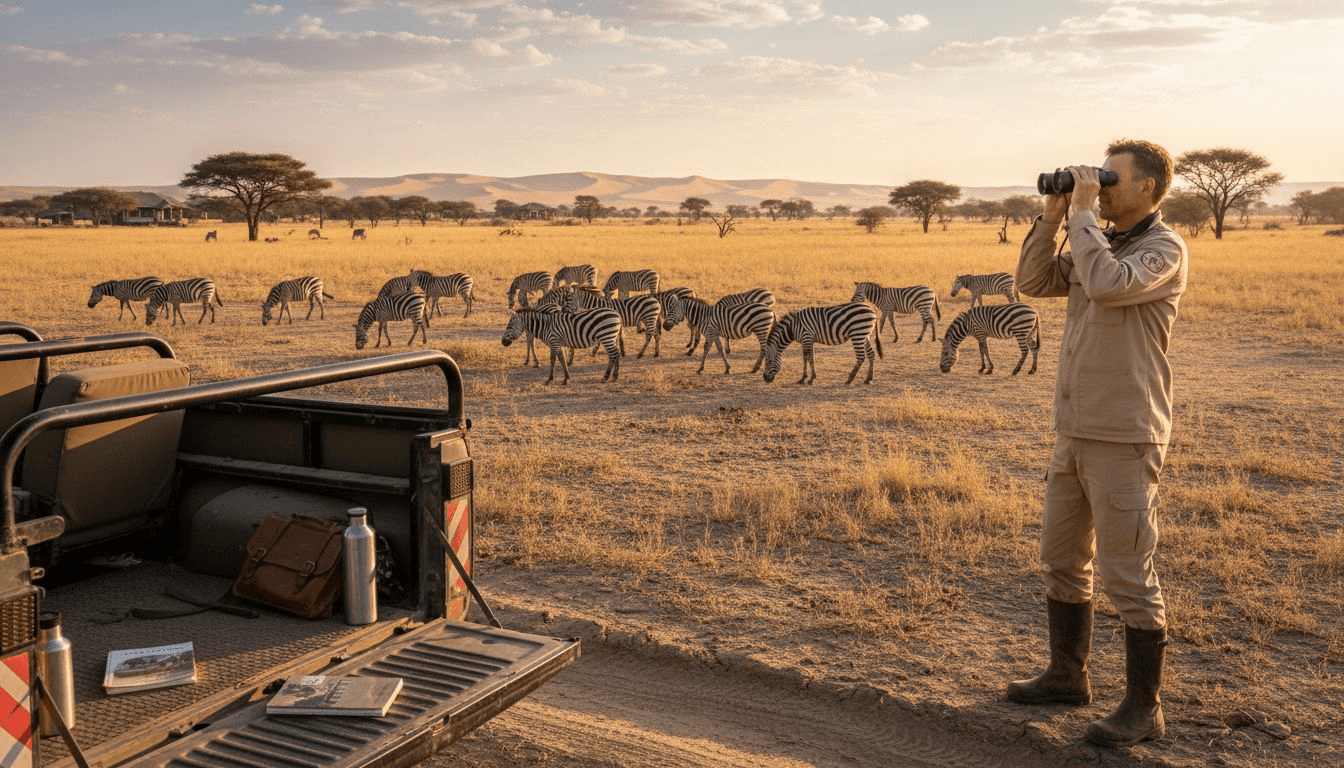
Safari Guide Role: 60% More Wildlife Sightings in Namibia
You might think a safari guide’s job is just to drive and spot animals. That view misses the bigger picture. Research shows over 70% of safari clients rate storytelling and cultural insights as the most memorable parts of their journey. More striking, guided tourists have a 60% higher chance of encountering key wildlife species compared to self-drive safaris. This article reveals the comprehensive role of safari guides in Namibia and how they transform luxury wilderness experiences.
Table of Contents
Expertise and Qualifications of Safari Guides in Namibia
Enhancing Wildlife Experience: Tracking, Observing, and Ethical Practices
Safety and Risk Management: Protecting You in Remote Wilderness
Cultural Interpretation and Local Community Engagement
Common Misconceptions About the Role of Safari Guides
Comparison: Guided vs. Self-Drive Luxury Safaris in Namibia
How to Choose and Work Effectively With Your Safari Guide
Experience Expert-Guided Luxury Safaris in Namibia
Frequently Asked Questions About Safari Guides
Key Takeaways
Point | Details |
|---|---|
Expert qualifications drive safety and knowledge | Certified guides complete rigorous training in wildlife biology, safety protocols, and cultural interpretation. |
Wildlife sightings increase dramatically | Guided safaris deliver 60% higher success rates for spotting key species through expert tracking and animal behavior knowledge. |
Cultural engagement enriches travel | Guides facilitate authentic community interactions and share local traditions, transforming your safari into a cultural journey. |
Safety protocols provide peace of mind | Advanced risk management training and emergency preparedness reduce incidents significantly compared to self-drive options. |
Common myths undervalue guide contributions | Guides do far more than drive, they unlock exclusive access, ensure ethical practices, and personalize every experience. |
Expertise and Qualifications of Safari Guides in Namibia
The expertise and qualifications of safari guides set the foundation for your luxury safari experience. Namibia Tourism Board certification requires extensive field experience and safety training, ensuring guides meet rigorous national standards. These professionals master wildlife biology, understand complex ecosystems, and complete ongoing education requirements.
Training programs cover multiple disciplines critical for luxury safari delivery. Guides learn advanced tracking techniques, emergency medical response, and customer service excellence. Many accumulate years of field experience before earning full certification, building deep knowledge of Namibia’s landscapes and wildlife patterns.
Working with affluent clients demands specialized skills beyond basic guiding. These professionals develop personalized service abilities, cultural sensitivity, and adaptability to diverse client preferences. Their training includes:
Wildlife identification and behavior interpretation across multiple species
Navigation and survival skills for remote wilderness areas
Risk assessment and emergency response protocols
Cultural competency and community relations
Communication skills in multiple languages
Ethical wildlife viewing and conservation principles
The combination of formal certification and practical experience creates guides who seamlessly blend safety, education, and luxury service. They anticipate your needs while maintaining the highest professional standards. This expertise allows them to handle unexpected situations calmly, ensuring your safari remains both thrilling and secure throughout your Namibia adventure.
Enhancing Wildlife Experience: Tracking, Observing, and Ethical Practices
Your wildlife spotting advantages with guided safaris stem from years of accumulated field knowledge that no GPS can replicate. Guides read subtle terrain signs, interpret animal tracks, and predict wildlife movements based on season, weather, and time of day. This expertise explains why guided safari tourists encounter key wildlife species 60% more successfully than those exploring independently.
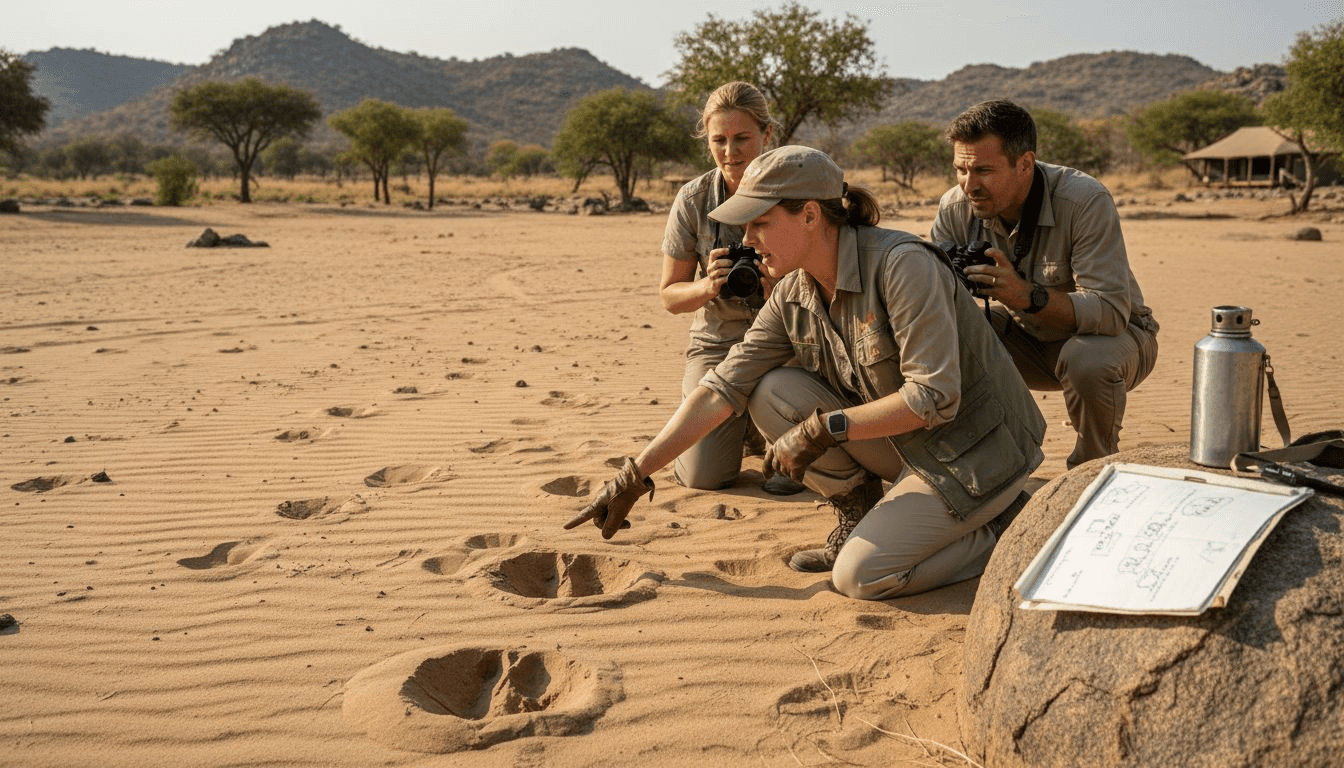
Tracking begins before dawn when guides assess fresh spoor, analyze wind direction, and determine optimal viewing locations. They recognize individual animals by unique markings and understand herd dynamics. When a lion pride moves through Etosha, your guide knows where they’ll likely rest during midday heat.
Guides also champion ethical wildlife practices that protect Namibia’s ecosystems for future generations. They maintain safe distances, never disturb breeding sites, and educate travelers on conservation challenges. This responsible approach includes:
Respecting animal stress signals and adjusting observation accordingly
Using quiet voices and minimal movement near sensitive species
Staying on designated tracks to prevent habitat degradation
Teaching photography techniques that avoid flash or aggressive positioning
Supporting conservation initiatives through visitor education
The balance between thrilling encounters and habitat protection defines professional guiding. Your guide creates memorable wildlife moments while ensuring animals maintain natural behaviors. They know when to pause for a perfect photograph and when to give space for undisturbed feeding.
Pro Tip: Ask your guide about recent wildlife sightings during your pre-safari briefing. Their network of professional contacts shares real-time information about animal locations, dramatically increasing your chances of witnessing rare species or behaviors during your luxury Namibia safari.
Safety and Risk Management: Protecting You in Remote Wilderness
The safety and risk management in safaris transforms potentially dangerous situations into controlled, secure experiences. Guides’ safety protocols reduce emergency incidents significantly compared to unguided expeditions, providing measurable protection in remote areas. Their training includes wilderness first aid, emergency evacuation procedures, and crisis communication protocols updated annually.
Risk assessment happens continuously throughout your safari. Guides evaluate terrain stability, monitor weather patterns, and maintain awareness of wildlife proximity. They carry comprehensive safety equipment including satellite communication devices, medical kits, and emergency supplies appropriate for Namibia’s climate extremes.
Emergency preparedness follows structured protocols developed through industry best practices:
Pre-safari briefings cover evacuation procedures and emergency signals
Daily route planning identifies nearest medical facilities and helicopter landing zones
Regular equipment checks ensure all safety gear functions properly
Weather monitoring systems track approaching storms or extreme conditions
Communication schedules maintain contact with base operations
Medical screening identifies client conditions requiring special attention
The presence of a trained professional dramatically reduces stress when unexpected situations arise. Vehicle breakdowns become minor inconveniences rather than survival challenges. Wildlife encounters remain thrilling rather than threatening because your guide understands animal behavior patterns.
Guides also prepare for medical emergencies specific to safari environments. They recognize heat exhaustion symptoms early, manage allergic reactions, and provide immediate care for injuries until evacuation arrives. Their calm demeanor during crises helps you stay composed.
Pro Tip: Share any medical conditions, allergies, or physical limitations with your guide before departure. This transparency allows them to customize safety plans and carry appropriate medications or equipment, ensuring your complete comfort throughout the luxury safari experience.
Cultural Interpretation and Local Community Engagement
The cultural interpretation and community engagement dimension adds profound depth to your Namibia safari beyond wildlife viewing. Guides receive training on local cultures to facilitate meaningful interactions that respect indigenous traditions while enriching your understanding. They serve as cultural ambassadors, translating customs and explaining historical contexts you might otherwise miss.
Your guide educates you about Himba, Herero, and San communities before village visits. They explain appropriate behavior, gift-giving protocols, and photography etiquette. This preparation ensures interactions benefit local people economically while preserving cultural dignity.
Community-based tourism creates sustainable income streams when managed properly. Guides coordinate with villages to schedule visits that don’t disrupt daily life. They ensure fair compensation reaches families directly rather than intermediaries. Your participation supports schools, healthcare, and traditional craft preservation.
Authentic cultural experiences transform through proper facilitation:
Traditional storytelling sessions where elders share oral histories
Craft demonstrations showing ancient techniques for jewelry and tools
Bush walks with San trackers who teach survival skills passed through generations
Home-cooked meals prepared using traditional methods and local ingredients
Ceremonial dance performances that honor cultural heritage
Guides act as interpreters beyond language translation. They explain symbolic meanings in traditional dress, clarify kinship structures, and contextualize spiritual beliefs. This deeper understanding creates connections that transcend typical tourist experiences.
The best guides foster mutual respect between travelers and communities. They help you ask meaningful questions, share your own culture appropriately, and recognize universal human values across different societies. These interactions often become the most transformative aspects of luxury Namibia safaris, creating lasting impressions that extend far beyond wildlife photography.
Common Misconceptions About the Role of Safari Guides
Several persistent myths diminish the perceived value of professional safari guides. The most common misconception suggests guides simply drive vehicles and point out obvious animals. Reality reveals a far more complex role encompassing safety expertise, ecological knowledge, and cultural interpretation. Over 70% of clients highlight storytelling and cultural insights as their most memorable elements, proving guides deliver value far beyond basic navigation.
Another myth claims guides restrict freedom and impose rigid schedules. Luxury safari guides actually unlock exclusive access to private concessions, remote locations, and community experiences unavailable to independent travelers. They customize itineraries around your interests rather than following predetermined routes.
Some travelers believe guides add minimal cultural value, assuming language apps and guidebooks provide sufficient information. This perspective misses the nuanced understanding that comes from guides who grew up in Namibia, speak local languages fluently, and maintain relationships with indigenous communities. Their insider knowledge creates authentic interactions impossible to replicate independently.
Key misconceptions corrected:
Myth: Guides only benefit travelers who know nothing about wildlife. Reality: Even experienced naturalists gain from guides’ specialized local knowledge and real-time animal behavior observations.
Myth: Self-drive safaris offer equivalent wildlife viewing opportunities. Reality: Guides’ tracking skills and professional networks deliver significantly higher sighting success rates.
Myth: Hiring a guide is an unnecessary luxury expense. Reality: Guides prevent costly mistakes, reduce safety risks, and maximize your limited vacation time through efficient planning.
Myth: All certified guides provide identical experiences. Reality: Individual guides develop specializations in photography, birding, cultural tourism, or specific ecosystems based on their experience.
Understanding what guides truly offer helps you make informed decisions about your Namibia safari investment. Their comprehensive expertise creates transformative travel experiences that self-guided adventures rarely match. Recognizing this value ensures you approach safari planning with realistic expectations and appreciation for professional guiding services.
Comparison: Guided vs. Self-Drive Luxury Safaris in Namibia
The guided vs self-drive safari comparison reveals significant differences in safety, wildlife success, and cultural immersion. Guided safaris offer higher safety standards, better wildlife spotting rates, and exclusive location access compared to independent exploration. Understanding these distinctions helps you choose the approach matching your priorities and comfort level.
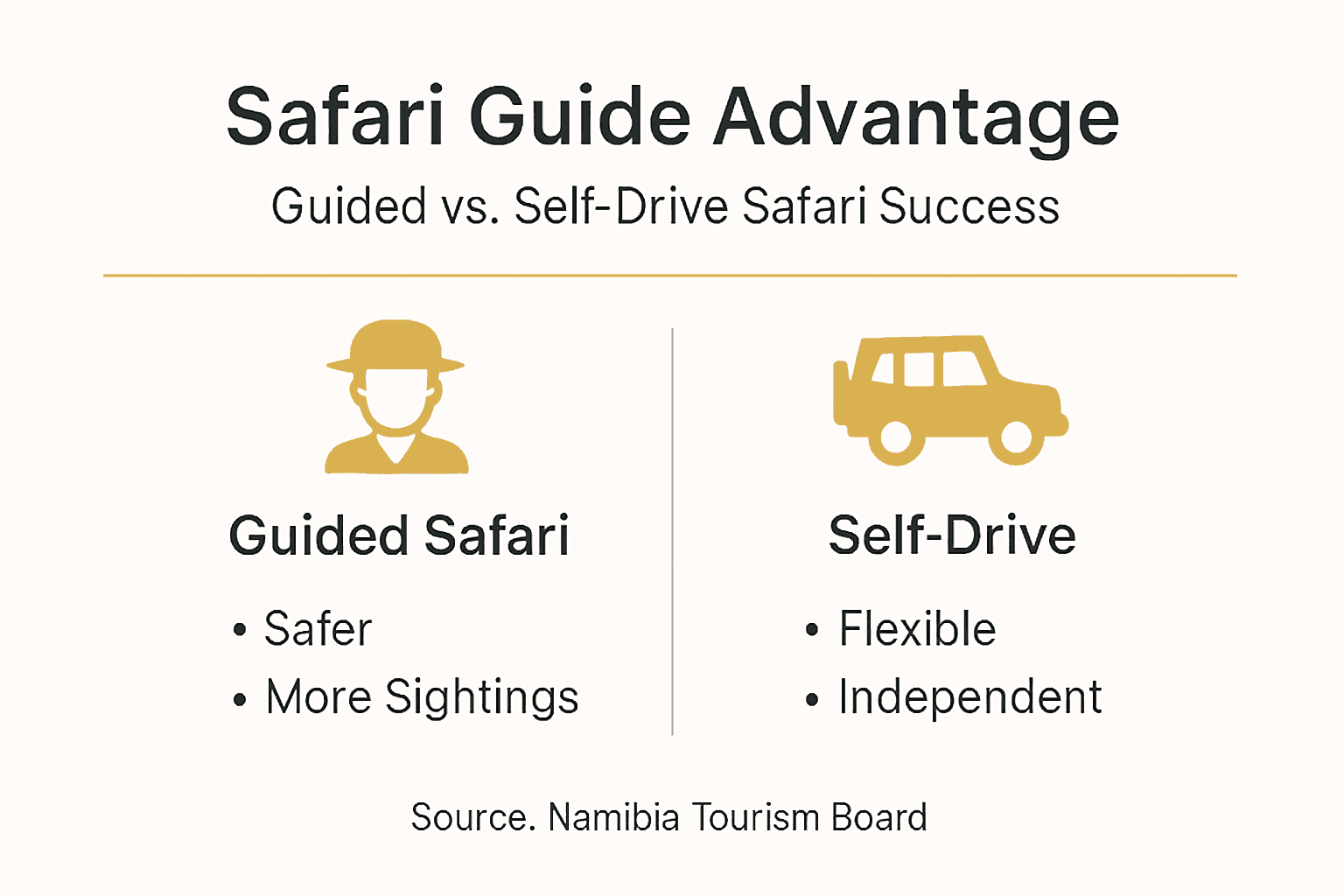
Factor | Guided Safari | Self-Drive Safari |
|---|---|---|
Wildlife Success Rate | 60% higher encounter rates through expert tracking | Limited to obvious sightings along main roads |
Safety & Emergency Response | Professional risk management, first aid, evacuation protocols | Self-reliant with limited emergency resources |
Cultural Access | Facilitated community visits, authentic interactions, cultural interpretation | Surface-level encounters, language barriers, limited context |
Exclusive Locations | Private concessions, off-road permissions, remote wilderness areas | Public roads and designated campsites only |
Cost Structure | Higher upfront investment, all-inclusive packages | Lower base cost but hidden expenses accumulate |
Schedule Flexibility | Customized itineraries adapted daily to conditions and interests | Complete independence but limited local knowledge |
Learning & Enrichment | Continuous education on ecology, culture, conservation | Self-directed learning from guidebooks |
The advantages of guided safaris extend beyond this table. Guides handle logistics, navigate complex road conditions, and solve problems instantly. They know which waterholes attract wildlife during different seasons and which dunes offer the best sunset photography.
Self-drive safaris appeal to adventurous travelers who prioritize independence and budget consciousness. You control your schedule completely and explore at your own pace. However, you miss the interpretive depth that transforms observations into understanding.
Guided safaris deliver higher satisfaction ratings because they eliminate stress while maximizing wildlife encounters and cultural authenticity. Your guide’s professional network shares real-time animal locations across vast territories. They access exclusive areas where self-drive vehicles cannot enter, creating unique photographic opportunities.
Consider your experience level, comfort with uncertainty, and safari goals when choosing. First-time Namibia visitors typically benefit enormously from professional guidance. Repeat travelers with specific interests might blend both approaches, using guides for complex regions while self-driving familiar areas.
How to Choose and Work Effectively With Your Safari Guide
Selecting the right safari guide maximizes your luxury Namibia experience from initial planning through final departure. Tips for choosing and working with safari guides start with verifying credentials and reviewing client testimonials. Look for Namibia Tourism Board certification, specialized training in your interest areas, and evidence of ongoing professional development.
Research guides through multiple sources before committing:
Verify current certification status through official tourism board databases
Read detailed client reviews focusing on communication style and flexibility
Request references from previous travelers with similar interests
Assess language proficiency if you prefer guiding in specific languages
Inquire about specialized expertise like photography, birding, or cultural tourism
Confirm emergency protocols and insurance coverage details
Communication before your safari sets the foundation for personalized experiences. Share your specific interests honestly, whether you prioritize photography, cultural immersion, or rare wildlife encounters. Mention physical limitations, dietary restrictions, or health concerns that might affect itinerary planning. Your guide needs this information to customize each day appropriately.
During your safari, active engagement enhances what you learn and experience. Ask questions about animal behavior, plant uses, or cultural practices. Request stops for photographs when you spot interesting subjects. Share feedback about pacing, activity intensity, or areas you’d like to explore further.
Respect your guide’s expertise when they provide safety advice or suggest alternative plans due to weather or wildlife movements. Their recommendations stem from experience and current conditions you might not fully appreciate. Trust their judgment while maintaining open dialogue about your preferences.
Pro Tip: Schedule a pre-safari video call with your assigned guide several weeks before departure. This conversation builds rapport, clarifies expectations, and allows your guide to begin customizing your itinerary based on your specific interests and the current wildlife patterns in Namibia during your travel dates.
Experience Expert-Guided Luxury Safaris in Namibia
Your dream Namibia safari deserves the expertise that only professional guides provide. Secret Namibia connects you with luxury safaris featuring certified expert guides who transform wilderness exploration into profound, personalized journeys.
Our guides bring decades of combined field experience, intimate knowledge of Namibia’s ecosystems, and genuine passion for sharing their homeland. They craft customized itineraries around your specific interests, whether you prioritize luxury wildlife experiences, cultural immersion, or photography opportunities. Each safari includes exclusive access to private concessions and remote locations beyond typical tourist circuits.
We apply proven strategies to maximize safari experiences for luxury travelers through meticulous planning, responsive adaptation, and unwavering attention to safety and comfort. Your guide manages every logistical detail while you focus entirely on the transformative moments unfolding around you. Book your 2026 Namibia safari today and discover why expert guidance makes all the difference.
Frequently Asked Questions About Safari Guides
What certifications should I look for when hiring a safari guide?
Look for Namibia Tourism Board certification as the primary credential, which requires extensive field training and regular renewal. Verify guides hold current first aid certification and have completed specialized training in wildlife biology, tracking, and cultural interpretation. Check client reviews and testimonials to confirm their practical application of these skills in real safari situations.
How do safari guides enhance safety during remote luxury safaris?
Guides complete advanced first aid and wilderness emergency response training updated annually. They conduct continuous risk assessments throughout your safari, monitoring weather patterns, terrain conditions, and wildlife proximity. Emergency protocols include satellite communication devices, evacuation procedures, and comprehensive medical kits appropriate for Namibia’s remote environments.
Can safari guides customize the itinerary based on personal interests?
Yes, professional guides excel at personalizing every aspect of your safari experience. They collaborate with you before departure to understand your interests, physical abilities, and priorities. During the safari, they adapt daily plans based on wildlife movements, weather conditions, and your evolving preferences, ensuring each day delivers maximum value aligned with your goals.
What are the main benefits of guided safaris over self-drive options?
Guided safaris deliver 60% higher wildlife sighting success through expert tracking and local knowledge networks. They provide comprehensive safety management with professional emergency response capabilities unavailable to self-drive travelers. Guides facilitate authentic cultural experiences, offer continuous ecological education, and grant access to exclusive private concessions and remote wilderness areas beyond public roads.
Recommended
RELATED
Safari Guides
Oct 30, 2025
Understanding What is Included in Luxury Safaris
Explore what is included in luxury safaris, from exclusive accommodations to bespoke experiences that cater to discerning travelers.
Feb 24, 2026
Why Namibia Adventures Matter: An In-Depth Look
Discover why Namibia adventures are essential for luxury travelers seeking unique, immersive experiences in nature and wildlife exploration.
Feb 23, 2026
What to Expect on a Luxury Safari: A Comprehensive Guide
Discover what to expect on a luxury safari and gain a deeper understanding of the unique experiences that await you in the wild.
Feb 22, 2026
Understanding Namibia Safari Costs Explained
Explore Namibia safari costs explained to uncover what influences pricing and what it means for your adventure.
Feb 21, 2026
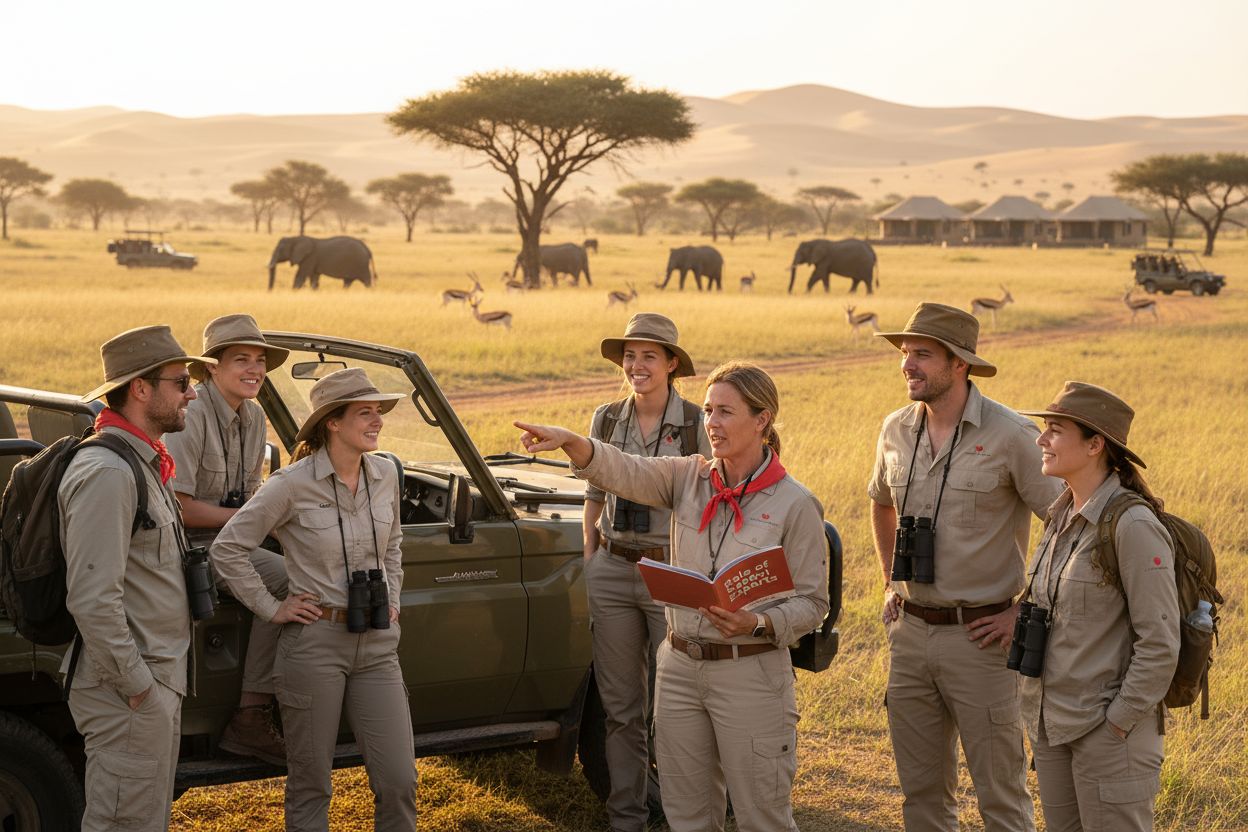
Understanding the Role of Safari Experts in Wildlife Travel
Explore the role of safari experts and gain a comprehensive understanding of how they enhance wildlife travel experiences for all types of travelers.
Feb 20, 2026
Guide organisation safari all inclusive : vivez l'aventure de vos rêves
Découvrez notre guide organisation safari all inclusive étape par étape pour planifier un voyage inoubliable au cœur de la nature.