
Mar 8, 2026
Discover key differences between luxury and classic safaris in Namibia. Compare accommodations, personalization, pricing, and experiences to choose your ideal African adventure.
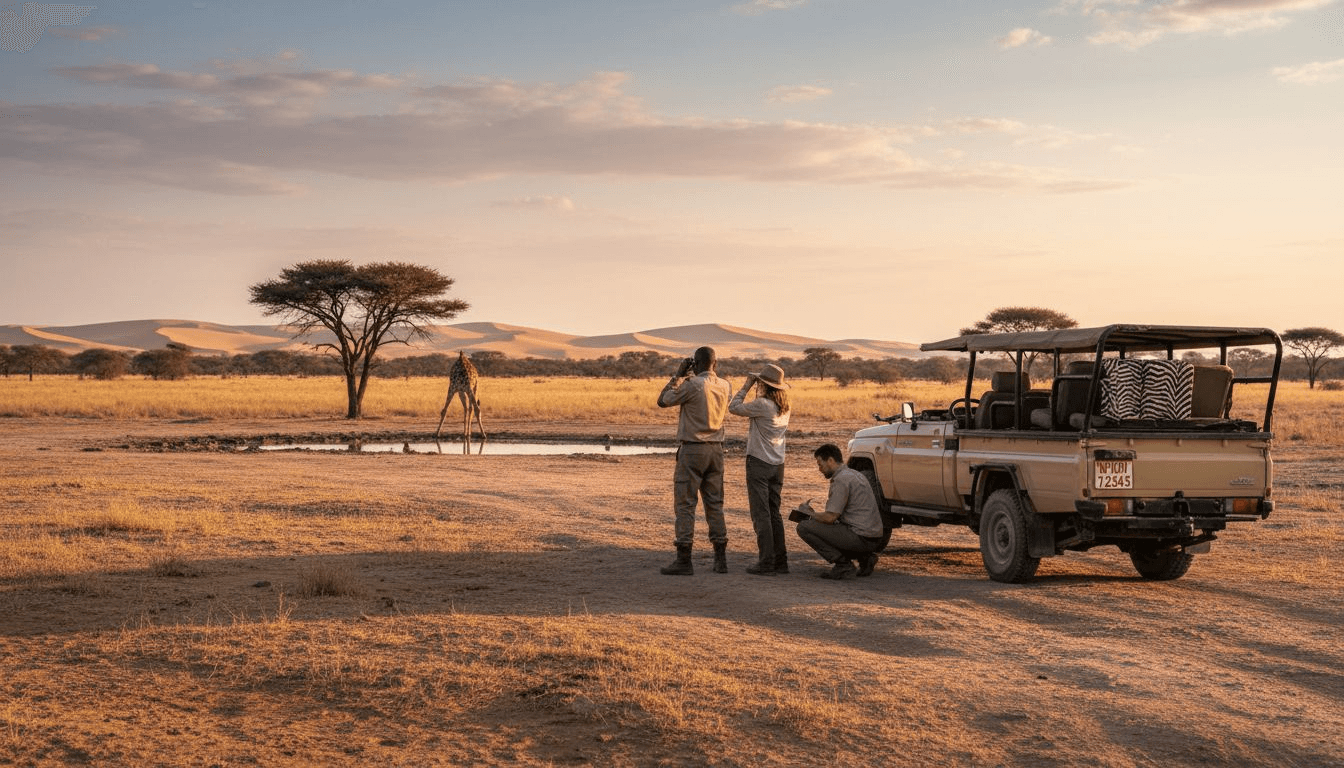
Understand luxury versus classic safaris in Namibia
Many travelers assume luxury safaris merely swap basic tents for expensive hotels. The reality runs deeper. Luxury safaris emphasize exclusivity, personalized service, and high comfort levels through private guides, tailored itineraries, and intimate wildlife encounters. Classic safaris offer traditional group adventures with communal viewing and authentic bush experiences. Understanding these distinctions helps you choose the safari that matches your travel style and expectations.
Table of Contents
Introduction To Safari Types: Luxury Vs Classic
Defining Luxury Vs Classic Safaris
Accommodation & Amenities Comparison
Experience & Personalization Differences
Pricing Structures And Value Assessments
Common Misconceptions About Safari Types
Additional Considerations: Sustainability And Personal Preferences
Explore Luxury Safari Options With Secret Namibia
Frequently Asked Questions
Key takeaways
Point | Details |
|---|---|
Exclusivity defines luxury | Private vehicles, dedicated guides, and customized schedules create intimate wildlife experiences |
Classic safaris emphasize tradition | Group-based viewing, shared accommodations, and communal activities foster adventure camaraderie |
Accommodation quality varies significantly | Five-star lodges with private pools versus functional tented camps with shared facilities |
Pricing reflects experience depth | Luxury costs three to four times more but includes personalized service and reduced guest-to-staff ratios |
Personal preferences guide selection | Consider your comfort needs, privacy expectations, and desired activity customization |
Introduction to safari types: luxury vs classic
Namibia and Southern Africa offer two distinct safari experiences. Luxury versus standard safaris cater to different traveler priorities and budgets.
Luxury safaris center on exclusivity and personalization. You receive private guides, customized itineraries, and high-end accommodations. These experiences prioritize comfort without sacrificing wildlife authenticity. Small group sizes or solo travel ensure intimate animal encounters.
Classic safaris embrace traditional group adventures. You share vehicles with fellow travelers, follow set schedules, and stay in functional camps. These trips emphasize communal wildlife viewing and authentic bush experiences. The focus remains on adventure rather than amenities.
Both safari types deliver genuine wildlife encounters across iconic destinations. Etosha National Park, the Namib Desert, and Okavango Delta serve both markets. Your choice depends on preferred comfort levels and budget flexibility.
Key features distinguish each type:
Luxury: private vehicles, dedicated guides, five-star lodges, customized schedules, premium dining
Classic: shared transport, group guides, tented camps, fixed itineraries, communal meals
The spectrum ranges from rustic authenticity to refined exclusivity. Neither approach compromises wildlife quality. Both connect you with Africa’s remarkable landscapes and animals through different lenses.
Defining luxury vs classic safaris
Core differences emerge in how each safari type structures guest experiences. Understanding these distinctions clarifies value propositions.
How luxury safaris differ starts with guest ratios. Luxury operations maintain lower guest-to-staff numbers. You often receive dedicated guides and camp staff focused solely on your party. This attention enables flexible scheduling and personalized wildlife tracking.
Classic safaris operate with higher guest ratios. One guide manages groups of eight to twelve travelers. Activities follow predetermined schedules to accommodate everyone. This structure reduces costs but limits customization.
Accommodation approaches differ fundamentally. Luxury lodges provide private suites with exclusive amenities. You control meal times, activity schedules, and rest periods. Classic camps offer shared facilities where group coordination becomes necessary.
Vehicle arrangements separate the experiences further. Luxury safaris use private 4x4s for your party alone. You decide wildlife viewing duration and photography stops. Classic safaris share vehicles among guests, requiring group consensus on timing and destinations.
What is included in luxury safaris extends beyond physical amenities. Itinerary personalization allows spontaneous changes based on animal movements or weather. Classic safaris follow fixed programs with limited flexibility.
Feature | Luxury Safari | Classic Safari |
|---|---|---|
Guest-to-guide ratio | 4:1 or private | 10:1 or higher |
Vehicle usage | Private 4x4 | Shared transport |
Schedule flexibility | Fully customizable | Fixed itinerary |
Accommodation type | Private suites | Shared facilities |
Activity personalization | Tailored to interests | Standard program |
Exclusivity shapes every interaction. Luxury travelers enjoy private sundowners at remote locations. Classic safari groups share communal viewing platforms and scheduled meal times. Both deliver wildlife encounters, but the intimacy levels contrast sharply.
Personalization drives satisfaction in luxury contexts. Guides learn your photography interests or wildlife preferences. They adjust plans to maximize relevant encounters. Classic guides balance diverse group interests with predetermined schedules.
Accommodation & amenities comparison
Lodging quality creates the most visible distinction between safari types. Physical comfort and available facilities vary dramatically.
Luxury lodge amenities include private plunge pools overlooking waterholes. Climate-controlled suites feature king beds with premium linens. En-suite bathrooms provide double vanities, soaking tubs, and outdoor showers. Butler service manages daily needs from laundry to dietary preferences.
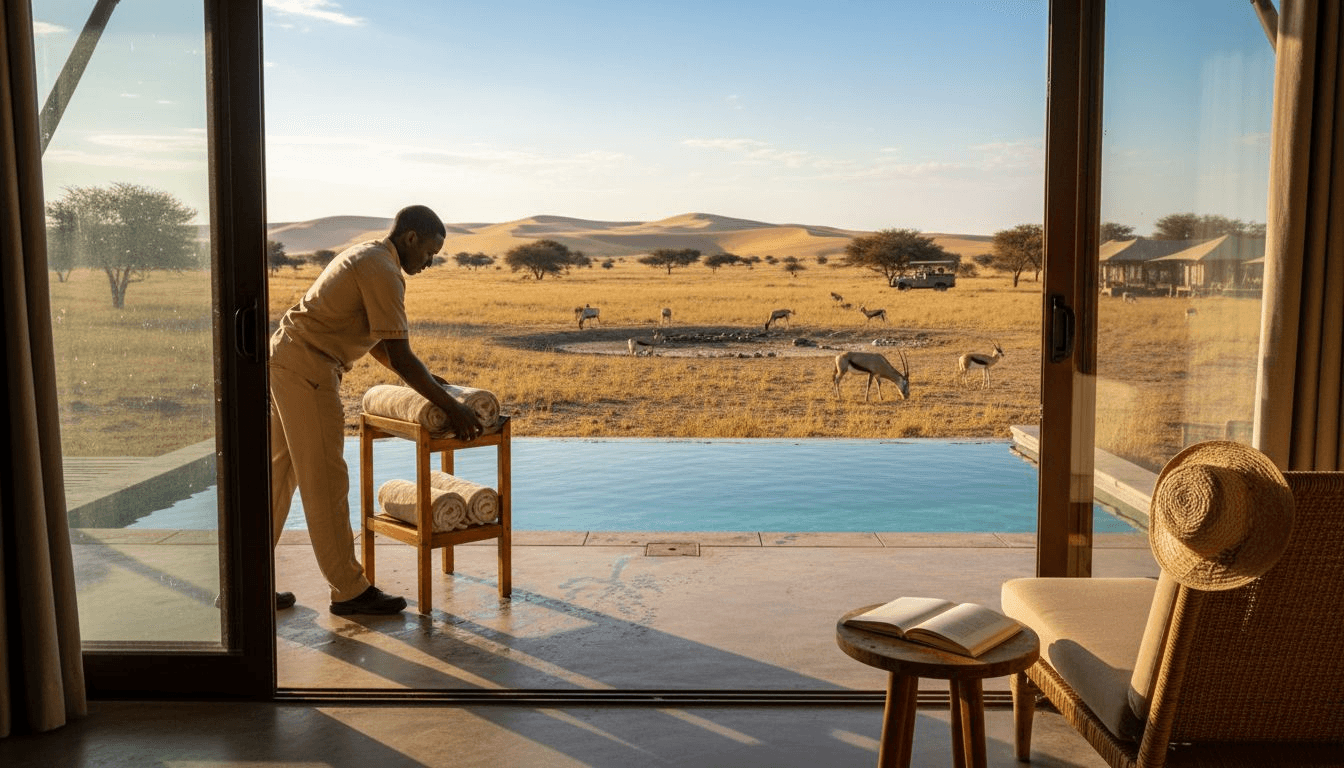
Classic camps emphasize functional comfort. Canvas tents contain twin beds and basic furniture. Shared ablution blocks serve multiple guests. Kerosene lamps replace electric lighting in remote locations. The rustic approach connects you directly with bush environments.
Dining experiences reflect these differences. Luxury lodges employ trained chefs who prepare multi-course meals with wine pairings. Private dining options include bush breakfasts and romantic dinners under stars. Dietary restrictions receive careful attention.
Classic safari meals favor hearty buffets served communally. Menus focus on filling portions rather than culinary innovation. Limited dietary accommodations require advance notice. The social atmosphere encourages traveler interaction during meals.
Amenity Category | Luxury Option | Classic Option |
|---|---|---|
Room type | Private suite with pool | Canvas tent, shared facilities |
Bathroom | En-suite with tub and shower | Communal ablution block |
Climate control | Air conditioning and heating | Natural ventilation |
Dining style | À la carte with wine pairings | Buffet, communal seating |
Additional services | Spa, butler, laundry | Basic housekeeping |
Service quality distinguishes luxury dramatically. Staff anticipate needs before you articulate them. Rooms receive turndown service with treats. Personal preferences noted on arrival guide subsequent interactions.
Classic camps provide friendly but limited service. Staff manage essential functions like meals and cleaning. Personalization remains minimal due to higher guest numbers and constrained resources.
Pro Tip: Verify specific amenities before booking. Luxury lodges vary significantly in offerings. Some emphasize wildlife immersion over spa treatments. Clarify priorities like pool access or dietary flexibility to avoid disappointment.
Comfort expectations shape daily experiences. Luxury guests return from drives to air-conditioned relaxation. Classic travelers embrace warmer tents and simpler facilities as part of authentic bush living. Neither approach diminishes wildlife quality, but post-drive comfort differs substantially.
Experience & personalization differences
Wildlife viewing methodologies and activity options separate luxury from classic safaris beyond accommodation differences.
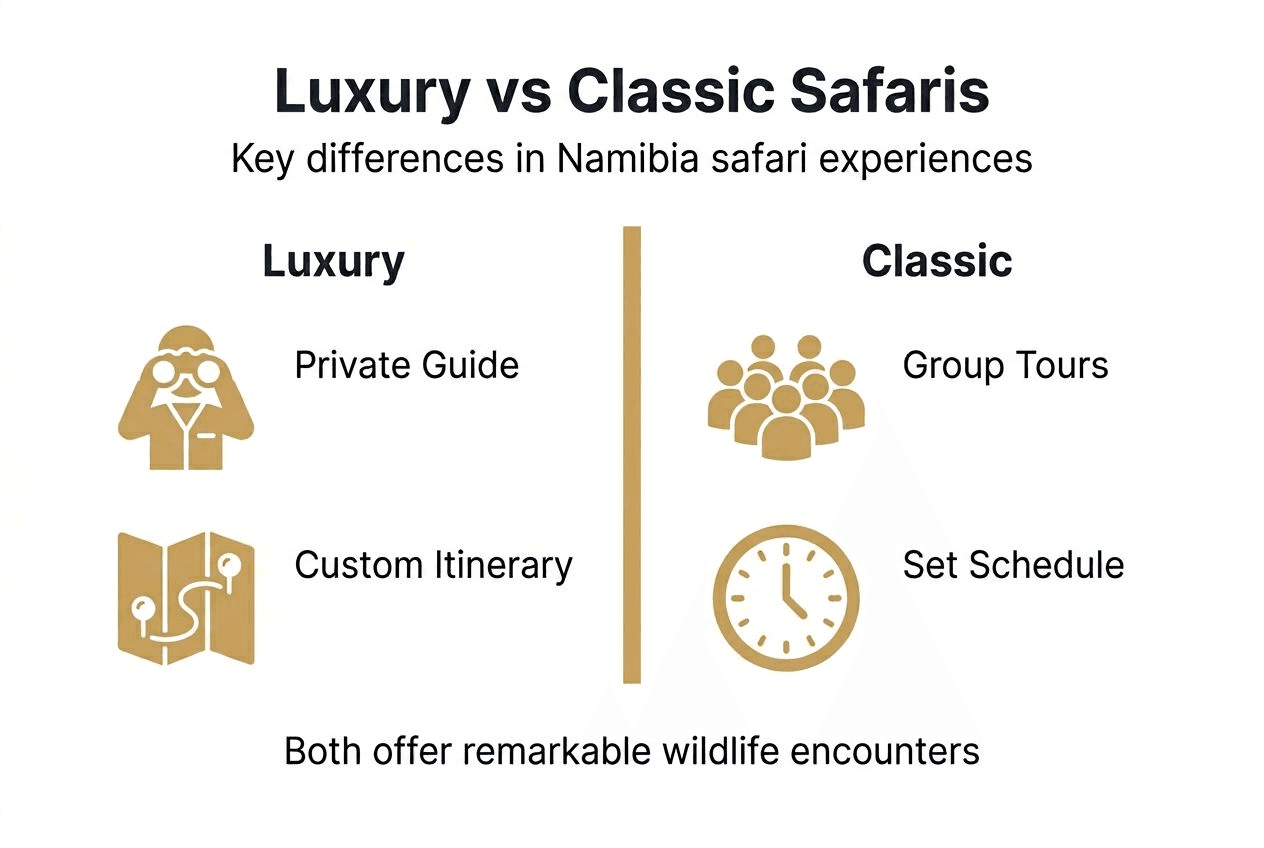
Luxury wildlife experiences feature private guides who tailor each drive to your interests. Photographers receive extra time at sightings for perfect shots. Families with young children adjust schedules around nap times. Solo travelers pursue specific animal behaviors without group compromise.
Classic safaris assign one guide to multiple guests with varied interests. Photographers compete with families for vehicle positioning. Departure times accommodate group readiness rather than individual preferences. Wildlife viewing follows fixed routes and schedules.
Exclusive activities distinguish luxury offerings significantly:
Hot air balloon safaris over desert landscapes
Night drives tracking nocturnal predators
Walking safaris with armed rangers
Private bush dinners at remote locations
Helicopter flights over dramatic terrain
Extended photography sessions with professional guides
Classic safaris include standard game drives and occasional night drives. Walking safaris and specialty activities carry additional costs. Helicopter flights and balloon rides remain largely unavailable due to operational constraints.
Cultural immersion approaches differ subtly. Classic safaris often incorporate village visits as scheduled group activities. Luxury operations arrange private community interactions aligned with guest interests. Both support local economies, but engagement depth varies.
Guide expertise levels show minimal variation. Both safari types employ qualified professionals. The difference lies in attention availability. Private guides focus entirely on your party. Group guides balance multiple personalities and interests simultaneously.
Pro Tip: Define activity priorities before booking. Some travelers value exclusive balloon flights while others prefer extended game drives. Match safari style to desired experiences rather than assuming luxury automatically includes every activity. Verify inclusions to avoid surprise costs.
Adventure versus comfort creates interesting trade-offs. Classic safaris immerse you in bush rhythms through simpler accommodations and communal experiences. Luxury options provide wildlife access without sacrificing modern comforts. Neither approach guarantees superior sightings, but the journey differs fundamentally.
Photography enthusiasts benefit most from private luxury setups. Extended sightings and flexible positioning improve shot quality. Group dynamics in classic safaris complicate extended stops at single locations.
Pricing structures and value assessments
Cost differences between safari types reflect service depth and exclusivity levels. Understanding pricing helps assess value alignment with expectations.
Luxury safaris cost approximately three to four times more than classic equivalents. Seven-night luxury experiences range from $8,000 to $15,000 per person. Classic safaris cost $2,000 to $4,000 for similar durations. Premium positioning drives these gaps.
Luxury inclusions justify higher costs:
Private vehicle and dedicated guide
All meals with premium beverages
Specialized activities like balloon flights
En-suite luxury accommodation
Airport transfers and internal flights
Park fees and conservation levies
Laundry and butler service
Classic safari packages include essential elements:
Shared transport and group guide
Three meals daily with basic drinks
Standard game drives
Tented accommodation
Park entry fees
Exclusive amenities and personalization create luxury value beyond base wildlife access. Private guides adapt to your schedule and interests. Climate-controlled suites provide comfort after drives. Premium dining elevates daily experiences.
Price Factor | Luxury Impact | Classic Impact |
|---|---|---|
Accommodation quality | Five-star lodges, $800-1,500/night | Functional camps, $150-300/night |
Guide ratio | Private or 4:1, premium cost | Shared 10:1, standard rate |
Activity range | Extensive specialty options | Limited standard drives |
Service level | Personalized butler service | Basic hospitality |
Flexibility | Fully customizable schedule | Fixed group itinerary |
Value assessment extends beyond price comparisons. Budget matters, but experience quality and personal satisfaction drive ultimate value. Luxury travelers prioritize privacy, comfort, and customization. Classic safari guests value adventure authenticity and cost efficiency.
Hidden costs deserve attention. Classic safaris may charge extra for night drives, walking safaris, or premium beverages. Luxury packages typically include these elements. Total cost comparison requires examining complete inclusions.
Experienced safari travelers understand that price reflects the entire experience ecosystem. Wildlife encounters remain consistent across price points, but journey comfort, personalization depth, and exclusive access create value distinctions worth considering carefully.
Cost drivers include lodge construction and maintenance expenses. Five-star properties in remote locations require significant infrastructure investment. Classic camps minimize facilities to reduce operational costs. Staff training and ratios further separate pricing tiers.
Budget safari trip for luxury experience strategies exist. Off-season travel reduces luxury costs significantly. Shorter trip durations or mixing luxury and classic accommodations create middle-ground options. Flexibility in timing and willingness to compromise on some amenities expands access.
Common misconceptions about safari types
Several myths distort traveler perceptions of luxury and classic safaris. Clearing these misconceptions enables informed decisions.
Myth one assumes luxury safaris only offer expensive hotels without substantive experience differences. Reality reveals that exclusivity, personalized guiding, and customized itineraries separate luxury from mere accommodation upgrades. Not all luxury safaris are just expensive hotels and the experience depth justifies premium costs.
Myth two suggests classic safaris lack authenticity and safety. Well-operated classic safaris deliver genuine bush experiences with qualified guides. Safety standards remain consistent across reputable operators regardless of price point. Authenticity depends on operator philosophy rather than accommodation luxury.
Myth three claims price alone differentiates safari types. While cost correlates with service levels, the true distinctions involve personalization, exclusivity, and flexibility. Cheap luxury accommodations without customization fail to deliver authentic luxury experiences. Conversely, well-designed classic safaris provide exceptional value through expert guiding and strategic location selection.
Myth four assumes cultural exposure belongs exclusively to classic safaris. Both types offer community interactions. Luxury operations arrange private village visits aligned with guest interests. Classic safaris incorporate scheduled group community activities. Namibia safari myths debunked reveals that cultural depth depends on operator relationships rather than safari category.
Myth five believes wildlife sightings improve automatically with luxury pricing. Animal encounters depend on location, season, and guide expertise rather than accommodation quality. Both safari types access identical wildlife areas. Sighting success relates to guide knowledge and timing, not lodge stars.
Additional clarifications include:
Luxury safaris can embrace simplicity when focused on wildlife immersion over amenities
Classic safaris sometimes offer surprising comfort levels in well-appointed camps
Price variations within each category create overlapping options
Operator reputation matters more than generic luxury versus classic labels
Understanding what makes a safari luxury requires examining specific offerings rather than accepting broad categorizations. Research individual lodges and operators to verify alignment with your expectations.
Realistic expectations prevent disappointment. Luxury travelers should anticipate premium service but understand that wilderness settings impose natural limitations. Classic safari guests should expect functional comfort without comparing to urban hotel standards. Both experiences deliver remarkable wildlife access through different service frameworks.
Additional considerations: sustainability and personal preferences
Beyond tangible differences, sustainability practices and traveler personality traits influence safari selection meaningfully.
Luxury operators increasingly prioritize environmental responsibility. Solar power, water conservation systems, and waste management programs minimize ecological footprints. High nightly rates enable investment in conservation initiatives and anti-poaching efforts. Some luxury lodges dedicate portions of revenue to wildlife research or community development.
Classic safari operators also embrace sustainability but with different approaches. Simpler facilities naturally consume fewer resources. Community engagement occurs through employment and local sourcing. Lower margins limit conservation funding compared to luxury counterparts.
Sustainability considerations include:
Carbon footprint from travel logistics and accommodation operations
Water usage in desert environments requiring conservation
Waste management practices in remote wilderness areas
Community benefit sharing and local employment practices
Wildlife conservation funding through park fees and direct contributions
Habitat preservation initiatives supported by operator partnerships
Community engagement quality varies by operator rather than safari type. Ethical luxury lodges employ local staff, source regional products, and fund education projects. Responsible classic operators similarly prioritize community benefit. Budget safari trip for luxury experience strategies should evaluate sustainability commitments regardless of price category.
Personal preferences shape ideal safari selection beyond budget considerations. Introverted travelers often prefer luxury privacy over classic communal settings. Extroverts may enjoy group dynamics and shared meal conversations. Adventure seekers might choose rustic classic camps for authentic bush immersion. Comfort-oriented travelers select luxury lodges prioritizing amenities.
Travel style assessment helps guide decisions:
Do you value privacy or enjoy meeting fellow travelers?
Does wilderness authenticity outweigh modern comfort needs?
Are customized schedules important or do fixed itineraries suit you?
How significant is culinary quality versus simple nourishment?
Does exclusive wildlife access justify substantially higher costs?
Age and physical ability influence preferences. Older travelers or those with mobility challenges benefit from luxury accessibility and comfort. Younger, active guests may prioritize adventure over amenities. Families with children need flexibility that luxury customization provides.
Balancing ecological responsibility with personal comfort requires honest self-assessment. Choose operators demonstrating genuine sustainability commitments through third-party certifications or transparent practices. Verify community engagement extends beyond token gestures to meaningful economic benefit.
Explore luxury safari options with Secret Namibia
Now that you understand the distinctions between safari types, Secret Namibia helps you access Namibia’s finest luxury Namibia safaris tailored precisely to your preferences. Our expertise in crafting exclusive itineraries ensures your 2026 adventure balances wildlife authenticity with premium comfort.
We specialize in connecting discerning travelers with experiences that demonstrate luxury versus standard safaris differences through personalized service, exclusive access, and exceptional accommodations. Whether you seek private Etosha encounters, Namib Desert exclusivity, or Victoria Falls luxury extensions, our team designs journeys reflecting your unique vision. Explore our comprehensive luxury Namibia safaris 2025 collection to begin planning your transformative African adventure with confidence and expert support.
Frequently asked questions
What is the main difference between luxury and classic safaris?
Luxury safaris emphasize exclusivity, privacy, and personalized experiences through private guides, customized itineraries, and premium accommodations. Classic safaris focus on traditional group wildlife viewing with shared vehicles, fixed schedules, and functional camps. The core distinction involves service personalization rather than wildlife access quality.
Are luxury safaris always more authentic than classic safaris?
Authenticity depends entirely on operator philosophy and activities rather than accommodation luxury levels. Both safari types can deliver genuine wildlife encounters and cultural experiences. Classic safaris sometimes offer deeper bush immersion through simpler facilities, while luxury operations provide authentic experiences wrapped in premium comfort.
How should I choose between luxury and classic safari experiences?
Assess your preferences for privacy, comfort levels, and budget flexibility first. Consider desired activity customization and schedule control importance. Research specific lodge offerings and operator reputations to match your expectations. Honest evaluation of comfort needs versus adventure priorities guides optimal selection.
What additional costs should I expect with luxury safaris?
Most luxury packages include transport, meals, guided activities, and accommodation comprehensively. Additional costs may arise from premium alcoholic beverages beyond house selections, spa treatments, specialized photography workshops, or helicopter flights. Verify complete inclusions during booking to avoid surprise expenses and budget accurately.
Can I experience luxury elements on a classic safari budget?
Selective luxury incorporation through strategic choices creates middle-ground options. Consider mixing accommodation types, traveling during shoulder seasons for discounted luxury rates, or selecting shorter luxury segments within longer classic trips. Some operators offer luxury-style guiding with simpler accommodations, balancing experience quality with cost efficiency.
Do luxury safaris guarantee better wildlife sightings than classic options?
Wildlife encounters depend on location, seasonal timing, and guide expertise rather than accommodation luxury. Both safari types access identical wildlife areas and employ qualified guides. Luxury advantages include flexible schedules allowing extended sightings and private vehicles enabling optimal positioning, but animal presence remains unpredictable regardless of price point.
Recommended
RELATED
Safari Guides
Oct 30, 2025
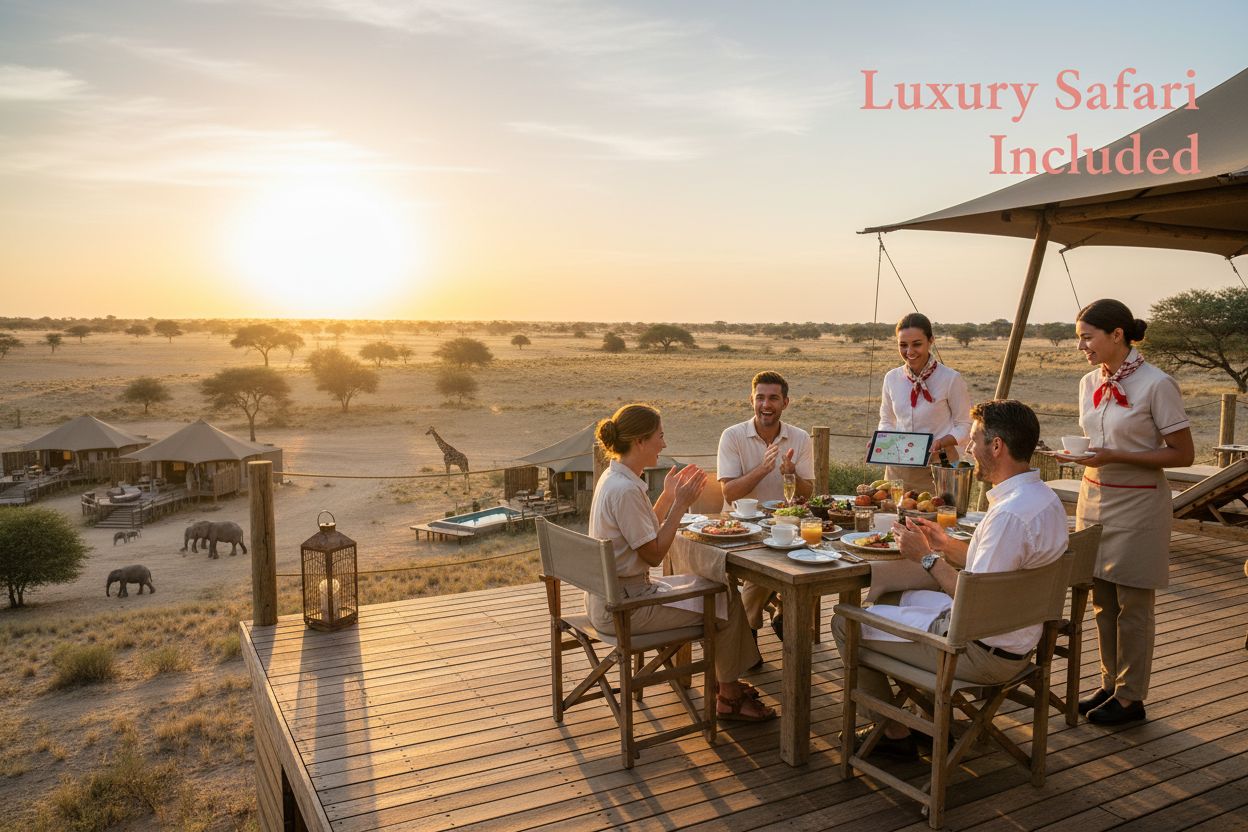
Understanding What is Included in Luxury Safaris
Explore what is included in luxury safaris, from exclusive accommodations to bespoke experiences that cater to discerning travelers.
Feb 24, 2026
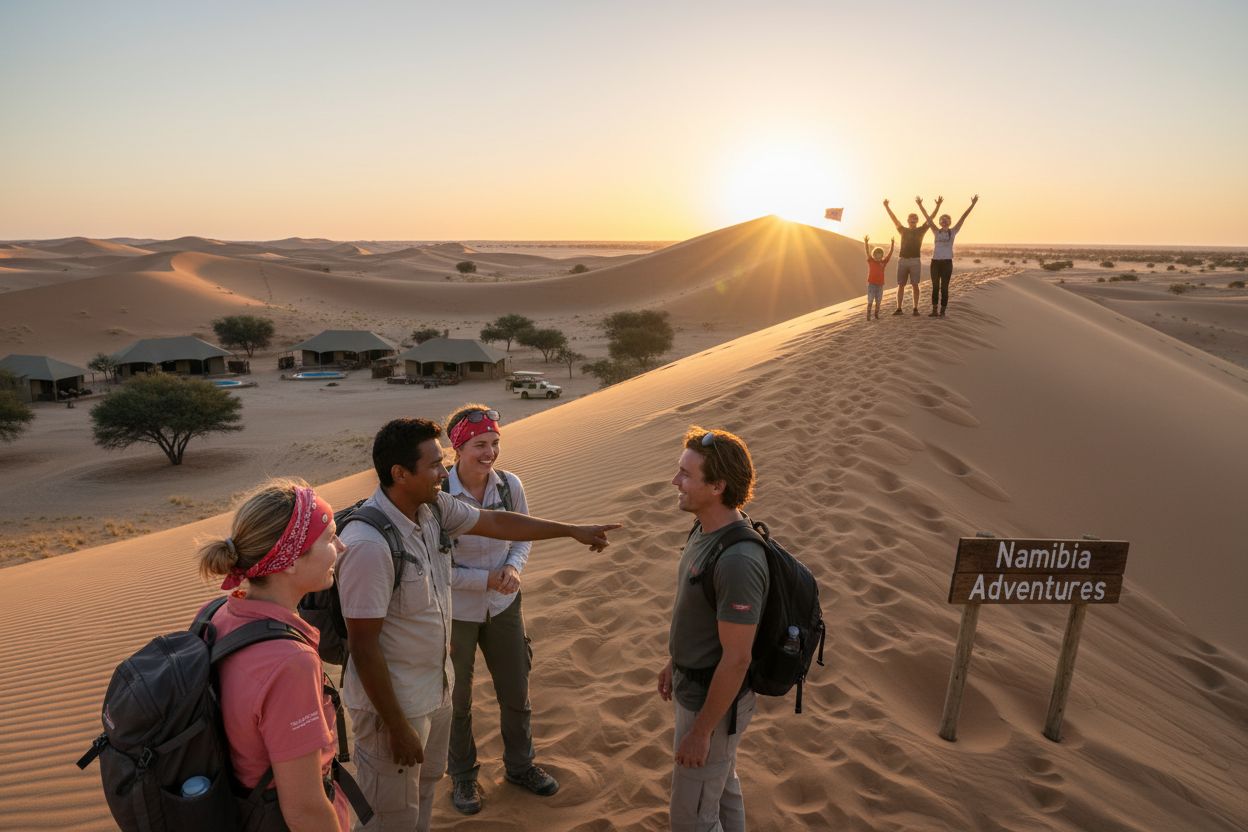
Why Namibia Adventures Matter: An In-Depth Look
Discover why Namibia adventures are essential for luxury travelers seeking unique, immersive experiences in nature and wildlife exploration.
Feb 23, 2026
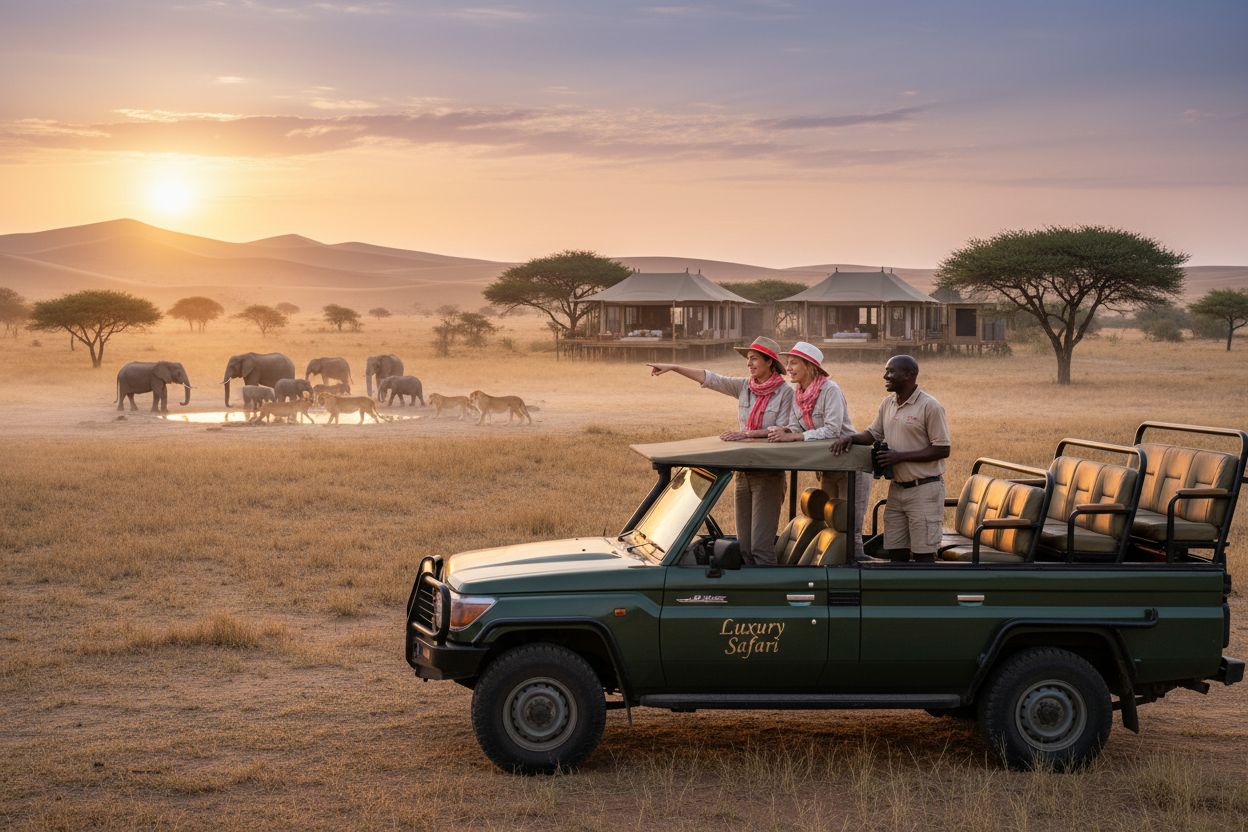
What to Expect on a Luxury Safari: A Comprehensive Guide
Discover what to expect on a luxury safari and gain a deeper understanding of the unique experiences that await you in the wild.
Feb 22, 2026
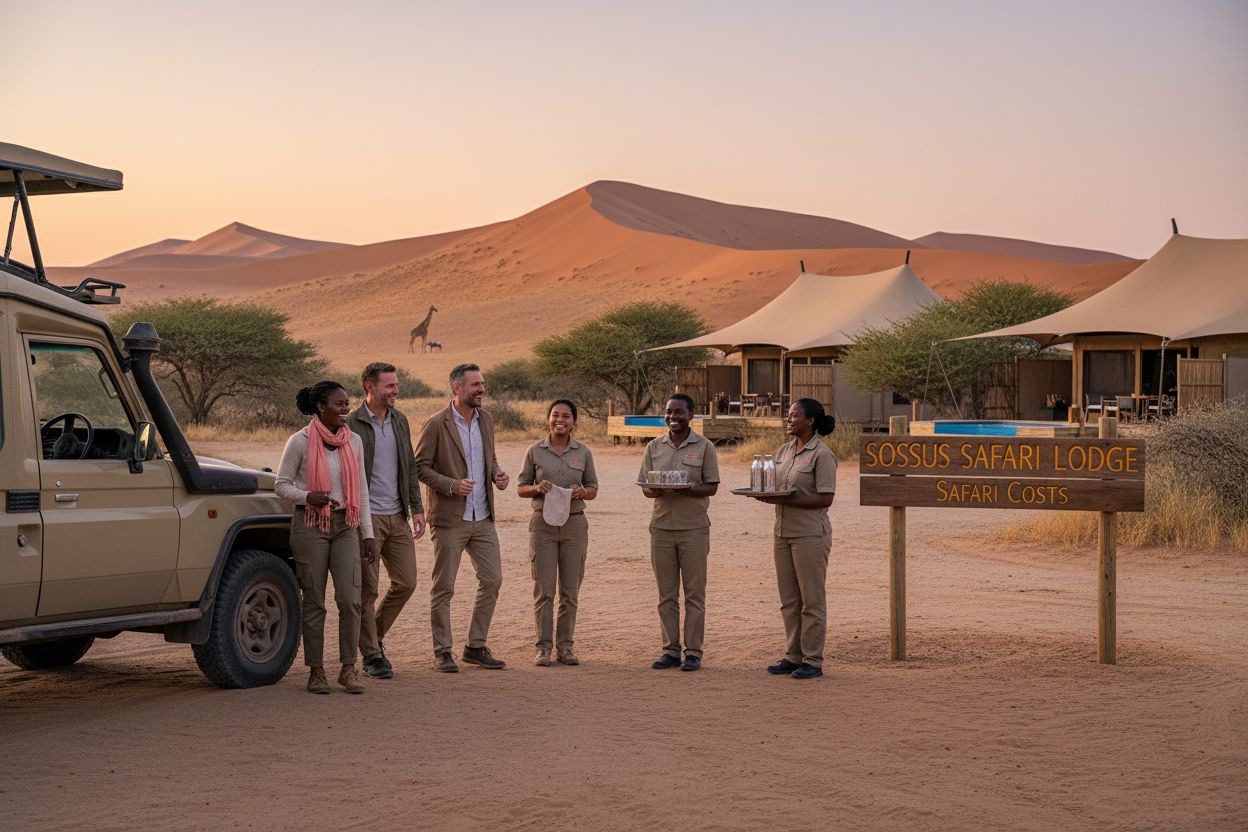
Understanding Namibia Safari Costs Explained
Explore Namibia safari costs explained to uncover what influences pricing and what it means for your adventure.
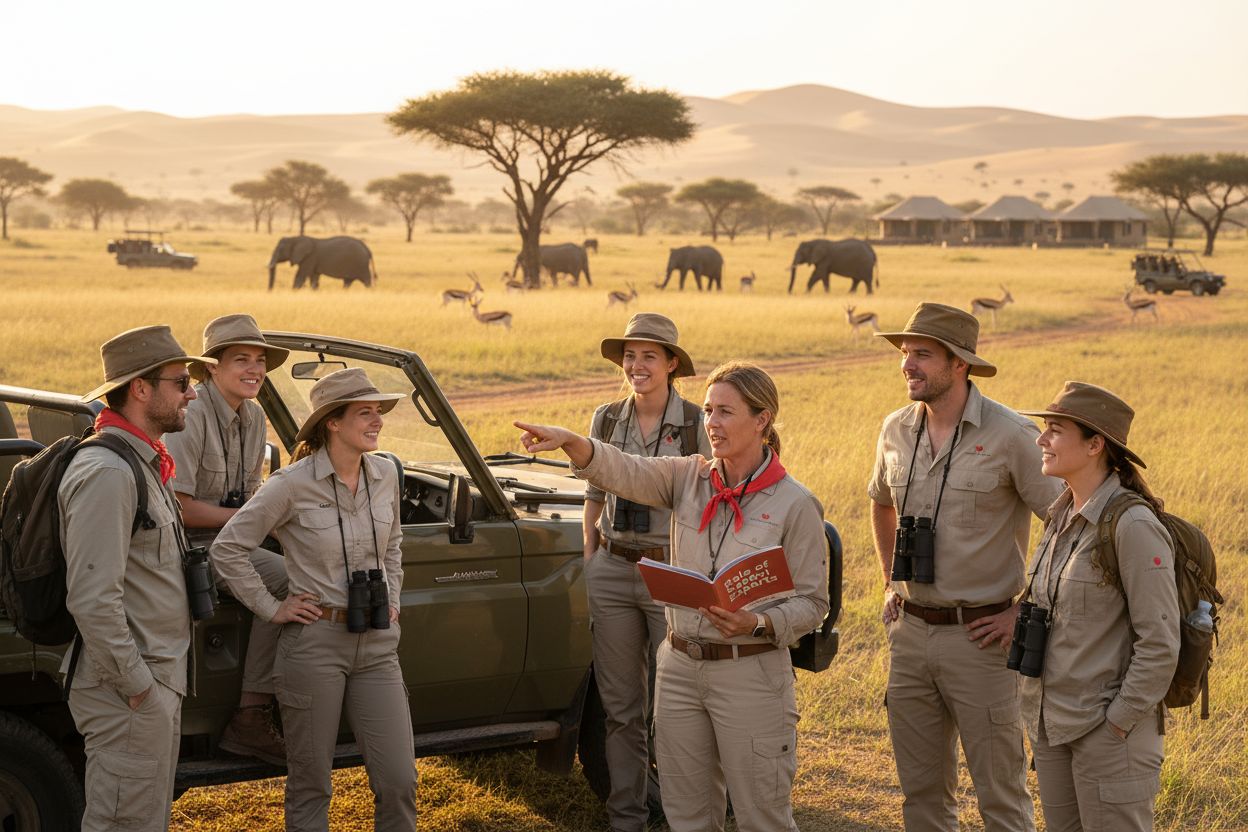
Feb 21, 2026
Understanding the Role of Safari Experts in Wildlife Travel
Explore the role of safari experts and gain a comprehensive understanding of how they enhance wildlife travel experiences for all types of travelers.
Feb 20, 2026
Guide organisation safari all inclusive : vivez l'aventure de vos rêves
Découvrez notre guide organisation safari all inclusive étape par étape pour planifier un voyage inoubliable au cœur de la nature.