
Jul 1, 2025
Discover 7 actionable ways to protect endangered species in Namibia, ideal for luxury safari travellers keen on conservation and meaningful adventure.
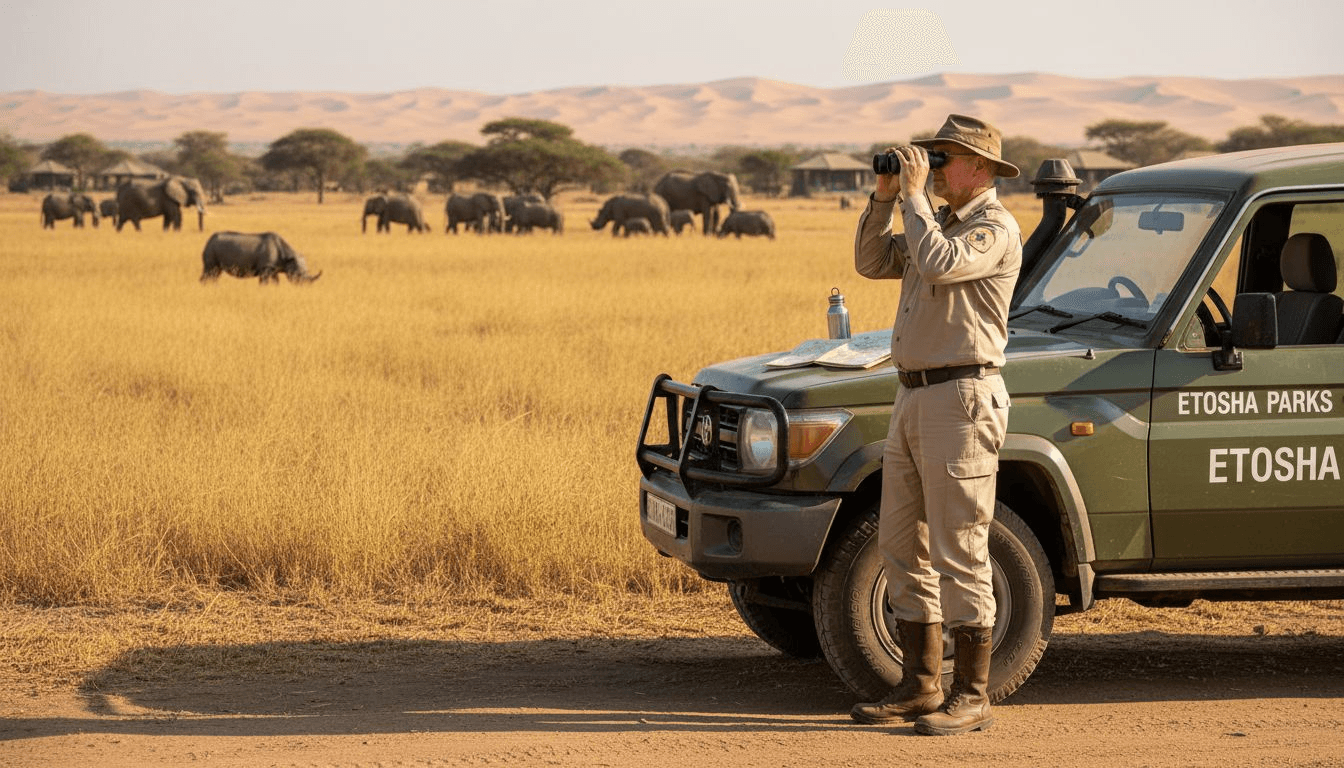
7 Ways to Support Endangered Species in Namibia
Most south-african wildlife enthusiasts know Namibia excels as a haven for Africa’s rarest animals. For European and North American travellers seeking luxury safaris, this exceptional country offers exclusive access to endangered species like black rhinoceros and cheetahs. Namibia protects over 17% of its land through national parks and conservancies, making it one of the world’s top conservation destinations. Discover how your trip can directly support wildlife preservation and benefit local communities while experiencing unforgettable safari adventures.
Table of Contents
Understand Namibia’s Iconic Endangered Species
Learn About Key Wildlife Conservation Programmes
Visit Responsible Safari Lodges and Parks
Join Guided Conservation Activities on Safari
Support Local Communities Involved in Wildlife Protection
Follow Ethical Wildlife Viewing Practices
Contribute to Namibian Conservation Charities
Quick Summary
Key Message | Explanation |
|---|---|
1. Support Community Conservancies | Engage in eco-friendly tourism that supports local conservation efforts and wildlife management in Namibia. |
2. Choose Responsible Safari Operators | Opt for lodges that demonstrate commitment to conservation and sustainability through ethical practices and local engagement. |
3. Participate in Guided Conservation Activities | Join conservation programmes to actively contribute to wildlife protection while gaining insights into Namibia’s ecosystems. |
4. Follow Ethical Viewing Practices | Respect wildlife by maintaining appropriate distances and avoiding behaviour that disturbs their natural habits during observations. |
5. Donate to Reputable Conservation Charities | Contribute to established organisations that focus on both wildlife protection and community development for greater impact. |
1. Understand Namibia’s Iconic Endangered Species
Namibia stands as a critical sanctuary for some of Africa’s most remarkable endangered wildlife, hosting extraordinary populations of species fighting for survival. Biodiversity hotspots in Namibia encompass unique ecosystems where rare and threatened animals find their last strongholds.
The country boasts extraordinary conservation significance, particularly for species like black rhinoceros and cheetahs. Namibia supports the largest free-roaming populations of cheetahs worldwide, with approximately 3,000 individuals remaining in the wild. These magnificent predators face significant challenges from habitat fragmentation, human conflict, and diminishing prey populations.
Black rhinoceros populations represent another critical conservation success story. Despite historical declines from poaching, Namibia has become a global leader in black rhino protection. The country’s dedicated conservation strategies have helped stabilise and gradually increase these prehistoric looking mammals populations.
Elephant herds in Namibia also demonstrate remarkable resilience. While facing challenges from drought and human settlements, these intelligent creatures continue to adapt and survive in some of the world’s most challenging desert environments. Their ability to traverse vast landscapes while maintaining social structures offers hope for long-term species survival.
Pro tip: Consider supporting local conservation organisations that work directly with Namibian wildlife protection and community engagement programmes.
2. Learn About Key Wildlife Conservation Programmes
Namibia has pioneered groundbreaking wildlife conservation approaches that transform how communities interact with and protect endangered species. Community conservancy programmes represent a revolutionary model of conservation that empowers local populations while protecting wildlife habitats.
The country has established 86 communal conservancies covering an impressive 20% of its national territory. These conservancies are not merely protected areas but dynamic ecosystems where local communities actively manage and benefit from wildlife resources. By granting legal rights to community members and creating economic incentives through wildlife tourism, Namibia has successfully reversed wildlife population declines in communal regions.
WWF Namibia’s Sustainable Wildlife Management programme plays a critical role in these conservation efforts. The programme focuses on balancing wildlife protection with community needs by providing practical tools like fencing to mitigate human wildlife conflicts. Scientific data and local indigenous knowledge guide these adaptive management strategies, ensuring sustainable approaches that benefit both humans and animals.
Key conservation strategies include deploying community game guards who monitor wildlife populations, establishing partnerships with tourism operators to generate community income, and creating legal frameworks that recognise local communities as stewards of their natural environments. These approaches demonstrate how conservation can be a collaborative process that generates social and economic benefits.
Pro tip: When visiting Namibia, choose safari operators and accommodation that actively support community conservancy programmes to directly contribute to wildlife protection efforts.
3. Visit Responsible Safari Lodges and Parks
Choosing responsible safari lodges and parks represents a powerful way to directly support wildlife conservation efforts in Namibia. Wildlife and National Parks management in the country demonstrates an exceptional commitment to preserving biodiversity while creating sustainable tourism experiences.
Namibia protects approximately 17% of its national territory through carefully managed conservation areas including renowned destinations like Etosha National Park and Namib-Naukluft Park. These protected regions serve as critical habitats for unique wildlife populations including the world’s largest population of cheetahs and remarkable desert-adapted elephant herds.
Responsible safari lodges contribute to conservation by implementing sustainable practices that minimise environmental impact and support local communities. Visitors should seek accommodations that demonstrate clear commitments to wildlife protection through practices such as low-impact infrastructure, community employment programmes, and direct financial contributions to conservation initiatives.
When selecting a safari lodge or park, look for certifications from recognised conservation organisations that validate the establishment’s environmental credentials. Prioritise lodges that employ local guides, invest in wildlife research, support anti-poaching efforts, and maintain transparent reporting about their conservation contributions.
Pro tip: Research and select safari lodges that provide clear documentation of their conservation investments and community support programmes before making your booking.
4. Join Guided Conservation Activities on Safari
Guided conservation activities offer travellers a unique opportunity to directly participate in wildlife preservation efforts while gaining unprecedented insights into Namibia’s extraordinary ecosystems. Community-based conservation projects provide immersive experiences that transform tourists from passive observers into active contributors to environmental protection.
Organisations like the Cheetah Conservation Fund create remarkable programmes that enable visitors to engage with wildlife monitoring initiatives. These activities involve participating in field research, tracking animal populations, assisting with habitat assessments, and learning about critical conservation challenges directly from expert researchers and local community members.
Participating in guided conservation activities allows travellers to understand the complex interactions between wildlife, local communities, and ecological systems. Visitors might join biodiversity monitoring teams, assist with camera trap installations, contribute to anti poaching efforts, or participate in community education programmes that address human wildlife conflict resolution.
These experiences provide more than just a safari adventure. They offer profound educational opportunities to understand the intricate challenges of wildlife conservation and the critical role that local communities play in protecting endangered species. By actively participating, travellers contribute financial resources and raise global awareness about Namibia’s unique conservation efforts.
Pro tip: Book conservation activities through accredited organisations that demonstrate transparent community engagement and direct scientific research outcomes.
5. Support Local Communities Involved in Wildlife Protection
Supporting local communities is a critical strategy for sustainable wildlife conservation in Namibia. Community conservancy networks represent a groundbreaking approach that transforms local residents into active environmental stewards.
Namibia has pioneered a remarkable model where community conservancies cover over 20% of the national territory. These innovative areas enable local populations to generate economic benefits directly from wildlife conservation through sustainable tourism partnerships and carefully managed resource utilisation. By creating financial incentives for preservation, these programmes effectively align community interests with environmental protection.
The Namibian Association of CBNRM Support Organisations plays a crucial role in this ecosystem by providing training, governance support, and policy guidance to community conservancies. Their work ensures that local communities receive equitable benefits from wildlife management including tourism revenues, hunting permits, and sustainable resource extraction.
Visitors can support these initiatives by choosing tourism experiences that directly benefit local conservancies. This might involve booking tours operated by community groups, purchasing locally made crafts, participating in community guided experiences, or making direct contributions to conservancy development programmes.
Pro tip: Research and select safari experiences that demonstrate transparent community benefit sharing and provide direct economic opportunities for local conservation participants.
6. Follow Ethical Wildlife Viewing Practices
Ethical wildlife viewing requires thoughtful engagement that prioritises animal welfare and ecosystem preservation. Sustainable tourism policies in Namibia establish critical guidelines to ensure minimal disruption to wildlife during safari experiences.
Namibia’s Ministry of Environment, Forestry and Tourism has developed comprehensive regulations designed to protect both wildlife and visitor experiences. These guidelines emphasise maintaining appropriate distances from animals, avoiding disruptive behaviours, and ensuring that human presence does not alter natural animal behaviours or cause undue stress.
Practical ethical wildlife viewing practices include maintaining silence during wildlife observations, using vehicles and walking paths designated by professional guides, never feeding or attempting to touch wild animals, and respecting breeding and resting zones. Visitors should always prioritise the animals natural movements and habitat over personal photographic or viewing preferences.
Important considerations include understanding animal communication signals, recognising when an animal feels threatened, and immediately reducing proximity or changing behaviour if wildlife demonstrates signs of stress. Professional safari guides can provide crucial guidance in reading these subtle environmental cues and ensuring responsible interactions.
Pro tip: Always listen to your professional guide and immediately follow their instructions if they indicate that your current position or behaviour might be disturbing wildlife.
7. Contribute to Namibian Conservation Charities
Contributing to reputable Namibian conservation charities represents a direct and impactful method of supporting endangered wildlife protection. Conservation charities in Namibia play a crucial role in preserving biodiversity and supporting local communities through strategic environmental programmes.
Two standout organisations leading conservation efforts include the Namibia Nature Foundation and World Wildlife Fund Namibia. These charities focus on multifaceted approaches that integrate wildlife protection, community development, and sustainable ecosystem management. Their work encompasses technical support, policy development, anti poaching initiatives, habitat restoration, and climate resilience programmes.
When selecting a conservation charity to support, prioritise organisations with transparent reporting, measurable conservation outcomes, and clear strategies for community engagement. Look for charities that demonstrate a holistic approach to conservation that considers both wildlife protection and local human well-being.
Contribution methods can range from direct monetary donations to sponsoring specific conservation projects, participating in fundraising events, or becoming a regular monthly supporter. Some organisations also offer volunteer opportunities or merchandise sales that directly fund conservation work.
Pro tip: Research potential conservation charities thoroughly and consider setting up a recurring monthly donation to provide consistent support for long term conservation efforts.
Below is a comprehensive table summarizing the main strategies and information presented about Namibia’s conservation efforts as discussed throughout the article.
Aspect | Details | Outcomes and Benefits |
|---|---|---|
Protecting Endangered Wildlife | Namibia hosts iconic species such as cheetahs, black rhinoceroses, and desert-adapted elephants, implementing innovative and successful conservation strategies. | Ensured survival and gradual recovery of endangered wildlife populations. |
Community Conservancies | Namibia established community-managed conservancies covering 20% of the territory, empowering locals in wildlife stewardship. | Enhanced resilience for both communities and ecosystems. |
Wildlife Tourism | Focus on responsible safari lodges in protected areas like Etosha and Namib-Naukluft Parks that adhere to sustainable practices. | Drives conservation funding and supports local livelihoods. |
Conservation Activities for Visitors | Includes participating in research and educational programmes via organisations like Cheetah Conservation Fund. | Engaged visitors contribute knowledge, awareness, and direct support to conservation efforts. |
Ethical Wildlife Viewing | Implementation of policies ensuring minimal wildlife disturbance and prioritising natural behaviours. | Promotes sustainable tourism and protects fauna. |
Supporting Conservation Charities | Donations to charities like Namibia Nature Foundation support wildlife and community development initiatives. | Facilitates ongoing preservation and ethical tourism enhancement. |
Experience Namibia’s Endangered Wildlife With Purpose
Supporting endangered species in Namibia starts with understanding the complex challenges these animals face such as habitat loss and human wildlife conflict. If you want your safari to contribute meaningfully to conservation you need more than just a visit you require a journey that connects you to community conservation efforts and ethical wildlife viewing. Secret Namibia offers bespoke safari experiences that prioritise responsible travel and empower local communities while granting you unforgettable insights into Namibia’s unique ecosystems.
Choose from luxury and adventure safaris that include visits to iconic places like Etosha National Park and the Namib Desert all designed around supporting sustainable conservation. By booking through Secret Namibia you help fund community conservancy programmes and support organisations working on ground to protect black rhinoceros, cheetahs, and desert-adapted elephants. Discover detailed itineraries and expert planning services that ensure your trip has lasting positive impact on wildlife protection. Start making a difference today by exploring these immersive safari packages at Secret Namibia. Your next African adventure can be both unforgettable and truly meaningful.
Frequently Asked Questions
How can I learn more about endangered species in Namibia?
To learn more about endangered species in Namibia, explore local conservation programmes and wildlife reserves online. Visit official conservation sites to gain insights into specific species and their habitats, allowing you to understand the challenges they face.
What are some effective ways to support local conservation organisations in Namibia?
You can support local conservation organisations by donating directly or participating in their fundraising events. Consider making a financial contribution to initiatives that focus on wildlife preservation or community engagement, as even small donations can significantly impact the conservation efforts.
How can I ensure that my safari experience supports wildlife conservation in Namibia?
To ensure your safari experience supports wildlife conservation, choose lodges and tour operators that have clear commitments to sustainable practices. Research their conservation efforts and community involvement to confidently select an experience that aligns with conservation goals.
What types of conservation activities can I participate in while visiting Namibia?
Engage in guided conservation activities such as wildlife monitoring, habitat assessments, or community education programmes. These immersive experiences let you contribute directly to conservation goals while learning about Namibia’s unique ecosystems.
How can I practice ethical wildlife viewing during my trip to Namibia?
To practice ethical wildlife viewing, maintain a respectful distance from animals and follow the guidelines provided by your professional guide. Be mindful of their natural behaviours and avoid any actions that could cause stress or disturbance to wildlife.
Why should I support local communities involved in wildlife protection in Namibia?
Supporting local communities involved in wildlife protection ensures that conservation efforts benefit both wildlife and human populations. By choosing experiences that empower communities, you contribute to a sustainable approach that helps preserve ecosystems for future generations.
Recommended
RELATED
Safari Guides
Oct 30, 2025
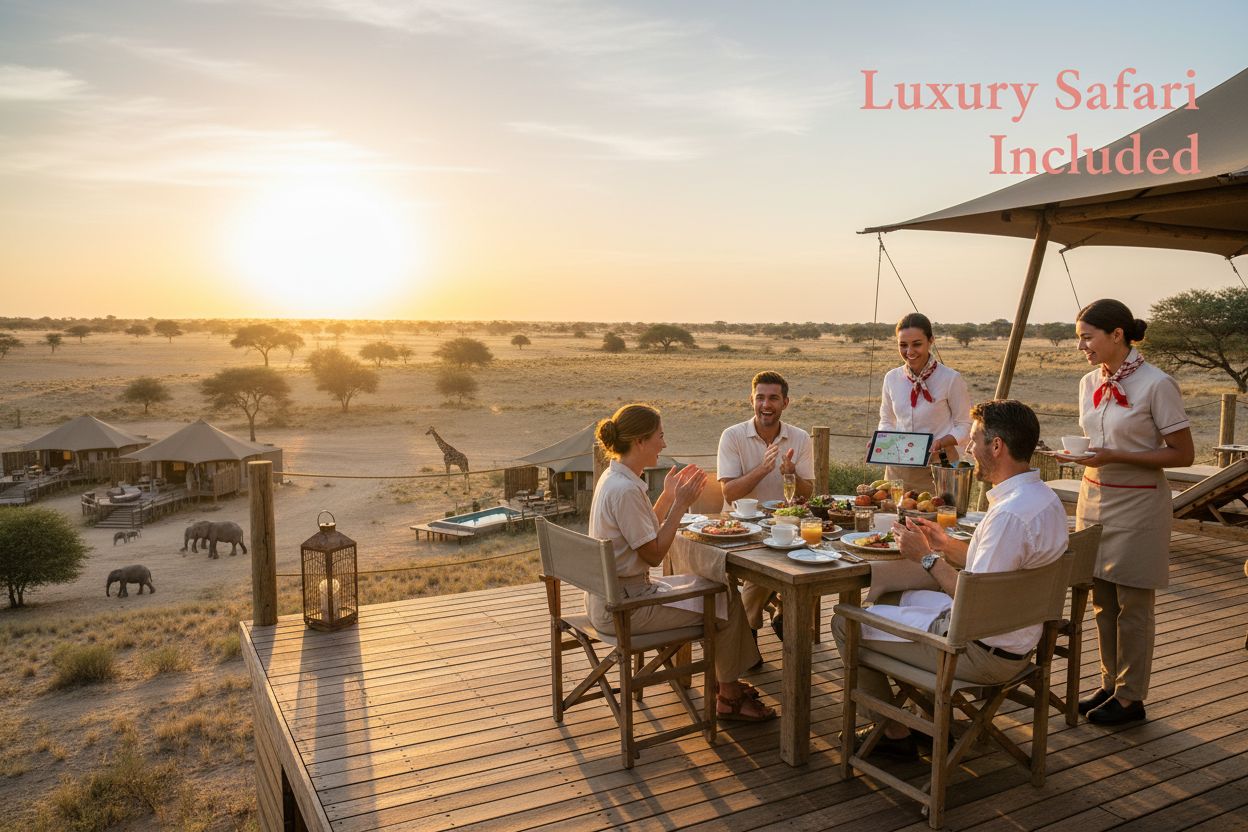
Understanding What is Included in Luxury Safaris
Explore what is included in luxury safaris, from exclusive accommodations to bespoke experiences that cater to discerning travelers.
Feb 24, 2026
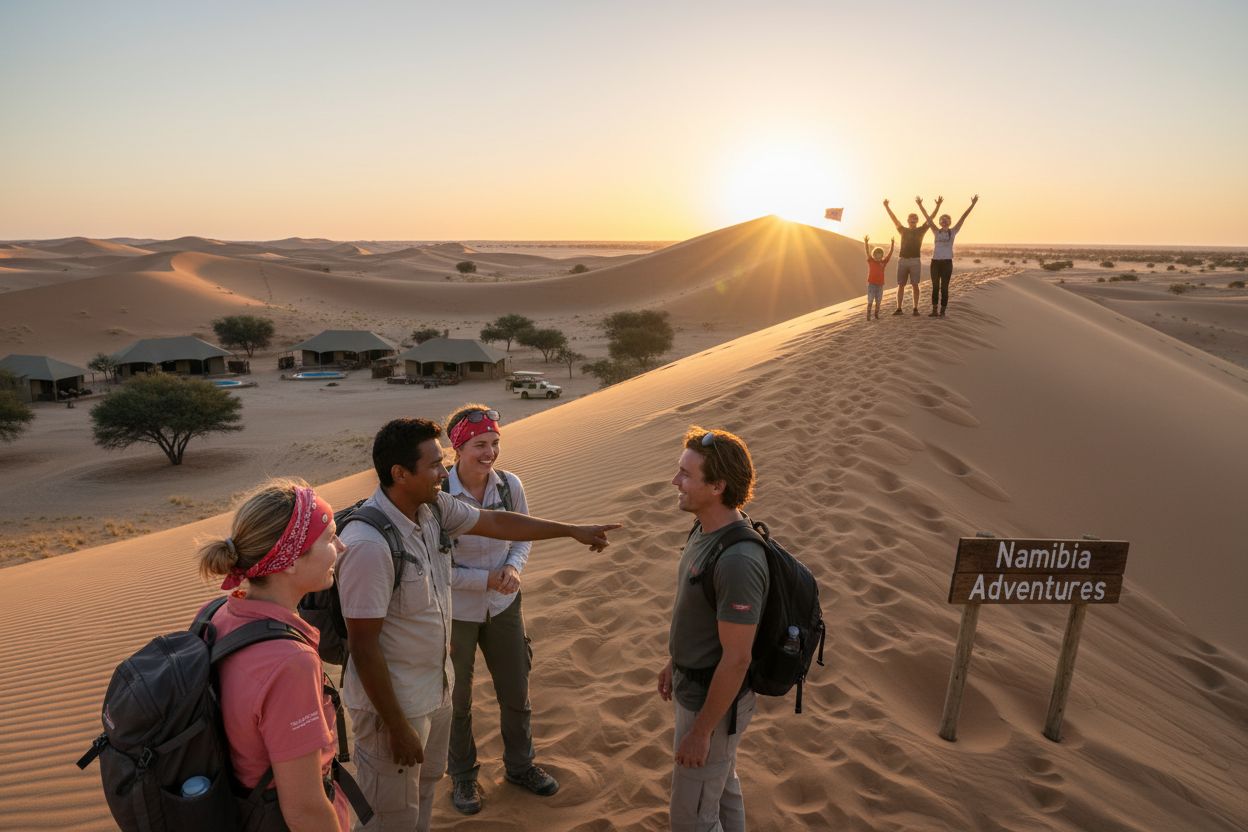
Why Namibia Adventures Matter: An In-Depth Look
Discover why Namibia adventures are essential for luxury travelers seeking unique, immersive experiences in nature and wildlife exploration.
Feb 23, 2026
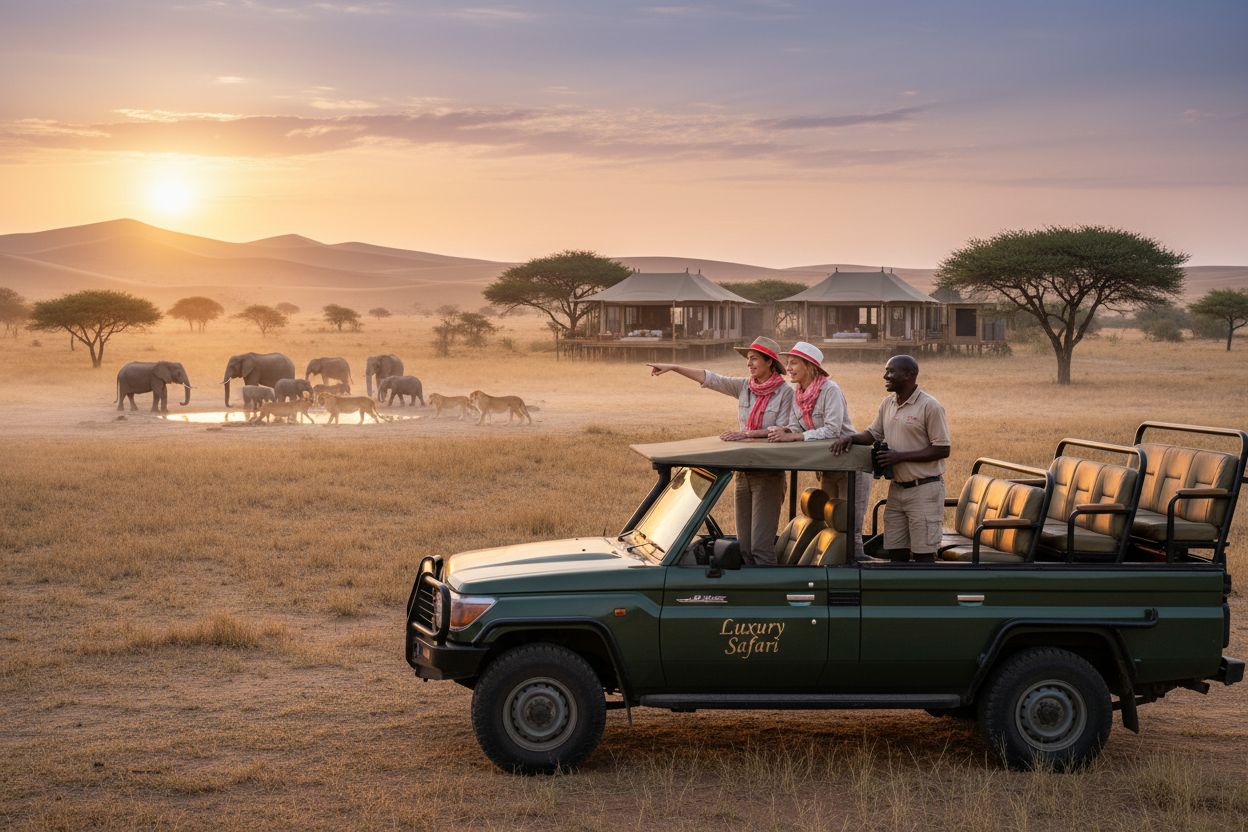
What to Expect on a Luxury Safari: A Comprehensive Guide
Discover what to expect on a luxury safari and gain a deeper understanding of the unique experiences that await you in the wild.
Feb 22, 2026
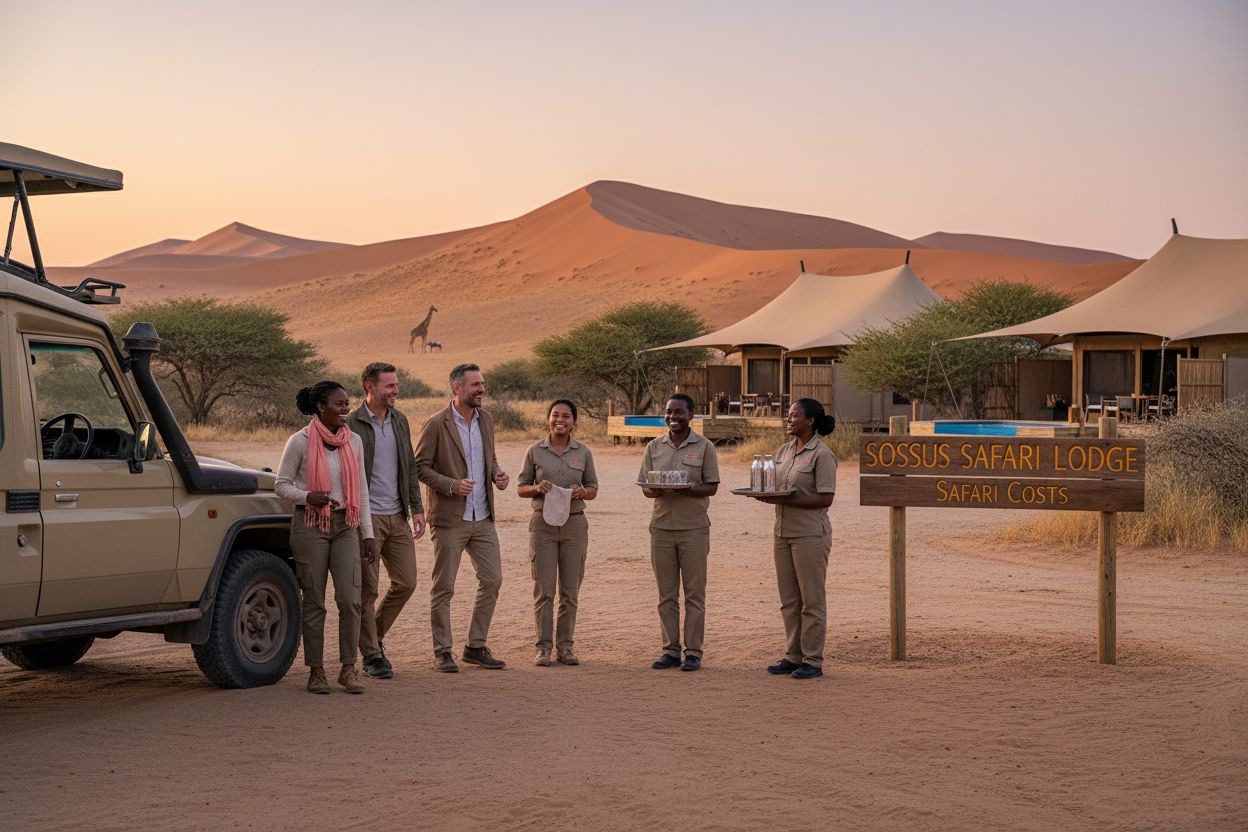
Understanding Namibia Safari Costs Explained
Explore Namibia safari costs explained to uncover what influences pricing and what it means for your adventure.
Feb 21, 2026
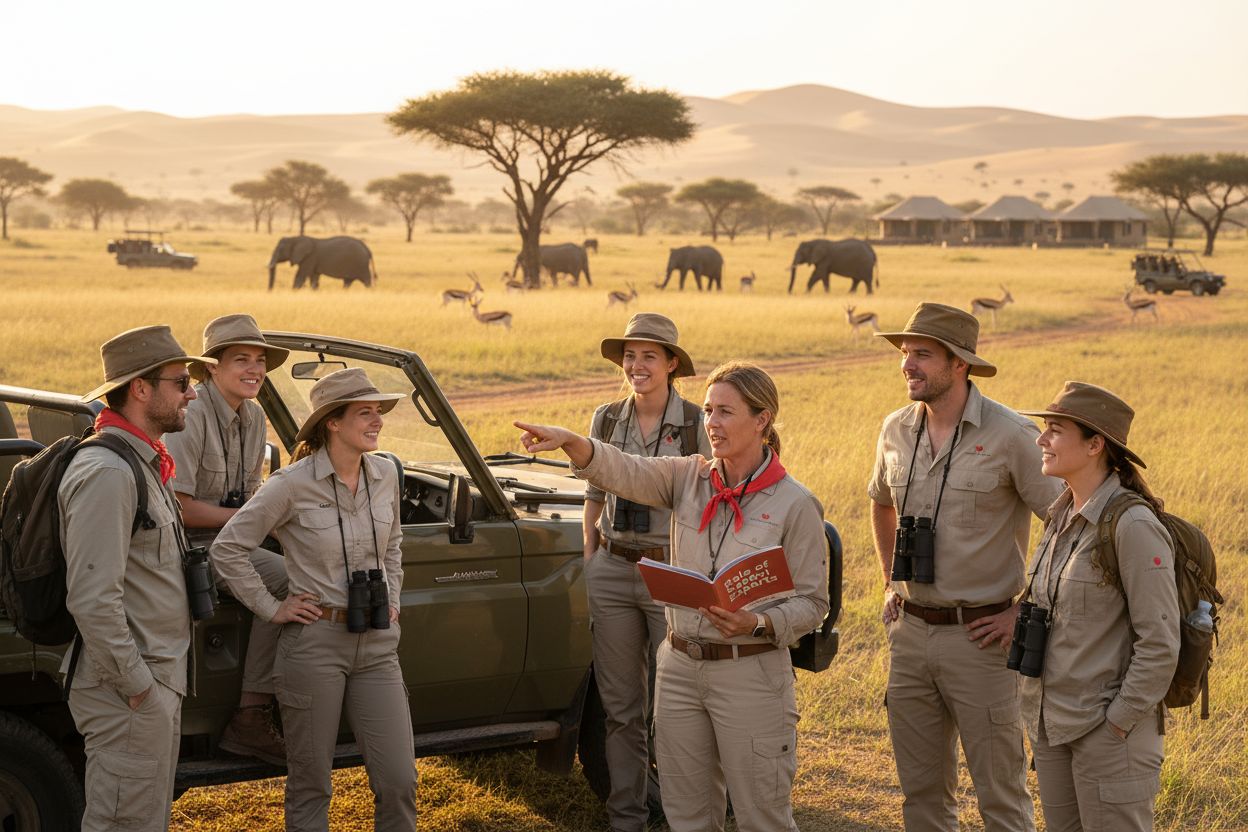
Understanding the Role of Safari Experts in Wildlife Travel
Explore the role of safari experts and gain a comprehensive understanding of how they enhance wildlife travel experiences for all types of travelers.
Feb 20, 2026
Guide organisation safari all inclusive : vivez l'aventure de vos rêves
Découvrez notre guide organisation safari all inclusive étape par étape pour planifier un voyage inoubliable au cœur de la nature.