
Oct 5, 2025
Discover 7 essential facts about Etosha National Park animals list, learn what wildlife to expect, viewing tips, and get expert safari planning advice for your trip.
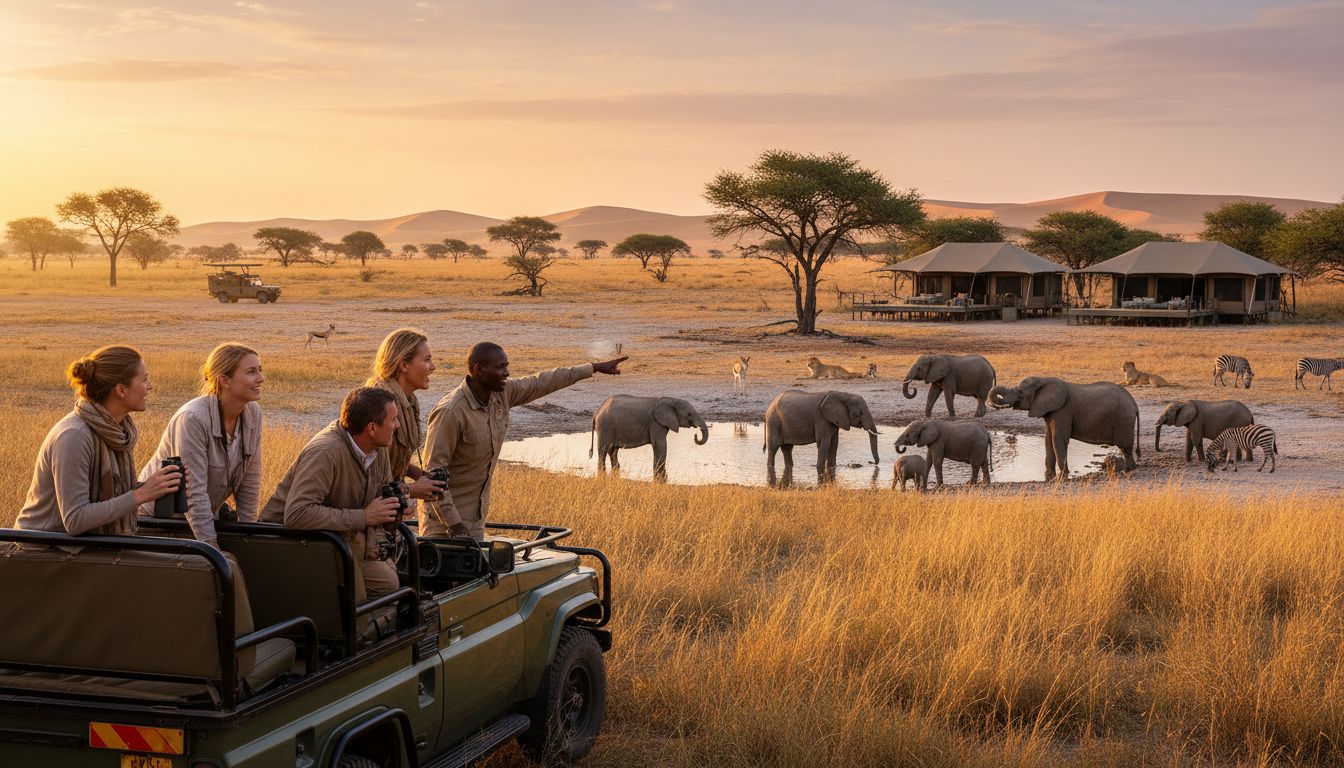
7 Essential Facts About Etosha National Park Animals List
Spotting Africa’s Big Five is a dream for many travellers, and Etosha National Park draws thousands looking for unforgettable wildlife moments. This iconic destination sets the stage for close encounters with lions, elephants, and unique antelope species, offering experiences that rival even the most famous south-african reserves. With over 22,000 square kilometres of protected wilderness, Etosha rewards visitors with some of the continent’s most accessible viewing opportunities and insights into rare and endangered species.
Table of Contents
Discover Africa’s Big Five in Etosha National Park
Unique Antelope Species to Spot on Safari
Predators: Lions, Cheetahs and Leopards of Etosha
Rare and Endangered Species in the Park
Best Waterholes for Wildlife Viewing
Birdwatching Highlights: Key Species to See
Tips for Responsible Wildlife Viewing and Safety
Quick Summary
Takeaway | Explanation |
|---|---|
1. Visit waterholes during dry seasons | This maximises wildlife viewing opportunities, as animals gather at these crucial water sources for hydration and food. |
2. Use guided safari tours for expert insights | Expert guides enhance the experience by providing tracking knowledge and ensuring safety during wildlife encounters. |
3. Support wildlife conservation efforts | Engaging with conservation initiatives helps protect endangered species and preserves the park’s biodiversity for future generations. |
4. Observe animals quietly and patiently | Remaining calm and silent increases chances of witnessing natural animal behaviours and interactions without startling them. |
5. Wear neutral coloured clothing on safari | Dressing in inconspicuous colours helps to blend into the environment, reducing disturbance to the wildlife. |
1. Discover Africa’s Big Five in Etosha National Park
Etosha National Park stands as a remarkable wildlife sanctuary where adventurers can witness the legendary Africa’s Big Five in their natural habitat. Located in northern Namibia, this extraordinary wilderness offers travellers an unparalleled opportunity to observe lions, leopards, elephants, rhinoceroses, and buffalo within a single, breathtaking landscape.
The Big Five represent more than just iconic animals they symbolise the most challenging and impressive game species to encounter in the African wilderness. In Etosha, these magnificent creatures roam across approximately 22,270 square kilometres of diverse terrain, ranging from expansive salt pans to woodland savannas. Wildlife enthusiasts will find the park particularly remarkable because it provides relatively accessible viewing opportunities compared to other African reserves.
Wildlife Viewing Strategies:
Visit waterholes during dry seasons for concentrated animal activity
Participate in guided safari tours for expert tracking and safe wildlife encounters
Use specialised photography equipment to capture incredible moments
Remain patient and quiet while observing animal movements
For travellers seeking a comprehensive understanding of these remarkable animals, our guide on Big Five safari offers detailed insights into their behaviour, conservation status, and significance in African ecosystems.
2. Unique Antelope Species to Spot on Safari
Etosha National Park is a treasure trove for wildlife enthusiasts seeking to observe some of Africa’s most fascinating antelope species in their natural habitat. The park offers exceptional opportunities to witness remarkable creatures that have adapted perfectly to Namibia’s challenging landscapes.
Two Spectacular Antelope Species stand out in this remarkable wilderness. According to Wikipedia, the springbok represents a quintessential Southern African antelope. Characterized by a light brown coat with a distinctive reddish-brown stripe along its flanks, these agile animals are renowned for their unique pronking behaviour a mesmerising jumping display that showcases their incredible athleticism.
Another extraordinary species is the gemsbok or South African oryx. Wikipedia highlights that these large antelopes are perfectly adapted to arid environments, sporting striking black-and-white facial markings and impressively long, straight horns. Their ability to survive in harsh desert conditions makes them a testament to wildlife resilience.
Safari Spotting Tips:
Visit waterholes during early morning or late afternoon
Use binoculars for detailed observation
Maintain a quiet and patient approach
Wear neutral coloured clothing to blend into the environment
For travellers eager to explore more about Namibian wildlife, our guide on Etosha National Park provides comprehensive insights into the park’s incredible ecosystem.
3. Predators: Lions, Cheetahs and Leopards of Etosha
Etosha National Park represents a premier destination for wildlife enthusiasts seeking an extraordinary opportunity to observe Africa’s most magnificent predators in their natural wilderness. These remarkable carnivores form an integral part of the park’s complex ecological system, each playing a unique role in maintaining delicate environmental balance.
According to Etosha National Park, the park hosts three primary predator species: lions, cheetahs, and leopards. These magnificent animals showcase remarkable adaptations that enable their survival in Namibia’s challenging landscape.
Lion Behaviour: Lions in Etosha are particularly fascinating. As reported by wildlife researchers, they frequently congregate around waterholes during dry seasons, strategically positioning themselves to hunt prey like zebras and springboks. Their social structure and hunting techniques make them one of the most captivating predator groups in the park.
Cheetah and Leopard Characteristics: Cheetahs, renowned for their incredible speed, are present but relatively elusive. Leopards represent the most secretive of these predators, often remaining hidden in densely vegetated areas and demonstrating exceptional camouflage skills.
Safari Predator Viewing Tips:
Visit waterholes during early morning and late afternoon
Remain patient and quiet during wildlife observations
Use professional binoculars for enhanced viewing
Respect wildlife viewing guidelines and maintain safe distances
For travellers seeking comprehensive safari adventures, our guide to adventure safaris in Africa offers additional insights into wildlife exploration strategies.
4. Rare and Endangered Species in the Park
Etosha National Park serves as a critical sanctuary for some of Africa’s most vulnerable wildlife, offering a lifeline to species teetering on the brink of extinction. The park’s conservation efforts play a pivotal role in protecting fragile ecosystems and preserving biodiversity for future generations.
The black rhinoceros represents one of the park’s most significant conservation challenges. According to Reuters, Etosha has experienced an alarming poaching crisis in 2024, with 19 black rhinos killed. This devastating statistic underscores the immense challenges facing these magnificent creatures and the urgent need for robust protection strategies.
Critically Endangered Species in Etosha include not only rhinoceroses but also other rare wildlife that require immediate conservation attention. These animals face multiple threats including habitat loss, human wildlife conflict, and illegal poaching activities.
Conservation Support Strategies:
Support wildlife conservation organisations
Participate in responsible tourism practices
Raise awareness about endangered species protection
Consider donating to park conservation programmes
Travellers passionate about wildlife preservation can explore more about responsible safari experiences through our guide to adventure safaris in Africa, which highlights the importance of sustainable wildlife tourism.
5. Best Waterholes for Wildlife Viewing
Etosha National Park offers an extraordinary wildlife viewing experience centred around its remarkable network of waterholes. These vital water sources become natural gathering points for diverse animal species, transforming into living theatres of wildlife interaction during the dry winter months.
According to Etosha National Park, waterholes represent critical ecosystems where multiple species converge, creating unparalleled opportunities for wildlife observation. The park boasts numerous strategic waterholes that attract an incredible range of animals including zebras, springboks, oryxes, and elephants.
Top Recommended Waterholes: Okondeka and Gemsbokvlakte are renowned for lion sightings, particularly during early morning and late afternoon hours. Olifantsbad and Rietfontein provide exceptional elephant viewing, where these magnificent creatures can be observed bathing and drinking. Okaukuejo offers a unique nocturnal wildlife experience with its illuminated waterhole, allowing visitors to witness black rhinos under the moonlight.
Wildlife Viewing Strategies:
Visit during early morning or late afternoon
Bring high quality binoculars
Remain quiet and patient
Wear neutral coloured clothing
Respect wildlife viewing guidelines
Travellers seeking comprehensive safari planning can explore our guide to Etosha National Park for additional insights into maximising wildlife viewing experiences.
6. Birdwatching Highlights: Key Species to See
Etosha National Park represents a remarkable sanctuary for bird enthusiasts, offering an extraordinary diversity of avian wildlife that transforms the landscape into a living canvas of feathered wonder. The park’s unique ecosystems provide critical habitats for numerous spectacular bird species.
According to Etosha National Park, the park supports an incredible range of bird species across varied habitats. Remarkable Bird Species include the majestic Kori bustard, the distinctive secretary bird, and an array of hornbills and eagles that contribute to the park’s rich ornithological tapestry.
Featured Bird Highlights: The pale chanting goshawk represents one of the park’s most captivating raptors, while the lilac breasted roller offers a stunning splash of colour against the arid landscape. Panicframe highlights the European bee-eater as another spectacular species that attracts birdwatchers from around the globe.
Birdwatching Tips:
Bring high quality binoculars
Use camouflage or neutral coloured clothing
Visit waterholes during early morning or late afternoon
Carry a field guide for species identification
Move quietly and maintain a respectful distance
Travellers passionate about wildlife can explore more about safari experiences through our complete guide to adventure safaris in Africa.
7. Tips for Responsible Wildlife Viewing and Safety
Etosha National Park offers an extraordinary wildlife experience that demands respect, understanding, and careful observation. Responsible wildlife viewing is not just about capturing memorable moments but also about preserving the delicate ecological balance of this remarkable ecosystem.
According to Etosha National Park, visitor safety and wildlife protection are paramount. Key Safety Guidelines include remaining inside your vehicle when outside designated areas, maintaining a safe distance from animals, and absolutely avoiding feeding or disturbing wildlife in their natural habitat.
Strategic Viewing Recommendations: Panicframe suggests visiting waterholes during early morning or late afternoon when animal activity is at its peak. This timing not only increases your chances of remarkable wildlife encounters but also minimises disruption to the animals’ natural behaviours.
Responsible Wildlife Viewing Principles:
Stay inside designated safari vehicles
Use binoculars or zoom lenses for close observations
Maintain absolute silence during wildlife encounters
Follow all park ranger instructions
Never attempt to feed or touch wild animals
Wear neutral coloured clothing to avoid attracting attention
For travellers seeking comprehensive safari guidance, our adventure safari guide provides additional insights into responsible wildlife exploration.
Below is a comprehensive table summarising the main attractions and wildlife viewing strategies at Etosha National Park, as discussed in the article.
Topic | Description | Key Strategies |
|---|---|---|
Africa’s Big Five | Etosha is home to lions, leopards, elephants, rhinoceroses, and buffalo. | Visit waterholes in dry seasons, join guided safaris, use photography gear. |
Unique Antelope Species | Prominent species include springbok and gemsbok, known for distinctive behaviours and adaptations. | Spot at waterholes early morning/late afternoon, wear neutral clothing. |
Predators | Features lions, cheetahs, and leopards, each with unique hunting adaptations. | Observe at waterholes, use binoculars for better viewing. |
Endangered Species | Important site for black rhinoceros conservation amid poaching threats. | Support conservation efforts, participate in responsible tourism. |
Best Waterholes | Essential for spotting diverse wildlife such as zebras and elephants. | Visit Okaukuejo, Okondeka, and Gemsbokvlakte for peak sightings. |
Birdwatching | Hosts diverse bird species like Kori bustards and lilac-breasted rollers. | Use high-quality binoculars, visit waterholes in optimal times. |
Safety and Responsibility | Emphasises wildlife protection and visitor safety. | Stay inside vehicles, follow park ranger guidelines strictly. |
Experience Etosha Like Never Before with Secret Namibia
The fascinating diversity of Etosha National Park’s wildlife invites you to witness Africa’s Big Five alongside rare antelope species, elusive predators and vibrant birdlife. If you are looking to move beyond facts and truly immerse yourself in unforgettable safari moments you understand the importance of expert guidance and tailored experiences to maximize every encounter. With challenges such as poaching and delicate ecosystems your safari needs to blend adventure with responsible wildlife viewing to protect these majestic creatures.
At Secret Namibia we specialise in crafting bespoke safaris that align perfectly with your passion for wildlife and conservation. Whether it is a luxury fly-in safari or a self-drive adventure every itinerary is designed with care to bring you closer to Etosha’s iconic waterholes and hidden gems safely and respectfully. Discover more about our custom adventure safaris in Africa and detailed Etosha National Park guide that will enrich your understanding and enhance your safari journey.
Ready to turn your dream of exploring Etosha’s unrivalled wildlife into reality Visit Secret Namibia today and let us help you plan a personalised safari experience that balances thrilling wildlife encounters with sustainable travel practices Act now to secure your place for an extraordinary Namibian safari that will create memories to last a lifetime
Frequently Asked Questions
What animals can I expect to see in Etosha National Park?
You can expect to see Africa’s Big Five: lions, leopards, elephants, rhinoceroses, and buffalo, along with unique antelope species like springboks and gemsboks. To maximise your wildlife viewing experience, plan your visit around waterholes during dry seasons for the best chances of spotting these animals.
How can I effectively spot predators like lions, cheetahs, and leopards in Etosha?
To effectively spot predators, visit waterholes during early mornings and late afternoons when they are most active. Stay patient and quiet, and use binoculars for a better view of these magnificent animals in their natural habitat.
What are the best times to visit waterholes in Etosha for wildlife viewing?
The best times to visit waterholes for wildlife viewing are early morning and late afternoon, especially during the dry season. Arriving at these times increases your chances of observing a variety of species congregating for water.
What should I be aware of regarding responsible wildlife viewing in Etosha?
When viewing wildlife in Etosha, it’s crucial to stay inside your vehicle, maintain a safe distance from animals, and never disturb them. Follow all park guidelines and guidelines to ensure your safety and the well-being of the wildlife.
How does Etosha National Park contribute to the conservation of endangered species?
Etosha National Park plays a significant role in conservation efforts for endangered species, such as the black rhinoceros. Supporting local conservation initiatives and practicing responsible tourism are ways visitors can contribute to protecting these vulnerable animals.
How can I enhance my birdwatching experience in Etosha?
Enhance your birdwatching experience by bringing high-quality binoculars and a field guide for identifying species. Visit various habitats within the park during dawn or dusk to spot remarkable species, like the lilac-breasted roller and Kori bustard.
Recommended
RELATED
Safari Guides
Oct 30, 2025
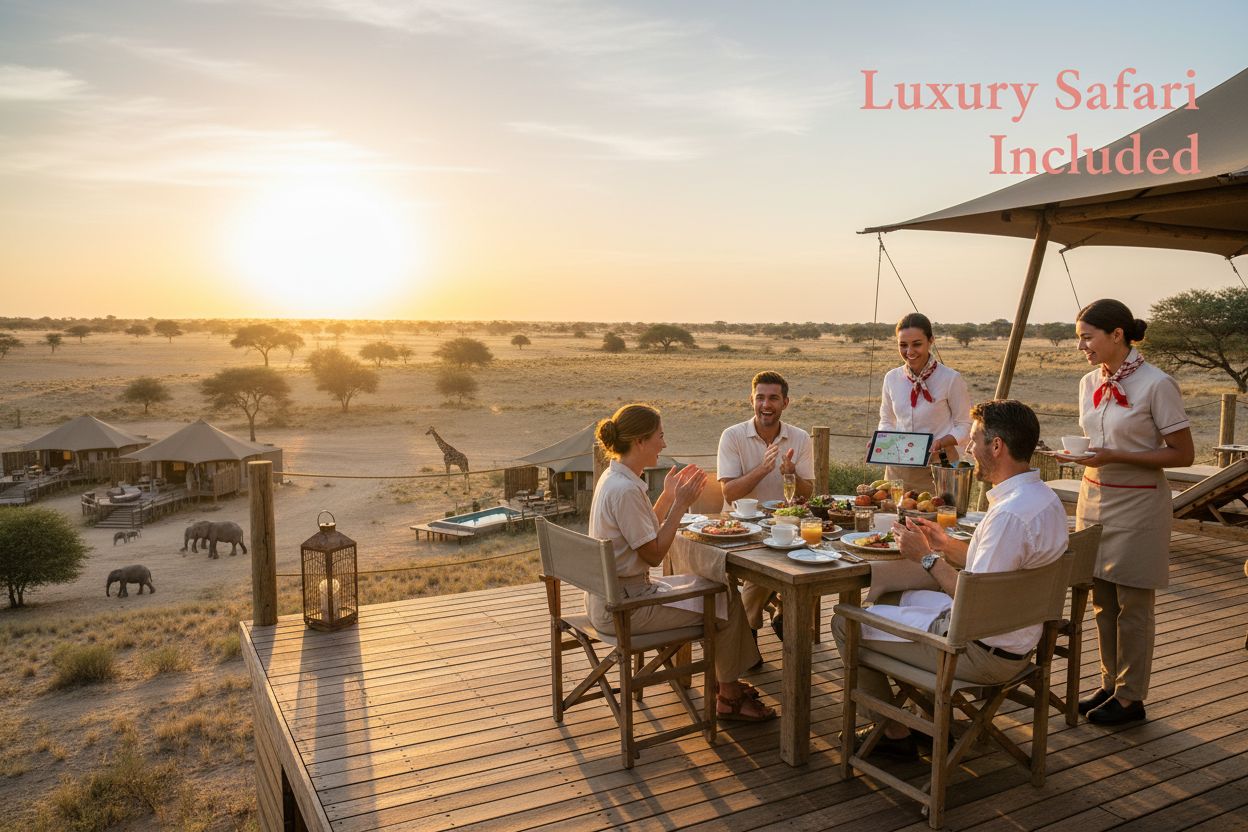
Understanding What is Included in Luxury Safaris
Explore what is included in luxury safaris, from exclusive accommodations to bespoke experiences that cater to discerning travelers.
Feb 24, 2026
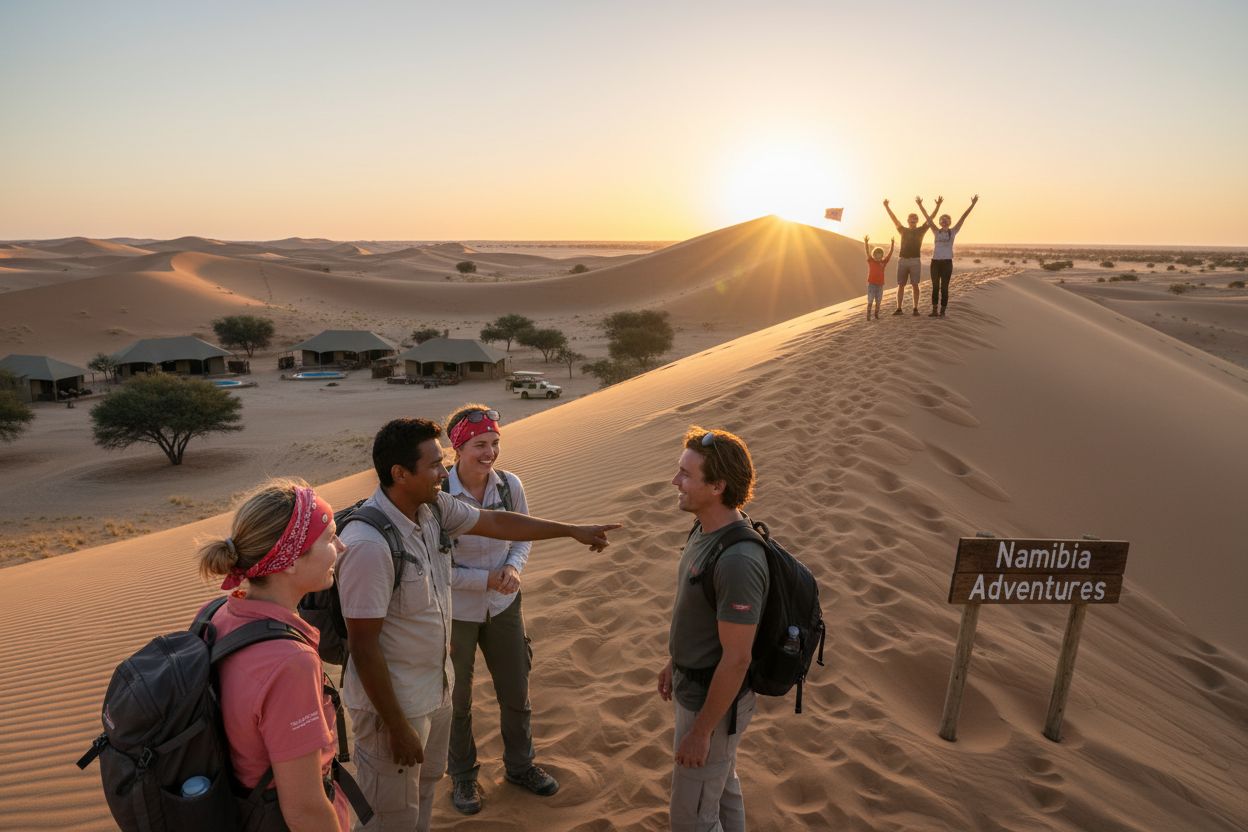
Why Namibia Adventures Matter: An In-Depth Look
Discover why Namibia adventures are essential for luxury travelers seeking unique, immersive experiences in nature and wildlife exploration.
Feb 23, 2026
What to Expect on a Luxury Safari: A Comprehensive Guide
Discover what to expect on a luxury safari and gain a deeper understanding of the unique experiences that await you in the wild.
Feb 22, 2026
Understanding Namibia Safari Costs Explained
Explore Namibia safari costs explained to uncover what influences pricing and what it means for your adventure.
Feb 21, 2026
Understanding the Role of Safari Experts in Wildlife Travel
Explore the role of safari experts and gain a comprehensive understanding of how they enhance wildlife travel experiences for all types of travelers.
Feb 20, 2026
Guide organisation safari all inclusive : vivez l'aventure de vos rêves
Découvrez notre guide organisation safari all inclusive étape par étape pour planifier un voyage inoubliable au cœur de la nature.