
Jul 13, 2026
Plan the perfect adventure with our Namibia travel itinerary. Discover stunning landscapes and wildlife while ensuring a smooth journey!
Namibia travel itinerary: your complete 2026 planning guide
TL;DR:
A well-planned Namibia itinerary requires at least 14 days, a 4x4 vehicle, and early lodge bookings. It should focus on key regions like the Namib Desert, Etosha, and Damaraland for a smooth and rewarding trip. Travelers must prioritize safety, realistic driving times, and flexible planning to enjoy Namibia’s landscape and wildlife fully.
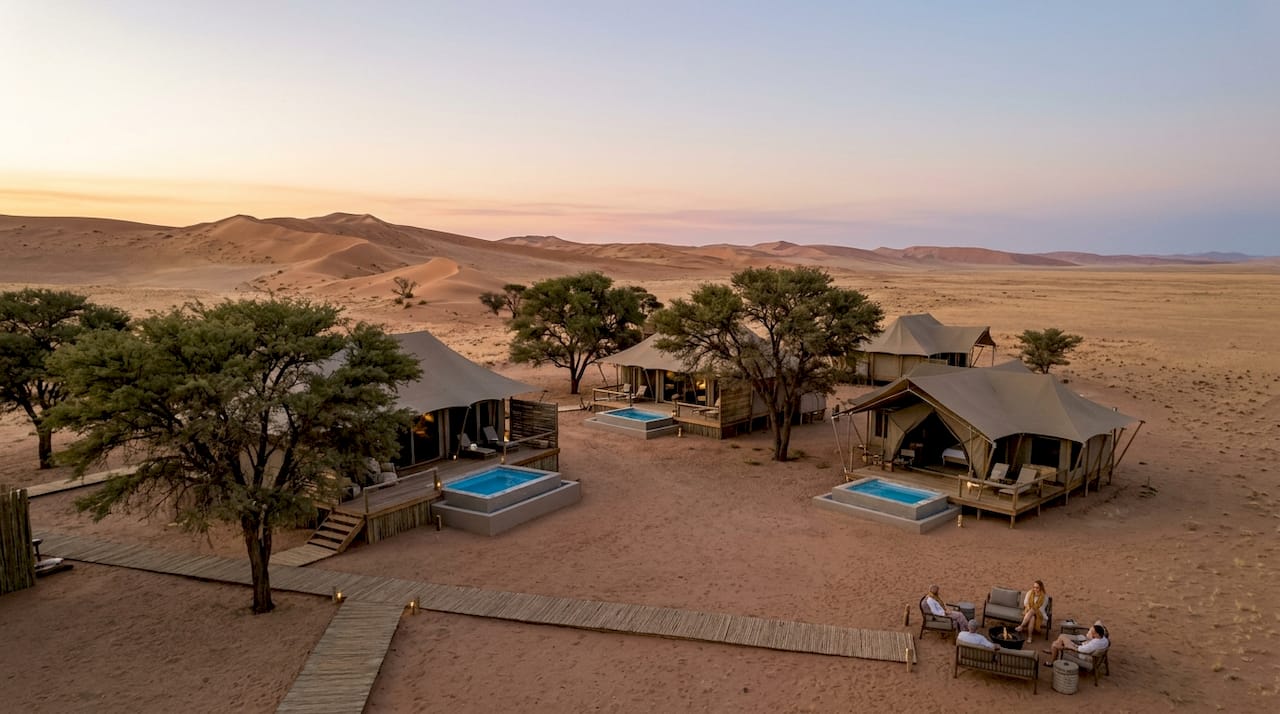
A Namibia travel itinerary is a carefully crafted plan that routes you through one of Africa’s most extraordinary countries, from the towering red dunes of Sossusvlei to the wildlife-rich waterholes of Etosha National Park. Namibia rewards travelers who plan well and punishes those who underestimate its distances. Gravel roads, remote fuel stops, and limited lodge availability mean that a solid itinerary is not a luxury. It is the difference between a trip that flows beautifully and one that exhausts you before you reach the highlights. This guide gives you everything you need to build a trip worth remembering.
What does a great Namibia travel itinerary include?
The best Namibia itineraries share three qualities: a realistic driving plan, a logical geographic loop, and accommodations booked well in advance. The classic self-drive circuit runs Windhoek to Sossusvlei, across to Swakopmund on the Skeleton Coast, north through Damaraland, and into Etosha National Park before returning to Windhoek. This loop covers Namibia’s most iconic landscapes without doubling back unnecessarily.
Secretnamibia recommends anchoring your route around the Namib Desert, Etosha, and the Damaraland wilderness as your three non-negotiable pillars. Each region offers a completely different ecosystem and wildlife experience. Sossusvlei delivers the iconic dune photography. Etosha concentrates magnificent wildlife around its vast salt pan waterholes. Damaraland surprises with desert-adapted elephants and ancient rock engravings at Twyfelfontein.
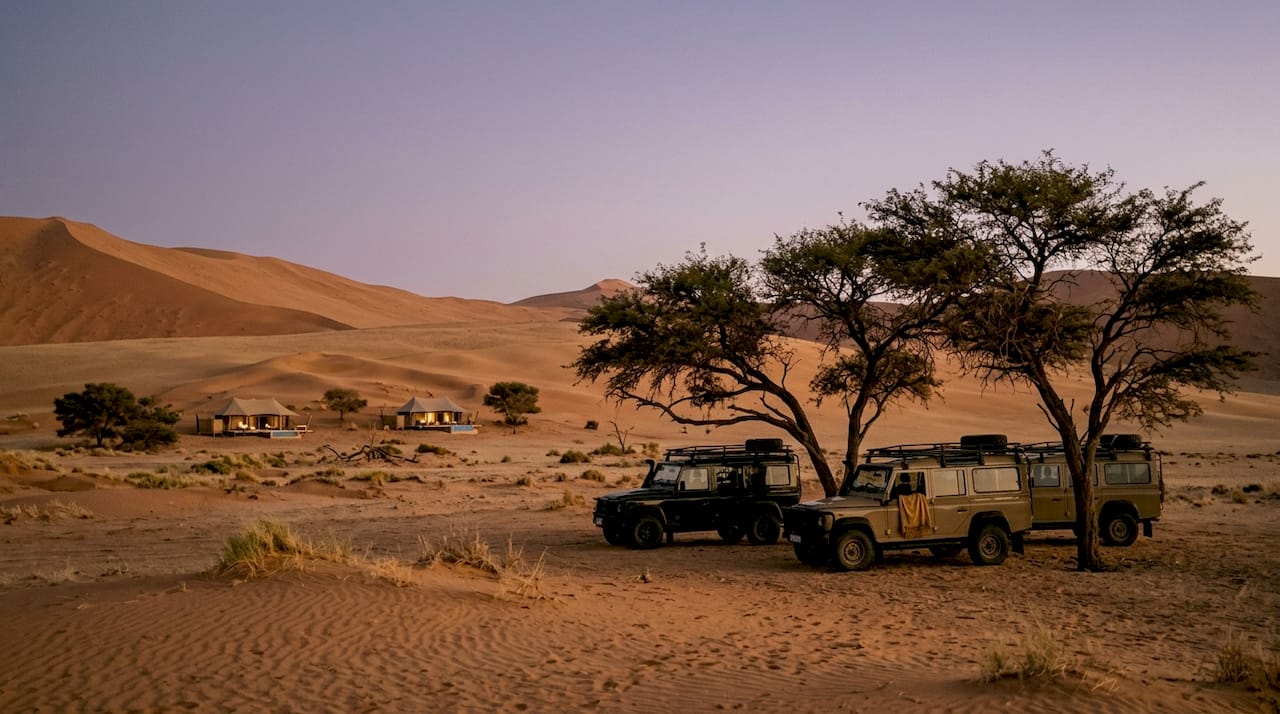
Pacing is the single most underrated element of any Namibia trip planner. Gravel roads slow travel considerably more than map distances suggest, and corrugated surfaces cause real fatigue for both driver and vehicle. Build your itinerary around driving time, not kilometers.
What preparations do you need before your Namibia trip?
Preparation separates a smooth Namibia trip from a stressful one. Get these foundations right before you book a single activity.
Vehicle choice
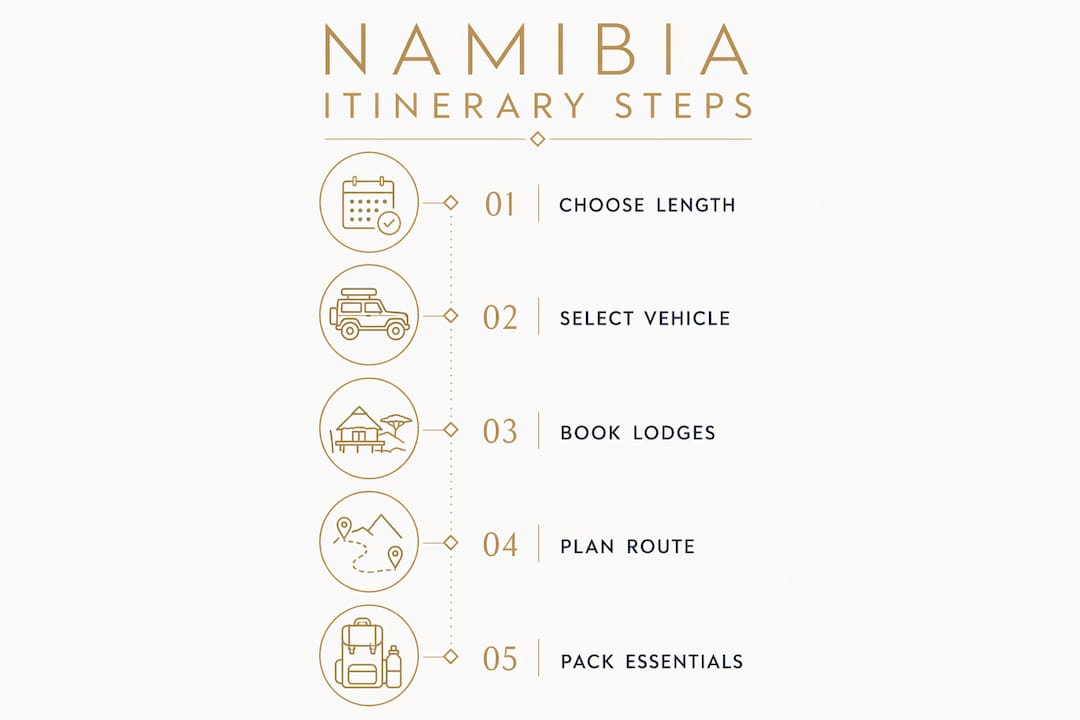
A 4x4 vehicle is the right call for any itinerary that includes Sossusvlei, Damaraland, or travel during the wet season. Standard sedans can manage some tar roads, but gravel tracks and sandy approaches to lodges demand higher clearance and better traction.
Booking order
Book key lodges first, then arrange your vehicle rental, and leave flexible activities for last. Sossusvlei and Etosha lodges fill months ahead of peak season. Securing those beds first locks in your route and prevents the frustration of building an itinerary around unavailable accommodation.
What to pack
Extra water: carry at least 5 liters per person per day when driving remote routes
Spare tires: two spares are standard practice on gravel roads
Fuel: fill up at every opportunity; remote stretches between stations can exceed 200 km
Layered clothing: Namibia’s temperature swings between cold desert mornings and hot afternoons are dramatic
A physical map as backup for areas with no signal
Safety and insurance
Travel insurance covering medical evacuation is non-negotiable. Namibia is one of Africa’s safest countries for independent travelers, but remote medical services are limited. Wildlife poses road collision risks at dawn and dusk, which is exactly why driving after dark is off the table. Read Secretnamibia’s safari safety guidance before you depart.
Pro Tip: Activate a data eSIM before you land. Local SIM cards are hard to find outside major cities, and reliable connectivity matters for navigation and emergency access in remote areas.
How long should your Namibia itinerary be?
Trip length is the most consequential decision you will make when planning a Namibia vacation. The right duration depends on your priorities, but the research is clear.
A 14-day loop is the recommended sweet spot for first-time visitors. It covers the major highlights without turning every day into a transit marathon. A 10-day trip is possible but forces compromises, often cutting Damaraland entirely. A 21-day trip allows genuinely unhurried exploration, including Fish River Canyon and the Skeleton Coast.
The classic 14-day loop
Days 1–2: Windhoek. Acclimatize, stock up on supplies, collect your vehicle.
Days 3–5: Sossusvlei and Deadvlei. Two nights minimum to catch sunrise on the dunes.
Days 6–8: Swakopmund and Walvis Bay. Coastal adventure, sandboarding, and dolphin cruises.
Days 9–10: Damaraland. Desert elephants, Twyfelfontein rock engravings, and dramatic scenery.
Days 11–13: Etosha National Park. Three days gives you morning and evening game drives across multiple waterholes.
Day 14: Return to Windhoek for departure.
This structure gives you two-night minimum stays at every major destination. One-night stops are the most common mistake first-time visitors make. They create excessive driving with almost no time to actually experience a place.
Pro Tip: If you only have 7 days, focus on Sossusvlei and Etosha exclusively. Trying to squeeze in Swakopmund and Damaraland on a 7-day Namibia itinerary leads to exhaustion and rushed game drives.
What are the top attractions to include in your itinerary?
Namibia’s headline destinations each deliver something genuinely unlike anywhere else on the continent. Here is what to expect at each one.
Sossusvlei and Deadvlei: The iconic red dunes of the Namib Desert reach heights of over 300 meters. Arrive at the dunes before sunrise and watch the shadows extend across the sand in extraordinary patterns. Deadvlei’s bleached camel thorn trees against a white clay pan create one of Africa’s most photographed landscapes. Hold your camera at the ready.
Etosha National Park: Wildlife concentrates around the park’s waterholes with remarkable predictability during the dry season. Lions, elephants, rhinos, and gemsbok all visit the same points, making game drives highly productive. The best wildlife viewing happens from june through september when water sources outside the park dry up.
Swakopmund and Walvis Bay: This coastal stretch offers a complete change of pace. Sandboarding on the dunes outside town, kayaking with seals at Walvis Bay, and dolphin cruises make for incredible activities that contrast beautifully with the desert interior.
Damaraland: Desert-adapted elephants roam this remote wilderness, and the Twyfelfontein rock engravings represent one of Africa’s most significant collections of ancient rock art. This region rewards travelers who make the effort to reach it.
Destination | Highlight | Recommended Stay |
|---|---|---|
Sossusvlei | Sunrise dune climbing, Deadvlei photography | 2 nights |
Etosha National Park | Waterhole game drives, Big Five sightings | 2–3 nights |
Swakopmund | Sandboarding, coastal wildlife cruises | 2 nights |
Damaraland | Desert elephants, Twyfelfontein rock art | 1–2 nights |
Fish River Canyon | Hiking, dramatic canyon views | 1–2 nights |
For travelers with extended time, Fish River Canyon in the south and the Skeleton Coast in the north represent magnificent additions to any advanced Namibia itinerary.
What pitfalls should you avoid on a Namibia trip?
The most experienced Namibia travelers share a consistent set of hard-won lessons. Avoid these mistakes and your trip will run far more smoothly.
Never drive after dark. Wildlife is most active at dawn and dusk, and collisions on unlit gravel roads are a genuine risk. Plan every driving day to reach your lodge before sunset.
Do not underestimate driving times. Safe speeds on gravel roads are often far lower than official limits due to road surface and vehicle load. What looks like a two-hour drive on a map can easily take four.
Fill up fuel at every opportunity. Distances between fuel stations in remote areas can exceed 200 km. Running low on fuel in Damaraland or the Skeleton Coast is a serious situation.
Book peak season accommodation early. June through september is peak season, and key lodges fill months in advance. Leaving accommodation to chance in peak months means settling for whatever is left.
Plan coastal activities for late morning. Sea fog is common on the Namib coast, occurring roughly 250 days per year. The fog typically burns off by 10 AM, so schedule Swakopmund activities accordingly.
“One-night stops are the single biggest mistake on a Namibia self-drive. The distances and road conditions make two-night minimums at each destination essential. Without them, you spend your trip driving rather than experiencing.”
How should you customize your itinerary by season?
The best time for first-time visitors is june through september. Dry weather, cooler temperatures, and concentrated wildlife at Etosha’s waterholes make this the peak period for good reason. Wildlife viewing is at its most productive when water sources outside the park have dried up and animals have no choice but to visit predictable points.
Shoulder months, particularly april, may, and november, offer a different kind of reward. Landscapes turn green after the rains, bird life explodes with migratory species, and lodge rates drop noticeably. If wildlife photography is your priority, the best month depends on your specific goals. Birders and photographers chasing dramatic green scenery often prefer the shoulder season over peak.
Pro Tip: If you are planning a luxury safari and want the best lodge availability alongside peak wildlife, book june or july at least six months ahead. August and september fill fastest.
Season | Months | Best For |
|---|---|---|
Peak dry season | June to September | Wildlife, clear skies, game drives |
Shoulder season | April, May, November | Green scenery, birding, fewer crowds |
Wet season | December to March | Photography, dramatic skies, lower rates |
Budget-conscious travelers find the wet season offers the lowest rates and the most dramatic landscapes, though some gravel roads become impassable and certain lodges close. Self-drive trips during this period require more careful planning and a capable 4x4.
Key takeaways
A successful Namibia travel itinerary requires 14 days minimum, a 4x4 vehicle, lodges booked months ahead, and a driving plan built around road conditions rather than map distances.
Point | Details |
|---|---|
Ideal trip length | 14 days covers all major highlights without exhausting transit days. |
Booking order | Secure lodges first, then vehicle rental, then flexible activities. |
Driving safety | Never drive after dark; plan for gravel roads to double your expected travel time. |
Best season | June to September delivers peak wildlife and dry conditions at Etosha. |
Minimum stays | Two nights at each major destination prevents burnout and maximizes experience. |
My honest take on planning a Namibia trip
After years of helping travelers build Namibia itineraries, the pattern I see most often is over-ambition in the planning stage. Travelers look at a map, see that Sossusvlei and Etosha are “not that far apart,” and pack in six destinations across ten days. Then they spend half their trip behind a steering wheel on corrugated gravel, arriving at lodges after dark, exhausted and frustrated.
The trips that people rave about are almost always the ones with fewer destinations and more time at each one. Two full days at Etosha means you catch the golden hour at a waterhole twice. Two nights at Sossusvlei means you can climb a dune at sunrise and still have an afternoon to explore Deadvlei without rushing.
I also advocate strongly for booking your key lodges the moment your travel dates are confirmed. The best camps in Sossusvlei and Etosha are not just accommodation. They shape your entire experience, from guided walks to private waterhole hides. Leaving those to chance is a gamble not worth taking.
Namibia also rewards the unplanned moment. A herd of oryx crossing a gravel road at dawn. A desert-adapted elephant appearing from nowhere in Damaraland. Leave space in your days for those encounters. They are the ones you will talk about for years.
— Secret
Plan your Namibia safari with Secretnamibia
Secretnamibia specializes in building bespoke Namibia safari experiences for travelers who want more than a standard self-drive. Whether you are drawn to the luxury safari camp experience deep in the Namib Desert or a fully guided fly-in safari across Etosha and Damaraland, the team at Secretnamibia handles every detail.
From private lodge recommendations and exclusive wildlife encounters to conservation-focused itineraries and personalized trip planning, Secretnamibia brings expert knowledge to every booking. If you are ready to move from planning to booking, enquire about your safari and a specialist will help you build the trip that matches your timeline, budget, and ambitions.
FAQ
How many days do you need for a Namibia itinerary?
A 14-day itinerary covers Namibia’s major highlights at a comfortable pace. Ten days is possible but requires skipping at least one major region, typically Damaraland.
What is the best time to visit Namibia?
June through september is the best period for first-time visitors, offering dry weather and concentrated wildlife at Etosha’s waterholes. April, may, and november work well for greener scenery and fewer crowds.
Do you need a 4x4 for a Namibia self-drive?
A 4x4 is strongly recommended for any itinerary including Sossusvlei, Damaraland, or wet-season travel. Gravel roads and sandy tracks around key lodges require higher clearance.
How far in advance should you book Namibia lodges?
Book key lodges in Sossusvlei and Etosha at least six months ahead for peak season travel between june and september. Popular camps fill quickly and availability drops sharply as departure dates approach.
What are the biggest mistakes on a Namibia road trip?
The most common mistakes are planning one-night stops, driving after dark, and underestimating gravel road travel times. Two-night minimums at each destination and early lodge bookings prevent most problems.
Recommended
RELATED
Safari Guides
Oct 30, 2025
Understanding What is Included in Luxury Safaris
Explore what is included in luxury safaris, from exclusive accommodations to bespoke experiences that cater to discerning travelers.
Feb 24, 2026
Why Namibia Adventures Matter: An In-Depth Look
Discover why Namibia adventures are essential for luxury travelers seeking unique, immersive experiences in nature and wildlife exploration.
Feb 23, 2026
What to Expect on a Luxury Safari: A Comprehensive Guide
Discover what to expect on a luxury safari and gain a deeper understanding of the unique experiences that await you in the wild.
Feb 22, 2026
Understanding Namibia Safari Costs Explained
Explore Namibia safari costs explained to uncover what influences pricing and what it means for your adventure.
Feb 21, 2026
Understanding the Role of Safari Experts in Wildlife Travel
Explore the role of safari experts and gain a comprehensive understanding of how they enhance wildlife travel experiences for all types of travelers.
Feb 20, 2026
Guide organisation safari all inclusive : vivez l'aventure de vos rêves
Découvrez notre guide organisation safari all inclusive étape par étape pour planifier un voyage inoubliable au cœur de la nature.