
Mar 15, 2026
Master luxury Namib Desert tour planning with expert preparation steps, safety tips, and customization strategies for an unforgettable 2026 safari adventure.
Planning Namib Desert tours: Your 2026 luxury safari guide
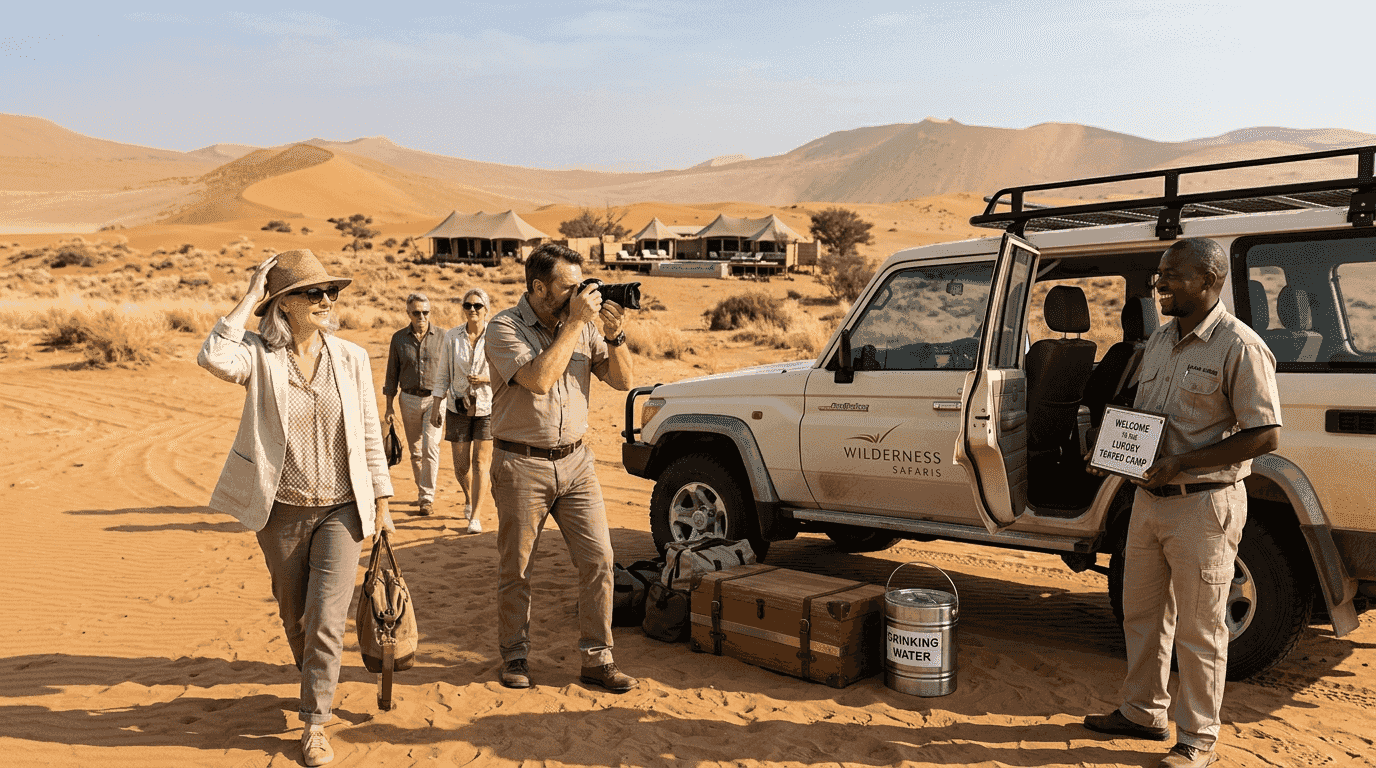
Planning a luxury tour in the Namib Desert presents unique challenges that can overwhelm even experienced travelers. The extreme climate, remote location, and specialized logistics required for comfort and safety demand careful preparation. This comprehensive guide breaks down essential steps for affluent travelers seeking an unforgettable Namib Desert adventure in 2026. You’ll discover expert strategies to navigate terrain complexities, customize your itinerary, and maximize your luxury safari experience with confidence and ease.
Table of Contents
Understanding The Unique Challenges Of Planning Luxury Tours In The Namib Desert
Preparing For Your Namib Desert Tour: Essentials And Planning Steps
Executing Your Luxury Namib Desert Tour: What To Expect And How To Maximize Your Experience
Verifying And Enhancing Your Namib Desert Tour Experience: Feedback And Follow-Up Tips
Discover Luxury Namib Desert Tours With Secret Namibia
Key takeaways
Point | Details |
|---|---|
Climate preparation | Desert temperature extremes require specialized gear and timing strategies for comfort |
Tour type selection | Choosing between guided and self-drive options dramatically affects logistics and experience |
Safety essentials | Proper packing and precautions ensure smooth navigation of remote desert terrain |
Expert customization | Professional booking services enhance exclusivity and personalized adventure in 2026 |
Cultural enrichment | Integrating local experiences and natural highlights creates memorable luxury journeys |
Understanding the unique challenges of planning luxury tours in the Namib Desert
The Namib Desert stands apart from typical luxury travel destinations due to environmental extremes that demand specialized preparation. Temperature swings between scorching days and freezing nights create packing challenges most travelers underestimate. Water scarcity and fragile ecosystems require careful resource management, even for high-end accommodations.
Remote locations amplify logistical complexity for luxury amenities. Unlike established safari regions, the Namib’s isolation means fewer infrastructure options and longer travel times between highlights. This remoteness increases reliance on expert guides who understand terrain navigation and can access exclusive areas safely.
Key environmental factors affecting luxury desert tours include:
Extreme daytime heat exceeding 40°C contrasted with nighttime temperatures dropping below 5°C
Limited cellular coverage across vast stretches requiring satellite communication backup
Seasonal sandstorms that can disrupt travel schedules and visibility
Delicate dune ecosystems requiring specialized vehicles to prevent environmental damage
Water conservation protocols even at luxury lodges due to desert scarcity
The 7 types of desert landscapes Namibia travelers must see showcase why terrain familiarity matters. Each landscape type, from towering red dunes to stark gravel plains, presents distinct navigation challenges. Luxury travelers benefit from guides who recognize subtle terrain markers and can adapt routes based on seasonal conditions.
Pro Tip: Book accommodations that employ local guides with multi-generational desert knowledge. Their expertise in reading weather patterns and identifying safe routes proves invaluable when standard GPS fails in remote areas.
“The Namib’s ancient landscapes reward those who respect its power. Luxury here means working with nature’s rhythms, not against them, to create experiences that blend comfort with authentic wilderness immersion.” — Experienced Namibian Safari Guide
Environmental sustainability considerations elevate luxury desert tours beyond mere comfort. Responsible operators limit group sizes to minimize ecological impact and partner with conservation initiatives. This approach ensures your luxury experience contributes to preserving the desert’s pristine character for future generations while maintaining exclusivity.
Preparing for your Namib Desert tour: essentials and planning steps
Successful luxury desert adventures begin with systematic preparation that addresses both logistical and experiential elements. A structured approach ensures nothing falls through the cracks while maintaining flexibility for spontaneous discoveries.
Follow this preparation timeline for optimal results:
Book accommodations and secure permits six to nine months ahead for peak season travel
Consult with safari specialists three to six months before departure to finalize custom itinerary details
Arrange specialized equipment rental and confirm vehicle specifications two to three months out
Complete health preparations including vaccinations and medication prescriptions eight weeks prior
Finalize packing and conduct gear checks two weeks before departure
Confirm all bookings and review emergency protocols one week before travel
The choice between self-drive versus guided tours fundamentally shapes your desert experience. Self-drive options offer unmatched freedom to explore at your pace and adjust schedules spontaneously. However, they demand confident navigation skills, mechanical troubleshooting ability, and comfort with isolation.
Guided luxury tours eliminate logistical stress while providing expert interpretation of landscapes and wildlife. Professional guides handle route planning, safety monitoring, and accommodation coordination. They access exclusive areas and arrange cultural encounters impossible to organize independently. For first-time Namib visitors or those prioritizing relaxation over adventure challenge, guided options deliver superior value.
Preparation Category | Timeline | Essential Tasks |
|---|---|---|
Booking and permits | 6-9 months ahead | Secure lodges, confirm park access, arrange special permissions |
Itinerary design | 3-6 months ahead | Customize activities, schedule cultural visits, plan rest days |
Equipment and vehicles | 2-3 months ahead | Reserve 4x4 vehicles, order specialized gear, confirm specifications |
Health and safety | 8 weeks ahead | Complete vaccinations, obtain medications, arrange travel insurance |
Final preparations | 2 weeks ahead | Pack desert clothing, check equipment, download offline maps |
Packing for desert extremes requires strategic layering and specialized items. Essential clothing includes lightweight, breathable fabrics for daytime heat and insulating layers for cold nights. Quality sun protection proves non-negotiable: wide-brimmed hats, UV-blocking sunglasses, and SPF 50+ sunscreen prevent serious discomfort.
Critical gear and supplies include:
Moisture-wicking base layers and thermal wear for temperature regulation
Closed-toe hiking boots with ankle support for dune walking and rocky terrain
Dust-proof bags to protect electronics and cameras from pervasive sand
Reusable water bottles with insulation to maintain cool temperatures
High-quality binoculars for wildlife viewing across vast distances
Portable power banks and solar chargers for extended off-grid periods
Implementing travel safety tips in Namibia protects against preventable mishaps. Always carry emergency water supplies exceeding your planned consumption by 50 percent. Inform lodge staff or guides of your intended routes and expected return times, even for short excursions. Never underestimate distances; what appears close on maps can take hours to reach on challenging desert tracks.
Pro Tip: Pack a dedicated dust bag with wet wipes, saline nasal spray, and eye drops. Desert air’s extreme dryness causes discomfort many travelers don’t anticipate, and these simple items dramatically improve daily comfort.
Executing your luxury Namib Desert tour: what to expect and how to maximize your experience
Your daily desert itinerary balances exhilarating activities with essential rest periods that prevent exhaustion in harsh conditions. Typical luxury tour days begin before sunrise to capitalize on cool temperatures and optimal wildlife activity. Morning game drives or dune exploration sessions last two to three hours before returning to lodges for brunch and midday relaxation.

Afternoon activities resume around 4 PM when temperatures moderate. This golden hour period offers spectacular photography opportunities as angled sunlight transforms dune colors from orange to deep crimson. Evening programs might include sundowner cocktails at scenic viewpoints, followed by gourmet dinners under star-filled skies that showcase the Southern Hemisphere’s celestial displays.
Balancing adventure intensity with relaxation proves crucial for luxury travelers. Schedule demanding activities like dune climbing or extended drives on alternate days, allowing recovery time between physical challenges. Use rest periods for spa treatments, photography editing, or simply absorbing the desert’s profound silence from your lodge’s private deck.
Engaging respectfully with local communities enriches your cultural understanding while supporting regional economies. The top Namib Desert highlights include interactions with indigenous groups who maintain traditional lifestyles adapted to desert conditions. These encounters work best when arranged through ethical operators who ensure fair compensation and authentic exchange rather than staged performances.
Cultural engagement best practices:
Request permission before photographing people or their homes
Purchase handicrafts directly from artisans at fair prices without aggressive bargaining
Listen more than you speak during cultural presentations to show genuine interest
Follow guide instructions regarding appropriate dress and behavior in traditional settings
Ask questions that demonstrate curiosity about daily life rather than treating communities as museum exhibits
Activity Type | Physical Demand | Best Time | Luxury Enhancement |
|---|---|---|---|
Dune climbing | High | Early morning | Private guide, gourmet breakfast at summit |
Wildlife drives | Low to moderate | Dawn and dusk | Exclusive vehicle, expert naturalist commentary |
Cultural visits | Low | Mid-morning | Small group size, extended interaction time |
Scenic flights | Low | Late afternoon | Champagne service, flexible routing |
Stargazing | Low | After dinner | Astronomer guide, telescope access |
Wildlife viewing in the Namib demands patience and strategic timing. Desert-adapted species remain inactive during peak heat, emerging primarily at dawn and dusk. Focus your expectations on quality over quantity; spotting a single oryx perfectly adapted to waterless survival often proves more memorable than seeing dozens of animals in lusher environments.
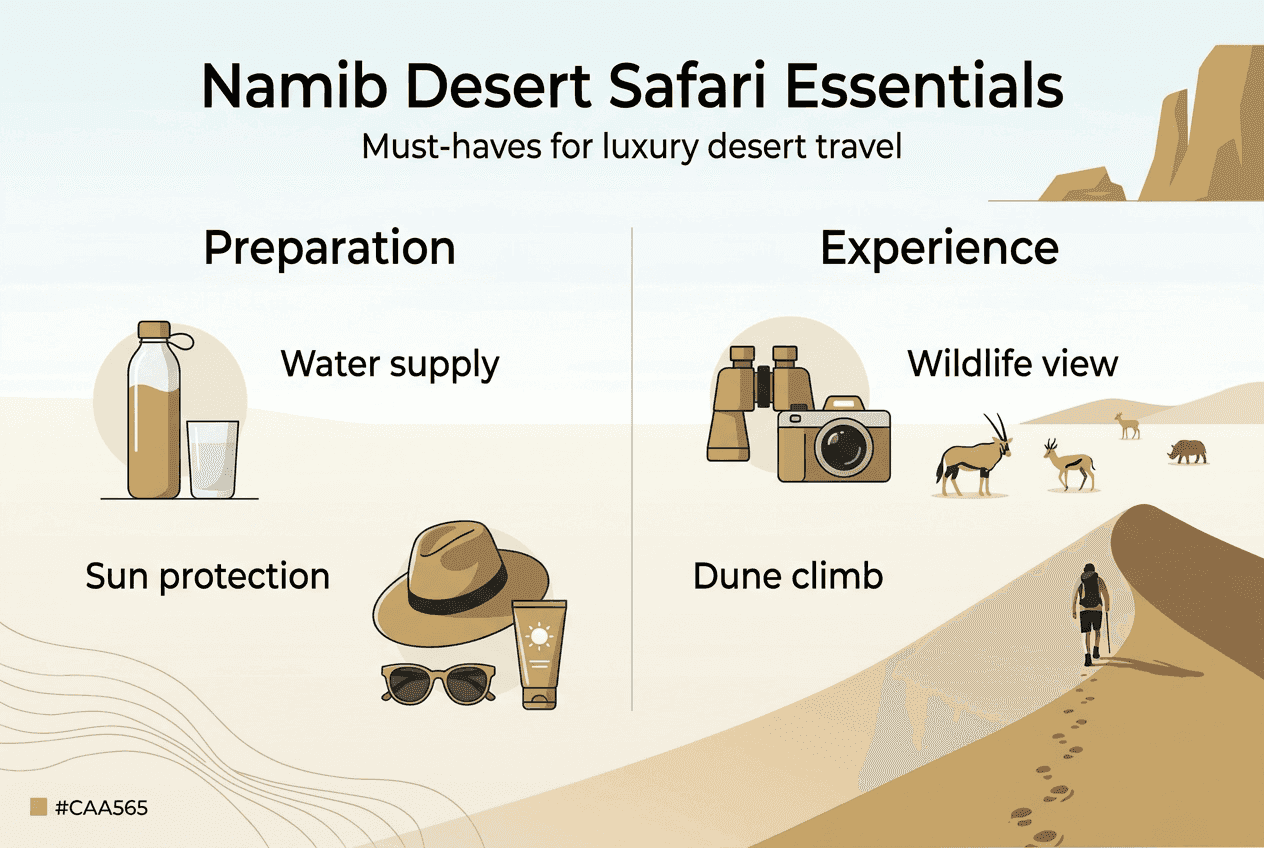
Exploring adventure activities in Namibia reveals options beyond traditional game viewing. Quad biking across dune fields, hot air ballooning over Sossusvlei, and sandboarding down steep dune faces inject adrenaline into your itinerary. Luxury operators provide top-tier equipment and safety supervision that lets you push boundaries confidently.
Pro Tip: The hour immediately after sunrise offers the best wildlife photography conditions. Animals remain active, lighting creates dramatic shadows across dunes, and cooler air produces sharper image clarity before heat haze develops.
Maximizing photographic opportunities requires understanding desert light’s unique qualities. Midday’s harsh overhead sun washes out colors and creates unflattering shadows. Early morning and late afternoon’s angled light enhances texture and depth. Experiment with silhouettes against dramatic skies during the brief twilight periods that bookend each day.
Verifying and enhancing your Namib Desert tour experience: feedback and follow-up tips
Evaluating your luxury tour’s quality ensures you receive value matching premium pricing while helping operators refine their offerings. Assess accommodation standards against promised amenities, noting whether lodges delivered on exclusivity, comfort, and service excellence. Consider guide expertise by reflecting on how well they interpreted landscapes, managed logistics, and personalized experiences to your interests.
Key evaluation criteria include:
Accommodation quality: cleanliness, maintenance, amenity functionality, and staff responsiveness
Guide expertise: knowledge depth, communication skills, safety awareness, and flexibility
Itinerary execution: adherence to schedule, activity quality, and handling of unexpected situations
Value delivery: whether experiences justified costs and met luxury expectations
Sustainability practices: environmental responsibility and community benefit integration
Providing detailed feedback helps improve personalized luxury safari services for future travelers while supporting sustainable tourism development. Specific comments prove more valuable than generic praise or criticism. Rather than stating “great guide,” explain how their botanical knowledge enriched dune walks or their storytelling brought Namibian history alive during drives.
Share feedback through multiple channels for maximum impact. Complete post-trip surveys thoroughly, post honest reviews on travel platforms, and send direct messages to operators highlighting standout staff members. Constructive criticism delivered respectfully helps businesses address weaknesses, while public praise rewards excellence and guides other travelers’ decisions.
“Thoughtful traveler feedback creates a virtuous cycle. It helps luxury operators understand what truly matters to discerning clients, enabling continuous improvement that elevates the entire industry’s standards while preserving what makes Namibia’s deserts special.”
Extending your safari beyond the Namib Desert multiplies your African adventure’s value. Namibia offers complementary experiences like Etosha National Park’s wildlife concentrations, Fish River Canyon’s geological drama, or Skeleton Coast’s haunting shipwreck landscapes. Combining desert exploration with these diverse environments creates a comprehensive Namibian journey.
Consider these extension options:
Etosha National Park for traditional big game viewing in contrast to desert-adapted species
Damaraland’s ancient rock art sites and desert elephant tracking
Coastal towns like Swakopmund for adventure sports and German colonial architecture
Victoria Falls as a grand finale showcasing Southern Africa’s aquatic power
Botswana’s Okavango Delta for wetland safari experiences complementing desert landscapes
Supporting conservation and responsible tourism extends your positive impact beyond your visit. Choose operators who contribute to local conservation projects, employ community members in meaningful roles, and implement genuine sustainability practices. Your tourism spending becomes an investment in protecting the Namib’s ecosystems when directed toward ethical businesses.
Document your experiences through photography and journaling to preserve memories and share inspiration with others. High-quality trip documentation serves multiple purposes: personal reflection, social sharing that promotes Namibian tourism, and providing operators with marketing materials that showcase authentic guest experiences. Many luxury lodges welcome professional-quality guest photos for their promotional use, sometimes offering future discounts in exchange.
Discover luxury Namib Desert tours with Secret Namibia
Planning an exceptional Namib Desert adventure requires expertise that transforms logistical challenges into seamless luxury experiences. Secret Namibia specializes in crafting personalized desert tours that balance adventure, comfort, and exclusivity for discerning travelers in 2026.
Our expert team designs tailored itineraries that incorporate your specific interests, whether you prioritize wildlife encounters, cultural immersion, photography opportunities, or pure relaxation. We handle every detail from accommodation selection to activity scheduling, ensuring your desert journey exceeds expectations. Explore our luxury Namibia safaris to discover curated experiences that showcase the Namib’s most spectacular highlights while maintaining the highest comfort standards. Learn proven strategies for maximizing safari experiences through our comprehensive planning resources. Ready to begin your luxury Namib Desert adventure? Contact our specialists through Namibia safari enquiries to start designing your bespoke 2026 journey today.
FAQ
What is the best time of year to visit the Namib Desert for luxury tours?
May through October offers optimal conditions with cooler temperatures, minimal rainfall, and excellent wildlife visibility. Winter months from June to August provide the most comfortable daytime temperatures but require warm layers for freezing nights. Shoulder seasons in April and November balance pleasant weather with fewer crowds and competitive pricing.
How can I customize my Namib Desert tour to include cultural experiences?
Work with specialists who maintain relationships with local communities to arrange authentic encounters. Request visits to traditional homesteads, participate in craft workshops with artisans, or include guided walks with indigenous trackers who share ancestral desert knowledge. Follow safari itinerary steps to integrate cultural elements seamlessly into your broader tour structure.
What safety measures should I take when touring the Namib Desert?
Always carry excess water, inform others of your location, and never travel alone in remote areas. Use vehicles equipped with GPS, satellite phones, and emergency supplies including first aid kits and spare tires. Monitor weather forecasts closely and postpone activities during extreme conditions or sandstorm warnings.
Are private guides recommended for luxury desert safaris?
Private guides dramatically enhance luxury experiences through personalized attention, flexible scheduling, and expert knowledge tailored to your interests. They provide exclusive access to remote locations, adjust activities based on your energy levels, and share insights impossible in group settings. Review our private safari tours guide to understand the full benefits of dedicated guide services.
What should I pack for a multi-day Namib Desert adventure?
Pack layered clothing for extreme temperature swings, quality sun protection including hats and SPF 50+ sunscreen, closed-toe hiking boots, and dust-proof bags for electronics. Include reusable insulated water bottles, binoculars for wildlife viewing, and personal medications plus basic first aid supplies. Bring both warm sleepwear for cold nights and lightweight breathable fabrics for hot days.
Recommended
RELATED
Safari Guides
Oct 30, 2025
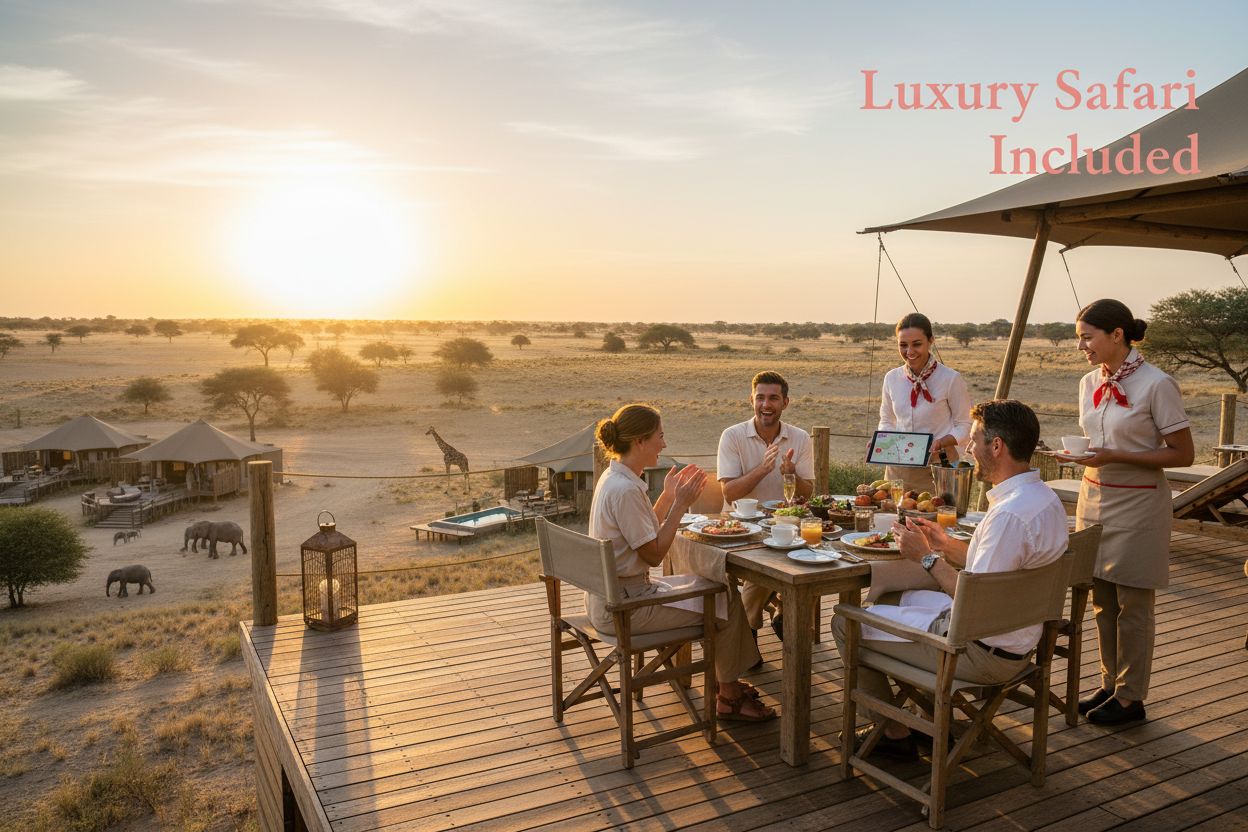
Understanding What is Included in Luxury Safaris
Explore what is included in luxury safaris, from exclusive accommodations to bespoke experiences that cater to discerning travelers.
Feb 24, 2026
Why Namibia Adventures Matter: An In-Depth Look
Discover why Namibia adventures are essential for luxury travelers seeking unique, immersive experiences in nature and wildlife exploration.
Feb 23, 2026
What to Expect on a Luxury Safari: A Comprehensive Guide
Discover what to expect on a luxury safari and gain a deeper understanding of the unique experiences that await you in the wild.
Feb 22, 2026
Understanding Namibia Safari Costs Explained
Explore Namibia safari costs explained to uncover what influences pricing and what it means for your adventure.
Feb 21, 2026
Understanding the Role of Safari Experts in Wildlife Travel
Explore the role of safari experts and gain a comprehensive understanding of how they enhance wildlife travel experiences for all types of travelers.
Feb 20, 2026
Guide organisation safari all inclusive : vivez l'aventure de vos rêves
Découvrez notre guide organisation safari all inclusive étape par étape pour planifier un voyage inoubliable au cœur de la nature.