
Mar 26, 2026
Discover how conservation safaris combine luxury travel with active wildlife protection in Namibia and Southern Africa. Expert guide to choosing ethical, immersive safari experiences.
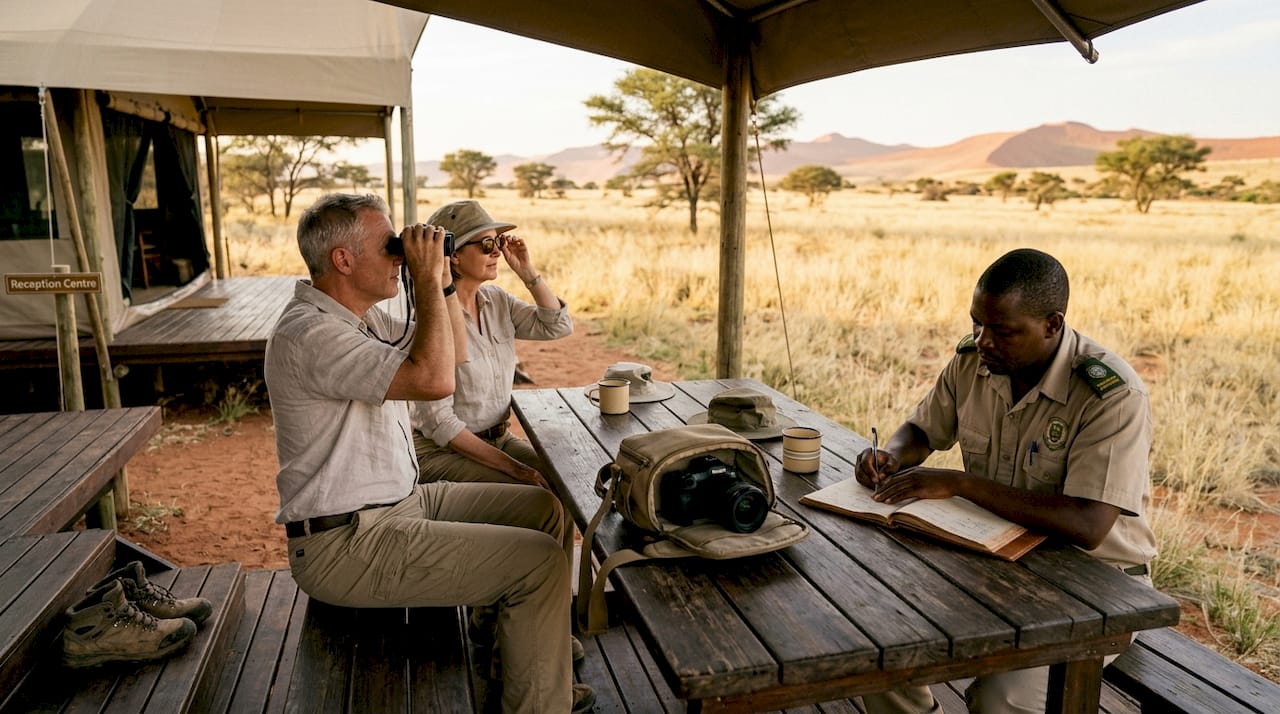
Conservation safaris explained: luxury wildlife adventures
Many luxury travelers dream of pristine wilderness encounters but miss the transformative power of conservation safaris. These aren’t passive wildlife tours. They’re immersive journeys where your presence actively protects endangered species and fragile ecosystems. In Namibia and Southern Africa, conservation safaris blend tourism with active wildlife preservation, creating experiences that satisfy both wanderlust and ethical responsibility. This guide reveals what sets conservation safaris apart, how luxury accommodations amplify impact, and practical steps to choose adventures that deliver genuine preservation results alongside unforgettable moments.
Table of Contents
Key takeaways
What are conservation safaris and why do they matter?
Luxury conservation safaris versus traditional safaris: key differences
How Namibia and Southern Africa lead in luxury conservation safari experiences
Choosing and maximizing your luxury conservation safari experience
Explore luxury conservation safaris with Secret Namibia
What is the difference between conservation safaris and eco-tourism?
Key Takeaways
Point | Details |
|---|---|
Conservation safaris defined | These immersive journeys actively support endangered species protection, habitat preservation, anti-poaching efforts, and community engagement rather than merely offering sightseeing. |
Luxury supports protection | Accommodation fees directly fund ranger patrols, veterinary care, and habitat rehabilitation, translating luxury spend into tangible conservation outcomes. |
Measurable impact reporting | Operators provide transparent reporting with data on species protected, hectares conserved, and people employed to verify real conservation results. |
Maximizing ethical travel | Request conservation reports before booking, favor operators with limited guest numbers, and choose programs that emphasize community benefits and ecological monitoring. |
What are conservation safaris and why do they matter?
Conservation safaris represent a fundamental shift in how luxury travel intersects with wildlife protection. Unlike conventional tours focused solely on sightseeing, these experiences embed travelers within active preservation ecosystems. Your accommodation fees directly fund ranger patrols, veterinary care for injured animals, and habitat rehabilitation projects. The role of conservation in luxury safaris extends beyond passive observation to measurable environmental outcomes.
These safaris operate on four foundational pillars. First, endangered species protection through monitoring programs that track population health and movement patterns. Second, habitat preservation that maintains ecosystem integrity across vast wilderness areas. Third, anti-poaching initiatives employing technology and trained teams to combat illegal wildlife trade. Fourth, community engagement that provides sustainable livelihoods, reducing human-wildlife conflict and creating conservation stakeholders.
The impact on wildlife populations proves substantial. Conservation safari revenue funds collar tracking for desert elephants, allowing researchers to map migration routes and water dependencies. Rhino protection units receive equipment and salaries from lodge partnerships. Predator research projects gain financial stability through guest contributions. This model transforms tourism from extractive to regenerative, where visitor presence strengthens rather than depletes natural systems.
Travelers contribute through multiple channels beyond financial support. Your participation validates conservation as economically viable, encouraging governments to prioritize protected areas over extractive industries. Educational components during game drives and bush walks spread awareness that extends beyond your trip. Minimal environmental footprints maintained by eco-lodges demonstrate sustainable luxury is achievable without compromise.
Key features distinguishing conservation safaris:
Direct funding mechanisms linking accommodation costs to specific preservation projects
Expert naturalist guides trained in ecology, behavior, and conservation science
Limited guest numbers ensuring wildlife disturbance remains negligible
Transparent impact reporting showing measurable outcomes from tourism revenue
Community partnership models sharing economic benefits with local populations
Pro Tip: Request detailed conservation reports from safari operators before booking. Legitimate programs provide specific data on species protected, hectares conserved, and community members employed. Vague claims about “supporting conservation” without metrics often indicate greenwashing rather than genuine impact.
The distinction matters because luxury travel wields enormous influence. When affluent travelers demand conservation-focused experiences, the industry responds by elevating standards across regions. This creates competitive pressure rewarding operators with strongest preservation credentials, ultimately benefiting wildlife populations continent-wide.
Luxury conservation safaris versus traditional safaris: key differences
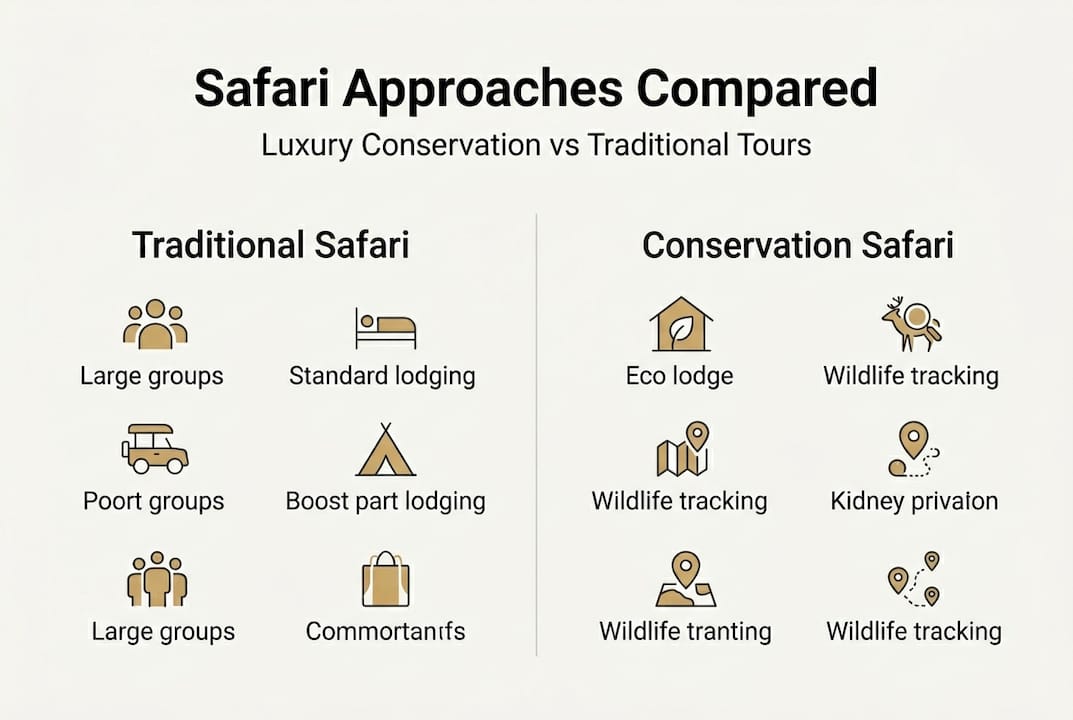
The gap between luxury conservation safaris and standard wildlife tours extends far beyond accommodation quality. Traditional safaris prioritize volume, maximizing guest numbers to achieve profitability through scale. Conservation-focused luxury operations invert this model, restricting access to preserve wilderness character while charging premium rates that fund preservation directly.
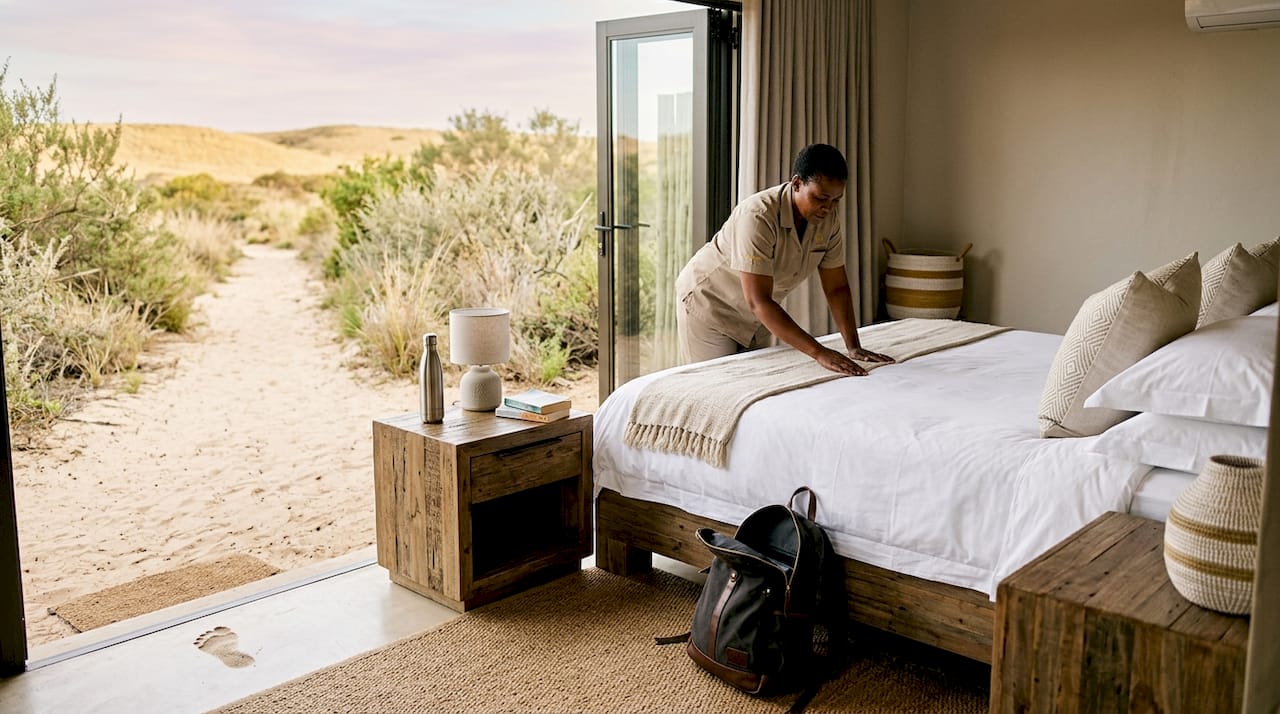
Accommodation philosophy diverges fundamentally. Standard lodges often feature permanent structures with conventional utilities, prioritizing guest comfort over environmental integration. Luxury conservation properties employ solar power, water recycling systems, and biodegradable materials. Architectural designs minimize ecological footprints while delivering superior comfort. Tented camps use removable structures that leave no permanent trace, allowing seasonal movement that prevents habitat degradation.
Feature | Traditional safari | Luxury conservation safari |
|---|---|---|
Guest capacity | 40-100+ per property | 8-24 maximum |
Conservation funding | Minimal or indirect | 10-30% revenue to projects |
Guide expertise | General wildlife knowledge | Specialized conservation training |
Activity focus | Game viewing only | Tracking, research participation, community visits |
Environmental impact | Moderate to high | Actively minimized through eco-design |
Community benefit | Limited employment | Revenue sharing, skills development |
Exclusivity manifests in guest-to-wildlife ratios. Traditional operations may place six vehicles around a single lion sighting, creating disturbance that alters natural behavior. Safari exclusivity in Namibia ensures private concessions where your vehicle remains the only one present. This preserves authentic wildlife interactions while delivering intimate encounters impossible in crowded reserves.
Conservation education separates experiences qualitatively. Standard guides provide species identification and interesting facts. Luxury conservation guides explain ecosystem dynamics, discuss current research projects, and contextualize wildlife within broader preservation challenges. You learn why desert elephants require specific corridor protections, how predator-livestock conflict resolution works, and what climate adaptation strategies conservationists employ.
Hands-on participation options include:
Accompanying researchers during wildlife monitoring sessions
Participating in camera trap placement and data collection
Joining anti-poaching unit briefings to understand protection strategies
Engaging with community conservation projects during cultural visits
Contributing to citizen science initiatives tracking species populations
Environmental impact differences prove measurable. Traditional lodges generate substantial waste, consume grid electricity where available, and source supplies without sustainability criteria. Luxury conservation properties achieve carbon neutrality through renewable energy, implement zero-waste protocols, and source food from local organic producers. Water usage per guest drops dramatically through recycling systems and low-flow fixtures that maintain comfort.
Community contribution models distinguish approaches fundamentally. Standard operations provide jobs but limited economic participation. Conservation safaris establish revenue-sharing agreements where local communities receive direct percentages of tourism income. This creates powerful incentives for wildlife protection, as communities recognize preservation generates more value than poaching or habitat conversion.
Pro Tip: The luxury versus standard safaris comparison reveals that higher prices in conservation-focused operations reflect genuine value delivery through exclusivity, impact, and experience depth rather than merely upgraded amenities.
Guest interaction with wildlife follows stricter ethical protocols. Conservation safaris maintain respectful distances, limit viewing duration to prevent stress, and avoid habituating animals to human presence. Traditional operations sometimes prioritize guest satisfaction over animal welfare, approaching too closely or remaining too long for compelling photographs. This distinction matters for species vulnerable to behavioral disruption.
How Namibia and Southern Africa lead in luxury conservation safari experiences
Namibia pioneered community-based conservation models that revolutionized African wildlife protection. The country’s communal conservancy program grants local communities wildlife management rights, creating economic incentives for preservation. This approach generated over 83 communal conservancies covering approximately 20% of Namibia’s land area. Sustainable tourism Namibia demonstrates how this model integrates seamlessly with luxury safari operations.
The region harbors extraordinary biodiversity adapted to extreme environments. Desert elephants traverse the Skeleton Coast, having evolved behavioral adaptations for arid survival. Black rhinos thrive in conservancies where anti-poaching efforts prove most effective globally. Cheetahs achieve highest densities on Namibian farmlands through innovative conflict-resolution programs. Brown hyenas, Hartmann’s mountain zebras, and endemic reptile species create wildlife portfolios unavailable elsewhere.
Community involvement extends beyond employment to ownership and decision-making. Many luxury lodges operate as joint ventures where local conservancies hold equity stakes. Profits fund schools, clinics, and infrastructure while providing direct household income. This model transforms conservation from external imposition to community-driven priority, dramatically improving outcomes.
Leading reserves demonstrate integration excellence:
NamibRand Nature Reserve: 200,000-hectare private reserve combining luxury lodges with rigorous conservation science
Ongava Game Reserve: Rhino sanctuary adjoining Etosha National Park, funding anti-poaching through tourism
Damaraland: Community conservancies protecting desert-adapted elephants and lions through tourism partnerships
Okavango Delta concessions: Exclusive areas where limited bed capacity ensures minimal impact with maximum funding
The NamibRand nature reserve exemplifies best practices, maintaining strict environmental standards while hosting world-class accommodations. Guest contributions fund ongoing research into desert ecology, rare species monitoring, and habitat restoration after historical overgrazing.
Conservation metric | Namibia achievement | Regional comparison |
|---|---|---|
Communal conservancy coverage | 20% of land area | Highest in Africa |
Black rhino population growth | 5% annually | Leading continental recovery |
Community tourism revenue | $5.7 million annually | Model for replication |
Wildlife corridor protection | 12 major corridors secured | Enables seasonal migration |
Luxury travelers benefit from this infrastructure through unparalleled access. Private concessions permit off-road driving, night safaris, and walking safaris impossible in public parks. Low guest densities guarantee sightings without crowds. Accommodations blend seamlessly into landscapes, providing comfort without compromising wilderness authenticity.
Immersive nature exploration reaches depths unavailable in higher-traffic destinations. Guides track individual animals over days, building narratives about their behaviors and challenges. You witness conservation in action rather than hearing about it abstractly. Sundowner conversations with researchers provide insights into current projects and emerging challenges.
The regional advantage compounds through geographic diversity. A single itinerary can encompass coastal deserts, mountain ranges, savanna grasslands, and wetland deltas. Each ecosystem supports distinct species assemblages and conservation challenges, creating educational depth that transforms understanding of African biodiversity.
Choosing and maximizing your luxury conservation safari experience
Identifying genuinely conservation-focused operations requires investigation beyond marketing claims. Start by verifying third-party certifications like Fair Trade Tourism, Green Globe, or Travelife sustainability awards. These require audited compliance with environmental and social standards. Request specific conservation project details including species protected, hectares managed, and community partnerships maintained.
Transparency indicators reveal authentic commitment. Legitimate operators publish annual impact reports quantifying conservation outcomes and community benefits. They provide clear breakdowns showing what percentage of revenue funds preservation activities. Vague statements about “supporting conservation” without measurable specifics often mask minimal actual contribution.
Personalization steps for ethical enjoyment:
Define your conservation interests: species protection, habitat restoration, community development, or research participation
Match safari timing to wildlife events: migration patterns, breeding seasons, or specific research projects
Combine multiple ecosystems to understand regional conservation challenges comprehensively
Request specialized guides with expertise in your interest areas
Allocate sufficient time per location for deep engagement rather than superficial touring
Include community visits to understand human dimensions of conservation
Expert guides transform experiences from observation to education. The maximize safari experiences approach emphasizes guide quality as the critical variable determining satisfaction. Request guides with formal ecology training, research experience, or specialized certifications in tracking or birding depending on your interests.
Conservation goals understanding enhances appreciation. Before departure, research the specific challenges facing wildlife in your destination. Namibia’s desert elephants face different threats than Okavango’s hippos. Understanding these contexts allows meaningful conversations with guides and researchers, deepening your connection to preservation work.
Travel timing considerations:
Dry season concentrates wildlife around water sources, improving sightings but increasing visitor numbers
Green season offers dramatic landscapes, birthing periods, and fewer tourists despite occasional rain
Shoulder seasons balance optimal conditions with reduced crowds and sometimes lower rates
Research project timing allows participation in specific monitoring activities like collaring or surveys
Packing essentials differ from standard safaris. Neutral earth tones prevent wildlife disturbance during walking safaris. Layered clothing accommodates dramatic temperature swings between dawn game drives and midday heat. Quality binoculars and cameras with telephoto capability maximize wildlife observation while maintaining respectful distances. Sun protection proves critical in high-altitude, low-humidity environments.
Cultural respect manifests through preparation. Learn basic greetings in local languages. Understand photography protocols for community visits. Recognize that some conservation areas hold spiritual significance for indigenous groups. This awareness enriches interactions and demonstrates respect for the human communities integral to conservation success.
Pro Tip: Custom safaris Namibia 2026 options allow building itineraries around specific conservation projects or research seasons. This targeting maximizes both experiential value and your contribution to preservation outcomes that matter most to you personally.
Budget allocation should prioritize quality over quantity. Fewer nights at properties with exceptional conservation credentials deliver greater impact and satisfaction than extended stays at operations with superficial environmental commitments. The premium pricing at top-tier conservation lodges reflects genuine cost structures for low-impact operations and meaningful preservation funding.
Engagement depth determines lasting value. Passive game viewing provides entertainment but limited transformation. Active participation in tracking, meaningful conversations with researchers, and understanding ecosystem complexity create perspectives that endure long after return. Approach your safari as educational immersion rather than leisure consumption for maximum benefit.
Explore luxury conservation safaris with Secret Namibia
Your conservation safari journey deserves expertise matching your commitment to wildlife preservation and luxury standards. Secret Namibia specializes in crafting personalized itineraries that maximize both conservation impact and experiential depth across Namibia and Southern Africa. Our luxury Namibia safaris connect you with properties demonstrating verified preservation credentials and exceptional hospitality.
Our experienced safari consultants understand the nuances separating authentic conservation operations from superficial green marketing. We partner exclusively with lodges maintaining transparent impact reporting, genuine community partnerships, and measurable wildlife protection outcomes. This vetting ensures your investment delivers both unforgettable experiences and meaningful preservation results.
Bespoke itinerary design allows targeting your specific interests. Whether you prioritize desert-adapted species, predator research participation, or community conservation models, we build journeys around your passions. Our luxury wildlife experiences emphasize intimate encounters and educational depth over superficial sightseeing.
Booking through Secret Namibia amplifies your conservation contribution. Our partnerships ensure maximum revenue percentages reach preservation projects and local communities. We facilitate direct connections with researchers and conservationists when desired, creating engagement opportunities unavailable through standard bookings. Tailor-made safaris exclusive adventures reflect our commitment to personalization that serves both your preferences and conservation priorities.
What is the difference between conservation safaris and eco-tourism?
Conservation safaris focus specifically on active wildlife protection and habitat preservation through direct funding mechanisms and hands-on participation opportunities. Eco-tourism encompasses broader environmental sustainability including carbon reduction, waste management, and cultural sensitivity without necessarily prioritizing species protection. While all conservation safaris practice eco-tourism principles, not all eco-tourism involves direct conservation action. The distinction matters when your primary goal involves measurable wildlife preservation impact rather than general environmental responsibility.
How do luxury safaris ensure minimal environmental impact?
Luxury conservation properties employ renewable energy systems, primarily solar power, eliminating fossil fuel dependence for electricity and hot water. Strict guest capacity limits prevent ecosystem degradation from overuse, typically restricting properties to 8-24 beds maximum. Water recycling systems and low-flow fixtures dramatically reduce consumption in arid environments. Waste management protocols achieve near-zero landfill contribution through composting, recycling, and elimination of single-use plastics. Many properties participate in habitat restoration, offsetting their footprint by actively improving ecosystem health beyond baseline conditions.
Can I engage directly in conservation activities during a safari?
Participation opportunities vary by property but frequently include wildlife tracking expeditions with researchers, camera trap placement and monitoring, and attendance at anti-poaching briefings. Some lodges facilitate community conservation project visits where you observe revenue-sharing models and skills development programs firsthand. Walking safaris often incorporate ecological education about plant-animal relationships and ecosystem dynamics. The role of conservation in luxury safaris emphasizes that ethical participation maintains strict protocols ensuring activities never disturb wildlife or compromise research integrity. Advance requests allow operators to coordinate timing with specific research activities or community events.
What should I pack for a luxury conservation safari in Namibia?
Neutral colored clothing in khaki, olive, or tan proves essential for walking safaris and close wildlife encounters, as bright colors can disturb animals. Breathable, moisture-wicking fabrics handle desert heat and humidity variations better than cotton. Quality binoculars enhance wildlife observation while maintaining respectful distances. A camera with telephoto lens capability captures memorable moments without approaching too closely. Sun protection including wide-brimmed hats, high-SPF sunscreen, and UV-protective sunglasses protects against intense high-altitude radiation. Comfortable closed-toe walking shoes with ankle support enable bush walks safely. Light layers including fleece or down jacket accommodate dramatic temperature drops during early morning game drives. Most luxury lodges provide laundry services, allowing light packing despite extended stays.
Recommended
RELATED
Safari Guides
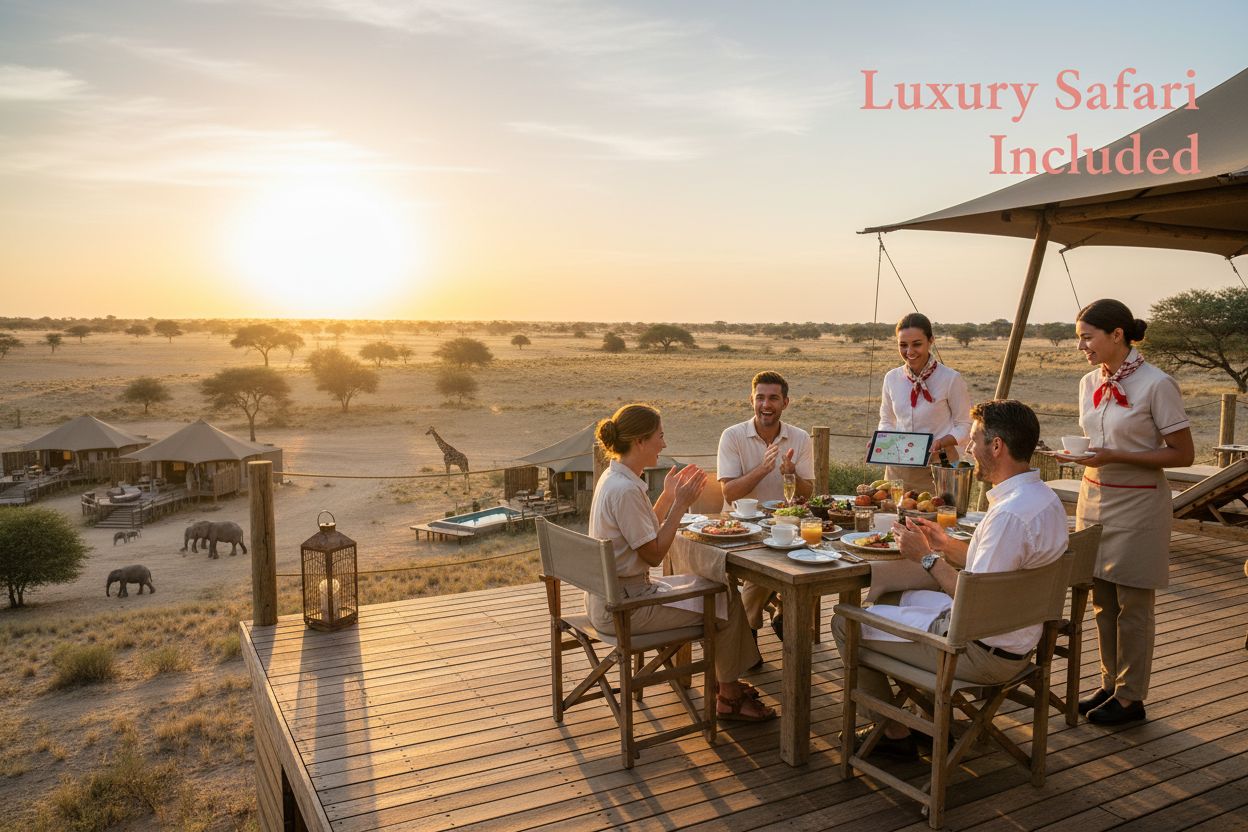
Oct 30, 2025
Understanding What is Included in Luxury Safaris
Explore what is included in luxury safaris, from exclusive accommodations to bespoke experiences that cater to discerning travelers.
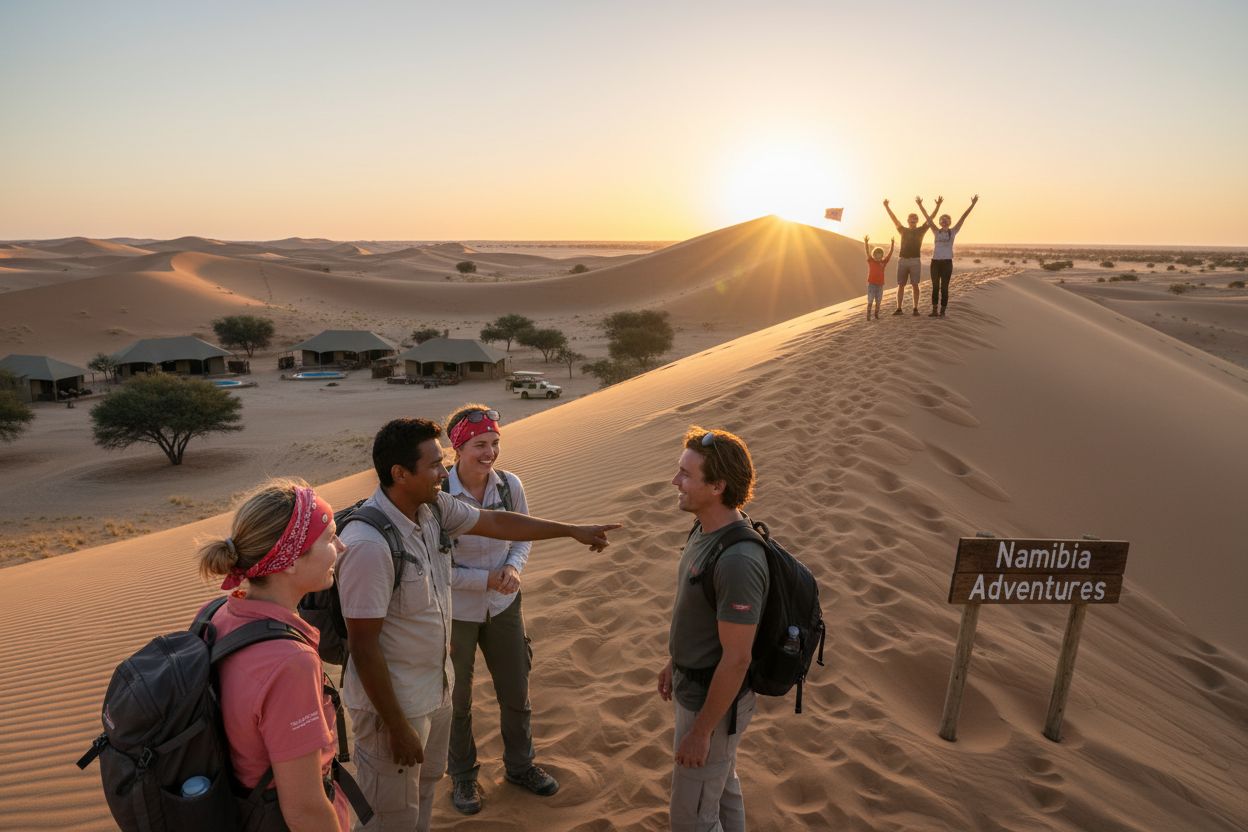
Feb 24, 2026
Why Namibia Adventures Matter: An In-Depth Look
Discover why Namibia adventures are essential for luxury travelers seeking unique, immersive experiences in nature and wildlife exploration.
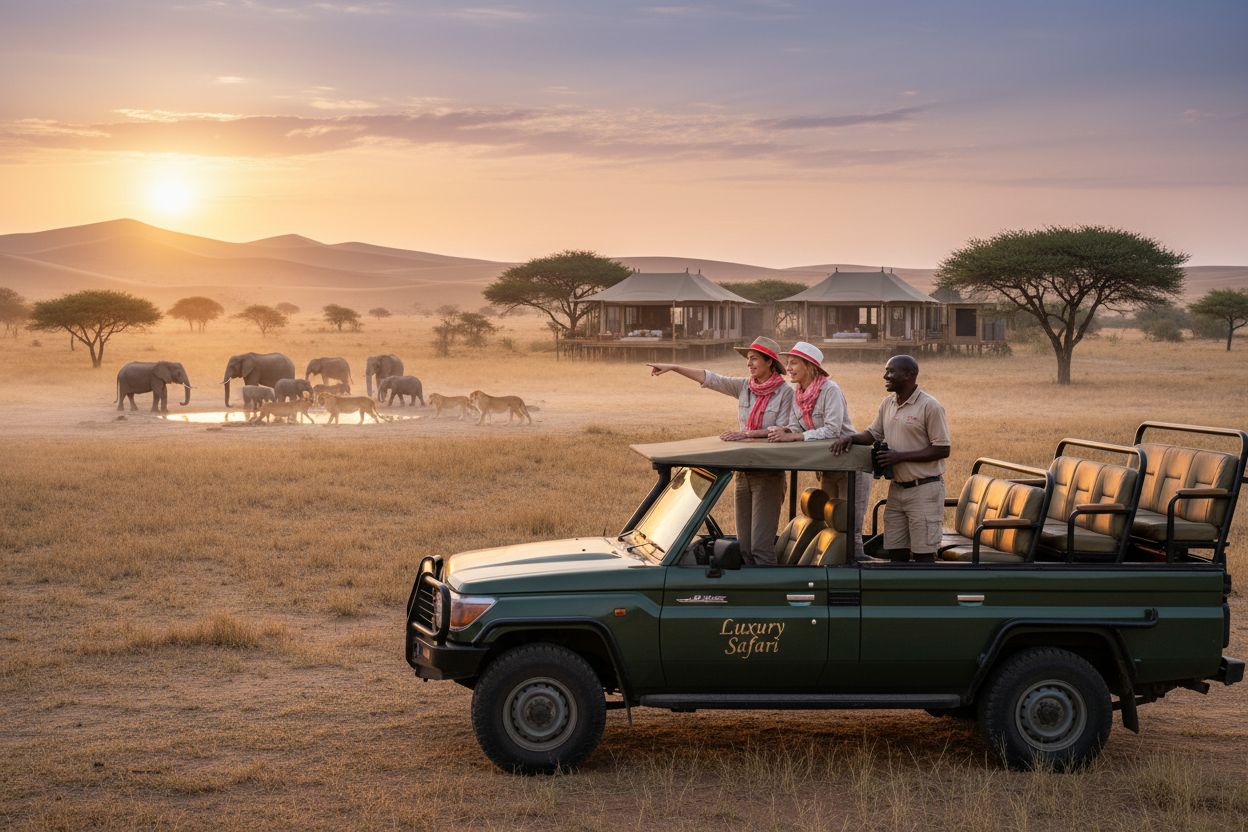
Feb 23, 2026
What to Expect on a Luxury Safari: A Comprehensive Guide
Discover what to expect on a luxury safari and gain a deeper understanding of the unique experiences that await you in the wild.
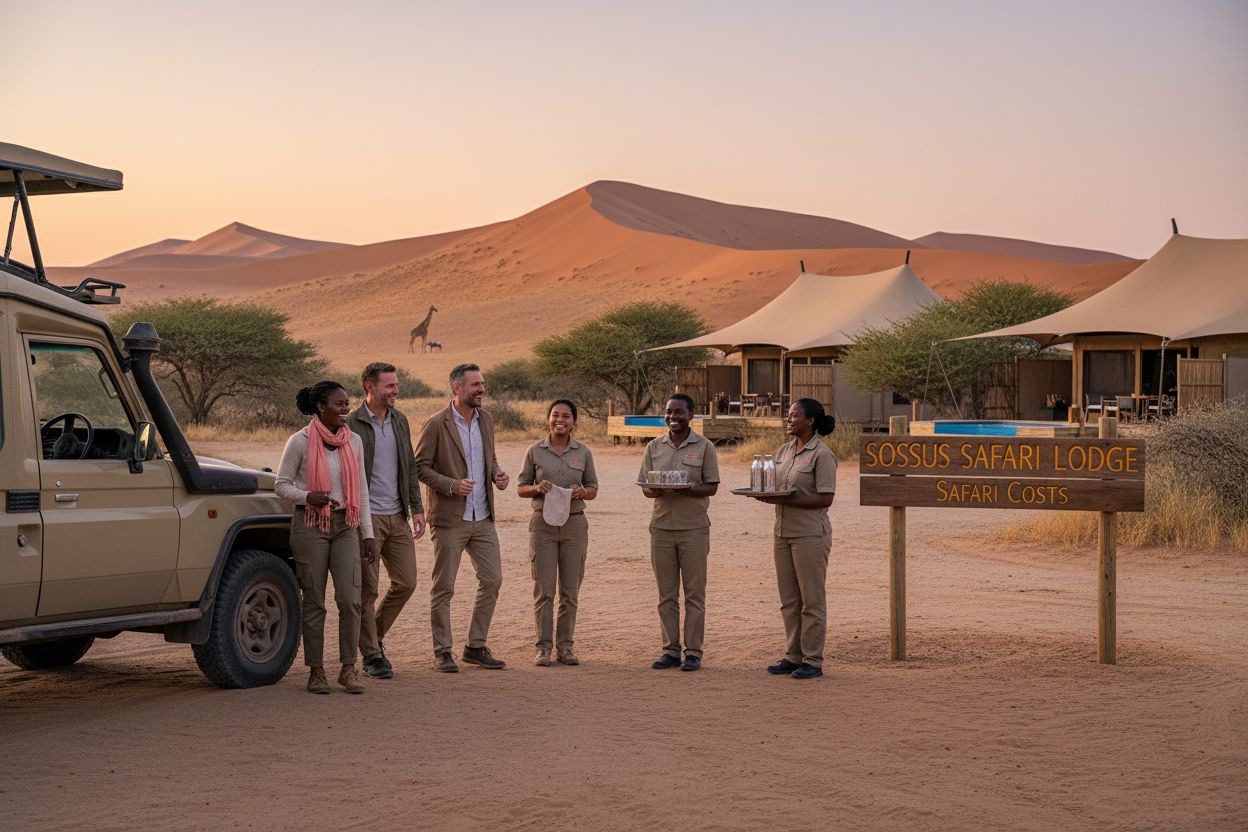
Feb 22, 2026
Understanding Namibia Safari Costs Explained
Explore Namibia safari costs explained to uncover what influences pricing and what it means for your adventure.
Feb 21, 2026
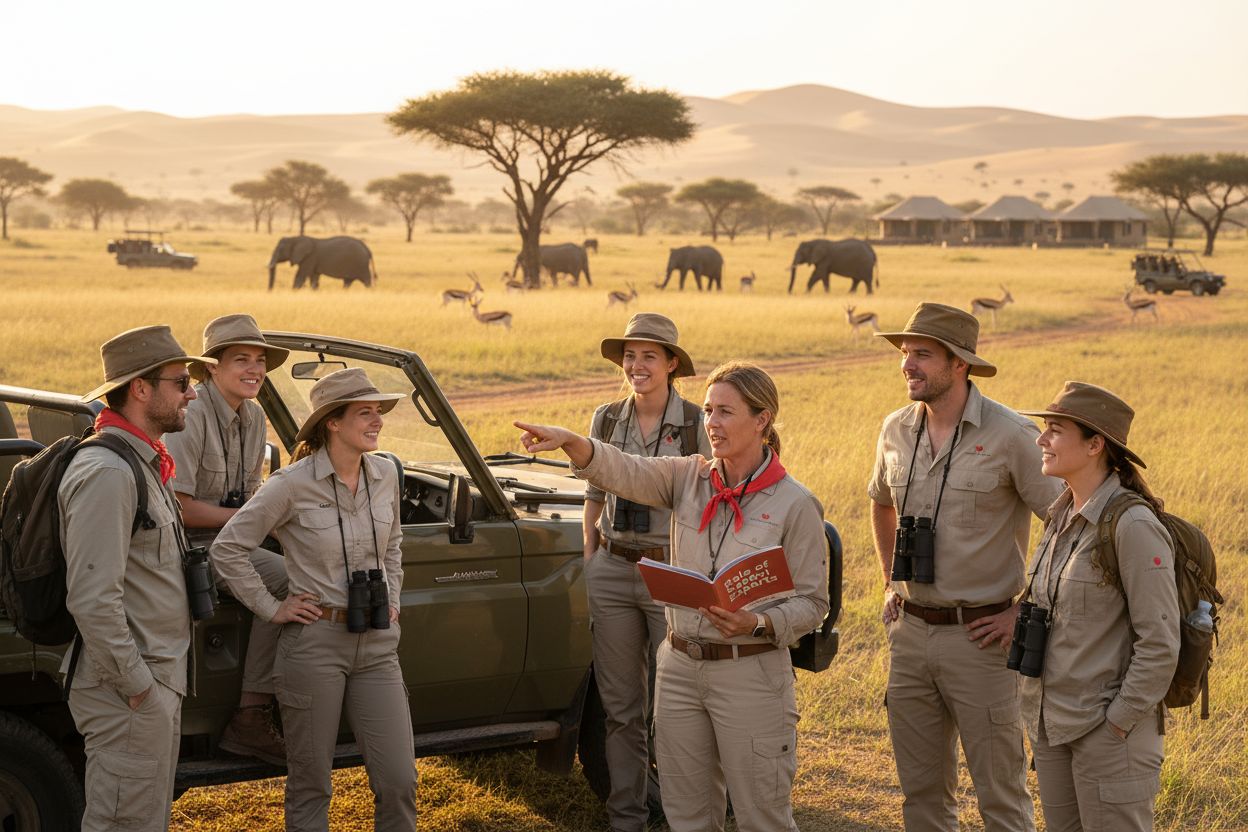
Understanding the Role of Safari Experts in Wildlife Travel
Explore the role of safari experts and gain a comprehensive understanding of how they enhance wildlife travel experiences for all types of travelers.
Feb 20, 2026
Guide organisation safari all inclusive : vivez l'aventure de vos rêves
Découvrez notre guide organisation safari all inclusive étape par étape pour planifier un voyage inoubliable au cœur de la nature.