
Mar 9, 2026
Discover how conservation enhances luxury safaris through thriving wildlife populations, authentic experiences, and sustainable tourism that benefits communities and ecosystems across Africa.
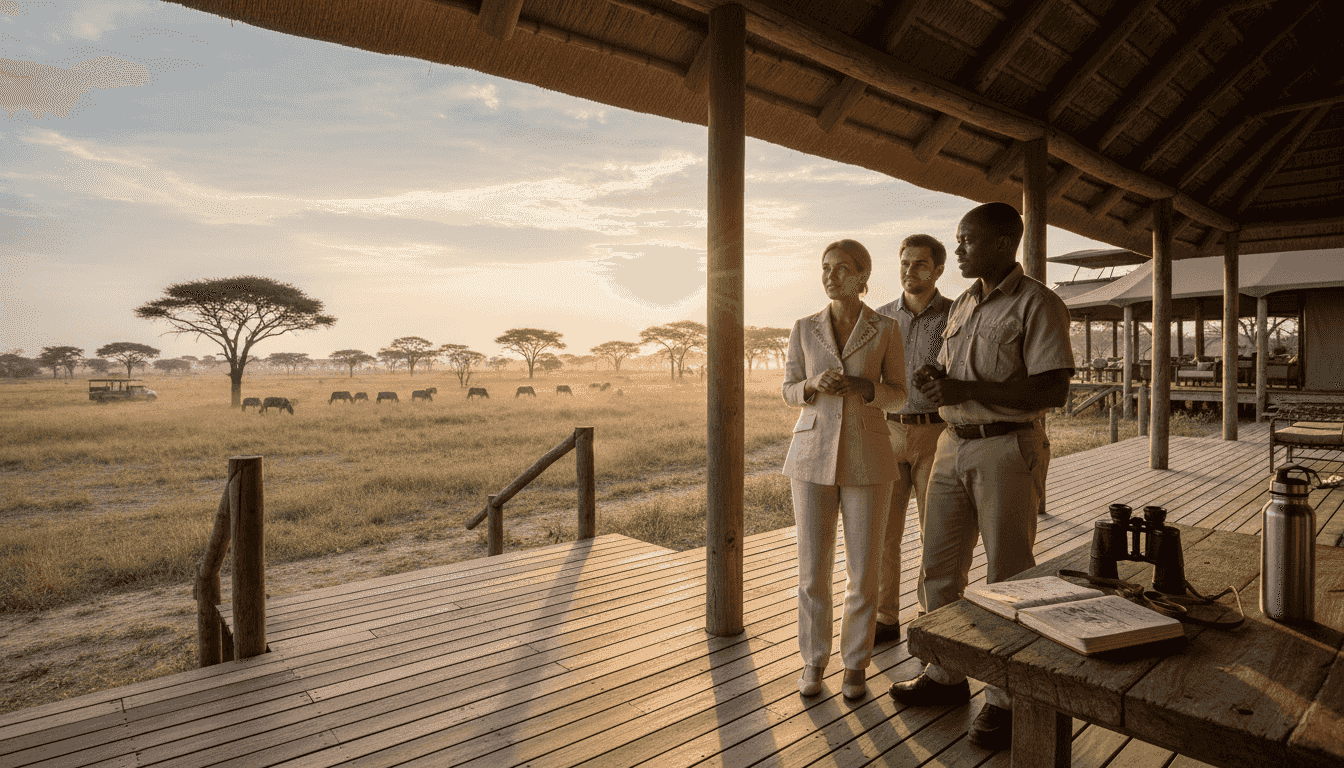
Role of conservation in luxury safaris in 2026
Conservation efforts across African safari regions have driven wildlife populations up by 40% in just ten years, transforming luxury safaris from exclusive to extraordinary. This surge means richer sightings, healthier ecosystems, and more authentic experiences for discerning travelers. Understanding how conservation enhances your safari isn’t just about ethics; it’s about unlocking the highest quality wildlife encounters and ensuring these wonders endure for future journeys.
Table of Contents
Introduction To Conservation And Safari Tourism
How Conservation Enhances Wildlife Populations And Ecosystems
Economic And Social Impacts Of Conservation Linked To Luxury Safaris
Common Misconceptions About Conservation’s Role In Safaris
Framework For Evaluating Conservation Commitment In Safari Operators
Trade-Offs Between Exclusivity And Conservation Impact In Luxury Safaris
How Travelers Can Support Conservation Through Their Safari Choices
Explore Luxury Safaris That Prioritize Conservation With Secret Namibia
Frequently Asked Questions
Key takeaways
Point | Details |
|---|---|
Wildlife abundance | Conservation sustains and increases wildlife populations, delivering exceptional sightings and exclusive safari experiences. |
Community prosperity | Conservation projects generate 15-25% of rural income in safari regions, creating authentic cultural connections for travelers. |
Enhanced exclusivity | Contrary to myths, conservation improves safari quality by boosting wildlife density in protected conservancies. |
Traveler impact | Informed choices and behaviors directly support conservation, ensuring sustainable luxury safaris for decades ahead. |
Introduction to conservation and safari tourism
Conservation in luxury safaris means active management and protection of ecosystems and wildlife to ensure long term sustainability. It goes beyond passive observation, involving anti-poaching patrols, habitat restoration, community partnerships, and scientific monitoring. These efforts maintain the delicate balance that allows elephants, lions, rhinos, and countless other species to thrive.
Luxury safari tourism centers on unique, high quality wildlife experiences where exclusivity, comfort, and authenticity converge. Travelers seek intimate encounters with wildlife in pristine environments, guided by experts who reveal the intricate stories of the bush. Conservation ensures these experiences remain exceptional by sustaining wildlife abundance and ecosystem health.
Without conservation, habitats degrade, wildlife populations decline, and safari quality plummets. Protected areas and conservancies act as sanctuaries where animals flourish, creating the dense wildlife corridors that make luxury safari trends 2025 possible. Key conservation benefits include:
Maintaining viable breeding populations of endangered species
Restoring natural migration routes and seasonal patterns
Protecting water sources and vegetation critical for wildlife survival
Reducing human wildlife conflict through strategic land management
Creating buffer zones that allow ecosystems to regenerate naturally
Traveler demand has shifted dramatically toward ethical and sustainable safari experiences. Modern luxury travelers expect transparency about conservation impact, preferring operators who demonstrate genuine commitment to protecting wildlife and supporting local communities. This trend reflects growing awareness that true luxury includes responsibility and lasting positive impact.
How conservation enhances wildlife populations and ecosystems
Conservation transforms landscapes from depleted to vibrant through targeted interventions. Protected conservation areas have boosted populations by up to 40% in just a decade, creating wildlife densities that would be impossible without these efforts. This recovery happens through multiple mechanisms working in concert.
Anti-poaching units patrol vast territories, using technology like drones and camera traps to deter illegal hunting. Veterinary teams treat injured animals and manage disease outbreaks. Ecologists reintroduce species to areas where they were previously extinct, carefully monitoring reestablishment. These combined efforts create safe havens where wildlife populations rebound dramatically.
Ecosystem services preserved through conservation include pollination, seed dispersal, soil enrichment, and water cycle regulation. Elephants act as ecosystem engineers, creating waterholes and clearing vegetation that benefits countless other species. Predators maintain healthy prey populations by removing weak individuals. Conservation protects these intricate relationships that sustain the entire food web.
Southern African safari regions demonstrate conservation success spectacularly. Namibia’s communal conservancies increased wildlife populations while generating income for rural communities. Botswana’s Okavango Delta remains pristine due to strict conservation policies. South Africa’s private reserves have brought back white rhinos from the brink of extinction.
Area Type | Wildlife Population Change (10 Years) | Tourist Sightings Quality |
|---|---|---|
Protected conservancies | +35% to +45% | Exceptional, consistent daily sightings |
Unprotected areas | -15% to -25% | Poor, sporadic sightings |
Community managed zones | +20% to +30% | Good, improving steadily |
Conservancy-based safaris offer higher wildlife density and more frequent sightings because animals remain undisturbed within secure boundaries. Protected territories also support rare and endangered species that have disappeared elsewhere.
Pro Tip: Choose safari operators partnering with verified conservancies to guarantee exceptional luxury wildlife experiences backed by measurable conservation outcomes.
Economic and social impacts of conservation linked to luxury safaris
Conservation generates substantial economic returns for local communities, creating a virtuous cycle where protecting wildlife becomes financially rewarding. Community conservancies provide direct income through tourism levies, employment in lodges and guiding, and craft sales to visitors. Ecotourism contributes 15-25% of total income for rural communities in African safari regions.
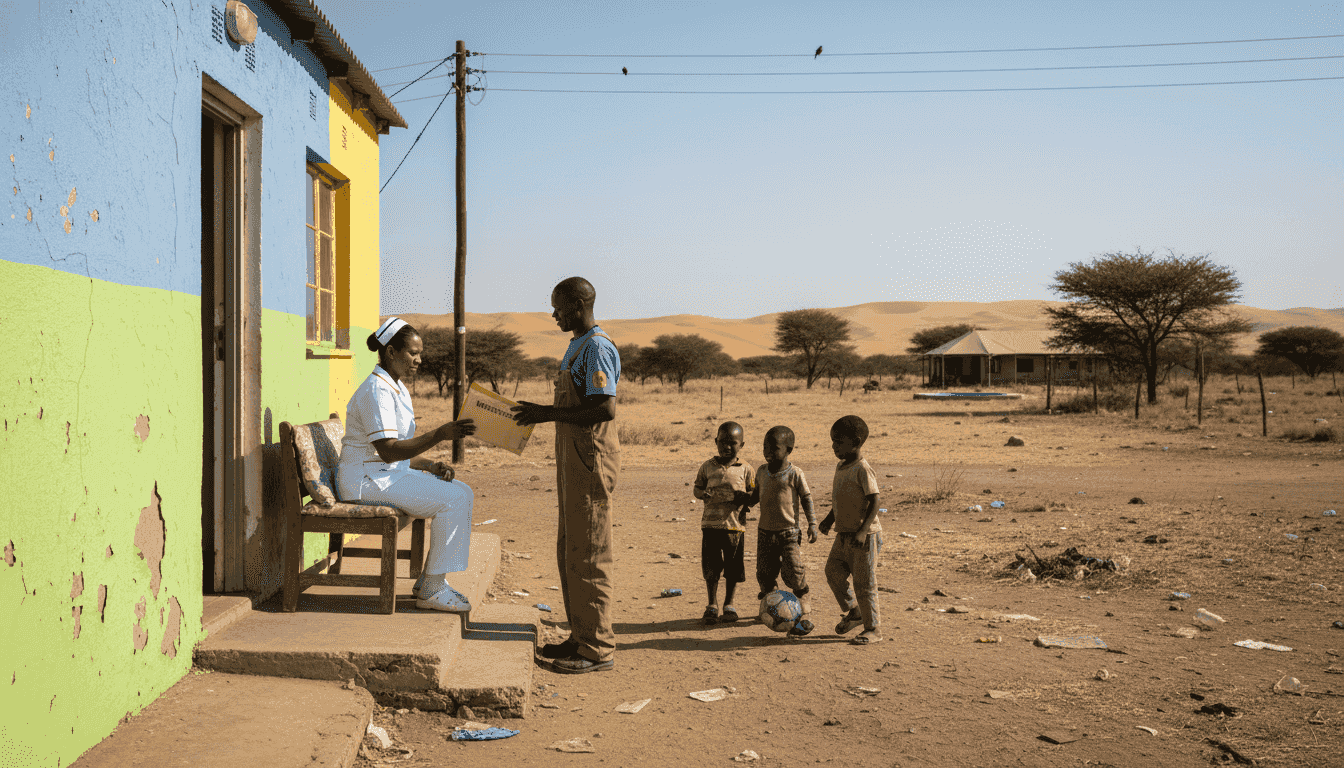
This economic model transforms conservation from an abstract concept into tangible benefits. When communities see wildlife as an asset rather than a threat, they actively protect it. Former poachers become game rangers. Farmers tolerate elephants crossing their land because tourism revenue compensates for crop damage. This alignment of incentives proves more effective than top down enforcement.
Travelers increasingly prefer and pay premiums for conservation-linked safaris. Surveys reveal that ethical credentials influence booking decisions as much as accommodation quality or itinerary uniqueness. Operators demonstrating genuine conservation partnerships attract discerning clients willing to invest more for meaningful impact.
Luxury safari operators integrating conservation partnerships see 30% higher repeat bookings due to travelers valuing ethical and sustainable experiences.
This statistic reflects how conservation enhances brand loyalty and guest satisfaction beyond the immediate safari experience. Travelers return because they trust operators who prioritize long term ecosystem health over short term profits.
Social benefits extend far beyond income:
Funding for schools and healthcare facilities in remote areas
Scholarships enabling local youth to pursue conservation careers
Infrastructure improvements like roads and water systems
Cultural preservation through supporting traditional practices
Empowerment of women through tourism employment and entrepreneurship
Skills training in hospitality, guiding, and wildlife management
These improvements create resilient communities less vulnerable to economic shocks. When tourism slows, conservation infrastructure remains, continuing to protect wildlife and support livelihoods through alternative mechanisms.
The safari conservation role extends beyond immediate economic metrics to include intangible benefits like pride in heritage and stewardship of natural resources for future generations.
Common misconceptions about conservation’s role in safaris
Myths about conservation persist despite overwhelming evidence to the contrary. These misconceptions prevent travelers from fully appreciating how conservation enhances rather than restricts luxury safari experiences.
Common myths include beliefs that conservation limits access to wildlife, reduces safari quality through over-regulation, prioritizes animals over people, or conflicts with luxury standards. Each of these assumptions crumbles under scrutiny.
Myth | Reality |
|---|---|
Conservation restricts safari access | Protected areas increase wildlife density, improving sighting quality and frequency for visitors |
Luxury safaris ignore conservation | Premium operators increasingly integrate conservation as a core value differentiator |
Conservation benefits only wildlife | Economic returns to communities average 15-25% of household income in safari regions |
Protected status reduces flexibility | Well-managed conservancies offer exclusive access and personalized experiences |
Conservation actually enhances exclusivity by maintaining pristine environments that mass tourism degrades. Limited visitor numbers in protected areas mean fewer vehicles around wildlife, creating intimate encounters impossible in unrestricted zones. This scarcity drives the premium experience luxury travelers seek.
Wildlife sightings improve dramatically in conserved areas because animals behave naturally without constant disturbance. Predators hunt during daylight more frequently. Herds move predictably along established routes. Rare species remain visible instead of retreating to inaccessible areas.
The misconception that conservation conflicts with luxury stems from outdated images of basic research camps. Modern conservation-focused lodges rival five star hotels in comfort while maintaining minimal environmental impact through solar power, water recycling, and local materials. Luxury and conservation complement rather than contradict each other.
Pro Tip: Seek safari myths debunked resources and verified conservation partnerships when choosing operators to avoid falling for marketing claims without substance.
Framework for evaluating conservation commitment in safari operators
Assessing genuine conservation commitment requires systematic evaluation beyond marketing rhetoric. Use this framework to separate authentic efforts from superficial claims.
Verify conservation partnerships with recognized organizations like African Wildlife Foundation, Peace Parks Foundation, or national park authorities through direct confirmation, not just operator claims.
Examine community involvement specifics including percentage of revenue shared, number of local employees in management roles, and existence of community development projects with measurable outcomes.
Demand transparency on conservation impact through annual reports, wildlife population data, and third party audits that quantify results rather than vague commitments.
Investigate anti-poaching measures including dedicated ranger units, technology deployment like camera traps and drones, and collaboration with law enforcement agencies.
Assess sustainable practices such as renewable energy use, waste management systems, water conservation methods, and carbon offset programs with verifiable implementation.
Review guest education programs that inform visitors about conservation challenges, local ecosystems, and how their visit contributes to protection efforts.
Check for credible certifications from bodies like Fair Trade Tourism, Green Tourism, or Ecotourism Kenya that require independent verification.
Recognized conservation partnerships to look for include collaborations with research institutions conducting ongoing wildlife studies, participation in species-specific protection programs like rhino or cheetah conservation, and membership in regional conservancy networks with governance structures.
Transparency separates committed operators from those using conservation as marketing spin. Genuine operators eagerly share data, invite questions, and connect travelers with conservation managers. Evasive responses or vague statements signal lack of substantive involvement.
Guest education demonstrates commitment by investing in visitor understanding rather than just extracting revenue. Quality programs include expert guides trained in ecology, interactive sessions with conservationists, and detailed information on how guest fees fund specific projects.
Apply this framework systematically when researching eco-friendly safari benefits to ensure your investment supports real impact.
Trade-offs between exclusivity and conservation impact in luxury safaris
Balancing exclusivity with broad conservation impact presents nuanced challenges. Ultra-exclusive safaris limit visitor numbers to preserve pristine experiences, but this restriction can reduce economic benefits flowing to communities and conservation programs that depend on tourism volume.
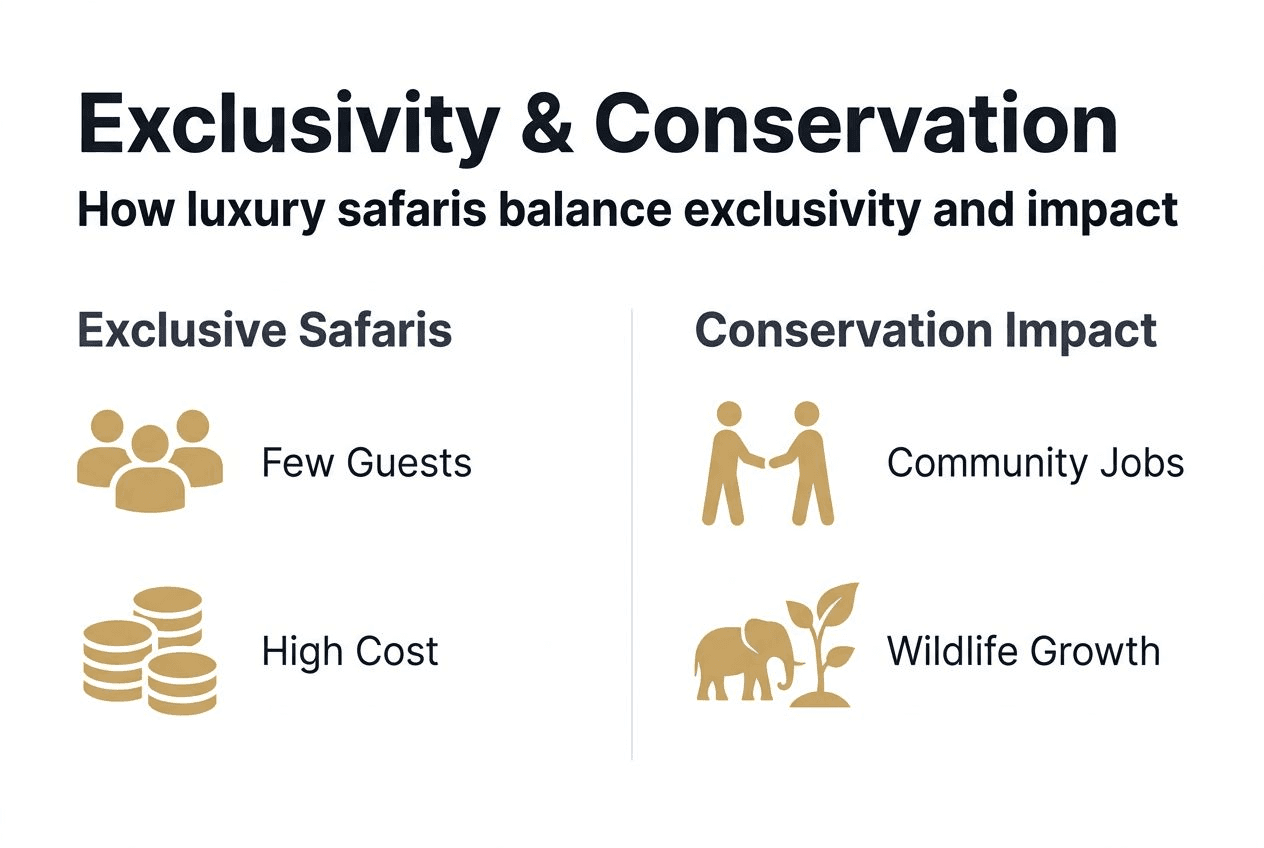
Exclusivity sometimes creates tensions over land access and benefit distribution. When private reserves cater exclusively to wealthy international visitors, local communities may feel excluded from ancestral lands or disconnected from conservation benefits. This tension undermines the community support essential for long term wildlife protection.
Inclusive conservation models address these challenges through innovative approaches:
Tiered access systems allowing luxury travelers exclusive experiences while maintaining community access rights for traditional activities
Revenue sharing formulas ensuring communities receive meaningful benefits regardless of visitor exclusivity
Seasonal variations where high-paying travelers visit during peak periods, generating funds that support year-round conservation
Cultural tourism integration connecting luxury guests with community experiences that generate additional income streams
Joint management structures giving communities decision-making power over conservation priorities and tourism development
Some luxury safaris reconcile exclusivity with broad impact by charging premium rates that fund extensive conservation across larger territories than guests actually access. A small exclusive camp might generate revenue protecting ten times its immediate footprint, benefiting wildlife and communities across the entire conservancy.
Benefit sharing mechanisms include community dividends distributed annually based on tourism revenue, preferential employment for local residents in lodge operations, and investment in community infrastructure like schools and clinics. These arrangements ensure luxury tourism creates widespread prosperity rather than concentrating benefits narrowly.
Ethical land use requires recognition of indigenous and community rights, fair compensation for any restrictions on traditional activities, and transparent decision-making processes. Conservation must enhance rather than displace local livelihoods to maintain social license and ensure sustainability.
Fair distribution of conservation benefits means monitoring that economic returns reach the intended recipients rather than being captured by elites or external operators. Independent audits and community feedback mechanisms help ensure accountability.
How travelers can support conservation through their safari choices
Your safari choices carry significant power to drive conservation outcomes. Strategic decisions before and during your trip amplify positive impact far beyond your immediate experience.
Demand transparency from operators about conservation partnerships, community engagement, and measurable outcomes. Ask specific questions: What percentage of revenue supports conservation? Which recognized organizations do you partner with? Can I meet with conservation managers during my visit? How do you measure and report impact? Operators with genuine commitments welcome these inquiries.
Over 60% of luxury travelers would pay 10-15% premiums for verified conservation-positive experiences. Your willingness to invest more for authentic impact signals market demand that shifts industry practices. Premium pricing for conservation creates sustainable business models that prioritize long term ecosystem health.
Behavioral choices during safaris matter enormously:
Respect wildlife viewing guidelines on distance, noise, and duration to minimize disturbance
Support local communities by purchasing authentic crafts directly from artisans
Minimize environmental footprint through water conservation and waste reduction
Choose walking safaris or low-impact vehicles over helicopter tours when possible
Engage meaningfully with conservation staff to understand challenges and solutions
Share your experience to inspire others toward conservation-positive travel
Pro Tip: Prioritize operators demonstrating clear conservation credentials and active community engagement, using the evaluation framework to verify claims before booking.
Questions to ask safari providers include: How do you measure conservation success? What specific wildlife population trends have improved in your area? How many local staff hold management positions? What community development projects do you fund? Can you provide contact information for conservation partners for independent verification? Which third party certifications have you earned?
The role of safari in conservation depends on traveler decisions that reward authentic commitment and reject superficial claims. Your informed choices create market pressure driving the entire industry toward better practices.
Consider maximizing safari experiences by selecting itineraries that balance wildlife viewing with community and conservation site visits. These integrated experiences deepen understanding while directly supporting protection efforts.
Advocate for sustainable safari adventures through your booking decisions, social media influence, and feedback to operators. Collective traveler demand transforms conservation from a niche concern into an industry standard.
Explore luxury safaris that prioritize conservation with Secret Namibia
Your journey toward conservation-positive luxury safaris starts with operators who walk the talk. Secret Namibia crafts bespoke safari experiences across Namibia and Southern Africa, partnering exclusively with lodges and conservancies demonstrating verified conservation commitment and community engagement. Every itinerary balances exceptional wildlife encounters with meaningful positive impact.
Our luxury Namibia safaris connect you with protected conservancies where your visit directly funds anti-poaching efforts, community development, and habitat restoration. Experience the difference authentic conservation makes:
Bespoke itineraries designed around your interests and conservation priorities
Verified conservation partnerships with measurable wildlife population outcomes
Exclusive access to private conservancies offering exceptional sighting quality
Expert guides trained in ecology and passionate about protection efforts
Transparent impact reporting showing how your investment drives real change
Discover the essence of safari experiences where luxury and conservation converge seamlessly. Understanding luxury versus standard safaris helps you appreciate how premium investments fund superior conservation outcomes while delivering unforgettable encounters.
Let us craft your conservation-positive luxury safari, where every moment enriches both your experience and the wild places that inspire it.
Frequently asked questions
What is the role of conservation in luxury safaris?
Conservation actively sustains wildlife populations and ecosystem health through anti-poaching, habitat restoration, and scientific management, directly enhancing safari quality. Protected areas show 40% higher wildlife populations than unprotected zones, delivering exceptional sightings that define luxury experiences. Conservation ensures the abundance, diversity, and natural behavior that make safaris extraordinary rather than ordinary.
How does conservation benefit local communities economically?
Conservation-linked tourism contributes 15-25% of household income in African safari regions through employment, revenue sharing, and business opportunities. Communities receive direct payments from conservancy operations, jobs in lodges and guiding, and markets for crafts and cultural experiences. This economic return transforms wildlife from a liability into an asset, creating powerful incentives for protection.
How can travelers identify conservation-positive safari operators?
Verify operators through recognized conservation partnerships, transparent impact reporting, credible third party certifications, and measurable outcomes like wildlife population data. Ask specific questions about revenue allocation, community involvement, and anti-poaching measures. Genuine operators eagerly share details and connect you with conservation managers, while superficial claims collapse under scrutiny.
Does conservation restrict access or reduce safari quality?
Conservation enhances safari quality by maintaining higher wildlife densities, natural animal behavior, and pristine environments that mass tourism degrades. Protected conservancies offer more exclusive access and better sightings than unrestricted areas where disturbance drives wildlife away. Limited visitor numbers create intimate encounters impossible in over-touristed zones, delivering the exclusivity luxury travelers seek.
What actions can travelers take to support conservation during safaris?
Demand transparency from operators about conservation impact, pay premiums for verified conservation-positive experiences, respect wildlife viewing guidelines, support local communities directly, minimize environmental footprint, and engage with conservation staff. Your informed booking decisions create market pressure rewarding authentic commitment while your behavior during safaris reduces disturbance and demonstrates respect for ecosystems.
Recommended
RELATED
Safari Guides
Oct 30, 2025
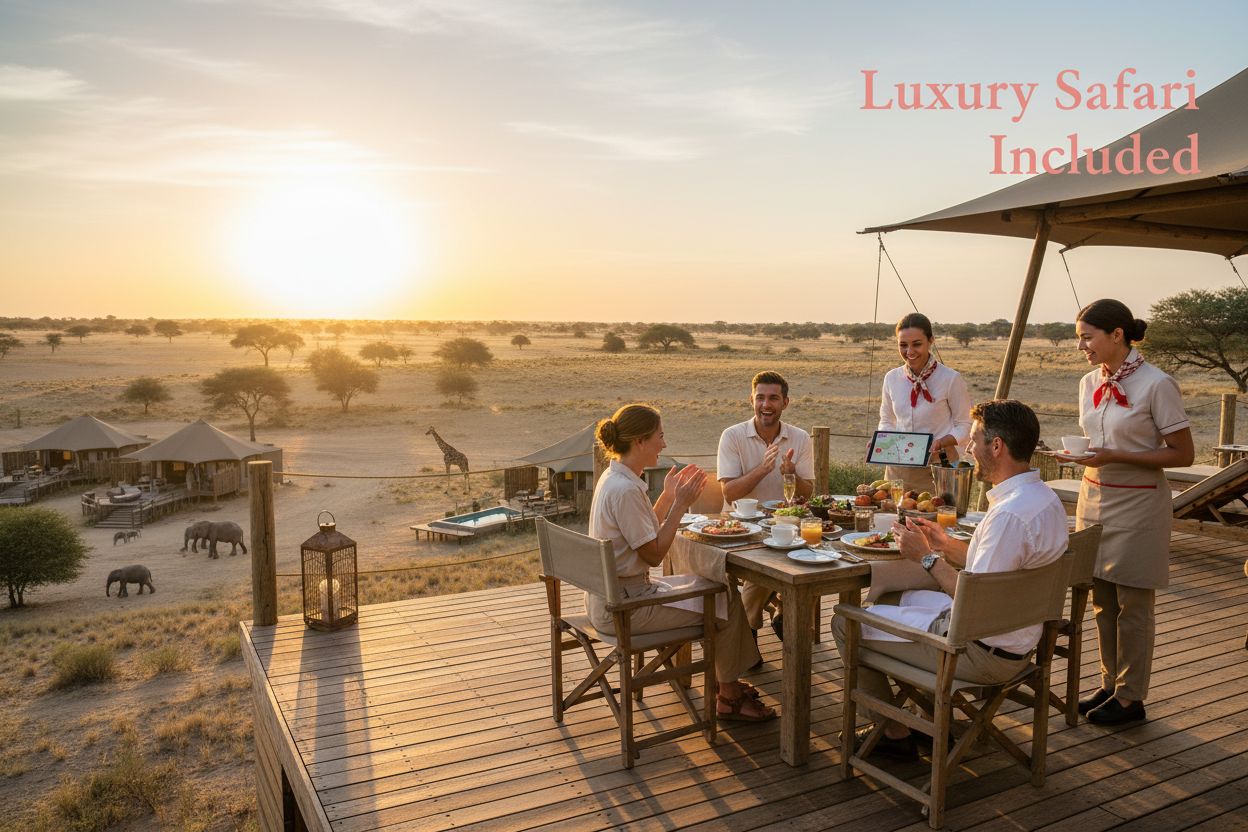
Understanding What is Included in Luxury Safaris
Explore what is included in luxury safaris, from exclusive accommodations to bespoke experiences that cater to discerning travelers.
Feb 24, 2026
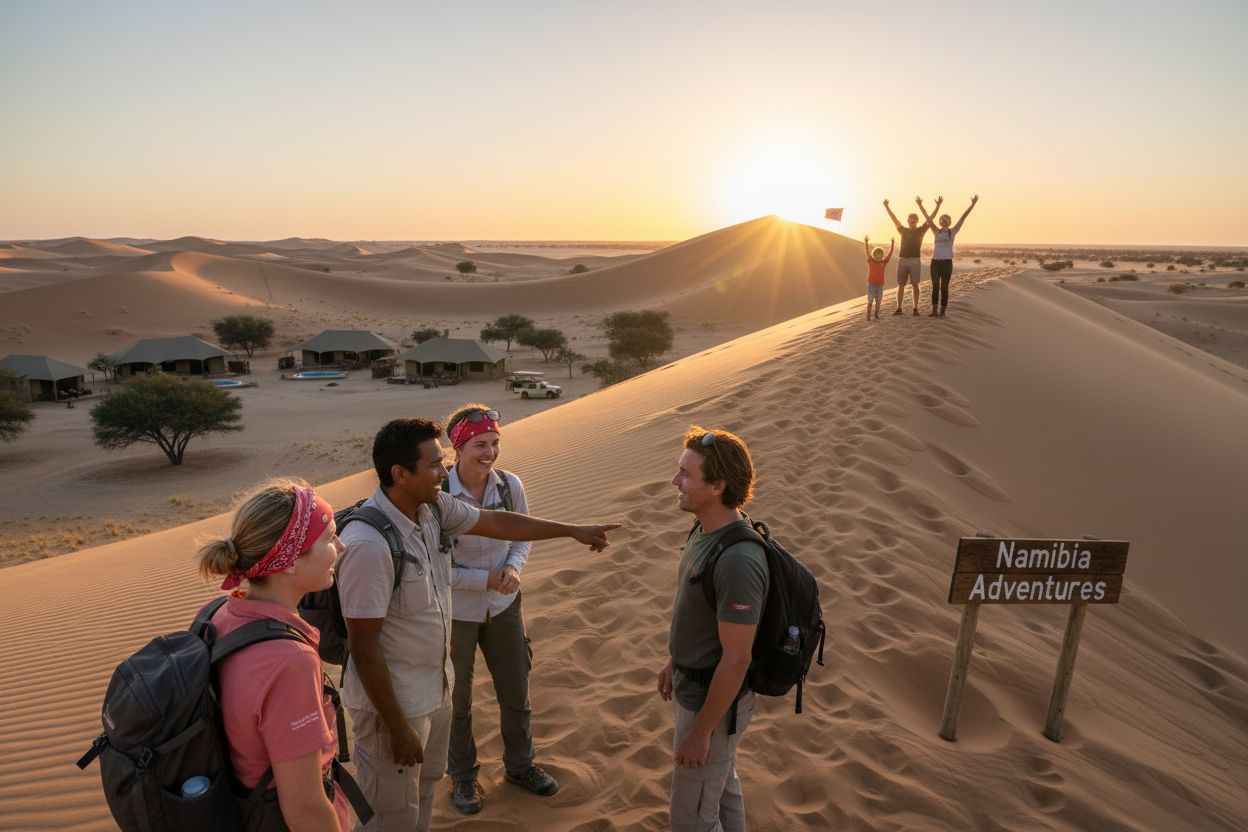
Why Namibia Adventures Matter: An In-Depth Look
Discover why Namibia adventures are essential for luxury travelers seeking unique, immersive experiences in nature and wildlife exploration.
Feb 23, 2026
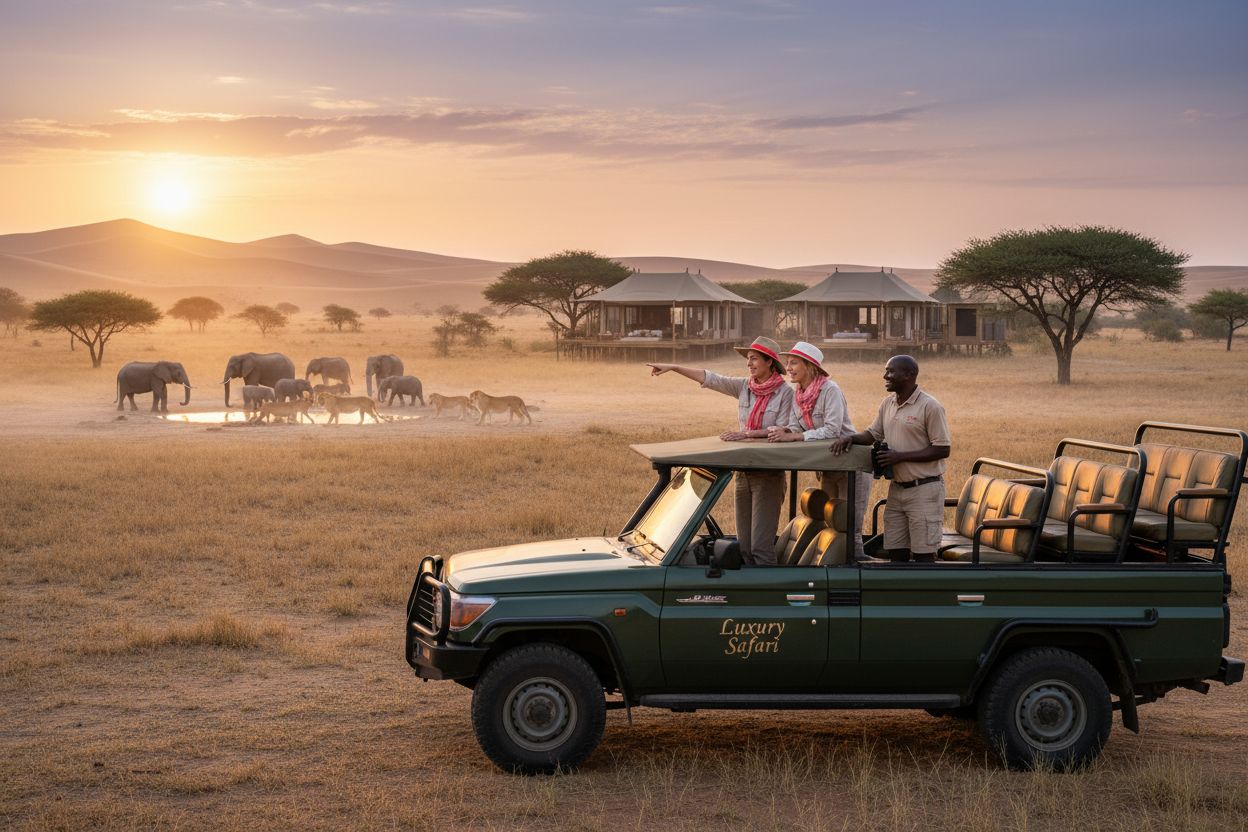
What to Expect on a Luxury Safari: A Comprehensive Guide
Discover what to expect on a luxury safari and gain a deeper understanding of the unique experiences that await you in the wild.
Feb 22, 2026
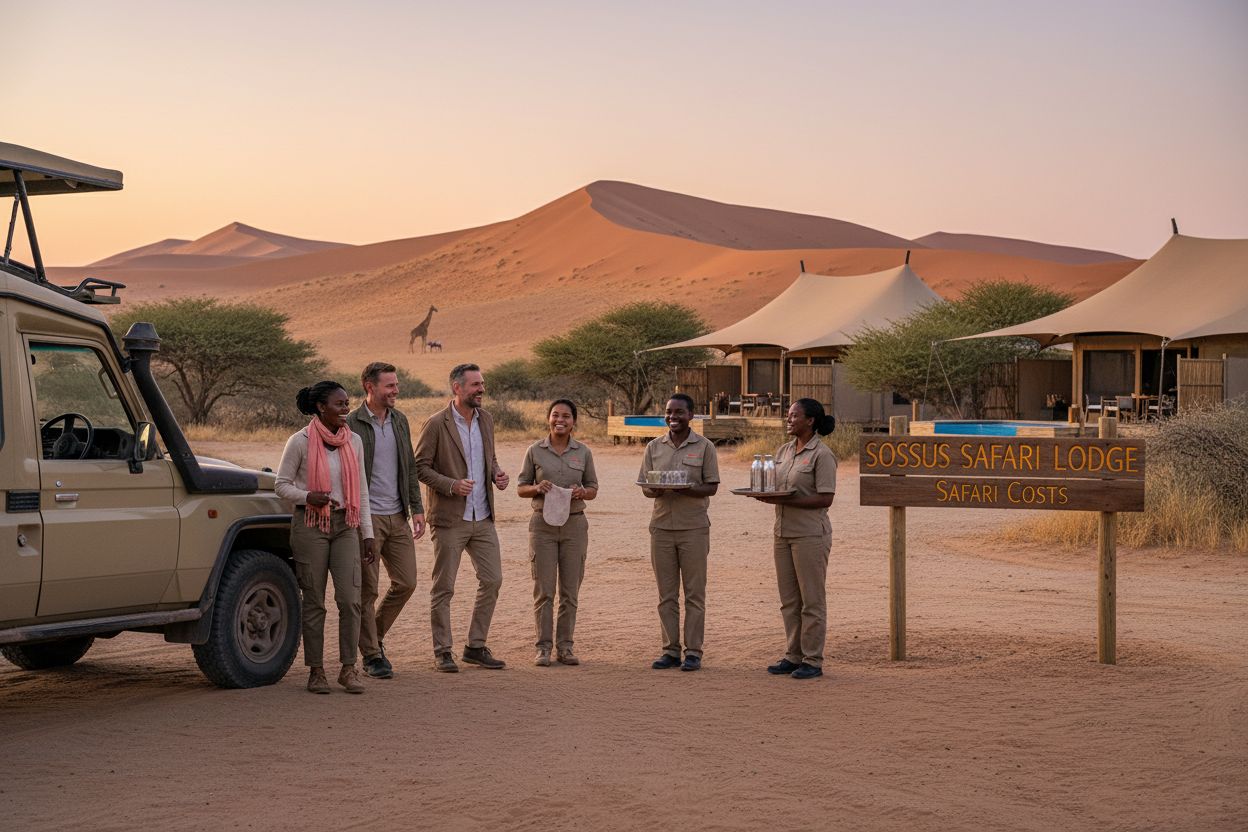
Understanding Namibia Safari Costs Explained
Explore Namibia safari costs explained to uncover what influences pricing and what it means for your adventure.
Feb 21, 2026
Understanding the Role of Safari Experts in Wildlife Travel
Explore the role of safari experts and gain a comprehensive understanding of how they enhance wildlife travel experiences for all types of travelers.
Feb 20, 2026
Guide organisation safari all inclusive : vivez l'aventure de vos rêves
Découvrez notre guide organisation safari all inclusive étape par étape pour planifier un voyage inoubliable au cœur de la nature.