2026年4月4日
Discover the Big Five safari animals, their history, and how to truly experience lion, leopard, elephant, rhino, and buffalo on a luxury Namibia safari.
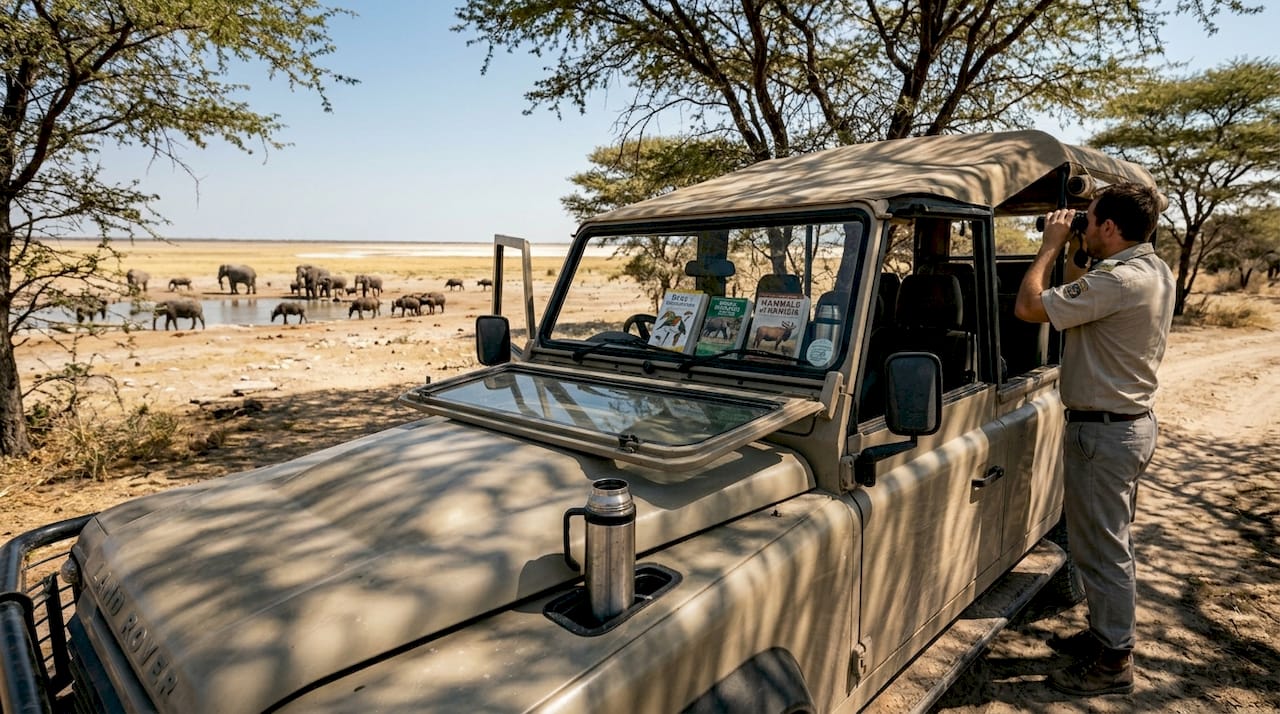
Discover the Big Five: guide to iconic safari wildlife
TL;DR:
The Big Five were originally named for the most dangerous animals to hunt on foot in Africa.
Modern safaris focus on wildlife behavior and ecological interactions rather than just spotting animals.
Namibia offers unique, open landscapes and floodlit waterholes that enhance animal viewing experiences.
The Big Five. You’ve heard the phrase, seen it on safari brochures, and perhaps even built an entire itinerary around it. But here’s what most travellers don’t realise: the Big Five was never meant to be a checklist. It originated in an era of hunting rifles and raw danger, long before luxury game vehicles and floodlit waterholes existed. Today, understanding what these five animals truly represent, where they came from, and how to experience them properly, transforms a good safari into something genuinely unforgettable. This guide covers everything you need to know, from history and animal profiles to practical tips for maximising your Namibian safari.
Table of Contents
What are the Big Five? Origins and significance
Meet the Big Five: Characteristics and safari highlights
Luxury safaris in Namibia: Making the most of Big Five experiences
Beyond the checklist: Big Five in their ecosystems
Why the Big Five checklist misses the true safari magic
Explore luxury safaris that redefine Big Five experiences
Frequently asked questions
Key Takeaways
Point | Details |
|---|---|
Big Five origins | These animals were selected for their danger and difficulty in early hunting traditions, not just for iconic status. |
Safari sighting challenges | Seeing all five is rare and depends on guide expertise, patience, and timing, especially for elusive leopards and rhinos. |
Namibia’s safari advantages | Open landscapes and floodlit waterholes make Namibia unique for viewing the Big Five, offering flexibility and exclusive experiences. |
Beyond checklists | True luxury safari value lies in observing animal behaviors and ecological interactions, not just ticking off species seen. |
What are the Big Five? Origins and significance
The Big Five refers to five of Africa’s most iconic and formidable animals: the lion, leopard, elephant, rhino, and buffalo. Each was selected not for its beauty or rarity, but for something far more primal. As the Big Five origins record shows, the term originated from 19th-century hunters who considered these the most dangerous and difficult animals to hunt on foot, due to their size, aggression, and ability to hide or counterattack.
Think about that for a moment. These weren’t chosen because they were the largest or the most colourful. They were chosen because they could kill you. That distinction matters enormously when you’re sitting in a game vehicle watching a buffalo herd move through golden grass at dusk.
The five animals that earned this fearsome reputation are:
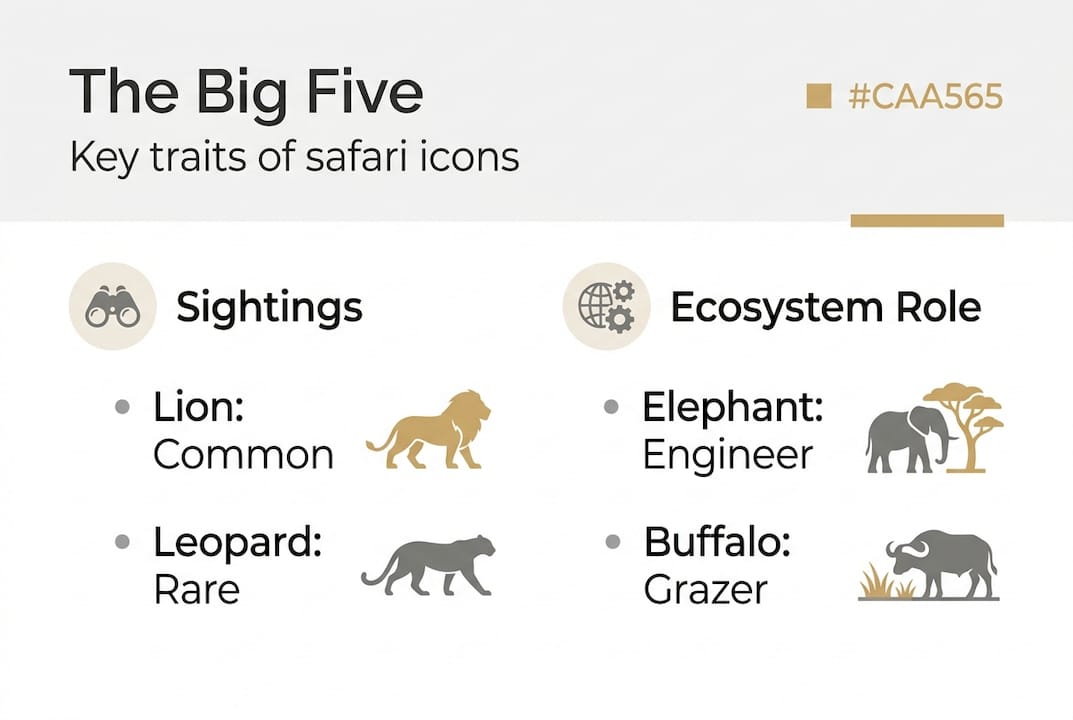
Lion: Apex predator, social hunter, and symbol of raw power across the African savannah
Leopard: Solitary, secretive, and capable of vanishing into plain sight
Elephant: The largest land animal on Earth, fiercely protective and highly intelligent
Rhino: Ancient, armoured, and critically threatened by poaching
Buffalo: Notoriously unpredictable and responsible for more hunter fatalities than almost any other animal
Over the 20th century, the term shifted dramatically. As hunting gave way to photographic safaris and conservation movements, the Big Five became a symbol of wildlife tourism rather than conquest. Today, they anchor safari marketing across Southern Africa, drawing millions of visitors each year to places like Etosha National Park, the Okavango Delta, and Kruger.
“The Big Five were the ultimate test of a hunter’s courage. Today, they are the ultimate test of a photographer’s patience.”
For a deeper look at how this legacy shapes modern travel, the complete Big Five safari guide offers rich context. You’ll also find fascinating profiles of the iconic safari animals most sought after across Namibia. With a clear overview in hand, now let’s explore these remarkable animals individually.
Meet the Big Five: Characteristics and safari highlights
Every one of the Big Five has its own personality, ecology, and safari story. Knowing what to expect from each animal sharpens your appreciation when the moment finally arrives.
Animal | Visibility on safari | Challenge level | Conservation status |
|---|---|---|---|
Lion | High | Moderate | Vulnerable |
Elephant | High | Low | Vulnerable |
Buffalo | Moderate | Moderate | Near Threatened |
Rhino | Low | High | Critically Endangered |
Leopard | Very Low | Very High | Vulnerable |
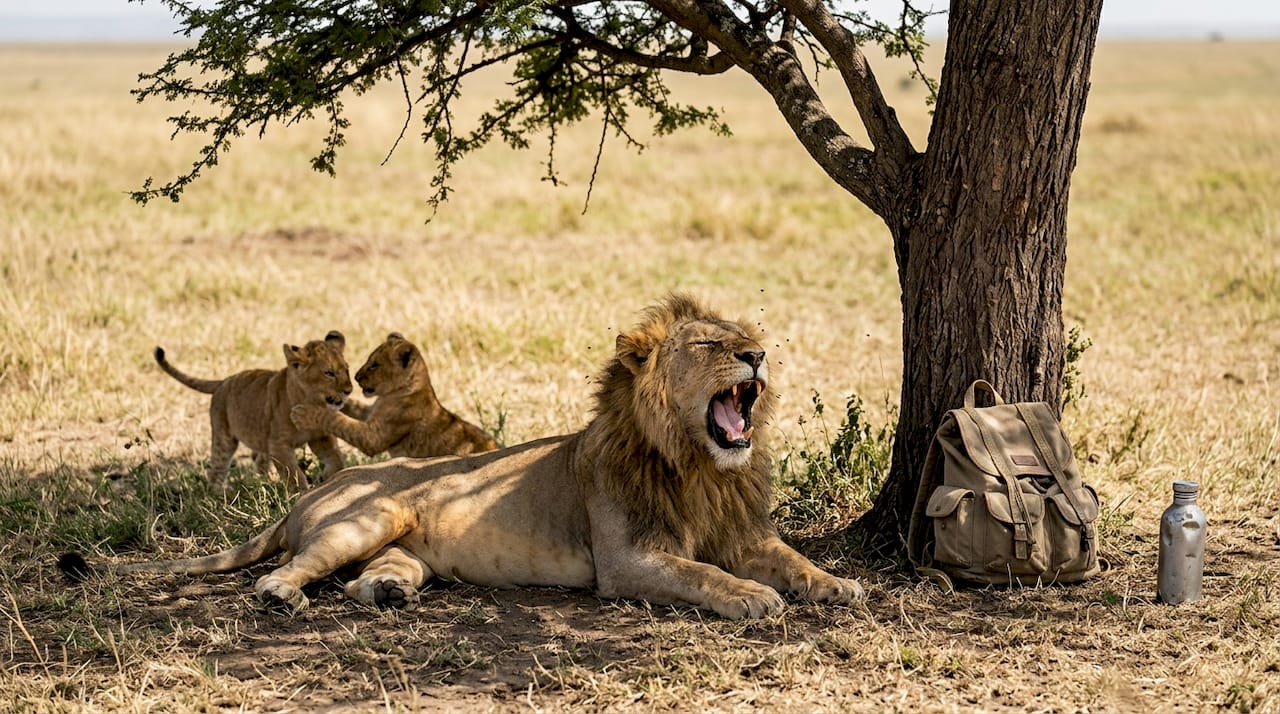
Lions are the most reliably spotted of the five. They rest for up to 20 hours a day, often in open grassland or beneath acacia trees, making them surprisingly visible. Elephant herds are similarly approachable, especially at waterholes, where matriarchs lead family groups with extraordinary social intelligence.
Buffalo, however, are a different matter. They move in large herds and appear docile from a distance, but experienced guides treat them with enormous respect. A wounded or cornered buffalo is considered one of the most dangerous animals in Africa.
Then there’s the leopard. Nocturnal, solitary, and masters of camouflage, leopards are the hardest to spot of all five, relying on darkness and dense vegetation to remain invisible. Rhinos face a different challenge entirely: their scarcity is largely driven by poaching, which has pushed both black and white rhino populations to critically endangered status in many regions.
Key factors that influence your sightings include:
Time of day: Dawn and dusk are peak activity windows for most Big Five species
Season: Dry season concentrates animals around water sources, dramatically improving visibility
Guide expertise: A skilled guide reads tracks, sounds, and subtle environmental cues that most visitors miss entirely
Patience: Some of the most extraordinary wildlife moments require simply waiting
For tips on improving your Namibia safari sightings, local expertise makes all the difference. If you’re seeking something truly special, exploring luxury safari experiences in Namibia opens doors to private concessions and exclusive access that standard park visits simply cannot match. Now that you know their profiles, let’s shift to how safari styles affect your chances and the experience.
Luxury safaris in Namibia: Making the most of Big Five experiences
Namibia offers something genuinely distinctive when it comes to Big Five encounters. Unlike the densely vegetated landscapes of Kruger, Namibia’s open terrain, particularly around Etosha National Park, creates exceptional visibility conditions. You can often see animals from remarkable distances across vast, flat pans.
Feature | Namibia (Etosha) | Kruger National Park |
|---|---|---|
Landscape | Open, flat, semi-arid | Dense bush and woodland |
Visibility | Excellent, long sightlines | Variable, often obstructed |
Night viewing | Floodlit waterholes available | Limited |
Self-drive access | Extensive and well-marked | Available but more restricted |
Crowd levels | Generally lower | Can be very busy |
One of Namibia’s most celebrated advantages is its floodlit waterholes. As the Etosha Park safari tips highlight, Namibia’s open landscapes give self-drive travellers a significant advantage over denser environments, while floodlit waterholes enable extraordinary night sightings of rhino and leopard that are simply impossible in most other parks.
Pro Tip: Always ask your lodge about their waterhole schedule and whether a guide can accompany you for the evening session. Sitting quietly beside a floodlit waterhole as a black rhino materialises from the darkness is one of the most visceral wildlife experiences Southern Africa offers.
To maximise your luxury Big Five safari in Namibia, follow these steps:
Choose the right season: May to October offers the best dry-season concentrations around waterholes
Book a private guide: Expert interpretation elevates every sighting from interesting to extraordinary
Plan waterhole time: Both morning and evening sessions at floodlit waterholes dramatically increase your chances
Select exclusive concessions: Private areas outside main parks offer off-road driving and fewer vehicles
Allow enough days: A minimum of four nights in Etosha gives you genuine flexibility and repeat opportunities
Exploring the best Namibia self-drive safari routes helps you plan strategically across the park’s diverse zones. For those seeking something beyond the standard game drive, the unique luxury safari experiences available in Namibia include fly-in options, private concessions, and bespoke itineraries designed around your specific wildlife priorities. Beyond safari mechanics, let’s focus on appreciating the deeper ecological and behavioural wonders of the Big Five.
Beyond the checklist: Big Five in their ecosystems
Here’s something the brochures rarely tell you. The most memorable safari moments rarely happen when you tick off an animal. They happen when you witness something that reveals how these creatures actually live.
Watch a lion pride coordinate a hunt at dawn. Observe a matriarchal elephant herd navigate a waterhole, the oldest female making every decision while younger members follow her lead without question. See a buffalo herd react collectively to the scent of a predator, a ripple of awareness moving through hundreds of animals simultaneously. These are the moments that stay with you.
As wildlife experts increasingly note, avoiding the checklist mindset reveals the true value of a safari, found in behaviours, ecological interactions, and the complex social structures that govern each species. An over-focus on simply spotting animals can actually distort your appreciation of the biodiversity surrounding you.
Opportunities to witness key ecological interactions include:
Predator and prey dynamics at active waterholes during dry season
Elephant herds teaching calves social behaviours and navigation
Rhino territorial scent-marking and social signalling
Buffalo herd decision-making and collective movement patterns
Leopard caching prey in trees to protect kills from lions and hyenas
“The guests who leave most transformed are those who stopped counting animals and started reading the landscape.”
Pro Tip: Before each game drive, ask your guide to focus on one specific behaviour or interaction rather than a species list. You’ll return to camp with stories rather than tallies, and that shift in perspective changes everything.
For a broader understanding of how wildlife encounters shape your overall experience, exploring the Big Five safari impact on your journey is genuinely illuminating. Pairing wildlife observation with cultural context, such as learning how the San people read and relate to the same landscapes, adds yet another layer of meaning. Discovering San culture on safari offers perspectives on the natural world that no game drive alone can provide. With this richer perspective, let’s reflect on what truly makes a luxury safari unforgettable.
Why the Big Five checklist misses the true safari magic
After years of working with travellers across Namibia and Southern Africa, we’ve noticed a pattern. The guests who arrive with rigid checklists often leave satisfied but not transformed. The guests who arrive curious, open, and willing to sit quietly for an hour watching a waterhole, they leave changed.
The Big Five definition and insights are worth understanding deeply, not as a list to complete, but as a framework for appreciating why certain animals command such extraordinary attention. The narrative around the Big Five is also evolving in conservation circles, with growing recognition that an obsessive focus on five species can inadvertently overshadow the remarkable ecological richness surrounding them.
Seasoned guides will tell you that the buffalo standing alone at the edge of a waterhole, old and scarred and watching everything, tells a more compelling story than a pride of lions sleeping in the shade. Luxury safari travel at its finest is about developing the patience and knowledge to read those stories. That’s the real magic.
Explore luxury safaris that redefine Big Five experiences
Ready to experience the Big Five on your own terms, with expert guides, exclusive access, and itineraries built around genuine wildlife immersion?

At Secret Namibia, we craft tailored Namibia safaris that go far beyond standard game drives. Whether you’re drawn to Etosha’s floodlit waterholes, private concessions in the Namibian wilderness, or a broader Southern African journey, our team designs every detail around your priorities. Explore our adventure safari options for inspiration, or get in touch to start planning a bespoke experience that transforms how you see Africa’s most iconic wildlife.
Frequently asked questions
Which animals are included in the Big Five?
The Big Five are lion, leopard, elephant, rhino, and buffalo, originally chosen for their hunting difficulty and danger rather than their size or rarity.
Which Big Five animal is hardest to spot on safari?
Leopards are the hardest to spot due to their nocturnal and secretive nature, followed closely by rhinos, whose numbers have been severely reduced by poaching.
Can you guarantee seeing all of the Big Five in Namibia?
No safari can guarantee all five sightings. Success depends on guide experience, seasonal conditions, and patience, particularly for elusive species like leopard and rhino.
How do Namibia safaris compare to Kruger for Big Five viewing?
Namibia’s open terrain and floodlit waterholes provide unique advantages over Kruger’s denser bush, including exceptional night sightings of rhino and leopard that are rarely possible elsewhere.
Recommended
相关
萨法里指南
2025年10月30日
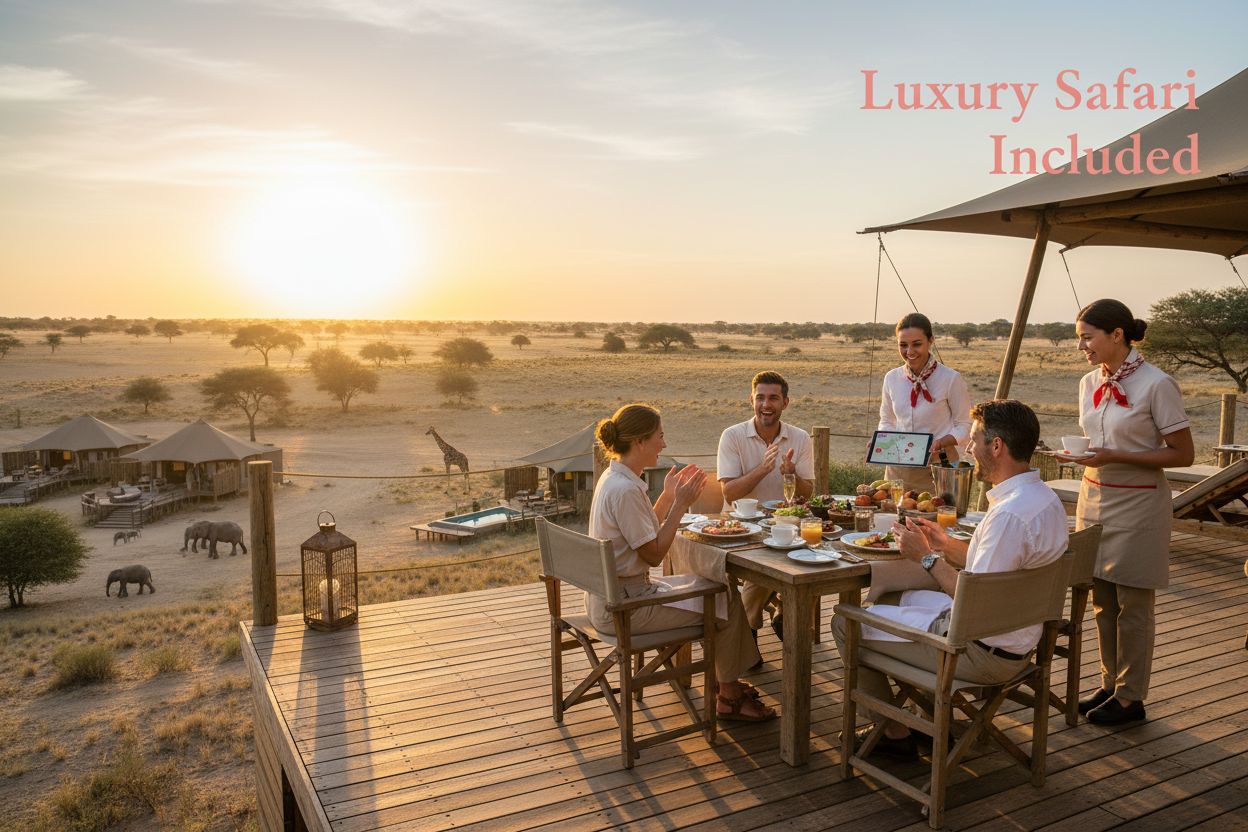
Understanding What is Included in Luxury Safaris
Explore what is included in luxury safaris, from exclusive accommodations to bespoke experiences that cater to discerning travelers.
2026年2月24日
Why Namibia Adventures Matter: An In-Depth Look
Discover why Namibia adventures are essential for luxury travelers seeking unique, immersive experiences in nature and wildlife exploration.
2026年2月23日
What to Expect on a Luxury Safari: A Comprehensive Guide
Discover what to expect on a luxury safari and gain a deeper understanding of the unique experiences that await you in the wild.
2026年2月22日
Understanding Namibia Safari Costs Explained
Explore Namibia safari costs explained to uncover what influences pricing and what it means for your adventure.
2026年2月21日
Understanding the Role of Safari Experts in Wildlife Travel
Explore the role of safari experts and gain a comprehensive understanding of how they enhance wildlife travel experiences for all types of travelers.

2026年2月20日
Guide organisation safari all inclusive : vivez l'aventure de vos rêves
Découvrez notre guide organisation safari all inclusive étape par étape pour planifier un voyage inoubliable au cœur de la nature.