Jul 28, 2026
Discover breathtaking African tours tailored to your preferences—choose from guided safaris, gorilla treks, and custom experiences. Start your adventure!
African tours: your guide to bespoke safari adventures
TL;DR:
African tours offer diverse experiences, from guided safaris to cultural journeys, tailored to wildlife interests and comfort preferences. Namibia’s private reserves stand out for off-road tracking, night drives, and intimate wildlife encounters, especially in remote areas like Etosha and the Namib Desert. Planning requires selecting a region, tour style, budget, and timing, with private reserves providing the most exclusive and flexible options.
African tours span guided game drives, fly-in safaris, cultural heritage journeys, gorilla treks, river cruises, and beach extensions — experiences you can match to your wildlife priorities, pace, and comfort level. Two immediate next steps: choose your region (Southern Africa, East Africa, or Central Africa), then decide your tour style (guided group, private reserve, or self-drive).
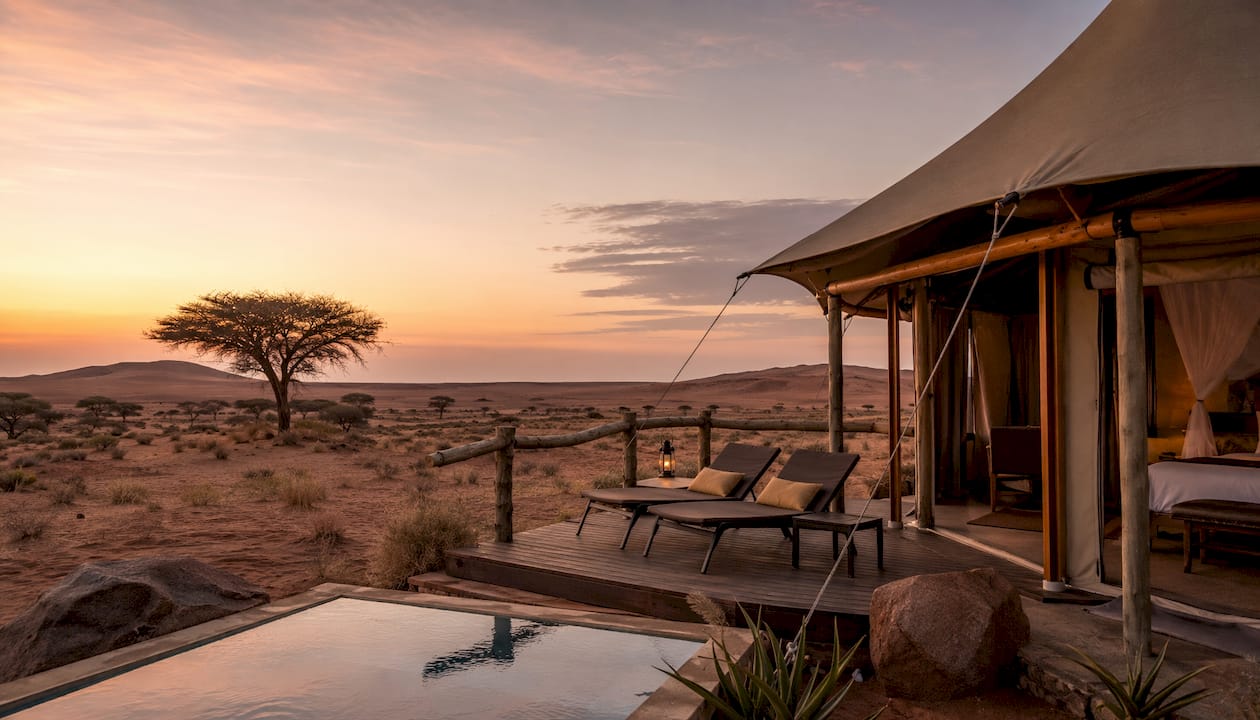
Picture the Namib Desert at first light — towering ochre dunes casting shadows across a silence so complete you can hear the sand shift. That is the promise of a Namibia-led safari. Secretnamibia specialises in exactly this: bespoke itineraries built around private reserves, Etosha National Park, game drives, and landscapes that reward slow, attentive travel.
Start here:
Pick your region based on the wildlife or landscape that excites you most
Decide between a guided group departure, a private bespoke itinerary, or a self-drive adventure
Table of Contents
What types of African tours suit you best?
Which African region should you visit?
How do you choose the right African tour?
Planning essentials: timing, health, visas, and packing
What is a safari really like?
Three sample itineraries to get you started
Why Namibia and private reserves stand apart
How do you get around on an African tour?
Plan your bespoke African safari with Secretnamibia
Key takeaways
A safari changes how you travel
Useful sources and further reading
What types of African tours suit you best?
The style of tour shapes everything — pace, cost, access, and the depth of experience you take home.
Guided vehicle safaris bundle transport, park fees, and expert commentary into one package, making them ideal for first-time visitors who want expert-led logistics without the planning burden
Private-reserve safaris offer exclusivity, off-road access, and personalised wildlife encounters — best for luxury seekers, honeymooners, and photographers
Self-drive safaris suit independent travellers comfortable with navigation and variable road conditions; Namibia’s B-roads are among Africa’s most accessible for this style
Fly-in safaris reach remote wilderness camps quickly, though luggage is restricted to a moderate weight limit in soft-sided bags per person on light-aircraft transfers
Cultural and heritage tours focus on community visits, ancient rock art, and tribal traditions — the San Cultural Experiences in Namibia are a remarkable example of living heritage
Gorilla trekking in Uganda or Rwanda suits active, physically confident travellers; permits are limited and book out months ahead
River and lake cruises on the Chobe or Zambezi offer low-mobility-friendly wildlife viewing with magnificent elephant and hippo sightings
Beach extensions to Zanzibar or the Namibian coast pair well with any inland safari
Responsible travel note: Many operators now include conservation talks and community visits as part of the itinerary. Small-group tours that partner with local enterprises tend to deliver the most authentic and ethically grounded experiences. Secretnamibia’s eco-friendly stays in Namibia are a strong starting point for responsible luxury travel.
Which African region should you visit?
Each region offers a distinct ecosystem, wildlife profile, and travel rhythm. Here is a quick reference:
Region | Top Draw | Best Season | Key Highlights |
|---|---|---|---|
Southern Africa | Desert, canyon, Big Five | May–September | Namib Desert, Etosha, Fish River Canyon, Victoria Falls |
East Africa | Great Migration, Maasai culture | June–October | Serengeti, Maasai Mara, Ngorongoro Crater |
Central Africa | Gorilla trekking | June–September | Bwindi, Virunga, Congo Basin |
North Africa | Ancient history, Sahara | October–April | Morocco, Egypt, Atlas Mountains |
Indian Ocean Islands | Beaches, marine life | May–November | Zanzibar, Seychelles, Mauritius |
Seasonality varies significantly: May–September is excellent for Southern Africa wildlife viewing, while June–October is peak for East Africa’s Great Migration. November–April brings superb birding and fewer crowds in several areas.
Southern Africa highlights:
The Namib Desert — one of the world’s oldest deserts, with dunes at Sossusvlei reaching extraordinary heights
Etosha National Park — Namibia’s crown jewel for Big Five game viewing around vast, shimmering salt pans
Fish River Canyon — the second-largest canyon on earth, spectacular at sunrise
Victoria Falls — a short flight from Namibia, and one of the planet’s most awe-inspiring natural landmarks
Multi-park itineraries combining Etosha, the Okavango Delta, and a landscape highlight like the Namib Desert are among the most popular structures for first-time visitors
How do you choose the right African tour?
Start with one priority: wildlife, landscape, culture, or convenience. Everything else follows from that.
Set your budget bracket. African travel packages range from budget overland trips to premium private-reserve fly-in safaris for multi-week itineraries. Mid-range guided departures sit comfortably between those poles.
Decide your trip length. Five to seven days works for a focused Namibia express; 10–14 days allows a proper multi-park loop; 16+ days opens up multi-country routes.
Check peak season timing. Booking during peak windows (June–October for most regions) means better wildlife sightings but higher prices and more competition for permits.
Consider mobility and family needs. Vehicle safaris and river cruises suit all ages and mobility levels; gorilla trekking and walking safaris require reasonable fitness.
Clarify your wildlife priorities. Big Five? Great Migration? Gorillas? Desert-adapted species? Your answer narrows the region immediately.
Red flags to watch for in itineraries and operators:
Overpacked schedules with more than two park transfers per day
Vague accommodation descriptions (“lodge-style accommodation” with no property name)
Unclear inclusions — always confirm whether park fees, tips, and internal transfers are covered
No mention of guide credentials or group size limits
Planning essentials: timing, health, visas, and packing
Seasonality is region-specific, so timing your trip correctly makes an enormous difference to what you see and how you feel.
Region | Best Wildlife Window | Weather Note |
|---|---|---|
Southern Africa (Namibia, Botswana) | May–September | Dry, cool nights; excellent visibility |
East Africa (Kenya, Tanzania) | June–October | Dry season; Great Migration peaks July–August |
Central Africa (Uganda, Rwanda) | June–September | Drier trekking conditions |
North Africa | October–April | Cooler, more comfortable for desert travel |
Health and safety essentials:
Consult a travel health clinic at least six weeks before departure for vaccinations (yellow fever, typhoid, hepatitis A are commonly recommended)
Malaria prophylaxis is advisable for most sub-Saharan destinations; confirm with your doctor based on your specific itinerary
Comprehensive travel insurance covering medical evacuation is strongly recommended — not optional
Review safari safety tips specific to Namibia before you travel
Packing by tour type:
Private reserve / luxury lodge: smart-casual evenings, neutral safari colours, light layers for early drives, quality binoculars
Fly-in tented camp: soft-sided bags only, 15–20 kg limit, minimal footprint
Gorilla trek: waterproof boots, long sleeves, rain cover, gardening gloves for vegetation
Beach extension: reef-safe sunscreen, snorkel gear, light linen clothing
Visa requirements vary by nationality and destination. US passport holders can enter Namibia visa-free for up to 90 days, but always verify current entry requirements with the relevant embassy before booking.
This article is general travel information, not professional medical or legal advice. Confirm current health requirements and visa rules with official sources or a qualified travel health provider.
What is a safari really like?
A safari combines guided wildlife viewing, quiet wilderness time, and curated hospitality — paced around dawn and dusk, when animals are most active and the light is extraordinary.
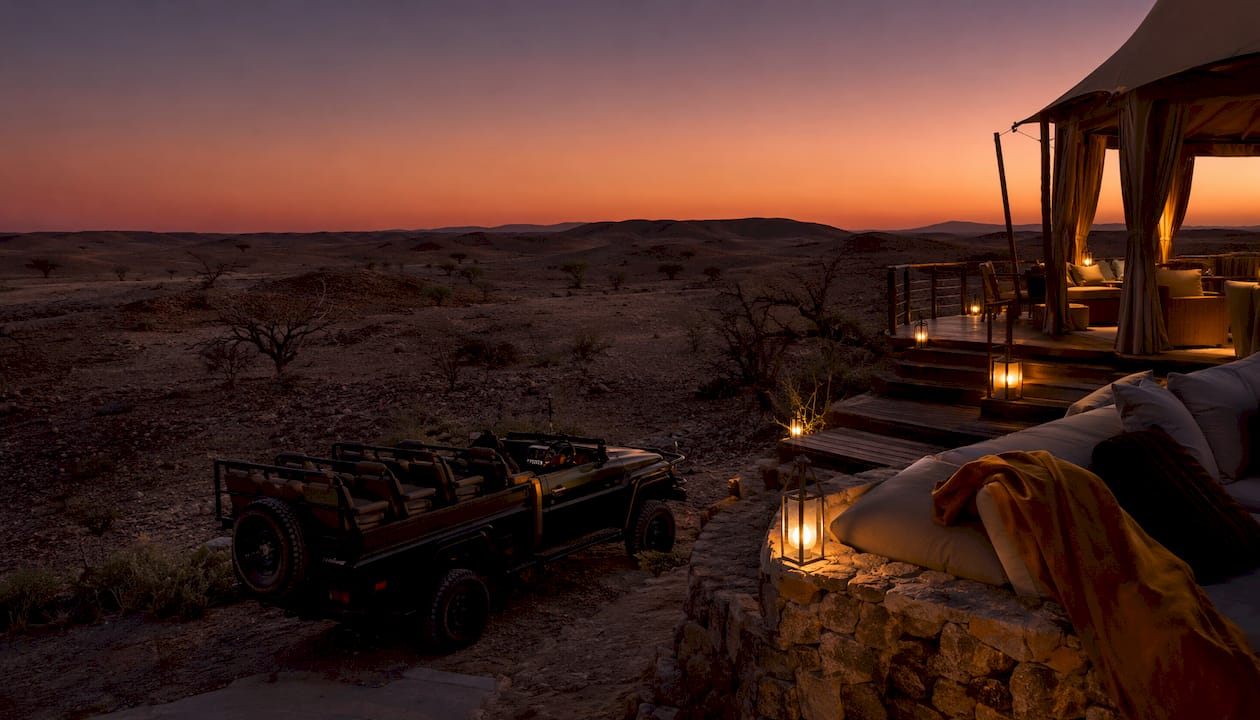
The best guides encourage you to slow down. Ask for early morning or late afternoon drives, request a walking safari where the reserve permits it, and take time at waterholes — some of the most dramatic wildlife encounters happen when you simply wait. Private reserve access allows off-road tracking and guided walks that national parks typically restrict, which is why the experience feels so different.
Pro Tip: Ask your guide to explain animal behaviour rather than just identify species. Understanding why a herd is moving, or what a bird’s alarm call signals, transforms a game drive into something genuinely absorbing.
Lodge rituals matter too: the pre-dawn coffee by the fire, the sundowner on a rocky outcrop, the night-sky viewing from an open deck. These moments are as much a part of the luxury safari experience as any headline sighting.
Three sample itineraries to get you started
5–7 day Namibia express
Day 1–2, Windhoek: Fly into Namibia’s capital; acclimatise, city orientation, overnight lodge
Day 3–4, Sossusvlei / Namib Desert: Self-drive or fly-in; dune walks at dawn, Dead Vlei photography
Day 5–6, Etosha National Park: Two full game drives; Big Five viewing around waterholes
Day 7, Windhoek: Return transfer, depart
Transport note: Self-drive on tarred B-roads is straightforward; fly-in option cuts driving time but requires soft bags at 15–20 kg.
10–12 day classic Namibia private-reserve loop
Day 1–2, Windhoek: Arrival, orientation
Day 3–5, Damaraland / private reserve: Desert-adapted rhino tracking, guided walks, lodge-based activities
Day 6–8, Etosha: Game drives, waterhole hides, night drives where permitted
Day 9–10, Sossusvlei: Dune landscapes, stargazing
Day 11–12, Fish River Canyon: Sunrise viewpoints, optional hiking; return to Windhoek
Extension option: Add two nights at Victoria Falls via a short scheduled flight from Windhoek.
14–18 day southern Africa multi-park route
Days 1–4, Namibia (Etosha + Damaraland): Private reserve, Big Five, desert wildlife
Days 5–8, Botswana (Okavango Delta): Fly-in camp, mokoro channels, walking safaris
Days 9–12, Zimbabwe / Zambia (Victoria Falls): Falls viewing, Zambezi sunset cruise
Days 13–16, South Africa (Kruger or private reserve): Big Five, malaria-free options available
Days 17–18, Cape Town: City extension, depart
Luggage note: Fly-in legs between Namibia and Botswana require soft bags at 15–20 kg. Pack a separate overnight bag for bush camps and store main luggage at your gateway hotel.
Why Namibia and private reserves stand apart
Namibia is unlike anywhere else in Africa. The Namib Desert is one of the oldest on earth, Fish River Canyon ranks as the second-largest canyon globally, and Etosha’s salt pan ecosystem produces wildlife encounters of remarkable intimacy. Add the fact that Namibia has one of the lowest population densities on the continent, and you begin to understand why the wilderness here feels genuinely untouched.
Private reserves versus national parks — the key differences:
Off-road access: Private concessions permit off-road tracking to follow predators; national parks restrict vehicles to designated roads
Night drives: Permitted on most private reserves; prohibited in the majority of national parks
Walking safaris: Available in high-density areas on private land with trained guides; heavily restricted in parks
Guest numbers: Private reserves cap daily visitor numbers, meaning you rarely share a sighting with another vehicle
Conservation impact: Reserve fees fund anti-poaching patrols, habitat restoration, and community employment directly
Secretnamibia’s bespoke safari planning connects you with the finest private reserves in Namibia, with itineraries designed around your dates, interests, and pace — not a fixed group departure.
How do you get around on an African tour?
Transportation shapes the rhythm of your trip more than almost any other factor.
By air: International hubs for Southern Africa include Johannesburg (O.R. Tambo), Cape Town, and Windhoek (Hosea Kutako). Light aircraft charters connect remote camps in Namibia, Botswana, and Tanzania. Domestic scheduled flights link major towns; luggage limits on light aircraft are strict at 15–20 kg in soft bags.
By road: Self-drive is excellent in Namibia on tarred and well-graded gravel roads. Four-wheel drive is advisable for remote routes and essential in the wet season. Guided overland trucks cover multi-country routes across East and Southern Africa, offering a social, budget-conscious option.
By rail: The Rovos Rail between Pretoria and Cape Town or Dar es Salaam is one of Africa’s great luxury rail journeys — slow, scenic, and magnificent. It suits travellers who want to absorb the landscape rather than cover distance quickly.
By boat: Mokoro canoes in the Okavango Delta, sunset cruises on the Zambezi near Victoria Falls, and dhow sailing off Zanzibar each offer a completely different perspective on African wildlife and culture.
Plan your bespoke African safari with Secretnamibia
Secretnamibia offers something the standard group-departure market cannot: a fully personalised itinerary built around your exact dates, budget, and wildlife priorities, with direct access to Namibia’s finest private reserves and fly-in camps.
Whether you are planning a luxury honeymoon in the Namib Desert, a family safari around Etosha, or a multi-country Southern Africa route that takes in Victoria Falls and the Okavango Delta, the Secretnamibia team handles every detail — from luxury safari features and private-reserve bookings to light-aircraft logistics and packing guidance. To get started, enquire about your safari with your preferred travel dates, approximate budget, and the experiences that matter most to you.
Key takeaways
Namibia’s private reserves, combined with bespoke planning from Secretnamibia, deliver the most personalised and wildlife-rich safari experiences in Southern Africa.
Point | Details |
|---|---|
Match tour style to priorities | Choose private reserve for exclusivity, guided tours for convenience, self-drive for independence. |
Time your trip by region | May–September is peak for Southern Africa; June–October for East Africa’s Great Migration. |
Fly-in luggage limits apply | Light aircraft transfers restrict luggage to 15–20 kg in soft-sided bags per person. |
Private reserves unlock more access | Off-road tracking, night drives, and walking safaris are typically permitted on private concessions. |
Secretnamibia for bespoke planning | Enquire with dates, budget, and priorities for a fully personalised Namibia or Southern Africa itinerary. |
A safari changes how you travel
There is a particular quality of attention that a safari demands — and rewards. You stop rushing. You start noticing. The way a gemsbok stands motionless against a dune at midday, or how the light over Etosha’s pan turns from white to gold in the space of twenty minutes. These are not things you can photograph adequately; they are things you carry home differently.
Namibia, more than almost anywhere I have travelled, rewards that kind of patience. Its private reserves are places where the wilderness is not performed for visitors but simply lived in — by the animals, the guides, and, if you let it, by you. If that sounds like the kind of travel you are looking for, it is worth taking the time to plan it properly.
Useful sources and further reading
The Okavango Delta: What to Expect — Detailed field reporting on private-reserve access, fly-in logistics, and the sensory safari experience; useful for setting realistic expectations
Africa Tour Packages 2026/2027 (Go Collette) — Guided tour itineraries and seasonality guidance for planning timing across regions
East Africa Safari & Coast (Intrepid Travel) — Sample 13-day East Africa itinerary with detailed day-by-day structure and inclusions
Wildlife Adventures in Africa (Passport & Pixels) — Expert-curated list of unmissable wildlife experiences across the continent
Secretnamibia Safari Collection — Bespoke Namibia itineraries, private-reserve options, and enquiry for personalised planning
Recommended
RELATED
Safari Guides
Oct 30, 2025
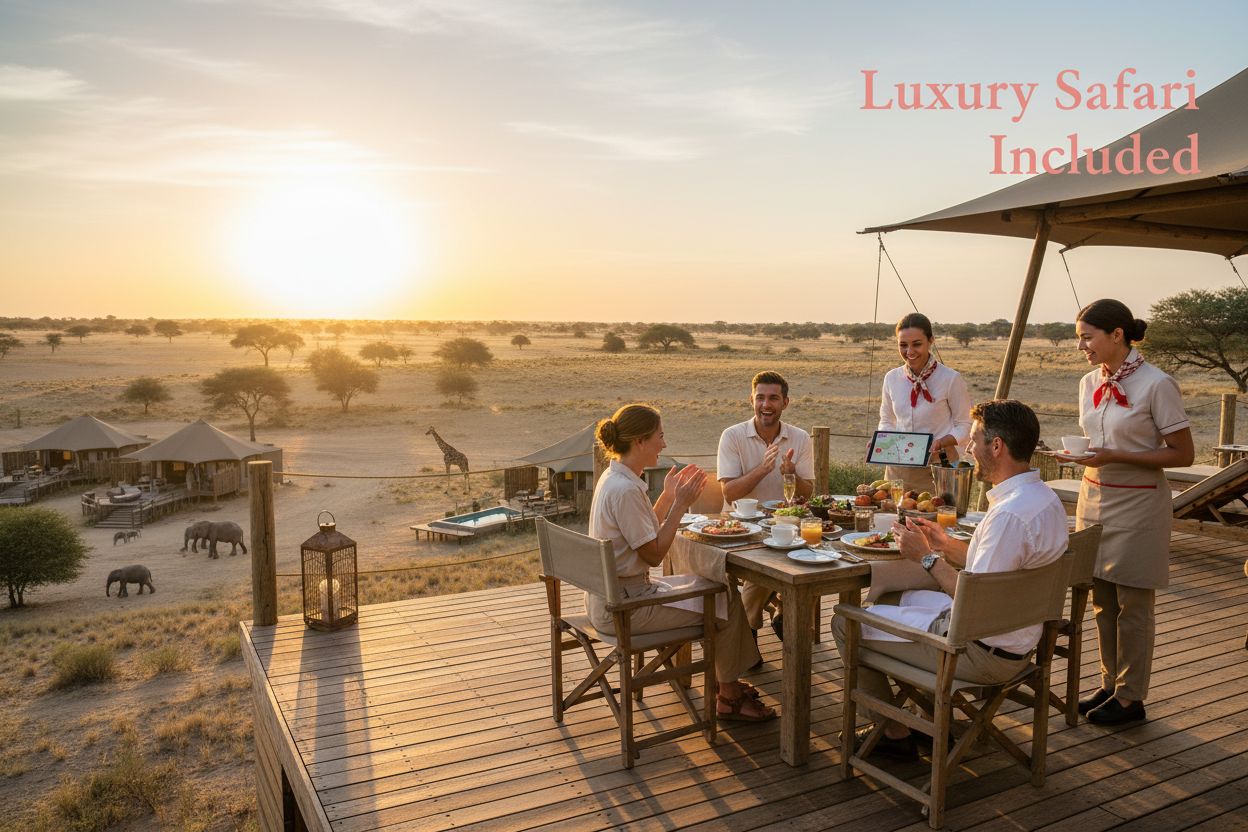
Understanding What is Included in Luxury Safaris
Explore what is included in luxury safaris, from exclusive accommodations to bespoke experiences that cater to discerning travelers.
Feb 24, 2026
Why Namibia Adventures Matter: An In-Depth Look
Discover why Namibia adventures are essential for luxury travelers seeking unique, immersive experiences in nature and wildlife exploration.
Feb 23, 2026
What to Expect on a Luxury Safari: A Comprehensive Guide
Discover what to expect on a luxury safari and gain a deeper understanding of the unique experiences that await you in the wild.
Feb 22, 2026
Understanding Namibia Safari Costs Explained
Explore Namibia safari costs explained to uncover what influences pricing and what it means for your adventure.
Feb 21, 2026
Understanding the Role of Safari Experts in Wildlife Travel
Explore the role of safari experts and gain a comprehensive understanding of how they enhance wildlife travel experiences for all types of travelers.
Feb 20, 2026
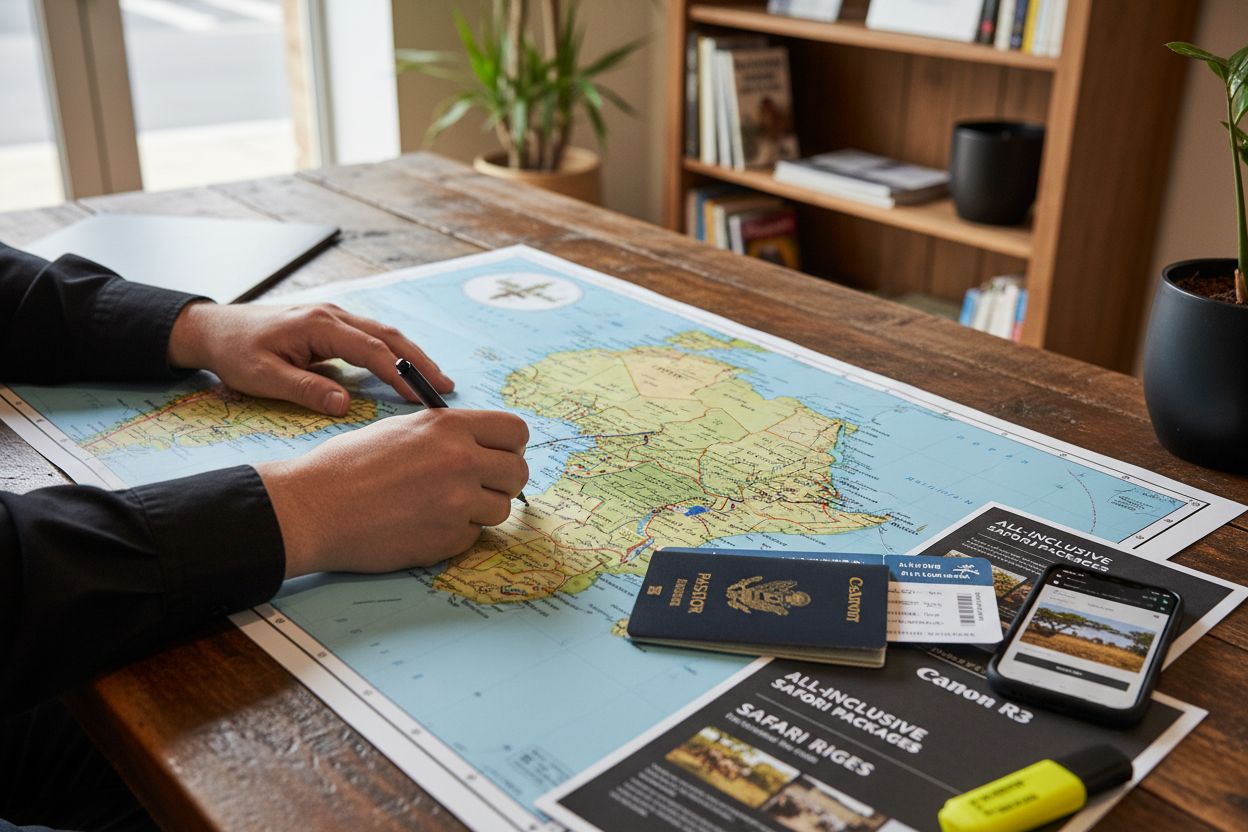
Guide organisation safari all inclusive : vivez l'aventure de vos rêves
Découvrez notre guide organisation safari all inclusive étape par étape pour planifier un voyage inoubliable au cœur de la nature.