
Aug 20, 2026
Discover unforgettable tourist activities in Namibia, from thrilling safaris in Etosha to breathtaking dune climbs and starry nights.
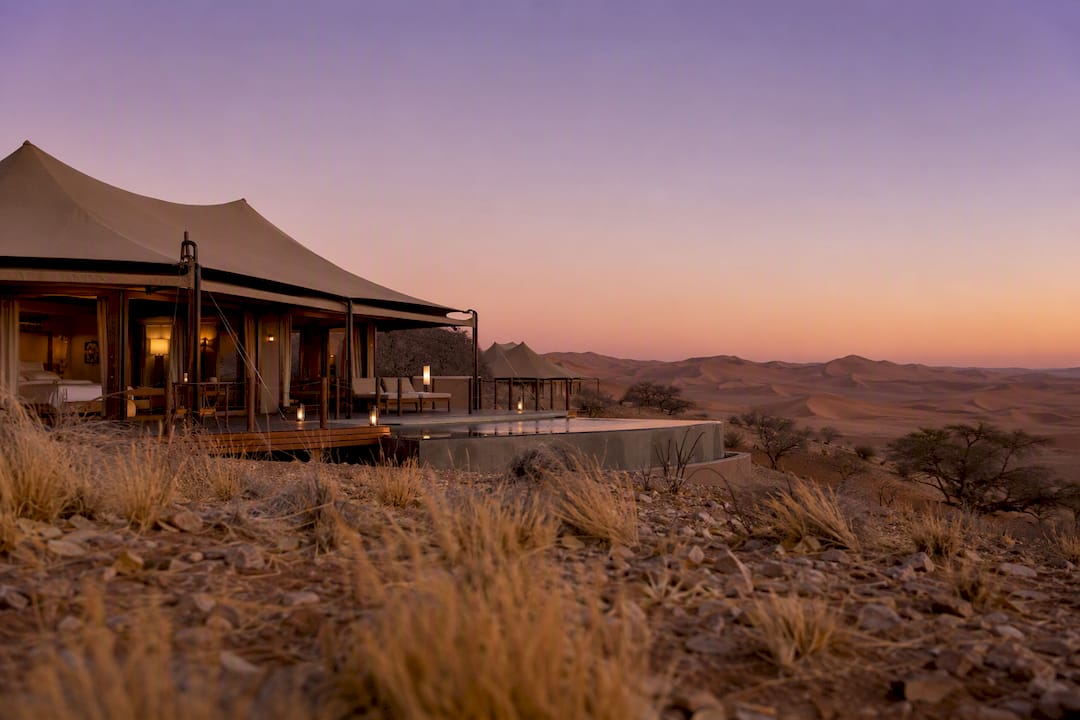
Tourist activities in Namibia: what to do and where
Namibia’s tourist activities span four unmissable categories: wildlife safaris through Etosha National Park and private reserves, towering red dune experiences at Sossusvlei and Deadvlei, coastal adventure around Swakopmund and Sandwich Harbour, and some of the darkest, clearest stargazing skies on Earth in the NamibRand Nature Reserve. This is a country of extremes, where a single road trip can carry you from a cold Atlantic seal colony to a 1,000-year-old quiver tree forest to a canyon that plunges 550 meters into ochre rock, all beneath a sky so free of light pollution it feels engineered for wonder.
For travelers weighing a first trip against a bucket-list return, here is where to start:
Sunrise dune climb at Sossusvlei and photography at Deadvlei
A guided game drive through Etosha’s floodlit waterholes
Sandboarding or kayaking with Cape fur seals near Walvis Bay
A night under Namibia’s protected dark skies in the NamibRand Nature Reserve
Tracking desert-adapted elephants in Damaraland
Key Takeaways
Namibia’s tourist activities center on four pillars, wildlife safaris, desert dunes, coastal adventure, and dark-sky stargazing, best experienced across a 10 to 14 day, multi-region itinerary.
Point | Details |
|---|---|
Four core activity pillars | Wildlife safaris, dune photography, coastal adventure, and stargazing define the best Namibia trips. |
Etosha anchors wildlife viewing | Its roughly 1,800 square mile salt pan concentrates game at floodlit waterholes during dry season. |
Trip length matters | Ten to fourteen days lets travelers cover the desert, coast, and Etosha without rushing. |
4x4 access is often required | Sandwich Harbour, Damaraland, and Skeleton Coast routes demand a 4x4 or guided fly-in transfer. |
Private reserves add flexibility | Secretnamibia arranges tailor-made itineraries with private-reserve access and fly-in options beyond fixed park schedules. |
Table of Contents
Best tourist activities in Namibia to plan around
How long should a Namibia trip last?
Staying safe and travelling responsibly
Why Namibia’s skies and deserts rank among the world’s rarest
What does Namibian food actually taste like?
Where to find nightlife and local markets after dark
Meeting Namibia’s Himba and San communities
Plan a bespoke Namibia safari with expert support
Sources
Best tourist activities in Namibia to plan around
Namibia rewards travelers who build their trip around regions rather than a single checklist. Below are the experiences that define a Namibian itinerary, organized roughly west to east and coast to interior, with a practical tip and seasonal note for each.
Etosha National Park wildlife safaris. Etosha’s salt pan spans roughly 1,800 square miles, drawing elephant, lion, and rhino to its floodlit waterholes, and it remains Namibia’s most visited attraction. Stay parked at a waterhole at dusk rather than driving on. Dry season (May to October) concentrates wildlife around water and delivers the best sightings.
Ongava Private Reserve. Bordering Etosha’s southern boundary, this private reserve mixes mopane woodland and dolomite hills. Its lodges favor open-sided suites and elevated decks facing private waterholes. Night drives and guided walks, both off-limits inside the national park itself, are the real draw here.
Sossusvlei and Deadvlei dune photography. The world’s tallest star dunes surround a white clay pan dotted with 900-year-old camelthorn skeletons. Climb Dune 45 or Big Daddy before sunrise, when the light rakes gold and crimson across the sand. Cooler months (May to September) make the climb far more bearable.
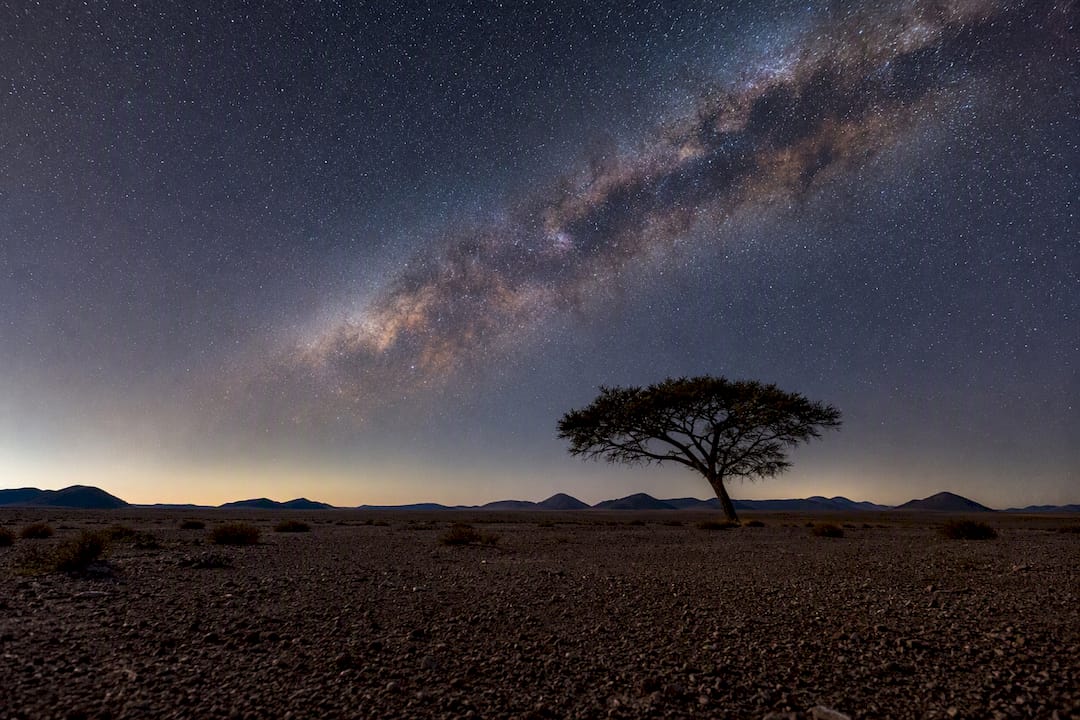
NamibRand Nature Reserve stargazing. NamibRand holds international dark-sky reserve status thanks to near-zero light pollution over its gravel plains. Book a lodge with a resident astronomer for a guided sky tour. June and July typically bring the clearest, driest winter skies.
Swakopmund adventure coast. Sandboarding, quad-biking, and skydiving over the dunes have made this seaside town Namibia’s adventure hub, alongside more relaxed Swakopmund walking tours through its German colonial architecture. Book activities a day ahead in peak season (December to January) when local operators fill up fast.
Walvis Bay and Pelican Point marine excursions. Kayak alongside curious Cape fur seals or join a catamaran cruise past flamingo lagoons. Morning trips see calmer water and better wildlife activity. Pack a windbreaker: the Atlantic here stays cold year round.
Sandwich Harbour dune-to-sea drive. Towering dunes collapse directly into crashing surf at this lagoon south of Walvis Bay, a landscape collision found in only a handful of places worldwide. Only experienced 4x4 guides should attempt the tidal sand route. Low tide windows are essential, so this is a guided-only outing.
Skeleton Coast exploration. Shipwrecks rust into fog-shrouded dunes along a coastline early sailors named for its wrecks and bones. Fly-in access covers more remote stretches efficiently. Fog is thickest at dawn, which locals actually consider prime photography weather.
Kolmanskop ghost town. Sand now spills through the doorways of this abandoned 1900s diamond-mining town near Lüderitz. Photograph mid-morning when light pours through glassless windows. A permit from the mining company is required for entry.
Spitzkoppe rock formations. Granite peaks rising 1,700 meters from flat plains have earned this spot the nickname “Matterhorn of Namibia.” Camp overnight for sunset climbing light and unmatched stargazing. Ancient San rock paintings sit in nearby shelters, worth a short detour.
Damaraland desert-elephant tracking. Desert-adapted elephants roam dry riverbeds here, walking far greater distances between water sources than their savanna relatives, a pattern National Geographic highlights among Namibia’s signature wildlife experiences. Track with a specialist guide rather than self-driving; herds move unpredictably. Dry season sightings improve as elephants concentrate near remaining water.
Twyfelfontein rock art. This UNESCO World Heritage site holds more than 2,000 rock engravings dating back 6,000 years. A registered local guide is mandatory and genuinely enriches the visit. Early morning avoids both heat and tour groups.
Fish River Canyon hiking. Africa’s largest canyon plunges 550 meters and stretches 160 kilometers, rivaled in scale only by a handful of canyons worldwide. The multi-day trail is open May through September only and requires a medical certificate. Sunrise at the main viewpoint delivers the classic shot.
Quiver Tree Forest and Caprivi wetlands. Near Keetmanshoop, otherworldly quiver trees frame sunset silhouettes, while the Zambezi (Caprivi) region on Namibia’s far northeastern strip offers hippo- and birdlife-rich river safaris entirely different from the arid south. Combine both only on longer, two-region itineraries. Zambezi’s dry season (July to October) concentrates wildlife along the riverbanks.
Pro Tip: Pair one dune sunrise with one Etosha waterhole sunset on the same trip. The contrast between blazing orange sand and silver floodlit wildlife is what most returning travelers say they remember best.
How long should a Namibia trip last?
Ten to fourteen days lets you cover the Namib Desert, the coast, and Etosha without rushing between them, a pacing Lonely Planet also recommends given Namibia’s driving distances. Seven days works if you focus on two regions rather than chasing the whole country.
Best time by activity:
Wildlife viewing: dry season, May to October, when animals cluster at waterholes
Dune photography: year round, but June to August brings cooler climbing conditions
Coastal activities: calmer seas from November to March
Stargazing: June and July for the clearest winter skies
Getting around: A 4x4 is essential for Sandwich Harbour, Damaraland tracks, and most Skeleton Coast routes. Tarred and well-graded gravel roads connect Windhoek, Swakopmund, and Etosha, making self-drive practical for those legs. Remote private reserves are often best reached by light aircraft, which adventure safari specialists can arrange alongside ground transfers.
Three sample itineraries:
7 days, midrange: Windhoek to Sossusvlei (2 nights) to Swakopmund (2 nights) to Etosha (3 nights).
10 days, luxury: Add Damaraland elephant tracking and a private-reserve stay bordering Etosha.
14 days, luxury/fly-in: Extend into the Skeleton Coast and Zambezi region via light aircraft, skipping long drive days entirely.
Budget travelers lean on campsites and self-drive; midrange trips mix lodges with occasional guided activities; luxury itineraries favor fly-in transfers and private-reserve suites throughout.
Staying safe and travelling responsibly
Namibia rewards careful planning as much as adventurous spirit. A short checklist covers most of what matters:
Stay inside your vehicle in Etosha except at designated rest camps and fenced viewpoints.
Avoid night driving on rural roads, where wildlife crossings cause most accidents.
Carry a paper map or offline GPS; cellular coverage disappears fast outside towns.
Pack high-SPF sunscreen, a wide-brim hat, and more water than you think you need.
Never feed or approach wildlife, including seals during kayaking excursions at Pelican Point.
Fill your fuel tank at every opportunity; stations can be 200 kilometers apart.
Carry Namibian dollars and South African rand, both accepted; ATMs are limited outside main towns.
Check routine vaccinations with your doctor before departure, and note that Windhoek sits at roughly 1,700 meters, mild enough that most travelers feel no altitude effects.
Pro Tip: Choose lodges and reserves that fund anti-poaching units or community trusts, such as those partnered with the Africat Foundation. Your accommodation choice can directly support the wildlife you came to see.
Why Namibia’s skies and deserts rank among the world’s rarest
Etosha’s pan alone covers roughly 1,800 square miles, large enough to be visible from space and to function as one of Southern Africa’s most reliable wildlife magnets during the dry months. That single geological feature explains why so many Namibian itineraries orbit one park.
The darkness above the Namib tells a similar story. NamibRand holds recognized International Dark Sky Reserve status, a designation earned through genuinely negligible light pollution across its gravel plains. Combined with Namibia’s low humidity and high elevation, that darkness turns an ordinary night into a naked-eye view of the Milky Way’s core, best between June and July when winter skies run clearest.
What does Namibian food actually taste like?
Namibian cuisine reflects its German colonial history and its game-rich landscapes in equal measure. Expect biltong (dried, spiced meat) sold at farm stalls and fuel stations, oryx and springbok steaks on lodge menus, and fresh Atlantic oysters pulled straight from Walvis Bay’s lagoons.
Swakopmund’s German bakeries serve proper apple strudel and dense rye bread, a holdover from the town’s colonial architecture. Windhoek’s braai (barbecue) culture runs deep, and a lodge dinner built around an open-fire spit is one of the more memorable meals a first-time visitor will have. Craft breweries in both Windhoek and Swakopmund pour Namibian lagers brewed under Germany’s Reinheitsgebot purity standard, a quirky detail most visitors do not expect to find in the desert.
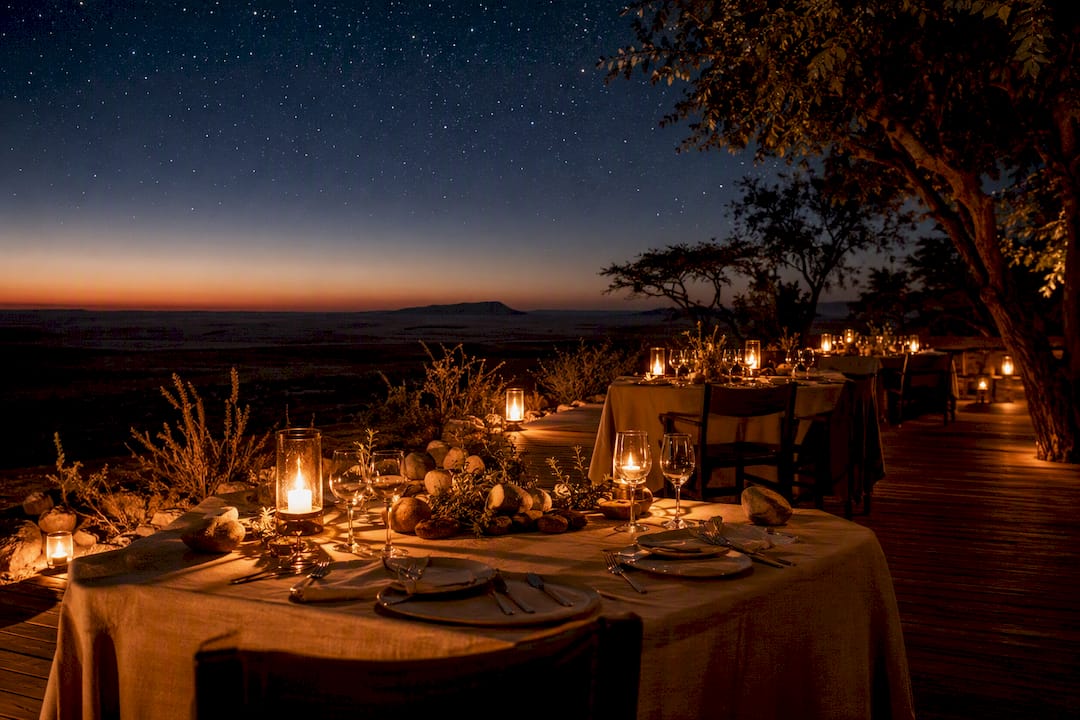
Seek out a guided food walk in Swakopmund or a farm-to-table dinner at a private reserve lodge if you want more than a hotel buffet. Many luxury camps now build a bush dinner, candlelit tables set beneath the stars, into a multi-night stay, pairing local ingredients with the same dark skies that make NamibRand famous.
Where to find nightlife and local markets after dark
Windhoek’s evening scene centers on Independence Avenue, where rooftop bars and casual restaurants stay lively into the late evening, especially on weekends. The city’s craft markets sell Herero dolls, carved wood, and semi-precious stones, best browsed at Namibia Craft Centre in the old Warehouse Theatre building.
Swakopmund trades big-city energy for a relaxed beach-town pace. Its Mole waterfront promenade fills with strolling visitors at sunset, and the town’s German-style beer halls offer a genuinely different evening than anything inland. Weekend flea markets pop up near the jetty, selling local textiles and semi-precious Namibian stones.
Neither town runs a heavy nightlife scene by international standards, and that is arguably part of Namibia’s appeal: evenings built around a fire, a clear sky, and conversation rather than crowds. Most private reserve lodges lean into this rhythm entirely, replacing bars with boma dinners and telescope sessions.
Meeting Namibia’s Himba and San communities
Cultural visits to Himba villages in the Kunene region and San (Bushmen) communities near the Kalahari fringe offer a genuine window into two of Southern Africa’s most distinct living cultures. Himba women are known for the ochre and butterfat mixture they apply to their skin and hair, a practice tied to both sun protection and cultural identity, not a performance staged for cameras.
San guides, meanwhile, lead bushcraft walks demonstrating tracking, fire-making, and traditional plant knowledge passed down over thousands of years. These are among the oldest continuous cultures on the planet, and a respectful, guide-led visit does far more for both parties than an unscheduled drive-by stop.
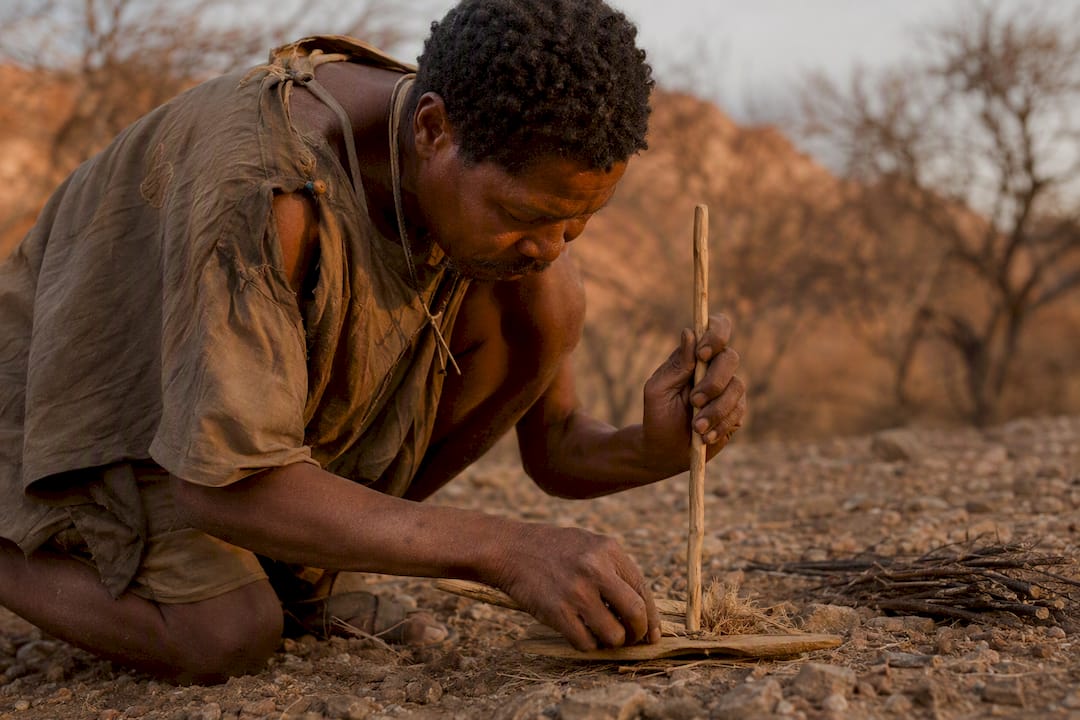
Choose community-run or community-partnered visits over informal roadside encounters. Fees from properly structured cultural tours flow back into schools, water infrastructure, and craft cooperatives rather than disappearing into a tour operator’s margin. Ask your safari planner which visits have direct community partnerships before booking.
What to expect from a private-reserve Namibia journey
A morning that opens with fresh tracks outside your suite, an afternoon spent watching a waterhole in complete privacy, and a night spent under skies so dark the Milky Way casts a shadow: that is the rhythm of a private-reserve stay. Expect personalized game drives built around your interests rather than a fixed schedule, guides who know individual animals by name, and lodges where conservation funding is part of the nightly rate, not an afterthought.
Plan a bespoke Namibia safari with expert support
Secretnamibia builds itineraries around the exact mix of activities this guide covers, wildlife, dunes, coast, and stargazing, rather than pushing a fixed package that ignores what you actually want to see. Where a self-drive trip demands hours of route-planning and fuel-stop math, a tailor-made Secretnamibia itinerary hands you a finished plan, private-reserve access included, without the guesswork of booking each region separately.

Our planning covers:
Tailor-made safaris combining Etosha, the Namib Desert, and the coast in one seamless route
Private reserve and fly-in access to lodges like those bordering Etosha’s wildlife corridors
Bespoke family and honeymoon itineraries built around your pace, not a group schedule
If you already know you want a dune sunrise, a private waterhole, and a night of unbroken stargazing, start planning your custom Namibia itinerary with our team, or browse current luxury safari packages to see what a fully planned trip looks like before you enquire.
Sources
Recommended
RELATED
Safari Guides
Oct 30, 2025
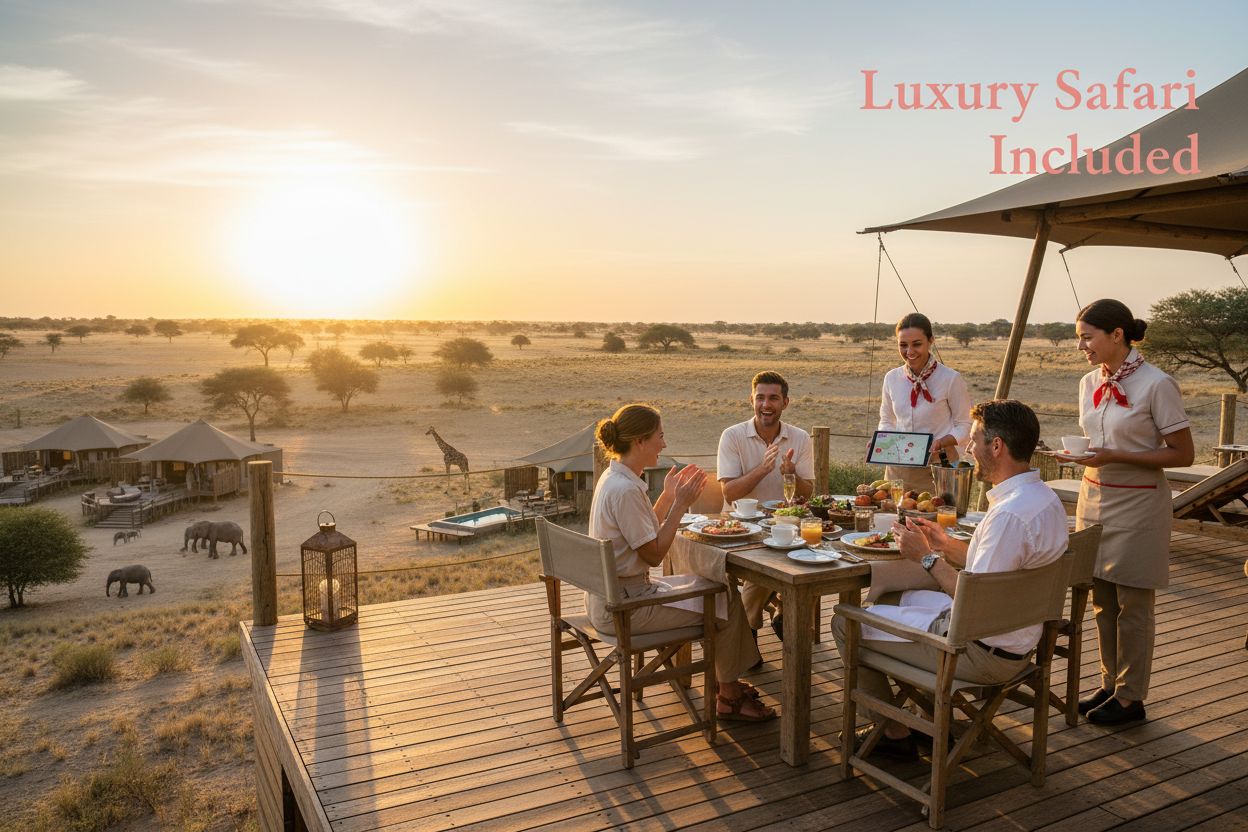
Understanding What is Included in Luxury Safaris
Explore what is included in luxury safaris, from exclusive accommodations to bespoke experiences that cater to discerning travelers.
Feb 24, 2026
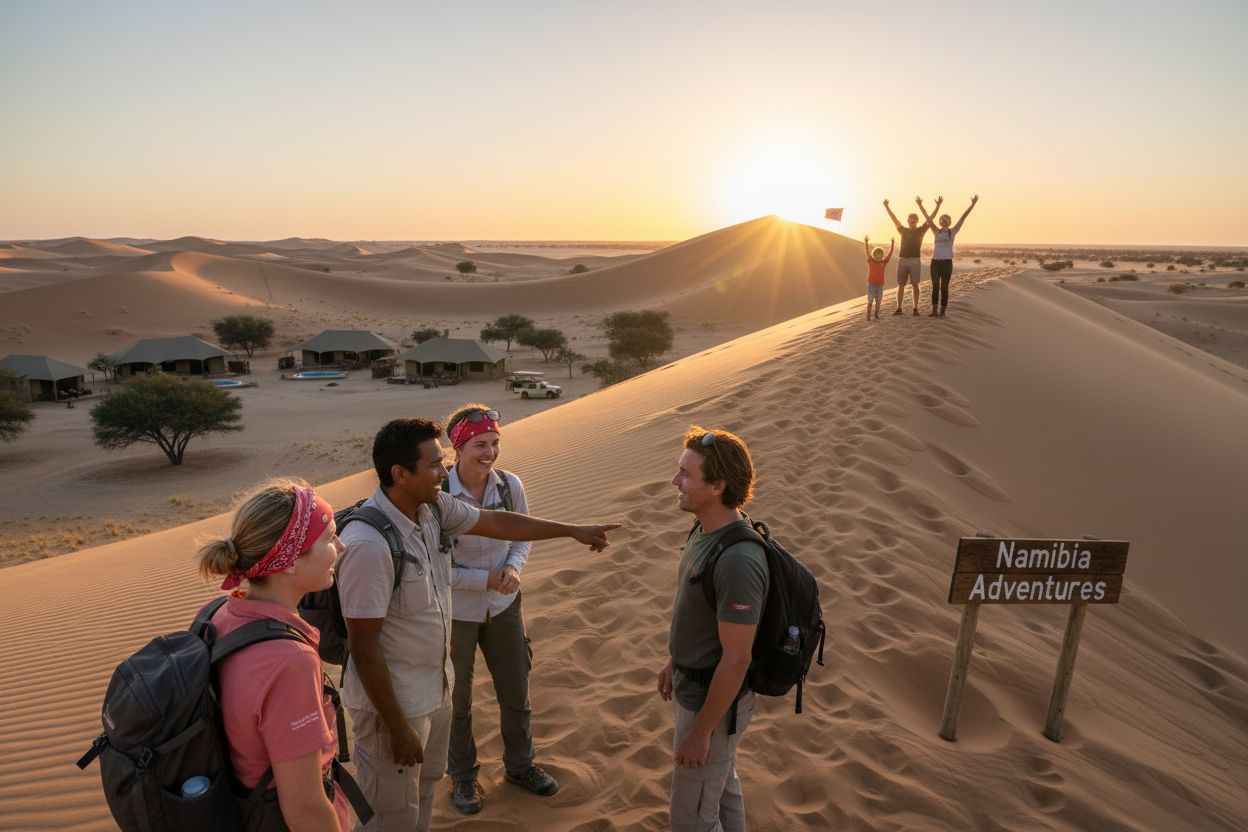
Why Namibia Adventures Matter: An In-Depth Look
Discover why Namibia adventures are essential for luxury travelers seeking unique, immersive experiences in nature and wildlife exploration.
Feb 23, 2026
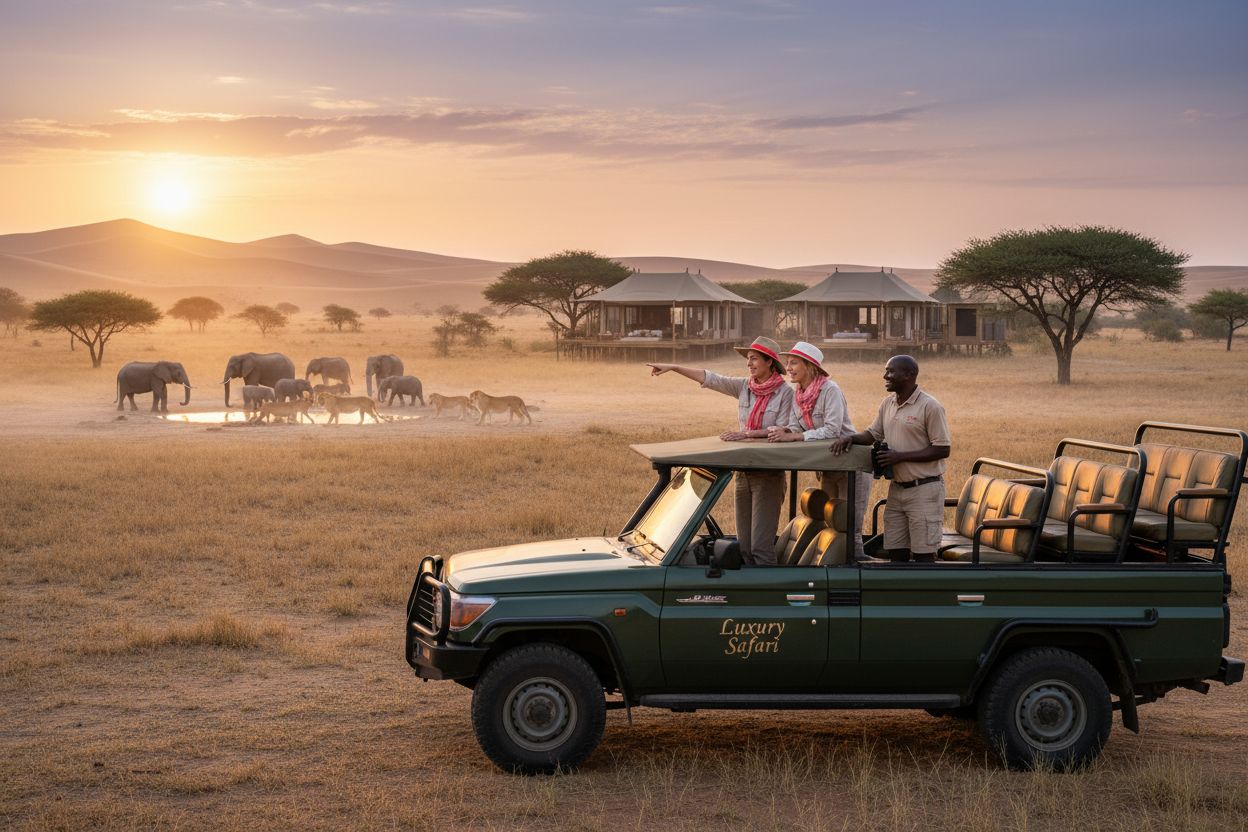
What to Expect on a Luxury Safari: A Comprehensive Guide
Discover what to expect on a luxury safari and gain a deeper understanding of the unique experiences that await you in the wild.
Feb 22, 2026
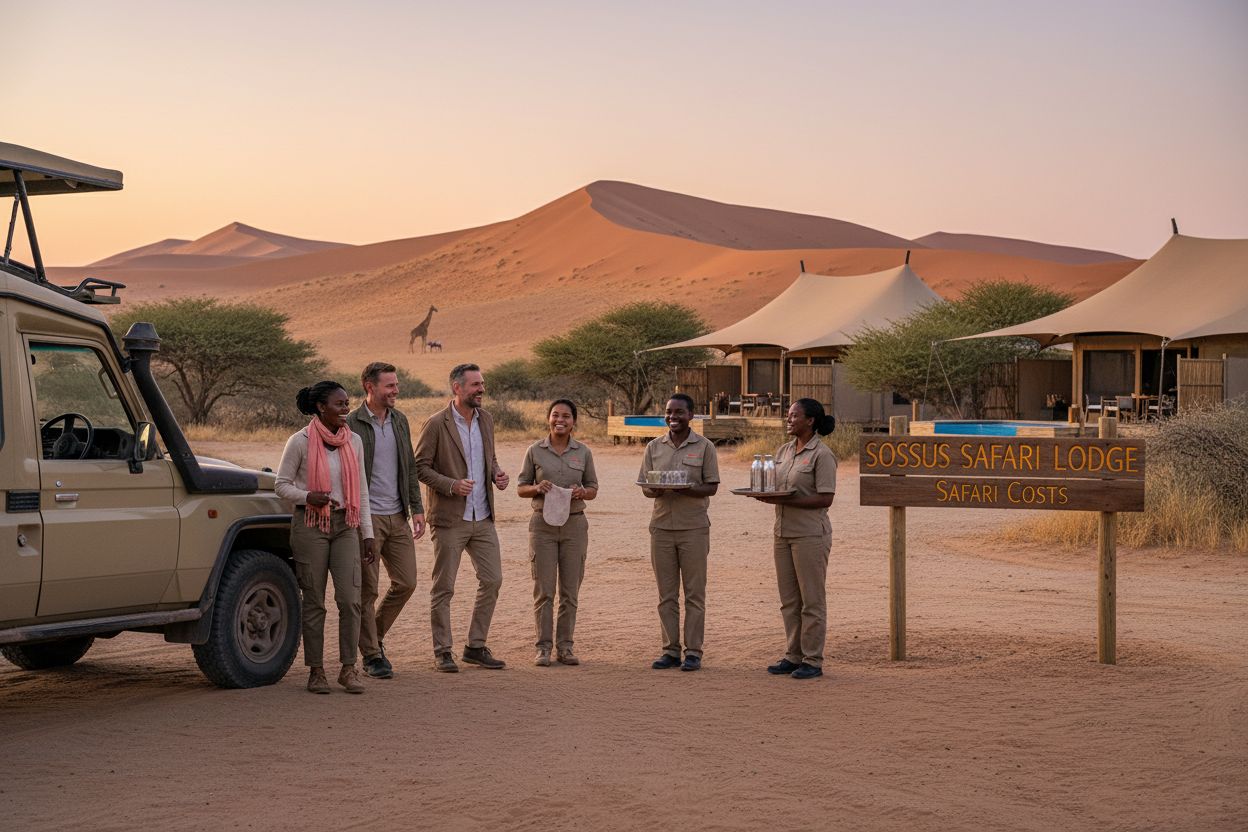
Understanding Namibia Safari Costs Explained
Explore Namibia safari costs explained to uncover what influences pricing and what it means for your adventure.
Feb 21, 2026
Understanding the Role of Safari Experts in Wildlife Travel
Explore the role of safari experts and gain a comprehensive understanding of how they enhance wildlife travel experiences for all types of travelers.
Feb 20, 2026
Guide organisation safari all inclusive : vivez l'aventure de vos rêves
Découvrez notre guide organisation safari all inclusive étape par étape pour planifier un voyage inoubliable au cœur de la nature.