Role of Eco-Lodges – Impacting Namibian Safari Travel
Role of Eco-Lodges – Impacting Namibian Safari Travel
Jan 30, 2026
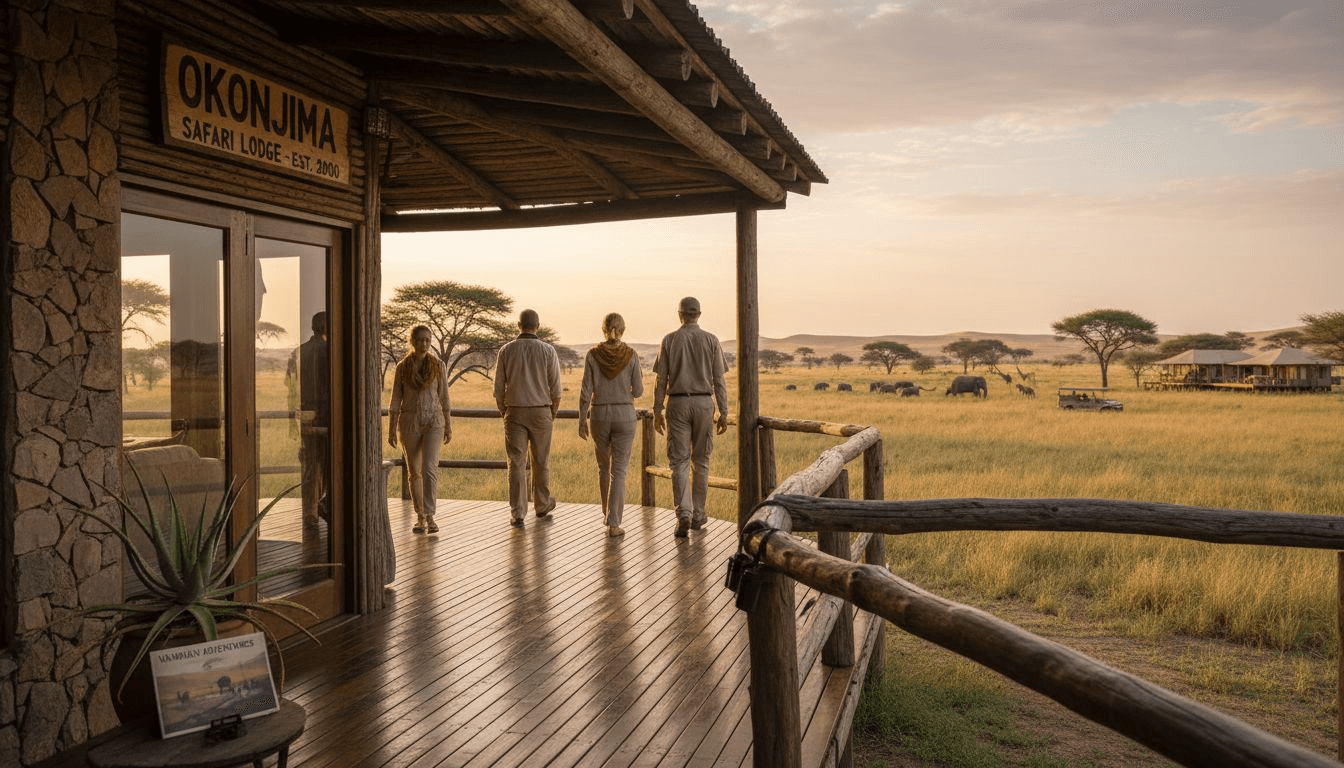
Role of eco-lodges in Namibian safaris explained: discover key features, types, and their contribution to sustainable luxury adventure travel.
Role of Eco-Lodges – Impacting Namibian Safari Travel
Luxury and environmental stewardship do not need to exist at opposite ends of your travel plans. For those who seek the wild beauty of Namibia without sacrificing ecological values, eco-lodges blend sophisticated comfort with authentic conservation. Choosing these purposeful accommodations ensures that every moment in the Namibian wilderness supports genuine efforts in sustainability, community upliftment, and unforgettable, immersive encounters with nature.
Table of Contents
Defining Eco-Lodges In Namibian Safaris
Types Of Eco-Lodges And Unique Features
Sustainability Practices And Guest Experience
Eco-Lodge Contribution To Conservation And Communities
Comparing Eco-Lodges To Traditional Safari Camps
Key Takeaways
Point | Details |
|---|---|
Eco-Lodges Promote Sustainable Tourism | Eco-lodges in Namibia blend luxury with eco-friendliness, minimising environmental impact while enriching guest experiences. |
Diverse Types of Eco-Lodges | Various eco-lodge configurations, such as desert retreats and community-based lodges, cater to different sustainability focuses and guest interactions. |
Integration of Sustainability Practices | Key practices include water conservation, energy efficiency, and local resource utilisation, enhancing the overall guest experience. |
Empowerment of Local Communities | Eco-lodges contribute to local economies through employment, skills development, and investment in community infrastructure. |
Defining Eco-Lodges In Namibian Safaris
Namibia’s wilderness represents a delicate ecological landscape where sustainable tourism plays a critical role. Eco-lodges emerge as transformative spaces that blend luxury travel experiences with environmental conservation, offering travellers immersive interactions with pristine natural environments while minimising ecological disruption.
These specialised accommodations are more than just places to stay - they are carefully designed ecosystems that promote sustainable tourism practices. Key characteristics of authentic eco-lodges in Namibia include:
Minimal environmental footprint through renewable energy systems
Water conservation technologies and practices
Waste management strategies that reduce ecological impact
Strong commitment to local community empowerment
Integration of wildlife preservation principles
Use of locally sourced, environmentally friendly construction materials
Eco-lodges in Namibia represent a holistic approach to hospitality that transcends traditional accommodation models. They function as educational platforms, conservation centres, and sustainable economic models that directly benefit local ecosystems and communities. By prioritising environmental stewardship, these lodges create meaningful connections between travellers, wildlife, and indigenous landscapes.
Pro tip: When selecting an eco-lodge, research their specific sustainability credentials and community engagement programmes to ensure your travel supports genuine conservation efforts.
Types Of Eco-Lodges And Unique Features
Namibia’s eco-lodges represent a diverse and innovative approach to sustainable tourism, offering unique conservation-driven designs that seamlessly integrate luxury experiences with environmental preservation. These remarkable accommodations are not simply places to stay, but carefully crafted ecosystems that reflect the intricate balance of Namibian wilderness.
The primary types of eco-lodges in Namibia can be categorised into distinct configurations:
Desert Retreats: Minimalist lodges situated in arid landscapes
Wildlife Sanctuary Lodges: Accommodations integrated with conservation centres
Community-Based Lodges: Facilities owned and operated by local indigenous groups
Wilderness Camps: Remote, low-impact accommodations in pristine natural environments
Luxury Sustainable Hideaways: High-end lodges with advanced ecological technologies
These eco-lodges share remarkable features that distinguish them from traditional accommodations. Sustainable travel practices are embedded into their core design, including solar power utilisation, water conservation systems, and construction using locally sourced, environmentally friendly materials. Each lodge serves as a microcosm of ecological responsibility, demonstrating how hospitality can coexist harmoniously with environmental preservation.
Beyond providing shelter, these lodges function as educational platforms that connect travellers directly with Namibia’s complex ecosystems. They offer immersive experiences that transform guests from passive observers into active participants in conservation narratives, creating meaningful interactions between human visitors and the natural world.
Here’s a summary of how different types of Namibian eco-lodges uniquely contribute to sustainability:
Eco-Lodge Type | Signature Sustainability Focus | Typical Guest Interaction |
|---|---|---|
Desert Retreats | Exceptional water conservation methods | Desert walks with guides |
Wildlife Sanctuary Lodges | Active support for wildlife research | Participation in monitoring |
Community-Based Lodges | Empowerment of local communities | Village visits and cultural tours |
Wilderness Camps | Leave-no-trace wilderness operations | Guided nature tracking |
Luxury Sustainable Hideaways | Advanced renewable energy integration | Behind-the-scenes eco-tours |
Pro tip: When selecting an eco-lodge, investigate their specific conservation programmes and community engagement initiatives to ensure your travel supports genuine ecological preservation efforts.
Sustainability Practices And Guest Experience
Namibia’s eco-lodges have transformed the traditional safari experience by integrating comprehensive sustainability performance strategies that balance luxury with ecological responsibility. These innovative approaches go far beyond mere environmental compliance, creating transformative guest experiences that connect travellers intimately with conservation efforts.
Key sustainability practices in Namibian eco-lodges encompass multiple critical domains:
Water Management: Sophisticated harvesting and recycling systems
Energy Efficiency: Solar power and renewable energy technologies
Waste Reduction: Comprehensive recycling and minimal waste generation
Local Resource Utilisation: Sourcing materials and labour from surrounding communities
Wildlife Conservation: Direct support for habitat preservation and protection programmes
Guests experience sustainability not as a constraint but as an enriching dimension of their safari adventure. These lodges transform ecological responsibility into immersive educational opportunities, allowing visitors to understand complex environmental interactions while enjoying world-class accommodations. The commitment to sustainability becomes a narrative thread woven through every aspect of the guest experience, from architectural design to daily operational practices.
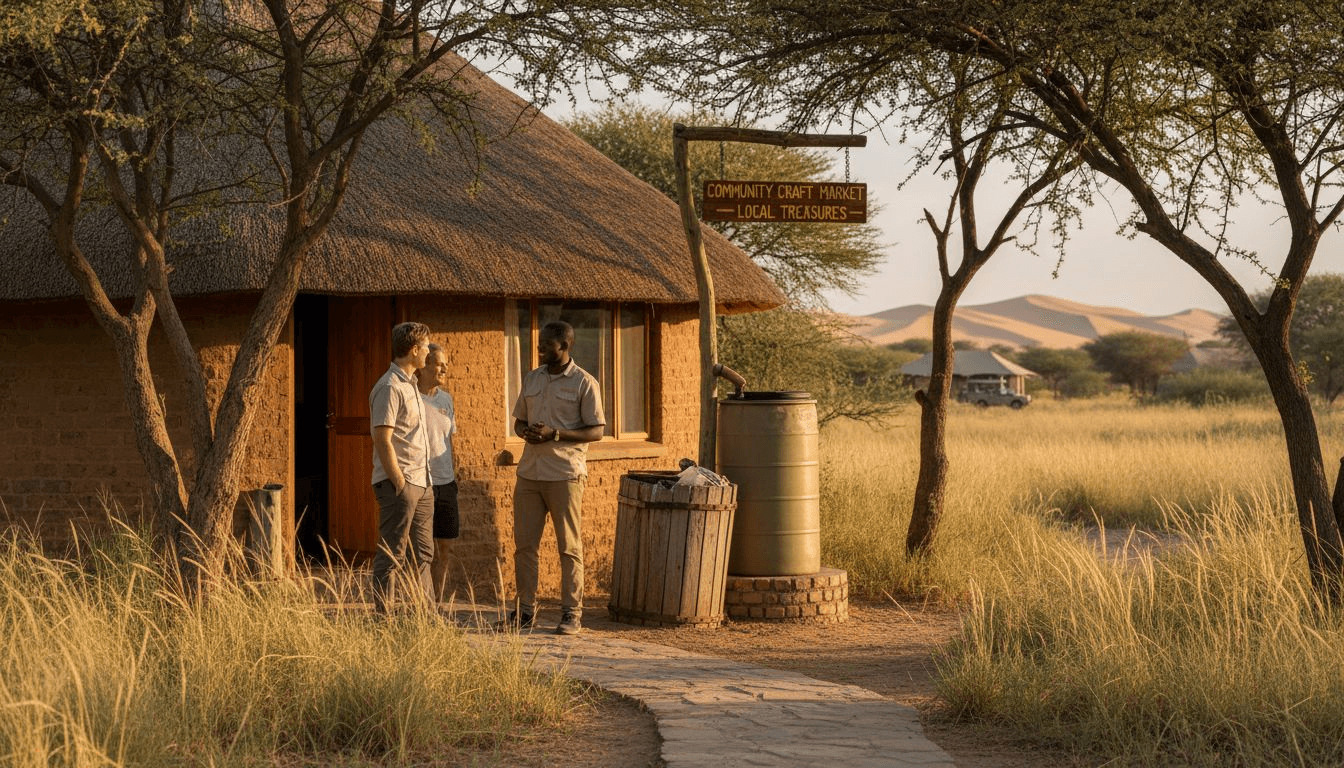
Beyond environmental considerations, these lodges create meaningful economic and social impacts. By prioritising local employment, supporting indigenous skills development, and investing in community infrastructure, eco-lodges demonstrate that responsible tourism can simultaneously protect natural ecosystems and uplift local populations.
Pro tip: Request a sustainability tour during your lodge stay to gain deeper insights into the ecological initiatives and conservation efforts driving these remarkable accommodations.
Eco-Lodge Contribution To Conservation And Communities
Namibia’s eco-lodges represent a pioneering model of sustainable tourism development that transcends traditional hospitality by directly integrating conservation and community empowerment. These innovative establishments operate as comprehensive ecological and social platforms, transforming tourism from a mere economic activity into a powerful mechanism for environmental and societal transformation.
Their contributions manifest through multiple strategic approaches:
Wildlife Protection: Direct funding for conservation research and habitat preservation
Community Employment: Providing sustainable job opportunities for local populations
Skills Development: Offering training programmes in hospitality, conservation, and ecological management
Economic Redistribution: Reinvesting tourism revenues into local infrastructure
Cultural Preservation: Supporting indigenous knowledge and traditional practices
Moreover, these eco-lodges function as critical interfaces between international travellers and local ecosystems. By creating immersive experiences that connect visitors with Namibia’s complex environmental landscapes, they cultivate global awareness and generate tangible support for conservation initiatives. Conservation foundations operating these lodges ensure that every tourist interaction contributes directly to meaningful ecological and social outcomes.
Through strategic partnerships with indigenous communities, eco-lodges have transformed conservation from an externally imposed concept to a collaborative, community-driven endeavour. This approach ensures that environmental protection becomes intrinsically linked with local economic prosperity, creating a sustainable model where human development and ecological preservation coexist harmoniously.
Pro tip: Request detailed information about a lodge’s specific conservation and community programmes during your booking to understand the direct impact of your travel.
Comparing Eco-Lodges To Traditional Safari Camps
Namibia’s safari landscape has undergone a transformative shift, with eco-lodges emerging as sophisticated alternatives to traditional camping experiences. Advanced sustainability technologies have revolutionised how travellers interact with wilderness environments, creating a more conscientious approach to wildlife tourism.
Key distinctions between eco-lodges and traditional safari camps include:
Environmental Impact
Eco-Lodges: Minimal ecological footprint
Traditional Camps: Often higher environmental disruption
Infrastructure
Eco-Lodges: Sustainable, locally sourced materials
Traditional Camps: Conventional construction techniques
Energy Consumption
Eco-Lodges: Renewable energy systems (solar, wind)
Traditional Camps: Typically reliant on generator power
Wildlife Interaction
Eco-Lodges: Designed to respect wildlife migration patterns
Traditional Camps: Less structured environmental considerations
Traditional safari camps typically prioritise immediate guest comfort and accessibility, whereas eco-lodges integrate a holistic philosophy of conservation, community engagement, and sustainable tourism. This approach transforms the safari experience from a mere recreational activity into an educational journey that connects travellers deeply with Namibia’s ecological systems.
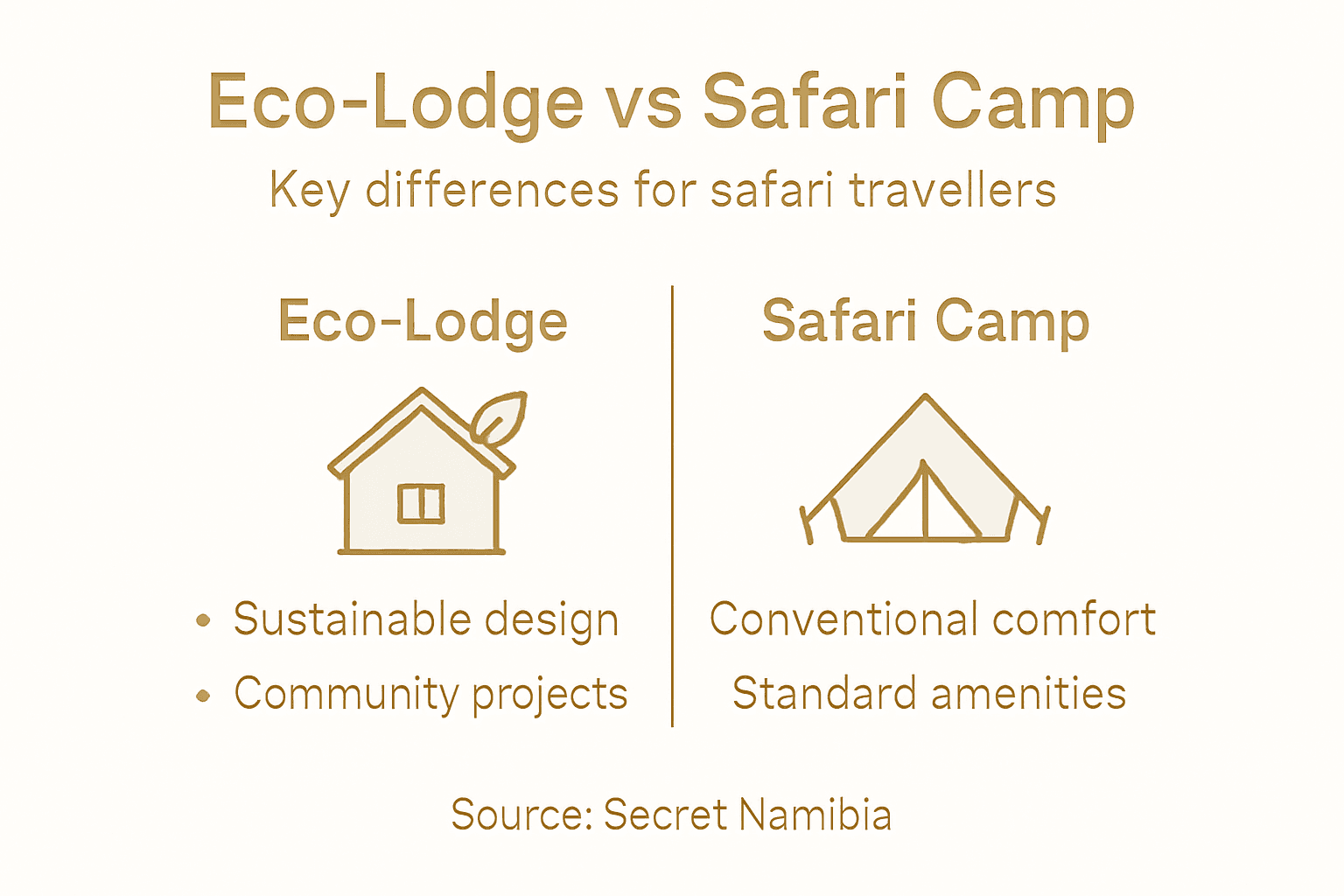
The table below contrasts key guest experiences in eco-lodges versus traditional safari camps:
Aspect | Eco-Lodge Experience | Traditional Safari Camp Experience |
|---|---|---|
Accommodation | Sustainable luxury, local materials | Conventional comfort, standard builds |
Wildlife Viewing | Guided by conservation priorities | Focus on quantity, less structured |
Community Impact | Supports jobs and skills training | Limited local involvement |
Guest Learning | Educational eco-programmes offered | Minimal conservation education |
Eco-lodges represent a profound evolution in safari accommodations, bridging luxury experiences with environmental responsibility. They demonstrate that comfort and conservation are not mutually exclusive, but can be harmoniously integrated to create meaningful, transformative travel experiences.
Pro tip: When booking a safari, request specific details about a lodge’s sustainability credentials to ensure your travel supports genuine conservation efforts.
Discover Namibia’s Eco-Lodges with Secret Namibia
The article highlights the vital role eco-lodges play in transforming Namibian safari travel by combining luxury with genuine conservation and community support. If you want your safari experience to go beyond typical vacations and contribute directly to sustainability and local empowerment, then choosing the right eco-lodge is essential. Balancing comfort with ecological responsibility and engaging with immersive conservation efforts will make your journey deeply meaningful.

Explore bespoke safari packages designed around Namibia’s most authentic eco-lodges with Secret Namibia. Our expert team will guide you to accommodations that prioritise water and energy conservation, support wildlife preservation, and foster community development. Experience personalised itineraries through iconic destinations like Etosha National Park and the Namib Desert while knowing your travel choices uplift the environment and local people. Book your responsible luxury safari today and start making a positive impact with every step. Visit Secret Namibia to uncover your next unforgettable eco-lodge adventure.
Frequently Asked Questions
What defines an eco-lodge in Namibia?
Eco-lodges in Namibia are specialized accommodations designed to minimize environmental impact while promoting sustainable tourism. They feature renewable energy systems, water conservation practices, and community empowerment initiatives.
How do eco-lodges contribute to wildlife conservation?
Eco-lodges directly support wildlife conservation through funding for research, habitat preservation, and educational programmes for guests that raise awareness about local ecosystems and biodiversity.
What are the benefits of choosing an eco-lodge over a traditional safari camp?
Eco-lodges provide a more sustainable option with a minimal ecological footprint, support for local communities, and educational opportunities regarding conservation practices, whereas traditional safari camps may focus more on guest comfort with higher environmental impact.
How can I ensure that my stay at an eco-lodge supports genuine conservation efforts?
Research the specific sustainability credentials and community engagement initiatives of the eco-lodge before booking. Look for information on their conservation programmes and local partnerships to ensure your travel supports authentic environmental preservation.
Recommended
Role of Eco-Lodges – Impacting Namibian Safari Travel
Luxury and environmental stewardship do not need to exist at opposite ends of your travel plans. For those who seek the wild beauty of Namibia without sacrificing ecological values, eco-lodges blend sophisticated comfort with authentic conservation. Choosing these purposeful accommodations ensures that every moment in the Namibian wilderness supports genuine efforts in sustainability, community upliftment, and unforgettable, immersive encounters with nature.
Table of Contents
Defining Eco-Lodges In Namibian Safaris
Types Of Eco-Lodges And Unique Features
Sustainability Practices And Guest Experience
Eco-Lodge Contribution To Conservation And Communities
Comparing Eco-Lodges To Traditional Safari Camps
Key Takeaways
Point | Details |
|---|---|
Eco-Lodges Promote Sustainable Tourism | Eco-lodges in Namibia blend luxury with eco-friendliness, minimising environmental impact while enriching guest experiences. |
Diverse Types of Eco-Lodges | Various eco-lodge configurations, such as desert retreats and community-based lodges, cater to different sustainability focuses and guest interactions. |
Integration of Sustainability Practices | Key practices include water conservation, energy efficiency, and local resource utilisation, enhancing the overall guest experience. |
Empowerment of Local Communities | Eco-lodges contribute to local economies through employment, skills development, and investment in community infrastructure. |
Defining Eco-Lodges In Namibian Safaris
Namibia’s wilderness represents a delicate ecological landscape where sustainable tourism plays a critical role. Eco-lodges emerge as transformative spaces that blend luxury travel experiences with environmental conservation, offering travellers immersive interactions with pristine natural environments while minimising ecological disruption.
These specialised accommodations are more than just places to stay - they are carefully designed ecosystems that promote sustainable tourism practices. Key characteristics of authentic eco-lodges in Namibia include:
Minimal environmental footprint through renewable energy systems
Water conservation technologies and practices
Waste management strategies that reduce ecological impact
Strong commitment to local community empowerment
Integration of wildlife preservation principles
Use of locally sourced, environmentally friendly construction materials
Eco-lodges in Namibia represent a holistic approach to hospitality that transcends traditional accommodation models. They function as educational platforms, conservation centres, and sustainable economic models that directly benefit local ecosystems and communities. By prioritising environmental stewardship, these lodges create meaningful connections between travellers, wildlife, and indigenous landscapes.
Pro tip: When selecting an eco-lodge, research their specific sustainability credentials and community engagement programmes to ensure your travel supports genuine conservation efforts.
Types Of Eco-Lodges And Unique Features
Namibia’s eco-lodges represent a diverse and innovative approach to sustainable tourism, offering unique conservation-driven designs that seamlessly integrate luxury experiences with environmental preservation. These remarkable accommodations are not simply places to stay, but carefully crafted ecosystems that reflect the intricate balance of Namibian wilderness.
The primary types of eco-lodges in Namibia can be categorised into distinct configurations:
Desert Retreats: Minimalist lodges situated in arid landscapes
Wildlife Sanctuary Lodges: Accommodations integrated with conservation centres
Community-Based Lodges: Facilities owned and operated by local indigenous groups
Wilderness Camps: Remote, low-impact accommodations in pristine natural environments
Luxury Sustainable Hideaways: High-end lodges with advanced ecological technologies
These eco-lodges share remarkable features that distinguish them from traditional accommodations. Sustainable travel practices are embedded into their core design, including solar power utilisation, water conservation systems, and construction using locally sourced, environmentally friendly materials. Each lodge serves as a microcosm of ecological responsibility, demonstrating how hospitality can coexist harmoniously with environmental preservation.
Beyond providing shelter, these lodges function as educational platforms that connect travellers directly with Namibia’s complex ecosystems. They offer immersive experiences that transform guests from passive observers into active participants in conservation narratives, creating meaningful interactions between human visitors and the natural world.
Here’s a summary of how different types of Namibian eco-lodges uniquely contribute to sustainability:
Eco-Lodge Type | Signature Sustainability Focus | Typical Guest Interaction |
|---|---|---|
Desert Retreats | Exceptional water conservation methods | Desert walks with guides |
Wildlife Sanctuary Lodges | Active support for wildlife research | Participation in monitoring |
Community-Based Lodges | Empowerment of local communities | Village visits and cultural tours |
Wilderness Camps | Leave-no-trace wilderness operations | Guided nature tracking |
Luxury Sustainable Hideaways | Advanced renewable energy integration | Behind-the-scenes eco-tours |
Pro tip: When selecting an eco-lodge, investigate their specific conservation programmes and community engagement initiatives to ensure your travel supports genuine ecological preservation efforts.
Sustainability Practices And Guest Experience
Namibia’s eco-lodges have transformed the traditional safari experience by integrating comprehensive sustainability performance strategies that balance luxury with ecological responsibility. These innovative approaches go far beyond mere environmental compliance, creating transformative guest experiences that connect travellers intimately with conservation efforts.
Key sustainability practices in Namibian eco-lodges encompass multiple critical domains:
Water Management: Sophisticated harvesting and recycling systems
Energy Efficiency: Solar power and renewable energy technologies
Waste Reduction: Comprehensive recycling and minimal waste generation
Local Resource Utilisation: Sourcing materials and labour from surrounding communities
Wildlife Conservation: Direct support for habitat preservation and protection programmes
Guests experience sustainability not as a constraint but as an enriching dimension of their safari adventure. These lodges transform ecological responsibility into immersive educational opportunities, allowing visitors to understand complex environmental interactions while enjoying world-class accommodations. The commitment to sustainability becomes a narrative thread woven through every aspect of the guest experience, from architectural design to daily operational practices.
Beyond environmental considerations, these lodges create meaningful economic and social impacts. By prioritising local employment, supporting indigenous skills development, and investing in community infrastructure, eco-lodges demonstrate that responsible tourism can simultaneously protect natural ecosystems and uplift local populations.
Pro tip: Request a sustainability tour during your lodge stay to gain deeper insights into the ecological initiatives and conservation efforts driving these remarkable accommodations.
Eco-Lodge Contribution To Conservation And Communities
Namibia’s eco-lodges represent a pioneering model of sustainable tourism development that transcends traditional hospitality by directly integrating conservation and community empowerment. These innovative establishments operate as comprehensive ecological and social platforms, transforming tourism from a mere economic activity into a powerful mechanism for environmental and societal transformation.
Their contributions manifest through multiple strategic approaches:
Wildlife Protection: Direct funding for conservation research and habitat preservation
Community Employment: Providing sustainable job opportunities for local populations
Skills Development: Offering training programmes in hospitality, conservation, and ecological management
Economic Redistribution: Reinvesting tourism revenues into local infrastructure
Cultural Preservation: Supporting indigenous knowledge and traditional practices
Moreover, these eco-lodges function as critical interfaces between international travellers and local ecosystems. By creating immersive experiences that connect visitors with Namibia’s complex environmental landscapes, they cultivate global awareness and generate tangible support for conservation initiatives. Conservation foundations operating these lodges ensure that every tourist interaction contributes directly to meaningful ecological and social outcomes.
Through strategic partnerships with indigenous communities, eco-lodges have transformed conservation from an externally imposed concept to a collaborative, community-driven endeavour. This approach ensures that environmental protection becomes intrinsically linked with local economic prosperity, creating a sustainable model where human development and ecological preservation coexist harmoniously.
Pro tip: Request detailed information about a lodge’s specific conservation and community programmes during your booking to understand the direct impact of your travel.
Comparing Eco-Lodges To Traditional Safari Camps
Namibia’s safari landscape has undergone a transformative shift, with eco-lodges emerging as sophisticated alternatives to traditional camping experiences. Advanced sustainability technologies have revolutionised how travellers interact with wilderness environments, creating a more conscientious approach to wildlife tourism.
Key distinctions between eco-lodges and traditional safari camps include:
Environmental Impact
Eco-Lodges: Minimal ecological footprint
Traditional Camps: Often higher environmental disruption
Infrastructure
Eco-Lodges: Sustainable, locally sourced materials
Traditional Camps: Conventional construction techniques
Energy Consumption
Eco-Lodges: Renewable energy systems (solar, wind)
Traditional Camps: Typically reliant on generator power
Wildlife Interaction
Eco-Lodges: Designed to respect wildlife migration patterns
Traditional Camps: Less structured environmental considerations
Traditional safari camps typically prioritise immediate guest comfort and accessibility, whereas eco-lodges integrate a holistic philosophy of conservation, community engagement, and sustainable tourism. This approach transforms the safari experience from a mere recreational activity into an educational journey that connects travellers deeply with Namibia’s ecological systems.
The table below contrasts key guest experiences in eco-lodges versus traditional safari camps:
Aspect | Eco-Lodge Experience | Traditional Safari Camp Experience |
|---|---|---|
Accommodation | Sustainable luxury, local materials | Conventional comfort, standard builds |
Wildlife Viewing | Guided by conservation priorities | Focus on quantity, less structured |
Community Impact | Supports jobs and skills training | Limited local involvement |
Guest Learning | Educational eco-programmes offered | Minimal conservation education |
Eco-lodges represent a profound evolution in safari accommodations, bridging luxury experiences with environmental responsibility. They demonstrate that comfort and conservation are not mutually exclusive, but can be harmoniously integrated to create meaningful, transformative travel experiences.
Pro tip: When booking a safari, request specific details about a lodge’s sustainability credentials to ensure your travel supports genuine conservation efforts.
Discover Namibia’s Eco-Lodges with Secret Namibia
The article highlights the vital role eco-lodges play in transforming Namibian safari travel by combining luxury with genuine conservation and community support. If you want your safari experience to go beyond typical vacations and contribute directly to sustainability and local empowerment, then choosing the right eco-lodge is essential. Balancing comfort with ecological responsibility and engaging with immersive conservation efforts will make your journey deeply meaningful.
Explore bespoke safari packages designed around Namibia’s most authentic eco-lodges with Secret Namibia. Our expert team will guide you to accommodations that prioritise water and energy conservation, support wildlife preservation, and foster community development. Experience personalised itineraries through iconic destinations like Etosha National Park and the Namib Desert while knowing your travel choices uplift the environment and local people. Book your responsible luxury safari today and start making a positive impact with every step. Visit Secret Namibia to uncover your next unforgettable eco-lodge adventure.
Frequently Asked Questions
What defines an eco-lodge in Namibia?
Eco-lodges in Namibia are specialized accommodations designed to minimize environmental impact while promoting sustainable tourism. They feature renewable energy systems, water conservation practices, and community empowerment initiatives.
How do eco-lodges contribute to wildlife conservation?
Eco-lodges directly support wildlife conservation through funding for research, habitat preservation, and educational programmes for guests that raise awareness about local ecosystems and biodiversity.
What are the benefits of choosing an eco-lodge over a traditional safari camp?
Eco-lodges provide a more sustainable option with a minimal ecological footprint, support for local communities, and educational opportunities regarding conservation practices, whereas traditional safari camps may focus more on guest comfort with higher environmental impact.
How can I ensure that my stay at an eco-lodge supports genuine conservation efforts?
Research the specific sustainability credentials and community engagement initiatives of the eco-lodge before booking. Look for information on their conservation programmes and local partnerships to ensure your travel supports authentic environmental preservation.
Recommended
RELATED
Safari Guides
Jan 30, 2026
Role of Eco-Lodges – Impacting Namibian Safari Travel
Role of eco-lodges in Namibian safaris explained: discover key features, types, and their contribution to sustainable luxury adventure travel.
Jan 30, 2026
Impacto del Clima en Safaris de Lujo en Namibia
Impacto del clima en safaris: analiza estaciones, tipos de clima, efectos en la fauna, experiencias y consejos para planificar un viaje inolvidable.

Jan 30, 2026
Étapes réservation safari personnalisé pour voyage unique
Découvrez les étapes réservation safari personnalisé pour organiser une expérience de luxe inoubliable en Namibie : conseils, sélection, validation et suivi inclus.
Jan 30, 2026
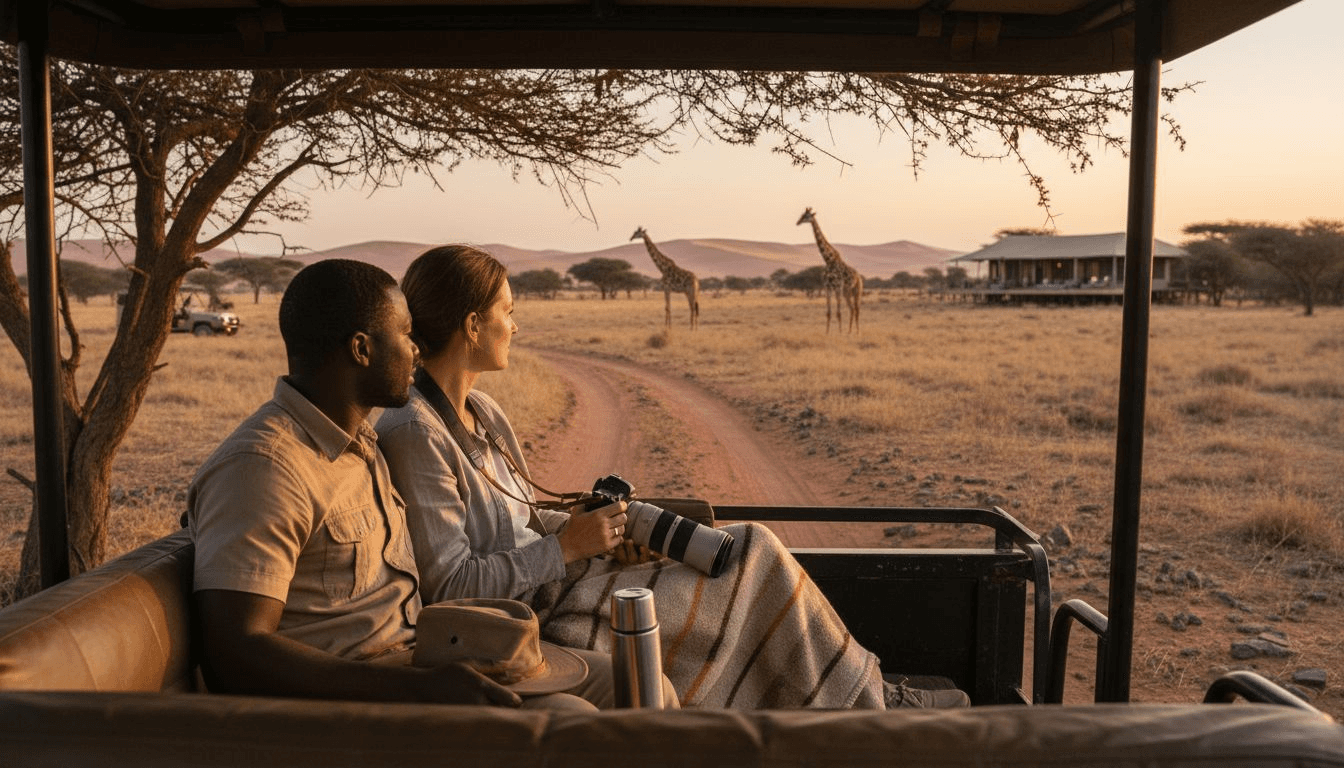
What Makes a Safari Romantic for Couples
What makes a safari romantic? Explore private lodges, exclusive experiences, and natural wonders that shape luxury, unforgettable getaways for couples.
Jan 30, 2026
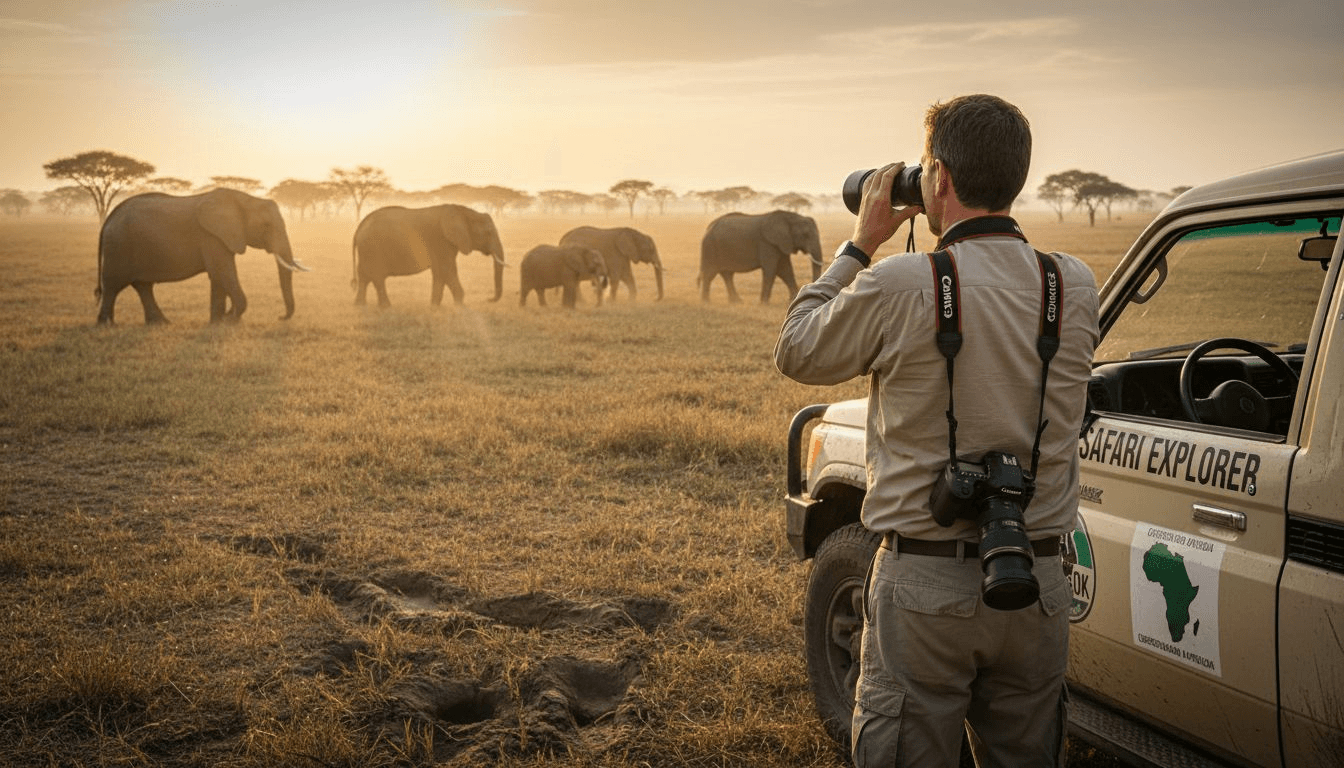
Importancia de safaris fotográficos: Conservación y experiencia
Descubre la importancia de los safaris fotográficos, su papel en la conservación, las variantes exclusivas en Namibia y cómo impactan la protección de la fauna.
Jan 30, 2026
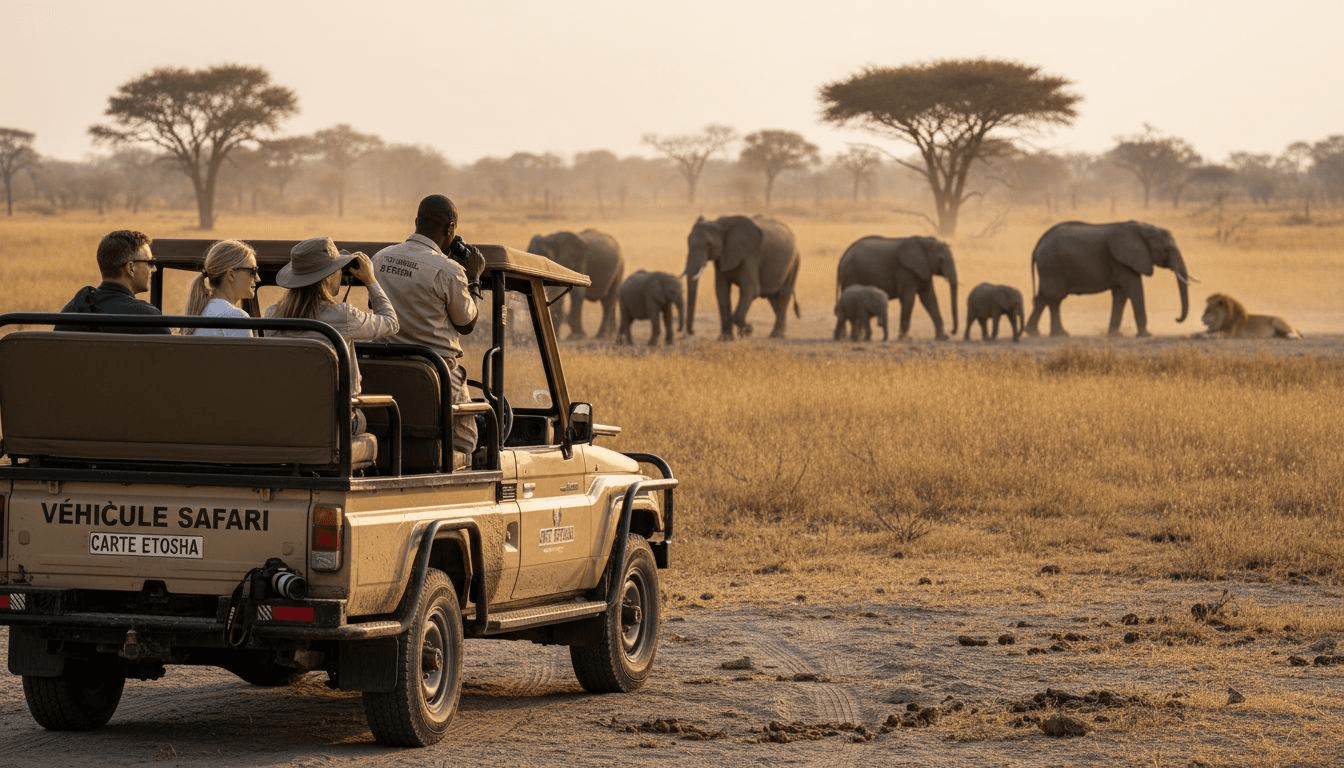
Big Five en Safari : Leur Impact sur Votre Expérience
Big Five en safari : définition, espèces emblématiques, où les observer en Namibie et conseils safaris pour une expérience mémorable et responsable.