
Nov 27, 2025
Complete guide to Etosha National Park: wildlife highlights, luxury safari options, best times to visit, entry fees, and planning tips for your trip.
Etosha National Park: Everything You Need to Know
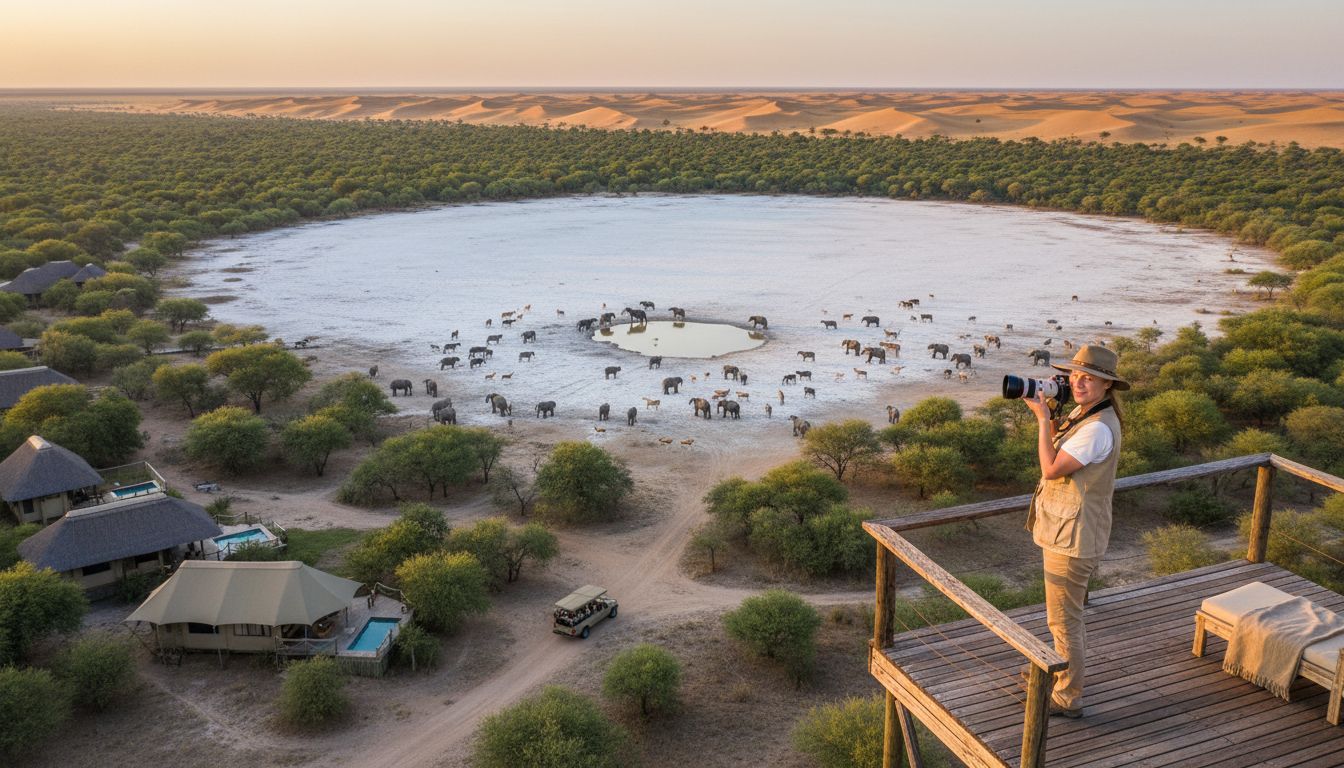
More than 22,900 square kilometers of untamed wilderness make Etosha National Park one of Africa’s most important wildlife sanctuaries. For south-african travelers and conservationists alike, this extraordinary landscape goes far beyond a simple game reserve. With over 114 mammal species thriving here, Etosha stands as a vital stronghold for endangered wildlife, world-class research, and sustainable safari experiences that draw visitors from around the globe.
Table of Contents
Defining Etosha National Park and Its Role
Unique Ecosystems and Iconic Wildlife Encounters
Luxury Safari Experiences and Accommodation Options
Best Times to Visit and Seasonal Insights
Park Regulations, Entry Fees, and Visitor Safety
Key Takeaways
Point | Details |
|---|---|
Etosha National Park’s Size & Significance | Covering 22,935 km², Etosha is crucial for wildlife conservation, hosting diverse species, including the endangered black rhinoceros. |
Ecosystem Diversity | The park’s unique landscapes, including the Etosha Pan and mopane woodlands, support a wide range of wildlife interactions and habitats. |
Luxury Safari Options | Etosha offers a variety of accommodations from luxury lodges to tented camps, providing immersive wildlife experiences combined with comfort. |
Seasonal Wildlife Viewing | The dry season (May-October) is optimal for wildlife sighting with concentrated animal populations, while the wet season offers lush scenery and newborn wildlife. |
Defining Etosha National Park and Its Role
Namibia’s Etosha National Park stands as a monumental testament to wildlife conservation, representing one of Africa’s most extraordinary ecological sanctuaries. According to the Namibian Ministry of Environment, Forestry and Tourism, this remarkable protected area covers an impressive 22,935 km² and was initially established in 1907, making it one of the continent’s oldest and largest national parks.
At its core, Etosha serves multiple critical functions beyond mere landscape preservation. The park is a biological marvel, hosting an astounding 114 mammal species and over 400 bird species. Its vast ecosystem, centered around the dramatic white salt pan from which it derives its name, provides a lifeline for numerous endangered and threatened wildlife populations. The Wikipedia entry on Etosha National Park highlights its significance in biodiversity conservation, particularly for rare species like the black rhinoceros.
The park’s role extends far beyond a simple wildlife refuge. Etosha represents a delicate intersection of ecological preservation, scientific research, and sustainable tourism. Its carefully managed landscapes offer researchers unprecedented opportunities to study complex ecological interactions while simultaneously providing visitors with an immersive window into Namibia’s pristine wilderness. By protecting crucial habitats and maintaining strict conservation protocols, Etosha National Park serves as a living laboratory and a beacon of hope for wildlife protection in southern Africa.
Key ecological contributions of Etosha include:
Preserving critical wildlife habitats
Supporting endangered species recovery
Providing research and educational opportunities
Generating sustainable tourism revenue for conservation efforts
For travelers seeking an authentic and meaningful wildlife experience, Namibia luxury safari adventures through Etosha offer an unparalleled journey into one of the world’s most remarkable natural environments.
Unique Ecosystems and Iconic Wildlife Encounters
Etosha National Park represents an extraordinary mosaic of ecological diversity, where multiple distinctive landscapes converge to create one of Africa’s most remarkable wildlife habitats. The park’s ecosystem is characterized by its dramatic centerpiece - the massive white Etosha Pan - a sprawling salt flat that transforms dramatically between wet and dry seasons, creating unique environmental conditions that support an incredible array of wildlife.
Within this complex landscape, the Angolan mopane woodlands play a critical role in supporting the park’s biodiversity. According to Wikipedia, these woodlands are home to an impressive variety of fauna, including elephants, black rhinos, lions, and numerous antelope species. The ecosystem’s intricate network supports not just large mammals, but also endemic reptiles and unique insect populations like the mopane emperor moth, whose caterpillars represent an important part of the local food chain.
Wildlife encounters in Etosha are nothing short of extraordinary. The park’s carefully designed network of waterholes creates natural gathering points where visitors can witness remarkable interactions between different species. During the dry season, these waterholes become stages for dramatic wildlife encounters, with predators and prey sharing the same critical resource in a delicate dance of survival. Iconic species like black-maned lions, desert-adapted elephants, cheetahs, and leopards roam these landscapes, offering visitors unparalleled opportunities to observe some of Africa’s most magnificent creatures in their natural habitat.
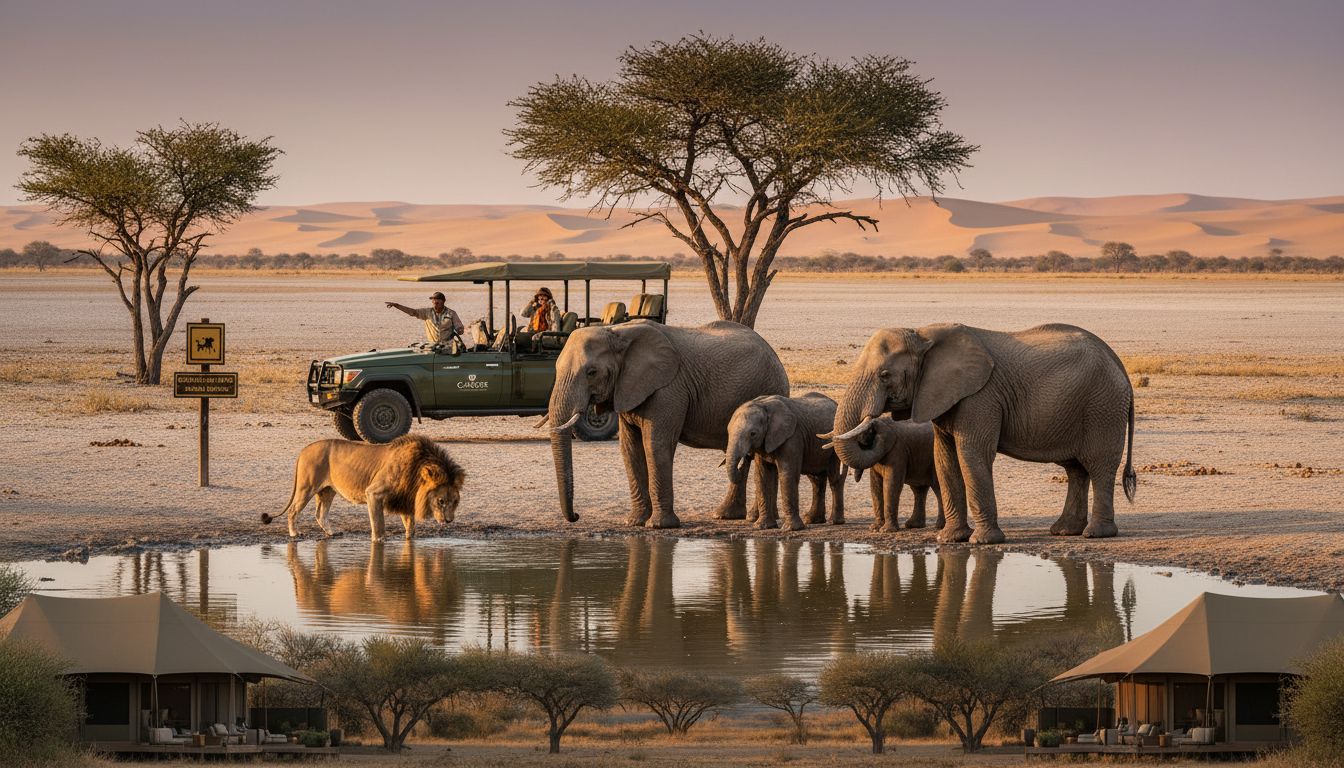
Key wildlife highlights of Etosha include:
Rare black rhinoceros populations
Significant elephant herds
Diverse predator species
Unique desert-adapted wildlife
Travelers seeking an immersive wildlife experience can explore these remarkable ecosystems through eco-friendly safari experiences that not only provide unforgettable encounters but also support critical conservation efforts.
Luxury Safari Experiences and Accommodation Options
Etosha National Park offers travelers an extraordinary spectrum of safari accommodations that cater to discerning guests seeking both comfort and immersive wildlife experiences. According to Etosha National Park, the park provides a range of options from well-equipped rest camps with essential amenities to ultra-luxurious lodges nestled in remote, pristine wilderness areas, ensuring every traveler finds their perfect safari sanctuary.
The luxury safari experience in Etosha transcends traditional accommodation, transforming each stay into a curated journey of discovery. High-end lodges are strategically positioned near critical wildlife corridors, offering guests unprecedented opportunities to observe animals from the comfort of elegantly designed viewing decks. These accommodations blend seamlessly with the natural environment, featuring architectural designs that respect the surrounding ecosystem while providing panoramic views of the vast Etosha landscape.
Guests can expect world-class amenities that elevate the safari experience beyond mere lodging. Luxury camps typically offer private guided game drives, gourmet dining experiences featuring local and international cuisine, infinity pools overlooking waterholes, and expertly trained staff who provide personalized service. The accommodations range from rustic-chic tented camps that offer an authentic wilderness experience to modern lodges with air-conditioned suites, ensuring comfort without compromising the intimate connection with nature.
Key accommodation highlights include:
Private game reserve lodges
Tented luxury camps
Waterhole-facing suites
Gourmet dining experiences
Personalized safari guide services
Travelers interested in exploring the nuanced world of safari experiences can delve deeper with our complete guide to luxury safari packages, which offers comprehensive insights into creating the perfect wildlife adventure.
Best Times to Visit and Seasonal Insights
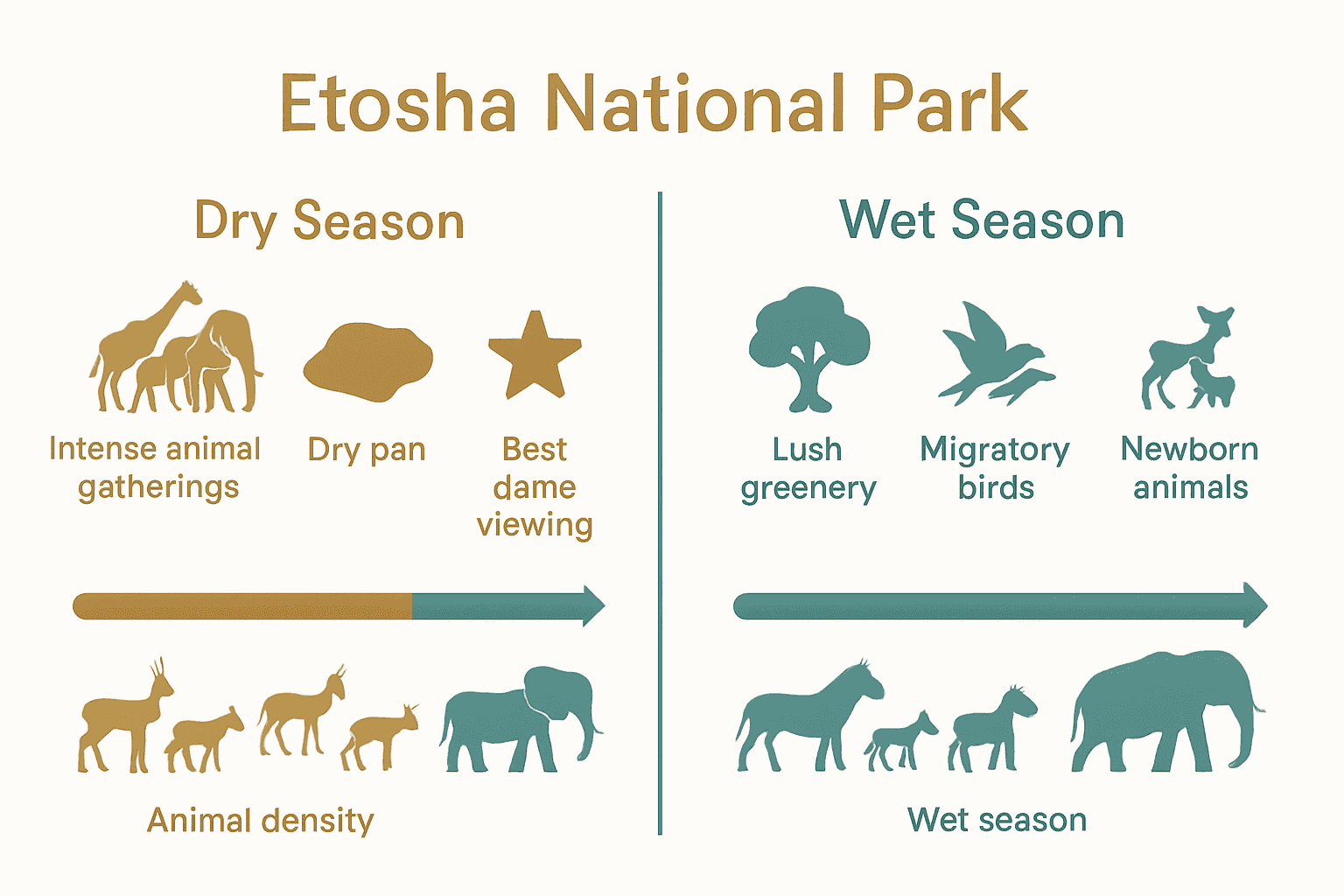
Navigating the seasonal variations of Etosha National Park requires understanding its unique ecological rhythms. According to Etosha National Park, the dry winter months from May to October represent the optimal period for wildlife viewing, offering travelers an unparalleled safari experience. This season is particularly compelling because the park remains malaria-free and accessible with regular vehicles, making it an attractive destination for a wide range of travelers.
During the dry winter period, the park’s landscape transforms into a wildlife congregation hub. As documented by Etosha National Park’s wildlife resources, waterholes become critical focal points where large herds of zebra, springbok, and elephants converge, creating extraordinary viewing opportunities. The reduced vegetation during these months dramatically increases visibility, allowing visitors to witness remarkable wildlife interactions with unprecedented clarity.
The wet summer season (November to April) offers a dramatically different but equally captivating experience. The landscape erupts into vibrant green, with migratory birds arriving in abundance and newborn animals populating the plains. While wildlife might be more dispersed during these months, the photographic opportunities are exceptional, with lush landscapes and dramatic skies providing stunning backdrops for wildlife encounters. Photographers and nature enthusiasts will find this season particularly rewarding for capturing the park’s dynamic ecosystems.
Key seasonal highlights:
Dry Season (May-October)
Peak wildlife viewing
Concentrated animal populations
Excellent photographic conditions
Wet Season (November-April)
Lush green landscapes
Migratory bird arrivals
Newborn wildlife
Travelers seeking to optimize their safari experience can explore our expert guide to Namibian safari timing, which provides comprehensive insights into planning the perfect wildlife adventure.
Park Regulations, Entry Fees, and Visitor Safety
Etosha National Park’s visitor experience is carefully managed to balance wildlife conservation with exceptional tourism opportunities. According to the Namibian Ministry of Environment, Forestry and Tourism, the park is meticulously overseen to ensure both visitor safety and ecological preservation. Park regulations are designed not just as restrictive measures, but as critical guidelines that protect both humans and wildlife in this delicate ecosystem.
Visitor safety and park conduct revolve around fundamental principles of respectful wildlife observation. As outlined by Etosha National Park, guests must strictly adhere to designated viewing areas and maintain safe distances from wildlife. This means remaining within marked trails, staying inside vehicles during game drives, and never attempting to feed or approach animals. The park’s entry fees are strategically structured to support ongoing conservation efforts, infrastructure maintenance, and critical wildlife protection programs.
Navigating the park requires understanding key safety protocols and practical considerations. Visitors should be equipped with appropriate vehicles (preferably 4x4), carry sufficient water, have fully charged communication devices, and follow ranger instructions meticulously. Sun protection, appropriate clothing, and a comprehensive first-aid kit are essential. The park’s management recommends early morning and late afternoon game drives when animal activity is most pronounced, and wildlife interactions are most likely to occur.
Key visitor guidelines include:
Always stay inside designated game viewing areas
Maintain minimum safe distances from wildlife
Follow ranger and park staff instructions
Carry adequate water and sun protection
Use only park-authorized transportation
Respect noise and environmental regulations
Travelers seeking comprehensive preparation can explore our guide to safari safety and preparation, which offers expert insights into creating a safe and memorable wildlife adventure.
Discover Your Perfect Luxury Safari in Etosha National Park
Experiencing the extraordinary wildlife and unique ecosystems of Etosha National Park requires expert planning and personalised support. With challenges like choosing the best season, selecting elite accommodations close to wildlife hotspots, and navigating park regulations for your safety, a tailored safari makes all the difference. Whether your goal is to witness rare black rhinos, enjoy private guided game drives, or immerse yourself in Namibia’s pristine wilderness, Secret Namibia helps you transform these dreams into reality.
Embark on a bespoke adventure with Secret Namibia where over years of expertise meet your passion for authentic African safaris. Explore our carefully curated luxury safari packages designed to maximise your time in Etosha and beyond. Learn more about the optimal timing and eco-friendly travel with our detailed guides like expert tips for safari timing and discover how to prepare safely with our insights on eco-friendly safari benefits. Start planning your unforgettable Namibian journey today with Secret Namibia and secure your place in one of Africa’s most spectacular wildlife experiences.
Frequently Asked Questions
What makes Etosha National Park unique?
Etosha National Park is unique due to its vast ecosystem, which includes the impressive Etosha Pan, diverse wildlife species like the black rhinoceros and desert-adapted elephants, and its role in ecological conservation and sustainable tourism.
When is the best time to visit Etosha National Park for wildlife viewing?
The best time to visit Etosha for wildlife viewing is during the dry winter months from May to October, when waterholes attract large concentrations of animals, making sightings more frequent and visibility better.
What types of safari accommodations are available in Etosha National Park?
Etosha National Park offers a range of safari accommodations, including well-equipped rest camps, luxury lodges with private viewing areas, and tented camps that provide an immersive experience while respecting the natural environment.
What are the key regulations for visitors in Etosha National Park?
Visitors in Etosha must adhere to park regulations, which include staying inside designated viewing areas, maintaining safe distances from wildlife, following ranger instructions, and using park-authorized transport to ensure both personal safety and wildlife protection.
Recommended
RELATED
Safari Guides
Oct 30, 2025
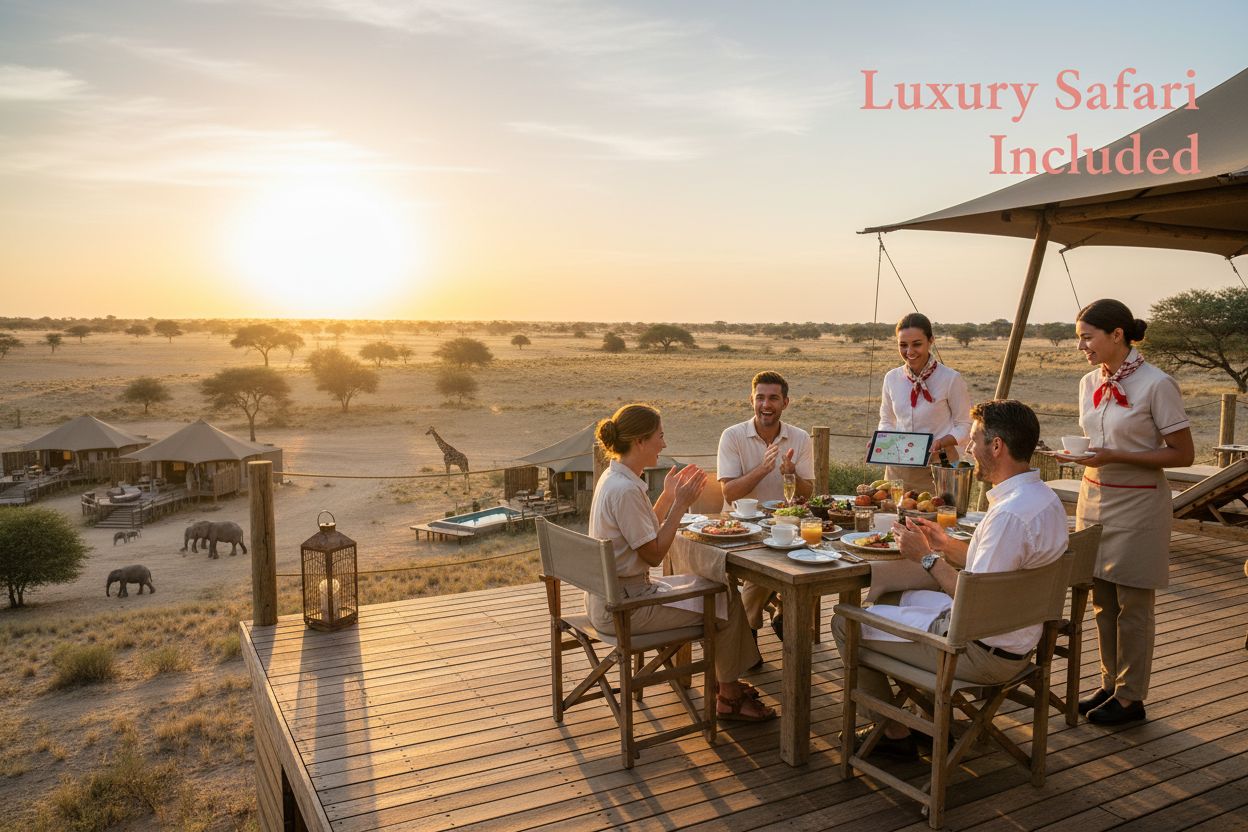
Understanding What is Included in Luxury Safaris
Explore what is included in luxury safaris, from exclusive accommodations to bespoke experiences that cater to discerning travelers.
Feb 24, 2026
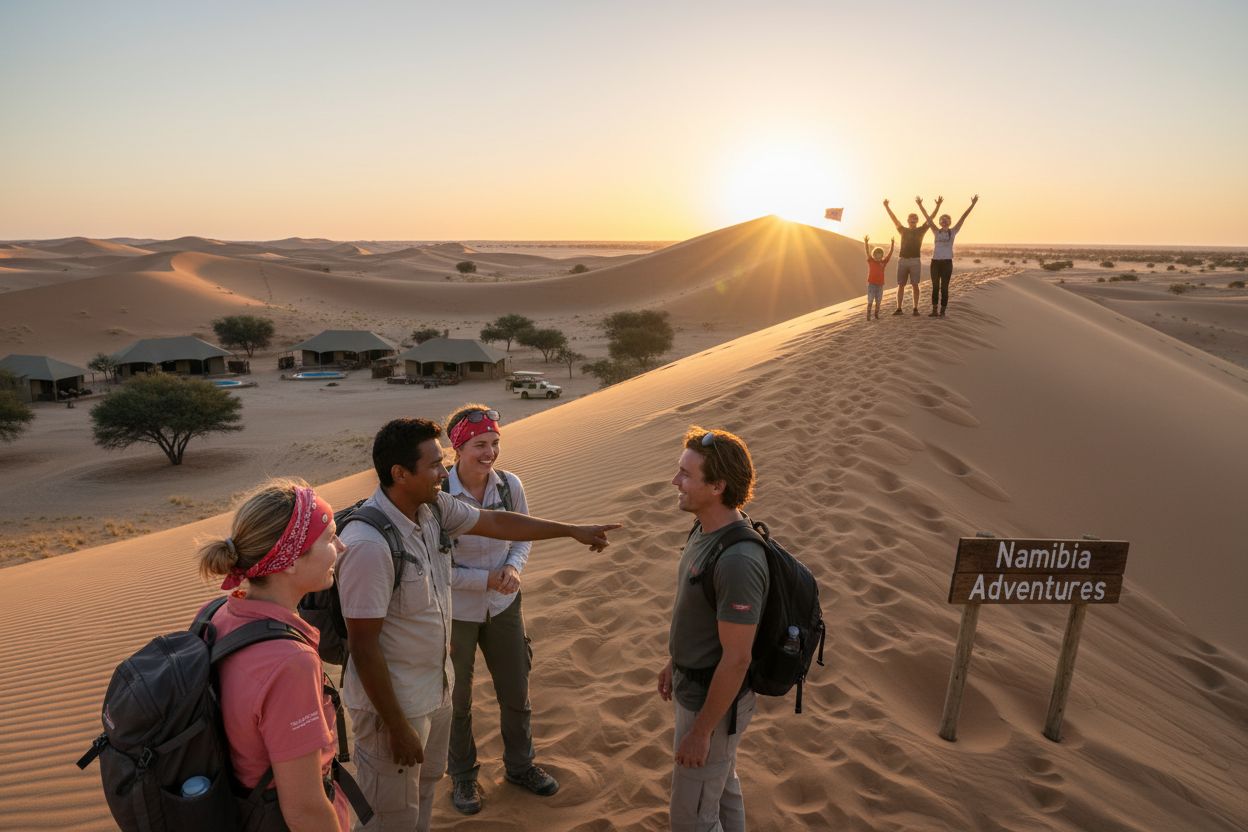
Why Namibia Adventures Matter: An In-Depth Look
Discover why Namibia adventures are essential for luxury travelers seeking unique, immersive experiences in nature and wildlife exploration.
Feb 23, 2026
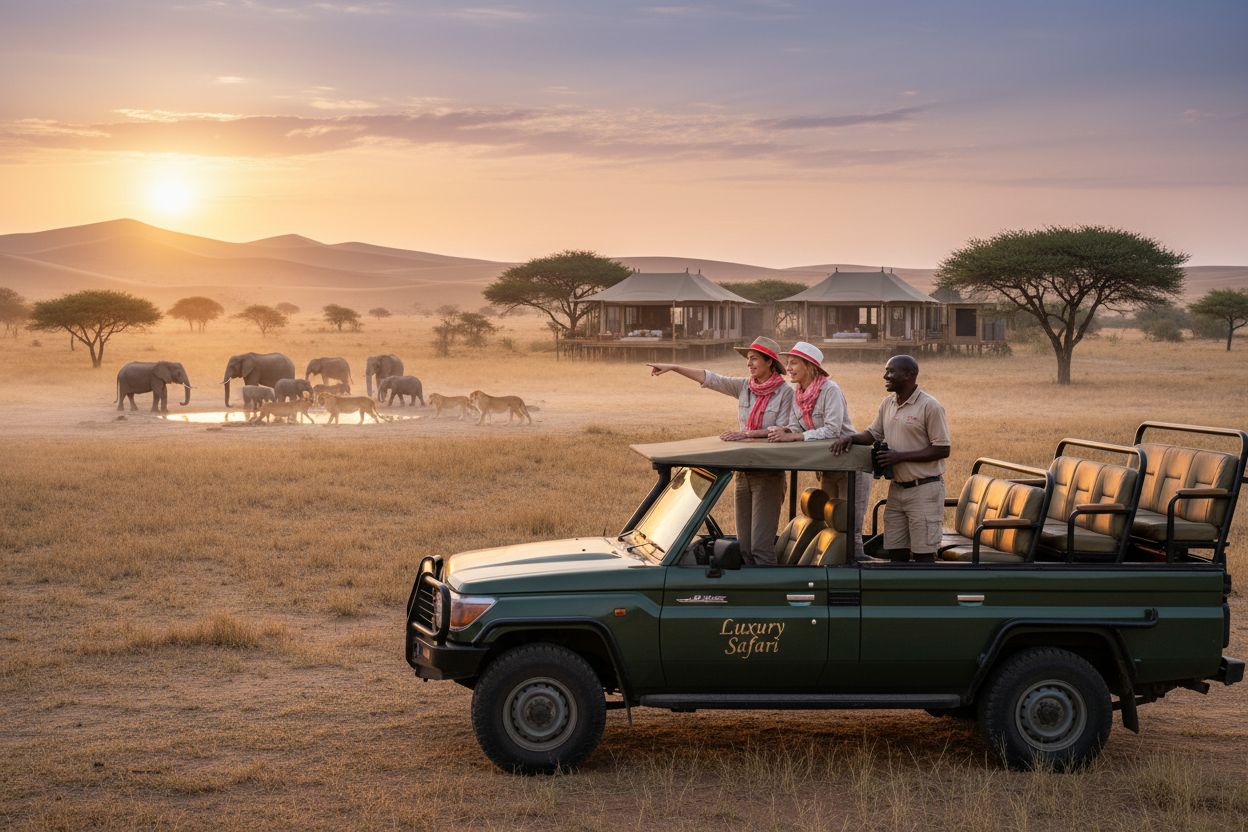
What to Expect on a Luxury Safari: A Comprehensive Guide
Discover what to expect on a luxury safari and gain a deeper understanding of the unique experiences that await you in the wild.
Feb 22, 2026
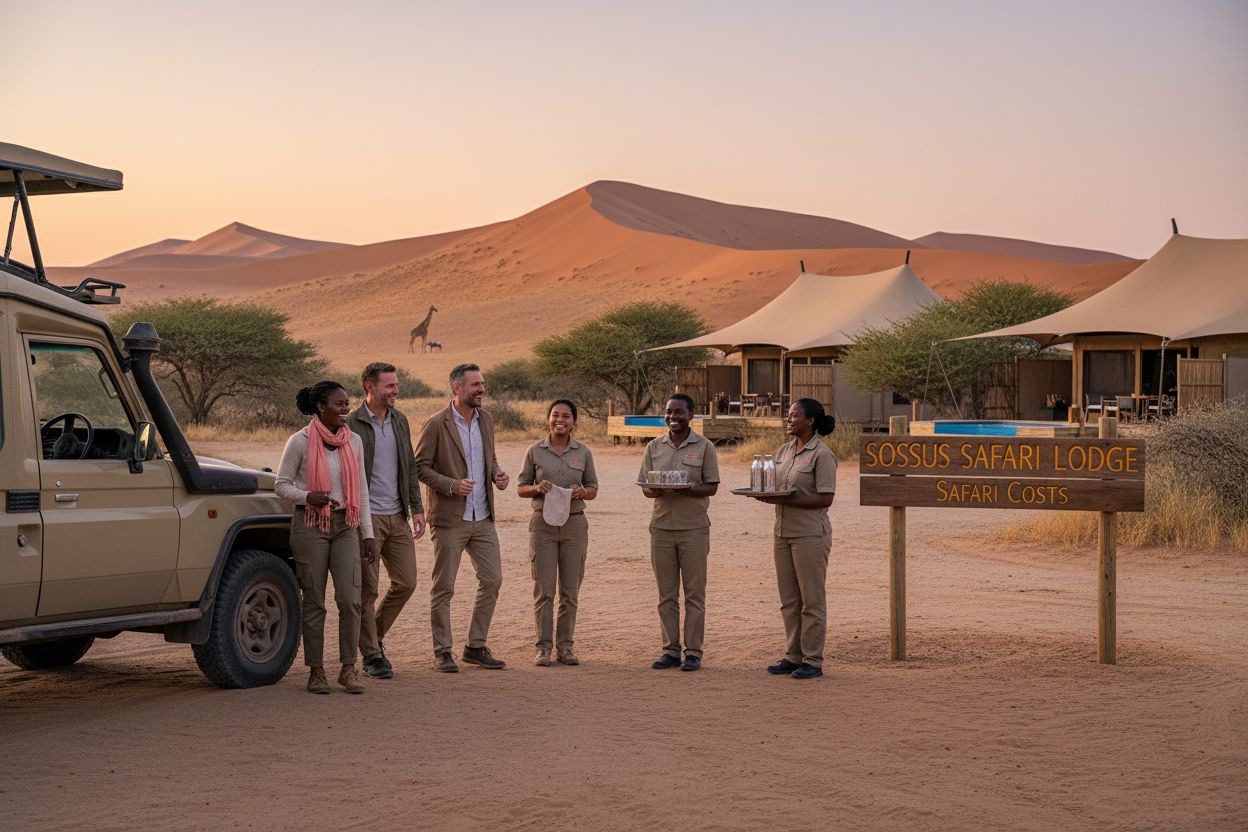
Understanding Namibia Safari Costs Explained
Explore Namibia safari costs explained to uncover what influences pricing and what it means for your adventure.
Feb 21, 2026
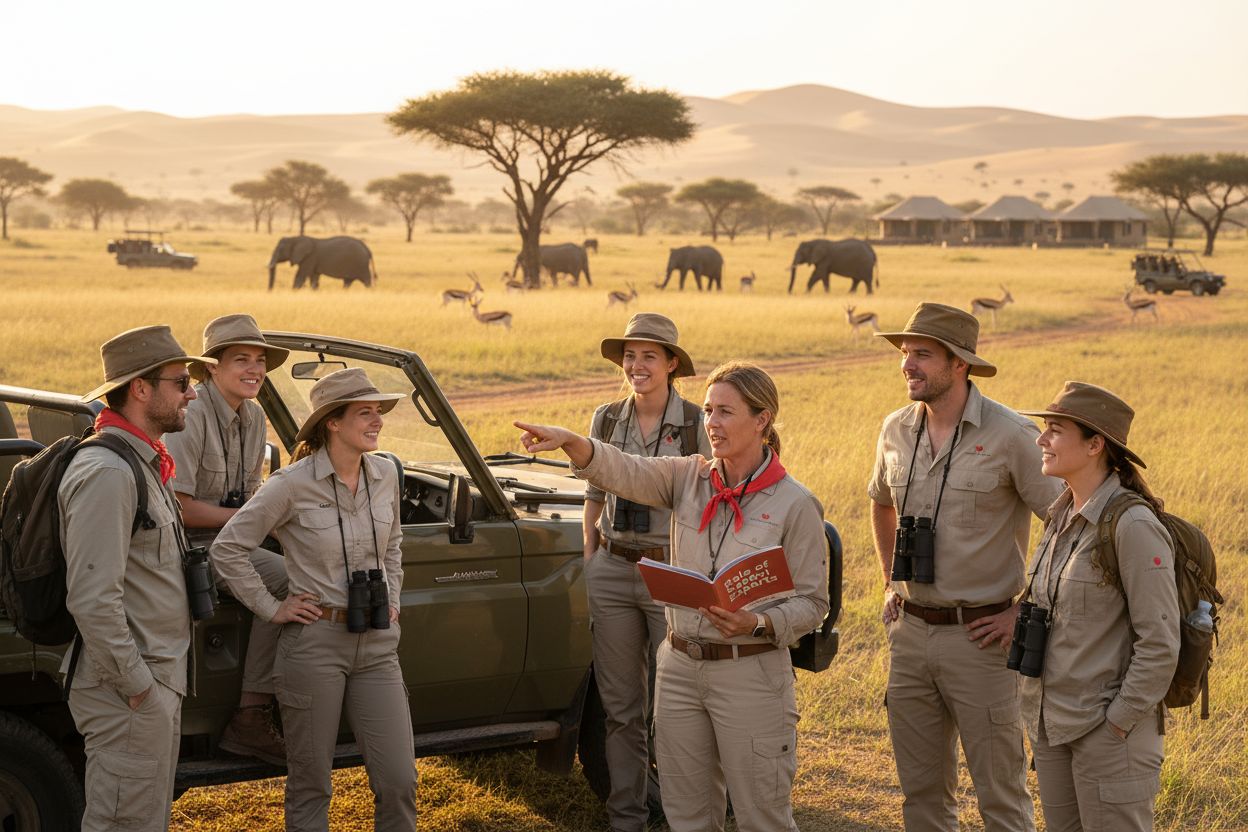
Understanding the Role of Safari Experts in Wildlife Travel
Explore the role of safari experts and gain a comprehensive understanding of how they enhance wildlife travel experiences for all types of travelers.
Feb 20, 2026
Guide organisation safari all inclusive : vivez l'aventure de vos rêves
Découvrez notre guide organisation safari all inclusive étape par étape pour planifier un voyage inoubliable au cœur de la nature.