
Aug 1, 2026
Experience the best of an African safari in Namibia with stunning landscapes, unique wildlife, and tailored luxury adventures. Book now!
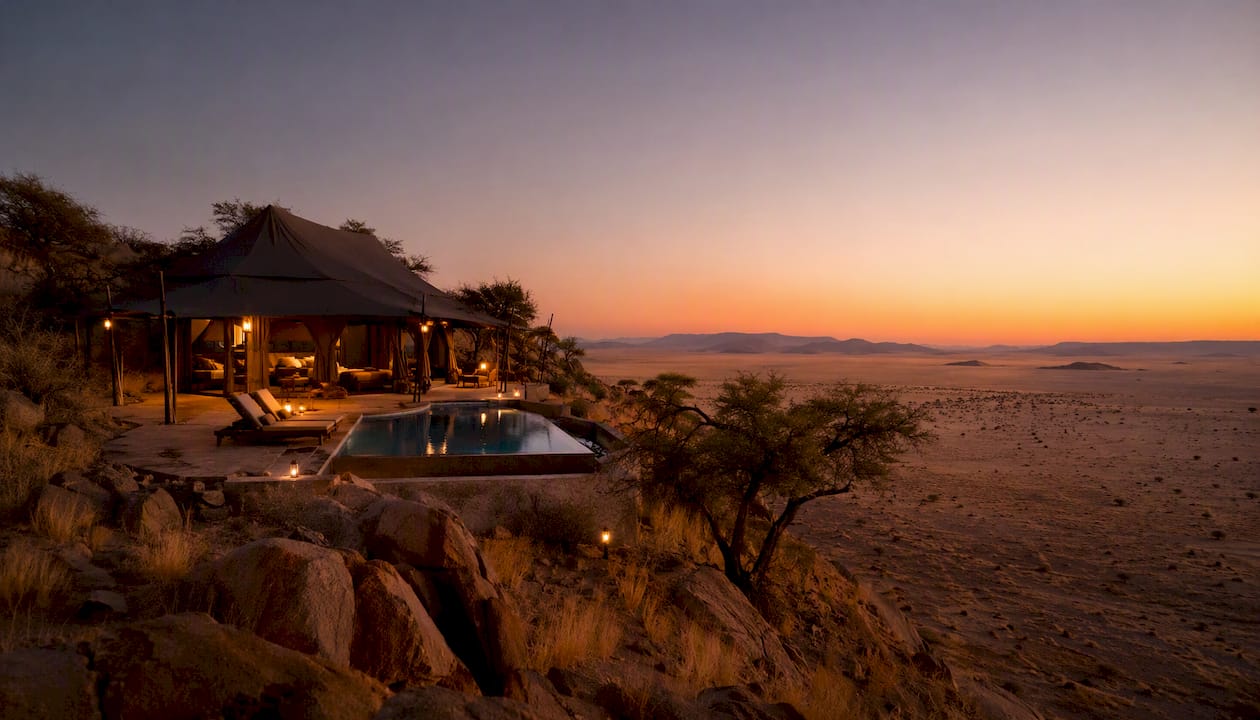
Luxury African safari in Namibia: private reserves & bespoke experiences
TL;DR:
Namibia offers dramatic landscapes, rare desert wildlife, and private concessions for an exclusive safari experience.
Bespoke fly-in itineraries combine top regions like Sossusvlei, Etosha, and Damaraland, with luxury lodges and conservation encounters.
Namibia is one of the finest choices for a luxury African safari, offering dramatic desert landscapes, private-reserve wildlife encounters, and genuinely bespoke service that few destinations on the continent can match. Whether you picture yourself watching desert-adapted elephants move silently through Damaraland’s boulder-strewn valleys, or standing at the rim of Sossusvlei’s towering red dunes at first light, Namibia delivers those moments with a scale and solitude that feels almost otherworldly. Secretnamibia specialises in crafting tailor-made itineraries across these regions, from fly-in concession stays to exclusive-use private houses, with published daily rates ranging from $120 to $1,980 per person depending on season and style.
Why Namibia belongs at the top of your shortlist:
Etosha National Park’s floodlit waterholes draw rhino, elephant, and lion with remarkable reliability
Sossusvlei and the Namib-Naukluft offer some of the most photogenic landscapes on earth
Private concessions such as Palmwag and Ongava unlock night drives, guided walks, and conservation access unavailable inside national parks
Visitor numbers remain low compared to East Africa, meaning genuine solitude on game drives
Bespoke fly-in logistics connect remote camps without long road transfers
Ready to plan your trip? Enquire with Secretnamibia to request a personalised itinerary.
Table of Contents
Why Namibia stands apart for a luxury African safari
Top regions and private reserves to include on your Namibia safari
Which safari style suits your group best?
Sample 7-, 10-, and 14-day itineraries and what they cost
What luxury lodges and camps in Namibia actually provide
How private reserves and conservation partnerships deepen the experience
Travel logistics: when to go, getting there, and what to know
What to pack for a luxury safari in Namibia
Key takeaways
What makes a Namibia safari genuinely unforgettable
Plan your bespoke Namibia safari with Secretnamibia
Useful sources and further reading
Why Namibia stands apart for a luxury African safari
Namibia is not simply another African safari destination. It is a country where the landscape itself is the spectacle, and where the infrastructure for high-end travel has been built around that fact. The Namib Desert is one of the oldest on earth, and its ancient geology produces colour, texture, and photographic light that no other safari country replicates. Add the shipwreck-strewn Skeleton Coast, the vast salt pan of Etosha, and the rock-art valleys of Damaraland, and you have a destination that rewards both the wildlife enthusiast and the discerning traveller who wants more than a game drive.
What sets Namibia apart for affluent travellers:
Dramatic, varied landscapes: towering crimson dunes at Sossusvlei, coastal shipwrecks and seal colonies on the Skeleton Coast, and Etosha’s vast salt pan
Desert-adapted species: elephant, black rhino, lion, and giraffe that have evolved to survive in arid conditions, offering sightings unlike anything in the Serengeti
Low visitor density: Namibia’s vast size and relatively small tourism footprint mean private game drives without the convoy of vehicles common in East Africa
Private concessions: areas like Palmwag and Ongava sit adjacent to national parks and offer activities, including nocturnal game drives and guided bush walks, that are restricted inside Etosha
Photographic excellence: the quality of light across desert and savanna, particularly at golden hour, makes Namibia a favourite among wildlife photographers
Photographic value: Namibia’s combination of open skies, minimal haze, and dramatic topography produces conditions that professional photographers describe as among the most rewarding on the continent. If photography is a priority on your safari, the dunes of Sossusvlei and the waterhole hides of Etosha should both feature on your itinerary.
From a logistics perspective, fly-in itineraries are standard practice for high-end Namibia trips. Chartered light aircraft connect remote camps efficiently, maximising wildlife time and eliminating the long road transfers that can fatigue even the most enthusiastic traveller.
Top regions and private reserves to include on your Namibia safari
Namibia’s geography divides naturally into distinct safari zones, each with its own ecosystem, resident species, and accommodation character. A well-designed itinerary typically combines two or three of these regions, connected by chartered flights.
Sossusvlei and the Namib-Naukluft
The Namib-Naukluft is home to some of the world’s tallest sand dunes, rising impressively above the valley floor. Sossusvlei and the ghostly white clay pan of Deadvlei are the headline attractions, best experienced at sunrise when the dunes shift from deep orange to blazing gold. Luxury lodges in this region typically sit on private concessions bordering the park, offering early morning access before day visitors arrive.
Accommodation: private desert lodges with canvas suites, open-air decks, and plunge pools overlooking the dune sea
Unique selling points: hot-air balloon flights over the dunes, guided dune climbs, and star-gazing from one of the darkest skies on earth
Access: fly-in from Windhoek (approximately 45 minutes) or a scenic four-hour drive
Etosha National Park
Etosha is Namibia’s most celebrated wildlife destination, built around a vast salt pan that concentrates animals at waterholes with extraordinary predictability. Floodlit waterholes at camps like Okaukuejo allow guests to watch rhino and elephant arrive after dark, an experience that is genuinely difficult to replicate elsewhere. The park holds all of Namibia’s Big Four (lion, leopard, elephant, and rhino), plus cheetah, wild dog, and giraffe.
Accommodation: lodges inside the park offer waterhole views; private concessions on the southern boundary (notably Ongava Private Game Reserve) add night drives and walking safaris
Unique selling points: Ongava’s white rhino and black rhino populations, conservation research access, and the intimacy of small-group guided drives
Access: fly-in from Windhoek (approximately one hour) or a four-hour drive north
Damaraland
Damaraland is one of Namibia’s most visually arresting regions, a vast semi-arid plateau of volcanic rock, ancient river valleys, and ochre plains. Desert-adapted elephants roam here in small family groups, tracked on foot or by vehicle with specialist guides. The UNESCO-listed rock engravings at Twyfelfontein, some of the largest concentrations of rock art in Africa, add a cultural dimension that few other safari regions offer.
Accommodation: intimate desert lodges with stone-and-canvas architecture that blends into the landscape; some properties offer exclusive-use configurations for families or small groups
Unique selling points: on-foot elephant tracking, desert-adapted lion research access, and Twyfelfontein cultural visits
Access: fly-in from Windhoek or Sossusvlei (approximately one hour)
Skeleton Coast
The Skeleton Coast is raw, elemental, and unlike anywhere else in Africa. Fog rolls in from the cold Benguela Current, shipwrecks rust on the shore, and Cape fur seal colonies number in the hundreds of thousands. The northern Skeleton Coast is a restricted national park accessible only via fly-in with licensed operators, making it one of the most exclusive safari experiences on the continent.
Accommodation: small, remote fly-in camps with a maximum of a handful of guests; Swakopmund luxury suites offer a coastal base for southern Skeleton Coast excursions
Unique selling points: shipwreck walks, seal colony visits, brown hyena sightings, and the sheer drama of the fog-shrouded coastline
Access: fly-in only for the northern section; Swakopmund is accessible by road or light aircraft from Windhoek
Palmwag Concession and Ongava Private Game Reserve
These two private concessions represent the pinnacle of conservation-led luxury in Namibia. Palmwag, a vast wilderness area in the Kunene region, is home to one of Africa’s last free-roaming populations of desert black rhino. Desert Rhino Camp, operated within Palmwag, offers guests the chance to track rhino on foot alongside Save the Rhino Trust researchers. Ongava, on Etosha’s southern boundary, combines waterhole wildlife viewing with guided walks and night drives on a private reserve.
Accommodation: intimate tented camps and stone lodges with private verandas; exclusive-use options available
Unique selling points: rhino tracking with conservation researchers, desert-lion monitoring, and anti-poaching programme access
Access: fly-in from Windhoek to both concessions
Fish River Canyon
For travellers planning a southward extension, Fish River Canyon is the second-largest canyon in the world and a remarkable landscape in its own right. Luxury lodges on the canyon rim offer dramatic sunset views and guided hikes into the gorge.
Access: fly-in or a five-hour drive from Windhoek; typically added as a two-night extension to a longer itinerary
Which safari style suits your group best?
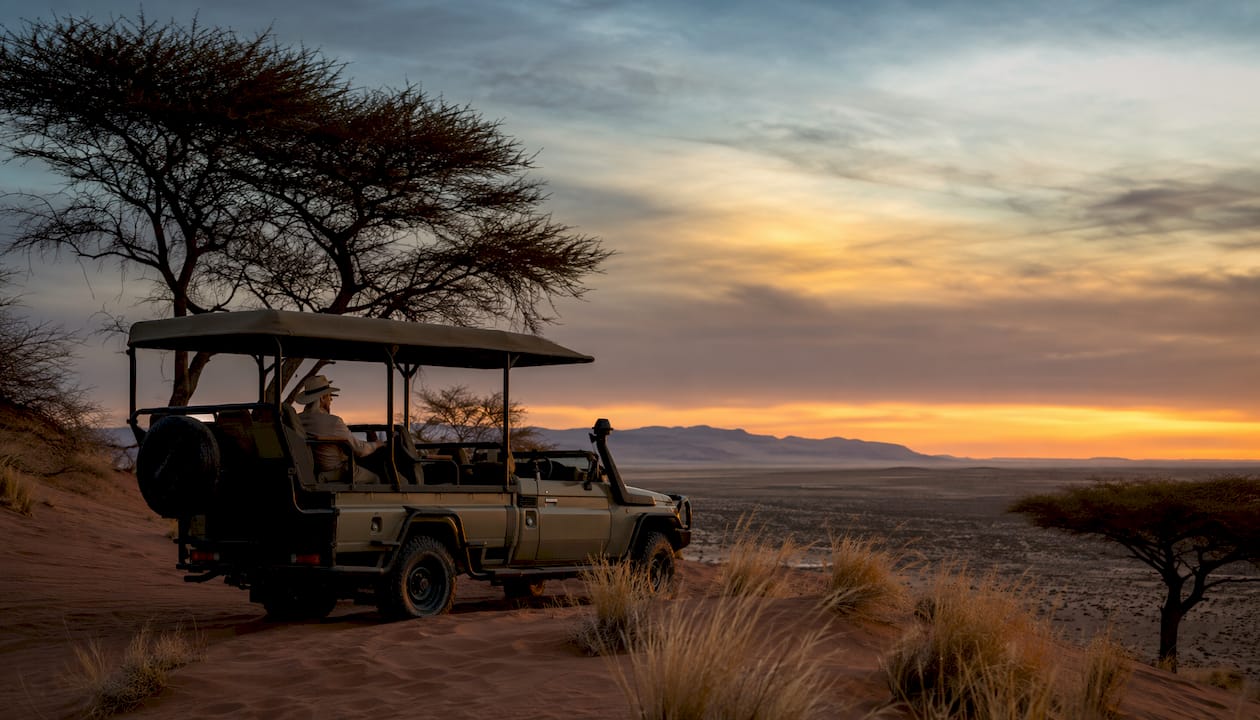
Namibia offers a wider range of safari styles than most African destinations, from self-drive adventures across gravel roads to fully private fly-in itineraries with exclusive-use camps. Choosing the right style depends on your group’s size, pace, and appetite for immersion.
Safari style | Privacy | Wildlife access | Physical demands | Best for |
|---|---|---|---|---|
Self-drive | High | Good in parks | Moderate (driving) | Independent couples, experienced travellers |
Guided game drives | High to very high | Excellent (guide expertise) | Low | First-timers, photographers, families |
Fly-in safari | Very high | Excellent (remote camps) | Low | Luxury seekers, time-limited travellers |
Private concession stay | Exclusive | Outstanding (night drives, walks) | Low to moderate | Conservation enthusiasts, honeymooners |
Combination (fly-in + concession) | Exclusive | Outstanding | Low | Affluent travellers wanting maximum variety |
Key questions to ask your planner before committing to a style:
How many guests will share a vehicle on game drives? (Private vehicles are the luxury standard.)
Does the itinerary include at least one private concession with night-drive access?
Are domestic transfers by chartered light aircraft or shared scheduled flights?
Is conservation engagement, such as rhino tracking or researcher briefings, built into the programme?
Red flags when evaluating operators or itineraries:
Game drives in shared vehicles with more than six guests
Itineraries confined entirely to national parks with no private-concession nights
Opaque pricing that bundles and hides domestic flight costs
No mention of park-fee inclusions or conservation levies
Pro Tip: Private-concession access is the single biggest differentiator between a standard and a truly luxury Namibia safari. Night drives inside Etosha are not permitted by park rules, but a single night at Ongava or a similar boundary concession unlocks them immediately. Prioritise at least two concession nights on any itinerary.
Sample 7-, 10-, and 14-day itineraries and what they cost
Travel specialists recommend a sufficient duration to cover Namibia’s main highlights without rushed transfers. Shorter trips are possible but work best as focused fly-in experiences centred on one or two regions.
1. Seven-day fly-in focus (Sossusvlei and Etosha)
Days 1–2: Fly into Windhoek, transfer by chartered aircraft to a private desert lodge at Sossusvlei; sunrise dune walk, afternoon balloon flight
Days 3–4: Fly to Ongava Private Game Reserve; guided game drives, night drive, waterhole viewing
Days 5–6: Fly to Etosha central; self-guided waterhole drives from lodge, floodlit waterhole at night
Day 7: Fly back to Windhoek for international connection
2. Ten-day classic (Sossusvlei, Damaraland, Etosha)
Days 1–2: Windhoek arrival; fly to Sossusvlei, dune climbs and Deadvlei walk
Days 3–4: Fly to Damaraland; desert-elephant tracking, Twyfelfontein rock art visit
Days 5–6: Fly to Palmwag Concession; rhino tracking with Save the Rhino Trust researchers
Days 7–9: Fly to Ongava; guided walks, night drives, Etosha game drives
Day 10: Return to Windhoek
3. Fourteen-day grand circuit (full Namibia)
Days 1–2: Windhoek; fly to Sossusvlei
Days 3–4: Fly to Swakopmund; coastal excursions, Skeleton Coast day trip
Days 5–6: Fly to Damaraland; elephant tracking, cultural visits
Days 7–8: Fly to Palmwag; rhino tracking, desert-lion research briefing
Days 9–11: Fly to Ongava and Etosha; game drives, night drives, waterhole hides
Days 12–13: Fly south to Fish River Canyon; canyon rim walks, sunset views
Day 14: Return to Windhoek
Typical costs and inclusions
Duration | Low season (approx.) | High season (approx.) | Typically included | Typically excluded |
|---|---|---|---|---|
7 days | From $3,080 pp | From $5,940 pp | Accommodation, meals, domestic flights, game drives, park fees | International airfare, visas, travel insurance, premium drinks |
10 days | From $4,700 pp | From $8,700 pp | As above plus conservation activities | As above |
14 days | From $6,720 pp | From $12,600 pp | As above plus exclusive-use options | As above |
Per-person daily rates across the industry range from approximately $120 at the budget end to $1,980 at the ultra-luxury end. For mid-to-high luxury itineraries with private vehicles and fly-in transfers, expect total package prices (including accommodation, meals, and domestic logistics) from about $3,080 per person for a 7-day trip in low season to $12,600 per person for a 14-day high-season itinerary. These figures are typical ranges found in safari cost estimators and reflect the strong impact of lodge choice and seasonality.
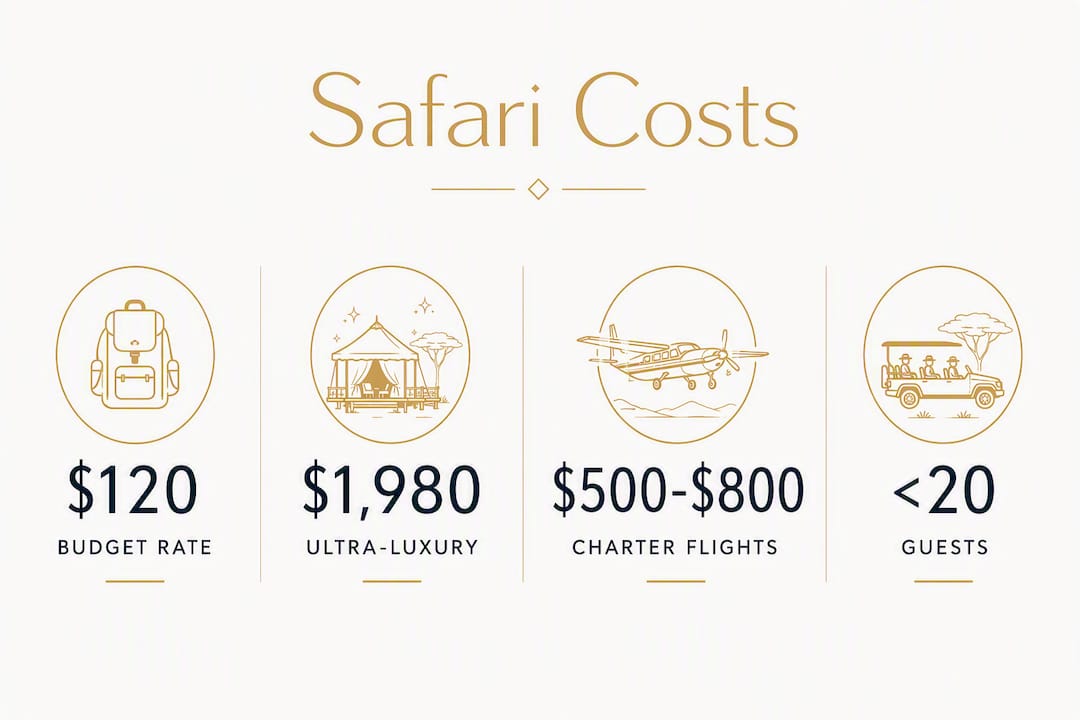
The primary cost drivers are chartered light aircraft (which can add $500–$800 per person per sector), exclusive-use house bookings, and high-season surcharges at top-tier lodges. Bespoke operators typically quote on a “from” basis, with the final figure shaped by your specific lodge selection, group size, and activity choices. Understanding what an all-inclusive safari package actually covers before you compare quotes is worth doing early in the planning process.
What luxury lodges and camps in Namibia actually provide
Namibia’s finest lodges have redefined what a safari property can be. The best properties feel like private homes rather than hotels, designed to dissolve the boundary between interior comfort and the wilderness outside.
Standard amenities at top-tier properties:
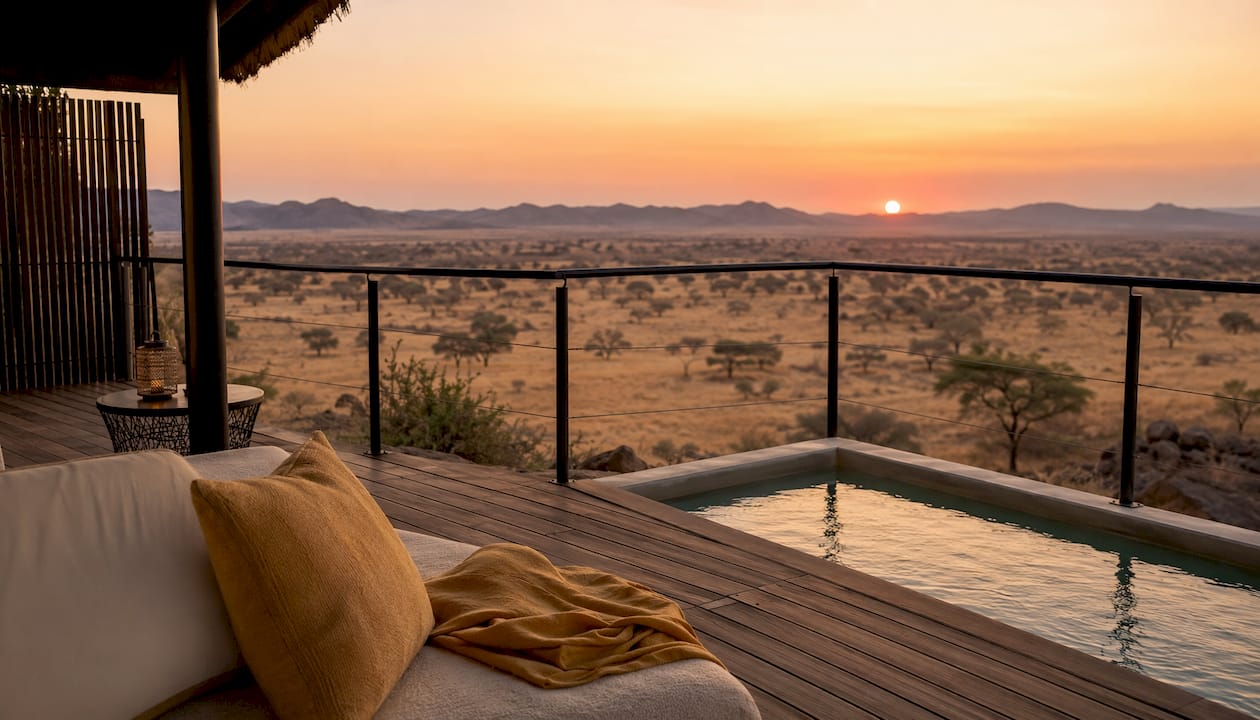
Private verandas or viewing decks with uninterrupted landscape views
Plunge pools or splash pools, often positioned to face waterholes or dune vistas
Indoor and outdoor showers, with open-air bathing as a signature feature
Butler or private host service, with staff-to-guest ratios that allow genuinely personalised attention
Farm-to-table dining, often using produce grown on-site or sourced from local communities
Chartered light-aircraft transfers between properties, eliminating long road journeys
Service and experiential expectations:
Small group sizes are the norm at luxury concession camps, with most properties hosting fewer than 20 guests at any time. Guiding is personalised: your guide learns your interests on day one and shapes subsequent drives and walks accordingly. Families and groups booking exclusive-use lodge configurations gain complete privacy, their own vehicle, and a dedicated guide for the duration of the stay.
Spa and wellness offerings vary by property. Some of Namibia’s larger lodge collections include treatment rooms and yoga decks; smaller tented camps tend to focus on the restorative quality of silence, darkness, and disconnection rather than formal spa menus. For a curated overview of what to expect, Secretnamibia’s guide to luxury safari lodges in Namibia covers the leading properties in detail.
Conservation and community integration:
The best lodges do not treat conservation as a marketing footnote. Guest fees at private concessions directly fund anti-poaching units, wildlife monitoring, and community employment programmes. Many properties offer optional researcher briefings, community village visits, and school project tours as part of the guest programme, adding a dimension of meaning that a standard hotel stay simply cannot replicate.
How private reserves and conservation partnerships deepen the experience
The most significant misunderstanding among first-time Namibia visitors is the assumption that national parks offer the best game viewing. In practice, private concessions adjacent to parks, such as Ongava on Etosha’s southern boundary and Palmwag in the Kunene, provide a qualitatively different experience because park rules restrict night drives, off-road driving, and guided walks inside Etosha. Private reserves carry none of those restrictions.
Conservation case callouts:
Palmwag and Desert Rhino Camp: guests join Save the Rhino Trust trackers on foot to locate and observe desert-adapted black rhino. The programme directly funds monitoring and anti-poaching operations across a vast wilderness area.
Desert-lion research: Ongava and several Damaraland concessions offer access to ongoing research into Namibia’s desert-adapted lion population, one of the rarest lion ecotypes on earth.
Anti-poaching and monitoring: many private reserves run community-based ranger programmes, and guests can attend evening briefings on current research findings.
The conservation value of sustainable safari practices extends beyond individual guest experiences. Private concessions protect vast tracts of wilderness that would otherwise be vulnerable to agricultural encroachment, and the revenue they generate gives local communities a direct economic stake in wildlife survival.
How to verify conservation credibility before booking:
Ask for documented partnerships with named NGOs (Save the Rhino Trust, Africat Foundation, Desert Lion Conservation)
Confirm that on-reserve researcher access is included in the programme, not just available as a paid add-on
Request information on community employment ratios and benefit-sharing arrangements
Travel logistics: when to go, getting there, and what to know
Best time to visit
Namibia’s seasons divide broadly into a dry season (May through October) and a wet season (November through April). For wildlife viewing, the dry season is generally superior: animals concentrate at waterholes, vegetation thins, and sightings become more predictable. For landscape photography, the wet season’s dramatic skies, green vegetation, and active desert wildlife offer a different but equally compelling palette.
Month | Wildlife viewing | Landscape photography | Weather notes |
|---|---|---|---|
May–July | Excellent | Good | Cool to cold nights; clear skies |
August–October | Outstanding | Good | Hot days; peak season at waterholes |
November–January | Good | Excellent | Wet season begins; dramatic skies |
February–April | Moderate | Very good | Rains peak; some roads may be affected |
Getting there from the United States
Most US travellers route through a regional hub such as Johannesburg (O.R. Tambo International) or Cape Town, then connect to Hosea Kutako International Airport outside Windhoek. Common US gateways include New York (JFK), Washington Dulles, and Atlanta, with total journey times typically in the range of 18–24 hours including layover. From Windhoek, chartered light aircraft are the standard transfer method for reaching remote camps efficiently.
Routing summary:
US gateway → Johannesburg (direct on South African Airways or via European hub) → Windhoek (approximately 2 hours)
Windhoek → private concession by chartered light aircraft (45 minutes to 2 hours depending on destination)
Visas, health, and safety
Visas: US citizens do not require a visa for Namibia for stays up to 90 days. Confirm current requirements at travel.state.gov before travel.
Vaccinations: the CDC recommends routine vaccinations plus hepatitis A and typhoid for most travellers; yellow fever vaccination is required if arriving from a country with risk. Malaria prophylaxis is recommended for the northern regions including Etosha and the Caprivi Strip.
Safety: Namibia is one of Africa’s most politically stable and visitor-friendly countries. Inside Etosha, park rules require guests to remain in vehicles except at designated rest camps. On private concessions, guided walks are conducted by qualified field guides with appropriate safety protocols.
Travel insurance: comprehensive travel and medical evacuation insurance is strongly recommended given the remote locations of many luxury camps.
This article provides general travel information. Confirm current visa, health, and entry requirements with the relevant authorities or a qualified travel professional before booking.
What to pack for a luxury safari in Namibia
Packing for Namibia requires balancing the practical demands of a desert environment with the comfort expectations of a luxury trip. The good news: most top-tier lodges handle laundry, so you need less than you think.
Clothing essentials:
Neutral-toned safari clothing (khaki, olive, sand) in lightweight, breathable fabrics for daytime game drives
A warm fleece or down jacket for early morning drives and cold desert nights, particularly May through August
A wide-brimmed hat and UV-protective long-sleeved shirts for sun protection in the dunes and on open vehicles
Comfortable closed-toe walking shoes or lightweight hiking boots for guided walks and rhino tracking
Camera and photography gear:
A telephoto lens of at least 400mm for wildlife at distance; a wide-angle lens for landscape and dune photography
Extra memory cards and batteries (charging facilities exist at lodges but may be limited in remote camps)
A dust-proof bag or case for protecting equipment in the Namib’s fine sand
Health and comfort items:
High-SPF sunscreen and quality lip balm (the Namib’s dry air is relentless)
Insect repellent containing DEET for northern regions during the wet season
A headlamp for navigating camp at night
Any prescription medications in sufficient supply, plus copies of prescriptions
Pro Tip: Most luxury lodges in Namibia have strict weight limits on chartered light aircraft, typically 15–20 kg of soft luggage per person. Pack in a soft duffel rather than a hard-shell suitcase, and ship any excess gear ahead to your Windhoek hotel.
Key takeaways
Namibia consistently ranks among the finest luxury safari destinations in Africa, combining dramatic landscapes, rare desert-adapted wildlife, and private-concession access that transforms a standard game drive into a genuine conservation encounter.
Point | Details |
|---|---|
Private concessions unlock the best experiences | Night drives, guided walks, and conservation access are unavailable inside Etosha but standard on adjacent private reserves like Ongava. |
Plan for a minimum duration that covers Sossusvlei, Damaraland, and Etosha without rushed transfers; shorter fly-in trips work for focused single-region visits. | |
Budget realistically for luxury | Per-person daily rates vary widely; mid-to-high luxury fly-in itineraries typically involve significant investment depending on duration, accommodation, and activities. |
Fly-in logistics are the luxury standard | Chartered light aircraft between camps maximise wildlife time and reach remote concessions that road transfers cannot match efficiently. |
Secretnamibia designs bespoke itineraries | Secretnamibia builds tailor-made programmes with private vehicles, fly-in transfers, and conservation experiences across Namibia’s top regions. |
What makes a Namibia safari genuinely unforgettable
There is a particular quality to a Namibia sunrise that no photograph fully prepares you for. The dunes at Sossusvlei shift from deep burgundy to molten gold in the space of twenty minutes, and the silence is so complete that you can hear the sand move. Guests who have tracked black rhino on foot at Palmwag often describe it as the most visceral wildlife experience of their lives: the guide reads tracks in the dust, the tension builds over an hour of walking, and then the animal appears, enormous and unhurried, in a landscape that feels entirely prehistoric.
At Etosha’s waterhole hides, the intimacy is different but equally affecting. A family of elephant arriving at dusk, the young ones jostling for position at the water’s edge while the matriarch stands watch, is the kind of scene that stays with you long after the trip ends. Private-concession nights add another layer: a nocturnal drive through the Ongava darkness, torch beams catching the reflective eyes of a brown hyena or a porcupine, reveals a Namibia that most visitors never see.
Plan your bespoke Namibia safari with Secretnamibia
Secretnamibia offers something more specific than a packaged tour: a genuinely personalised planning service built around your travel dates, group size, and the experiences that matter most to you. Whether that means a private fly-in circuit combining Sossusvlei, Palmwag, and Ongava, or an exclusive-use family house in Damaraland with a dedicated guide and vehicle, the team designs each itinerary from scratch rather than slotting you into a fixed programme.
The service covers custom itinerary design, private and small-group departures, chartered light-aircraft logistics, conservation experiences including rhino tracking and desert-lion briefings, and on-the-ground support throughout your trip. Exclusive-use properties are available for families and groups seeking complete privacy. Every itinerary is built around the defining features of a luxury safari: private vehicles, expert local guides, and accommodation that earns its position on the itinerary.
To enquire, visit the Secretnamibia safaris page or submit a detailed enquiry with your travel dates, group size, and must-have experiences. The more specific you are about what you want, the more precisely the team can match properties and activities to your objectives. Spaces at the best private concessions fill quickly for peak-season travel (August through October), so early planning pays dividends.
Useful sources and further reading
External authoritative sources:
U.S. State Department — Namibia travel information: current visa requirements, safety advisories, and entry conditions for US citizens
CDC — Namibia traveller health: vaccination recommendations and malaria guidance for Namibia
Lonely Planet — Guide to Namibia: destination overview covering key regions and travel practicalities
Etosha National Park — rules and regulations: official park rules including restrictions on night drives and off-road activities
Discover Africa — safari cost estimator: published per-person daily rate ranges across safari styles and seasons
Secretnamibia resources:
Luxury safari lodges in Namibia: curated guide to top-tier properties for 2025/2026
Rhino tracking experiences: details on conservation-led rhino tracking at Palmwag and partner concessions
Why choose a tailor-made safari: the case for bespoke itinerary planning over fixed-departure tours
Luxury safari guide: private reserves and expert planning: in-depth explanation of private-reserve benefits and the planning process
Enquire about your Namibia safari: direct enquiry form to begin planning your bespoke itinerary
Recommended
RELATED
Safari Guides
Oct 30, 2025
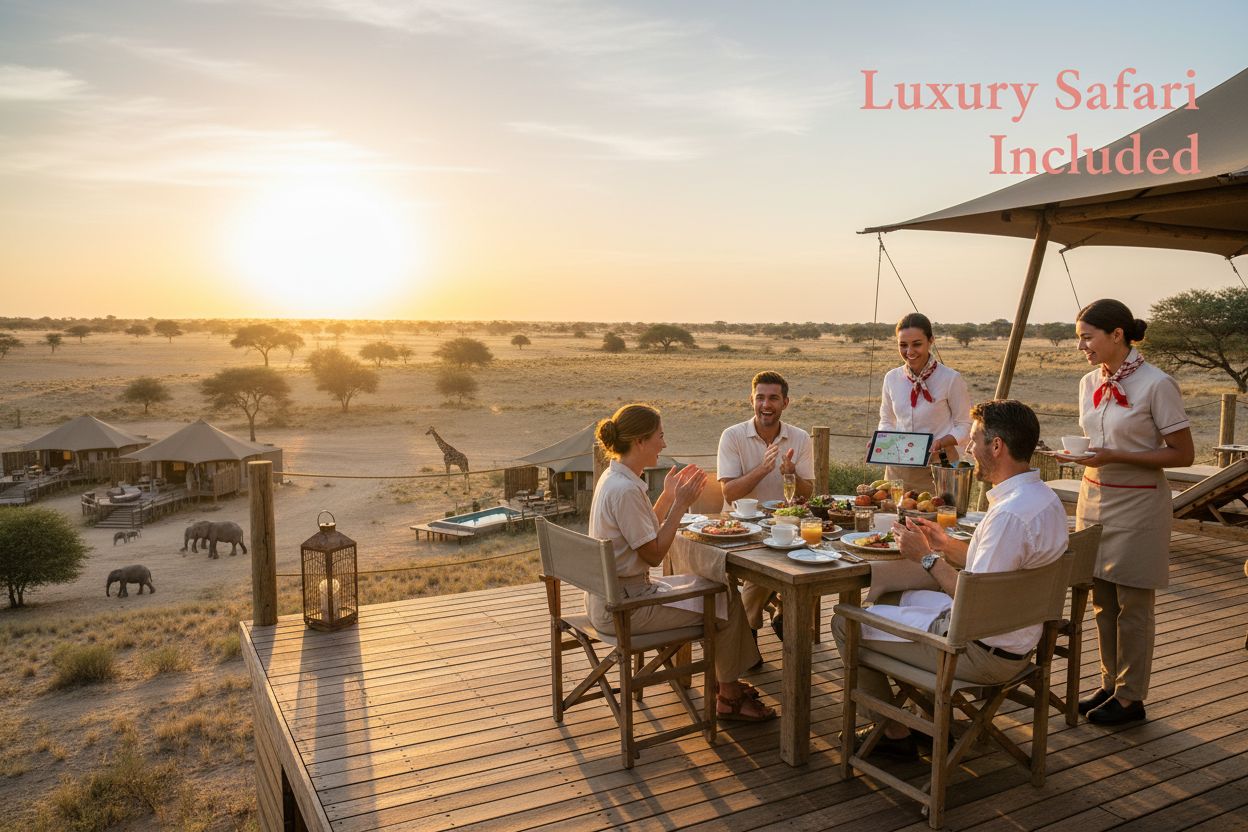
Understanding What is Included in Luxury Safaris
Explore what is included in luxury safaris, from exclusive accommodations to bespoke experiences that cater to discerning travelers.
Feb 24, 2026
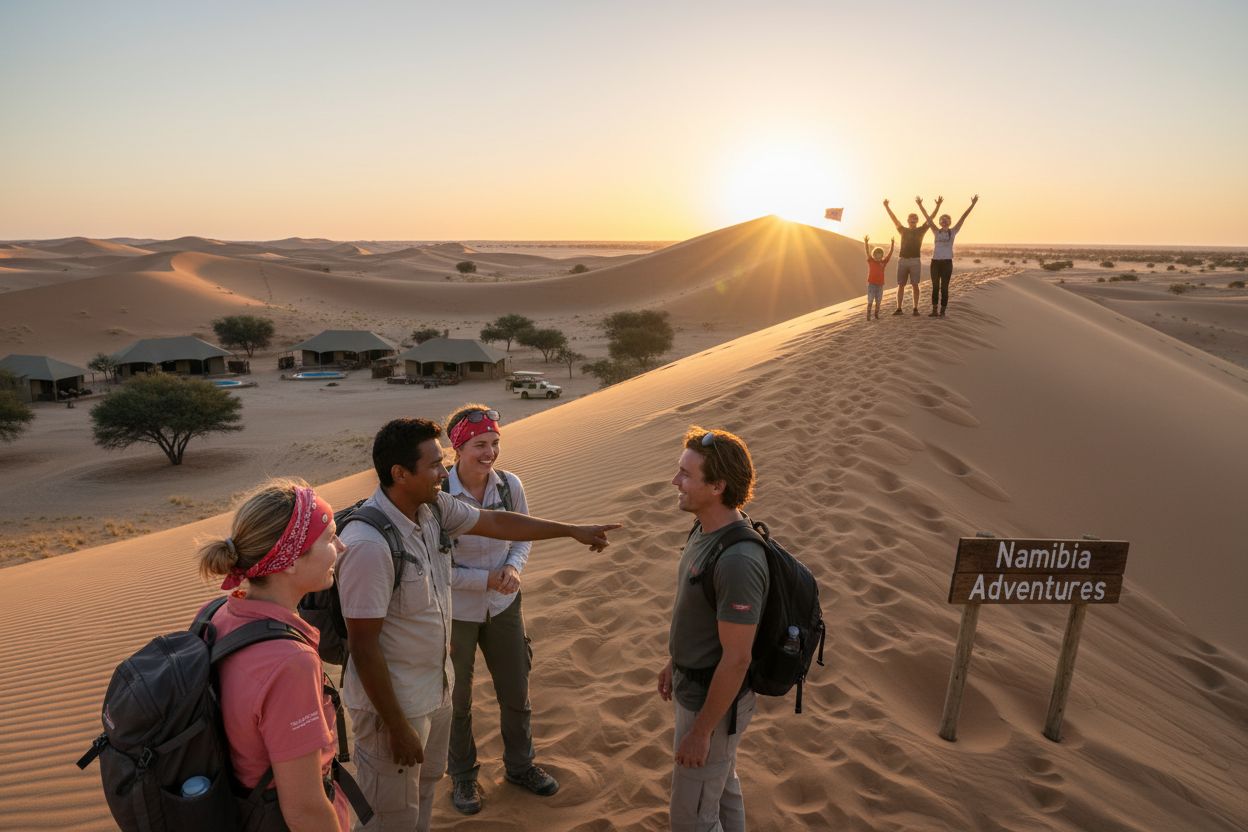
Why Namibia Adventures Matter: An In-Depth Look
Discover why Namibia adventures are essential for luxury travelers seeking unique, immersive experiences in nature and wildlife exploration.
Feb 23, 2026
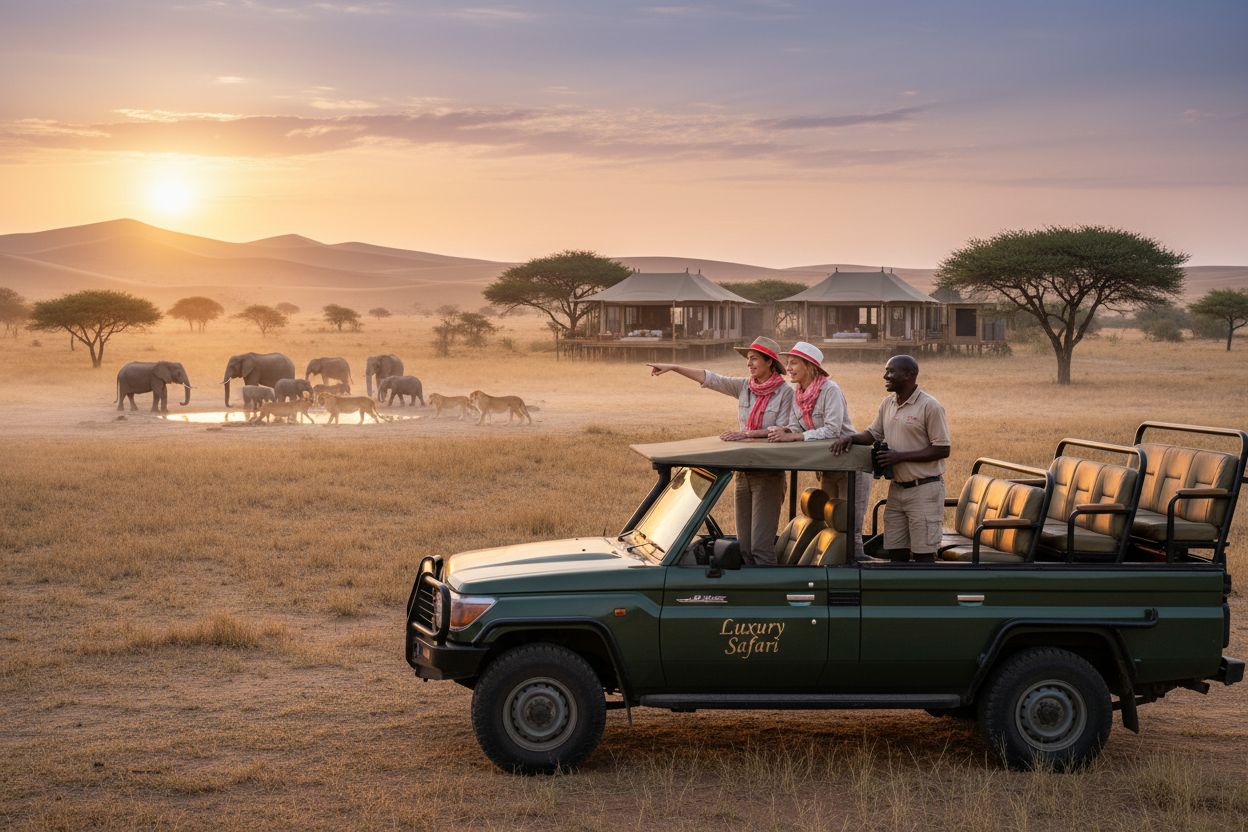
What to Expect on a Luxury Safari: A Comprehensive Guide
Discover what to expect on a luxury safari and gain a deeper understanding of the unique experiences that await you in the wild.
Feb 22, 2026
Understanding Namibia Safari Costs Explained
Explore Namibia safari costs explained to uncover what influences pricing and what it means for your adventure.
Feb 21, 2026
Understanding the Role of Safari Experts in Wildlife Travel
Explore the role of safari experts and gain a comprehensive understanding of how they enhance wildlife travel experiences for all types of travelers.
Feb 20, 2026
Guide organisation safari all inclusive : vivez l'aventure de vos rêves
Découvrez notre guide organisation safari all inclusive étape par étape pour planifier un voyage inoubliable au cœur de la nature.