
Apr 26, 2025
Discover a list of endemic Namibia wildlife with 7 key species. Learn about their habitats and traits for your luxury safari adventure in southern Africa.
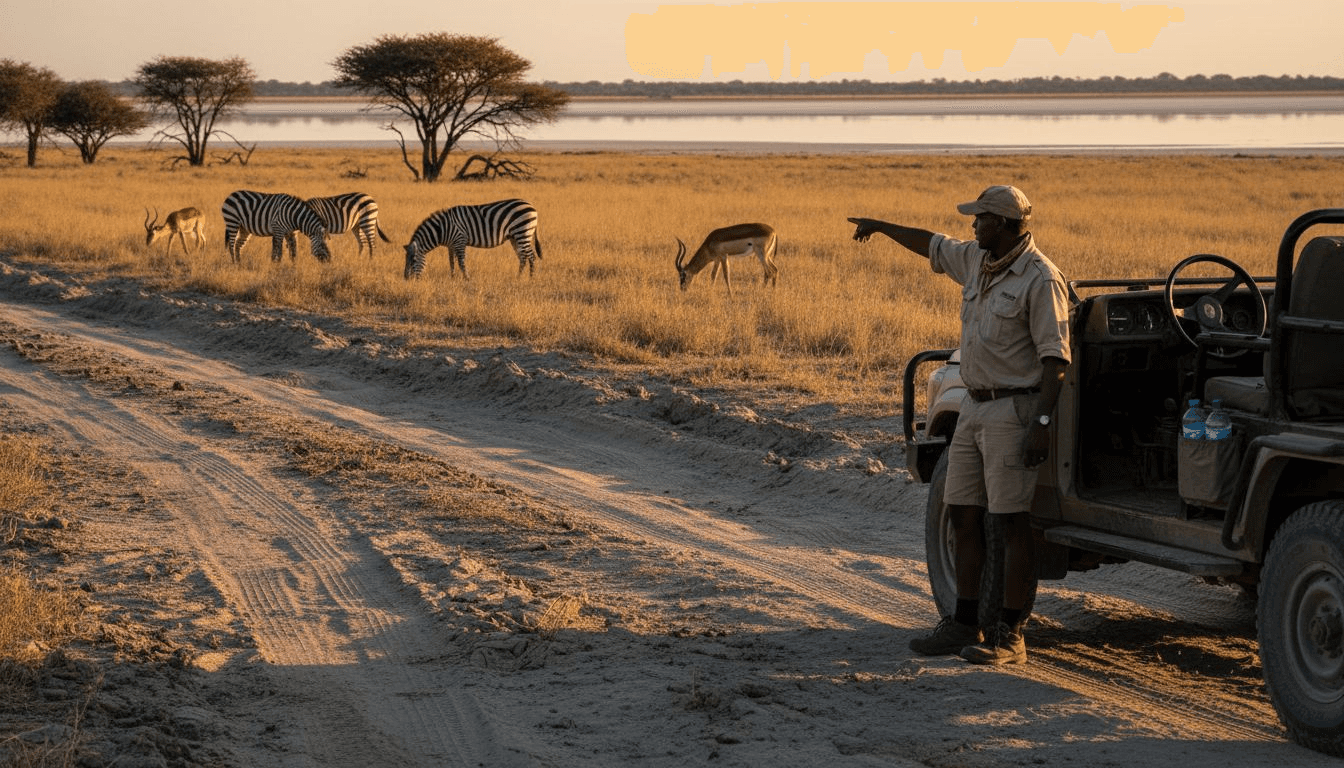
7 Endemic Namibia Wildlife Species Every Safari Guest Should Know
Planning a wildlife safari in Namibia can feel overwhelming, especially when you want to spot animals you simply will not see anywhere else. With its vast deserts and unique landscapes, Namibia hides some of the planet’s rarest creatures—yet their survival faces real challenges from climate change, habitat fragmentation, and even genetic risks. Knowing where and how to find these remarkable animals can make all the difference for your journey and your understanding of Namibia’s natural heritage.
This list will introduce you to Namibia’s most fascinating endemic wildlife, revealing what sets each species apart and how you can experience their world responsibly. You will discover the secrets behind their survival and learn practical tips for making the most of every sighting. Get ready for surprising facts, unforgettable encounters, and a deeper appreciation for the conservation efforts that protect these national treasures.
Table of Contents
The Unique Appeal of Namibia’s Endemic Wildlife
Black-faced Impala: Etosha’s Rare Antelope
Hartmann’s Mountain Zebra: Desert-Adapted Grazer
Namib Desert Golden Mole: Specialist of Sand Dunes
Damara Tern: Coastal Breeding Wonder
Petherick’s Sandveld Lizard: Namibia’s Secretive Reptile
Welwitsch’s Gecko: Nocturnal Survivor
Quick Summary
Takeaway | Explanation |
|---|---|
1. Focus on Community-Led Conservation | Supporting local conservation initiatives helps protect Namibia’s unique wildlife and ecosystems effectively. |
2. Prioritise Responsible Tourism | Choose tour operators committed to conservation for a sustainable safari experience. |
3. Observe Wildlife Respectfully | Maintain distance and use appropriate equipment to avoid disrupting animal behaviour in their natural habitats. |
4. Understand Species Vulnerabilities | Species like the Black-faced Impala and Damara Tern face specific threats; knowing these can enhance conservation efforts. |
5. Explore Unique Adaptations | Familiarise yourself with the extraordinary adaptations of Namibia’s wildlife for a deeper appreciation of their survival strategies. |
1. The Unique Appeal of Namibia’s Endemic Wildlife
Namibia represents an extraordinary sanctuary of wildlife adaptation, where species have evolved remarkable strategies to survive in some of the planet’s most challenging environments. Community conservation strategies have transformed how these incredible creatures persist and thrive in harsh landscapes.
The concept of endemic wildlife refers to species found exclusively in a specific geographic region and nowhere else on Earth. Namibia’s unique ecosystems have created perfect conditions for extraordinary biological specialisation, where animals have developed extraordinary physiological and behavioural adaptations to survive extreme desert and savanna conditions.
What makes Namibia’s endemic wildlife truly remarkable is their extraordinary resilience. These animals are not just surviving but thriving in environments that would challenge most species. From desert-adapted antelope to specialised reptiles, each creature represents a living testament to evolutionary ingenuity.
Conservation in Namibia goes beyond mere protection it represents a holistic approach that integrates local communities, scientific research, and sustainable tourism. The country’s innovative wildlife management models ensure that endemic species are not just preserved but actively supported through strategic interventions.
Tourism plays a crucial role in supporting these unique species. When travellers visit Namibia and observe these remarkable creatures in their natural habitats, they contribute directly to conservation efforts and local community economic development.
Top Tip: When planning your safari, prioritise responsible tour operators who actively support local conservation initiatives and community wildlife protection programmes.
2. Black-faced Impala: Etosha’s Rare Antelope
The Black-faced Impala represents one of Namibia’s most extraordinary wildlife treasures a subspecies so rare and specialised that its entire global population hovers around 3,000 to 4,000 individuals. Conservation status highlights reveal the critical importance of protecting this magnificent antelope.
Distinguished by its unique facial markings and smaller body size compared to common impala, this endemic subspecies is found exclusively in northwestern Namibia and southwestern Angola. The Black-faced Impala has adapted remarkably to the region’s challenging arid environments demonstrating nature’s incredible capacity for specialisation.
What makes these animals truly fascinating is their vulnerability and resilience. Their population faces significant challenges including potential genetic swamping through hybridisation with common impala and habitat fragmentation. Scientists and conservationists work diligently to maintain the genetic integrity of these herds ensuring their continued survival in protected areas like Etosha National Park.
For wildlife enthusiasts and safari travellers, spotting a Black-faced Impala represents an extraordinary privilege. These elusive creatures embody the remarkable biodiversity of Namibia their very existence telling a powerful story of adaptation and survival in one of the world’s most demanding landscapes.
Top Tip: When photographing Black-faced Impala, use longer lenses and move slowly to avoid disturbing these sensitive animals in their natural habitat.
3. Hartmann’s Mountain Zebra: Desert-Adapted Grazer
Namibia’s Hartmann’s Mountain Zebra represents an extraordinary testament to wildlife adaptation in one of the planet’s most challenging environments. Population management strategies reveal remarkable conservation efforts protecting this unique subspecies.
Unlike its plains dwelling cousins these zebras are masters of rugged mountainous terrain. Specialised hooves allow them to navigate rocky escarpments with remarkable agility while their distinctive striped patterns extending to their belly provide exceptional camouflage against the harsh desert landscape. Their unique physical characteristics including a prominent dewlap help them regulate body temperature in extreme conditions.
Currently estimated at approximately 130,000 individuals the Hartmann’s Mountain Zebra population demonstrates remarkable resilience. They live in small social groups traversing the mountainous regions of southwestern Namibia and Angola showing extraordinary survival skills. Their ability to thrive in arid environments where other species struggle highlights the incredible evolutionary adaptations of Namibian wildlife.
For safari enthusiasts these zebras offer a rare glimpse into nature’s extraordinary capacity for specialisation. Their presence tells a powerful story of survival adaptation and the remarkable biodiversity of Namibia’s wilderness areas.
Top Tip: When observing Hartmann’s Mountain Zebras use binoculars and maintain a respectful distance to avoid disturbing these sensitive desert dwellers.
4. Namib Desert Golden Mole: Specialist of Sand Dunes
The Namib Desert Golden Mole represents nature’s most extraordinary adaptation to extreme desert environments an almost mythical creature that literally swims beneath shifting sand dunes. Desert mammal ecology reveals its remarkable survival strategies in one of the world’s most unforgiving landscapes.
This tiny blind mammal has evolved an astonishing ability to navigate through sand with incredible efficiency using a technique scientists describe as sand swimming. Unlike traditional burrowing animals the Golden Mole moves through loose sand as though it were liquid creating intricate tunnel networks while hunting for termites its primary food source.
What makes this creature truly remarkable is its physiological adaptation to extreme conditions. With a significantly reduced metabolic rate and extraordinary water conservation mechanisms the Golden Mole thrives where most mammals would perish. Its compact body and specialised fur allow it to move through sand with minimal energy expenditure a critical survival strategy in the arid Namib Desert.
For wildlife enthusiasts and safari travellers the Golden Mole represents an incredible testament to evolutionary resilience. Though rarely seen these small mammals embody the extraordinary biodiversity hidden within Namibia’s seemingly inhospitable landscapes.
Top Tip: When exploring Namib Desert regions look for subtle sand disturbances that might indicate the underground movement of these fascinating creatures.
5. Damara Tern: Coastal Breeding Wonder
The Damara Tern represents one of Namibia’s most extraordinary coastal wildlife treasures a small seabird with an extraordinary global significance. Coastal breeding conservation reveals remarkable strategies for protecting this unique species.
This petite seabird occupies a critical ecological niche along Namibia’s coastline with over 80% of its global population concentrated between the Orange and Cunene rivers. The Damara Tern nests in sheltered coastal environments including shallow reefs salt pans and protected bays demonstrating remarkable adaptability in challenging maritime landscapes.
Conservation efforts have become increasingly sophisticated in protecting these birds. Information boards strategic barriers and carefully managed human interactions have significantly improved breeding success. Researchers have observed increased nesting density and hatching rates as a direct result of these targeted interventions highlighting the potential for strategic wildlife management.
For wildlife enthusiasts and nature photographers the Damara Tern offers a rare glimpse into the intricate world of coastal bird ecology. Its survival tells a powerful story of adaptation resilience and the delicate balance between human activity and wildlife preservation.
Top Tip: When observing Damara Terns maintain a respectful distance and use binoculars to avoid disturbing their sensitive breeding environments.
6. Petherick’s Sandveld Lizard: Namibia’s Secretive Reptile
The Petherick’s Sandveld Lizard represents a remarkable testament to Namibia’s extraordinary biological diversity a testament to the intricate evolutionary adaptations found in the country’s arid landscapes. Reptile taxonomic research reveals the remarkable complexity of this unique endemic species.
Scientifically known as Nucras damarana this lizard is a true specialist of northern Namibia’s semi arid regions. Its distribution spans across the Kunene Omusati Oshikati Kavango and Otjozondjupa regions where it has developed remarkable adaptations to survive in challenging environmental conditions.
What makes this lizard truly fascinating is its unique morphological characteristics. Recent phylogenetic analyses have distinguished it from closely related species highlighting its distinctive scale patterns and coloration. The Petherick’s Sandveld Lizard embodies the evolutionary ingenuity that allows species to thrive in seemingly inhospitable environments.
For wildlife enthusiasts and safari travellers the Sandveld Lizard represents an extraordinary opportunity to glimpse the hidden biodiversity of Namibia. Its secretive nature and specialised habitat requirements make any encounter a truly memorable experience.
Top Tip: When searching for Sandveld Lizards look for rocky or sandy terrain and move slowly and quietly to increase your chances of a rare sighting.
7. Welwitsch’s Gecko: Nocturnal Survivor
The Welwitsch’s Gecko represents an extraordinary testament to survival in one of the world’s most challenging environments the unforgiving Namib Desert. Nocturnal gecko ecology reveals remarkable adaptations that enable these creatures to thrive in extreme conditions.
Scientifically known as Chondrodactylus turneri this remarkable gecko embodies the pinnacle of evolutionary adaptation. Its nocturnal lifestyle is a sophisticated survival strategy carefully calibrated to the harsh desert environment. By spending daylight hours hidden in rock crevices and emerging only during cooler nighttime periods the gecko minimises water loss and avoids extreme temperatures.
What makes these geckos truly fascinating is their nuanced behavioural patterns. Age related differences in habitat use and activity reveal an intricate relationship with the lunar cycle. Juveniles and adults occupy different microhabitats demonstrating the complexity of their ecological interactions. Their specialised webbed feet allow effortless movement across sandy terrain a remarkable adaptation that enables survival in seemingly inhospitable landscapes.
For wildlife enthusiasts and safari travellers the Welwitsch’s Gecko offers a glimpse into the extraordinary resilience of desert life. Each individual represents a living testament to the incredible adaptability of Namibian wildlife.
Top Tip: When hoping to observe nocturnal desert geckos use a red filtered torch and move slowly to avoid startling these sensitive creatures.
Below is a comprehensive table summarising the fascinating topic of Namibia’s unique endemic wildlife and the conservation efforts supporting their survival.
Discover Namibia’s Endemic Wildlife on a Bespoke Safari Experience
Namibia’s unique endemic species like the Black-faced Impala and Hartmann’s Mountain Zebra present extraordinary opportunities for travellers seeking authentic wildlife encounters in breathtaking landscapes. Yet navigating the challenges of spotting these rare creatures and understanding the delicate balance of conservation requires expert guidance that transforms your safari into a meaningful adventure. Secret Namibia specialises in personalised safari journeys that connect you intimately to these remarkable animals and their habitats while supporting local conservation efforts.
Start your journey with carefully crafted itineraries tailored to your interests across iconic regions such as Etosha National Park and the Namib Desert. Our expert team ensures you experience the thrill of seeing elusive species like the Welwitsch’s Gecko or Damara Tern up close, with knowledgeable support that honours their unique adaptations and sensitivities. Elevate your safari with luxury and adventure combined by exploring our comprehensive safari packages and custom planning services. Don’t miss the chance to witness Namibia’s endemic wildlife in their natural environment with seamless booking and expert advice at Secret Namibia. Take the first step today toward an unforgettable safari that respects and celebrates Namibia’s natural heritage.
Frequently Asked Questions
What are endemic wildlife species in Namibia?
Endemic wildlife species in Namibia are animals that are native to the country and are not found anywhere else in the world. They have adapted uniquely to the local environments, making them a vital part of Namibia’s biodiversity. To learn about these incredible species, consider researching specific animals’ survival strategies and habitats.
How can I spot the Black-faced Impala during my safari?
To increase your chances of spotting the Black-faced Impala, visit its natural habitat in northwestern Namibia or southwestern Angola. Be patient and keep an eye out for their unique facial markings while moving quietly to avoid disturbing them. Use binoculars to enhance your view and take in their beauty from a respectful distance.
What should I know about observing Hartmann’s Mountain Zebras?
When observing Hartmann’s Mountain Zebras, use binoculars to maintain a respectful distance and avoid startling these sensitive animals. Their remarkable adaptability to harsh environments makes them an exciting sight for safari-goers. Plan to visit mountainous regions during your safari to see these unique zebras in their natural habitat.
How does the conservation of endemic species benefit local communities?
The conservation of endemic species in Namibia supports local communities by integrating wildlife protection with community development and sustainable tourism. This approach creates economic opportunities and promotes awareness of the importance of biodiversity. Engage with responsible tourism operators who collaborate with local communities to ensure that your visit contributes positively.
What adaptations help the Namib Desert Golden Mole survive in extreme conditions?
The Namib Desert Golden Mole has developed unique adaptations, such as a significantly reduced metabolic rate and specialised water conservation mechanisms, enabling it to thrive in harsh desert conditions. To learn more about their fascinating survival strategies, explore areas of the Namib Desert and keep an eye out for subtle signs of their movement beneath the sand.
How can I respectfully photograph wildlife in Namibia?
When photographing wildlife in Namibia, prioritise using longer lenses and maintaining a distance to avoid disturbing the animals. Follow ethical guidelines by respecting their space and observing their behaviour without interference. Capture the essence of these remarkable creatures while ensuring their well-being remains a top priority.
Recommended
RELATED
Safari Guides
Oct 30, 2025
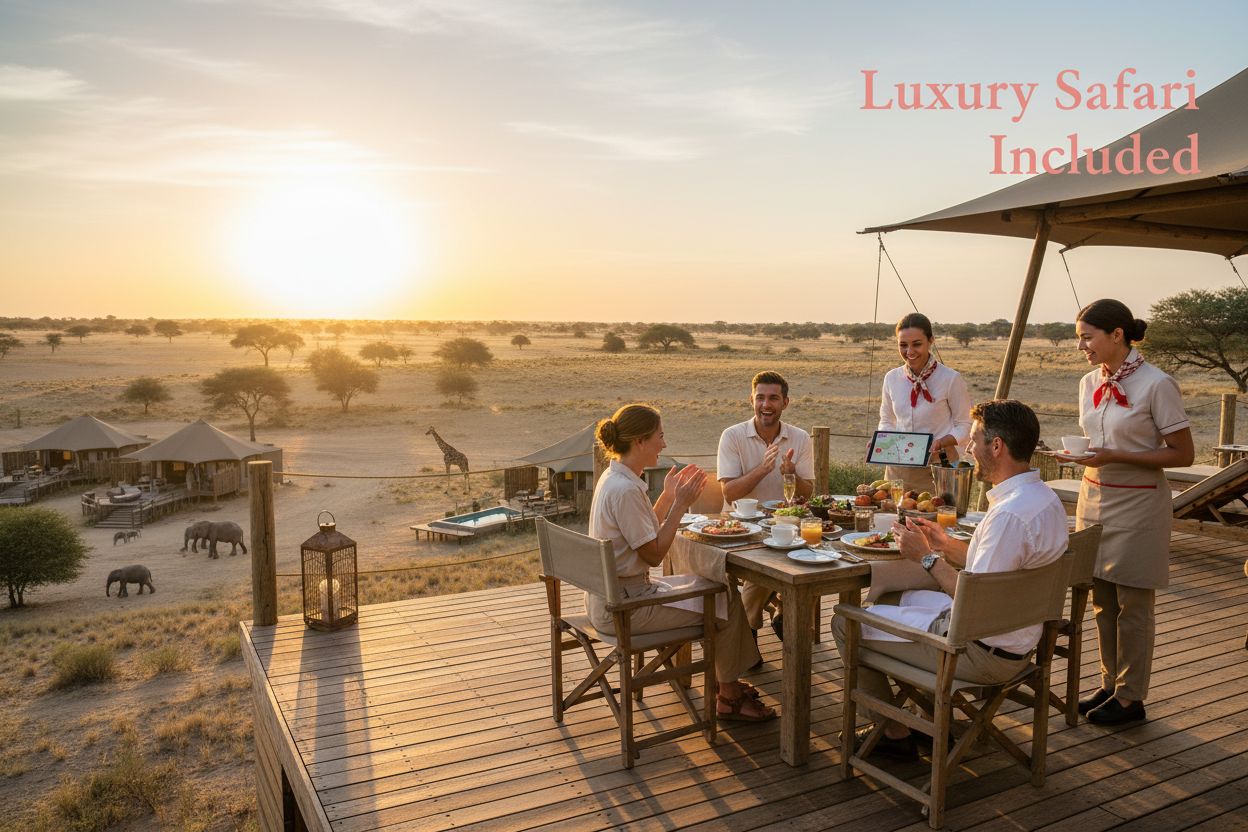
Understanding What is Included in Luxury Safaris
Explore what is included in luxury safaris, from exclusive accommodations to bespoke experiences that cater to discerning travelers.
Feb 24, 2026
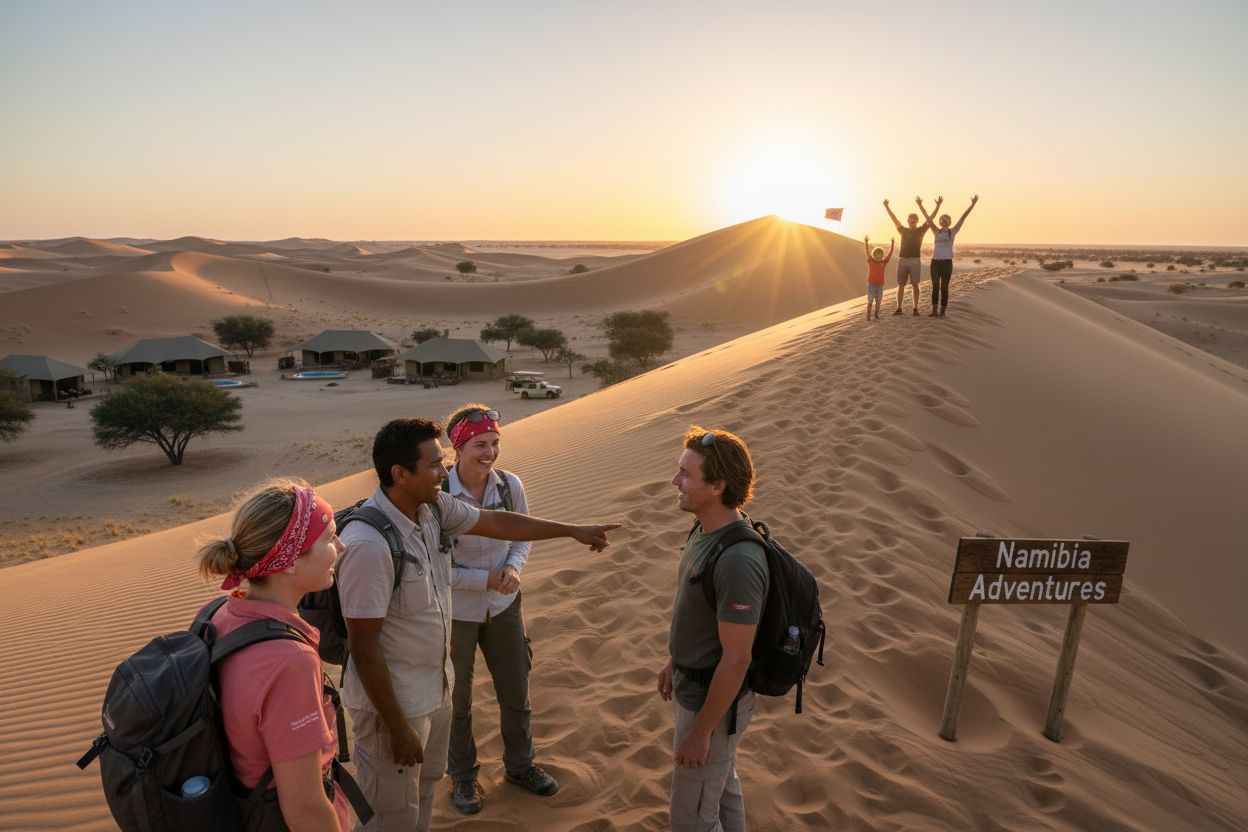
Why Namibia Adventures Matter: An In-Depth Look
Discover why Namibia adventures are essential for luxury travelers seeking unique, immersive experiences in nature and wildlife exploration.
Feb 23, 2026
What to Expect on a Luxury Safari: A Comprehensive Guide
Discover what to expect on a luxury safari and gain a deeper understanding of the unique experiences that await you in the wild.
Feb 22, 2026
Understanding Namibia Safari Costs Explained
Explore Namibia safari costs explained to uncover what influences pricing and what it means for your adventure.
Feb 21, 2026
Understanding the Role of Safari Experts in Wildlife Travel
Explore the role of safari experts and gain a comprehensive understanding of how they enhance wildlife travel experiences for all types of travelers.

Feb 20, 2026
Guide organisation safari all inclusive : vivez l'aventure de vos rêves
Découvrez notre guide organisation safari all inclusive étape par étape pour planifier un voyage inoubliable au cœur de la nature.