Embarking on a safari is an adventure like no other, a journey into the wild and often a once-in-a-lifetime experience. However, as magical as it is, a safari requires a bit of preparation and an understanding of what to expect. The goal is to make the most of your trip without the pitfalls that can dampen the experience.

1. Neglecting Research
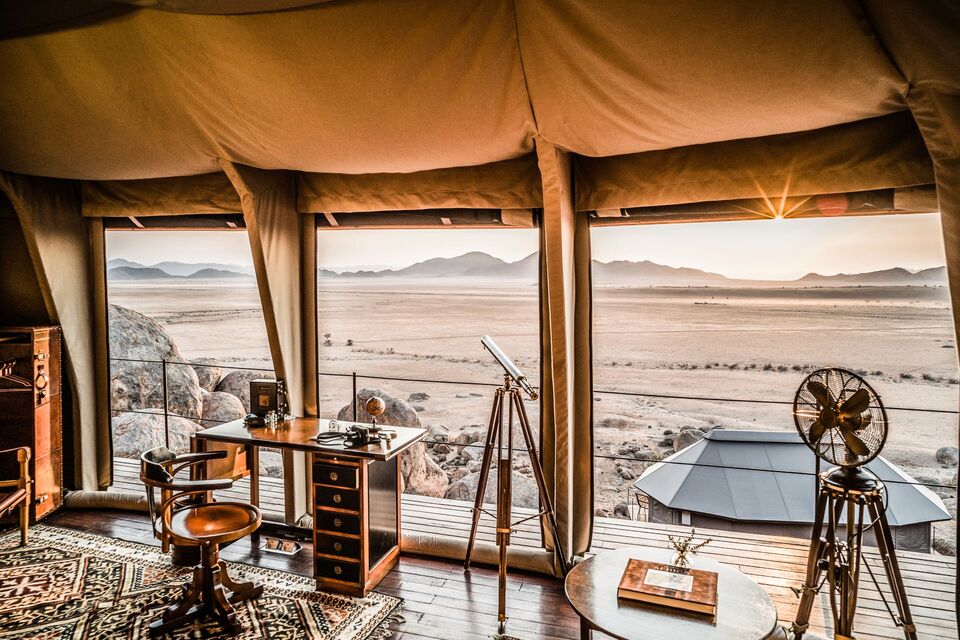
Not all safaris are created equal. The type of wildlife you want to see will dictate where you go. If spotting the Big Five is your priority, you’ll need to choose a destination known for those animals. Bird enthusiasts, on the other hand, might prefer a reserve renowned for its avian diversity. Research the game quality, the lodge’s amenities, and the expertise of their guides. Private reserves often offer more flexible game drives compared to national parks, where access and hours are restricted.
2. Unrealistic Expectations
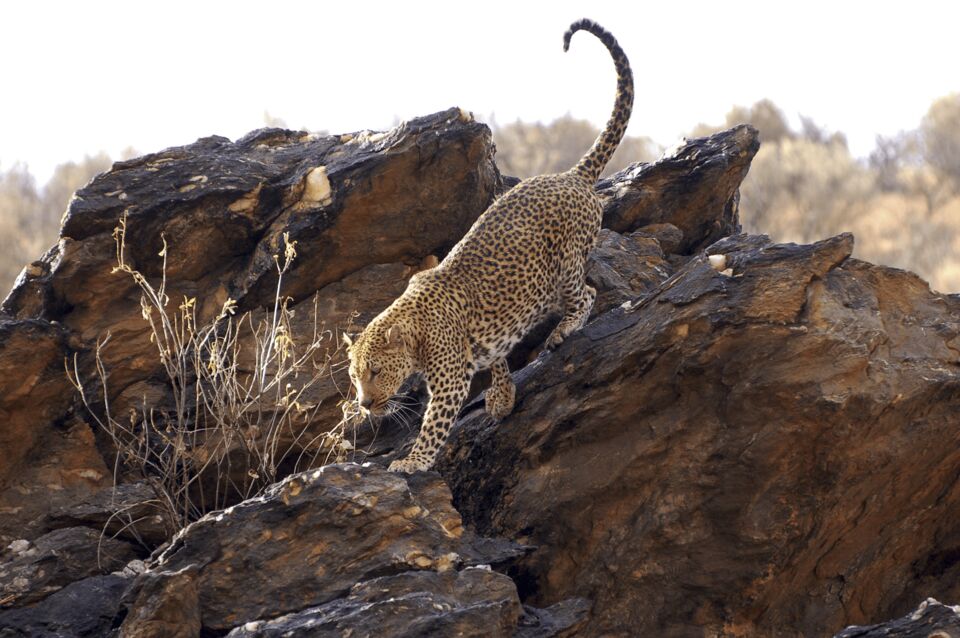
A safari is not a guaranteed show; it’s a raw, unscripted experience. On one drive, you might see lions stalking prey, and on the next, nothing but giraffes in the distance. The magic lies in the unpredictability. Embrace the journey, whether it’s the sounds of the bush, breathtaking landscapes, or learning from your guide, every moment in the wild is special.

3. Overpacking or Packing Poorly
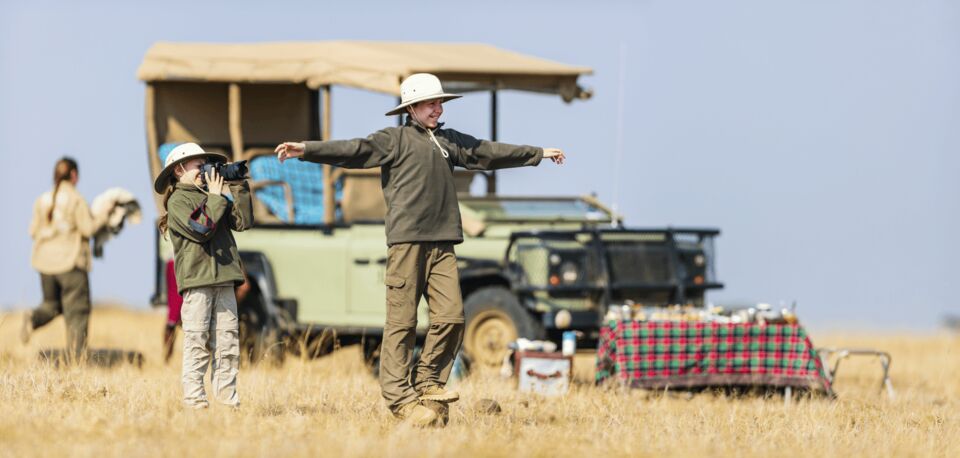
Packing right is key. Safari lodges are typically casual, and most offer laundry services, so keep your wardrobe simple. Neutral tones like khaki, green, and beige are ideal; avoid bright colors that might startle animals. Layers are essential for fluctuating temperatures, mornings can be chilly, but midday gets hot. Don’t forget essentials: a sunhat, sunscreen, sunglasses, binoculars, a good camera, and comfortable walking shoes. If you’re flying to remote areas, pack light due to luggage restrictions.

4. Forgetting the Essentials
Remote safari locations mean no nearby shops, so double-check your packing list. Stock up on medications, extra camera batteries, SD cards, and a portable power bank. The last thing you want is to run out of battery during a once-in-a-lifetime sighting.
5. Skipping Game Drives
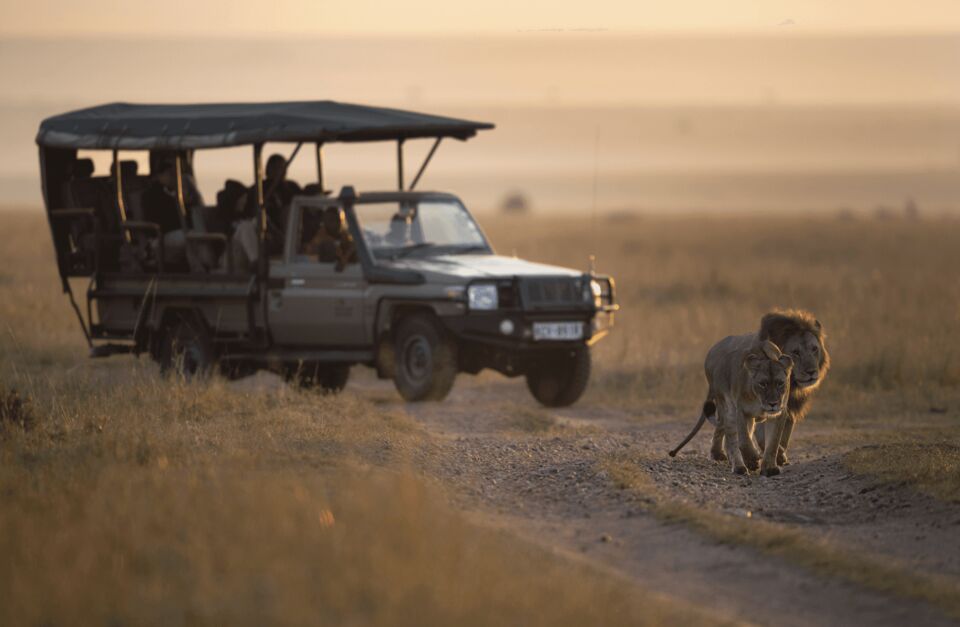
Safari schedules are designed around wildlife activity, which peaks early in the morning and late in the afternoon. Morning drives begin before sunrise to catch nocturnal animals winding down and diurnal creatures starting their day. Skipping a drive for extra sleep means missing unforgettable moments, like predators returning from the hunt or the golden light bathing the savannah. You can always nap midday before the afternoon drive, which continues into dusk.
6. Ignoring Your Guide
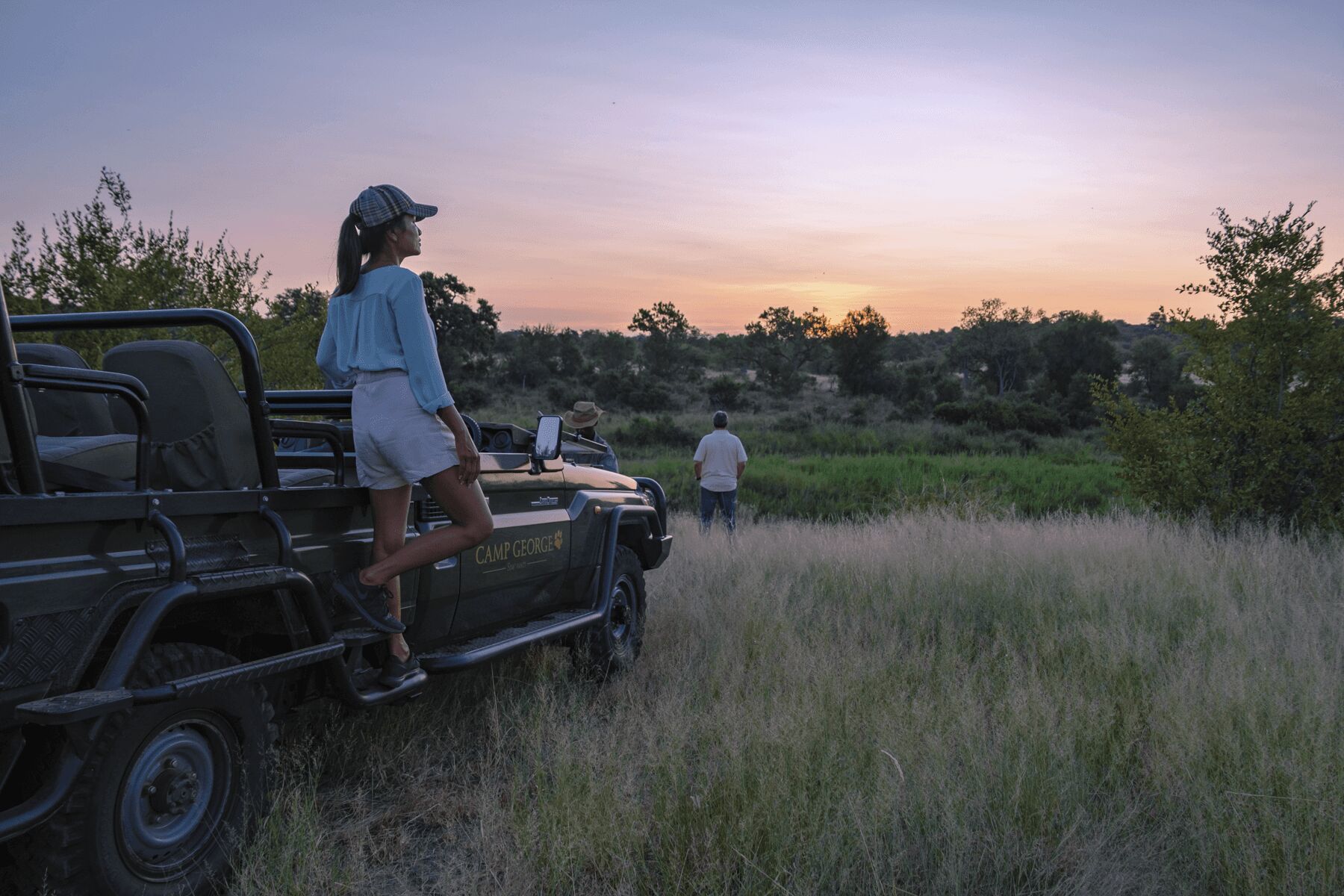
Your guide is your greatest asset on safari. They are highly trained experts who know animal behavior and how to navigate the bush safely. Following their advice not only keeps you safe but also enhances your experience. Guides often share fascinating facts and stories, so pay attention, you’ll learn far more than you ever expected.
7. Disregarding Safari Etiquette
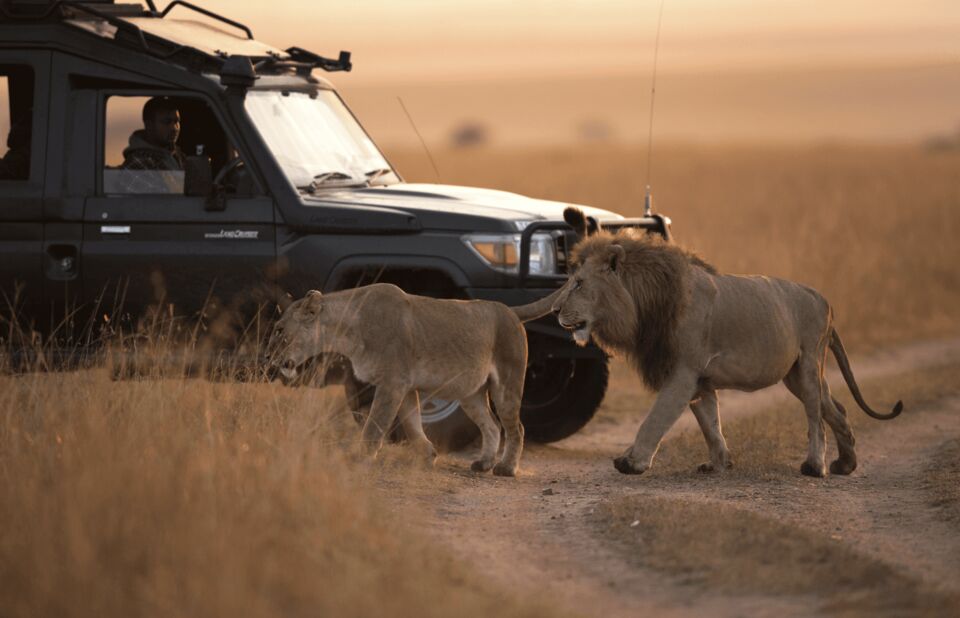
A game drive is a shared experience, and respecting certain guidelines ensures everyone enjoys it. Avoid wearing perfume, smoking, or vaping, as strong scents can disturb animals. Keep noise to a minimum, wildlife responds to sudden sounds and movements. Never try to attract animals’ attention by calling or whistling. Stay seated unless instructed otherwise by your guide, and never attempt to touch the animals. Finally, resist the urge to bring food; guides provide snacks in safe, designated areas to avoid disrupting wildlife behavior.
Final Thoughts
A safari is a rare opportunity to connect with the wild. By doing a bit of preparation and following these simple guidelines, you’ll ensure your trip is as rewarding as possible. The bush offers surprises at every turn, so embrace the adventure and let nature be your guide. After all, a safari is as much about the journey as it is about the destination.