Namibia’s Hidden Wilderness: Breathtaking Regions You Can Only Reach by air

Namibia’s Hidden Wilderness: Breathtaking Regions You Can Only Reach by air

Mar 10, 2025

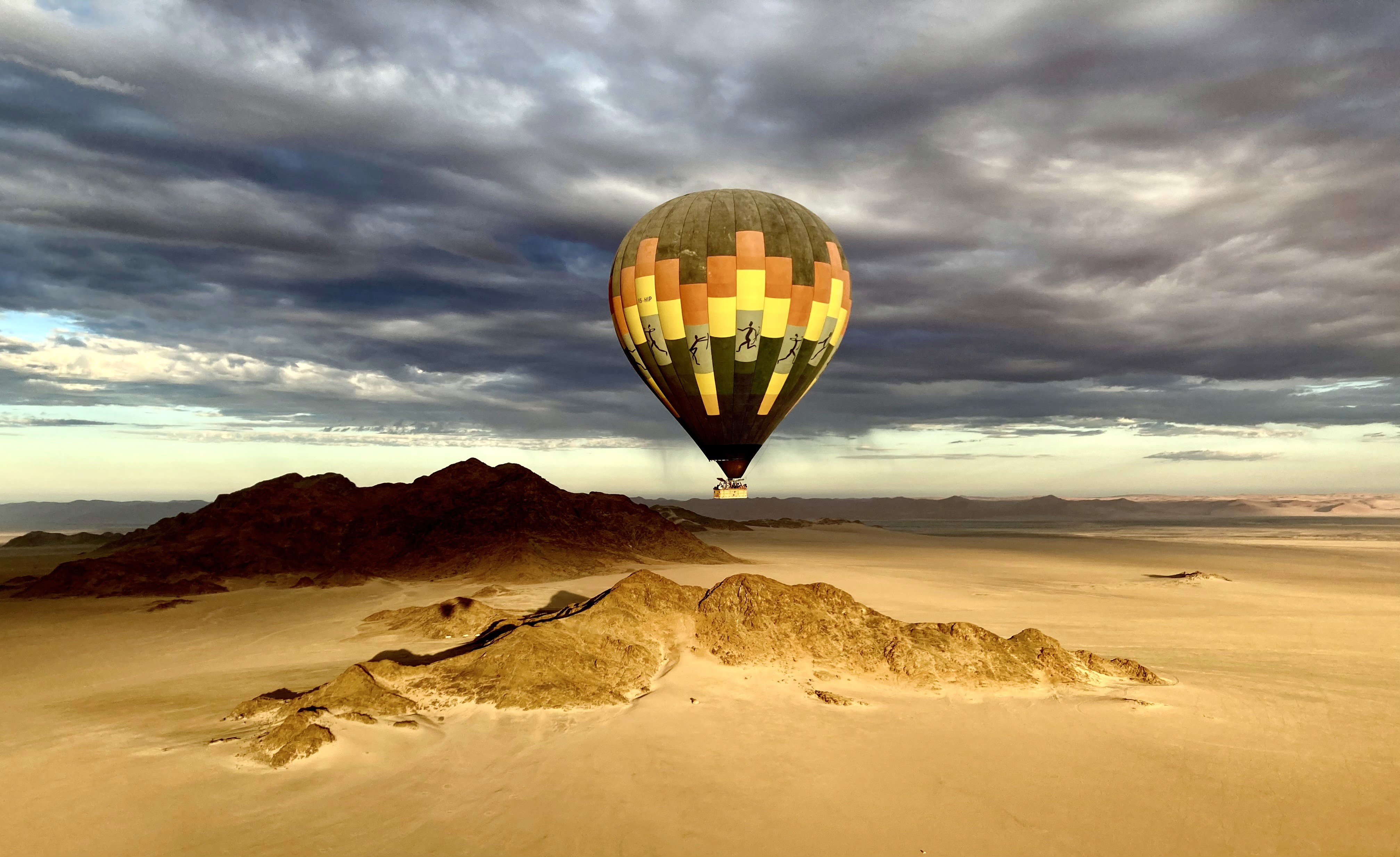
The Skeleton Coast, stretching from the Kunene River to the Ugab River, is famed for its eerie shipwrecks and haunting beauty. This remote region offers a stark beauty best viewed from above. Lodges like the Shipwreck Lodge echo the broken hulls that line the coast, providing a unique and immersive experience

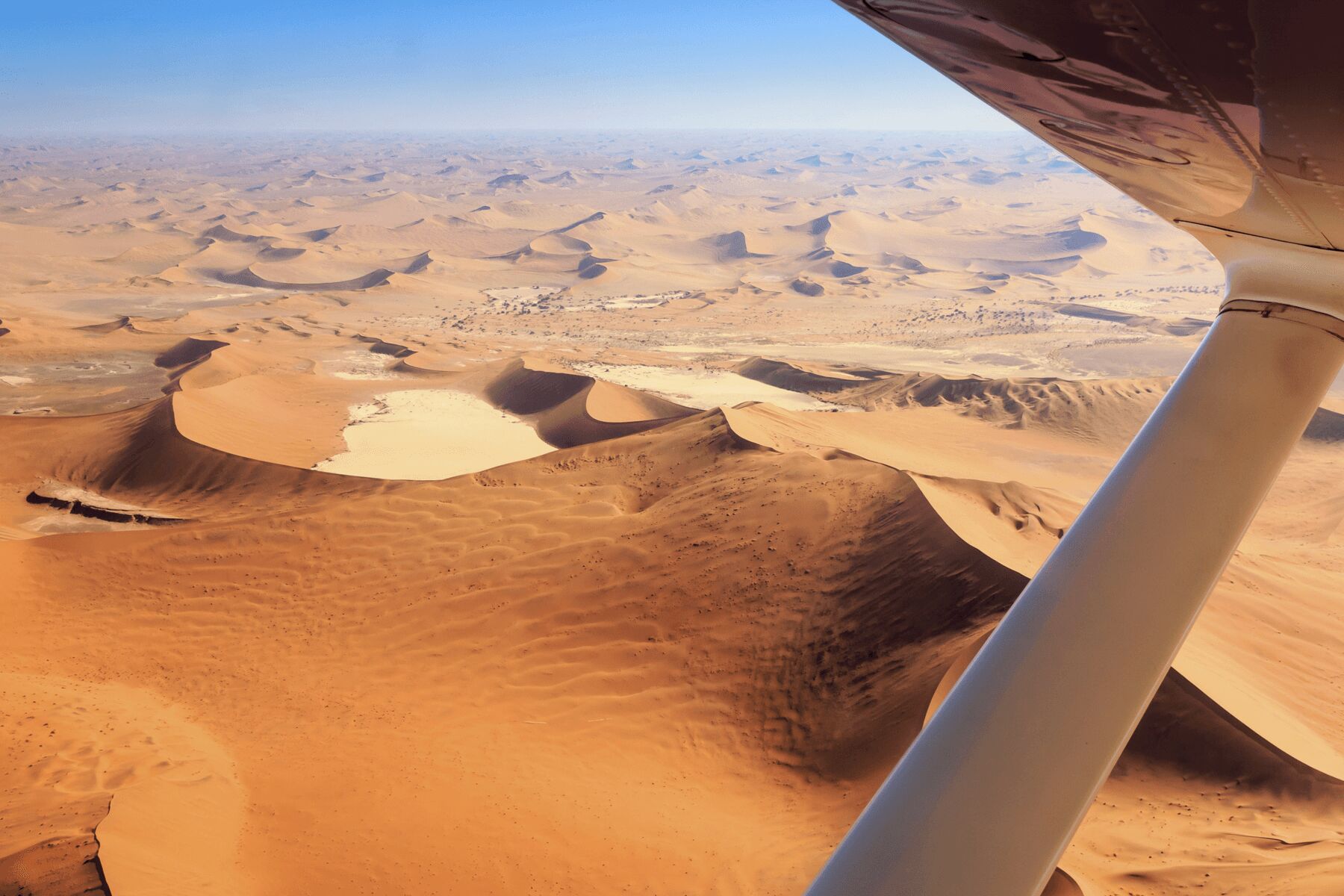
Sand dunes in Namibia from the air

Unlocking the Secrets of Namibia's Inaccessible Beauty

Namibia, with its vast expanses and untouched landscapes, offers some of the world’s most breathtaking scenes, many of which are so secluded that they are only accessible by air. This unique trait preserves their pristine conditions and ensures that they remain exclusive havens for travelers seeking solace and adventure away from crowded tourist spots.

Skeleton Coast – The Remote Beachfront Wilderness

The Skeleton Coast, stretching from the Kunene River in the north to the Ugab River in the south, is famed not only for its eerie shipwrecks and tales of sailors lost to the desert winds but also for its haunting natural beauty. This region, largely inaccessible by conventional vehicles, offers a stark beauty that is best viewed from above. Flying into the area, one can stay at exclusive lodges like the Shipwreck Lodge, uniquely designed to echo the broken hulls that line the coast. Here, guests can enjoy 4x4 excursions to the Clay Castles, a natural geological formation, and engage in wildlife spotting, where the desert meets the sea.

Sossusvlei – Aerial Views of Iconic Dunes

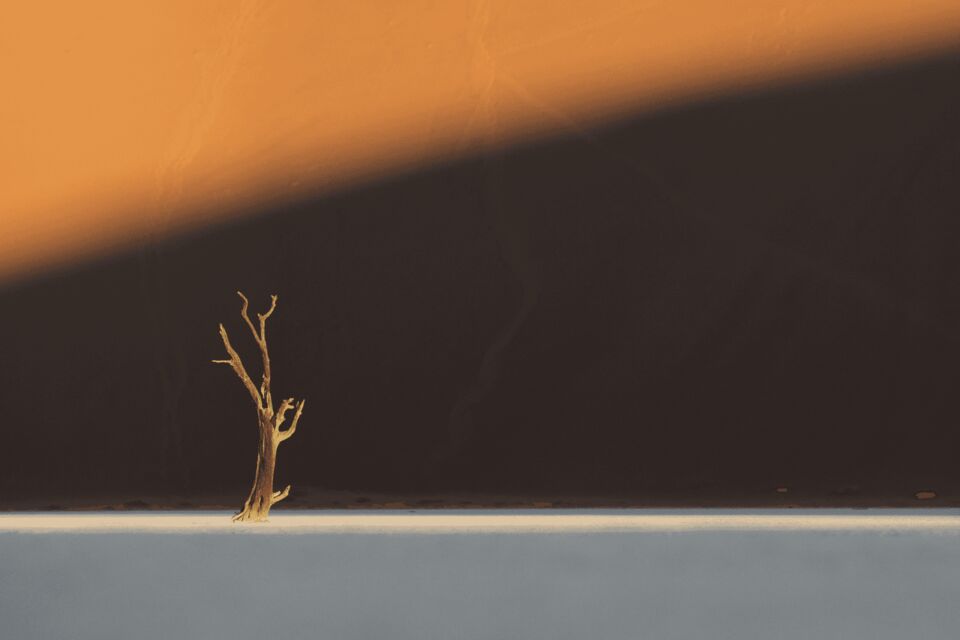
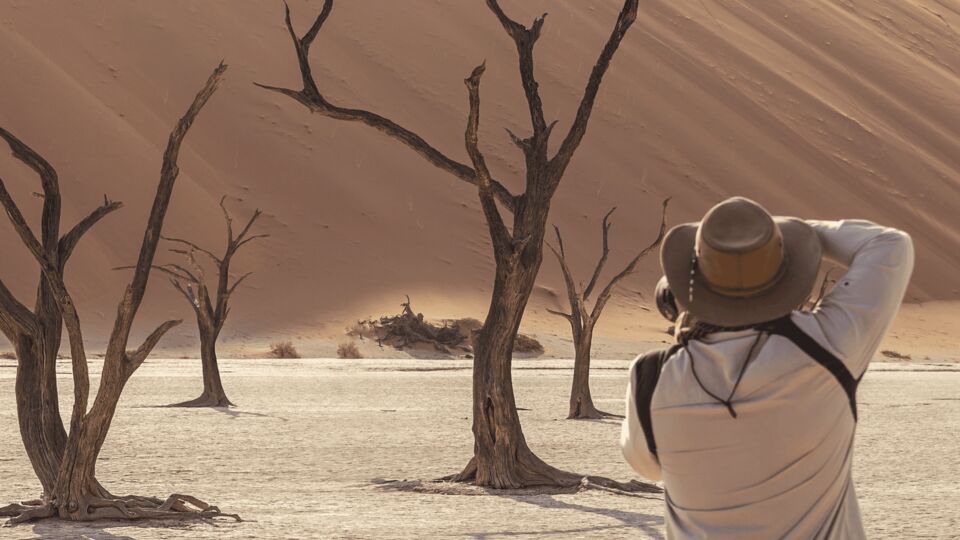
Sossusvlei is home to some of the highest sand dunes in the world, including the famed Big Daddy and Dune 45. The region's deep red dunes are a photographer’s paradise and are most striking when viewed at sunrise or sunset. The only way to truly capture the scale and beauty of this region is from the sky, making air travel essential. Luxury lodges such as andBeyond Sossusvlei Desert Lodge provide world-class accommodations and exclusive activities like star-gazing sessions in their state-of-the-art observatory, scenic flights over the dunes, and eco-sensitive quad biking adventures.

Kunene River – Exclusivity on the Edge

The Kunene River forms a natural border between Namibia and Angola and is one of the most remote locations in Namibia. The river’s course through arid landscapes creates a lush oasis that supports a diverse ecosystem. Visitors typically stay at places like the Kunene River Lodge, offering guided boat tours to explore the rich birdlife and the chance to see crocodiles basking on the riverbanks. More intrepid guests might embark on rafting trips or guided cultural tours to visit the Himba tribespeople, learning about their ancient customs and way of life.

Hoanib Valley – An Arid Paradise

The Hoanib Valley is a beacon for conservation and research, particularly for the unique desert-adapted species such as elephants, giraffes, and lions. The Hoanib Skeleton Coast Camp not only offers luxury in isolation but also serves as a crucial point for wildlife research and conservation efforts. Guests can participate in tracking wildlife with researchers, gaining insights into conservation techniques and the challenges of desert wildlife management. The camp’s design integrates seamlessly into the landscape, ensuring minimal environmental impact and enhancing the guest’s experience of being at one with nature.

Activities and Experiences

Each of these regions offers unique activities that capitalize on their secluded settings. Whether it's taking a guided nature walk to understand the local flora and fauna, engaging in night-time wildlife photography to capture nocturnal creatures, or simply enjoying the silence and solitude that such remote locations afford, the emphasis is always on creating a low-impact, high-quality experience.

Caprivi Strip – A Water Wonderland

Unlike the arid landscapes typical of Namibia, the Caprivi Strip is lush and teeming with wildlife, thanks to its numerous rivers, including the Zambezi and Chobe. Accessible only by light aircraft, the area offers an unparalleled safari experience with lodges like Nkasa Lupala Tented Lodge, which offers boat safaris and game drives where elephants, buffaloes, and abundant bird species are regular sights. Fishing and cultural visits add to the rich tapestry of activities available in this water-bound wilderness.

Conservation Efforts and Community Benefits

Traveling to these remote areas by air not only offers an exclusive experience but also helps support local conservation efforts. Many of the lodges and camps are involved in wildlife protection initiatives and work closely with local communities to ensure that tourism has a positive impact. By choosing to stay at these places, visitors contribute directly to the preservation of the environment and the betterment of local livelihoods.

Best Times to Visit

While Namibia is a year-round destination, the best time to visit these remote areas depends on what you want to experience. The dry season, from May to October, is ideal for wildlife viewing, as animals congregate around the few remaining water sources. However, the rainy season brings its own magic, transforming the landscape with lush vegetation and dramatic skies—perfect for photographers and adventurers.

Preparing for Your Trip

When planning a trip to these remote destinations, it’s important to pack appropriately for both the climate and the activities. Lightweight, breathable clothing, sturdy footwear, and sun protection are essential. It’s also advisable to bring high-quality binoculars and a good camera to capture the stunning landscapes and wildlife encounters that await.

Conclusion: A Journey to the Heart of the Wilderness

Visiting Namibia’s hidden wilderness areas offers more than just a trip; it’s a journey into the heart of nature. These exclusive regions, accessible only by air, provide a solitude and serenity that are increasingly rare in our bustling world. For those willing to venture off the beaten track, the rewards are unparalleled: expansive landscapes, intimate wildlife encounters, and the peace that comes with true remoteness.
Unlocking the Secrets of Namibia's Inaccessible Beauty

Namibia, with its vast expanses and untouched landscapes, offers some of the world’s most breathtaking scenes, many of which are so secluded that they are only accessible by air. This unique trait preserves their pristine conditions and ensures that they remain exclusive havens for travelers seeking solace and adventure away from crowded tourist spots.

Skeleton Coast – The Remote Beachfront Wilderness

The Skeleton Coast, stretching from the Kunene River in the north to the Ugab River in the south, is famed not only for its eerie shipwrecks and tales of sailors lost to the desert winds but also for its haunting natural beauty. This region, largely inaccessible by conventional vehicles, offers a stark beauty that is best viewed from above. Flying into the area, one can stay at exclusive lodges like the Shipwreck Lodge, uniquely designed to echo the broken hulls that line the coast. Here, guests can enjoy 4x4 excursions to the Clay Castles, a natural geological formation, and engage in wildlife spotting, where the desert meets the sea.

Sossusvlei – Aerial Views of Iconic Dunes

Sossusvlei is home to some of the highest sand dunes in the world, including the famed Big Daddy and Dune 45. The region's deep red dunes are a photographer’s paradise and are most striking when viewed at sunrise or sunset. The only way to truly capture the scale and beauty of this region is from the sky, making air travel essential. Luxury lodges such as andBeyond Sossusvlei Desert Lodge provide world-class accommodations and exclusive activities like star-gazing sessions in their state-of-the-art observatory, scenic flights over the dunes, and eco-sensitive quad biking adventures.


Kunene River – Exclusivity on the Edge

The Kunene River forms a natural border between Namibia and Angola and is one of the most remote locations in Namibia. The river’s course through arid landscapes creates a lush oasis that supports a diverse ecosystem. Visitors typically stay at places like the Kunene River Lodge, offering guided boat tours to explore the rich birdlife and the chance to see crocodiles basking on the riverbanks. More intrepid guests might embark on rafting trips or guided cultural tours to visit the Himba tribespeople, learning about their ancient customs and way of life.

Hoanib Valley – An Arid Paradise

The Hoanib Valley is a beacon for conservation and research, particularly for the unique desert-adapted species such as elephants, giraffes, and lions. The Hoanib Skeleton Coast Camp not only offers luxury in isolation but also serves as a crucial point for wildlife research and conservation efforts. Guests can participate in tracking wildlife with researchers, gaining insights into conservation techniques and the challenges of desert wildlife management. The camp’s design integrates seamlessly into the landscape, ensuring minimal environmental impact and enhancing the guest’s experience of being at one with nature.

Activities and Experiences

Each of these regions offers unique activities that capitalize on their secluded settings. Whether it's taking a guided nature walk to understand the local flora and fauna, engaging in night-time wildlife photography to capture nocturnal creatures, or simply enjoying the silence and solitude that such remote locations afford, the emphasis is always on creating a low-impact, high-quality experience.

Caprivi Strip – A Water Wonderland

Unlike the arid landscapes typical of Namibia, the Caprivi Strip is lush and teeming with wildlife, thanks to its numerous rivers, including the Zambezi and Chobe. Accessible only by light aircraft, the area offers an unparalleled safari experience with lodges like Nkasa Lupala Tented Lodge, which offers boat safaris and game drives where elephants, buffaloes, and abundant bird species are regular sights. Fishing and cultural visits add to the rich tapestry of activities available in this water-bound wilderness.

Conservation Efforts and Community Benefits

Traveling to these remote areas by air not only offers an exclusive experience but also helps support local conservation efforts. Many of the lodges and camps are involved in wildlife protection initiatives and work closely with local communities to ensure that tourism has a positive impact. By choosing to stay at these places, visitors contribute directly to the preservation of the environment and the betterment of local livelihoods.

Best Times to Visit

While Namibia is a year-round destination, the best time to visit these remote areas depends on what you want to experience. The dry season, from May to October, is ideal for wildlife viewing, as animals congregate around the few remaining water sources. However, the rainy season brings its own magic, transforming the landscape with lush vegetation and dramatic skies—perfect for photographers and adventurers.

Preparing for Your Trip

When planning a trip to these remote destinations, it’s important to pack appropriately for both the climate and the activities. Lightweight, breathable clothing, sturdy footwear, and sun protection are essential. It’s also advisable to bring high-quality binoculars and a good camera to capture the stunning landscapes and wildlife encounters that await.

Conclusion: A Journey to the Heart of the Wilderness

Visiting Namibia’s hidden wilderness areas offers more than just a trip; it’s a journey into the heart of nature. These exclusive regions, accessible only by air, provide a solitude and serenity that are increasingly rare in our bustling world. For those willing to venture off the beaten track, the rewards are unparalleled: expansive landscapes, intimate wildlife encounters, and the peace that comes with true remoteness.
RELATED

Safari Guides

Aug 27, 2026

How to Plan Your Visit to Fish River Canyon in Southern Namibia

Namibia’s Fish River Canyon ranks as the second-largest on Earth, its 160 km length and 550 m depth dwarfing most visitors’ expectations.

Aug 27, 2026

Why Namibia’s NamibRand and Central Desert Produce Some of Earth’s Darkest Night Skies

Namibia’s NamibRand and central desert rank among the planet’s most measured dark-sky locations, where the absence of artificial light reveals the Milky Way in vivid, three-dimensional detail.

Aug 27, 2026

Namibia Self-Drive versus Fly-In: Gravel, Tyres and Time versus Wings

Namibia rewards two distinct rhythms. One places you behind the wheel on endless gravel, tyre changes included, stretching your journey across extra days. The other lifts you above the dunes in minutes.

Aug 27, 2026

Why a Pre-Dawn Balloon Launch Belongs in Every Sossusvlei Itinerary

From the hiss of burners filling the envelope in darkness to gliding silently above crimson dunes at first light, a balloon flight adds an unmatched dimension to any Namib stay.

Aug 27, 2026

How Many Days Does a First Namibia Safari Actually Require?

Namibia's scale and sparse roads mean the classic route from Sossusvlei through Swakopmund to Etosha cannot be rushed.

Aug 27, 2026

Cape Cross Seal Colony: What to Expect from Namibia’s Noisiest Coastal Encounter

Namibia’s Cape Cross hosts one of Africa’s largest Cape fur seal colonies, a chaotic, vocal gathering on wave-battered rocks where black-backed jackals and brown hyaenas prowl the fringes.

Your Safari Concierge

Planning a Namibia Safari Can Feel Overwhelming

Every Secret Namibia safari begins with a private Safari Concierge consultation. We set aside 30 minutes, though most clients have everything they need in 5 to 10. Reserve your preferred time below.

BOOK A FREE 30 MINUTE DISCOVERY CALL