Dolphin and Whale Spotting in Namibia

Dolphin and Whale Spotting in Namibia

Jun 12, 2022

Namibia may be synonymous with arid desert landscapes, expansive national parks and towering dunes but did you know that this captivating Southwest African nation is home to a plethora of incredible sea mammals and birds?.

Namibia may be synonymous with arid desert landscapes, expansive national parks and towering dunes but did you know that this captivating Southwest African nation is home to a plethora of incredible sea mammals and birds?

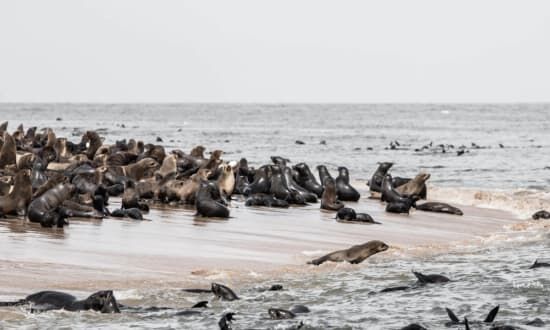
Cape Cross, situated on the eerie Skeleton Coast, boasts an astonishing colony of over 200,000 seals and close by you can also visit scores of Pink Flamingos that hop around excitedly in Walvis Bay.

For many, however, spotting dolphins and whales in the wild consistently ranks high on their bucket list. Dolphins and whales have captured the public imagination for centuries and the good news is that you can spot plenty of dolphins and whales on your Namibian safari adventure.

From the fascinating Heaveside dolphin to the majestic Humpback whale, here’s our guide to spotting these friendly, frivolous cetaceans in Namibia.

Dolphin Spotting in Namibia

Dolphin Spotting in Namibia

Namibia is home to a thriving dolphin population that resides in its waters, and visitors to Walvis Bay lagoon can enjoy dolphin cruises throughout most of the year; offering the perfect opportunity to meet and interact with these incredible water-dwelling mammals.

Hop on a boat at Walvis Bay and as you head towards Pelican Point you are likely to spot a variety of different dolphin species, including the Heaveside dolphin, the Dusky Dolphin and the Bottle nose dolphin. Noted for their intelligence, agility and grace, it’s not uncommon for them to snuggle up by the side of you boat as they become curious of their human observers!

In recent years dolphin conservation and treatment has been a much- publicized topic but you can rest assured that these Namibian dolphin species are treated with the upmost care, thanks in large part to the work of the Namibian Dolphin Project.

Working with marine tour operators, The Namibian Dolphin Project is a conservation and research group run by several independent scientists in conjunction with the Namibia Nature Foundation. The organisation strives to establish population estimates and they conduct extensive research into the health of all dolphin species in Namibia. The data and information they collect is used to develop conservation and sustainable management plans.

Whale Spotting in Namibia

Whale Spotting in Namibia

Up until around 70 years ago whales in Namibia, particularly in the areas surrounding Swakopmund and Walvis Bay, were hunted in mass numbers, leading to fears that they had been completely eradicated.

However, in recent years these wonderful sea mammals have made a resurgence and today tourists and visitors are able to book excursions with catamarans and boats that offer the chance to see these incredible cetaceans up close.

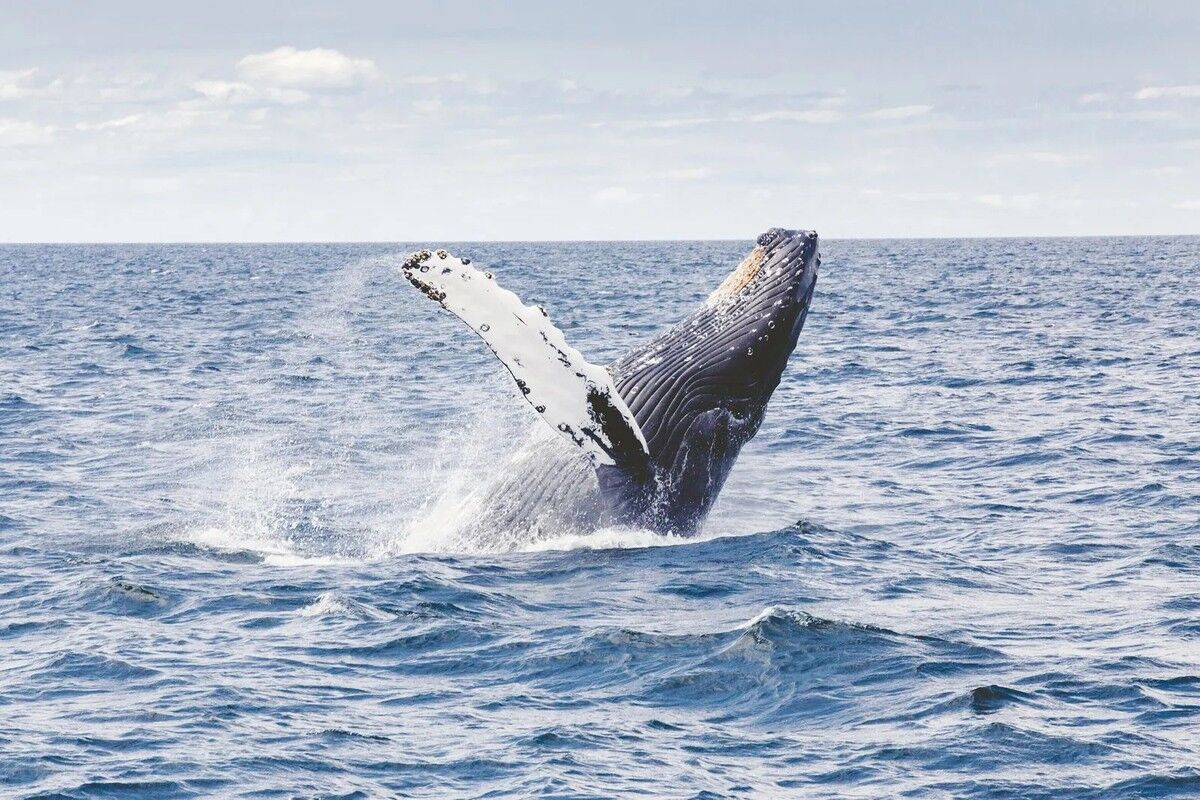
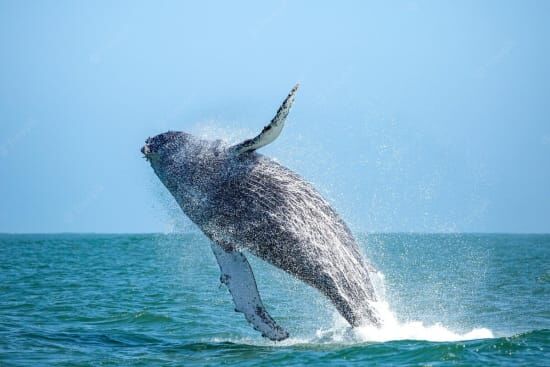
The best time to spot whales in Namibia is between July and November, during which time they migrate towards the equator to give birth to their young. Several species, including Humpback whales and Southern Right whales, have been spotted off the Skeleton Coast over the last decade, drawn to the region’s plankton-rich waters.

Owing to the impact of climate change, a Grey whale made headlines in 2021 when it appeared off the Namibian coast. The Grey whale is not native to the African coast, and experts speculated that it had travelled a whopping 27,000 km to reach these shores.

Over the next few years, it’s likely that more species could travel to the Walvis Bay area, boasting the tourism industry. In fact, researchers at the Namibian Dolphin Project, who also track the behaviours and movements of whales, believe that population numbers are set to increase rapidly, harking back to the days when Walvis Bay was described as ‘the Bay of Whales’.

Other Marine Life in Namibia

Other Marine Life in Namibia

As well as these incredible marine mammals, Namibia boasts a plethora of other majestic sea-dwelling creatures.

Owing mainly to the cold Benguela Current, Namibia’s waters are home to abundance of anchovies, pilchards and other whitefish which draws in thousands of ‘fishing tourists’ each year, particularly in the areas close to Swakopmund.

Leatherback turtles, the largest living turtle species and one of the heaviest in the world, have also been spotted during cruises around Walvis Bay.

Ocean sunfish, which are the heaviest boned fish known to man, are also commonly found off Namibia’s shores. These incredible fish are sometimes called Mola, or to give them their full Latin name, Mola Mola.

For more information about some of the incredible wildlife and animals you can see on a Namibian safari adventure get in touch with SecretNamibia today or check out our private guided safari tour itineraries.
Namibia may be synonymous with arid desert landscapes, expansive national parks and towering dunes but did you know that this captivating Southwest African nation is home to a plethora of incredible sea mammals and birds?

Cape Cross, situated on the eerie Skeleton Coast, boasts an astonishing colony of over 200,000 seals and close by you can also visit scores of Pink Flamingos that hop around excitedly in Walvis Bay.

For many, however, spotting dolphins and whales in the wild consistently ranks high on their bucket list. Dolphins and whales have captured the public imagination for centuries and the good news is that you can spot plenty of dolphins and whales on your Namibian safari adventure.

From the fascinating Heaveside dolphin to the majestic Humpback whale, here’s our guide to spotting these friendly, frivolous cetaceans in Namibia.


Dolphin Spotting in Namibia

Dolphin Spotting in Namibia

Namibia is home to a thriving dolphin population that resides in its waters, and visitors to Walvis Bay lagoon can enjoy dolphin cruises throughout most of the year; offering the perfect opportunity to meet and interact with these incredible water-dwelling mammals.

Hop on a boat at Walvis Bay and as you head towards Pelican Point you are likely to spot a variety of different dolphin species, including the Heaveside dolphin, the Dusky Dolphin and the Bottle nose dolphin. Noted for their intelligence, agility and grace, it’s not uncommon for them to snuggle up by the side of you boat as they become curious of their human observers!

In recent years dolphin conservation and treatment has been a much- publicized topic but you can rest assured that these Namibian dolphin species are treated with the upmost care, thanks in large part to the work of the Namibian Dolphin Project.

Working with marine tour operators, The Namibian Dolphin Project is a conservation and research group run by several independent scientists in conjunction with the Namibia Nature Foundation. The organisation strives to establish population estimates and they conduct extensive research into the health of all dolphin species in Namibia. The data and information they collect is used to develop conservation and sustainable management plans.


Whale Spotting in Namibia

Whale Spotting in Namibia

Up until around 70 years ago whales in Namibia, particularly in the areas surrounding Swakopmund and Walvis Bay, were hunted in mass numbers, leading to fears that they had been completely eradicated.

However, in recent years these wonderful sea mammals have made a resurgence and today tourists and visitors are able to book excursions with catamarans and boats that offer the chance to see these incredible cetaceans up close.

The best time to spot whales in Namibia is between July and November, during which time they migrate towards the equator to give birth to their young. Several species, including Humpback whales and Southern Right whales, have been spotted off the Skeleton Coast over the last decade, drawn to the region’s plankton-rich waters.

Owing to the impact of climate change, a Grey whale made headlines in 2021 when it appeared off the Namibian coast. The Grey whale is not native to the African coast, and experts speculated that it had travelled a whopping 27,000 km to reach these shores.

Over the next few years, it’s likely that more species could travel to the Walvis Bay area, boasting the tourism industry. In fact, researchers at the Namibian Dolphin Project, who also track the behaviours and movements of whales, believe that population numbers are set to increase rapidly, harking back to the days when Walvis Bay was described as ‘the Bay of Whales’.


Other Marine Life in Namibia

Other Marine Life in Namibia

As well as these incredible marine mammals, Namibia boasts a plethora of other majestic sea-dwelling creatures.

Owing mainly to the cold Benguela Current, Namibia’s waters are home to abundance of anchovies, pilchards and other whitefish which draws in thousands of ‘fishing tourists’ each year, particularly in the areas close to Swakopmund.

Leatherback turtles, the largest living turtle species and one of the heaviest in the world, have also been spotted during cruises around Walvis Bay.

Ocean sunfish, which are the heaviest boned fish known to man, are also commonly found off Namibia’s shores. These incredible fish are sometimes called Mola, or to give them their full Latin name, Mola Mola.

For more information about some of the incredible wildlife and animals you can see on a Namibian safari adventure get in touch with SecretNamibia today or check out our private guided safari tour itineraries.
RELATED

Safari Guides

Luxury Accomodation In Namibia

Jan 19, 2026

What Are the Top 5 Luxury Safari Experiences in Namibia?

Top 5 luxury Namibia safari experiences: Sossusvlei Dunes for red dune climbs, Etosha National Park for Big Five sightings, Skeleton Coast shipwrecks, Damaraland's 500 desert elephants, Kaokoveld desert lions. Fly-in access via private charters ensures exclusivity at gourmet lodges like Little Kulala. Secret Namibia crafts opulent, crowd-free adventures blending wildlife, scenery, and seamless logistics for ultimate immersion.

Lady looking at sunset in Namib Desert

Jan 19, 2026

What Are the Top Luxury Safaris in Namibia for 2026?

Top luxury Namibia safaris for 2026 feature Serra Cafema, Little Ongava, and Onguma Camp Kala, averaging 12 guests nightly for exclusive desert elephants and privacy. Etosha reserves offer private night drives; Sossusvlei lodges provide dune access and star beds. Fly-in safaris cut travel to 45-90 minutes. Book now for peak July-October season to secure intimate, high-impact wilderness escapes.

Aug 7, 2025

The Ultimate Safari Experience, Discover Namibia’s Most Exclusive and Comfortable Luxury Safaris

Discover the ultimate safari experience in Namibia, highlighting the exclusivity and comfort of luxury and all inclusive safaris with tailored itineraries.

Aug 7, 2025

10 Hidden Gems: Transformative Namibia Safaris Off the Beaten Path

Explore hidden gems in Namibia with off the beaten path destinations through self drive safaris or luxury safaris for an authentic adventure.

Apr 2, 2025

Green Getaways: Celebrating Conservation Month with Sustainable Safari Adventures

As Namibia’s golden horizons stretch endlessly, a new kind of journey awaits—one rooted in purpose and wild beauty. During Conservation Month, sustainable safari adventures offer more than just escape; they offer meaning. From tracking rhinos to staying in solar-powered lodges, every moment helps protect what makes Namibia so extraordinary. This is travel that gives back—to nature, to communities, and to you.

Man standing on sand dune in namibia watching the sun set

Mar 11, 2025

Warm Winters and Wild Wonders: Namibia's Festive Season Like No Other

In Namibia, a white Christmas has a whole new meaning. Instead of snow, imagine vast expanses of gleaming white sand dunes bathed in sunshine. Celebrate the festive season amidst these stunning landscapes.