
3 août 2025
Why track wildlife in Namibia? Discover conservation benefits, eco-tourism opportunities, key tracking methods, and how it shapes safari adventures.
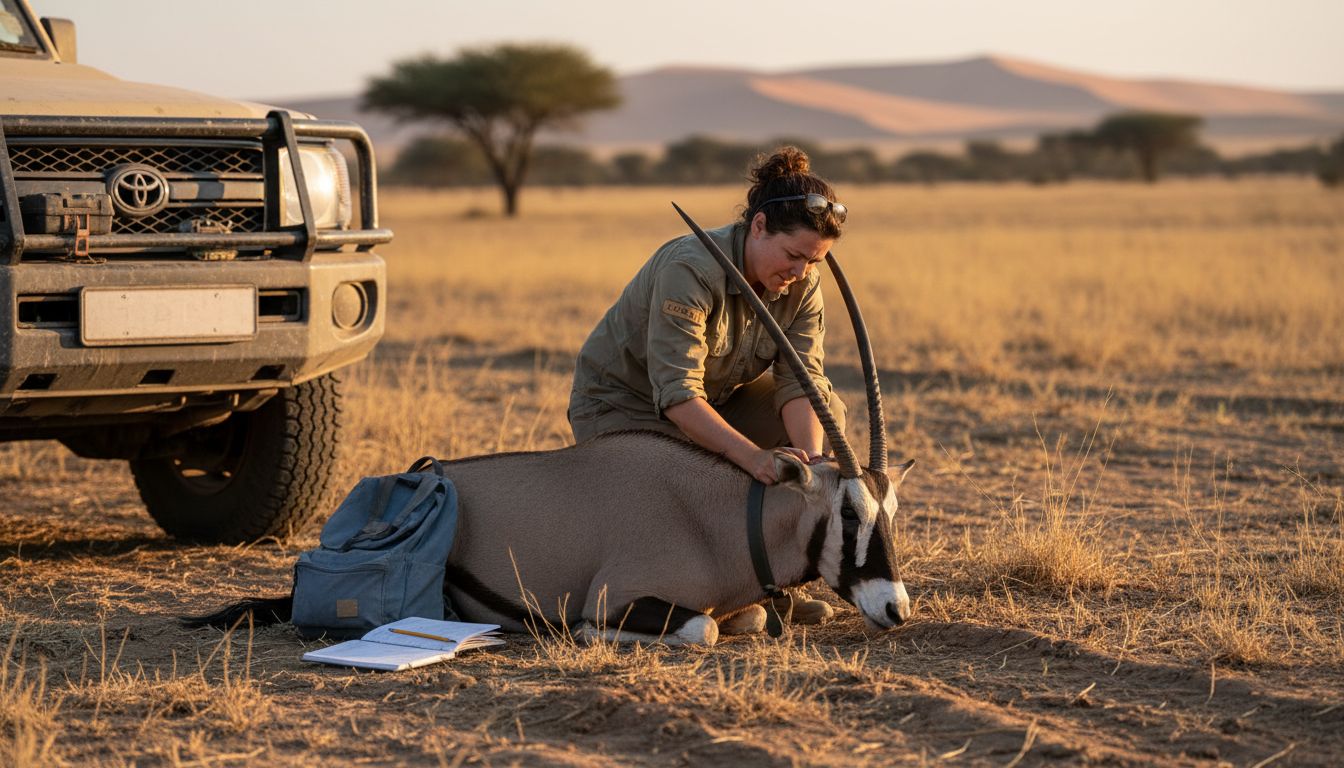
Why Track Wildlife in Namibia: Conservation Impact
More than 60 percent of south-african conservation projects rely on advanced tracking technologies to monitor wildlife in Namibia. Protecting these unique animal populations has become a priority as Namibia’s vast landscapes face both environmental and human challenges. With the aid of cutting-edge tools and scientific methods, wildlife tracking reveals hidden patterns and provides solutions that support both biodiversity and the livelihoods of local communities.
Table of Contents
Wildlife Tracking In Namibia Explained
Key Methods And Technology Used
Conservation Benefits And Biodiversity
Role In Eco-Tourism And Safaris
Risks, Ethics, And Regulations
Key Takeaways
Point | Details |
|---|---|
Technological Innovation | Advanced technologies like GPS collars and drones have revolutionised wildlife tracking, enhancing data collection and understanding of animal behaviour in Namibia. |
Critical Conservation Role | Wildlife tracking plays a vital role in monitoring biodiversity, identifying threats, and developing targeted conservation strategies essential for ecosystem health. |
Eco-Tourism Enhancement | By integrating scientific insights into eco-tourism, wildlife tracking enriches visitor experiences and fosters a deeper understanding of conservation efforts. |
Ethical Considerations | Ensuring animal welfare and adhering to ethical guidelines are crucial in wildlife tracking to maintain the integrity of research and the well-being of species. |
Wildlife Tracking in Namibia Explained
Wildlife tracking in Namibia represents a sophisticated conservation strategy that goes far beyond simple observation. By leveraging advanced technologies and scientific methodologies, researchers and conservation teams are transforming how we understand and protect wildlife populations across this remarkable landscape. Scientific monitoring systems like SMART have revolutionised our ability to collect precise data about animal movements, population dynamics, and potential environmental threats.
The core of wildlife tracking in Namibia involves strategic deployment of advanced monitoring technologies. GPS satellite collars have become particularly crucial, enabling researchers to gather comprehensive insights into animal behaviour and habitat usage. For instance, in northwest Namibia, scientists have fitted approximately 45 active collars representing 65% of the adult desert-adapted lion population. These tracking devices provide unprecedented details about migration patterns, territorial ranges, and interaction dynamics that were previously impossible to document.
Understanding wildlife tracking requires appreciating its multifaceted conservation impact. Tracking helps researchers:
Monitor population health and genetic diversity
Identify critical habitat corridors
Detect potential human-wildlife conflict zones
Develop targeted protection strategies
Support anti-poaching efforts through real-time monitoring
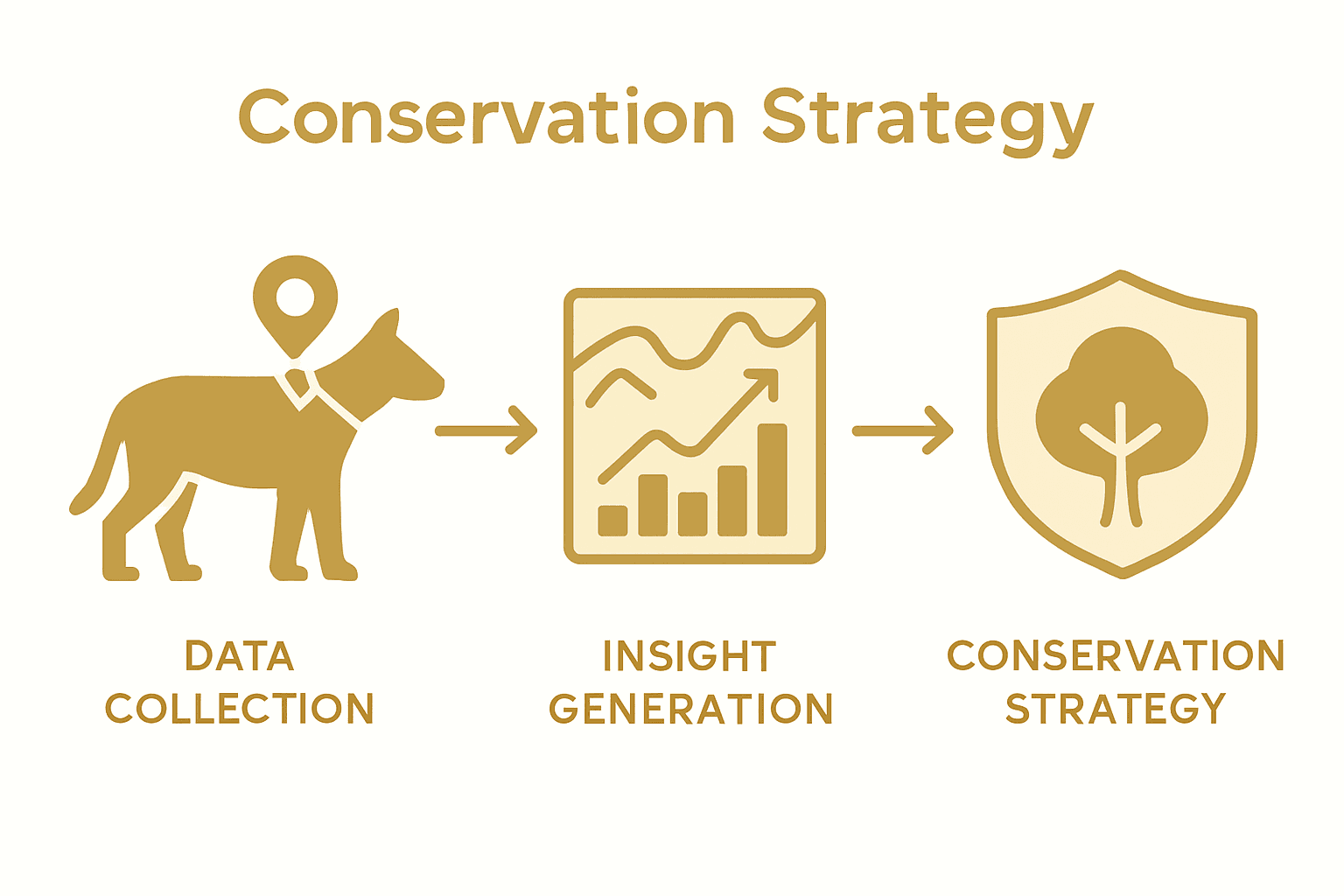
By transforming raw data into actionable conservation strategies, wildlife tracking represents a powerful tool for protecting Namibia’s extraordinary biodiversity. The intersection of technology, scientific research, and conservation commitment ensures that these remarkable ecosystems continue to thrive for future generations to explore and appreciate.
Key Methods and Technology Used
Namibia’s wildlife tracking strategies represent a cutting-edge fusion of advanced technological approaches, transforming conservation research through innovative monitoring techniques. Autonomous aerial robots, known as ConservationBots, are revolutionising how researchers gather critical wildlife data by utilising sophisticated information-theoretic objectives that enable efficient tracking in challenging terrains. These unmanned aerial vehicles provide unprecedented capabilities for monitoring animal populations with remarkable precision and minimal human intervention.
Unmanned aerial vehicles (UAVs) have become particularly transformative in wildlife monitoring. Advanced machine learning systems combined with drone technology now enable semi-automatic detection of large mammals across semi-arid environments like Namibia’s expansive landscapes. These technological solutions address critical challenges in wildlife research by offering scalable, non-invasive monitoring methods that can cover vast territories more efficiently than traditional ground-based approaches.
The primary technological methods used in Namibian wildlife tracking include:
GPS Satellite Collaring: Provides real-time location and movement data
Aerial Drone Surveillance: Enables comprehensive landscape monitoring
Machine Learning Algorithms: Assists in pattern recognition and population assessment
Radio Telemetry: Tracks individual animal movements across complex habitats
Camera Trap Networks: Captures detailed behavioural and population data
By integrating these sophisticated technologies, researchers can now gather unprecedented insights into wildlife behaviour, migration patterns, and ecosystem dynamics. This technological evolution represents a significant leap forward in conservation science, offering more nuanced and comprehensive understanding of Namibia’s remarkable biodiversity.
Conservation Benefits and Biodiversity
Wildlife tracking in Namibia plays a critical role in understanding and protecting the region’s remarkable biodiversity. Advanced camera trap research has revolutionised our ability to estimate wildlife populations with unprecedented accuracy, particularly in national parks like Mudumu. These non-invasive monitoring techniques provide researchers with detailed insights into animal density and abundance, enabling more effective conservation strategies that protect fragile ecological systems.
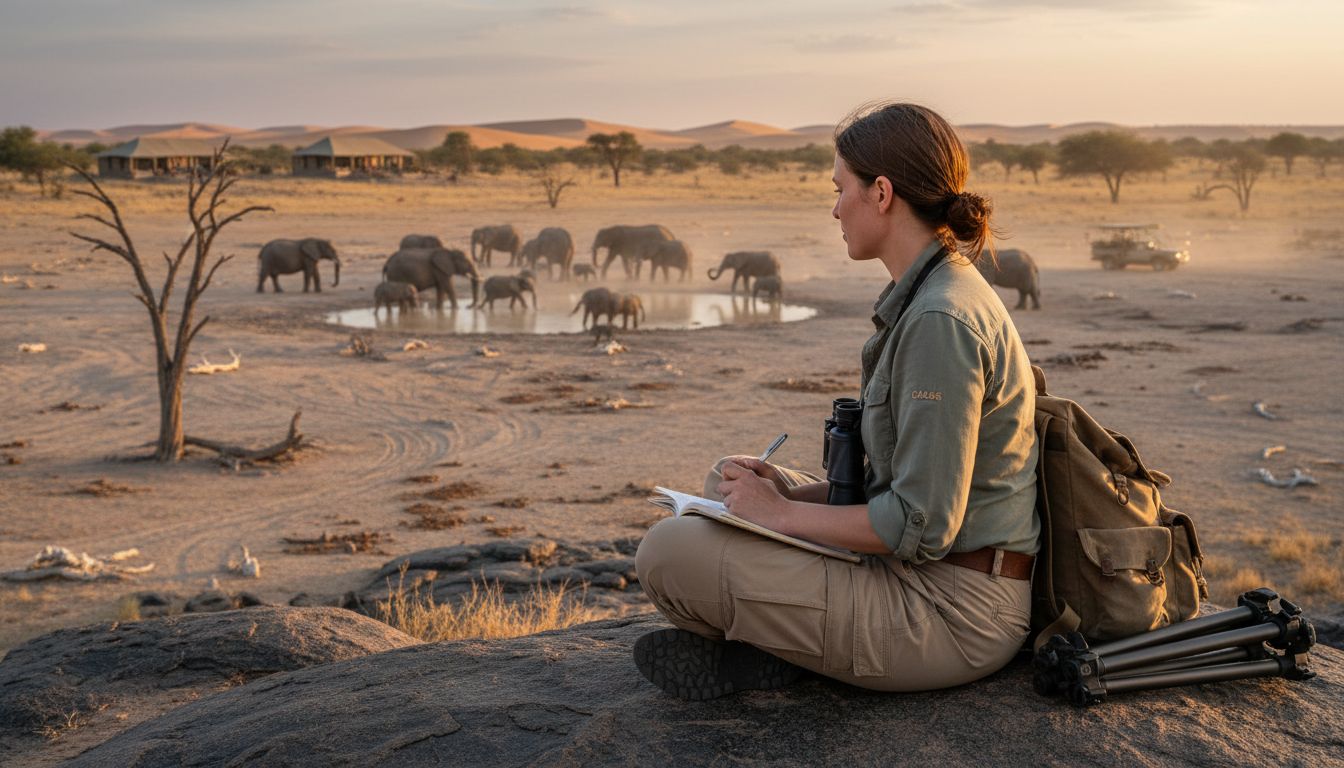
Innovative research methodologies are uncovering complex behavioural patterns of specific species, such as roan and sable antelopes. By utilising trail camera technology, scientists can now observe and document wildlife interactions, migration patterns, and habitat usage without disrupting natural ecosystems. This approach not only enhances our understanding of animal behaviour but also supports targeted conservation interventions that protect vulnerable species.
The primary conservation benefits of wildlife tracking include:
Precise population monitoring and demographic assessment
Early detection of potential ecological threats
Understanding migration and habitat utilisation patterns
Supporting anti-poaching efforts
Developing targeted species protection strategies
Monitoring ecosystem health and biodiversity indicators
Ultimately, wildlife tracking transforms raw data into actionable conservation strategies. By providing comprehensive insights into animal populations, behaviour, and environmental interactions, these research methods ensure that Namibia’s extraordinary biodiversity can be protected, managed, and celebrated for generations to come.
Role in Eco-Tourism and Safaris
Wildlife tracking has transformed eco-tourism in Namibia, offering travellers an unprecedented window into the intricate world of animal behaviour and conservation. Detailed archaeological research on animal track engravings has revealed remarkable insights that enrich safari experiences, allowing visitors to understand the deeper ecological narratives embedded in Namibia’s landscapes. These scientific investigations provide tourists with a more meaningful connection to the environments they explore, moving beyond simple observation to a profound understanding of wildlife interactions.
Stone-age engravings of animal tracks have become unexpected treasure troves of ecological knowledge, offering sophisticated details about species behavior, migration patterns, and historical interactions. By integrating these research findings into safari experiences, eco-tourism operators can create more immersive and educational journeys that connect visitors with the complex ecosystems of Namibia. This approach transforms wildlife tracking from a scientific endeavour into a powerful storytelling medium that captures the imagination of travellers.
Key contributions of wildlife tracking to eco-tourism include:
Creating educational narratives about local ecosystems
Providing scientifically verified wildlife interaction insights
Supporting sustainable tourism practices
Enhancing visitor understanding of conservation challenges
Generating economic opportunities for local communities
Developing more responsible and informed travel experiences
Ultimately, wildlife tracking bridges the gap between scientific research and tourism, creating a symbiotic relationship that benefits both conservation efforts and traveller experiences. By transforming raw scientific data into compelling narratives, Namibia’s eco-tourism sector offers visitors not just a journey, but a profound ecological education.
Risks, Ethics, and Regulations
Wildlife tracking in Namibia demands rigorous ethical considerations that balance scientific research with animal welfare. The establishment of advanced conservation techniques, such as genetic preservation initiatives, highlights the complex moral landscape surrounding wildlife monitoring. These sophisticated approaches, like creating genetic repositories for endangered species like cheetahs, require careful navigation of ethical boundaries to ensure minimal disruption to natural ecosystems.
Tracking technologies, particularly acoustic monitoring systems, introduce critical ethical challenges regarding animal well-being and research methodologies. Researchers must meticulously evaluate the potential physiological and behavioural impacts of tracking devices, ensuring that scientific investigation does not compromise animal health or natural behavioural patterns. Strict protocols and advanced technologies are essential to minimise invasive interventions and protect the integrity of wildlife populations.
Key ethical considerations in wildlife tracking include:
Minimising physical and psychological stress on tracked animals
Ensuring minimal interference with natural behaviours
Using non-invasive tracking technologies
Protecting genetic diversity of endangered species
Maintaining transparent research methodologies
Prioritising animal welfare over research objectives
Obtaining necessary regulatory approvals
Respecting indigenous knowledge and local conservation practices
Responsible wildlife tracking transcends mere scientific observation. It represents a delicate balance between advancing our understanding of natural ecosystems and maintaining the fundamental dignity and well-being of wildlife populations. By adhering to stringent ethical guidelines and innovative research practices, Namibian conservation efforts demonstrate a commitment to holistic, compassionate scientific exploration.
Discover Namibia’s Wildlife Like Never Before
Tracking wildlife in Namibia reveals the extraordinary complexity of conservation efforts that protect this unique biodiversity. If you have been inspired by how sophisticated technologies like GPS satellite collars and aerial drones are reshaping wildlife protection, why not experience this magic first-hand on a luxury safari designed to connect you with these incredible ecosystems? Witness the real-life stories of desert-adapted lions and elusive antelopes while exploring some of Namibia’s most breathtaking landscapes.
Unlock an authentic adventure through customised safari experiences that combine expert knowledge and personalised planning. Dive deeper into the wild with trips that support responsible tourism and conservation. Start your journey today to ensure your visit contributes positively to Namibia’s preservation efforts. Explore our luxury safari packages and see why travel with heart makes all the difference.
Frequently Asked Questions
What are the main benefits of wildlife tracking in Namibia?
Wildlife tracking in Namibia helps monitor population health, identify critical habitats, detect human-wildlife conflict zones, and support anti-poaching efforts, all of which contribute to effective conservation strategies.
What technologies are used for wildlife tracking in Namibia?
Key technologies include GPS satellite collars, aerial drone surveillance, machine learning algorithms, radio telemetry, and camera trap networks, which provide detailed data about animal movements and behaviours.
How does wildlife tracking support eco-tourism?
Wildlife tracking enhances eco-tourism by creating educational narratives about local ecosystems, providing scientifically verified wildlife insights, and fostering a deeper connection between visitors and the environment.
What ethical considerations are involved in wildlife tracking?
Ethical considerations include minimizing stress on animals, using non-invasive technologies, protecting endangered species’ genetic diversity, and maintaining transparency in research methodologies to ensure animal welfare.
Recommended
LIÉ
Guides Safari
30 oct. 2025
Understanding What is Included in Luxury Safaris
Explore what is included in luxury safaris, from exclusive accommodations to bespoke experiences that cater to discerning travelers.
24 févr. 2026
Why Namibia Adventures Matter: An In-Depth Look
Discover why Namibia adventures are essential for luxury travelers seeking unique, immersive experiences in nature and wildlife exploration.
23 févr. 2026
What to Expect on a Luxury Safari: A Comprehensive Guide
Discover what to expect on a luxury safari and gain a deeper understanding of the unique experiences that await you in the wild.
22 févr. 2026
Understanding Namibia Safari Costs Explained
Explore Namibia safari costs explained to uncover what influences pricing and what it means for your adventure.
21 févr. 2026
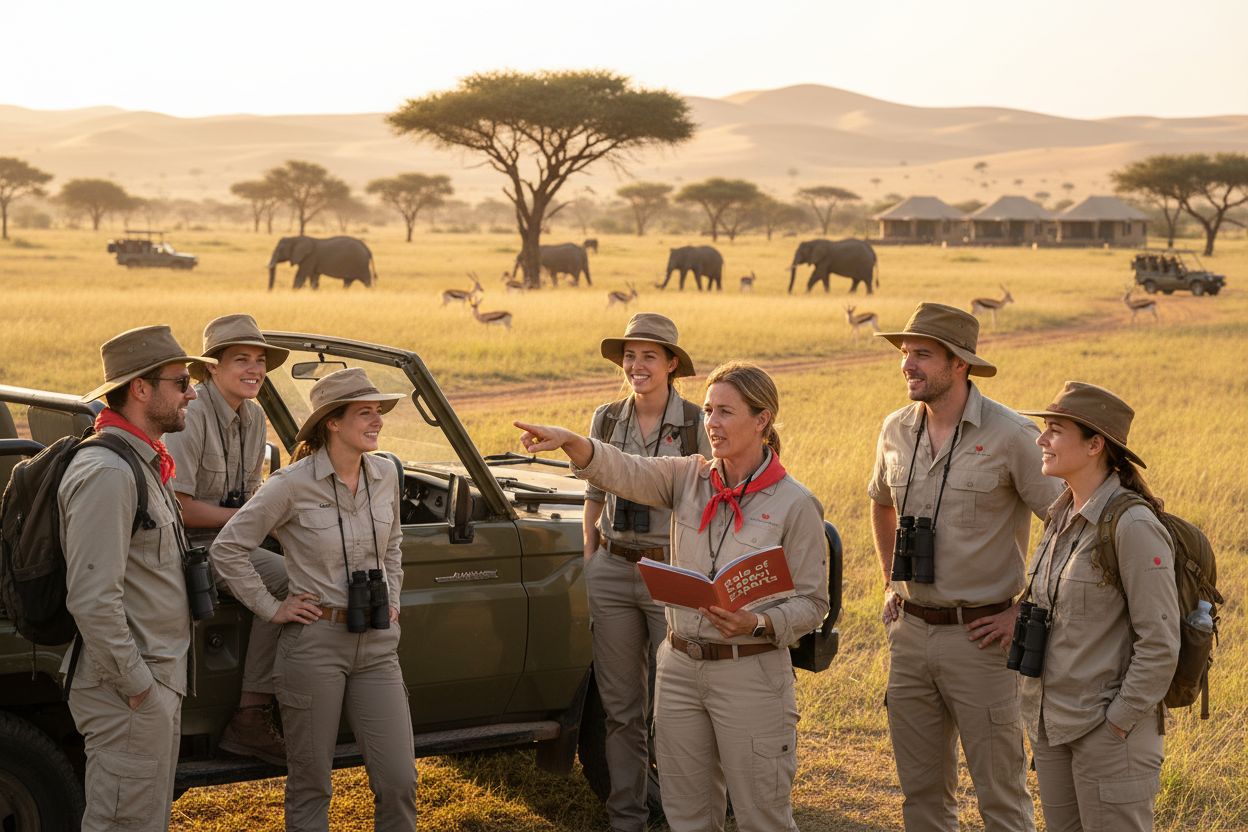
Understanding the Role of Safari Experts in Wildlife Travel
Explore the role of safari experts and gain a comprehensive understanding of how they enhance wildlife travel experiences for all types of travelers.
20 févr. 2026
Guide organisation safari all inclusive : vivez l'aventure de vos rêves
Découvrez notre guide organisation safari all inclusive étape par étape pour planifier un voyage inoubliable au cœur de la nature.