Mar 14, 2026
Master safari etiquette for luxury Namibian travel. Learn proper wildlife behavior, cultural respect, and guide interactions that transform good trips into extraordinary experiences.
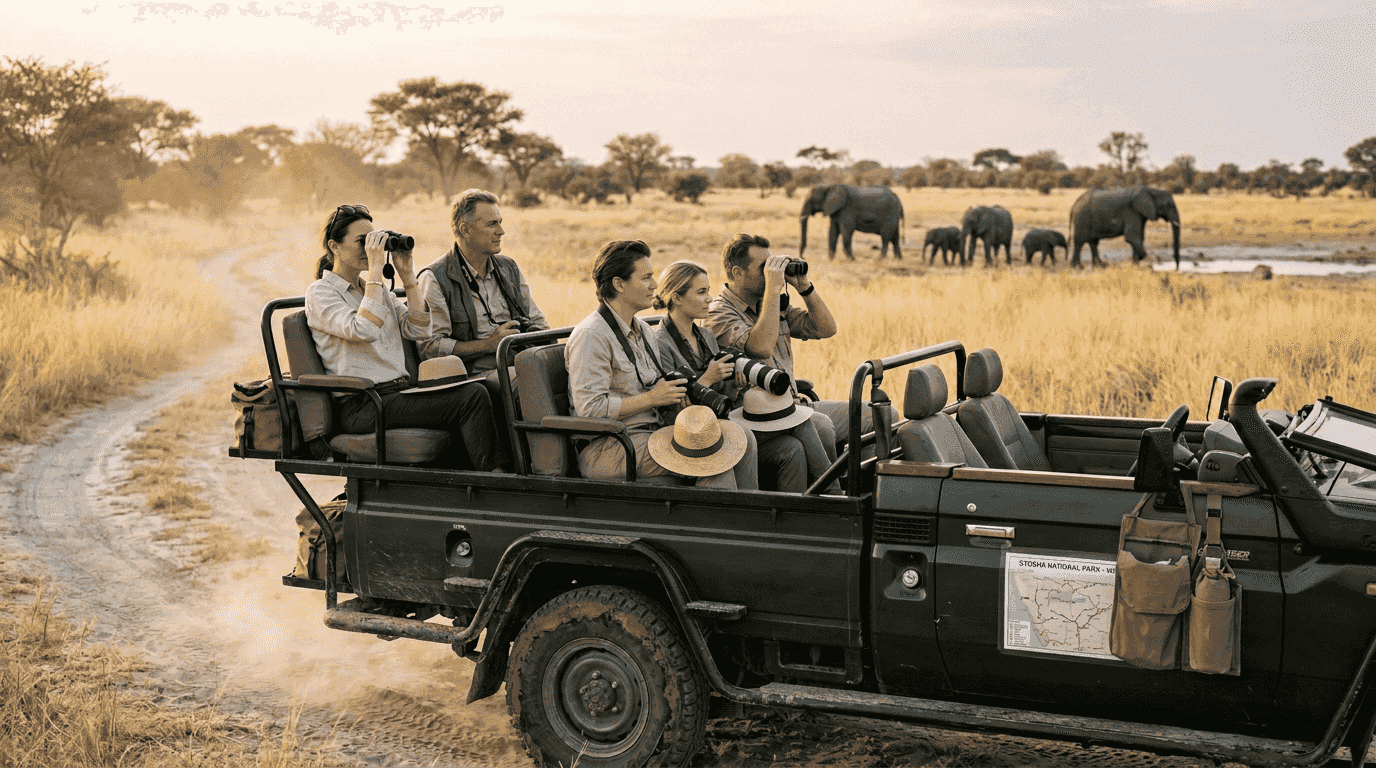
What is safari etiquette? essential guide for luxury travelers
Many travelers believe safari etiquette is simply about staying quiet during game drives, but this misconception barely scratches the surface of respectful safari conduct. True safari etiquette encompasses a comprehensive understanding of how to interact with wildlife, respect local cultures, engage with guides and lodge staff, and minimize your environmental impact. For affluent travelers planning luxury safaris in Namibia, mastering these behavioral standards transforms a good trip into an extraordinary experience while preserving the fragile ecosystems and communities you visit. This guide reveals the essential etiquette principles that enhance wildlife encounters, deepen cultural connections, and ensure your Namibian safari reflects both sophistication and respect.
Table of Contents
Understanding Safari Etiquette: What It Means And Why It Matters
Proper Behavior Around Wildlife: Safety And Respect In Action
Respecting Local Cultures And Communities During Your Safari
Manners With Your Safari Guides And At Luxury Lodges
Make Your Luxury Namibian Safari Truly Remarkable
Frequently Asked Questions
Key takeaways
Point | Details |
|---|---|
Safari etiquette defined | Respectful behavior toward wildlife, local cultures, and natural environments that ensures safety and conservation |
Wildlife interaction rules | Maintain silence, keep safe distances, never feed animals, and always follow guide instructions |
Cultural sensitivity matters | Ask permission before photographing locals, learn basic greetings, dress modestly in villages |
Guide and staff respect | Follow instructions carefully, ask thoughtful questions, tip appropriately, and maintain punctuality |
Preparation enhances experience | Understand dress codes, timing expectations, and lodge protocols before arrival |
Understanding safari etiquette: what it means and why it matters
Safari etiquette refers to the set of respectful behaviors and practices that travelers adopt toward nature, animals, and people during their safari experience. This framework goes far beyond simple politeness. It represents a commitment to minimizing human impact on fragile ecosystems while maximizing the quality and authenticity of wildlife encounters. Luxury wildlife experiences depend fundamentally on safari etiquette protects wildlife and enriches visitor experience by promoting respect and safety.
Many affluent travelers mistakenly view safaris as primarily photographic opportunities or adventure experiences without understanding the behavioral expectations that make these journeys sustainable and meaningful. This misconception can lead to actions that disturb wildlife, offend local communities, or compromise the exclusivity that luxury safari guests seek. When travelers ignore etiquette guidelines, they risk creating stress for animals, damaging habitats, and diminishing the experience for themselves and other guests.
Proper safari etiquette serves multiple critical functions:
Protects wildlife by reducing stress and behavioral disruption caused by human presence
Preserves the exclusivity and tranquility that define luxury safari experiences
Ensures guest safety by maintaining appropriate boundaries with potentially dangerous animals
Supports conservation efforts by demonstrating responsible tourism practices
Respects local communities and cultural traditions encountered during safari journeys
“The most memorable safari moments come not from getting closer to wildlife, but from observing natural behaviors undisturbed by human interference.”
Understanding these principles transforms your safari from a simple vacation into a meaningful engagement with one of Earth’s most spectacular natural environments. The guidelines exist not to restrict your enjoyment but to enhance it by creating conditions where wildlife behaves naturally and cultural exchanges feel authentic rather than staged.
Proper behavior around wildlife: safety and respect in action
Wildlife encounters represent the heart of any Namibian safari, and your behavior during these moments directly impacts both animal welfare and your personal safety. Maintaining safe distances and minimal noise are critical to not disturbing animals, as emphasized in expert private safari tours guide resources.
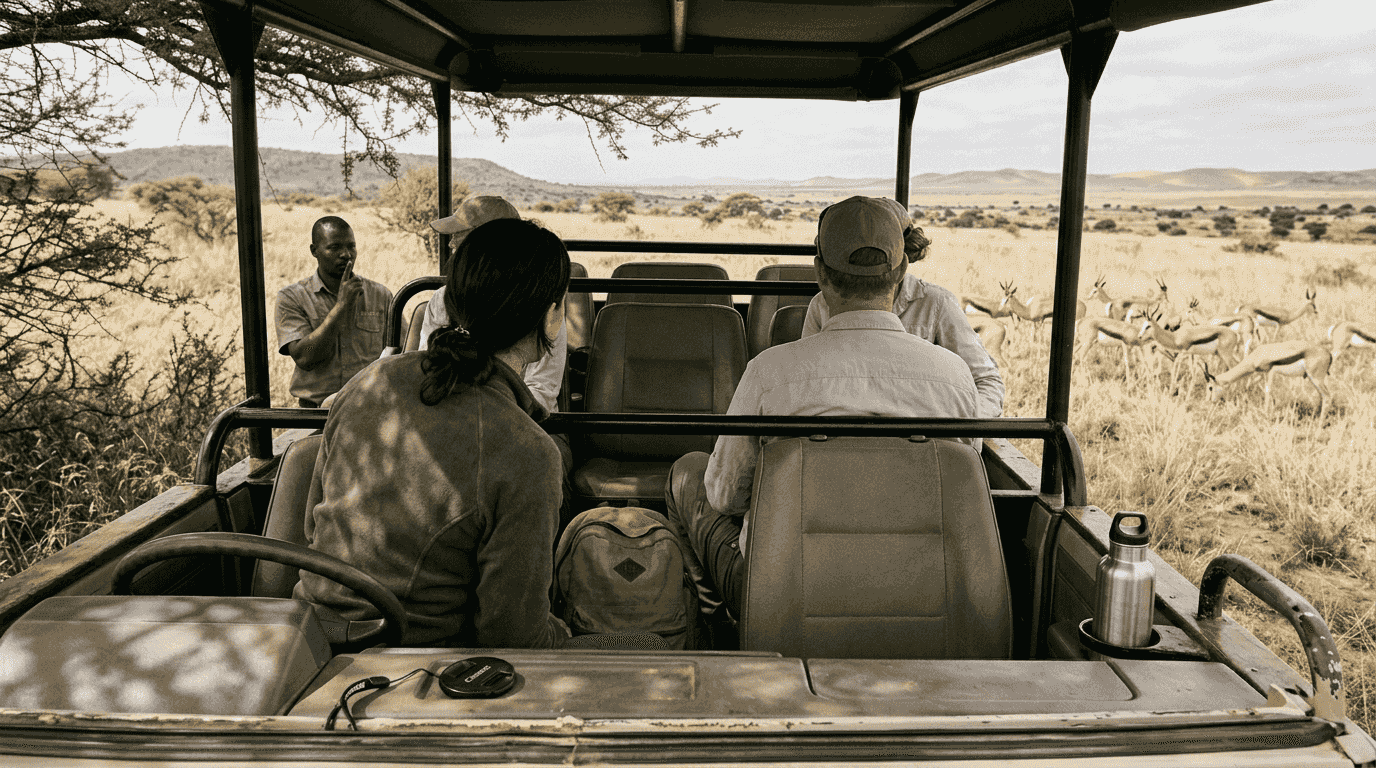
Noise discipline stands as perhaps the most fundamental wildlife etiquette principle. Sudden sounds, loud conversations, or excessive camera shutter noise can startle animals and cause them to flee or display defensive behaviors. Whisper when speaking, silence phone ringers completely, and use camera settings that minimize beeping sounds. This quietness not only prevents disturbance but often allows you to witness more natural behaviors as animals remain unaware of your presence.
Vehicle positioning requires careful attention and deference to your guide’s expertise. Drivers position vehicles at distances that balance optimal viewing with animal comfort, typically maintaining at least 20 to 30 meters from most species. Never ask your guide to move closer than they deem appropriate. Crowding animals with multiple vehicles creates stress and can trigger aggressive responses, particularly with elephants, rhinos, and buffalo.
The following table clarifies essential dos and don’ts:
Do | Don’t |
|---|---|
Stay seated and inside the vehicle unless explicitly permitted | Stand up, lean out, or exit without permission |
Keep all body parts inside the vehicle at all times | Extend arms, cameras, or other objects outside |
Follow guide instructions immediately and without question | Second guess decisions about animal proximity or behavior |
Use binoculars for closer views without physical approach | Attempt to attract animal attention with sounds or gestures |
Feeding wildlife represents one of the most serious etiquette violations. Human food harms animal digestive systems, creates dangerous habituation where animals associate humans with food, and disrupts natural foraging behaviors. This principle extends to seemingly harmless actions like leaving food scraps accessible or feeding birds at lodges. Similarly, never attempt to touch wildlife, even seemingly docile species. Animals can carry diseases, react unpredictably to touch, and may become habituated to human contact in ways that endanger them.
Your safari rangers role includes reading animal body language and making split second safety decisions. When a guide instructs you to remain silent, stop photographing, or prepare to move, comply immediately without questioning. These instructions often respond to subtle behavioral cues indicating stress or potential aggression that untrained observers miss.
Pro Tip: Bring quality binoculars and practice using them before your safari. Observing animals through magnified lenses satisfies the desire for close views while maintaining respectful distances that keep wildlife calm and behaving naturally.
Respecting local cultures and communities during your safari
Namibian safaris often include encounters with indigenous communities, including Himba, San, and other groups whose traditional lands overlap with wildlife areas. These cultural interactions require sensitivity, respect, and awareness that transforms superficial tourism into meaningful exchange. Respectful engagement with local cultures enriches the safari experience and supports communities, as detailed in resources about cultural experiences in safari.
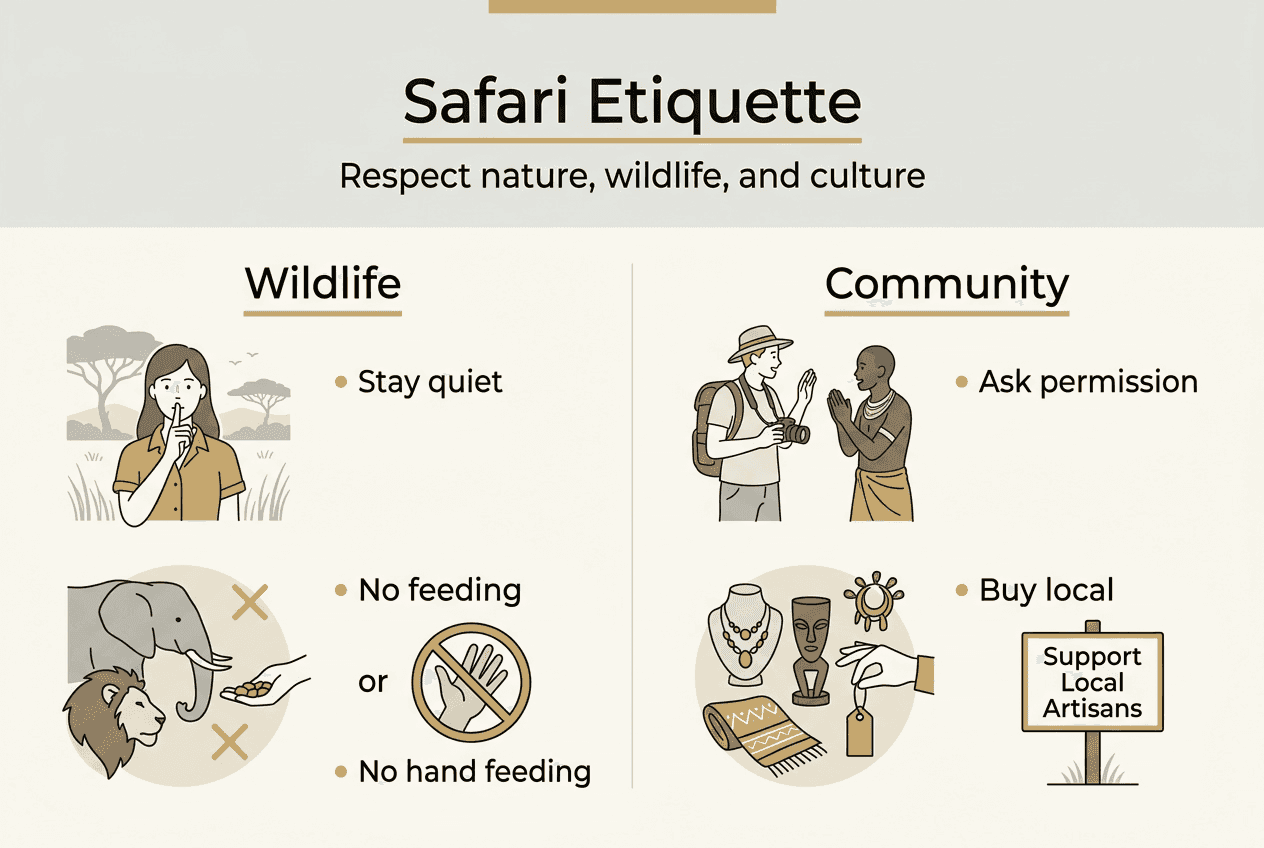
Photography etiquette stands paramount when visiting communities or encountering local people. Always ask permission before photographing individuals, their homes, or cultural ceremonies. Many communities have protocols about photography, and some sacred sites prohibit cameras entirely. When someone declines to be photographed, accept this gracefully without negotiation or offering money to change their mind. This respect acknowledges that people are not tourist attractions but individuals with agency over their own image.
Language efforts, even minimal ones, demonstrate respect and facilitate warmer interactions. Learn basic greetings in local languages before your safari. Simple phrases like “hello,” “thank you,” and “goodbye” in Oshiwambo, Otjiherero, or other regional languages show you value the culture beyond superficial tourism. Your guides can teach you appropriate pronunciations and cultural context for when to use specific greetings.
Dress codes matter significantly when visiting villages or cultural sites. Conservative attire shows respect for local values, particularly in traditional communities. This typically means:
Covering shoulders and knees for both men and women
Avoiding tight, revealing, or transparent clothing
Removing hats when entering homes or sacred spaces
Following specific dress requirements your guide communicates for particular locations
Supporting local economies through craft purchases benefits communities directly, but approach this respectfully. Buy from artisans themselves when possible rather than intermediaries. Negotiate prices fairly without aggressive bargaining that undervalues their work. Ask about the significance and creation process of items that interest you, showing genuine curiosity rather than treating crafts as mere souvenirs.
Pro Tip: When invited to participate in cultural activities or ceremonies, approach with humility and openness to learning. Ask questions respectfully, follow instructions carefully, and express genuine appreciation for the privilege of participation rather than treating the experience as entertainment provided for your benefit.
Manners with your safari guides and at luxury lodges
Your relationship with safari guides and lodge staff significantly influences the quality of your experience. These professionals possess extensive knowledge and work diligently to create memorable journeys, and treating them with respect enhances what they can offer. The role of safari guides extends far beyond simply driving vehicles, encompassing safety management, wildlife expertise, and cultural interpretation.
Guide interactions require attentiveness and respect for their expertise. Follow instructions immediately, particularly regarding safety protocols. When guides tell you to remain quiet, stay seated, or prepare to depart, they respond to situations requiring quick action. Ask questions enthusiastically, as most guides love sharing their knowledge, but time them appropriately during breaks rather than critical wildlife viewing moments.
Luxury lodge etiquette ensures smooth operations and maintains the refined atmosphere that defines high-end safari experiences. Understanding safari lodge terminology helps you navigate these environments confidently. Punctuality matters enormously, as game drives depart at specific times to maximize wildlife viewing during optimal hours. Arriving even five minutes late can delay the entire group and reduce everyone’s experience.
Preparing for your safari properly demonstrates respect for guides and fellow travelers:
Pack appropriate clothing as specified in pre-departure materials, including neutral colors for game drives
Arrive at meeting points five minutes early for all scheduled activities
Charge camera batteries and prepare equipment the night before to avoid delays
Review daily schedules and ask clarifying questions during orientation rather than immediately before activities
Communicate dietary restrictions, medical conditions, or special needs during booking, not upon arrival
Key manners toward guides and staff include:
Greeting staff warmly and learning their names
Thanking guides after each activity, not just at trip’s end
Keeping shared spaces tidy and respecting lodge quiet hours
Tipping appropriately based on local customs, typically 10 to 15 percent of the overall trip cost divided among guides and staff
Providing feedback constructively and privately rather than complaining publicly
Respecting that guides have extensive training and experience that informs their decisions
Lodge dining etiquette at luxury properties follows refined but relaxed standards. Dress codes typically require smart casual attire for dinner, meaning collared shirts for men and elegant casual wear for women, though specific lodges communicate their expectations. Arrive punctually for meals, as chefs prepare dishes to be served at optimal temperatures. If you have strong preferences about seating or dining companions, communicate these discreetly to lodge managers rather than rearranging yourself.
Understanding these social dynamics, as outlined in top tips for booking a luxury safari, ensures you maximize the expertise and service that luxury safari professionals provide while contributing to the respectful, sophisticated atmosphere that makes these experiences special.
Make your luxury Namibian safari truly remarkable
Now that you understand the essential principles of safari etiquette, you’re ready to experience Namibia’s extraordinary wildlife and landscapes with the respect and sophistication they deserve. Secret Namibia specializes in crafting exclusive, tailor-made luxury Namibia safaris that honor both the natural environment and local cultures while delivering the comfort and personalized service discerning travelers expect.
Our expert guides embody the etiquette principles outlined in this guide, ensuring your wildlife encounters remain respectful, safe, and deeply memorable. We design custom safaris Namibia experiences that balance exclusive access with responsible tourism, connecting you with Namibia’s most spectacular destinations while supporting conservation and community initiatives. Whether you’re planning your first African safari or returning to explore new regions, our team provides the expertise and attention to detail that maximise safari experience for luxury travelers seeking authentic, transformative journeys.
Frequently asked questions
What basic behaviors are essential for safari etiquette?
Essential safari etiquette includes maintaining silence around wildlife, staying inside vehicles unless permitted, never feeding or touching animals, following guide instructions immediately, and respecting both natural environments and local cultures. These behaviors protect wildlife, ensure guest safety, and preserve the quality of safari experiences for all visitors.
How should one behave when encountering wildlife on safari?
Remain quiet and still, keep all body parts inside the vehicle, and maintain distances your guide establishes. Never attempt to attract animal attention, feed wildlife, or request closer approaches than your guide deems safe. Use binoculars for closer views and follow guide instructions without hesitation, as they read animal behavior and manage safety.
Why is respecting local cultures important during a safari?
Cultural respect enriches your safari by creating authentic connections with communities whose lands you visit. It supports local economies, preserves traditional practices, and demonstrates that you value people as individuals rather than tourist attractions. This approach transforms superficial encounters into meaningful exchanges that benefit both travelers and communities.
What are best practices for guests interacting with safari guides and lodge staff?
Treat guides and staff with genuine respect by learning their names, arriving punctually for activities, following instructions carefully, asking thoughtful questions, and tipping appropriately. Communicate special needs during booking, provide feedback constructively, and recognize that their expertise and efforts directly enhance your experience.
Are there any dress code guidelines for luxury safaris in Namibia?
Luxury lodges typically require smart casual attire for dinners, meaning collared shirts for men and elegant casual wear for women. For game drives, wear neutral colored, comfortable clothing that covers arms and legs for sun protection. When visiting local communities, dress conservatively by covering shoulders and knees to show cultural respect.
Recommended
RELATED
Safari Guides
Oct 30, 2025
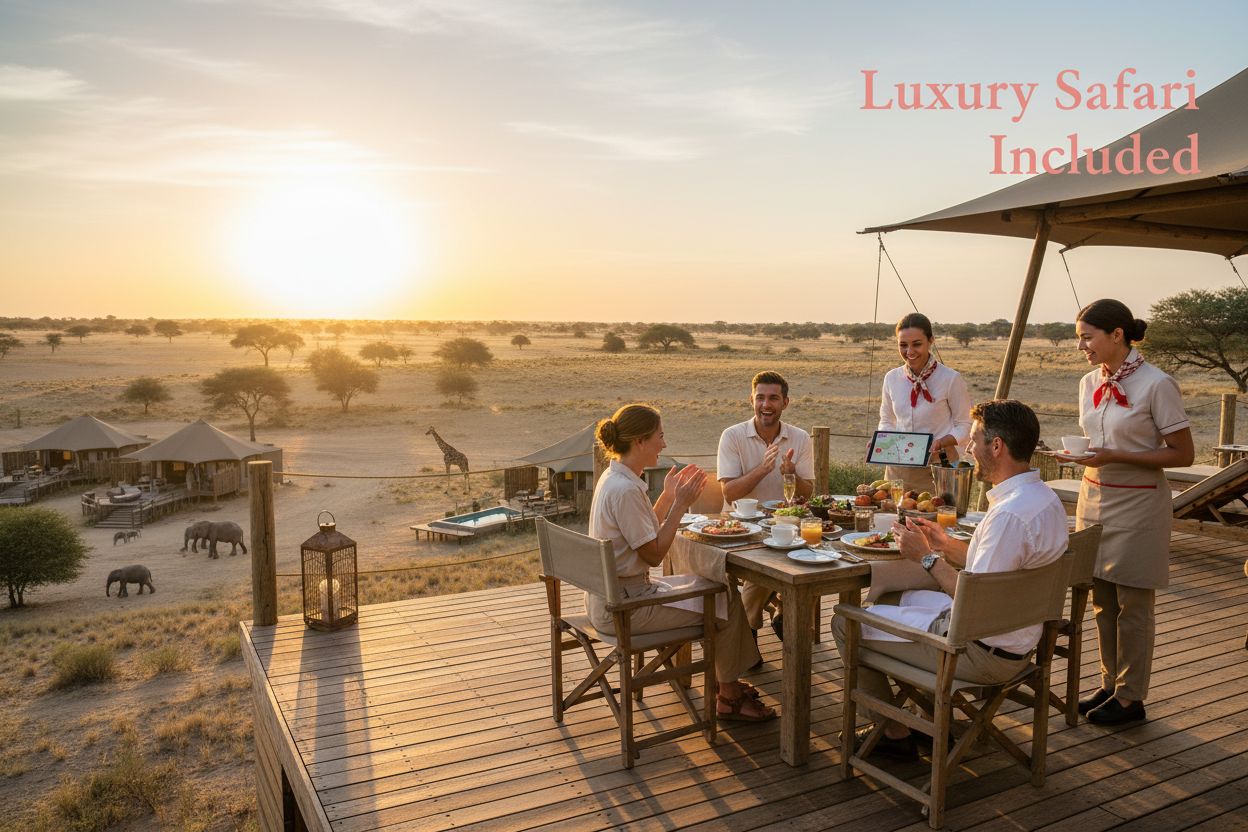
Understanding What is Included in Luxury Safaris
Explore what is included in luxury safaris, from exclusive accommodations to bespoke experiences that cater to discerning travelers.
Feb 24, 2026
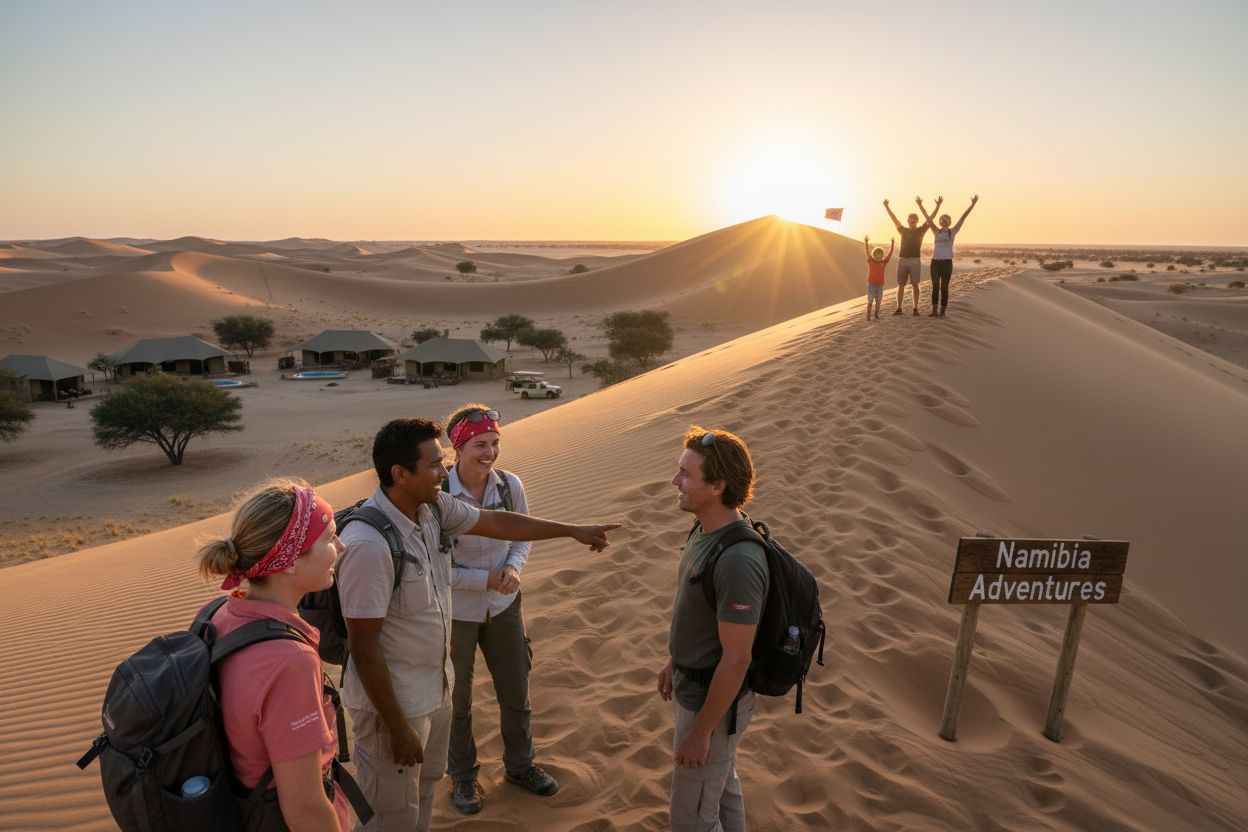
Why Namibia Adventures Matter: An In-Depth Look
Discover why Namibia adventures are essential for luxury travelers seeking unique, immersive experiences in nature and wildlife exploration.
Feb 23, 2026
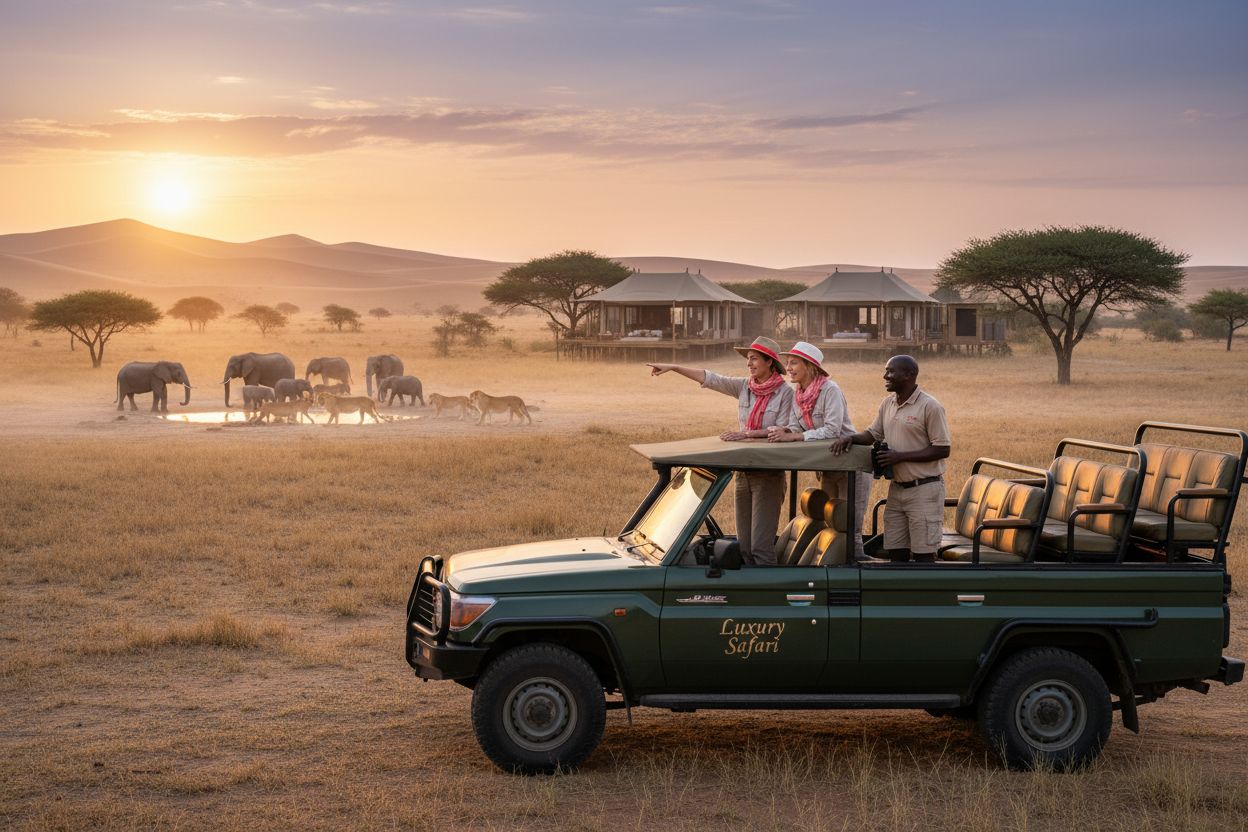
What to Expect on a Luxury Safari: A Comprehensive Guide
Discover what to expect on a luxury safari and gain a deeper understanding of the unique experiences that await you in the wild.
Feb 22, 2026
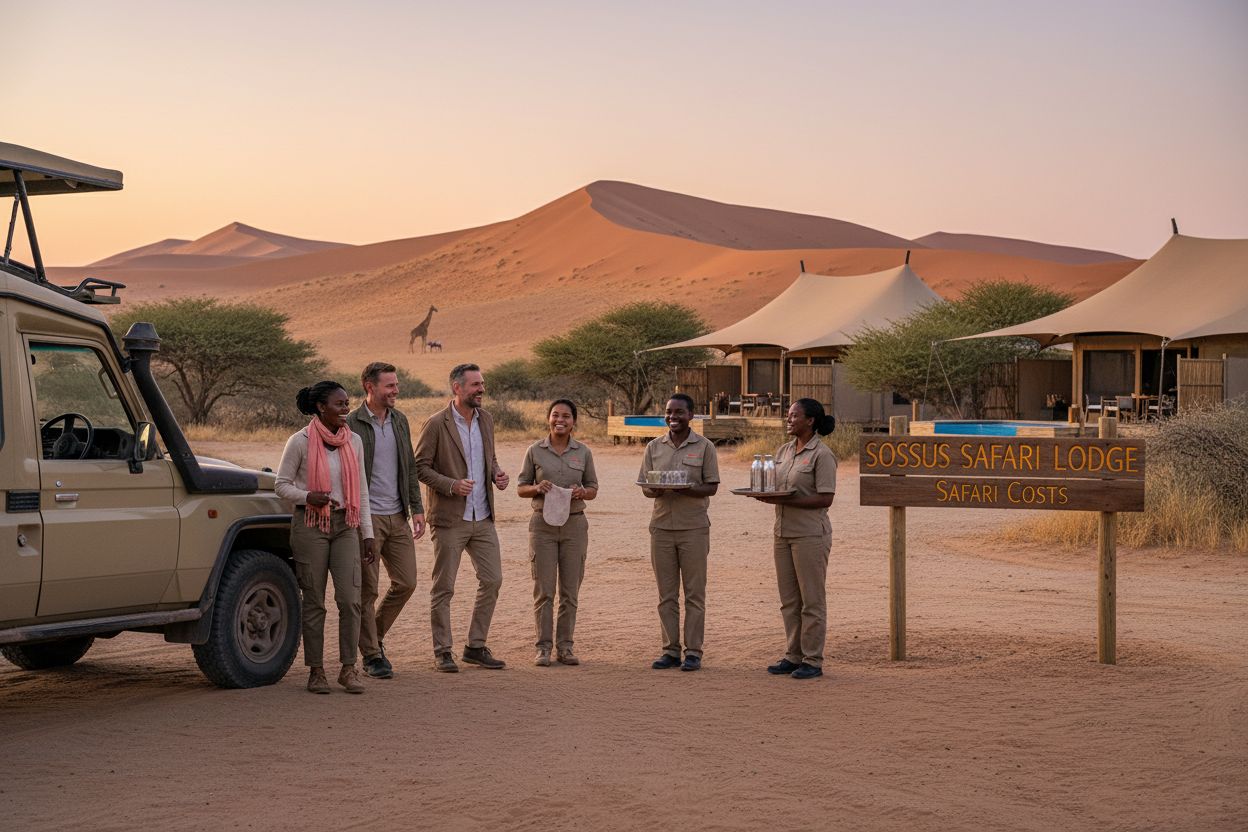
Understanding Namibia Safari Costs Explained
Explore Namibia safari costs explained to uncover what influences pricing and what it means for your adventure.
Feb 21, 2026
Understanding the Role of Safari Experts in Wildlife Travel
Explore the role of safari experts and gain a comprehensive understanding of how they enhance wildlife travel experiences for all types of travelers.
Feb 20, 2026
Guide organisation safari all inclusive : vivez l'aventure de vos rêves
Découvrez notre guide organisation safari all inclusive étape par étape pour planifier un voyage inoubliable au cœur de la nature.