
Apr 8, 2025
Safari sustainability fosters conservation, benefits communities, and supports authentic eco-tourism in Namibia. Learn principles, key types, and risks.
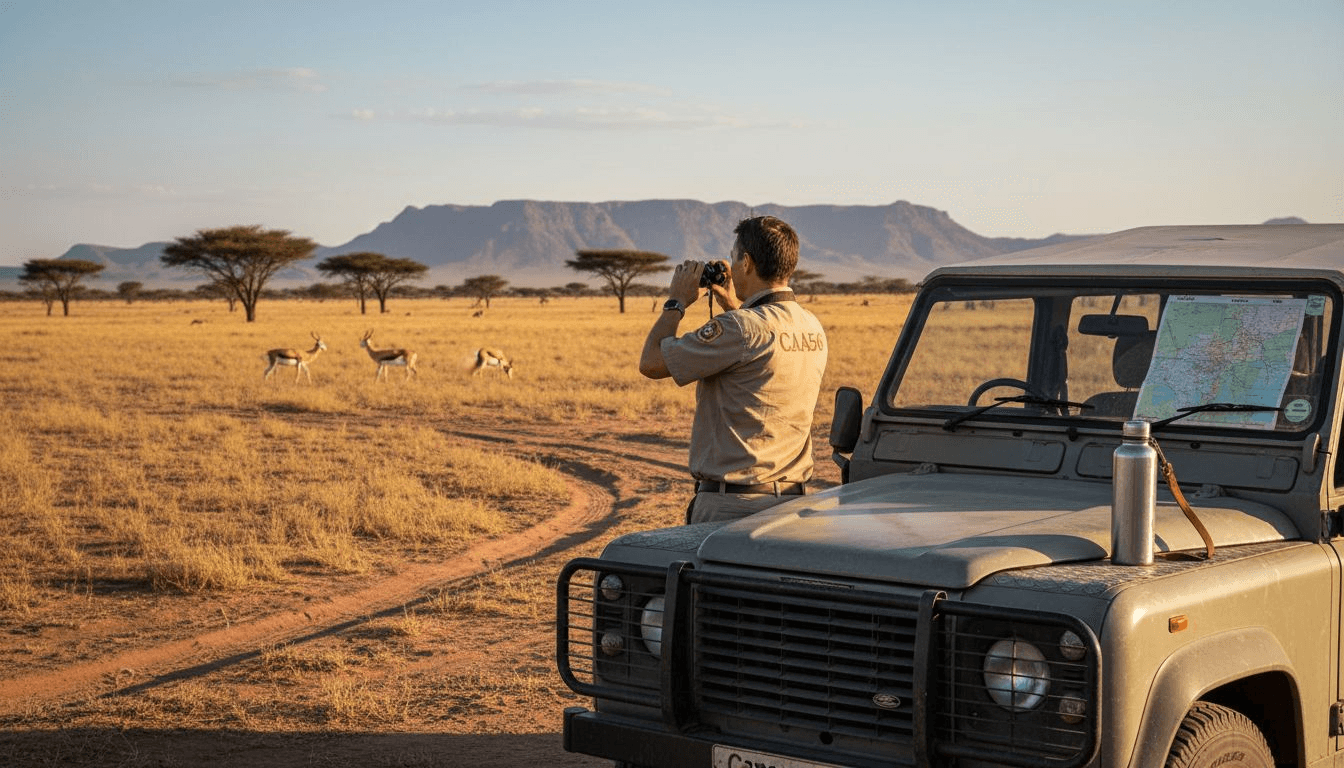
Safari Sustainability: Impact on Namibia’s Wild Places
Everyone searching for an extraordinary safari wants more than lavish comfort—they want to know their journey makes a real difference. In Namibia, safari sustainability goes far beyond marketing, directly protecting fragile habitats, endangered wildlife, and the heritage of local communities. With official eco-awards and global recognition for responsible tourism, the country offers a unique opportunity for travellers to experience luxury whilst genuinely contributing to conservation. This overview reveals the core elements of authentic, eco-conscious safari travel in Namibia.
Table of Contents
Defining Safari Sustainability In Namibia
Core Principles Of Sustainable Safari Travel
Eco-Luxury, Community, And Conservation Models
Risks Of Unsustainable Safari Practices
How Travellers Can Choose Responsibly
Key Takeaways
Point | Details |
|---|---|
Safari Sustainability | In Namibia, safari sustainability ensures tourism supports conservation, local communities, and respects cultural traditions. |
Eco-Certification | Tour operators should possess eco-certifications, indicating commitment to environmental and community benefit practices. |
Community Involvement | Selecting community-based or partnered operators fosters genuine connections between tourism and local stewardship of wildlife. |
Responsible Travelling | Travellers should engage in low-impact activities and inquire about operators’ conservation contributions to ensure supportive practices. |
Defining Safari Sustainability in Namibia
Safari sustainability in Namibia is not simply a marketing buzzword or vague commitment to doing “something good.” It represents a concrete approach to tourism that protects the country’s extraordinary ecosystems, endangered wildlife, and indigenous cultures whilst generating meaningful economic and social benefits for local communities. Namibia stands as a global leader in this space, having pioneered wildlife and habitat conservation through its constitution and becoming internationally recognised for responsible tourism practices. When you choose a safari operator in Namibia, you are selecting from businesses that operate within a framework designed to ensure your experience directly contributes to conservation rather than depleting the very landscapes and creatures that drew you there in the first place.
At its core, safari sustainability means balancing three interconnected priorities. First, protecting delicate ecosystems and endangered wildlife through regulated tourism activities, habitat preservation, and anti-poaching measures. Second, respecting and supporting the cultural traditions, land rights, and economic wellbeing of Namibia’s communities who live alongside these wild places. Third, ensuring that tourism revenue flows back into conservation efforts and local development rather than being extracted elsewhere. This is not aspirational thinking. The Ministry of Environment and Tourism actively leads conservation efforts across Namibia’s protected areas, including national parks and community conservancies that cover a significant portion of the country. These protected areas function as conservation pillars, maintaining biodiversity whilst supporting community-based resource management that integrates conservation with local socio-economic development.
To demonstrate genuine commitment to these principles, tour operators and lodges throughout Namibia pursue official eco-certification through programmes such as the Namibia Eco-Awards. These certifications are not awarded lightly. Operators must adopt measurable sustainable practices, demonstrate environmental compliance, and often support conservation NGOs working directly in the field. You will find that the most reputable operators transparently communicate their conservation contributions, from water management and waste reduction to anti-poaching partnerships and community employment initiatives. This transparency allows you to make informed choices about which experiences align with your values as an eco-conscious traveller.
Pro tip: When researching safari operators, ask specifically about their eco-certification status, conservation partnerships, and percentage of revenue reinvested in local communities and environmental protection—this information reveals genuine commitment beyond greenwashing.
Core Principles of Sustainable Safari Travel
Sustainable safari travel in Namibia rests on several interconnected principles that work together to create tourism experiences that genuinely benefit conservation and communities. Rather than treating these principles as abstract ideals, think of them as practical commitments that shape every decision a lodge or tour operator makes. The most important of these is community-based natural resource management, which puts local populations at the centre of tourism planning and decision-making. This means that the communities living adjacent to wildlife areas have genuine input into how tourism develops, what happens to revenue generated, and how resources are used. When you book with operators practising this principle, you are supporting systems where rural communities are not simply passive observers but active stewards of their own land and its resources.
Minimising environmental impact forms the second pillar of sustainable safari travel. This encompasses everything from water conservation and waste management at lodges to limiting vehicle numbers on game drives and respecting wildlife behaviour during viewing. Responsible operators understand that community-based resource management must be paired with genuine ecological protection, meaning tourism cannot be allowed to degrade the very ecosystems that make safari experiences possible. Hand in hand with environmental stewardship comes cultural preservation. Namibia’s diverse communities—San, Herero, Damara, and others—possess centuries of traditional knowledge about the landscape, wildlife, and sustainable living practices. Sustainable safari travel honours this knowledge rather than reducing culture to performances for tourists. It creates opportunities for meaningful cultural exchange where visitors learn directly from local guides and community members, with fair compensation flowing to those sharing their heritage.
The final core principle involves fostering responsible visitor behaviour. This is where you come in. Sustainable safari travel requires guests who understand that their actions have consequences. Respecting wildlife viewing distances, following guide instructions, minimising noise, and supporting local businesses rather than international chains all contribute to positive outcomes. Similarly, sustainable financing mechanisms ensure that tourism revenue directly funds community conservancies, conservation projects, and anti-poaching efforts rather than disappearing into corporate accounts elsewhere. When you choose operators transparent about how your fees are allocated, you are directly supporting these mechanisms.
Pro tip: Before booking, request a sustainability report or conservation impact statement from your chosen operator—this shows their commitment to transparency and helps you understand exactly how your safari fees contribute to conservation and community development.
Eco-Luxury, Community, and Conservation Models
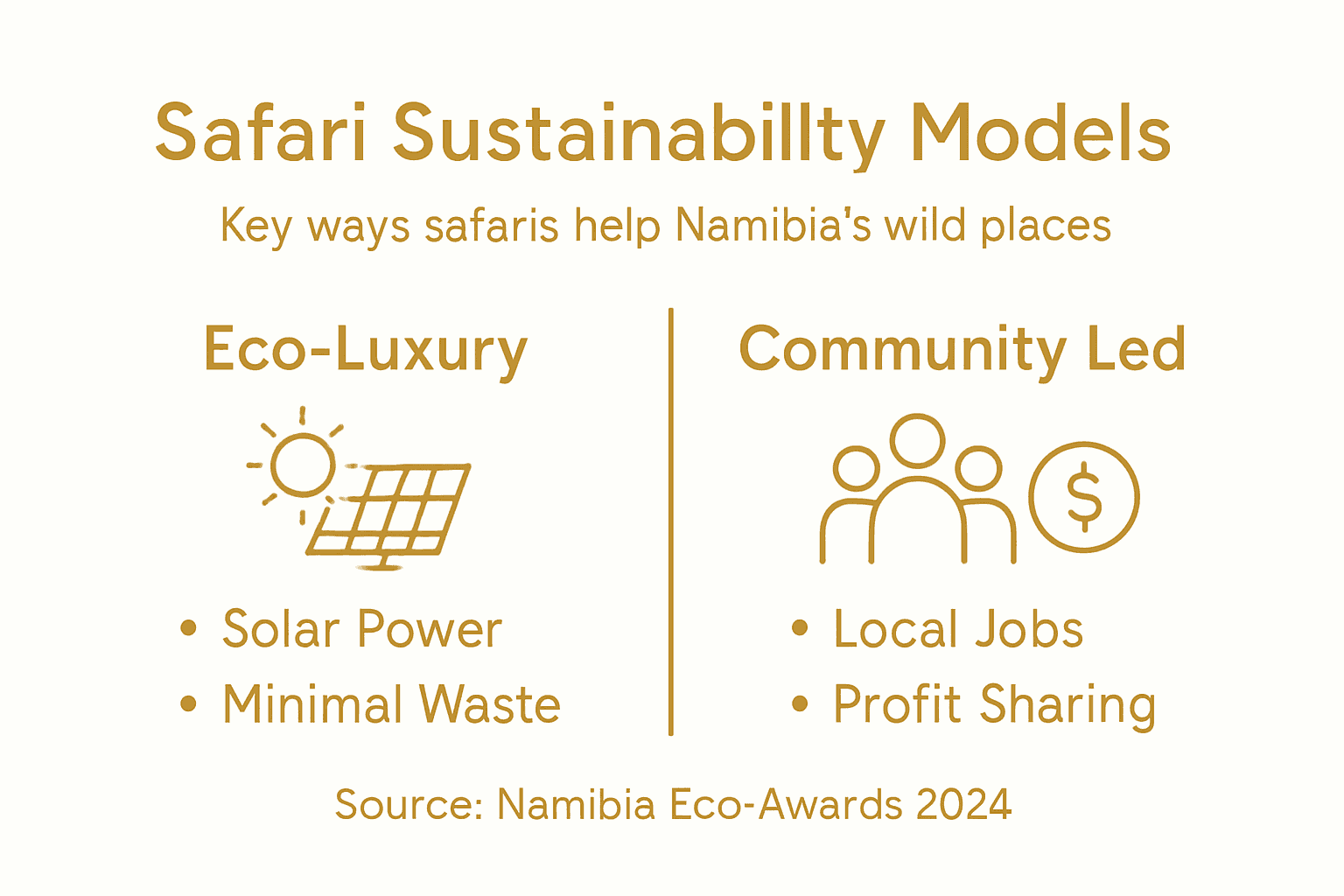
The most innovative safari experiences in Namibia blend luxury comfort with genuine conservation impact and community benefit. This is not a contradiction. Eco-luxury safaris represent a deliberate shift away from the old extractive tourism model where profits flowed elsewhere whilst local ecosystems and communities absorbed the costs. Instead, modern eco-luxury lodges in Namibia have engineered business models where your desire for comfort and excellent service directly translates into funding for conservation projects, community development, and wildlife protection. These are not rustic, roughed-it experiences. You stay in beautifully appointed suites with hot showers, quality meals, and attentive service. The difference is intentional: every design choice, from materials sourced locally to renewable energy systems, reflects a commitment to minimising environmental footprint whilst maximising positive impact.
Community-centred models represent perhaps the most transformative aspect of sustainable safari travel. Rather than communities simply leasing their land to outside operators, many properties in Namibia operate as genuine partnerships or are directly owned and managed by community organisations. Community conservancies across Namibia have become powerhouses of conservation precisely because local people benefit directly from wildlife remaining alive on the landscape. A kudu is worth far more to a community member when it attracts tourists willing to pay for viewing than when it is poached for bushmeat. This economic reality has created powerful incentives for protection. Revenue from lodge operations funds anti-poaching patrols, veterinary services for livestock affected by wildlife interaction, and education programmes teaching younger generations about conservation. Your lodge fees directly support these activities, creating transparent value chains where communities control their own development outcomes rather than depending on sporadic NGO funding or government budgets.
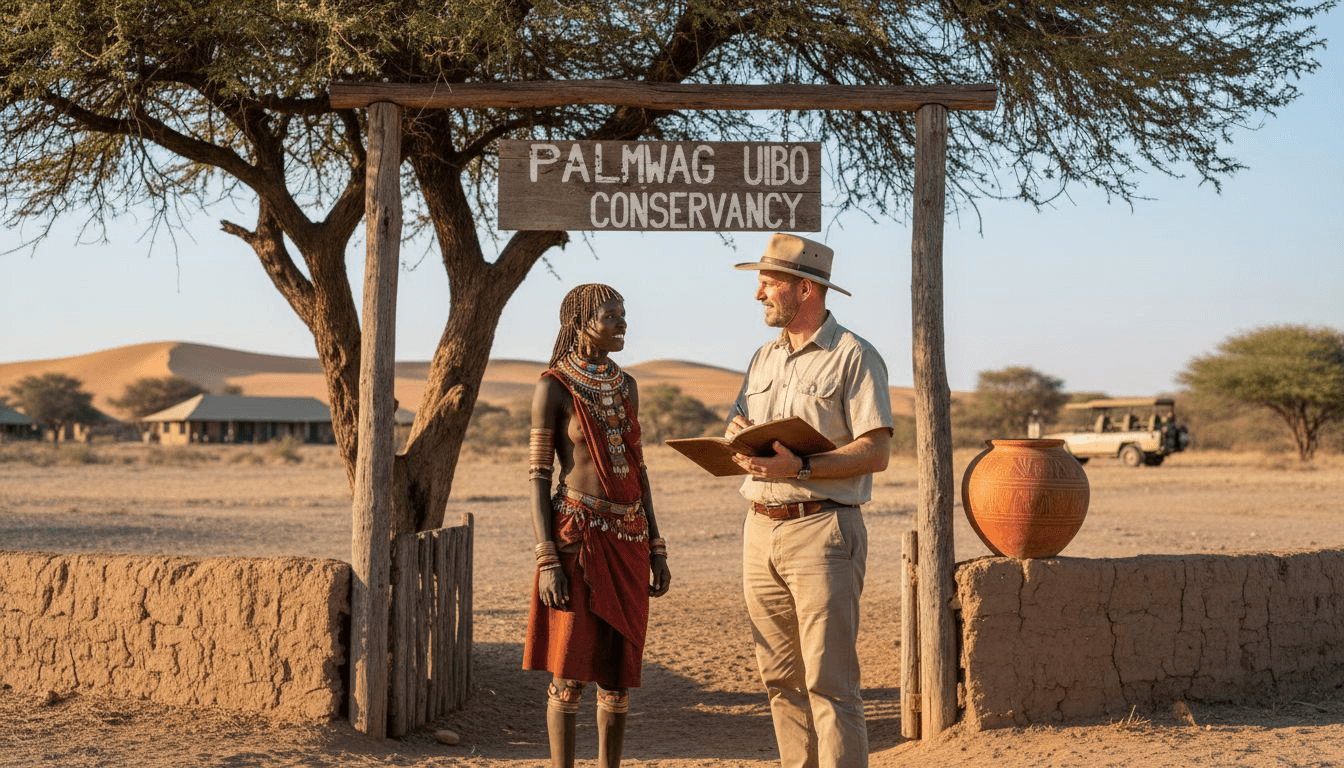
Conservation models operating in Namibia range from private reserve systems to community conservancies to public-private partnerships, each with distinct advantages. Private reserves offer concentrated conservation management and often pioneered sophisticated wildlife monitoring and habitat restoration techniques. Community conservancies place conservation decision-making in the hands of traditional landowners and harness their deep ecological knowledge. The most effective approach integrates all models, creating networks where knowledge and resources flow between different players. When you book safari experiences that support these diversified models, you contribute to a conservation ecosystem far more resilient than any single approach alone. The benefits of sustainable tourism extend beyond trophy animals or scenic photographs. They encompass restored grasslands, increased wildlife populations, educated youth with conservation careers, and communities exercising genuine agency over their futures.
To better understand the major approaches to safari sustainability in Namibia, here is a comparison of leading conservation models:
Conservation Model | Who Manages It | Key Benefits |
|---|---|---|
Private Reserve | Private Company/Owner | Targeted habitat management |
Community Conservancy | Local Community Groups | Revenue for locals, stewardship |
Public-Private Partnership | Joint (Gov & Private) | Combined resources, shared risk |
NGO-Led Initiatives | Non-Profit Organisations | Focused funding, expert input |
Pro tip: When comparing safari operators, ask whether they are community-owned, community-partnered, or externally owned—then inquire what percentage of profits remain in local communities versus flowing to foreign shareholders, as this directly indicates the model’s genuine impact.
Risks of Unsustainable Safari Practices
Unsustainable safari operations pose genuine threats to both Namibia’s ecosystems and the communities dependent on wildlife for their livelihoods. When tourism revenue does not flow back to local populations or gets siphoned away by foreign operators, communities lose their primary incentive to protect wildlife. A farmer watching elephants destroy crops receives no benefit if those same elephants attract wealthy tourists whose fees disappear overseas. The result is predictable: communities view wildlife as a liability rather than an asset, making poaching and habitat conversion more attractive economic options. This breakdown in community support cascades through entire conservation networks. Protected areas without local buy-in become impossible to defend against poaching. Anti-poaching rangers lack funding and morale. Enforcement becomes reactive rather than preventive. The degradation of natural resources accelerates when tourism profits fail to fund conservation management, creating a vicious cycle where declining wildlife populations reduce tourism appeal, further reducing incentives for protection.
Habitat disturbance represents another critical risk of poorly managed safari operations. Vehicles driven off designated routes compact soil, disrupting vegetation and increasing erosion. Game drives conducted without proper spacing or timing stress wildlife, particularly during vulnerable periods like denning season or when mothers are caring for young. Noise pollution from excessive vehicle traffic, helicopters, or careless guide behaviour forces predators away from prime hunting areas, undermining their survival. Water sources can become contaminated or depleted when lodges extract without considering wildlife needs during dry seasons. These impacts compound over time. Land that once supported robust wildlife populations degrades into impoverished ecosystems incapable of sustaining the megafauna that tourists travel to see. Namibia’s stunning landscapes—the Namib Desert, Etosha’s expansive plains, the Sossusvlei dunes—are not infinitely resilient. Once degraded through poor management, recovery takes decades, if it happens at all.
Increased human-wildlife conflict emerges as a direct consequence of unsustainable practices. When habitat is degraded, wildlife must venture into agricultural areas seeking food and water, bringing them into direct conflict with farming communities. When tourism does not generate sufficient income to compensate for livestock losses or crop damage, community tolerance evaporates. Predators that kill livestock get shot. Elephants that raid granaries get poisoned. Conversely, when communities benefit directly from wildlife through sustainable tourism, they invest in coexistence mechanisms like improved livestock protection and alternative water sources for wildlife. This demonstrates a fundamental principle: wildlife conservation cannot survive in opposition to community welfare. The most vulnerable populations face the greatest risks from unsustainable tourism because they lack alternative income sources and political power to demand accountability. Choosing operators committed to equitable benefit-sharing and environmental stewardship directly mitigates these cascading risks.
Pro tip: Before booking, verify that your safari operator publishes annual reports showing exact percentages of revenue allocated to conservation and community development—operators resistant to this transparency likely operate unsustainably.
How Travellers Can Choose Responsibly
Choosing responsible safari experiences begins with understanding what genuinely sustainable operators look like and then asking direct questions during your booking process. Start by seeking out operators with recognised sustainability certifications. In Namibia, the most credible markers include the Namibia Eco-Awards, Green Fins designation, or membership in the Sustainable Tourism Alliance. These certifications are not honorary. Operators must demonstrate measurable commitments to conservation funding, community benefit-sharing, waste management, and environmental protection to earn them. When researching potential lodges or tour companies, look for their certification status on websites and ask for documentation if it is not prominently displayed. Operators genuinely committed to sustainability are proud to share this evidence rather than reluctant or vague about their practices. Beyond certifications, investigate whether your chosen operator is community-based or community-partnered, meaning local people have genuine ownership stakes or revenue-sharing arrangements. Ask specific questions: What percentage of your staff comes from local communities? Do you employ local guides? What conservation projects do you fund and how much revenue goes to them annually?
Here is a quick summary of the main eco-certifications and what they represent for travellers considering a sustainable safari:
Certification | Highlights Requirements | What It Means for Travellers |
|---|---|---|
Namibia Eco-Awards | Strict environmental, social criteria | Assurance of sustainability |
Green Fins | Focus on marine/tourism standards | Low impact, eco-friendly practices |
Sustainable Tourism Alliance | Verified sustainable operations | Transparent benefit-sharing with locals |
Accommodation choices matter significantly in your sustainability footprint. Eco-friendly lodges prioritise renewable energy, water conservation, waste reduction, and locally sourced materials. Some properties generate power through solar panels, harvest rainwater, operate composting systems, and minimise single-use plastics. Others import everything, waste profligately, and contribute nothing to local economies. The difference in environmental impact is staggering. During your booking conversations, ask about specific practices: How do you source your energy? What happens to your wastewater? Where do your vegetables come from? Do you employ local staff and artisans? These questions signal to operators that guests care about sustainability, encouraging continuous improvement across the industry.
Your behaviour as a guest directly impacts conservation outcomes. Choose low-impact activities that minimise stress on wildlife and habitats. Walking safaris with expert guides offer intimate wildlife encounters without vehicle noise and disturbance. Ask your guides about wildlife viewing ethics and respect their calls to maintain distance or stop activity if animals appear stressed. During cultural interactions, approach with genuine curiosity rather than exploitative mindset. Engage with local artisans and businesses rather than buying mass-produced souvenirs. Skip activities that harm animals, such as elephant rides or lion walking experiences, regardless of how they are marketed. Finally, consider booking multi-day experiences rather than brief visits. Operators offering longer itineraries can manage guest flows better, provide deeper conservation education, and justify higher investment in sustainable infrastructure. Your choices directly shape what operators offer and how they operate.
Pro tip: Request your operator’s conservation impact report before booking, specifying exact dollar amounts spent on anti-poaching, habitat restoration, community development, and wildlife research—this transparency requirement alone filters out operators that prioritise profits over genuine sustainability.
Experience Truly Sustainable Safaris in Namibia
The challenge for travellers today lies in choosing safari experiences that genuinely protect Namibia’s unique wildlife and ecosystems while empowering local communities. This article highlights the importance of safari sustainability principles such as community-based natural resource management, eco-friendly lodge operations, and transparent conservation funding. These are vital to ensuring your journey supports conservation instead of contributing to habitat degradation or wildlife conflict. At Secret Namibia, we understand that discerning travellers want more than a luxury vacation — they want an authentic experience that makes a positive impact.
Discover bespoke safari adventures designed with sustainability at their core. Whether you seek an exclusive luxury safari or an immersive fly-in experience, our tours partner with certified eco-friendly operators committed to reinvesting in conservation and local livelihoods. Book now to enjoy personalised planning and expert support while contributing directly to Namibia’s conservation success. Explore our detailed itineraries, read honest client reviews, and start crafting your responsible safari holiday today at Secret Namibia.
Frequently Asked Questions
What does safari sustainability mean in Namibia?
Safari sustainability in Namibia refers to a comprehensive approach to tourism that protects ecosystems, endangered wildlife, and indigenous cultures while generating economic and social benefits for local communities.
Why is community-based natural resource management important for sustainable safaris?
Community-based natural resource management ensures that local populations have a genuine voice in tourism planning and benefit from tourism revenue, making them active participants in wildlife conservation efforts.
How can I identify responsible safari operators in Namibia?
Look for operators with recognized sustainability certifications, such as the Namibia Eco-Awards, and inquire about their community partnerships and how revenue is reinvested into local conservation efforts.
What are the risks of choosing unsustainable safari practices?
Unsustainable safari operations can lead to habitat degradation, increased human-wildlife conflict, and economic disincentives for local communities to protect wildlife, ultimately harming conservation efforts.
Recommended
RELATED
Safari Guides
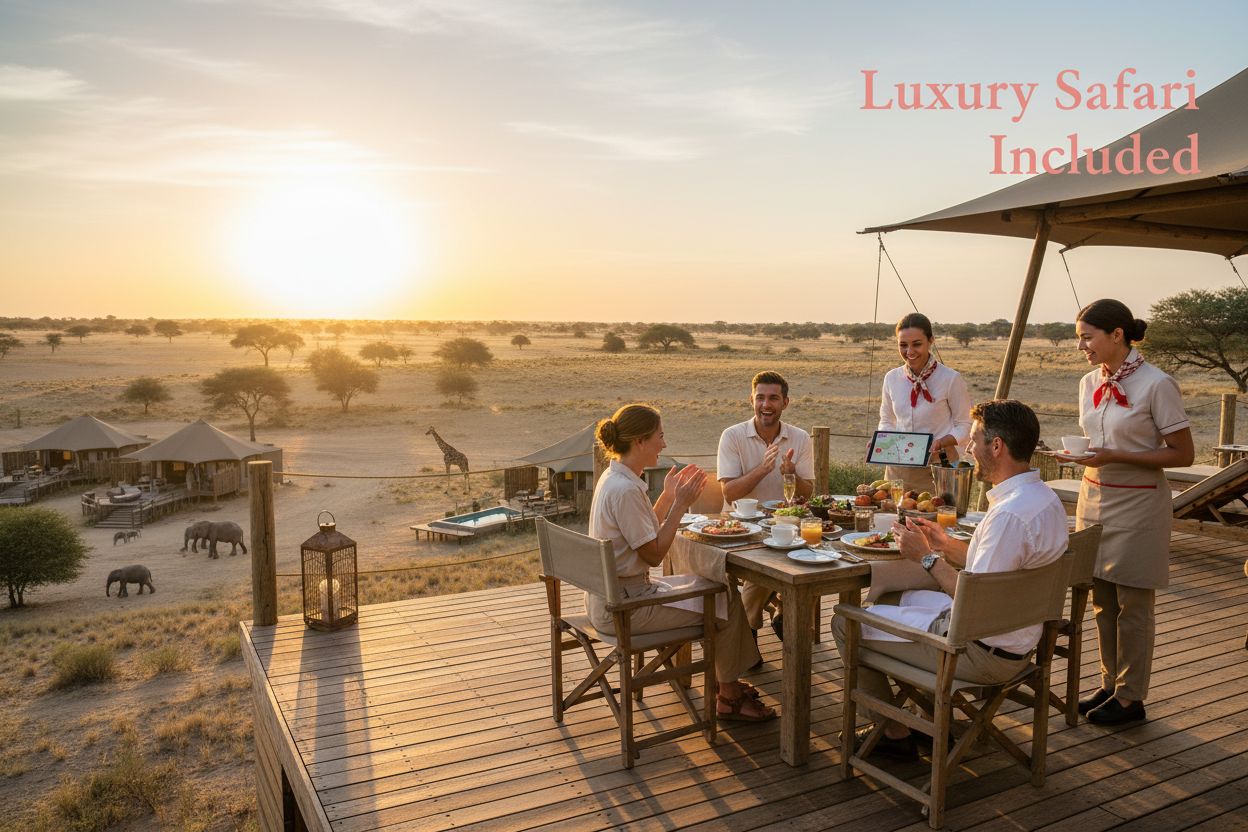
Oct 30, 2025
Understanding What is Included in Luxury Safaris
Explore what is included in luxury safaris, from exclusive accommodations to bespoke experiences that cater to discerning travelers.
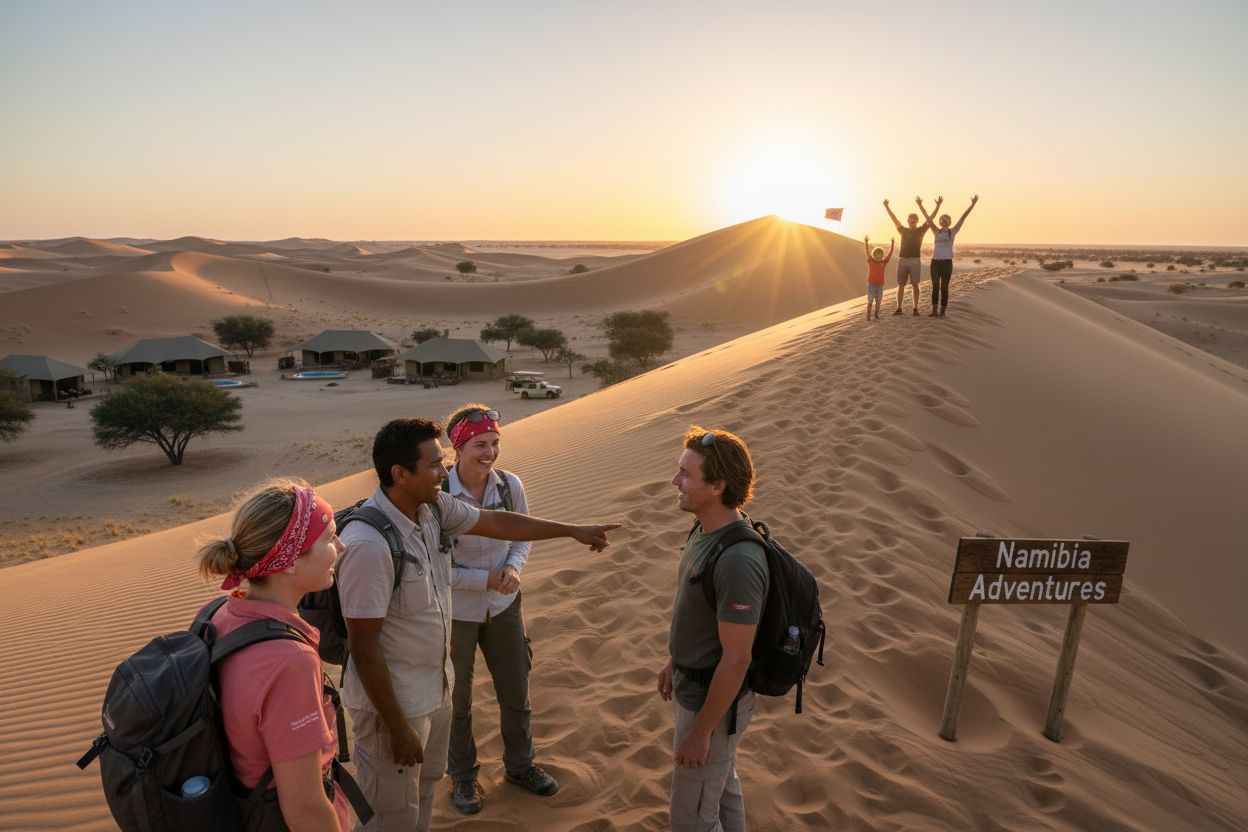
Feb 24, 2026
Why Namibia Adventures Matter: An In-Depth Look
Discover why Namibia adventures are essential for luxury travelers seeking unique, immersive experiences in nature and wildlife exploration.
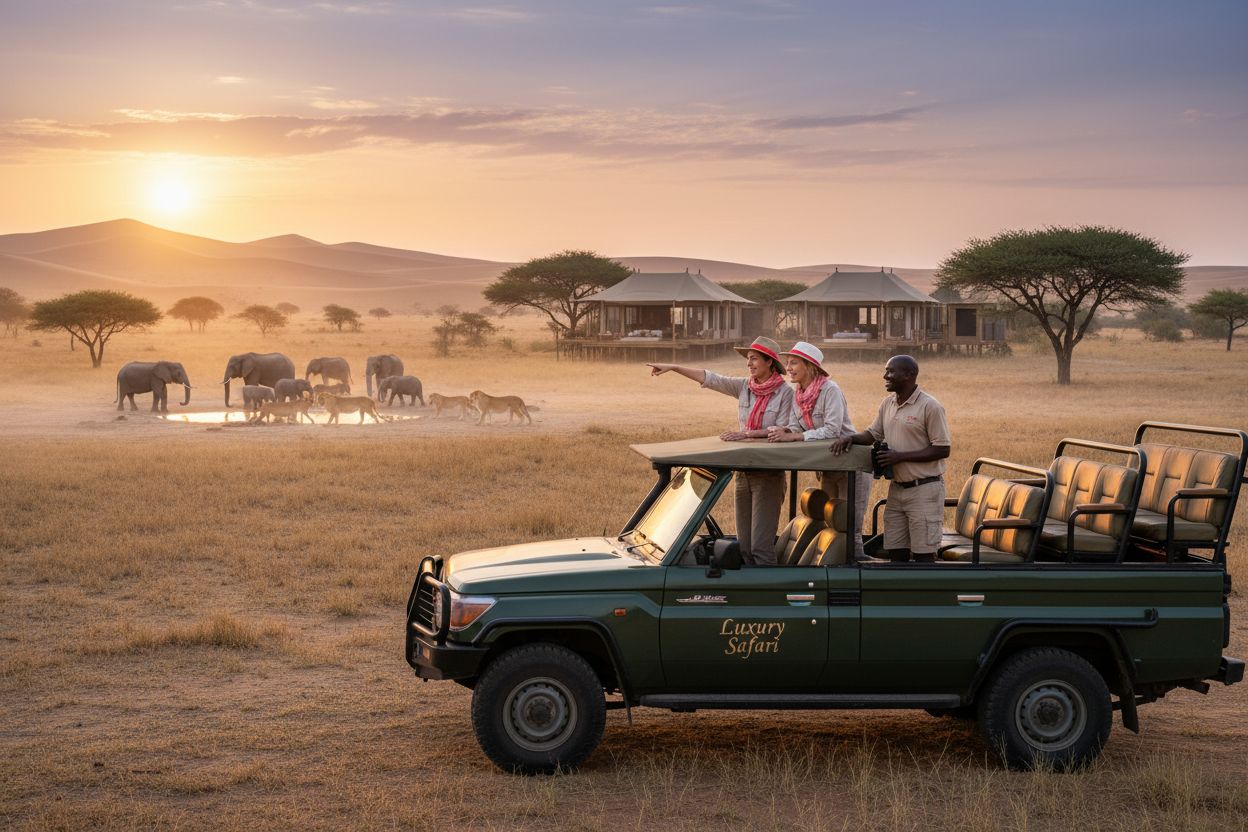
Feb 23, 2026
What to Expect on a Luxury Safari: A Comprehensive Guide
Discover what to expect on a luxury safari and gain a deeper understanding of the unique experiences that await you in the wild.
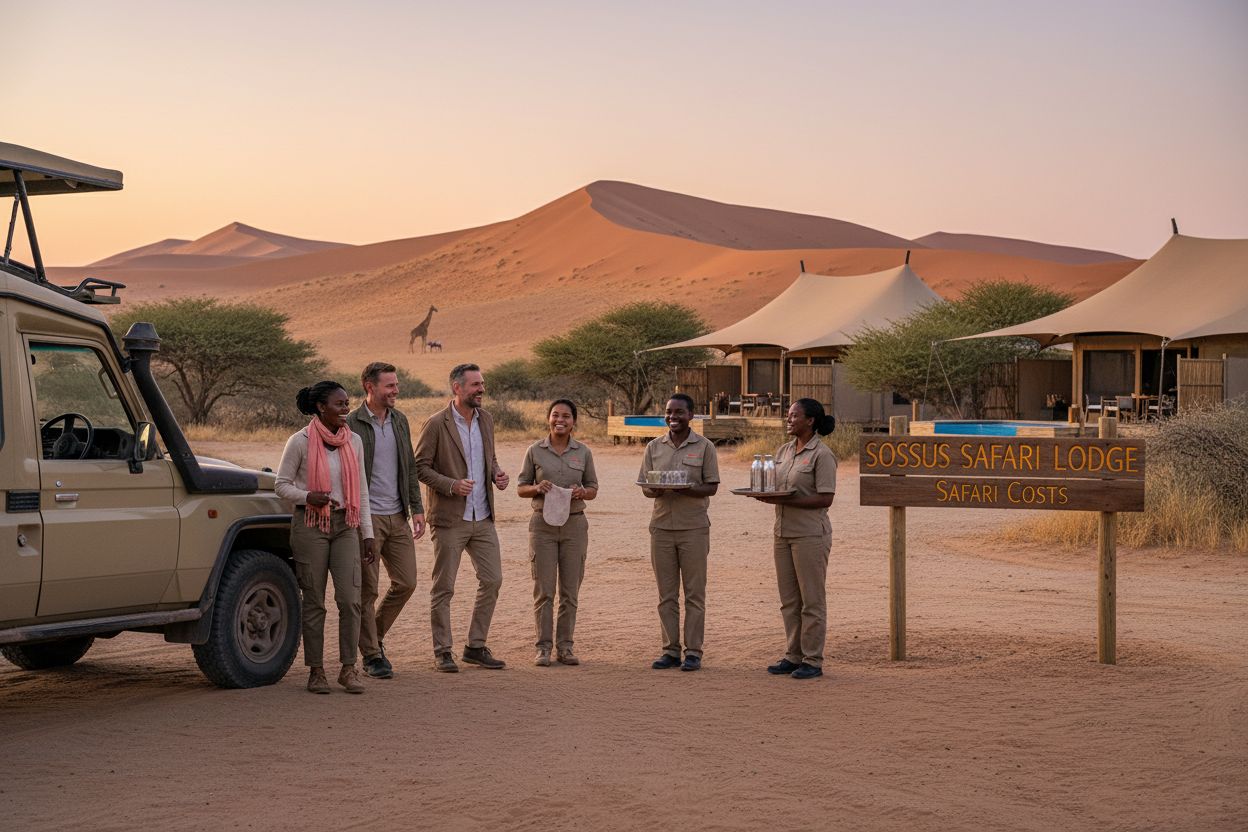
Feb 22, 2026
Understanding Namibia Safari Costs Explained
Explore Namibia safari costs explained to uncover what influences pricing and what it means for your adventure.
Feb 21, 2026
Understanding the Role of Safari Experts in Wildlife Travel
Explore the role of safari experts and gain a comprehensive understanding of how they enhance wildlife travel experiences for all types of travelers.
Feb 20, 2026
Guide organisation safari all inclusive : vivez l'aventure de vos rêves
Découvrez notre guide organisation safari all inclusive étape par étape pour planifier un voyage inoubliable au cœur de la nature.