
Mar 30, 2025
Safari honeymoon suites blend romance, exclusivity, and luxury. Learn about features, Namibia’s unique experiences, suite types, and booking essentials.
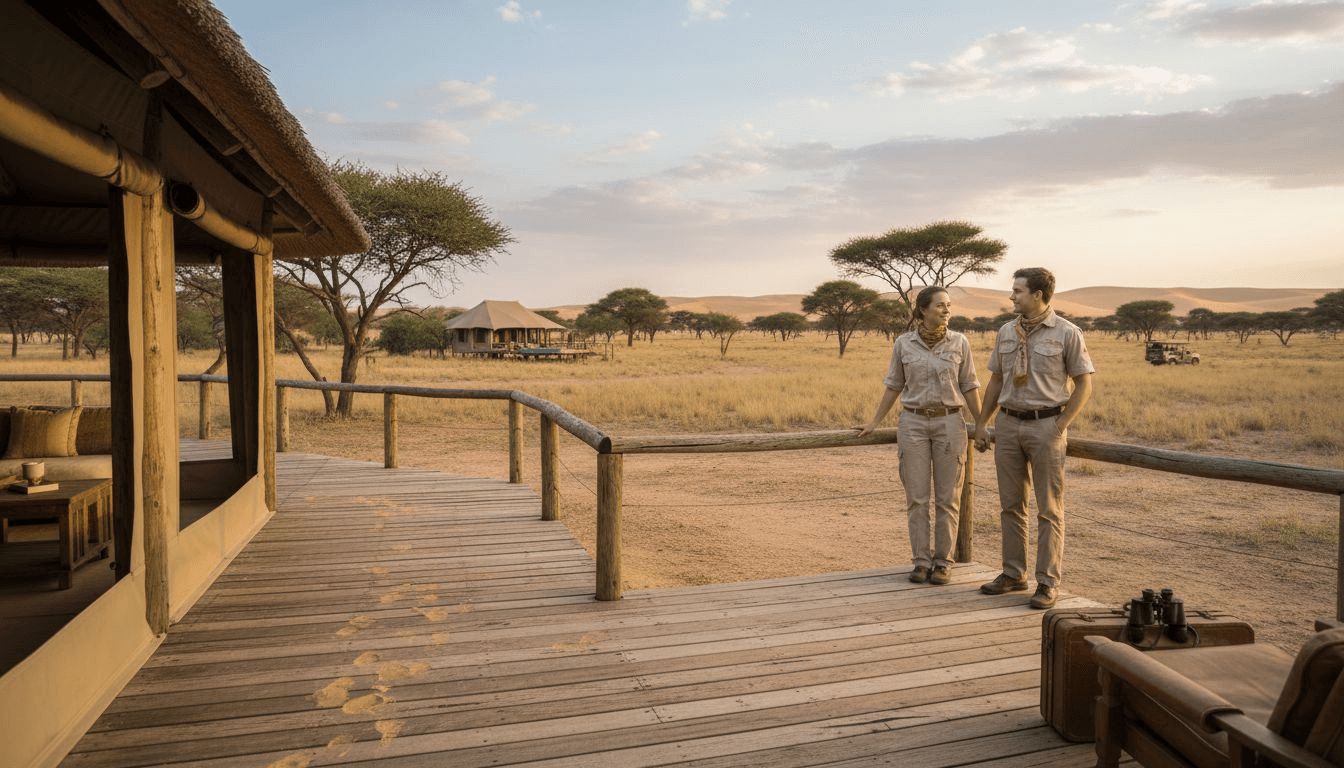
Safari Honeymoon Suites: Romance and Luxury in Namibia
Luxury honeymooners often imagine a safari suite in Namibia as simply a lavish room with decorative touches. Yet the true meaning goes much deeper, fusing adventure, privacy, and a profound connection to the African wilderness. Exploring what defines a genuine safari honeymoon suite reveals how these unique accommodations deliver both curated romance and thrilling wildlife experiences. Discover how Namibia’s exclusive offerings stand apart from standard luxury rooms, creating memories for couples seeking extraordinary honeymoon escapes.
Table of Contents
Safari Honeymoon Suite Meaning And Myth
Types And Styles Of Honeymoon Suites
Signature Features Of Namibian Safari Suites
Unique Romantic Experiences And Locations
Practical Booking Tips And Inclusions
Comparing Safari Suites To Other Options
Key Takeaways
Point | Details |
|---|---|
Understanding the Safari Honeymoon Suite | These suites offer an immersive experience that combines intimacy with the African wilderness, prioritising connection over mere luxury. |
Clarifying Inclusions and Costs | When booking, inquire specifically about included activities and any additional charges to avoid financial surprises. |
The Importance of Privacy and Positioning | Couples should assess the suite’s location for privacy and proximity to wildlife to enhance the romantic experience. |
Customisation of Experiences | Engage with reserves about personalising activities and dining to ensure your honeymoon aligns with your preferences and desires. |
Safari honeymoon suite meaning and myth
When you hear the term “safari honeymoon suite,” you might picture a luxurious bedroom with rose petals scattered across the bed and champagne chilling on a side table. But the reality in Namibia’s private game reserves tells a far richer story than the marketing mythology suggests. A honeymoon suite in accommodation) traditionally refers to a specially designed space with curated amenities aimed specifically at couples and newlyweds, but in the safari context, this definition evolves into something considerably more sophisticated and experience focused. Rather than merely being a room with special touches, safari honeymoon suites represent a comprehensive approach to intimate luxury that integrates wildlife experiences, personalised service, and architectural excellence into a cohesive romantic offering.
The myth around these suites often stems from their origins in early twentieth century promotional tourism, when Niagara Falls pioneered the concept with dedicated accommodations for honeymooners. Today, many people assume a “honeymoon suite” in a safari setting means standard luxury trappings: perhaps a four-poster bed, a spa bath overlooking the bush, and perhaps some champagne upon arrival. Whilst these elements certainly feature in quality safari suites, the actual experience extends far beyond aesthetic decorations. Modern honeymoon suites in Namibia’s finest private reserves—particularly those featured in safari itineraries designed specifically for honeymooners—prioritise meaningful connection between couples and the wilderness itself. The genuine distinction lies in how these suites function as bases for shared adventure: private guides who understand couple dynamics, flexible activity scheduling that accommodates your pace, intimate dining under the stars, and genuinely secluded locations where you experience the African bush as a couple, not as part of a larger tourist group.
The distinction between myth and reality becomes clearer when you consider what sets these suites apart from standard luxury rooms elsewhere. Destination honeymoon tourism has evolved into a segment where couples deliberately intertwine celebration with experiential travel, seeking memorable moments in remarkable settings rather than simply comfortable accommodation. A genuine safari honeymoon suite in Namibia’s private reserves delivers on this expectation through several concrete elements: suites are typically positioned to maximise privacy, often separated from the main lodge by natural terrain; they feature outdoor living spaces designed for sunset viewing and stargazing; rooms employ natural materials and design philosophies that complement rather than dominate the surrounding landscape; and critically, they come with a service philosophy that recognises couples’ desire for both togetherness and independence. You might spend mornings on guided game drives as a pair, afternoons relaxing in your private plunge pool whilst listening to the sounds of the reserve, and evenings dining together under an impossibly dense canopy of stars. This is what separates authentic safari honeymoon accommodation from the romanticised version many people imagine.
Understanding this distinction matters enormously when planning your honeymoon, because it shapes how you evaluate options and what questions you should ask potential reserves. The myth suggests comfort and decoration equal romance; the reality reveals that location, privacy, flexibility, and a service team genuinely committed to your experience matter infinitely more. When consulting with reserves about their honeymoon offerings, look beyond the photographs of lavish suites. Ask whether guides customise game drives to your interests, whether activities can be skipped or extended without penalty, whether the lodge offers private dining experiences, and whether staff receive specific training in managing couple dynamics. A truly exceptional safari honeymoon suite becomes less about what’s in the room and more about what’s outside it—and how deliberately the lodge has designed systems to help you experience it together, on your terms.
Pro tip: When enquiring about safari honeymoon suites, request specific details about privacy features, flexibility in activity scheduling, and whether private dining and guide customisation are included in package pricing rather than charged as extras, which reveals how seriously a lodge takes genuine romantic experiences versus simply marketing to honeymooners.
Types and styles of honeymoon suites
Namibia’s private game reserves offer surprisingly diverse approaches to honeymoon accommodation, each reflecting different philosophies about how couples should experience the African wilderness. Rather than a one-size-fits-all luxury formula, contemporary safari operators recognise that romance means different things to different people. Some couples crave total seclusion; others want comfortable facilities with exceptional service. Some prioritise wildlife viewing opportunities directly from their suite; others prefer a retreat space that feels like an escape from the world. This diversity has led to several distinct suite styles, each tailored to specific preferences and experiences. Understanding these varieties helps you identify which environment will resonate most deeply with your vision of a honeymoon.
The Architectural Philosophies
Contemporary minimalist suites emphasise clean lines, open-plan layouts, and floor-to-ceiling windows that blur the boundary between interior and exterior space. These typically feature concrete or stone materials, extensive use of local timber, and architectural elements that frame views rather than compete with them. Think modern glass and steel structures positioned on elevated platforms, allowing unobstructed sightlines across vast plains or towards waterhole areas where wildlife congregates. These suites appeal to couples who appreciate design sophistication and want their accommodation to feel like a carefully curated gallery for the landscape itself.
Rustic luxury suites take the opposite approach, embracing natural materials and building methods that evoke a sense of timelessness. These might feature thatch roofing, stone walls with irregular finishes, and interior design that deliberately references traditional African building traditions. Rather than trying to transcend their environment, rustic suites integrate themselves into it, often constructed from materials sourced within the reserve itself. They feel grounded and authentic, particularly appealing to couples seeking connection with African heritage and craftsmanship.
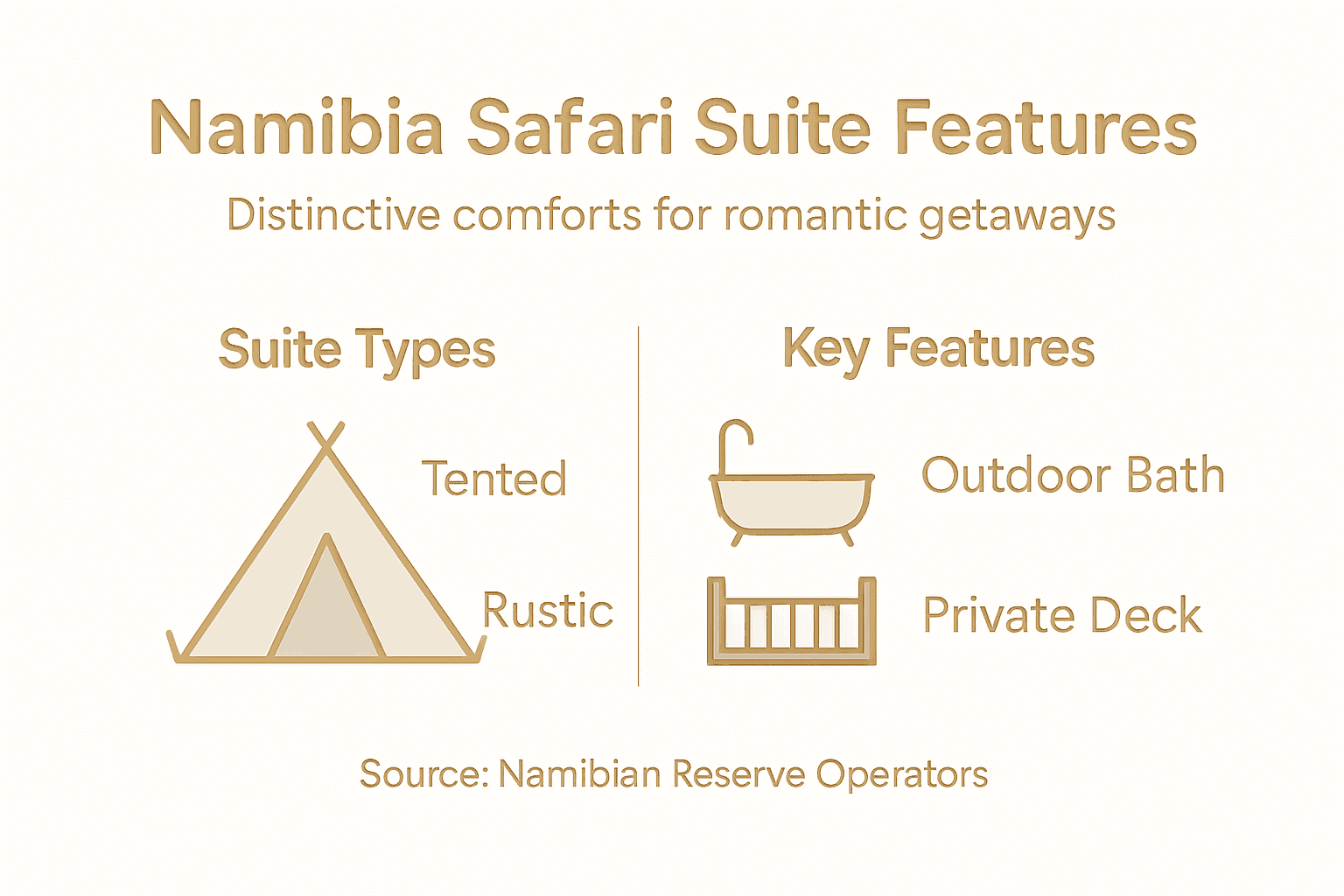
Tented accommodations, sometimes called glamping suites, occupy the middle ground between permanence and impermanence. Canvas structures with solid foundations and full amenities deliver the psychological experience of camping—that immersive vulnerability to the African night—whilst maintaining luxury standards. Hearing rainfall on canvas, feeling the breeze move through vented panels, experiencing the genuine sounds of the bush rather than filtered through permanent walls creates an intensity of experience that some couples find deeply romantic. High-end tented suites often feature proper bathrooms, heating systems, and sophisticated furnishings that completely contradict expectations about tent living.
Here’s a quick comparison of architectural philosophies for safari honeymoon suites in Namibia:
Philosophy | Layout & Materials | Experience Focus | Ideal For Couples Who… |
|---|---|---|---|
Minimalist Modern | Open-plan, concrete, glass | Landscape as focal gallery | Value design and vistas |
Rustic Luxury | Thatch, stone, local timber | Heritage and authenticity | Seek tradition and warmth |
Tented “Glamping” | Canvas & timber structures | Immersive nature, flexibility | Desire outdoor intimacy |
Amenity Distinctions and Experience Design
Beyond architecture, honeymoon suites differentiate themselves through carefully selected amenities that shape daily rhythms and intimate moments. Honeymoon suites worldwide feature special bathtubs, private pools, wood-burning stoves, and private dining areas specifically positioned to enhance romantic connection. In Namibia’s reserves, these elements are refined further through environmental consideration. A private outdoor soaking tub might overlook a waterhole where elephants drink at dusk. A private pool becomes meaningful not for its luxury alone but for the wildlife encounters it permits during bathing. A wood-burning stove transforms into intimate comfort during cooler desert nights when you can sit together watching flames whilst listening to distant lion calls.
Suite layouts themselves communicate design intent. Some reserves position suites with bedroom as the focal point, complete with theatrical four-poster bed and ambient lighting designed for romance. Others prioritise outdoor spaces—expansive decks with comfortable seating, private fire pits, and carefully positioned loungers for stargazing. The most thoughtfully designed suites balance both, recognising that honeymoons involve both intimate moments and quiet companionship.
Positioning and Privacy Strategies
How a suite sits within the broader landscape matters enormously. Some reserves cluster suites relatively near the main lodge, prioritising convenience and community. Others scatter suites across vast territories, sometimes separated by 500 metres or more, ensuring absolute privacy and the psychological experience of having the reserve largely to yourselves. This positioning choice fundamentally alters your honeymoon character. Clustered suites encourage social interaction with other guests, potentially including group dinners and shared experiences. Dispersed suites create profound isolation—you might see another guest only if you actively seek the lodge.
Similarly, suites vary in their relationship to wildlife proximity. Some are positioned deliberately near known animal corridors and water sources, maximising chances of early morning game viewing from your private deck. Others prioritise serene settings away from regular wildlife traffic, preferring the sounds and distant sights of animals rather than close encounters. Neither approach is superior; they simply serve different preferences. Some couples want their suite as an active wildlife observation platform. Others want it as a sanctuary where the bush surrounds you but doesn’t dominate.
Pro tip: When reviewing suite options, ask the reserve for specific details about positioning relative to wildlife corridors, distance from main lodge, outdoor versus indoor living space ratio, and whether the suite layout encourages morning wildlife viewing from private areas or encourages spending daylight hours on structured activities, which reveals whether the suite functions as an observation base or a romantic retreat.
Signature features of Namibian safari suites
Namibian safari suites possess a distinctive character shaped by the country’s specific geography, wildlife patterns, and the design philosophies that have evolved across decades of luxury safari operation. Whilst honeymoon suites elsewhere might prioritise theatrical grandeur or standardised comfort, Namibian properties tend towards thoughtful integration with their surroundings—a philosophy rooted in the landscape itself. The vast open plains, distinctive red dunes, sparse vegetation, and low wildlife density compared to other African destinations have all influenced how suites are conceived and built. Understanding these signature characteristics helps you appreciate what makes a Namibian safari experience genuinely different from honeymoon suites in other contexts, and why couples frequently cite these properties as transformative rather than simply luxurious.
Environmental Integration and Material Choices
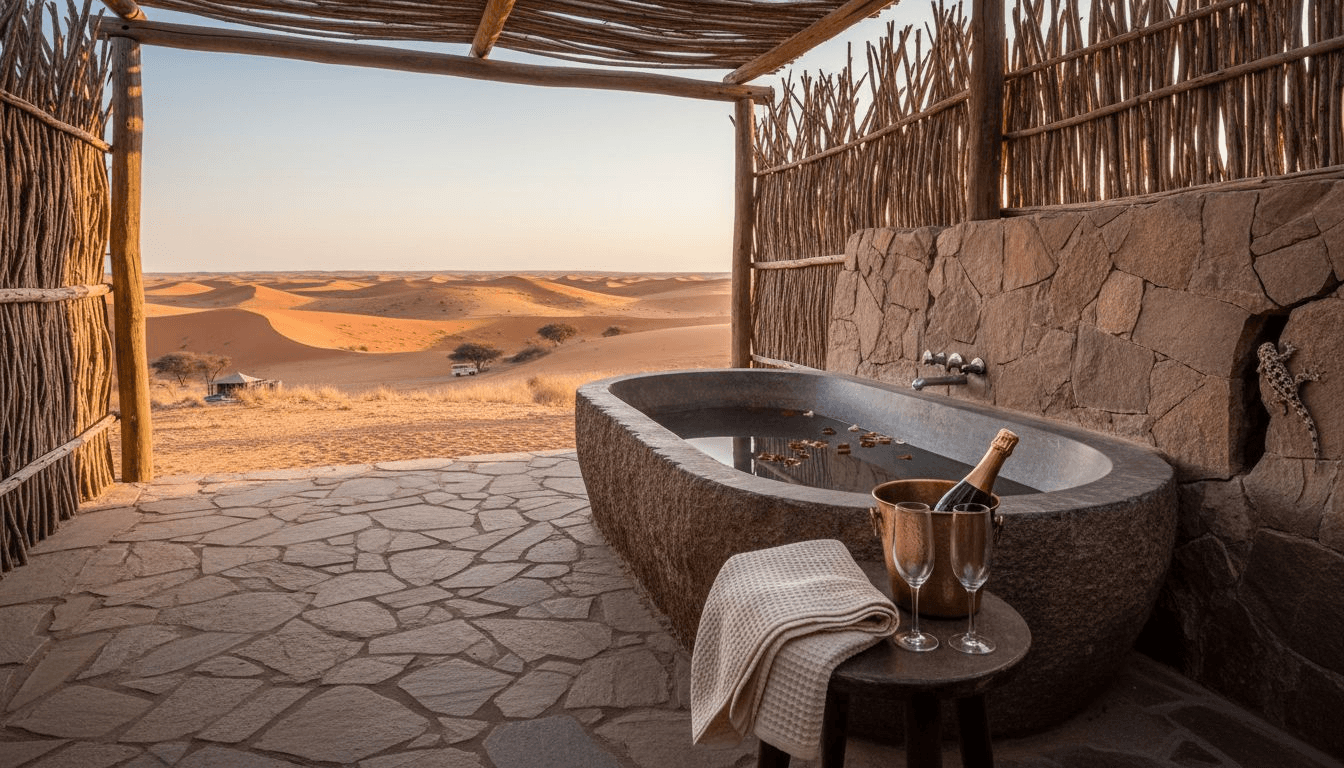
The most immediately recognisable signature of Namibian safari suites is their deliberate relationship with the environment. Rather than creating enclosed sanctuaries that shield guests from the landscape, Namibian designers typically embrace exposure. Suites feature expansive outdoor living spaces—generous decks, covered pavilions, and viewing platforms—that position you within the landscape rather than observing it from a distance. Natural materials dominate: local stone from quarries within or near the reserves, timber harvested sustainably from indigenous trees, thatch crafted using traditional methods. These aren’t decorative choices; they’re practical responses to climate and available resources that have evolved into signature aesthetics.
The colour palette reflects this environmental honesty. Rather than imposing contrasting luxury interiors, Namibian suites employ ochres, warm greys, soft sands, and deep browns that echo the surrounding landscape. This restraint serves a psychological purpose beyond aesthetics. When your suite’s colour scheme harmonises with the environment rather than contrasts with it, your brain processes less visual conflict. You relax more deeply because the environment feels coherent and integrated rather than divided into “outside nature” and “inside luxury.”
Outdoor bathing facilities represent perhaps the most distinctly Namibian suite feature. Rather than indoor spa experiences, suites typically offer outdoor soaking tubs positioned to capture specific views—a waterhole where wildlife drinks, a vast plain stretching toward the horizon, a rocky outcrop framing the sky. Bathing becomes an act of environmental immersion rather than retreat. You might soak whilst watching giraffes graze nearby, or experience the dramatic temperature shifts of desert dusk. This feature fundamentally reframes what luxury means in a safari context: exposure and connection rather than insulation and comfort.
Climate Responsive Design
Namibia’s extreme temperature variations and intense solar radiation have driven specific design innovations. Most suites feature sophisticated shading systems: extended overhangs, retractable canvas panels, or louvred screens that can be adjusted throughout the day as the sun’s angle changes. Rather than relying on air conditioning to manage heat, quality suites use passive cooling strategies—strategic ventilation, thermal mass in walls, night-time cross-breezes. This means suites remain cool without the disconnecting hum of air conditioning units, preserving the sensory connection to the environment.
Wind management appears in suite positioning and design. Suites often feature adjustable panels or openable walls that permit cross-ventilation during hot days but can be secured during the strong afternoon winds that characterise many Namibian regions. This flexibility allows guests to modulate their relationship with the environment actively—opening panels to feel the breeze when temperatures drop, securing them when wind intensifies.
Lighting Design and Night Experience
Namibian suites prioritise night experience with particular sophistication. Because many reserves enjoy minimal light pollution, the night sky becomes a dominant visual feature. Suites typically feature minimal artificial lighting in outdoor spaces, allowing guests to experience the Milky Way without light interference. Interior lighting is often adjustable—warm amber tones that don’t interfere with night vision, dimmable to extreme levels, or positioned to illuminate specific elements whilst leaving the ceiling dark.
This attention to nocturnal experience reflects a deep understanding of what couples seek. Honeymoon experiences in Namibia often centre on quiet nights together, listening to the sounds of the bush, experiencing the intensity of starlight. Suites designed with this understanding feature outdoor sleeping decks (some with retractable canvas roofs), positioning that frames the sky, and lighting strategies that enhance rather than dominate nocturnal ambiance.
Water Features and Hydrological Awareness
Water holds profound significance in Namibian design. Suites in reserves with reliable water sources might feature private plunge pools, but these differ from resort pools—typically smaller, positioned to overlap with views or wildlife corridors, designed for refreshment rather than recreation. In more arid regions where water conservation matters enormously, suites employ sophisticated grey water recycling, rainwater harvesting, and water-efficient fixtures. This isn’t purely environmental consciousness; it’s an aesthetic choice that signals alignment with the landscape’s genuine constraints.
Private safari accommodation throughout Namibia frequently incorporates water features that serve both practical and romantic functions—natural rock pools, splash pools fed by boreholes, or positioning that frames distant water sources where wildlife congregates. Water becomes an organisational element, literally and psychologically anchoring the suite within the broader ecosystem.
Flexibility and Temporal Responsiveness
Unlike hotel suites designed for consistent comfort regardless of season or time, Namibian safari suites embrace temporal variation. Suites feature multiple heating options for cold desert nights: wood-burning stoves, underfloor heating, or heated outdoor showers. In warmer seasons, these same spaces transform through the removal of blankets, opening of panels, and adjustment of screens. This flexibility acknowledges that Namibian experience changes dramatically between seasons, and romantic experience benefits from responsive environments rather than static comfort.
Pro tip: When enquiring about specific suites, request details about outdoor living space dimensions (measured in square metres), the types of heating systems available, whether outdoor bathing facilities are heated or natural temperature, and what shading or wind management features exist, which reveals how thoughtfully the suite responds to Namibia’s genuine climate challenges rather than simply providing shelter.
Unique romantic experiences and locations
Namibia’s landscape offers something genuinely rare in honeymoon destinations: authentic remoteness combined with luxury comfort. The country’s vast distances, sparse population, and dramatically varied ecosystems create natural stages for romance that feel genuinely removed from the ordinary world. Unlike honeymoon destinations where you’re one couple among hundreds at the same location, Namibian safari reserves often position you as the only guests within enormous territories. This isolation—if you choose it—becomes profoundly romantic not through theatrical design but through psychological reality. You can spend entire days encountering only wildlife, your guide, and each other. The romantic experiences that emerge from this setting differ fundamentally from curated resort experiences elsewhere.
Iconic Landscapes as Romantic Backdrops
Namibia’s most celebrated locations possess inherent dramatic power that requires little enhancement. The Fish River Canyon presents one of Earth’s most imposing geological formations—a vast scar in the landscape descending nearly 550 metres, its rock faces displaying millions of years of geological history in visible layers. Experiencing this at dawn, when light gradually reveals the canyon’s true scale, creates an almost spiritual moment for couples. Similarly, Sossusvlei’s iconic red dunes deliver an experience that photographs cannot adequately convey. Standing amongst dunes that tower 300 metres, watching light shift across rust-coloured sand from sunrise through sunset, places you in a landscape so visually extraordinary that ordinary concerns simply disappear. The Skeleton Coast offers a different romantic register entirely—haunting and desolate, with shipwrecks and seal colonies creating a sense of exploration and discovery.
These locations gain genuine romantic power when approached thoughtfully rather than as checkbox tourist attractions. Rather than rushing through a location in a full group vehicle, private reserves enable experiences calibrated to your pace. You might arrive at a dune location before sunrise and remain through mid-morning, watching the landscape transform through multiple light conditions. You might return to the same location on different days, noticing how weather, season, and time of day create entirely different visual and emotional experiences. This temporal flexibility transforms iconic locations from scenic backdrops into genuinely intimate experiences.
Intimate Dining and Private Moments
One of the most distinctive romantic experiences in Namibian safari reserves involves dining in carefully selected locations within the reserve itself. Unlike lodge dining rooms, private reserves increasingly offer experiences where your meal comes to you—a table positioned at a waterhole, a meal prepared at a natural clearing, or dinner served on your suite’s private deck with the stars emerging overhead. The sensory intensity of eating whilst surrounded by the African night, hearing distant animal calls, feeling the temperature drop as dusk transitions to night, transforms a meal into something ceremonial and memorable.
Private guides understand the psychological dimensions of romance and adjust experiences accordingly. If you wish to spend an entire afternoon at a single location—a rocky outcrop overlooking vast plains, a waterhole where wildlife congregates—your guide accommodates this without schedule pressure. Couples often describe these unhurried moments as the most meaningful of their honeymoon: sitting together in silence, watching light change, occasionally encountering wildlife, experiencing the profound quiet that characterises remote Namibian reserves. This isn’t activity tourism; it’s presence tourism. The experience’s value lies not in what you do but in the quality of time you spend together in extraordinary surroundings.
Seasonal and Nocturnal Experiences
Romantic experiences in Namibia shift dramatically with season. The dry season (May to September) offers maximum wildlife visibility and comfortable temperatures for extended outdoor time. However, the green season (November to March) presents different romance—dramatic thunderstorms, landscapes transformed by rain into unexpected lushness, and the psychological intensity of storms passing across open plains. Some couples find a violent desert thunderstorm—the sudden darkness, the smell of rain on hot sand, the electrical atmosphere—profoundly romantic in ways conventional luxury never achieves.
Nocturnal experiences hold particular power in reserves with minimal light pollution. Stargazing becomes genuinely immersive—the Milky Way visible in such detail that it creates shadows on the ground. Guides trained in astronomy enhance these experiences, identifying constellations and sharing the stories encoded in star patterns. Some reserves offer night drives specifically designed for couples, using red light torches that preserve night vision whilst revealing nocturnal animals rarely seen during daylight. The psychological shift from daytime safari tourism into nocturnal exploration in African wilderness creates a distinct romantic register—more intimate, more vulnerable, more connected to natural rhythms.
Cultural and Conservation Integration
Increasingly, romantic experiences involve meaningful engagement with Namibia’s cultures and conservation challenges. Rather than experiencing the landscape as divorced from human context, some reserves facilitate conversations with local communities, visits to cultural sites, or participation in conservation efforts. Couples describe these experiences as deepening their honeymoon beyond romance into something more philosophically meaningful—understanding where they are, whose land they’re visiting, what challenges the landscape faces.
Pro tip: When planning romantic experiences, ask your reserve specifically about flexibility in activity timing, whether private dining locations can be arranged at particular landscapes, what nocturnal options exist, and whether guides receive training in creating meaningful rather than merely active experiences, which reveals whether the reserve understands romance as presence and connection rather than activity completion.
Practical booking tips and inclusions
Booking a safari honeymoon suite requires different considerations than standard luxury hotel reservations. The variables extend far beyond room type and dates—you’re essentially customising an entire experience across vast territories with limited accommodation options and deeply seasonal wildlife patterns. Understanding what questions to ask, what inclusions matter, and what hidden costs frequently surprise couples transforms booking from a transaction into meaningful planning. The difference between a mediocre honeymoon and a transformative one often hinges on details clarified during booking conversations rather than discovered upon arrival.
Understanding Inclusions and Hidden Costs
One of the most common sources of honeymoon disappointment stems from assumptions about what’s included in quoted rates. When a reserve quotes a nightly rate for a honeymoon suite, this figure typically covers accommodation and meals only. What frequently surprises couples is that activities—game drives, guided walks, special experiences—are often charged separately, sometimes substantially. A three-night stay that appears to cost R45,000 per night can easily exceed R60,000 per night once you add game drives, specialised activities, and gratuities. Understanding all-inclusive safari benefits helps clarify whether choosing all-inclusive packages genuinely delivers better value than à la carte pricing.
Inclusions vary significantly between reserves. Some properties include daily game drives, guided walks, and basic activities in their rate. Others charge separately for every guide interaction. Critically, ask whether your quoted rate includes alcohol, soft beverages, and premium spirits—some reserves include local beers and basic wine but charge substantially for imported selections. Understand whether laundry, Wi-Fi (if available), and premium amenities like private guides carry additional fees. Request itemised pricing that separates room, meals, activities, and optional services. This transparency prevents financial surprises and allows accurate budget planning.
Timing your booking requires strategic thinking about honeymoon dynamics. The best time to visit Namibia for wildlife viewing—May through September—aligns with school holidays and peak honeymoon season internationally. Booking 4 to 6 months in advance for these periods significantly increases your chances of securing preferred suites and locations. However, shoulder seasons (April and October) often deliver excellent value and acceptable wildlife viewing with considerably fewer other guests. Green season (November to March) presents different advantages: lower prices, dramatic thunderstorms, and landscape transformation, though some reserves close during this period.
Questions That Reveal Reserve Quality
The questions you ask during booking conversations distinguish between reserves that simply provide accommodation and those genuinely committed to honeymoon experiences. Rather than accepting standard descriptions, request specifics: How many suites operate in the reserve? How frequently might you encounter other guests? Are guides trained specifically in couple dynamics and romance psychology? Can activities be skipped without penalty or pressure? What flexibility exists for extending or shortening activities based on your preferences?
Ask about suite positioning and what “privacy” genuinely means. Some reserves claim privacy but position suites within sight of each other. Others scatter suites kilometres apart. Request specific information about your suite’s exact position relative to the main lodge, nearby suites, and wildlife corridors. Can you see other suites from yours? How far is the walk to the lodge? Are there night-time transportation options?
Understand the reserve’s philosophy regarding activity customisation. Some operators offer fixed daily schedules with little flexibility. Others adapt schedules dynamically based on guest preferences and wildlife sightings. Ask whether guides can be briefed beforehand about your preferences—perhaps you’re wildlife photographers seeking extended positioning at particular locations, or you prefer relaxed pacing with abundant downtime. The reserve’s responsiveness to such requests indicates whether you’ll experience the itinerary as rigid or genuinely personalised.
Inquire about backup plans for adverse conditions. What happens if poor weather prevents planned activities? Will you receive activity credits or refunds? How does the reserve handle emergency medical situations given remote locations? What communication systems exist if you need to contact family during your stay?
Below is a summary of practical questions to ask while booking a safari honeymoon suite:
Booking Consideration | Why It Matters | Example Clarifying Question |
|---|---|---|
Privacy Level | Ensures romantic isolation | How far are other suites located? |
Guide & Activity Flexibility | Customises your experience | Can activities be extended/omitted? |
Inclusions & Extra Costs | Prevents budget surprises | Are game drives and meals included? |
Weather/Contingency Plans | Ensures uninterrupted stay | What if an activity is weather-affected? |
Package Structure and Customisation Options
Most reserves offer pre-configured packages—three-night, five-night, or seven-night honeymoon experiences with set activities and pricing. However, quality operators increasingly accommodate customisation. Rather than accepting a standard itinerary, discuss your actual interests. If you’re not primarily wildlife photographers, perhaps you want fewer game drives and more time for rest, spa treatments, or exploration of reserve landscapes on foot. If you’re conservation-minded, some reserves offer opportunities to participate in research activities or conservation projects.
Many reserves allow combining multiple locations within a broader itinerary. Rather than spending your entire honeymoon at a single lodge, you might allocate several nights to a wildlife-focused reserve, then transition to a location emphasising landscape and culture. This requires more complex logistics but creates more varied experiences. Discuss whether your reserve facilitates multi-location honeymoons and how inter-property transfers are managed.
Understand cancellation policies thoroughly before committing financially. Honeymoon planning involves significant uncertainty—family emergencies, work complications, or unexpected circumstances arise. Ask about cancellation fees at various points before your arrival. Some reserves offer flexible cancellation up to 30 days before arrival; others charge penalties much further in advance. Travel insurance that covers honeymoon-specific scenarios provides valuable protection.
Communication and Expectations Setting
Once you’ve booked, prioritise ongoing communication with the reserve. Provide detailed information about your preferences, anniversary significance, any special requests, and activities you wish to avoid. Discuss dietary requirements, mobility considerations, or accessibility needs well in advance rather than upon arrival. Reserves that solicit this information proactively demonstrate genuine interest in your experience quality.
Request confirmation of specific details days before arrival: exact suite assignment, transportation logistics from the nearest airport, what to bring for your climate and season, and whether any activities require advance preparation. Clear communication prevents misunderstandings and allows the reserve’s team to personalise your arrival experience meaningfully.
Pro tip: When booking, request itemised pricing across separate line items (accommodation, meals, game drives, special activities, beverages, and gratuities), ask specifically how many other guests typically occupy the reserve simultaneously, and confirm whether your preferred suite can accommodate your honeymoon activities before committing financially, which protects against budget surprises and experience mismatches.
Comparing safari suites to other options
When planning a honeymoon, you’re essentially choosing between fundamentally different experience models. A traditional five-star hotel in a capital city offers predictable luxury, reliable services, and social environments. A beach resort provides relaxation and water activities within a self-contained community. A safari honeymoon suite occupies an entirely different category—one where the landscape itself becomes your primary environment, wildlife your constant companions, and isolation your defining characteristic. Understanding these distinctions helps clarify whether a safari suite genuinely aligns with your honeymoon vision or whether another option better serves your preferences. The choice isn’t about which is objectively superior; it’s about which matches your specific desires for how you want to spend your most important holiday as a couple.
Traditional Luxury Hotels versus Safari Suites
A luxury hotel honeymoon suite in a city like Cape Town, Windhoek, or Victoria Falls provides sophisticated comfort within human infrastructure. You’ll find world-class restaurants, spas, concierge services, and entertainment options. Weather rarely restricts activities. Communication systems are reliable. Medical facilities are nearby. These properties excel at delivering consistent service, curated experiences, and social environments where you’ll interact with other guests, staff, and local culture through structured activities.
Safari suites invert these priorities entirely. Rather than infrastructure creating your experience, the landscape does. Safari suites offer unparalleled privacy and exclusive wildlife access that conventional accommodations simply cannot match. You won’t find multiple restaurant options or nightlife entertainment. Medical assistance might require helicopter evacuation. Weather significantly constrains activities. Communication may involve satellite systems rather than reliable mobile networks. Yet precisely these constraints create the psychological and romantic experiences that couples describe as life-changing.
The practical difference centres on control and predictability. Hotels deliver consistent experiences—you know precisely what to expect because the environment remains fundamentally controlled. Safari suites embrace unpredictability. Game drives might yield extraordinary wildlife encounters or reveal nothing. Weather might transform a location into something magical or force cancellations. Guides might locate a pride of lions or you might encounter only birds. This unpredictability appeals to couples seeking adventure and genuine nature immersion; it frustrates those prioritising guaranteed experiences and reliable comfort.
Cost structures differ significantly. A luxury hotel provides transparent pricing: room rate, restaurant charges, activity costs. Safari suites involve more variables—guides’ schedules, wildlife seasonality, activity availability. Hotels often cost more per night in absolute terms, but their all-inclusive packages sometimes deliver better overall value for couples seeking multiple dining venues and diverse activities. Safari suites frequently cost less per night but require commitment to the location’s rhythm rather than à la carte selection.
Beachfront Resorts and Coastal Alternatives
For North American and Western European couples, beachfront honeymoon resorts represent a familiar honeymoon archetype. All-inclusive properties in Mauritius, Seychelles, or Mozambique deliver predictable romance: swimming, water sports, sunset cocktails, and beach dining. These environments are inherently social and relaxing. You can disconnect from schedules whilst remaining surrounded by comfort and service.
Safari experiences operate on entirely different psychological principles. Rather than water and recreation, the appeal centres on wildlife observation and landscape immersion. Beaches encourage relaxation and passive enjoyment; safaris demand active engagement with your surroundings. Beach resorts typically involve minimal physical exertion; safaris require early mornings, extended vehicle time, and sometimes challenging terrain. These aren’t disadvantages—they’re simply different holiday philosophies. Couples describing beach honeymoons emphasise relaxation and disconnection; those describing safaris emphasise discovery and connection to something larger than themselves.
Cost-wise, beachfront all-inclusives often undercut safari experiences because they operate at larger scales with standardised experiences. A Mauritian resort hosts hundreds of guests efficiently; a safari reserve might accommodate twenty. Economies of scale dramatically affect pricing. However, the experiences themselves serve different emotional needs. If your honeymoon vision prioritises lounging together by water, beach resorts excel. If it emphasises shared adventure and wildlife discovery, safaris offer incomparable alternatives.
Adventure Tourism and Activity-Focused Options
Some couples opt for adventure honeymoons involving climbing, hiking, or sports activities in dramatic locations. New Zealand offers adventure alongside scenery. The Alps provide mountaineering. Costa Rica combines adventure with biodiversity. These experiences emphasise physical challenge and skill development alongside romance.
Safari experiences include adventure elements—game drives across wilderness, potentially challenging terrain, extended time in remote locations—but they centre on wildlife observation rather than personal physical achievement. You’re not conquering the landscape; you’re moving through it to encounter its inhabitants. This distinction appeals differently to various couples. Those seeking adrenaline-driven experiences might find safaris insufficiently challenging. Those seeking meaningful nature immersion find adventure tourism insufficiently contemplative.
Comparing Key Distinctions
The fundamental differences between safari suites and other honeymoon options cluster around several themes:
Environment control: Hotels and resorts control their environments extensively; safari suites embrace environmental unpredictability
Social dynamics: Hotels offer social environments; safari suites prioritise couple isolation
Activity structure: Hotels provide diverse options; safaris offer focused wildlife and landscape experiences
Psychological focus: Hotels emphasise relaxation and service; safaris emphasise discovery and connection
Physical engagement: Hotels enable passive leisure; safaris require active participation
Cost transparency: Hotels feature clear pricing; safari costs involve more variables
Neither category proves universally superior. The optimal choice depends entirely on what you actually want your honeymoon to feel like, what activities genuinely appeal to you as a couple, and whether you prioritise guaranteed comfort or meaningful adventure.
Pro tip: Before committing to any honeymoon option, ask yourselves specifically whether you want to feel removed from ordinary life or merely relaxed, whether you seek shared discovery or passive enjoyment, and whether unpredictability excites or unsettles you, which clarifies whether safari suites or other options genuinely match your honeymoon psychology rather than simply following conventional choices.
Discover Your Perfect Safari Honeymoon Suite in Namibia
Planning a safari honeymoon suite means more than booking a luxurious room. The article highlights that true romantic safari experiences depend on privacy, personalised service, immersive wildlife encounters and seamless flexibility—not just décor or comfort alone. If you want your honeymoon to be a meaningful journey connecting you and your partner deeply with Namibia’s stunning wilderness a bespoke safari is the way to go. You deserve a suite that feels like a private sanctuary set in iconic landscapes such as the Namib Desert and Etosha National Park complemented by guides who tailor every moment to your unique pace.
Step beyond common myths of romance and trust Secret Namibia to craft your exclusive safari honeymoon. Our expert team specialises in curating private and all-inclusive adventures that ensure maximum privacy flexible itineraries and authentic connection with nature. From starlit dinners at your suite’s deck to sun-drenched game drives tailored just for you explore our range of luxury safari packages and custom itineraries designed specifically for honeymooners. Start your unforgettable romantic escape today by visiting Secret Namibia’s homepage and discover how our personalised planning turns your dream honeymoon into reality.
Frequently Asked Questions
What distinguishes a safari honeymoon suite from a regular hotel honeymoon suite?
A safari honeymoon suite focuses on a blend of luxury accommodation and immersive wildlife experiences. Unlike standard hotel suites, these suites prioritize privacy, unique outdoor living spaces, and tailored activities designed for couples looking to connect with nature and each other.
What are some essential features to look for in a safari honeymoon suite?
Key features to consider include privacy levels, outdoor spaces for viewing wildlife, personalized service, customizable activity schedules, and intimate dining options under the stars to enhance the romantic experience.
How can I ensure a romantic experience during my safari honeymoon?
To ensure a romantic experience, inquire about the customization options for activities, ask about the suite’s privacy, and request intimate dining experiences in scenic locations. Communication with the lodge about your preferences can also help tailor your experience.
What should I ask when booking a safari honeymoon suite?
When booking, ask about the suite layout for privacy, whether the activities are customizable, what inclusions are part of the package, and how the reserve accommodates unexpected weather conditions or changes in plans.
Recommended
RELATED
Safari Guides
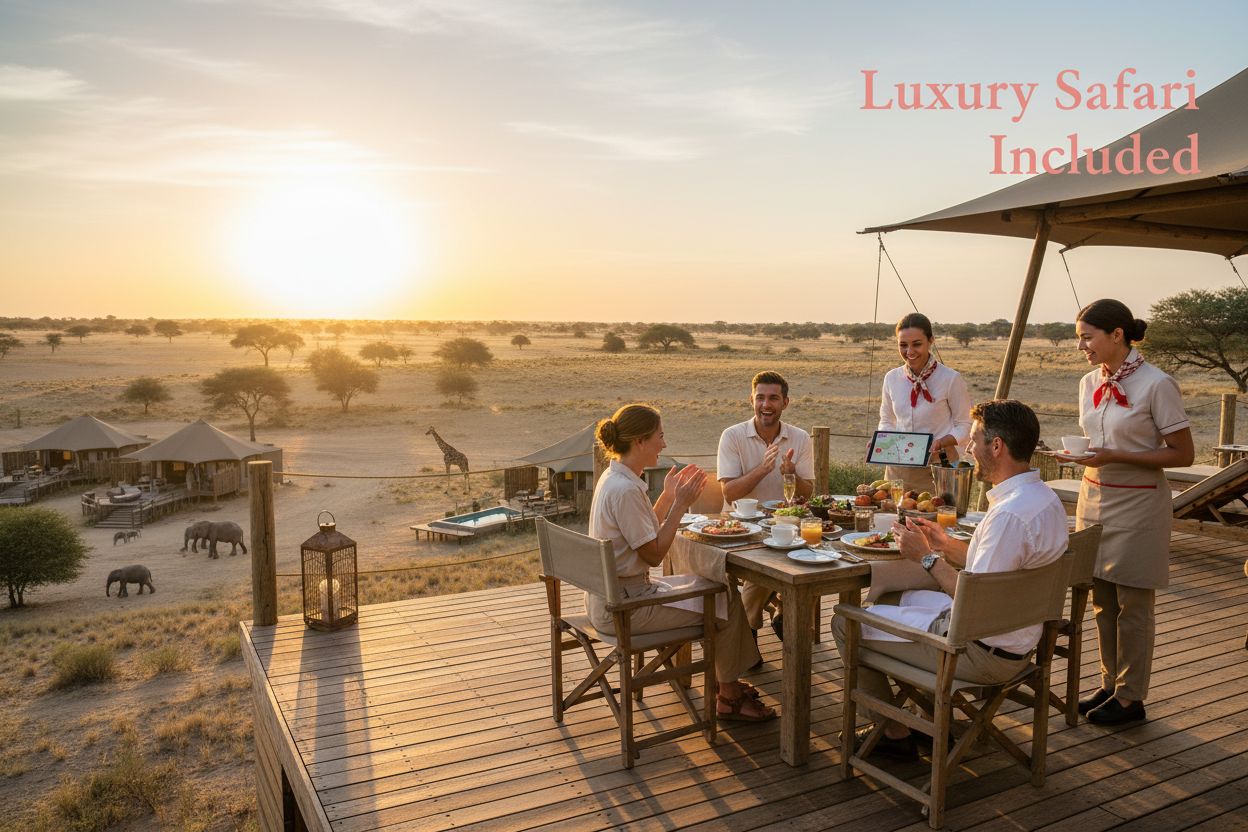
Oct 30, 2025
Understanding What is Included in Luxury Safaris
Explore what is included in luxury safaris, from exclusive accommodations to bespoke experiences that cater to discerning travelers.
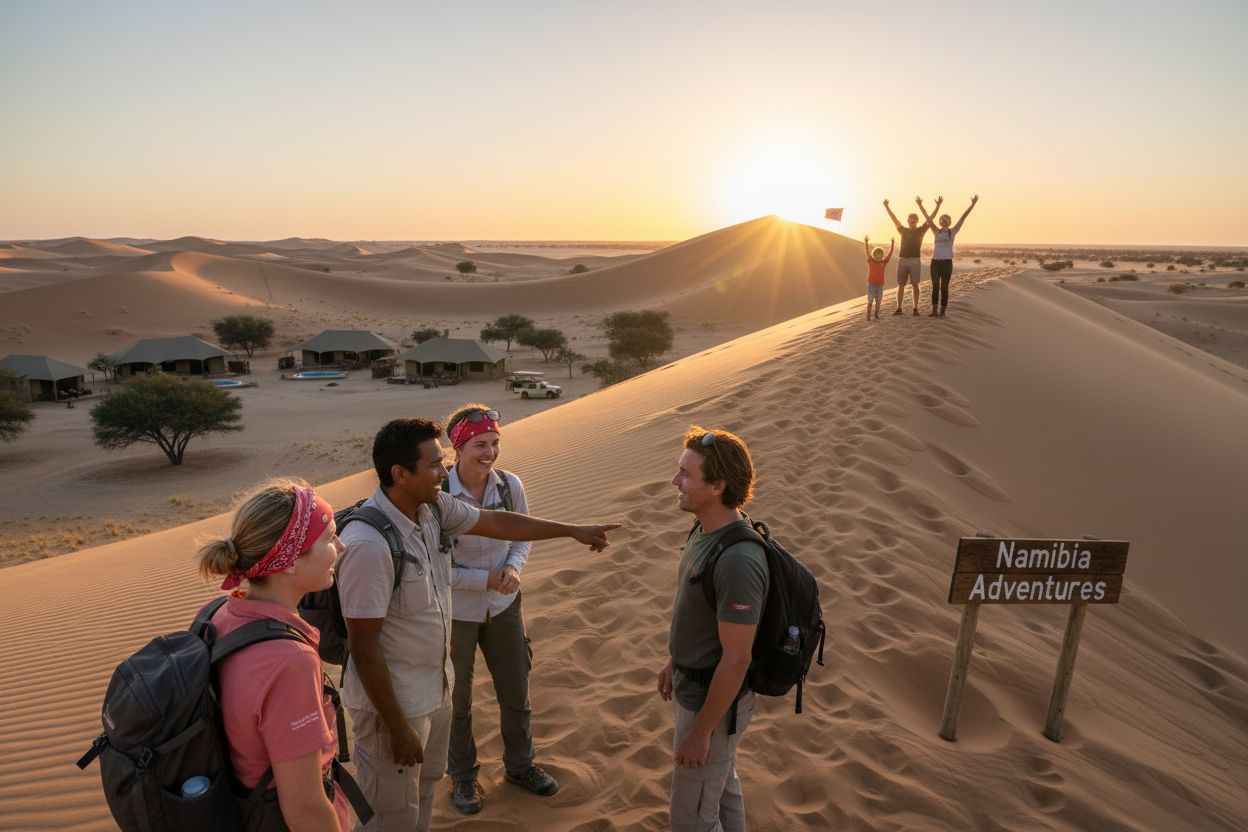
Feb 24, 2026
Why Namibia Adventures Matter: An In-Depth Look
Discover why Namibia adventures are essential for luxury travelers seeking unique, immersive experiences in nature and wildlife exploration.
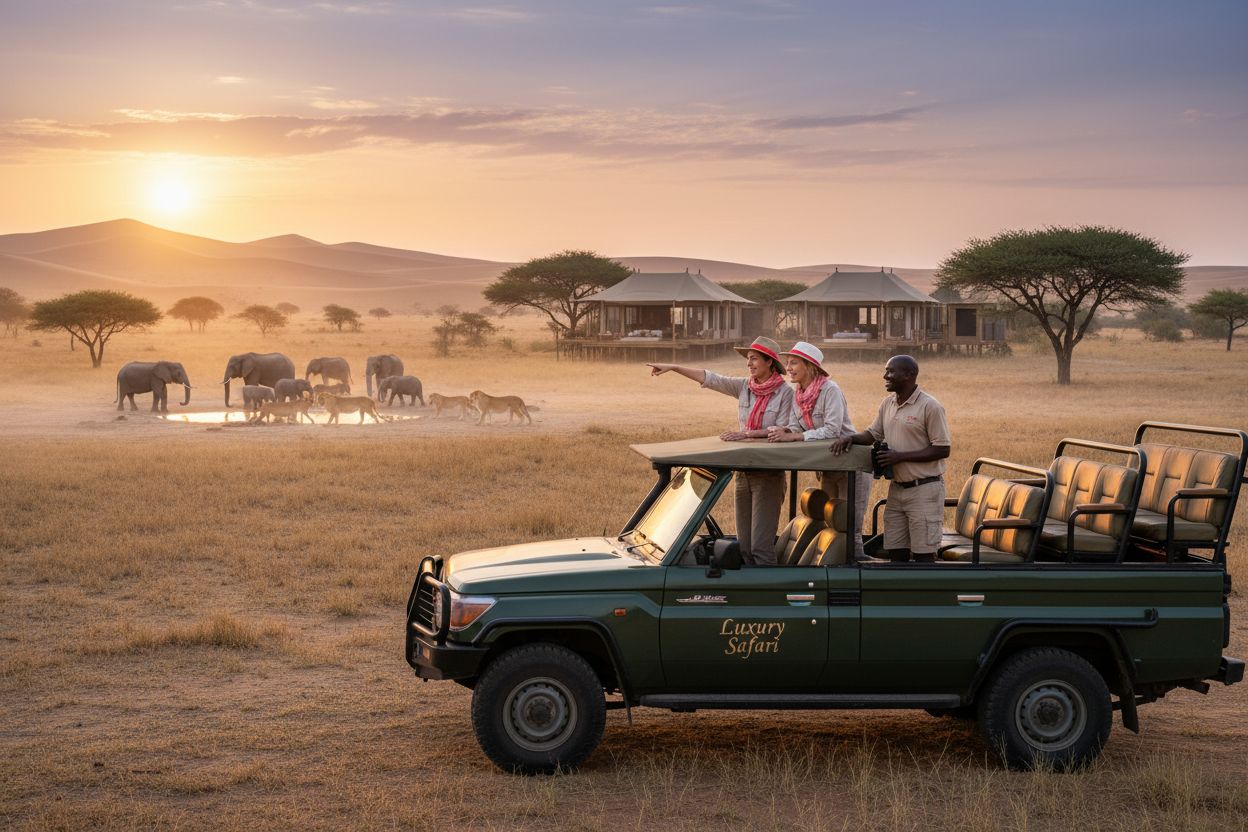
Feb 23, 2026
What to Expect on a Luxury Safari: A Comprehensive Guide
Discover what to expect on a luxury safari and gain a deeper understanding of the unique experiences that await you in the wild.
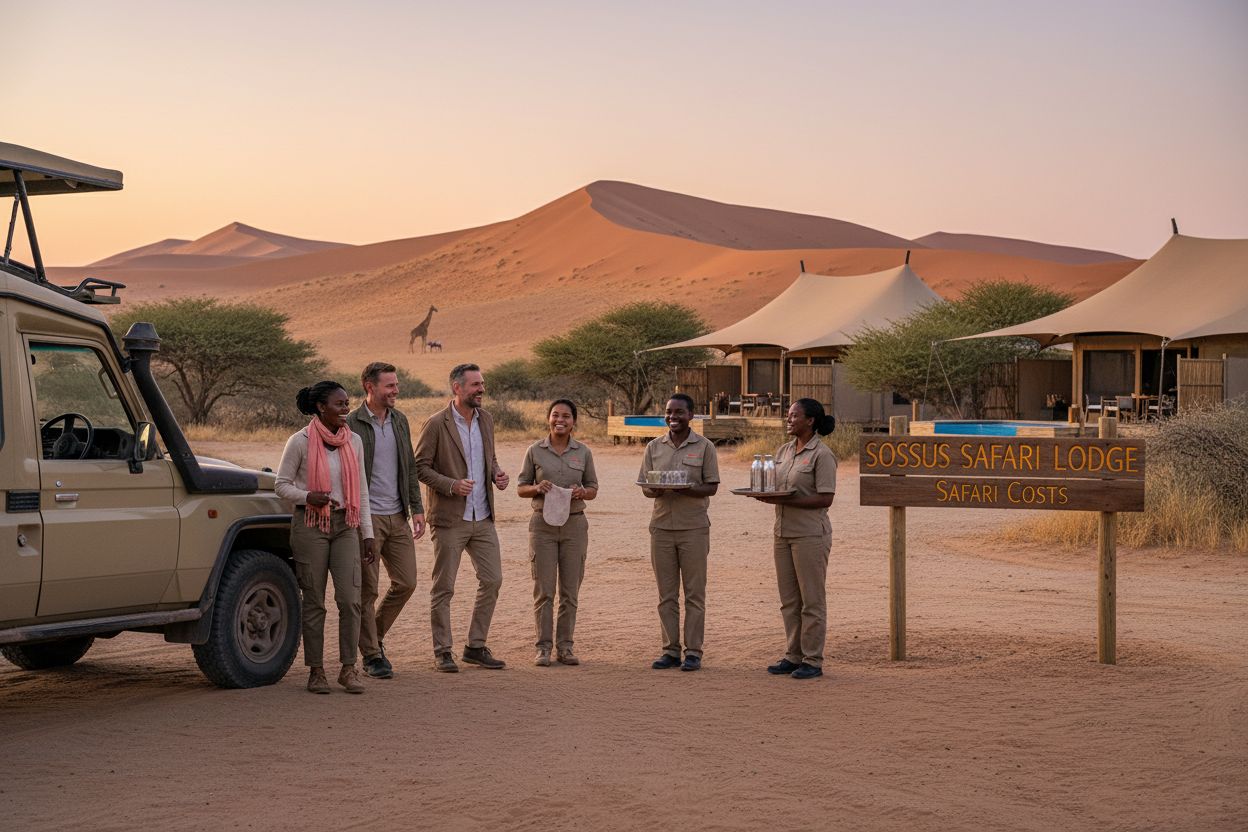
Feb 22, 2026
Understanding Namibia Safari Costs Explained
Explore Namibia safari costs explained to uncover what influences pricing and what it means for your adventure.
Feb 21, 2026
Understanding the Role of Safari Experts in Wildlife Travel
Explore the role of safari experts and gain a comprehensive understanding of how they enhance wildlife travel experiences for all types of travelers.
Feb 20, 2026
Guide organisation safari all inclusive : vivez l'aventure de vos rêves
Découvrez notre guide organisation safari all inclusive étape par étape pour planifier un voyage inoubliable au cœur de la nature.