
Feb 28, 2026
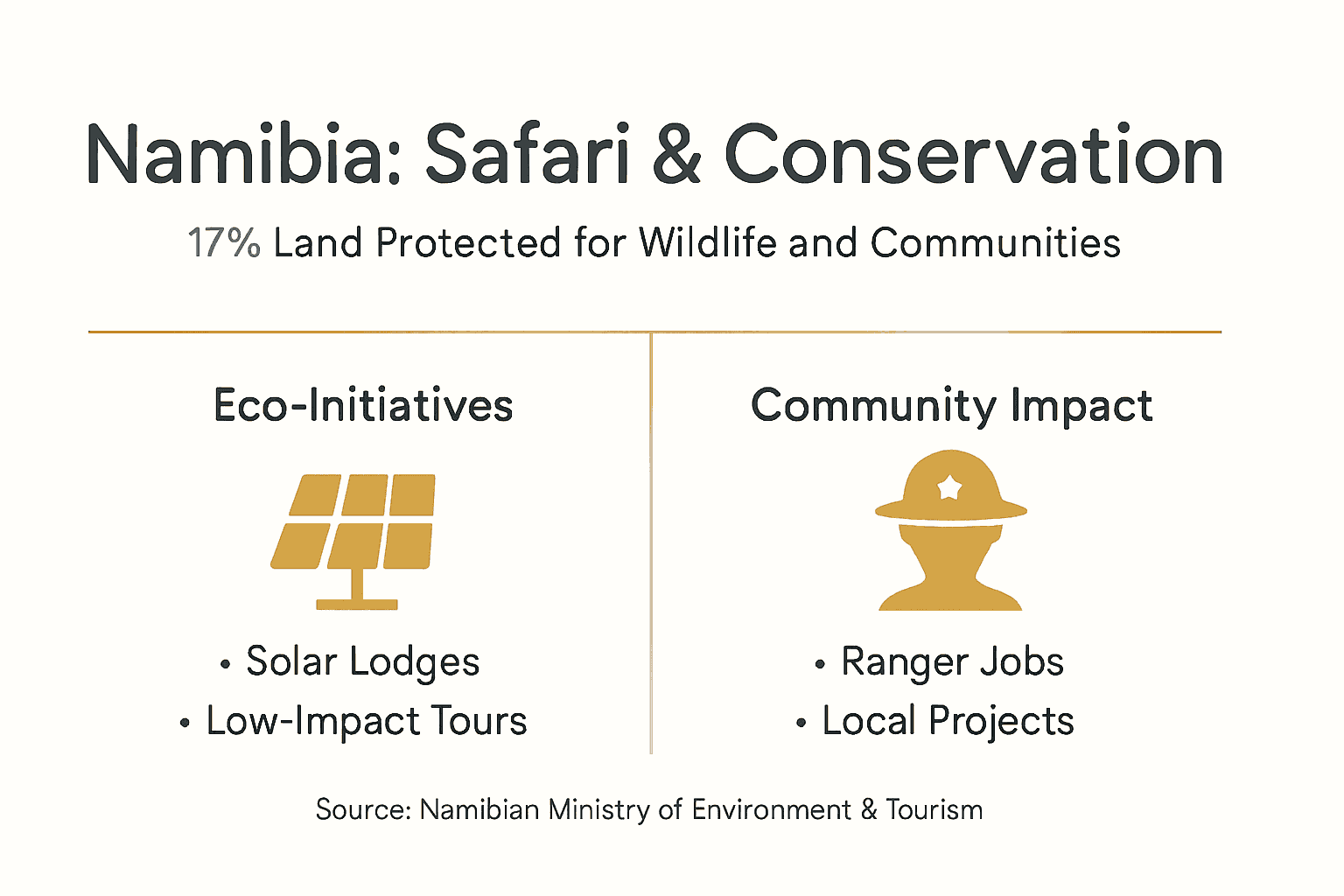
Discover how Namibia's 17% protected land enables luxury eco-safaris combining premium comfort with genuine conservation impact and community benefits.
Eco-Friendly Safari Explained: Namibia’s 17% Conservation
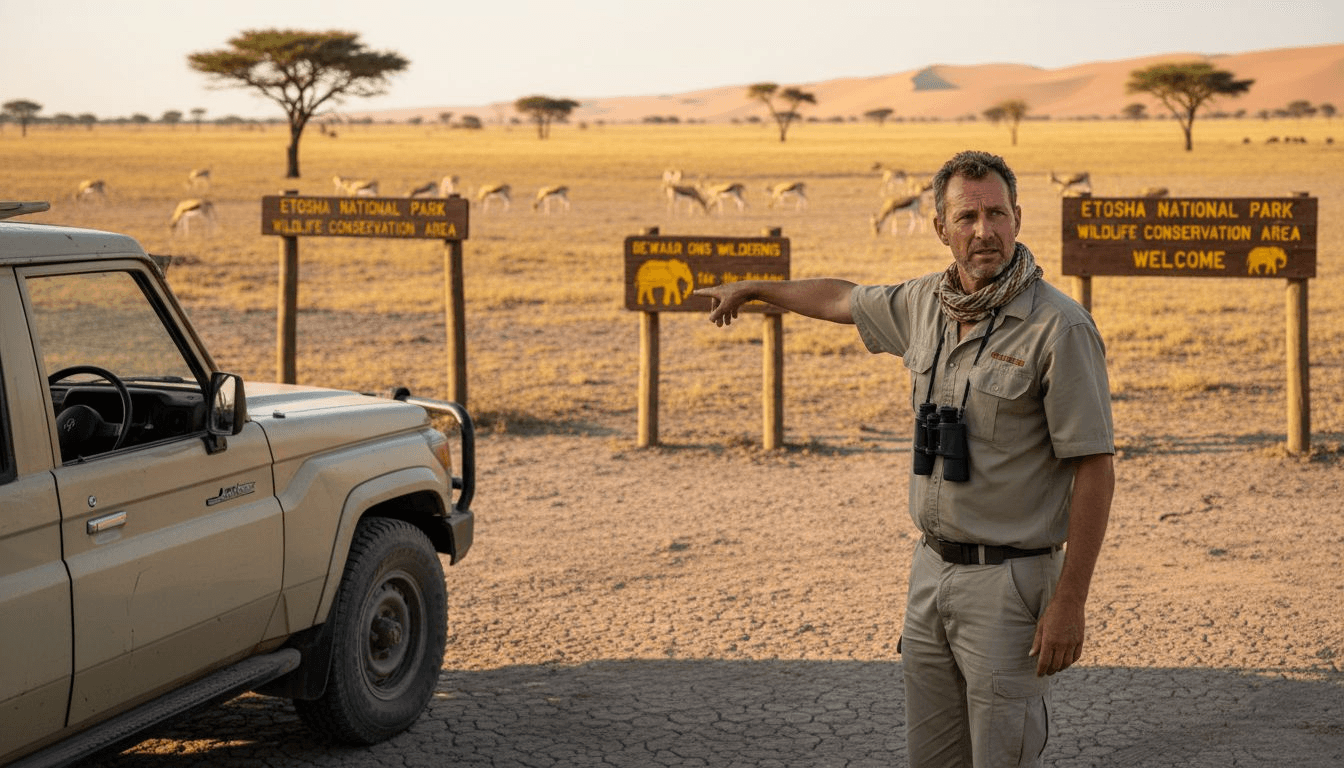
Think eco-friendly safaris mean sacrificing luxury? Namibia shatters that myth. This desert nation protects 17% of its land, exceeding global averages, while offering some of Africa’s most exclusive safari experiences. Here, solar-powered lodges with infinity pools overlook endless dunes, and conservation efforts fund black rhino protection. You can sleep under pristine night skies knowing your stay actively supports endangered wildlife. This guide reveals how Namibia’s eco-luxury safaris deliver premium comfort without environmental compromise.
Table of Contents
Namibia’s Eco-Friendly Safari Foundations
Conservation and Community Impact of Eco Safaris
Eco-Friendly Practices in Luxury Safari Lodges
Eco-Friendly Safari Activities and Experiences
Common Misconceptions About Eco-Friendly Safaris
Planning Your Eco-Friendly Luxury Safari in Namibia
Discover Your Perfect Eco-Friendly Luxury Safari in Namibia
Key Takeaways
Point | Details |
|---|---|
Conservation Leadership | Namibia protects 17% of land through parks and community conservancies, above the global 12.2% average. |
Sustainable Luxury Operations | Top lodges use solar power, water recycling, and carbon offset programs to minimize ecological footprints. |
Measurable Wildlife Impact | Community-based tourism has increased black rhino and desert elephant populations in conservancy areas. |
Low-Impact Experiences | Walking safaris, stargazing tours, and reduced vehicle use offer immersive wildlife encounters with minimal disturbance. |
Debunked Myths | Eco-friendly safaris provide world-class amenities, excellent wildlife viewing, and genuine conservation contributions. |
Namibia’s Eco-Friendly Safari Foundations
Namibia embedded environmental protection into its constitution after independence. This commitment translates to real numbers: 17% of land area protected through national parks and conservancies, surpassing the global protected area average of 12.2%. You’re not just visiting preserved wilderness. You’re experiencing a national ethos where conservation drives policy and tourism.
Community conservancies form the backbone of this system. Local populations govern wildlife management, land use, and tourism revenues directly. Over 80 registered conservancies cover approximately 20% of Namibia’s surface, giving rural communities economic incentives to protect rather than exploit natural resources. This model empowers people while safeguarding habitats.
The landscape itself demands respect and careful stewardship:
The Namib Desert, Earth’s oldest desert, hosts unique adapted species found nowhere else
Etosha National Park’s salt pans create dramatic wildlife congregation points during dry seasons
The Skeleton Coast’s harsh coastal desert supports desert lions and elephant populations
Fish River Canyon, Africa’s largest canyon, showcases geological timeframes requiring preservation
This constitutional and geographical foundation enables Namibia’s complete eco-luxury safari model. Conservation isn’t an add-on marketing feature. It’s the structural framework supporting your entire safari experience, from the protected lands you traverse to the communities managing your lodge.
Conservation and Community Impact of Eco Safaris
Your safari dollars create measurable conservation outcomes. Revenue from eco-tourism directly funds anti-poaching patrols, habitat restoration, and wildlife monitoring programs. In conservancy areas where tourism thrives, endangered species populations have notably increased. Black rhino numbers rose from near extinction to viable populations. Desert-adapted elephants now roam areas where they’d disappeared decades ago.
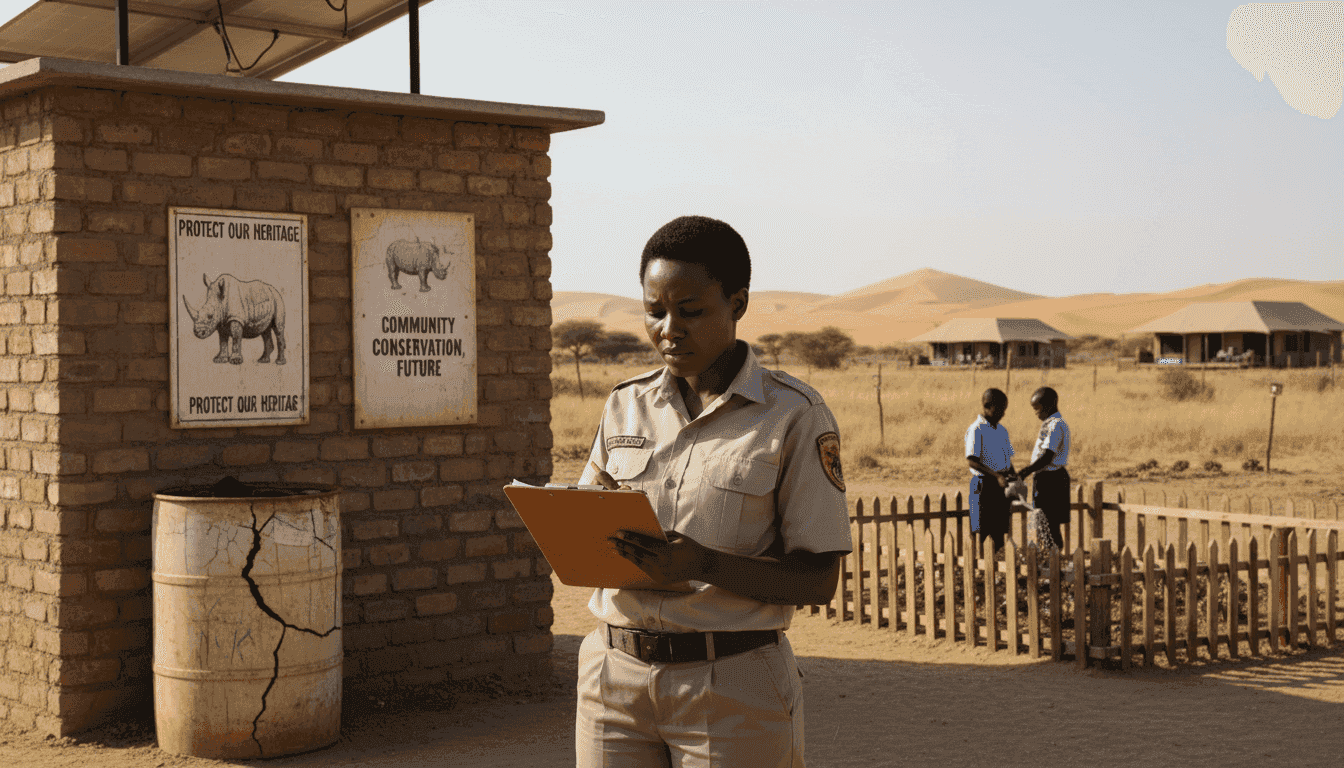
Community conservancies demonstrate how sustainable tourism transforms livelihoods. Local employment extends beyond lodge staff to include guides, trackers, conservationists, and artisans. Communities receive direct payments from tourism activities, creating income streams that rival or exceed traditional livestock farming. This economic shift makes wildlife protection personally valuable to those living alongside it.
The governance structure matters enormously. Community members elect conservancy committees, decide tourism partnerships, and allocate revenues. This isn’t tokenism. Communities hold real decision-making power over their natural resources and tourism development. When locals control benefits, they become the most effective guardians of wildlife and habitat.
Concrete results prove this model works:
Conservancies report reduced human-wildlife conflict through improved management strategies
School funding, healthcare facilities, and infrastructure improvements stem directly from tourism revenues
Youth employment in conservation reduces migration to urban areas, maintaining cultural continuity
Community-based conservation initiatives provide templates for sustainable development worldwide
Your choice of eco-friendly safari operators determines how effectively your travel investment supports these outcomes. Operators partnering with registered conservancies ensure revenues reach communities managing the land you explore.
Eco-Friendly Practices in Luxury Safari Lodges
Namibia’s luxury eco-lodges prove sustainability and comfort aren’t opposing concepts. These properties integrate renewable energy, water recycling, and carbon reduction without compromising the premium experience affluent travelers expect. Solar panels power air conditioning, hot water, and lighting across remote desert locations where grid electricity doesn’t exist. You enjoy modern amenities knowing they’re generated cleanly.
Water management becomes critical in desert environments. Advanced lodges employ grey water recycling systems that treat and reuse water for landscaping and non-potable purposes. Low-flow fixtures and guest education reduce consumption without affecting comfort. Some properties harvest rainwater during brief wet seasons, storing supplies in underground tanks. These systems operate invisibly, maintaining luxury standards while respecting water scarcity.
Carbon offset programs extend beyond lodge operations:
Tree planting initiatives in communal lands sequester emissions from guest flights and transfers
Investment in renewable energy projects supports grid-level clean power development
Support for anti-poaching units reduces habitat destruction from illegal activities
Waste reduction programs minimize landfill contributions and promote recycling
Transportation choices significantly impact your safari’s ecological footprint. Fly-in safaris using small aircraft concentrate emissions in short bursts rather than extended road journeys. Limited game drive vehicles reduce fuel consumption and wildlife disturbance. Some lodges restrict daily vehicle hours, encouraging walking safaris and stationary observation instead.
Pro Tip: Verify green certifications before booking. Look for Green Globe, EcoRooms, or similar third-party verified credentials. These certifications require regular audits and measurable sustainability performance, unlike self-declared eco-friendly claims.
The role eco-lodges play extends beyond operational practices. Many function as conservation research bases, hosting scientists studying desert ecology, wildlife behavior, and climate adaptation. Your stay subsidizes this research, contributing knowledge that informs broader conservation policy.
Eco-Friendly Safari Activities and Experiences
Low-impact activities deliver more intimate wildlife encounters than vehicle-bound alternatives. Walking safaris put you at ground level where animal tracks, scat, and vegetation tell stories vehicles rush past. Guides interpret ecosystem connections, showing how each species depends on specific plants, water sources, and prey populations. You smell the earth, hear bird calls without engine noise, and experience the desert’s texture underfoot.
Stargazing tours capitalize on Namibia’s minimal light pollution and crystalline desert air. The Milky Way stretches overhead with clarity rarely visible elsewhere on Earth. Astronomy guides explain constellations, planetary movements, and celestial navigation techniques animals use. These tours require no artificial lighting or infrastructure beyond blankets and telescopes, offering profound experiences with zero environmental cost.
Reduced vehicle usage benefits both wildlife and guests:
Animals exhibit natural behavior without constant vehicle presence altering their routines
Quieter environments let you hear ecosystem sounds typically masked by engines
Limited driving hours reduce fuel consumption and carbon emissions substantially
Walking and stationary observation develop patience and deeper environmental awareness
Photography-focused safaris emphasize ethical wildlife interaction. Guides position guests for optimal shots while maintaining respectful distances. You learn to anticipate animal behavior rather than chase or stress wildlife for photos. These eco-friendly safari activities teach observation skills that transform how you perceive natural environments.
Night drives in designated areas reveal nocturnal species invisible during daytime. Aardvarks, bat-eared foxes, and various owl species emerge after sunset. Red-filtered spotlights minimize disturbance to animal night vision while allowing clear observation. These drives occur on established tracks within concession areas, avoiding habitat damage from off-road driving.
Common Misconceptions About Eco-Friendly Safaris
Misconceptions about sustainable safaris prevent many travelers from choosing eco-friendly options. Let’s examine facts versus myths using Namibia’s actual eco-luxury offerings.
Myth 1: Eco-friendly means budget accommodations and basic experiences. Namibia’s luxury eco-lodges offer world-class amenities including infinity pools, gourmet cuisine, spa treatments, and private suites with panoramic desert views. Sustainability enhances rather than diminishes luxury through thoughtful design, superior locations, and exclusive access to pristine environments. Solar power runs the same air conditioning systems as grid electricity, but without fossil fuel dependence.
Myth 2: Conservation-focused areas limit wildlife viewing opportunities. The opposite proves true. Protected conservancies support higher wildlife densities than unmanaged areas. Anti-poaching efforts, habitat restoration, and water point management create ideal conditions for animal populations to thrive. You see more wildlife in conserved areas, not less. Desert elephants, lions, and rhinos concentrate where protection ensures their survival.
Myth 3: Eco-tours always cost significantly more with questionable benefits. Premium pricing in authentic eco-lodges funds measurable conservation outcomes. Your stay directly pays community conservancy fees, anti-poaching salaries, and habitat management costs. The benefits aren’t abstract; they’re documented through population studies, community income reports, and conservation program budgets. Compare this to conventional lodges where profits don’t circulate back to conservation or communities.
Aspect | Myth | Reality in Namibia |
|---|---|---|
Accommodation Quality | Basic facilities, limited amenities | Ultra-luxury lodges with premium amenities |
Wildlife Viewing | Restricted access, fewer sightings | Higher densities in protected conservancies |
Cost Structure | Expensive with unclear value | Premium pricing funds verified conservation |
Activity Options | Limited to passive observation | Diverse low-impact experiences available |
Certification | Self-declared claims | Third-party verified green certifications |
Pro Tip: Request detailed breakdowns of how your safari fees support conservation. Legitimate eco-operators provide transparent accounting of community payments, conservation fund allocations, and environmental program investments. Vague sustainability claims without specifics signal greenwashing.
Understanding these debunked myths empowers you to evaluate operators critically. Genuine eco-luxury safaris deliver superior experiences precisely because conservation creates conditions for thriving wildlife, pristine environments, and authentic cultural exchanges.
Planning Your Eco-Friendly Luxury Safari in Namibia
Selecting an authentic eco-luxury safari requires careful evaluation beyond marketing claims. Follow these steps to ensure your trip aligns with genuine sustainability principles while delivering the premium experience you expect.
Research protected areas and conservancy partnerships. Verify that lodges operate within or directly support registered community conservancies. Request specific conservancy names and partnership details. Check conservancy websites or government registries to confirm active status and community governance.
Verify sustainability certifications from independent auditors. Look for Green Globe, EcoRooms, or similar third-party verified credentials requiring regular performance audits. Avoid self-declared eco-friendly labels without external validation. Certification standards cover energy use, waste management, water conservation, and community engagement.
Evaluate transport options for minimal ecological impact. Compare fly-in safaris versus extended road transfers. Calculate total travel time and fuel consumption. Consider lodges accessible via short transfers from airstrips rather than multi-hour drives. Ask about vehicle efficiency standards and offset programs for unavoidable emissions.
Prioritize low-impact activity options in your itinerary. Request walking safaris, stargazing tours, and stationary observation opportunities. Limit high-emission activities like helicopter flights or extensive game drives. Choose eco-lodge options offering diverse experiences beyond vehicle-based viewing.
Investigate direct conservation contributions built into pricing. Ask operators to detail how much of your fee reaches conservation programs, community payments, and habitat management. Request documentation of past contributions or conservation project reports. Transparent operators willingly share this information.
Prepare to participate in carbon offset initiatives. Calculate your travel footprint including international flights. Research reputable offset programs supporting Namibian conservation or renewable energy projects. Some lodges integrate offsets into booking; others let you contribute separately to preferred initiatives.
Review eco-friendly safari benefits documentation. Examine how specific lodges measure and report their environmental performance. Look for published sustainability reports, energy consumption data, water use metrics, and waste diversion rates. Data transparency indicates serious commitment rather than superficial marketing.
Booking through operators with deep Namibian networks ensures access to genuinely sustainable properties. Established connections with conservancies, conservation organizations, and certified lodges separate authentic eco-tourism from greenwashed alternatives.
Discover Your Perfect Eco-Friendly Luxury Safari in Namibia
You’ve learned how Namibia’s conservation leadership creates exceptional eco-luxury safari opportunities. Now transform this knowledge into your personalized adventure. Expert safari planners craft tailored luxury experiences combining exclusive accommodations, verified sustainability practices, and authentic wildlife encounters. Each itinerary emphasizes ethical engagement with Namibia’s protected landscapes and communities.
Explore curated options showcasing luxury wildlife experiences in conservancy areas where your visit directly funds conservation. Detailed planning ensures every aspect meets both your comfort expectations and environmental values. Compare how luxury safaris differ from standard options in terms of sustainability commitments, community benefits, and conservation impact. Book confidently knowing your safari investment supports Namibia’s protected areas and the communities safeguarding them.
Frequently Asked Questions About Eco-Friendly Safaris in Namibia
What certifications guarantee a safari lodge’s eco-friendliness?
Green Globe and EcoRooms provide the most rigorous third-party verified certifications for Namibian lodges. These require annual audits covering energy use, water management, waste handling, and community engagement. ISO 14001 environmental management certification also indicates serious sustainability commitment. Avoid relying solely on self-declared eco-friendly claims without independent verification backing them.
How can I measure my safari’s actual conservation impact?
Request detailed breakdowns showing how much of your booking fee reaches conservation programs and community conservancies. Legitimate operators provide transparent accounting of anti-poaching funding, habitat restoration contributions, and community payments. Some conservancies publish annual reports documenting tourism revenue allocation and wildlife population trends. Ask for specific project names and measurable outcomes your visit supports.
Are fly-in safaris significantly more eco-friendly than self-drive options?
Fly-in safaris concentrate emissions in short flights but eliminate extended road journeys burning fuel over days. For remote desert lodges, small aircraft access produces lower total emissions than multi-day driving. However, self-drive trips in fuel-efficient vehicles staying at nearby lodges can match or beat flight footprints. Calculate total travel distance and fuel consumption for accurate comparison. Offset programs help neutralize either option’s impact.
What should honeymooners prioritize when choosing an eco-lodge?
Balance romance with verified sustainability credentials. Look for lodges offering private suites with exceptional views, exclusive dining experiences, and intimate wildlife encounters, all while maintaining Green Globe or similar certification. Prioritize properties within community conservancies so your honeymoon directly supports conservation. Walking safaris and stargazing create memorable shared experiences with minimal environmental impact. Request sustainability reports to confirm authentic commitment beyond marketing.
Can I participate directly in community conservation projects during my safari?
Many conservancies welcome guest participation in wildlife monitoring, tree planting, or community development projects. Arrange this during booking rather than assuming on-site availability. Some lodges partner with research programs where guests assist with data collection under scientist supervision. Community craft workshops and cultural exchanges provide direct economic benefits while enriching your experience. Verify that activities genuinely serve community needs rather than staged tourist performances.
Do eco-lodges compromise on comfort compared to conventional luxury properties?
Absolutely not. Namibia’s top eco-lodges match or exceed conventional luxury standards through superior design, locations, and service. Solar power runs the same amenities as grid electricity. Water recycling systems operate invisibly without affecting guest experience. Many eco-lodges occupy the most pristine, exclusive locations precisely because their sustainable practices minimize environmental disruption. You gain enhanced experiences through authentic wilderness access impossible for properties without conservation commitments.
Recommended
RELATED
Safari Guides
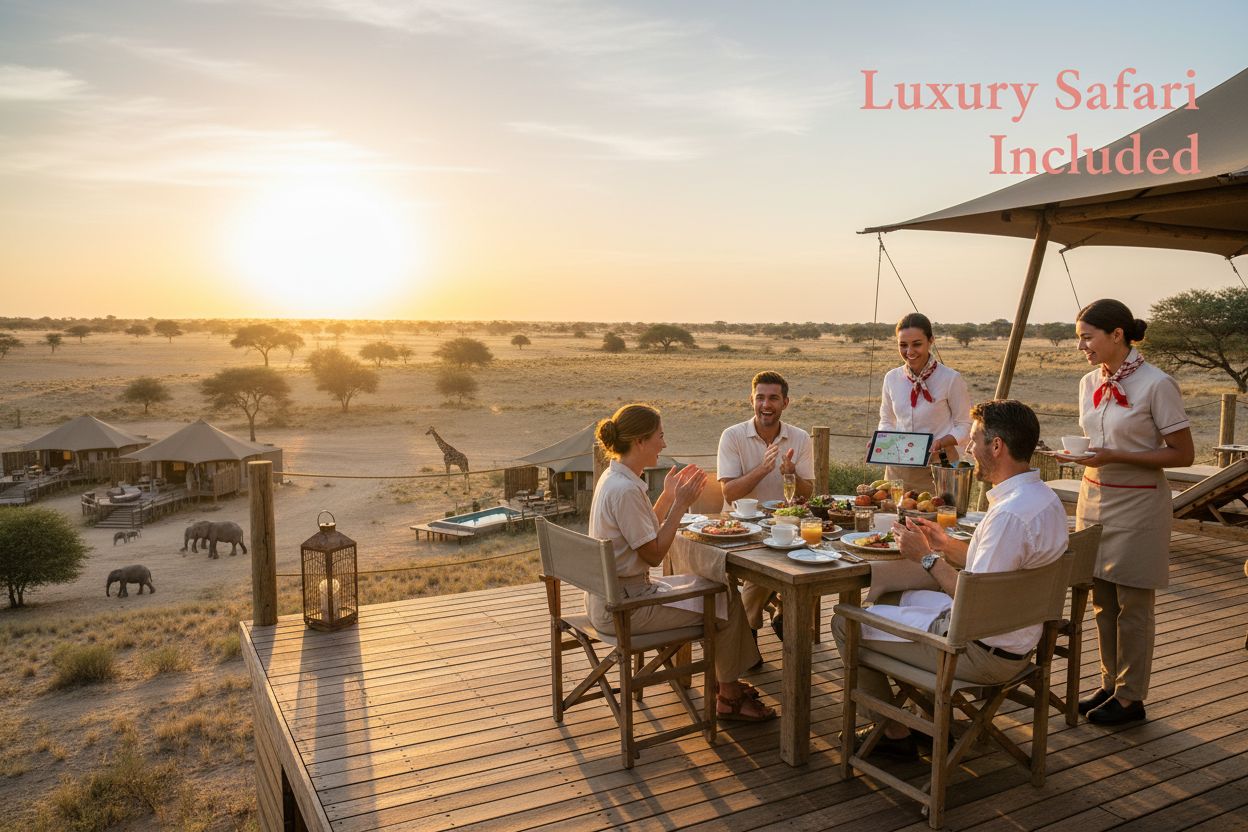
Oct 30, 2025
Understanding What is Included in Luxury Safaris
Explore what is included in luxury safaris, from exclusive accommodations to bespoke experiences that cater to discerning travelers.
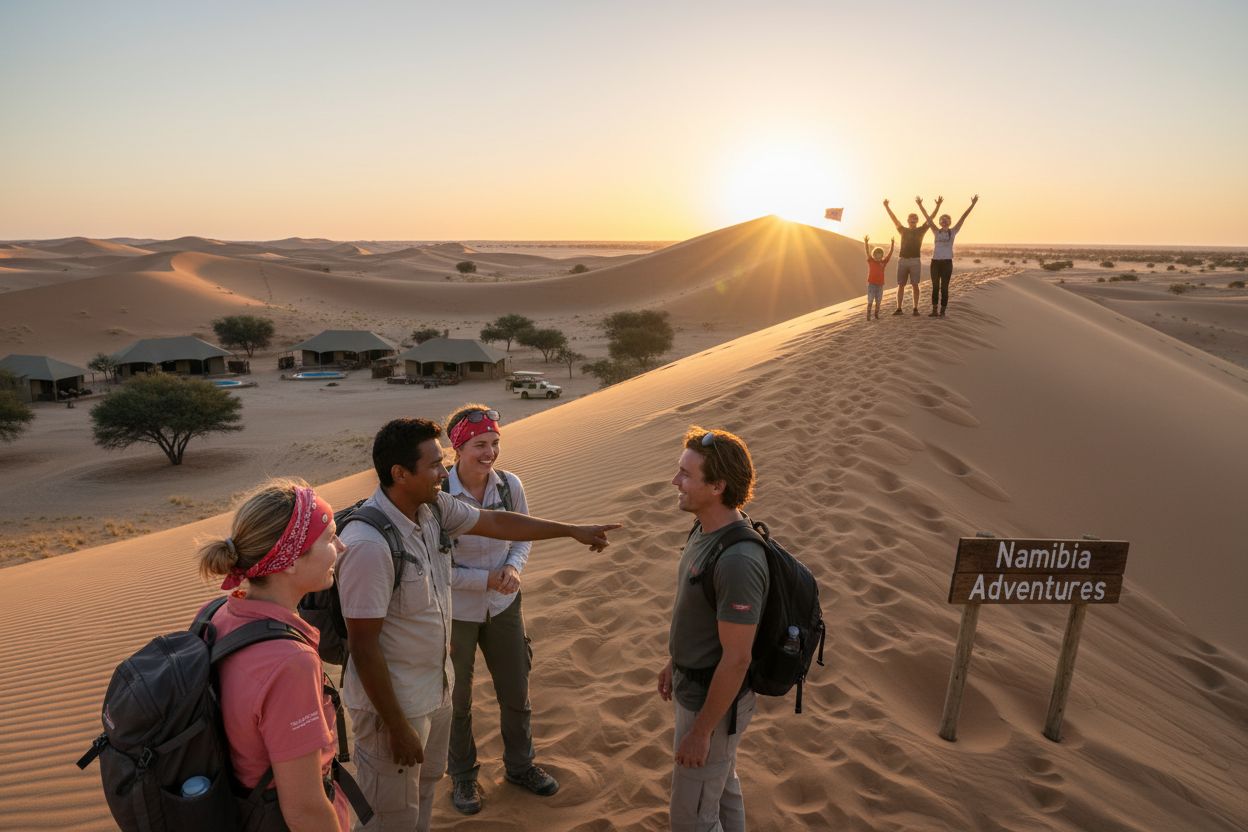
Feb 24, 2026
Why Namibia Adventures Matter: An In-Depth Look
Discover why Namibia adventures are essential for luxury travelers seeking unique, immersive experiences in nature and wildlife exploration.
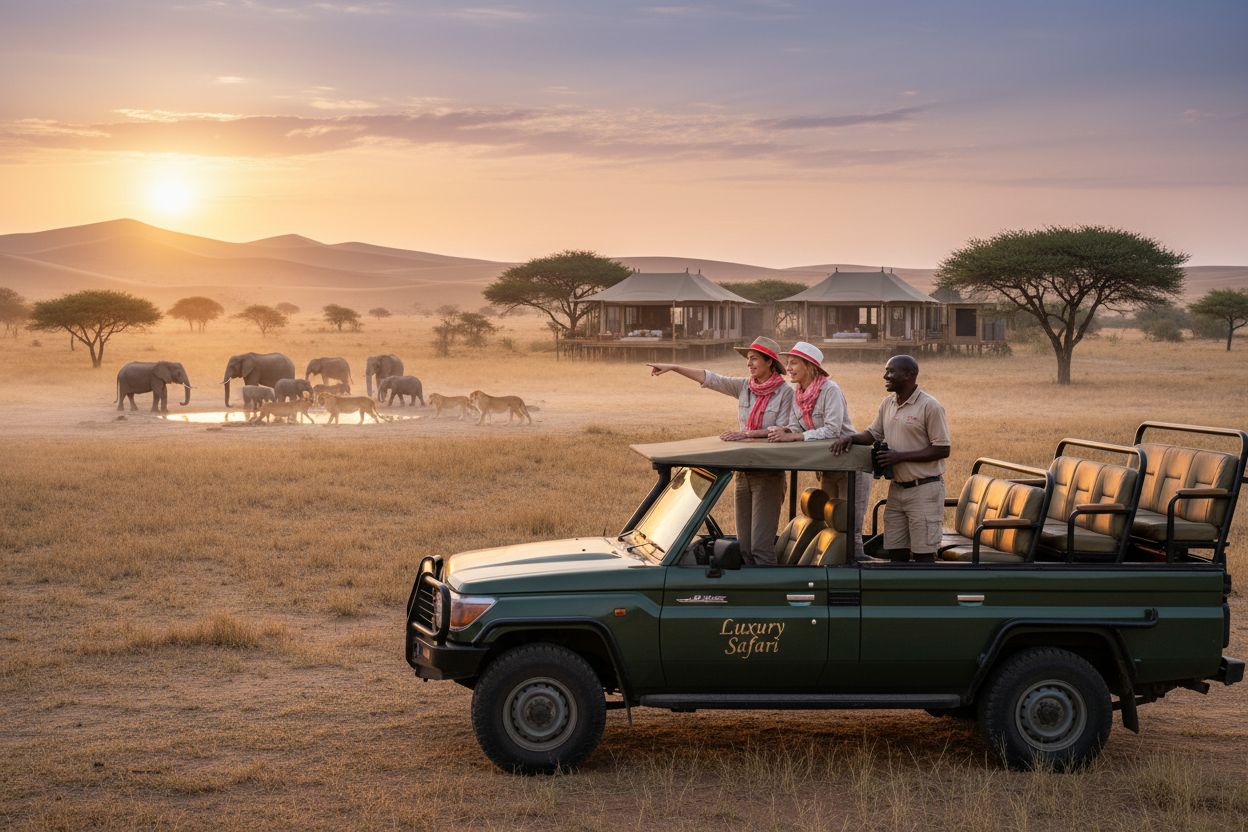
Feb 23, 2026
What to Expect on a Luxury Safari: A Comprehensive Guide
Discover what to expect on a luxury safari and gain a deeper understanding of the unique experiences that await you in the wild.
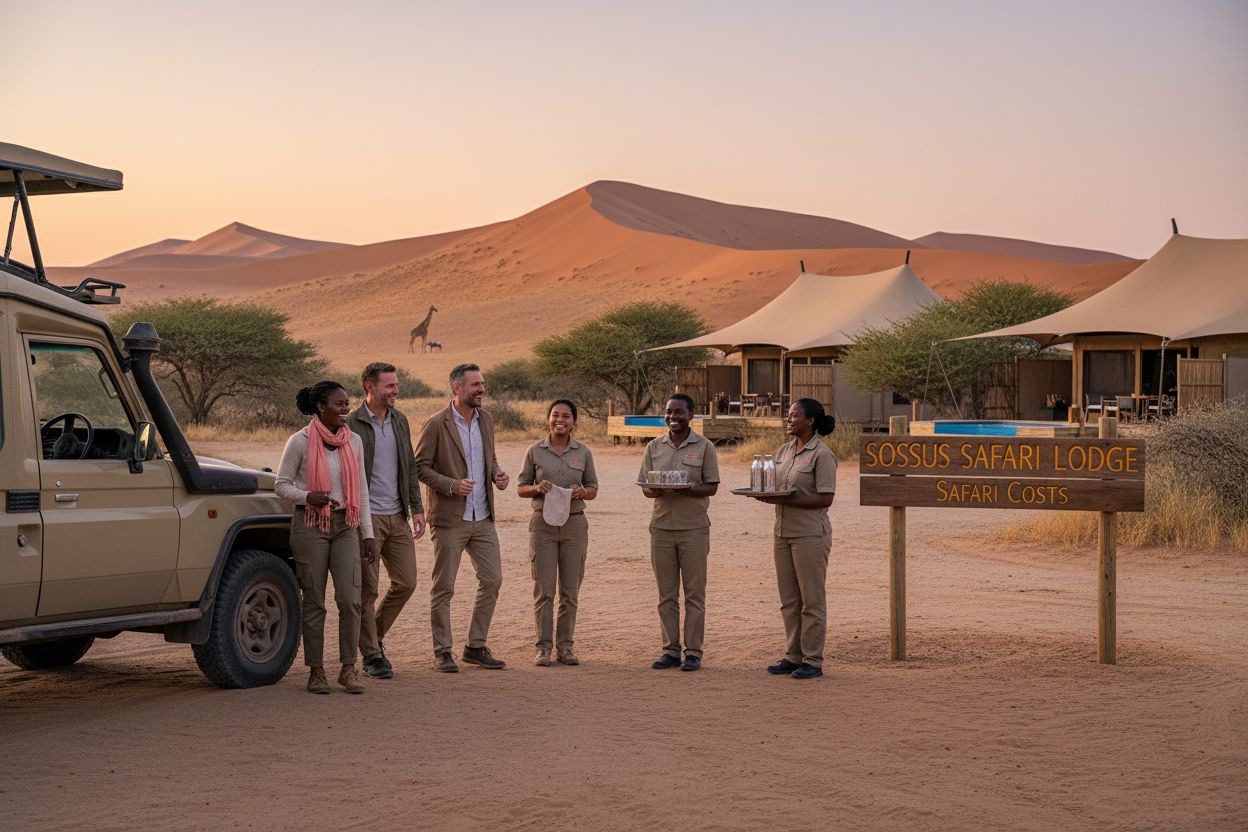
Feb 22, 2026
Understanding Namibia Safari Costs Explained
Explore Namibia safari costs explained to uncover what influences pricing and what it means for your adventure.
Feb 21, 2026
Understanding the Role of Safari Experts in Wildlife Travel
Explore the role of safari experts and gain a comprehensive understanding of how they enhance wildlife travel experiences for all types of travelers.
Feb 20, 2026
Guide organisation safari all inclusive : vivez l'aventure de vos rêves
Découvrez notre guide organisation safari all inclusive étape par étape pour planifier un voyage inoubliable au cœur de la nature.