
7 juil. 2025
Discover the ultimate Namibia travel checklist. Learn 8 expert tips to prepare for a luxury safari, adventure, or family holiday in Namibia and Southern Africa.
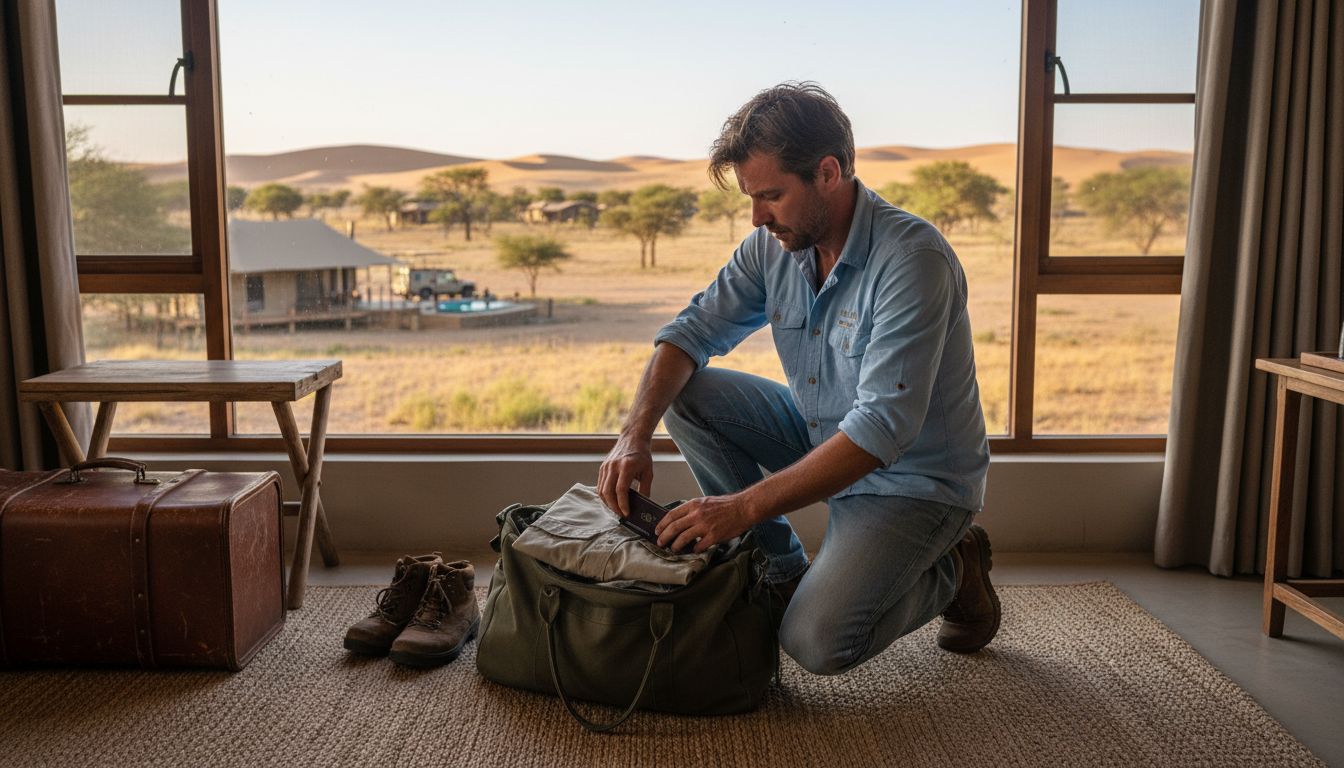
8 Essential Items for Your Namibia Travel Checklist
Every aspiring south-african explorer faces unique challenges when planning a trip to Namibia. As of April 2025, over 30 international nationalities, including British and Canadian passport holders, will be affected by new visa regulations, highlighting the importance of up-to-date travel preparation. Whether you are packing for Namibia’s arid deserts or arranging the right documentation, this guide reveals the latest requirements and essential tips for a smooth, memorable journey.
Table of Contents
1. Research Entry Requirements And Documents
2. Pack Versatile Clothing For Safari And Climate
3. Choose The Right Luggage For Namibian Terrain
4. Prepare Health Essentials And First Aid Kit
5. Plan Electronics And Power Adaptors
6. Include Key Travel Gear For Safari Activities
7. Arrange Local Currency And Payment Options
8. Add Emergency Contacts And Personal Details
Quick Summary
Takeaway | Explanation |
|---|---|
1. Obtain visa for entry | UK passport holders and citizens of affected countries need a visa to enter Namibia from April 2025. |
2. Pack adaptable clothing | Choose lightweight, breathable, and neutral-coloured clothing suitable for Namibia’s varying climates. |
3. Select durable luggage | Use soft-sided duffel bags or wheeled backpacks that are rugged and suitable for Namibian terrains. |
4. Prepare a first aid kit | Include essential medications, antiseptics, and personal prescriptions to ensure health safety during travels. |
5. Keep emergency contacts handy | Document critical emergency numbers and personal information for quick access in unfamiliar situations. |
1. Research Entry Requirements and Documents
Preparing for your Namibian adventure begins with understanding the critical entry requirements that will ensure a smooth and hassle-free journey. With recent changes in immigration policies, it is essential to stay informed about the latest visa regulations and documentation needed for entering this remarkable Southern African destination.
As of 1 April 2025, significant updates are coming for international travellers. If you are a UK passport holder or from one of the 33 affected countries, you will now require a visa to enter Namibia. The good news is that the Namibian authorities have introduced a convenient visa on arrival scheme that provides multiple options for obtaining your travel authorisation.
Visa Fee Structure
Travelers over 11 years: 1,600 Namibian dollars
Children between 6 and 11 years: 800 Namibian dollars
Children under 6 years: Exempt from visa fees
Key Documentation Recommendations
Valid passport with at least six months remaining before expiration
Proof of return or onward travel ticket
Sufficient funds to support your stay
Travel insurance documents
Completed visa application form
For African Union member states, there is a slightly reduced visa fee of 1,200 Namibian dollars, reflecting the government’s commitment to regional diplomatic relations. The multiple entry visa allows flexibility for your travel plans, granting you the opportunity to explore Namibia’s stunning landscapes and rich cultural heritage.
To ensure a stress-free entry, we recommend applying for your e-visa online before travel or preparing the necessary documentation for a visa on arrival. By planning ahead and understanding these requirements, you will set the stage for an unforgettable Namibian safari experience.
2. Pack Versatile Clothing for Safari and Climate
Navigating Namibia’s diverse climate requires strategic packing that balances comfort, practicality, and environmental adaptation. Your clothing choices can significantly impact your travel experience across this remarkable landscape of contrasting terrains and temperatures.
Travellers must prepare for Namibia’s varied climate zones ranging from arid desert regions to semi-arid central plateaus. The key is layering lightweight, breathable garments that can transition seamlessly from scorching daytime heat to cooler evening temperatures.
Essential Clothing Strategies
Colour Selection: Choose neutral tones like khaki, beige, and olive green
Fabric Choices: Lightweight, quick-drying materials such as cotton and moisture-wicking synthetics
Layering Pieces: Lightweight long-sleeved shirts, convertible trousers, light jacket
Protection Essentials
Wide-brimmed hat for sun protection
High-quality polarised sunglasses
High-SPF sunscreen
Comfortable walking shoes or hiking boots
Neutral colours serve a dual purpose in Namibia. They not only help you blend into the natural environment but also minimise attracting insects during outdoor adventures. Opt for loose fitting garments that provide ventilation and protect against intense sunlight.
A practical safari wardrobe might include convertible trousers that transform into shorts, long-sleeved shirts with roll-up sleeves, and a light waterproof jacket for unexpected weather changes. Remember that comfort and functionality trump fashion when exploring Namibia’s rugged landscapes.
Pro tip: Pack clothing items that can be easily washed and dried quickly, reducing the amount of luggage you need to carry. This approach ensures you remain comfortable while maintaining a practical travel wardrobe perfectly suited to Namibia’s dynamic environment.
3. Choose the Right Luggage for Namibian Terrain
Selecting appropriate luggage for a Namibian adventure is far more than a simple packing decision it is a strategic choice that can make or break your travel experience across this rugged and diverse landscape. Your luggage must withstand challenging terrains while providing practical organisation and mobility.
When planning your Namibian safari adventure, consider luggage that combines durability with intelligent design. Soft sided duffel bags or wheeled backpacks work exceptionally well for safari travel, offering flexibility across uneven surfaces and compact storage in safari vehicles.
Key Luggage Selection Criteria
Durability: Rugged construction with reinforced base and corners
Weight: Lightweight materials to minimise airline baggage charges
Versatility: Convertible designs that adapt to different travel scenarios
Water Resistance: Protective outer layer to shield contents from dust and occasional moisture
Recommended Luggage Types
Soft sided duffel bags with robust wheels
Hybrid backpack duffel designs
Lightweight hardshell cases with protective features
Compact roller bags with all terrain wheels
Prioritise luggage with multiple compartments that allow strategic packing. Separate sections for electronics, clothing, and safari essentials help maintain organisation during your journey. Waterproof and dustproof elements are crucial given Namibia vast desert and rocky landscapes.
Consider investing in high quality travel bags specifically designed for adventure destinations. Look for features like lockable zippers, integrated compression straps, and materials resistant to abrasion. Your luggage is not just a container it is your mobile storage system throughout an extraordinary Namibian expedition.
4. Prepare Health Essentials and First Aid Kit
A well-prepared traveller to Namibia understands that health preparedness is not just a recommendation it is a critical component of ensuring a safe and enjoyable adventure. Remote landscapes and diverse environments demand strategic medical planning to protect your wellbeing throughout your journey.
Comprehensive health preparation begins with consulting your healthcare provider about specific vaccination requirements and potential health risks unique to Namibia. Understanding the medical landscape before departure can prevent potential complications during your travels.
Essential Vaccination Recommendations
Hepatitis A
Hepatitis B
Typhoid
Rabies (depending on planned activities)
Routine immunisation updates
First Aid Kit Essentials
Antiseptic wipes and solution
Sterile bandages and gauze
Adhesive plasters in various sizes
Tweezers and small scissors
Pain relief medication
Antihistamines
Rehydration salts
Personal prescription medications
High SPF sunscreen
Insect repellent
Critical Health Considerations
Malaria prophylaxis for specific regions
Extra prescription medication supply
Copies of important medical documents
Travel health insurance documentation
Special attention should be given to malaria prevention, particularly during the rainy season. Consult with a travel health specialist about appropriate antimalarial medication and preventative strategies. Pack sufficient quantities of any personal prescription medications, ensuring they are clearly labelled and accompanied by a doctor prescription.
Remote areas of Namibia may have limited medical facilities, making personal preparedness paramount. Your carefully assembled first aid kit is not just a collection of supplies it is your primary line of defence against potential health challenges in unfamiliar terrain.
5. Plan Electronics and Power Adaptors
Navigating the electrical landscape of Namibia requires thoughtful preparation to ensure your electronic devices remain charged and functional throughout your adventure. Understanding the local power infrastructure is crucial for maintaining connectivity in this remarkable destination.
Namibia operates on a specific electrical standard that differs from many international systems. The country uses Type D and M power sockets with a standard voltage of 220V and a frequency of 50Hz, which means travellers from regions with alternative electrical systems must plan accordingly.
Essential Electrical Preparation
Universal Travel Adaptor: Comprehensive plug compatibility
Portable Power Bank
Voltage Converter (if required)
Spare Battery Packs
Multiple Device Charging Cable
Power Strategy Recommendations
Confirm voltage requirements for personal electronics
Invest in a high capacity universal adaptor
Carry backup charging solutions
Protect sensitive electronics from dust and temperature variations
Consider solar charging options for extended safari experiences
Remote safari locations often have limited electrical access, making portable power solutions essential. A robust power bank with sufficient capacity can be a trip saver during extended game drives or overnight camping experiences. Prioritise devices with multiple charging ports and rapid charging capabilities to maximise your preparedness.
Smart travellers will test their adaptors and charging equipment before departure, ensuring compatibility and functionality. Your electronic preparedness will help you capture remarkable moments, navigate unfamiliar terrain, and stay connected during your Namibian expedition.
6. Include Key Travel Gear for Safari Activities
A well-equipped traveller transforms an ordinary safari into an extraordinary adventure, capturing memories and staying prepared for Namibia’s unpredictable wilderness. Your gear becomes your lifeline in environments where preparedness can make the difference between discomfort and unforgettable experiences.
Safari gear selection requires strategic thinking beyond basic packing about functionality, protection, and versatility across diverse terrains.
Essential Safari Equipment
High Quality Binoculars
Professional or Robust Compact Camera
Multiple Camera Batteries and Memory Cards
Waterproof Dry Bag
Headlamp or Powerful Flashlight
Reusable Water Bottle with Filtration
Protective Gear Recommendations
Lightweight Waterproof Jacket
Wide Brimmed Hat
Dust Proof Electronics Covers
Compact First Aid Kit
Microfibre Quick Dry Towel
Lightweight Multipurpose Gloves
Photography and Documentation
Choose camera equipment that balances quality and portability. A mirrorless camera with versatile zoom lens offers exceptional wildlife photography potential without overwhelming weight. Protect your gear with dustproof and moisture resistant covers specifically designed for harsh safari environments.
Multiple spare batteries and high capacity memory cards ensure you never miss capturing those magnificent moments of African wildlife. Your gear is more than equipment it is your passport to preserving incredible memories of Namibia’s stunning landscapes and extraordinary wildlife encounters.
7. Arrange Local Currency and Payment Options
Navigating financial preparations for your Namibian adventure requires strategic planning and understanding of the local monetary landscape. Your ability to manage money effectively can significantly impact the smoothness and enjoyment of your travel experience.
Namibia offers a unique currency environment where multiple payment methods coexist, providing travellers with flexible financial options. The Namibian dollar is the official currency, but the South African rand circulates equally, creating an interesting monetary ecosystem.
Currency Essentials
Official Currency: Namibian Dollar (NAD)
Interchangeable Currency: South African Rand (ZAR)
Recommended Currency Ratio: 50% cash 50% card
Payment Strategy Recommendations
Inform your bank about international travel
Carry multiple payment methods
Bring credit cards with no foreign transaction fees
Withdraw larger amounts to minimise ATM charges
Keep emergency cash in small denominations
Financial Preparedness Checklist
International Credit Cards
Visa and Mastercard preferred
Notify bank of travel dates
Carry approximate 3000 NAD in cash
Small denominations for rural areas
Backup credit card in separate location
Urban centres like Windhoek and Swakopmund offer reliable ATM services and widespread credit card acceptance. However rural regions demand a more cash oriented approach. Smart travellers balance digital and physical currency to ensure seamless transactions across diverse Namibian landscapes.
Remember that while credit cards provide convenience electronic payment infrastructure varies considerably between metropolitan and remote regions. Your financial flexibility will determine the ease of your Namibian exploration.
8. Add Emergency Contacts and Personal Details
Preparing for unexpected scenarios is not about anticipating disaster but about ensuring your safety and peace of mind during international travel. A comprehensive emergency preparedness strategy can transform potential challenges into manageable situations.
Effective emergency documentation requires strategic planning that balances accessibility with personal security.
Emergency Contact Documentation
Local Embassy Contact Details
Namibian Emergency Services Numbers
Personal Emergency Contact List
Travel Insurance Provider Information
Family or Next of Kin Contacts
Critical Personal Information to Document
Full Name and Passport Details
Blood Type
Existing Medical Conditions
Current Medication Requirements
Significant Allergies
Medical Insurance Policy Number
Storage and Accessibility Strategy
Physical Copy in Waterproof Document Holder
Digital Copies Stored in Secure Cloud Service
Encrypted Digital Backup on Password Protected Device
Copies Shared with Trusted Family Member
Emergency Information Card in Wallet
Consider creating a comprehensive emergency information card approximately the size of a credit card. This document should include critical medical information, emergency contact numbers, and essential personal details. Store physical and digital copies in multiple secure locations to ensure quick access during unexpected situations.
Remember that preparation transforms potential travel uncertainties into manageable experiences. Your meticulously documented emergency information becomes your lifeline in unfamiliar territories.
Below is a comprehensive table summarising the key strategies and preparations for travelling to Namibia.
Topic | Details | Key Recommendations |
|---|---|---|
Entry Requirements | As of 1 April 2025, travellers from the UK and 33 other countries need a visa. | Apply for an e-visa or prepare for a visa on arrival. Ensure your passport is valid for at least six months. |
Clothing | Namibia’s climate requires versatile clothing suited for varying temperatures. | Pack lightweight, breathable fabrics in neutral tones, suitable for layering. |
Luggage | Choosing appropriate luggage is crucial due to Namibia’s rugged terrain. | Opt for durable, water-resistant bags such as wheeled backpacks or duffel bags with multiple compartments. |
Health | Preparing a health and first aid kit is critical due to limited medical facilities. | Consult a healthcare provider for vaccinations and pack a comprehensive first aid kit. Consider malaria prophylaxis. |
Electronics | Namibia uses Type D and M sockets with 220V voltage. | Bring a universal travel adaptor and portable power bank to keep devices charged. |
Safari Gear | Having the right gear can enhance the safari experience. | Include binoculars, a robust camera, and protective gear like a hat and a jacket. |
Financial Preparation | Both the Namibian dollar and South African rand are accepted. | Inform your bank of travel plans, carry a mix of cash and cards, and avoid ATM fees by withdrawing larger amounts. |
Emergency Contacts | Essential for ensuring safety and quick response in emergencies. | Keep a list of emergency contacts and personal details in both physical and digital formats. |
Prepare Perfectly for Your Namibia Safari Adventure
Packing the right essentials for Namibia is just the start of your unforgettable safari experience. This article highlights common traveller challenges like navigating entry requirements, choosing versatile clothing, and organising key travel gear. At Secret Namibia we understand these pain points and offer personalised safari planning that takes the stress away and ensures you are perfectly equipped for the diverse Namibian terrain and climate.
Imagine having expert guidance on your side that covers everything from visa advice to health preparation and luggage recommendations. We craft bespoke itineraries including luxury and family safaris tailored to your preferences. Whether you seek the wilderness of Etosha National Park or the majestic Namib Desert our support helps you focus on what matters most your incredible journey.
Start your hassle-free Namibian adventure today by exploring our exclusive safari collections at Secret Namibia. Discover specially designed trips that address every checklist item discussed here and book your dream safari with confidence. Visit our custom itinerary service and take the first step towards an authentic, expertly planned African safari.
Frequently Asked Questions
What essential documents do I need for my Namibia travel checklist?
You will need a valid passport with at least six months remaining, proof of return or onward travel, and a completed visa application form if applicable. Gather these documents before your trip to ensure a smooth entry into Namibia.
How should I pack clothing for my trip to Namibia?
Pack versatile, lightweight clothing suitable for varying temperatures and environments. Focus on layering options like long-sleeved shirts and convertible trousers to accommodate hot days and cooler evenings in the Namibian climate.
What health precautions should I take before travelling to Namibia?
Ensure you have the recommended vaccinations and carry a well-stocked first aid kit that includes essentials like antiseptic wipes, pain relief medication, and personal prescription medications. Consult with your healthcare provider about any specific health risks to address before your trip.
What type of luggage is best for a Namibian safari?
Opt for soft-sided duffel bags or wheeled backpacks, which are easy to transport over rugged terrain. Look for bags that are durable, lightweight, and water-resistant to protect your belongings during your adventure.
How can I prepare my electronics for travel in Namibia?
Bring a universal travel adaptor compatible with Type D and M power sockets, along with backup charging solutions like portable power banks. Check the voltage requirements of your devices to avoid damage while ensuring they remain functional throughout your trip.
What financial preparations should I make before visiting Namibia?
Carry a mix of cash and cards, with approximately 3000 Namibian dollars in cash for expenses in rural areas. Notify your bank of your travel plans and consider bringing a backup card stored separately for emergencies.
Recommended
LIÉ
Guides Safari
30 oct. 2025
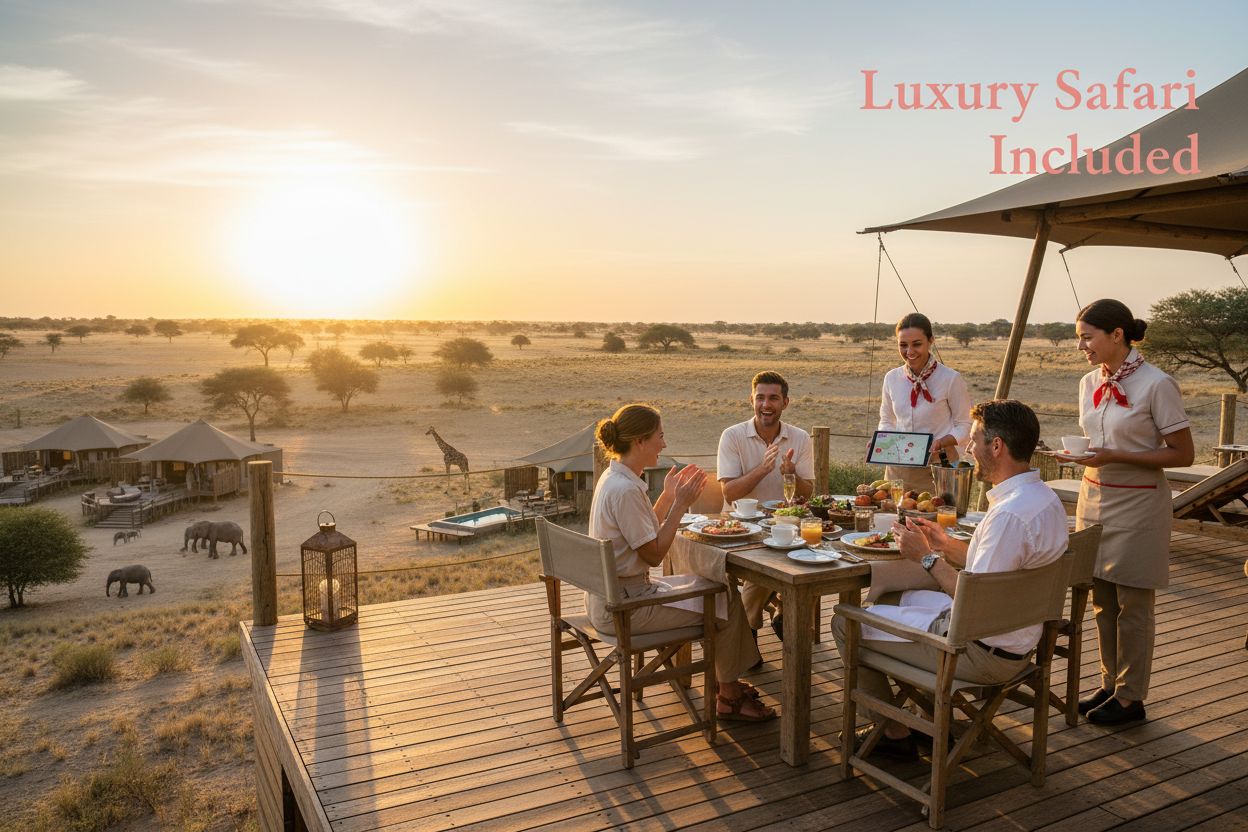
Understanding What is Included in Luxury Safaris
Explore what is included in luxury safaris, from exclusive accommodations to bespoke experiences that cater to discerning travelers.
24 févr. 2026
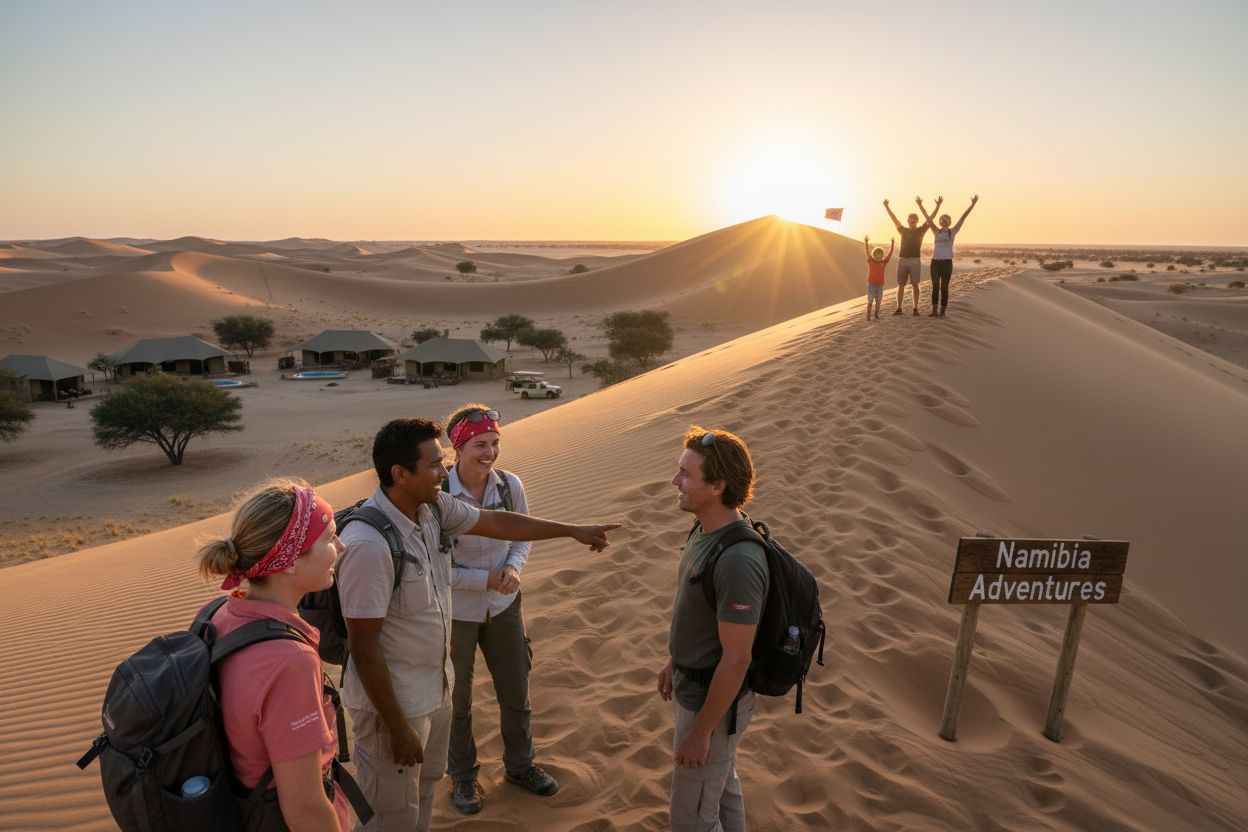
Why Namibia Adventures Matter: An In-Depth Look
Discover why Namibia adventures are essential for luxury travelers seeking unique, immersive experiences in nature and wildlife exploration.
23 févr. 2026
What to Expect on a Luxury Safari: A Comprehensive Guide
Discover what to expect on a luxury safari and gain a deeper understanding of the unique experiences that await you in the wild.
22 févr. 2026
Understanding Namibia Safari Costs Explained
Explore Namibia safari costs explained to uncover what influences pricing and what it means for your adventure.
21 févr. 2026
Understanding the Role of Safari Experts in Wildlife Travel
Explore the role of safari experts and gain a comprehensive understanding of how they enhance wildlife travel experiences for all types of travelers.
20 févr. 2026
Guide organisation safari all inclusive : vivez l'aventure de vos rêves
Découvrez notre guide organisation safari all inclusive étape par étape pour planifier un voyage inoubliable au cœur de la nature.