
Feb 13, 2025
Discover 7 top examples of safari animals like lions, elephants, and giraffes. Learn where to spot these creatures for your Namibia family adventure.
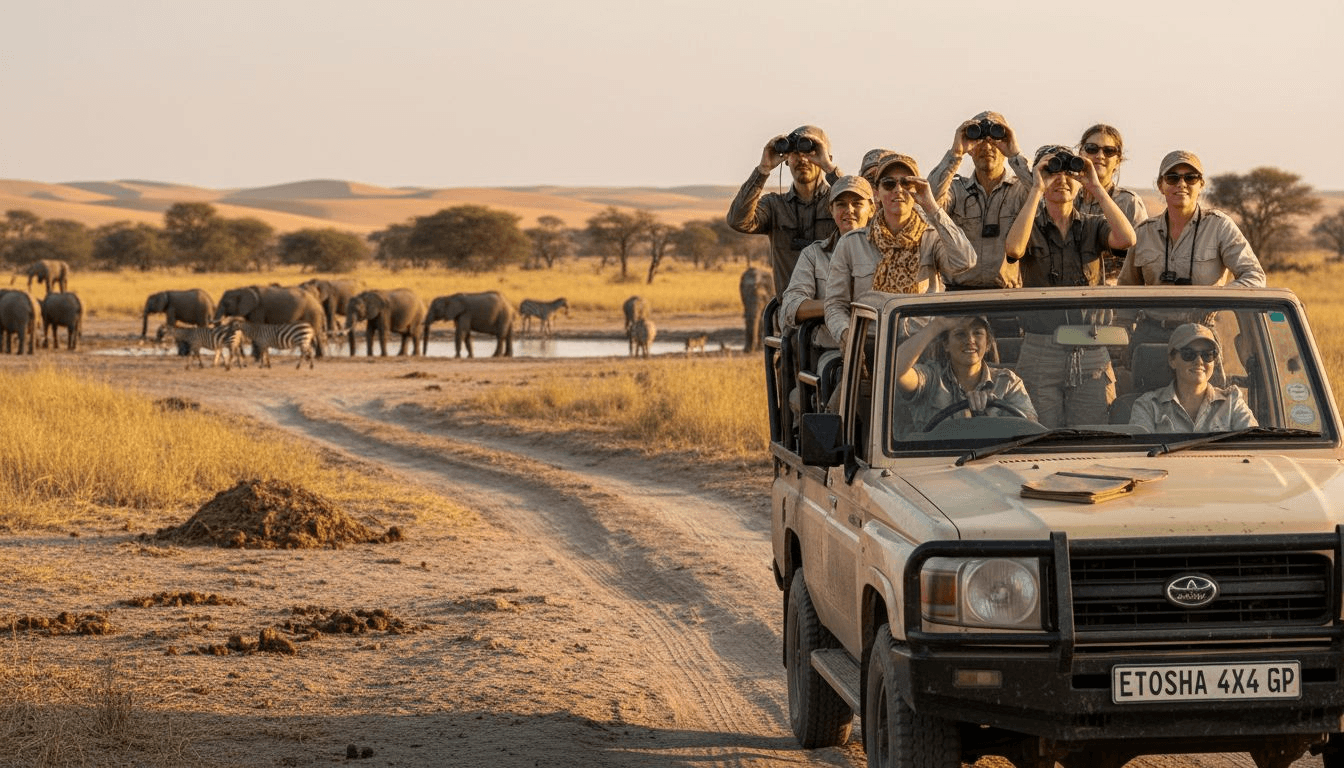
7 Must-See Examples of Safari Animals for Namibia Trips
Choosing the right safari in Namibia often means hoping for unforgettable encounters with Africa’s most iconic wildlife. Yet, spotting elusive desert lions, giant elephants, and rare giraffes can prove challenging if you don’t know where and when to look. Without insider guidance, you might miss the best opportunities to see these remarkable animals in their unique habitats.
This guide reveals practical strategies and insights drawn from expert research on Namibia’s wild residents—including lions that act as critical indicator species and elephants shown to thrive near protected watering holes. You’ll discover how to increase your chances for close-up sightings and experience wildlife moments few travellers ever witness.
Get ready to unlock the key behaviours, conservation tips, and expert advice that will transform your Namibian safari into the adventure of a lifetime.
Table of Contents
Lions: Spotting The King Of The Savannah
African Elephants: Gentle Giants In Etosha
Giraffes: Namibia’s Tallest Safari Residents
Rhinos: Tracking Black And White Rhinos Safely
Leopards: How To Find Elusive Big Cats
Zebras: Watching Striped Herds In The Wild
Meerkats: Unique Small Mammals In Namibia
Quick Overview
Takeaway | Explanation |
|---|---|
1. Support lion conservation efforts | Choosing responsible safari experiences helps protect desert-adapted lions in Namibia and their habitats. |
2. Observe elephants near watering holes | Early morning or late afternoon are optimal times to see African elephants at drink points in Etosha National Park. |
3. Book giraffe expeditions in the morning or late afternoon | Early or late hours increase the chances of spotting the Angolan giraffe in challenging landscapes. |
4. Choose guided experiences for rhino spotting | Selecting certified guides enhances safety and supports the conservation of endangered rhino populations. |
5. Practice patience when observing meerkats | Quiet observation allows you to witness meerkat social structures and behaviors more naturally. |
1. Lions: Spotting the King of the Savannah
Namibia offers an extraordinary opportunity to witness the majestic desert-adapted lions in their natural habitat. These remarkable predators have developed unique survival strategies that set them apart from other African lion populations.
Desert lions are incredibly rare and specifically adapted to survive in Namibia’s harsh, arid landscapes. Unlike their savannah counterparts, these lions have learned to traverse extensive territories across rocky terrain and minimal water sources. Lion Rangers utilise GPS tracking to monitor their populations and understand their remarkable adaptations.
Key characteristics of Namibian desert lions include:
Exceptional endurance in extreme temperatures
Ability to travel long distances without regular water access
Unique hunting techniques suited to sparse environments
Smaller body mass compared to traditional savannah lions
Enhanced tracking and survival skills
Desert lions represent a critical indicator species for ecosystem health in challenging environments.
Conservation efforts are crucial for protecting these incredible animals. Research indicates that lion populations face significant challenges globally. In Namibia specifically, collaborative conservation strategies are helping to preserve these magnificent creatures and their habitats.
When planning your safari, choose guided experiences that prioritise responsible wildlife viewing and support local conservation initiatives. Professional guides can help you safely observe these incredible predators while minimising human impact on their delicate ecosystem.
Pro tip: Book specialised desert lion tracking expeditions during early morning or late afternoon when these elusive predators are most active.
2. African Elephants: Gentle Giants in Etosha
Etosha National Park offers safari enthusiasts an extraordinary opportunity to witness the magnificent African elephants in their natural habitat. These remarkable creatures represent one of the most intelligent and socially complex mammal species on the planet.
High-tech tracking methods reveal fascinating insights into elephant behaviour and movement patterns across Namibia’s diverse landscapes. Research demonstrates their remarkable adaptability and sophisticated social structures.
Key characteristics of Etosha’s elephant populations include:
Exceptional memory and learning capabilities
Complex family group dynamics
Ability to survive in semi-arid environments
Extraordinary communication skills
Sophisticated problem-solving abilities
Elephants play a critical role in maintaining ecological balance within their ecosystems.
The elephant populations in Etosha benefit from protected habitats that minimise human disturbance. Conservation efforts have been crucial in maintaining healthy elephant communities and preserving their natural behaviours.
Visitors can observe these magnificent animals around numerous watering holes throughout the park. Understanding their social interactions and movement patterns provides a deeper appreciation for these extraordinary creatures.
Pro tip: Position yourself near permanent water sources during early morning or late afternoon for the best elephant viewing opportunities in Etosha National Park.
3. Giraffes: Namibia’s Tallest Safari Residents
Namibia offers safari travellers a unique opportunity to encounter the extraordinary Angolan giraffe in some of the most challenging landscapes on the continent. These remarkable creatures have adapted incredibly to survive in the region’s harsh desert environments.
Namibian giraffe conservation programs highlight the incredible resilience of these magnificent animals. The Angolan giraffe subspecies thrives in regions where other wildlife would struggle to survive.
Unique characteristics of Namibian giraffes include:
Exceptional adaptation to arid landscapes
Ability to extract moisture from sparse vegetation
Remarkable thermoregulation capabilities
Complex social structures within herds
Distinctive coat patterns specific to desert regions
Giraffes are not just tall animals they are sophisticated ecosystem engineers.
The Kunene Region’s desert giraffes represent a testament to wildlife survival. These animals navigate challenging terrain by developing extraordinary physiological and behavioural adaptations that allow them to thrive where other species cannot.
Safari enthusiasts can observe these gentle giants moving gracefully across rocky landscapes negotiating sparse vegetation with their extraordinarily long necks. Understanding their survival strategies provides profound insights into wildlife adaptation.
Pro tip: Book early morning or late afternoon safari drives to increase your chances of spotting giraffes during their most active periods in Namibia’s wilderness.
4. Rhinos: Tracking Black and White Rhinos Safely
Namibia offers an extraordinary opportunity to witness two of the world’s most endangered rhino species in their natural habitat. Black and white rhinoceros populations represent critical conservation success stories in this remarkable landscape.
Non-invasive tracking methods have revolutionised understanding of rhino populations across Namibia’s diverse terrains. These innovative techniques provide crucial insights while minimising disturbance to these magnificent creatures.
Key characteristics of Namibian rhino populations include:
Two distinct species: black and white rhinoceros
Desert-adapted populations with unique survival strategies
Critically endangered status
Complex social structures
Remarkable ecological importance
Rhino conservation represents a pivotal battle for wildlife preservation worldwide.
The Save the Rhino Trust plays a crucial role in protecting these extraordinary animals. Their dedicated rangers use specialised tracking techniques to monitor populations reduce poaching risks and support habitat preservation.
Safari visitors can contribute to conservation efforts by choosing responsible wildlife viewing experiences that prioritise animal welfare and support local protection initiatives. Understanding these animals requires respect patience and careful observation.
Pro tip: Select guided safari experiences with certified conservation partners to ensure your wildlife viewing directly supports rhino protection efforts.
5. Leopards: How to Find Elusive Big Cats
Namibia offers safari adventurers an extraordinary challenge in spotting one of Africa’s most secretive predators the leopard. These magnificent cats represent the pinnacle of stealth and adaptability in the animal kingdom.
Leopard tracking requires exceptional skills and a deep understanding of their complex behavioural patterns. These solitary hunters have perfected the art of remaining undetected in their natural environments.
Key strategies for leopard spotting include:
Understanding their preferred habitats
Recognising nocturnal movement patterns
Identifying camouflage techniques
Listening for subtle territorial vocalisations
Searching near rocky outcrops and woodland edges
Patience and keen observation are the ultimate keys to leopard encounters.
The Namibian wilderness presents unique opportunities for wildlife enthusiasts to glimpse these extraordinary creatures. Their remarkable ability to blend seamlessly into their surroundings makes each sighting a truly special experience.
Experienced guides use specialised tracking techniques tracking paw prints territorial markings and understanding leopard behaviour to increase the likelihood of an encounter. Early morning and late evening provide the best chances for potential sightings.
Pro tip: Invest in quiet clothing with neutral colours and follow your guide’s instructions precisely to maximise your chances of a leopard encounter.
6. Zebras: Watching Striped Herds in the Wild
Namibia offers safari enthusiasts an extraordinary opportunity to observe plains zebras in their natural habitat the vast grasslands and savannah landscapes that define the region. These striking black and white animals represent far more than simple visual spectacle.
Unique stripe patterns serve complex functions beyond mere aesthetic appeal. Zebra stripes have evolved as sophisticated biological adaptations with remarkable ecological significance.
Key insights about zebra behaviour include:
Sophisticated herd communication strategies
Complex social hierarchies
Advanced predator avoidance mechanisms
Remarkable adaptability to harsh environments
Intricate group movement patterns
Zebras represent nature’s extraordinary design of survival and cooperation.
The Namibian grasslands provide ideal environments for observing these magnificent creatures in their natural state. Their distinctive striped coats serve multiple survival functions confusing predators and potentially regulating body temperature.
Safari visitors can witness extraordinary zebra interactions watching herds move synchronise and protect vulnerable members. Understanding their behavioural patterns offers profound insights into African wildlife dynamics.
Pro tip: Position yourself near water sources during early morning or late afternoon for the most dynamic zebra herd observations.
7. Meerkats: Unique Small Mammals in Namibia
Namibia offers safari enthusiasts an enchanting opportunity to observe one of the most fascinating small mammals in the animal kingdom the charismatic meerkat. These tiny creatures represent a remarkable example of social cooperation and survival in harsh desert environments.
Cooperative behaviour defines meerkat societies in ways that challenge traditional understanding of animal interactions. Their complex social structures involve intricate group dynamics and specialised roles within their communities.
Unique characteristics of meerkats include:
Advanced sentinel behaviour
Sophisticated group communication
Highly cooperative hunting strategies
Complex underground burrow systems
Remarkable predator detection skills
Meerkats demonstrate that small creatures can possess extraordinary social intelligence.
The Namibian desert ecosystems provide ideal habitats for these remarkable mongooses. Their ability to survive in arid landscapes showcases nature’s incredible adaptability and resilience.
Visitors can observe fascinating meerkat behaviours like sentinel watching foraging techniques and group interactions that reveal intricate social bonds. Understanding their world offers profound insights into animal cooperation and survival strategies.
Pro tip: Remain patient and quiet during meerkat observations to witness their most natural and uninterrupted behaviours.
Below is a comprehensive table summarising the key insights and recommendations provided in the article about Namibia’s diverse wildlife and conservation efforts.
Wildlife Species | Unique Characteristics | Conservation Efforts | Viewing Tips |
|---|---|---|---|
Desert Lions | Adaptations include endurance, advanced hunting techniques, and smaller body mass for desert survival. | GPS tracking monitors their populations and behaviours. | Schedule safaris during dawn or dusk for higher spotting chances. |
African Elephants | Known for complex social structures, exceptional memory, and semi-arid acclimatisation. | Protected habitat and tracking inform conservation strategies. | Observe around watering holes during active hours. |
Giraffes | Specialised for desert life with moisture extraction from vegetation and thermoregulation. | Research and local programmes promote protection efforts. | Focus on early or late daytimes for the best observation. |
Rhinos | Include critically endangered black and white species with desert-adaptation traits. | Uses non-invasive tracking; aims to reduce poaching and habitat loss. | Participate in guided tours with conservation-focused operators. |
Leopards | Elusive predators with camouflage skills and nocturnal activity cycles. | Guides’ expertise enhances understanding of their ecological roles. | Early morning or late evening sightings are most feasible. |
Zebras | Display intricate stripe patterns aiding in predator confusion and social communication. | Maintaining grassland habitats ensures survival and ecological balance. | Stay near savannah water sources during peak activity times. |
Meerkats | Exhibit advanced sentinel behaviours and social cooperation. | Preserved by desert-specific ecosystem management. | Observations require patience and stillness to avoid disturbances. |
This table summarises the aspects of Namibia’s wildlife presented in the article, incorporating their distinct traits, conservation significance, and practical tips for safe and enriching observation.
Discover Namibia’s Iconic Wildlife with Bespoke Safari Experiences
Exploring Namibia’s extraordinary desert-adapted lions, majestic elephants of Etosha, elusive leopards, and charismatic meerkats presents a unique challenge to every wildlife enthusiast. Securing authentic encounters with these remarkable animals requires expert guidance, local knowledge, and carefully planned itineraries that honour their natural behaviours and fragile environments. Whether your goal is to track black and white rhinos safely or witness giraffes thriving in harsh desert landscapes, thoughtful safari design makes all the difference.
At Secret Namibia, we specialise in crafting personalised safari journeys that prioritise conservation, immersive wildlife viewing, and luxurious comfort. Choose from our tailored self-drive, fly-in, or all-inclusive safaris to explore Namibia’s diverse habitats where these extraordinary species flourish. Begin your adventure now and experience firsthand why Namibia is a premier destination for discerning travellers seeking unforgettable encounters with Africa’s most fascinating animals. Plan your bespoke safari with us today to unlock exclusive access and expert support every step of the way.
Frequently Asked Questions
What types of animals can I expect to see on a safari in Namibia?
You can expect to see a variety of animals including desert-adapted lions, African elephants, Angolan giraffes, black and white rhinoceroses, leopards, plains zebras, and meerkats. Plan your trip by researching specific locations in Namibia where these animals are known to roam.
When is the best time for a safari in Namibia?
The best time for a safari in Namibia is during the dry season, from May to October. During this period, wildlife tends to gather around water sources, making animal sightings more frequent and easier.
How can I safely observe wildlife in Namibia?
To safely observe wildlife, always follow the guidance of experienced safari guides and maintain a safe distance from the animals. Respect their space and behaviour while being quiet and patient to increase your chances of a successful sighting.
What should I wear for a safari in Namibia?
Wear lightweight, neutral-coloured clothing that blends into the environment to avoid startling the animals. Additionally, pack comfortable shoes, a wide-brimmed hat, and sun protection to stay comfortable during your safari adventures.
Are there guidelines to follow while on a safari in Namibia?
Yes, follow guidelines such as maintaining a safe distance from animals, avoiding noisy behaviour, and not feeding or attempting to touch wildlife. Familiarise yourself with basic safari etiquette to ensure both your safety and that of the animals.
How can I contribute to conservation efforts while on safari?
You can contribute to conservation efforts by engaging in responsible wildlife viewing and choosing tours that support local conservation initiatives. For example, consider participating in guided safari experiences that have a direct impact on protecting wildlife habitats and preserving local ecosystems.
Recommended
RELATED
Safari Guides
Oct 30, 2025
Understanding What is Included in Luxury Safaris
Explore what is included in luxury safaris, from exclusive accommodations to bespoke experiences that cater to discerning travelers.
Feb 24, 2026
Why Namibia Adventures Matter: An In-Depth Look
Discover why Namibia adventures are essential for luxury travelers seeking unique, immersive experiences in nature and wildlife exploration.
Feb 23, 2026
What to Expect on a Luxury Safari: A Comprehensive Guide
Discover what to expect on a luxury safari and gain a deeper understanding of the unique experiences that await you in the wild.
Feb 22, 2026
Understanding Namibia Safari Costs Explained
Explore Namibia safari costs explained to uncover what influences pricing and what it means for your adventure.
Feb 21, 2026
Understanding the Role of Safari Experts in Wildlife Travel
Explore the role of safari experts and gain a comprehensive understanding of how they enhance wildlife travel experiences for all types of travelers.
Feb 20, 2026
Guide organisation safari all inclusive : vivez l'aventure de vos rêves
Découvrez notre guide organisation safari all inclusive étape par étape pour planifier un voyage inoubliable au cœur de la nature.