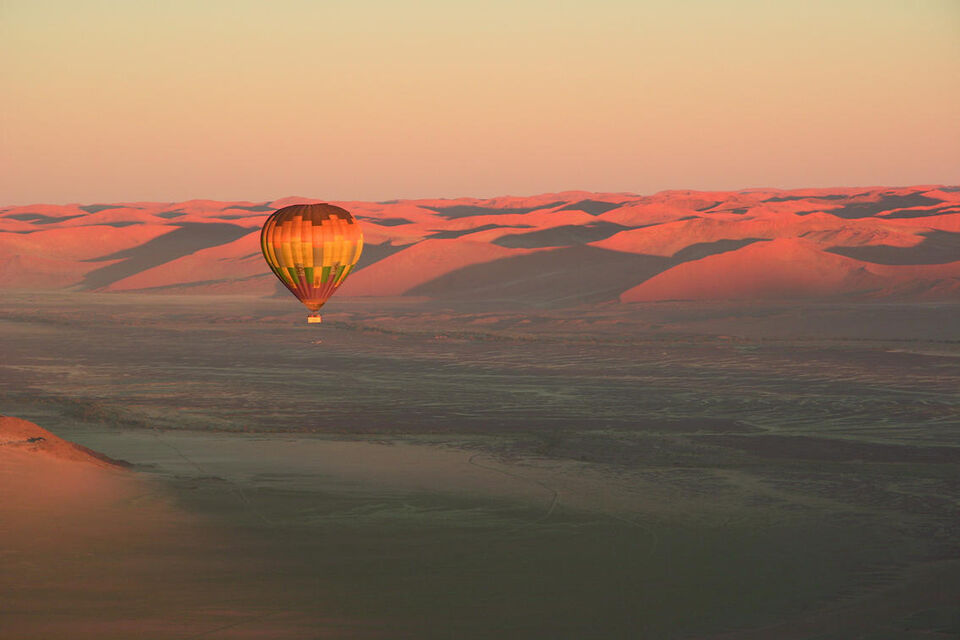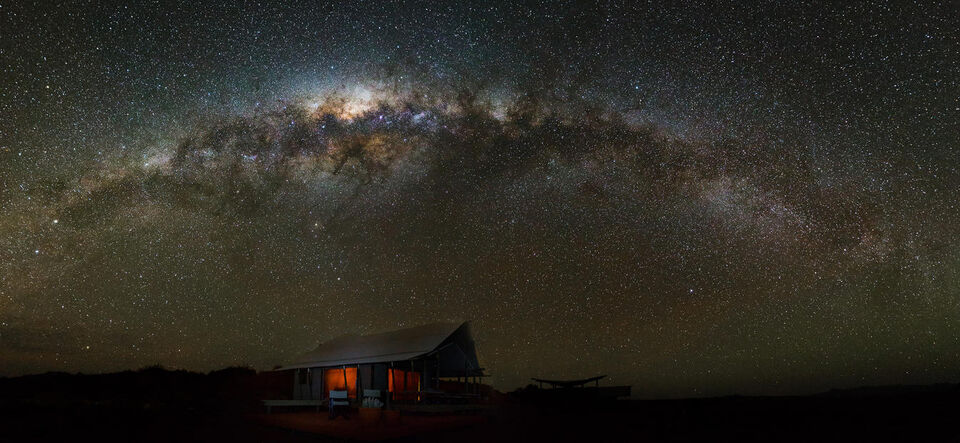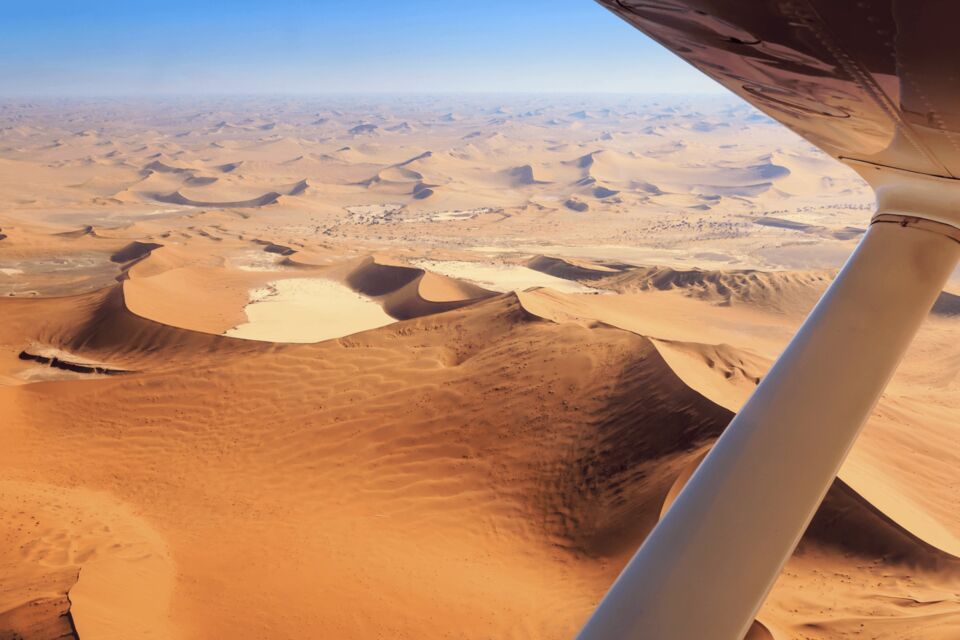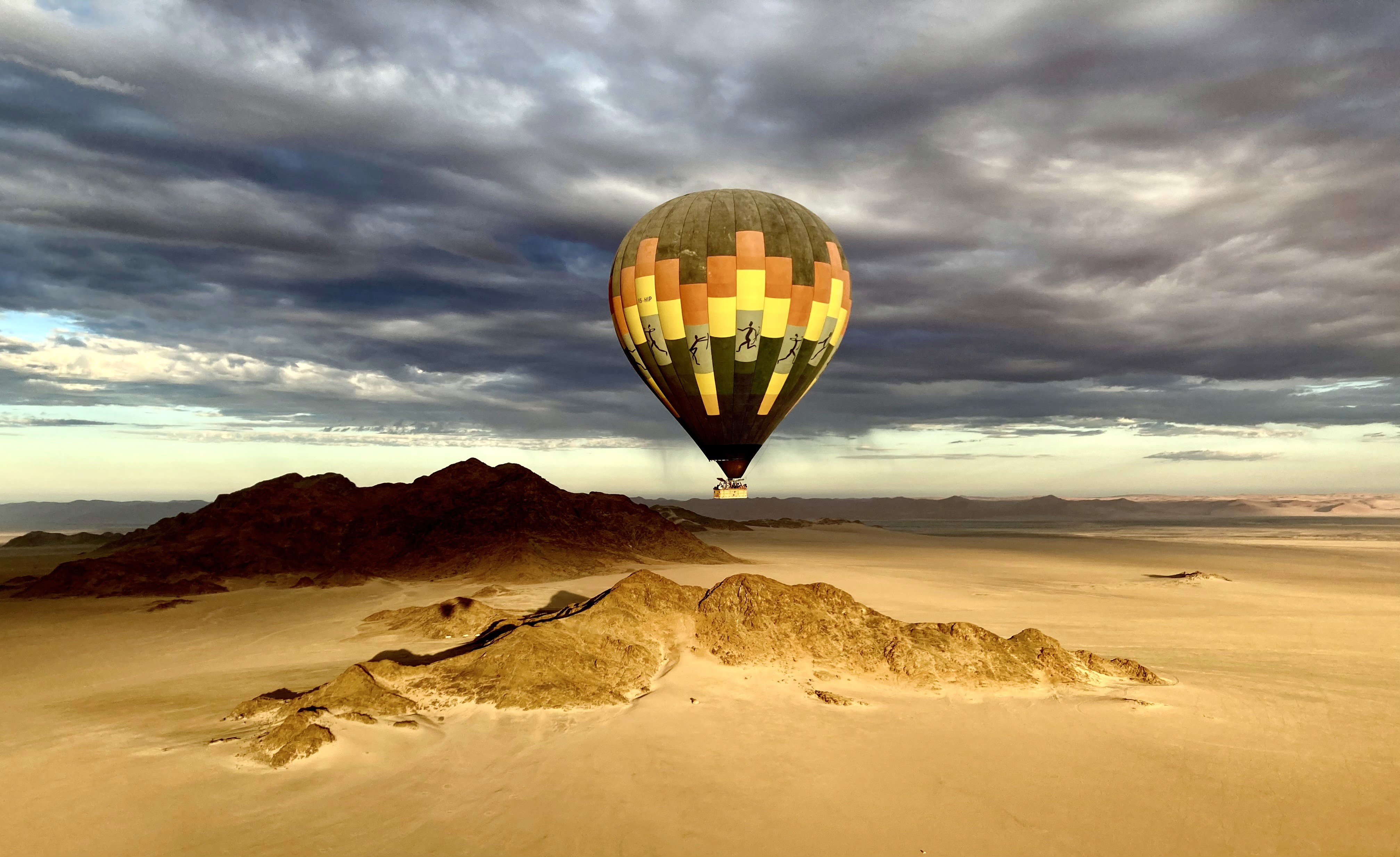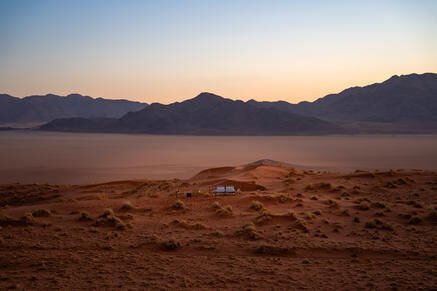
Namibia rewards photographers who embrace its stark lines of dune and shadow over crowded wildlife scenes. The country’s immense, minimalist landscapes invite a different way of seeing, one that favours wide frames and the play of first and last light. This approach captures the soul of the place far more effectively than telephoto lenses ever could, especially around the iconic clay pans of Sossusvlei and Deadvlei or the haunting shores of the Skeleton Coast.
Secret Namibia has guided travellers through these remarkable spaces for years, drawing on three decades of combined experience within the group. We design tailor-made journeys for individuals, couples, families and private groups of up to eight guests, booking directly with camps and lodges rather than through layers of agents. For those looking to extend their explorations into neighbouring countries after a Namibian journey, our sister brand Encounters Africa specialises in safaris across South Africa, Botswana, Kenya, Tanzania, Rwanda, Uganda, Zambia and Zimbabwe.
The Graphic Simplicity That Defines Namibian Photography
The Namib Desert presents an almost abstract canvas where form and light take precedence. Red dunes rise in sweeping curves against cobalt skies, their knife-edge ridges casting long, dramatic shadows that shift by the minute. This graphic simplicity encourages photographers to slow down, to study composition rather than chase action.
Instead of filling the frame with distant animals, one learns to celebrate negative space, the elegant geometry of wind-sculpted sand, and the interplay between earth and sky. It is a meditative form of image-making that leaves a lasting impression long after the memory card is full.
In Namibia the land itself becomes the subject, teaching patience and a deeper appreciation for minimalism in composition.
Why Wide Landscapes Suit Namibia Better Than Long Lenses
Many travellers arrive expecting to deploy heavy telephoto glass as they would in denser wildlife destinations. Yet Namibia’s open vistas and sparse vegetation often render such equipment less effective. Wide-angle and standard lenses better convey the sheer scale and isolation that characterise the country’s most memorable scenes.
A 16-35mm or 24-70mm zoom allows you to include the vastness of the horizon, the texture of foreground sand, and the drama of approaching clouds in one coherent image. Telephoto lenses tend to compress these elements, stripping away the very isolation and grandeur that make the desert so compelling. The graphic simplicity of dune and shadow is best honoured with optics that embrace rather than isolate.
Of course, a modest telephoto has its place for selective details or distant oryx against a dune, but the heart of Namibian photography lies in the wide view. This realisation often transforms how visitors experience the country, shifting focus from checklist sightings to immersive landscape work.
Wide frames do not merely record Namibia, they translate its overwhelming sense of space into something intimately felt.
The Hours That Matter at Sossusvlei and Deadvlei
Timing is everything in the Namib. The first and final hours of daylight bring the low angles that create long, sculptural shadows across the dunes. Arrive at Sossusvlei shortly after the gates open, around sunrise, and you will find the famous star-shaped pan bathed in golden light with few other footprints to spoil the scene.
Deadvlei, with its ancient, blackened acacia skeletons against cracked white clay, reaches its photographic peak in the hour after dawn. The contrast between the charcoal trees, ochre dunes and deep blue sky becomes almost unreal under the early light. By mid-morning the sun is high, shadows disappear and the heat makes walking across the pan increasingly strenuous.
Return in late afternoon as the sun begins to descend. The dunes take on richer, warmer tones while elongated shadows accentuate every ripple in the sand. Many photographers choose to climb Big Daddy or the smaller dunes nearby during these cooler hours, gaining elevated perspectives that reveal the rhythmic patterns of the desert.
Photographing the Skeleton Coast’s Atmospheric Drama
Further north, the Skeleton Coast offers an entirely different palette and mood. Dense coastal fog rolls in from the cold Atlantic, softening outlines and creating ethereal, almost monochromatic scenes. Shipwrecks half-swallowed by sand stand as silent witnesses to maritime tragedy, their rusted forms providing powerful focal points.
Here, the wide lens again proves its worth, capturing the immense scale where land meets sea under brooding skies. Early morning and late afternoon remain crucial, but the fog can transform any hour. Photographers often find themselves waiting for moments when the mist parts just enough to reveal a distant seal colony or the jagged outline of a dune.
The coast’s unique light and weather demand flexibility. What begins as a featureless grey can suddenly burst into dramatic contrast when the sun breaks through. This unpredictability rewards those who travel with patience and an open mind.
What Camera Gear Do You Need for Photographing Namibia?
For photographing Namibia, prioritise versatility and protection from dust and heat rather than specialised wildlife optics. A full-frame or crop-sensor DSLR or mirrorless camera paired with a wide-angle zoom (16-35mm or 18-55mm equivalent) and a standard zoom (24-70mm or 24-105mm) will cover the vast majority of opportunities. A lightweight telephoto in the 70-200mm range is useful for detail work but rarely essential.
Include at least two spare batteries, as cold desert nights and daytime heat can drain power quickly. A robust tripod helps with long exposures at dawn and dusk, while a polarising filter enhances sky definition and reduces glare on sand. Dust is pervasive, so bring weather-sealed bodies, lens cloths, and protective filters. A good backpack with rain cover and plenty of memory cards complete the essential kit. Drones may be used only with proper permits and in designated areas.
Practical Advice for Capturing Namibia’s Light and Form
Preparation goes beyond equipment. Study the phases of the moon if you wish to include star trails or the Milky Way above the dunes, as the country offers some of the darkest skies on the continent. Learn the rhythm of the wind, which reshapes dune faces overnight and can create fresh patterns by morning.
Work with local guides who understand both the land and the light. They know which dune faces catch the first rays and which pans remain accessible after rain. Many of our travellers combine landscape photography with gentle wildlife observation, finding that the two disciplines enrich one another.
Read our related article offering a photographer’s guide to visiting Namibia for more detailed seasonal planning. Those seeking further inspiration may enjoy capturing Namibia’s unique wildlife and landscapes.
Planning Your Namibian Photographic Journey
A well-considered itinerary allows time for the slow, attentive work that great desert photography requires. Three or four nights around Sossusvlei give you multiple opportunities to catch different light conditions, while a few days on the Skeleton Coast balance the warm tones of the interior with its cool, misty atmosphere.
Consider the seasons carefully. The clearest light and dramatic skies often occur during the drier months from May to October, though each period offers its own rewards. Our team at Secret Namibia specialises in shaping these journeys around your specific interests, whether you travel solo with your camera or share the experience with family or friends.
Namibia changes how you see. It teaches restraint, celebrates emptiness, and rewards those who learn to read its light. The resulting images rarely shout, yet they linger in the mind long after more dramatic wildlife photographs have faded.
The desert does not give itself easily, but for those who wait for its perfect hours, it offers compositions of rare and lasting power.
For discerning travellers seeking a private safari in Namibia beyond our set itineraries, we invite you to contact us directly. We specialise in designing exceptional, tailor-made journeys shaped entirely around your preferences, pace, and budget. Those interested in experiences across the wider continent are warmly encouraged to reach out to our sister brand, Encounters Africa.
Plan your safari: Enquire with Secret Namibia for tailor-made Namibia journeys. For safaris beyond Namibia, in Botswana, South Africa, Kenya, Tanzania, Rwanda, Uganda, Zambia and Zimbabwe, speak to the travel designers at Encounters Africa, Secret Namibia's sister company for the rest of Africa.