Namibia's Namib Desert, the oldest on Earth, has sculpted dunes reaching 300 metres through millennia of wind and sand movement. This guide explains the geology behind Sossusvlei and Deadvlei, how the shifting light at dawn and dusk transforms their colours, and the realities of climbing Big Daddy while reaching the clay pan in time. Includes a dedicated answer to: What is the best time of day to visit Sossusvlei? The hours around sunrise deliver the sharpest contrasts and coolest temperatures before the sand heats up. For those extending travels, Encounters Africa designs journeys into neighbouring Botswana at Botswana's diverse landscapes. Read our Namibia-focused planning at luxury safaris in Namibia.
The Ancient Origins of Namibia's Namib Desert
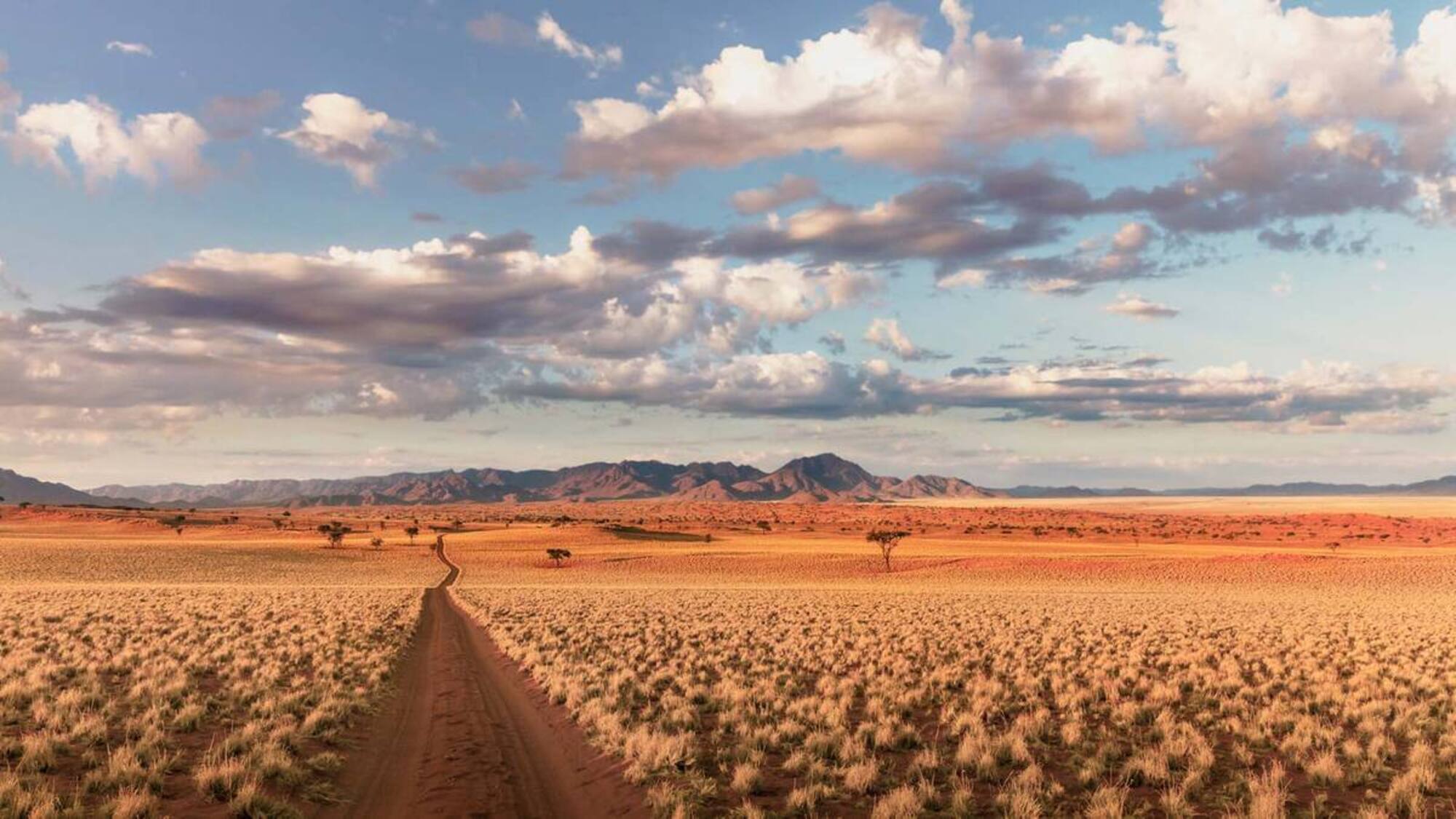
The Namib stretches along Namibia's Atlantic coast for more than 2,000 kilometres, its red-orange sands shaped over an estimated 55 million years. Unlike younger deserts formed during the last ice age, this arid expanse has endured since the time when dinosaurs still roamed. Persistent south-westerly winds carry tiny quartz particles from the coast inland, gradually building the monumental dunes that define Sossusvlei.
These winds meet occasional easterly gusts from the interior, creating complex patterns of accumulation. Over countless millennia, the constant motion piles sand into towering ridges separated by broad valleys known as vlei. The result is a landscape of extraordinary scale, where individual dunes can rise 300 metres above the surrounding plains, their forms constantly evolving yet seemingly eternal.
In the silence of the Namib, one senses the patient hand of time itself, sculpting sand into forms that outlast civilisations.
How Wind and Sand Create 300-Metre Dunes at Sossusvlei
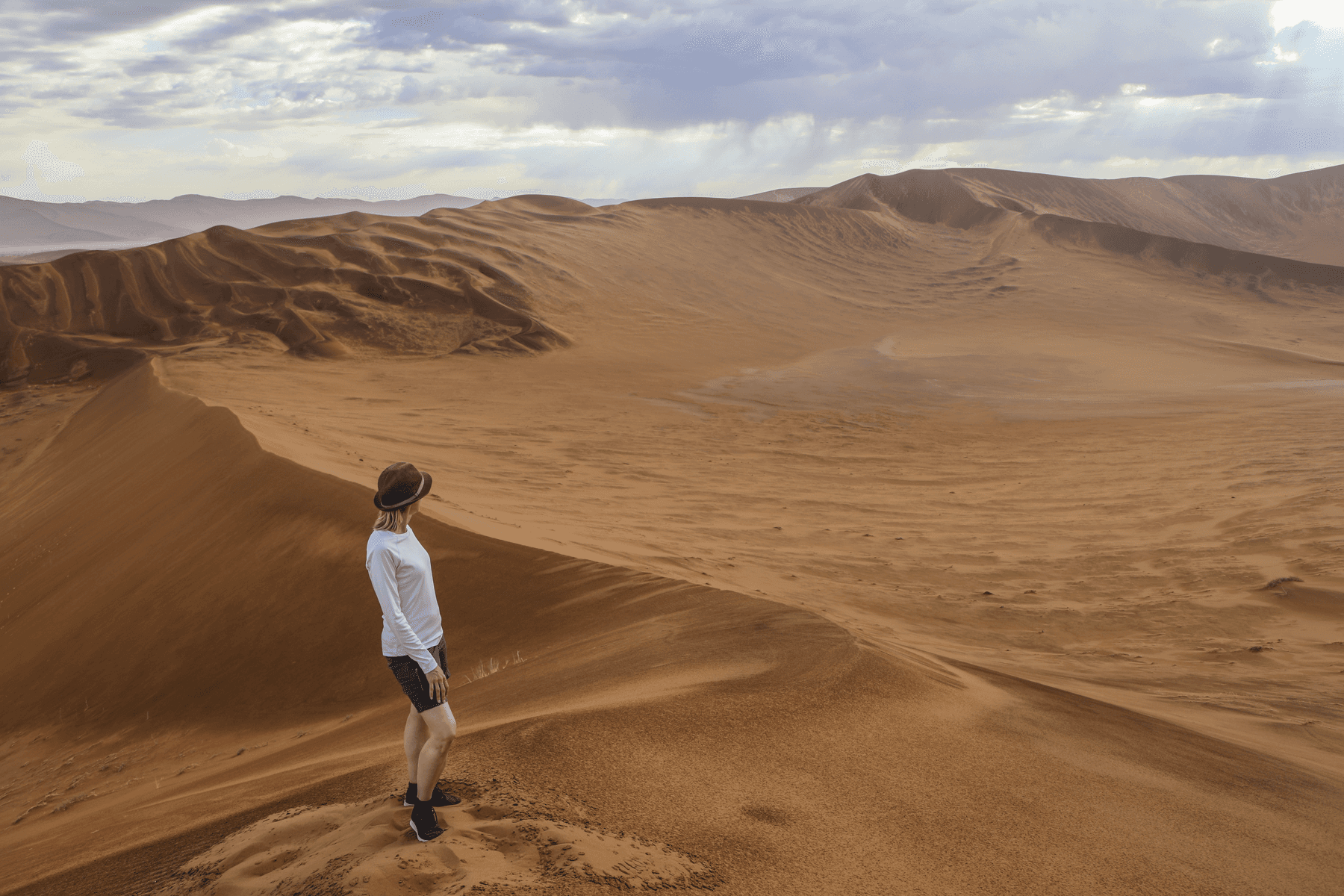
The geology at Sossusvlei reveals a masterclass in aeolian processes. Sand grains, polished smooth by constant abrasion, accumulate on the windward slopes before cascading down the steeper leeward faces. This creates the classic crescent shape of transverse dunes, with sharp crests that catch the first and last light of day.
Big Daddy, one of the tallest accessible dunes in the area, stands approximately 325 metres high. Its sheer scale becomes apparent only when travellers begin the ascent, each step sinking into fine grains that demand effort and patience. The surrounding dunes form a natural amphitheatre around the vlei, where rare floodwaters from the Tsauchab River occasionally transform the parched basin into a shallow lake.
The Formation Process Explained
Geologists point to the interaction between the cold Benguela Current offshore and the prevailing winds as the primary driver. Fog rolling in from the Atlantic provides minimal moisture, just enough to support specialised flora and fauna while the interior remains bone dry. This delicate balance has preserved the dunes' dramatic profiles for millions of years.
Seasonal temperature fluctuations between day and night further influence sand movement. The extreme diurnal range, often exceeding 30 degrees Celsius, causes slight shifts in grain stability that contribute to the dunes' perpetual reshaping.
Why Dawn and Dusk Light Transforms the Dunes
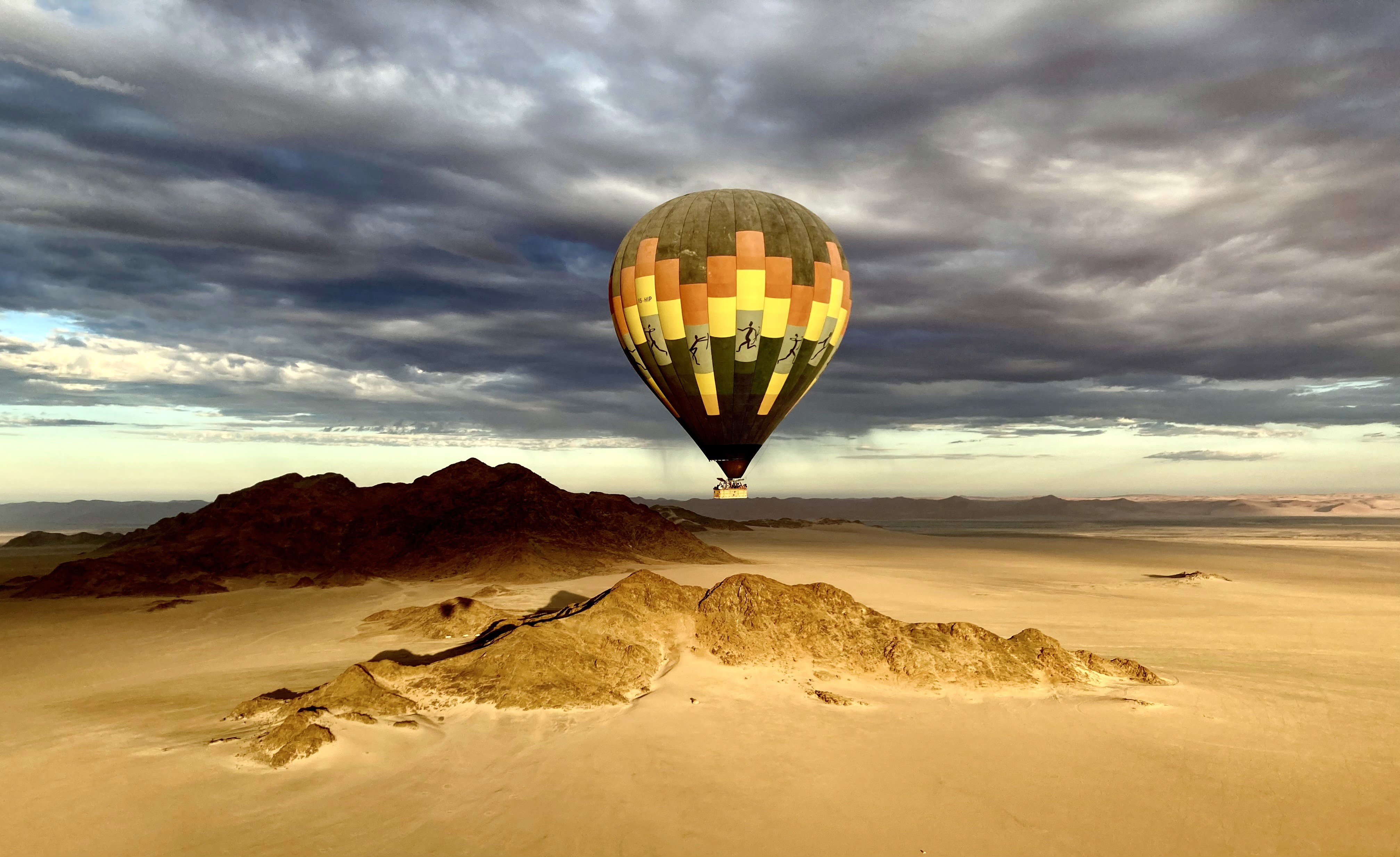
As the sun rises or sets, the angle of light dramatically alters the appearance of these colossal sand forms. Long shadows stretch across the vlei, accentuating every ripple and ridge while the dune faces glow with intense terracotta and burnt orange hues. The play of light and shade reveals textures invisible during the harsh midday glare.
At dawn, the eastern faces catch the first golden rays, while western slopes remain in deep purple shadow. By dusk, the colours reverse, bathing the landscape in warmer, richer tones that photographers find particularly compelling. This daily transformation turns the same location into an entirely different scene twice within 24 hours.
The desert does not change, yet it appears reborn with every shift of the sun across its ancient ridges.
What is the Best Time of Day to Visit Sossusvlei?
The best time of day to visit Sossusvlei is during the hours surrounding sunrise. This period offers the sharpest contrasts between illuminated dune faces and their shadowed counterparts, while temperatures remain relatively cool before the sand begins to radiate intense heat. Most visitors aim to reach the vlei shortly before first light, allowing time to climb and explore while the air stays crisp and the light remains magical.
By mid-morning, the sun sits high enough to flatten the landscape visually and raise ground temperatures significantly. Practical experience shows that departing from nearby accommodation around 4am typically positions travellers perfectly for optimal viewing and photography conditions. This timing also helps avoid the worst of the day's heat, which can exceed 40 degrees Celsius on the sand surface by noon.
Practicalities of Climbing Big Daddy and Reaching Deadvlei
Reaching Deadvlei requires crossing several kilometres of soft sand after parking at the designated area. The journey to the clay pan takes between 45 minutes and one hour on foot, depending on fitness levels and how frequently one stops to admire the surroundings. The famous acacia skeletons stand stark against the white clay floor, their blackened forms preserved for centuries by the arid conditions.
Climbing Big Daddy presents a more strenuous challenge. The ascent typically takes one to two hours, with each step requiring double the effort as feet sink into loose sand. Many travellers choose to climb partway before descending the steep face directly into Deadvlei, a thrilling if somewhat undignified slide that covers ground quickly. Return journeys feel considerably easier with gravity's assistance and the satisfaction of having reached the summit.
Essential Preparation and Timing
Visitors should carry at least two litres of water per person and wear sturdy closed shoes that can withstand hot sand. Sun protection is non-negotiable, with wide-brimmed hats, long sleeves, and high-factor sunscreen essential even in winter months. The walk to Deadvlei should begin no later than 8am during summer to avoid dangerous midday temperatures.
Local regulations within Namibia highlights fly-in safari routes often include early access permits for guests staying at exclusive concessions bordering the national park. These arrangements allow privileged entry before the main gates open, securing precious minutes of solitude in this iconic landscape.
Standing atop Big Daddy, the vastness of the Namib unfolds in every direction, reminding one how small our human timescale truly is.
Planning Your Visit to Sossusvlei and Deadvlei
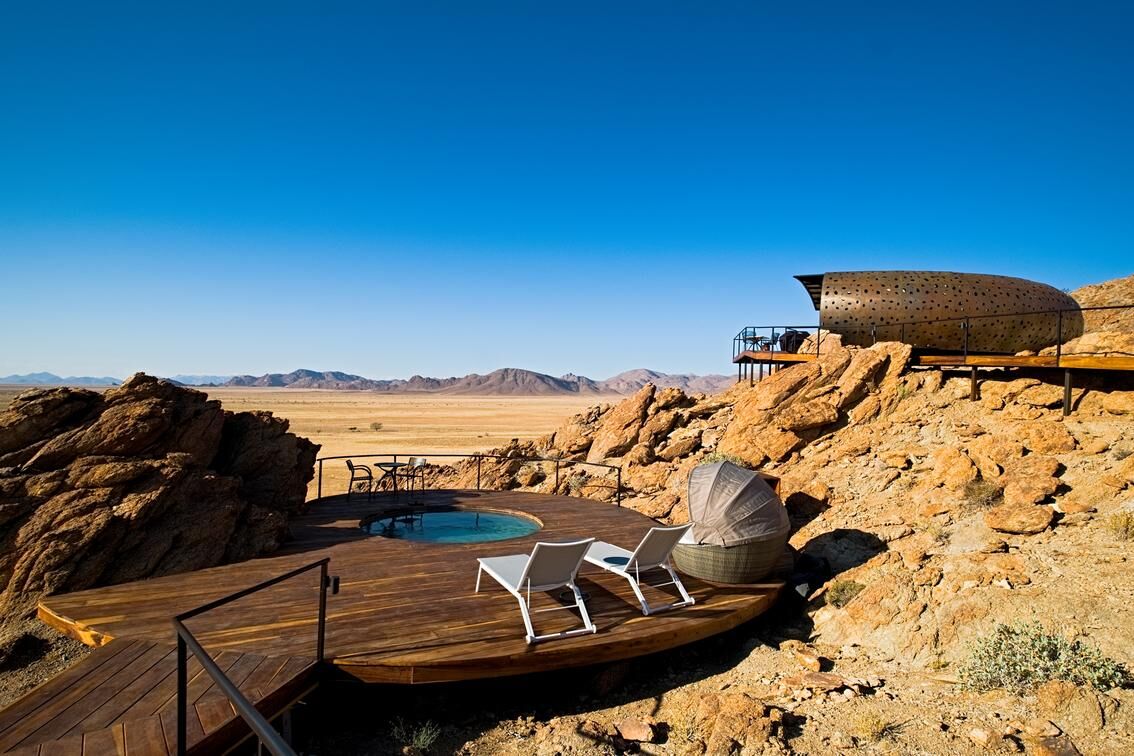
Accommodation choices near Sossusvlei range from intimate tented camps to more substantial lodges, each offering different levels of comfort after long days exploring the dunes. Many properties provide pre-dawn transfers and packed breakfasts to maximise time in the park. The drive from Windhoek typically takes five to six hours, making fly-in options particularly appealing for those maximising their time in the desert.
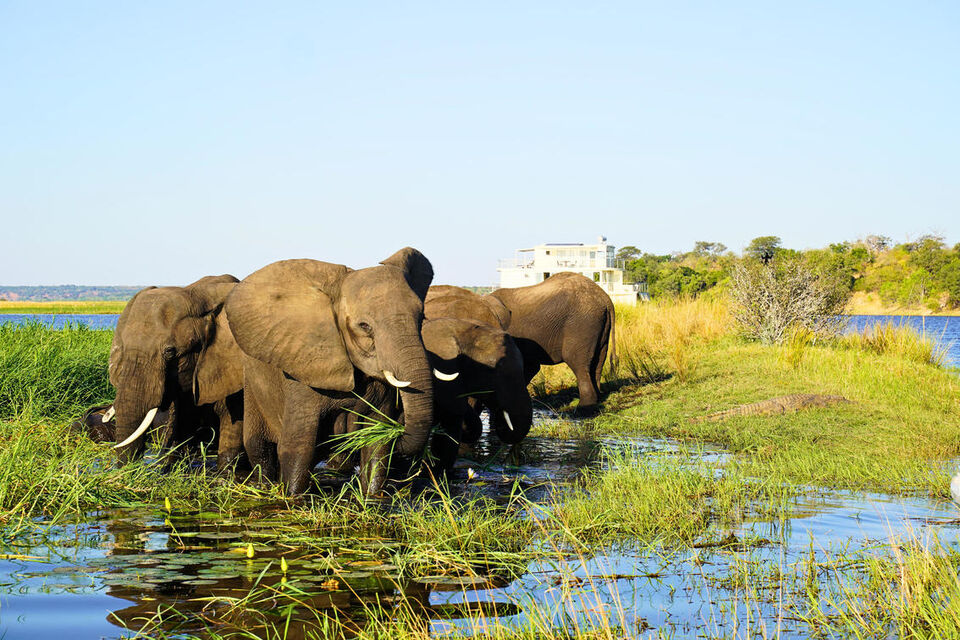
Combining Sossusvlei with other Namibian highlights creates a more complete picture of the country's diverse landscapes. From the red dunes to the wildlife-rich waterways further north, each region tells its own compelling story. With three decades of combined experience, Secret Namibia books directly with carefully selected camps and lodges rather than through multiple agents, allowing for truly personalised itineraries designed around individual preferences, pace and interests for couples, families and private groups of up to eight guests.
Experiencing Namibia's Desert Legacy
The Namib's ancient dunes offer far more than spectacular photographs. They represent a living laboratory where geology, climate and specialised life forms have coexisted for millions of years. Whether watching the light dance across 300-metre ridges at dawn or standing among the silent sentinels of Deadvlei, visitors gain a profound sense of deep time that few other places on Earth can provide.
These experiences stay with travellers long after the sand has been brushed from their boots. The Namib invites contemplation and wonder in equal measure, rewarding those who approach it with respect and appropriate preparation. For discerning travellers seeking a private safari beyond our set itineraries, we invite you to contact us directly. We specialise in designing exceptional, tailor-made journeys for individuals, couples, families, and private groups of up to eight guests. Drawing on our handpicked network of distinguished camps and lodges, we curate every detail with precision and care, creating a seamless, deeply personal safari experience shaped entirely around your preferences, pace, and budget.
Plan your safari: Enquire with Secret Namibia for tailor-made Namibia journeys. For safaris beyond Namibia, in Botswana, South Africa, Kenya, Tanzania, Rwanda, Uganda, Zambia and Zimbabwe, speak to the travel designers at Encounters Africa, Secret Namibia's sister company for the rest of Africa.