
Apr 4, 2025
Why travel to Southern Africa? Discover luxury safaris, unique wildlife, and diverse landscapes. Explore bespoke honeymoon adventures across this iconic region.
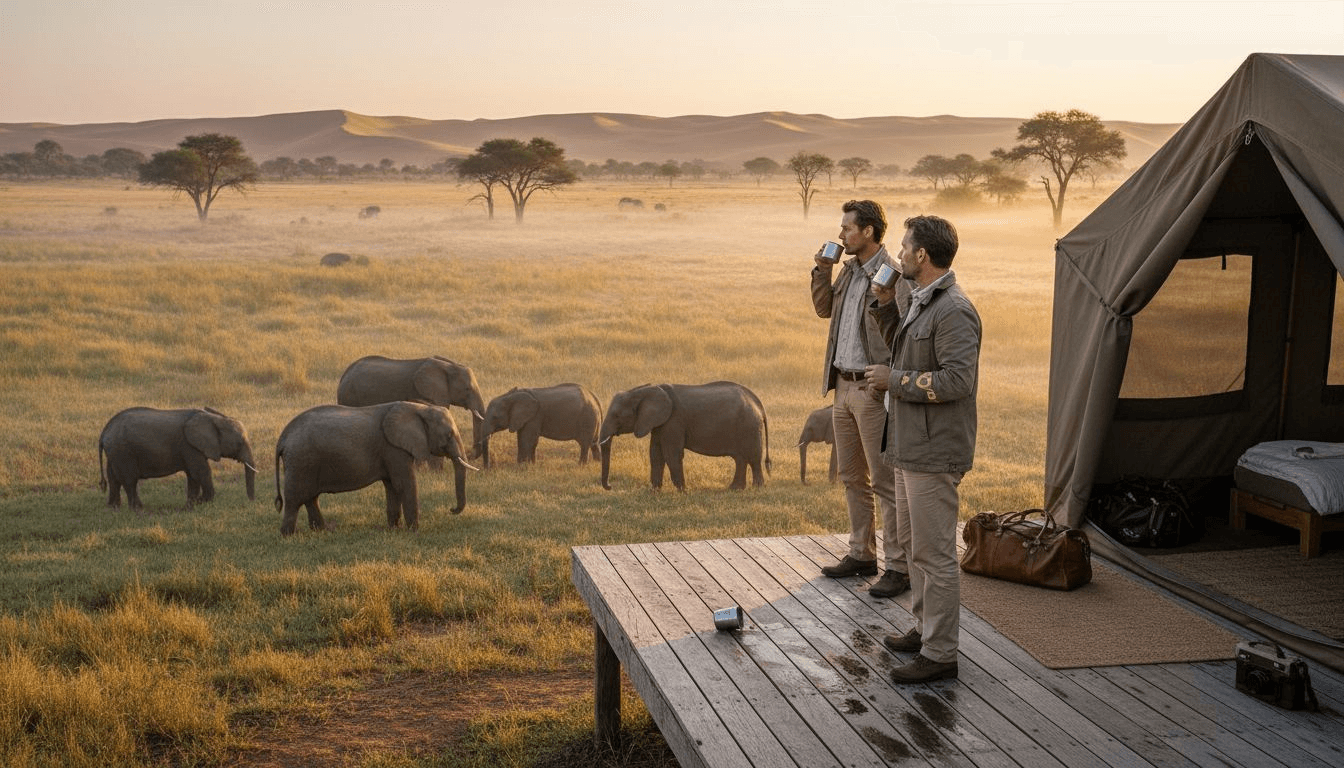
Why Travel to Southern Africa – Luxury and Adventure Await
For couples planning a honeymoon that redefines luxury and adventure, Southern Africa presents a world where untamed wilderness and sophisticated comfort go hand-in-hand. This region captivates with its unique blend of world-class lodges, diverse wildlife, and the rare privilege of genuine seclusion. Here, every safari is tailored just for you, promising intimate moments with nature and each other. Discover how personalised exploration sets these journeys apart from ordinary travel and creates memories that last a lifetime.
Table of Contents
What Defines Travel in Southern Africa
Types of Safari Experiences Offered
Unique Wildlife and Iconic Landscapes
Luxury, Privacy and Bespoke Itineraries
Practicalities, Safety and Seasonality Insights
Key Takeaways
Point | Details |
|---|---|
Authentic Wildlife Encounters | Southern Africa’s private game reserves guarantee genuine wildlife experiences by limiting visitor numbers, enhancing the quality of your safari. |
Customisable Itineraries | Enjoy flexibility in your travel plans with bespoke itineraries that allow you to create your own schedule based on wildlife movements and personal preferences. |
Seasonal Considerations | Planning your trip during shoulder seasons ensures excellent wildlife viewing with fewer crowds and reduced accommodation costs. |
Luxury and Privacy | Experience unparalleled luxury in intimate lodges that offer personalised services, allowing you and your partner to fully immerse in the wilderness without distractions. |
What Defines Travel in Southern Africa
Travel in Southern Africa transcends the typical holiday experience. It combines raw wilderness encounters with world-class comfort, transforming a trip into a transformative journey that stays with you long after you return home. For North American couples seeking their honeymoon, this region offers something most conventional destinations cannot match: genuine solitude in vast landscapes, intimate wildlife moments unavailable elsewhere, and the kind of silence that lets you actually hear each other think again.
What truly sets Southern African travel apart is its emphasis on personalised exploration. Unlike crowded national parks where dozens of vehicles converge on a single lion sighting, private game reserves across Southern Africa operate under strict conservation principles that limit visitor numbers and vehicle density. This means your wildlife encounters feel genuine rather than staged. You might spend hours tracking a particular pride of lions, watching their behaviour unfold naturally, rather than joining a queue of tourists. The region’s tourism framework actively promotes quality product development and destination enhancement, ensuring that experiences prioritise authenticity over volume.
The infrastructure supporting luxury travel here has matured significantly. Your accommodation ranges from ultramodern suites with floor-to-ceiling windows overlooking watering holes to intimate bush camps where the boundary between nature and comfort dissolves entirely. Each lodge typically employs highly trained guides and trackers with decades of wilderness knowledge. Many actively participate in conservation efforts, meaning your stay directly funds wildlife protection and community development. The combination of exceptional service, breathtaking settings, and meaningful environmental impact creates something genuinely different from resort tourism elsewhere.
What also defines travel here is the flexibility to craft your own rhythm. Want to start game drives at dawn and spend afternoons reading by the pool? Done. Prefer full-day explorations with gourmet picnics in remote locations? Absolutely possible. Most properties offer customisable itineraries rather than fixed schedules, allowing you to follow wildlife movements, weather patterns, and your own energy levels rather than adhering to predetermined timetables.
Pro tip: Plan your trip during shoulder seasons (April to May or September to October) when wildlife viewing rivals peak season but accommodation prices drop 30 to 40 percent and you encounter significantly fewer other travellers.
Types of Safari Experiences Offered
Southern Africa’s safari offerings span a remarkable spectrum, meaning you can tailor your adventure to match your exact preferences and travel style. Whether you’re seeking pure adrenaline, romantic seclusion, or a balanced blend of both, the region delivers experiences that feel custom-built rather than off-the-shelf. The distinction between experience types matters enormously when you’re investing in a honeymoon that will define how you remember this chapter of your relationship.
The most exclusive option remains private game reserve safaris, where your experience unfolds on pristine, privately owned land with minimal visitor interference. Why choosing private safaris matters becomes obvious once you understand the differences: you have direct access to large stretches of untouched wilderness, your guides can respond flexibly to wildlife sightings rather than following fixed circuits, and your lodge caters exclusively to your group. These reserves typically operate under strict conservation quotas, meaning wildlife densities remain healthy and your encounters feel authentic. Properties like Sabi Sands in South Africa and comparable Namibian reserves offer ultramodern suites where you fall asleep to the sounds of the bush, then wake to sunrise game drives where you might be the only vehicle tracking that particular leopard. Romantic dinners under acacia trees, private plunge pools overlooking watering holes, and personalised itineraries create the honeymoon magic most couples fantasise about.
For those wanting Big Five encounters combined with established infrastructure, national park safaris remain compelling. Kruger National Park in South Africa delivers consistent wildlife viewing across vast landscapes, though you’ll share roads with other visitors and follow structured routes. This approach costs considerably less than private reserves whilst still offering exceptional wildlife photography opportunities and the satisfaction of exploring one of Africa’s most iconic destinations. Some couples prefer this option specifically because the shared experience creates a sense of being part of something larger than themselves.
A third category gaining popularity involves malaria-free luxury safaris in regions like Madikwe, which eliminate health concerns entirely without compromising the wilderness experience. These destinations combine safety advantages with world-class accommodation, making them ideal for honeymoon couples prioritising comfort alongside adventure. Additionally, cultural safari experiences integrate local community visits, traditional tracking methods, and storytelling sessions that contextualise the landscape you’re moving through, transforming a wildlife tour into a genuine cultural immersion.
Here’s a summary of Southern Africa’s safari types and their unique benefits:
Safari Type | Distinguishing Feature | Ideal Traveller Profile | Notable Benefit |
|---|---|---|---|
Private Game Reserve | Pristine private land, minimal crowds | Couples seeking utmost privacy | Flexible tracking, exclusivity |
National Park | Iconic sites, well-established routes | Guests preferring structured travel | Consistent wildlife viewing |
Malaria-Free Luxury | No malaria risk, premium accommodation | Health-conscious honeymooners | Combines safety and adventure |
Cultural Safari | Immersive local experiences | Those wanting community connection | Tradition, storytelling focus |
Pro tip: Request a property that offers both morning and afternoon game drives with flexible timing—this allows you to rest during midday heat whilst maintaining prime wildlife viewing opportunities at dawn and dusk when animals are most active.
Unique Wildlife and Iconic Landscapes
Southern Africa commands attention for a simple reason: nowhere else on Earth concentrates such diverse, powerful wildlife with such varied and breathtaking landscapes in a single region. For North American couples planning a honeymoon, this combination creates unforgettable moments you cannot replicate anywhere else. Standing metres from an African elephant as it drinks at dawn, watching lions coordinate a hunt across golden grasslands, or witnessing a black rhino emerge from acacia scrub delivers visceral experiences that transform how you understand the natural world.
The wildlife roster reads like a checklist of your childhood dreams. The Big Five (lion, leopard, rhinoceros, elephant, and buffalo) anchor most safari experiences, but the true magic lies in the lesser-known species that reveal themselves once you slow down and observe. Endemic Namibian wildlife species include creatures found nowhere else on the continent, from the distinctive oryx with its long straight horns to desert-adapted elephants that navigate extreme aridity with remarkable resilience. Cheetahs move with liquid grace across open plains. Hyaenas cackle through night drives with their unmistakable calls. Giraffes move like impossibly tall paintings against acacia trees. Each species occupies a specific ecological niche, and your guides will explain how this intricate web of predator and prey, grazer and browser, creates the balance sustaining the entire system.
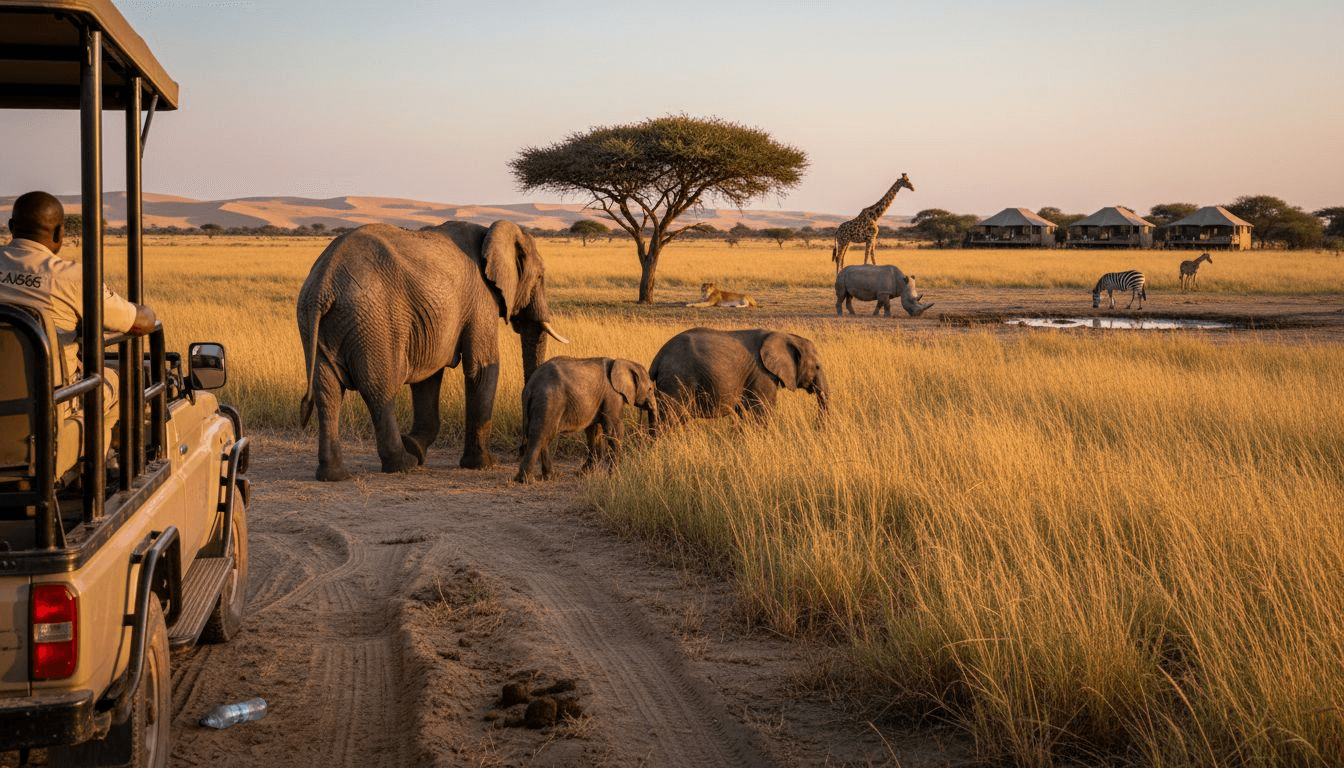
What amplifies these wildlife encounters is the extraordinary variety of landscapes that serve as their stage. The Namib Desert stretches across Namibia with towering red dunes that shift colour throughout the day, from burnt orange at sunrise to deep crimson at sunset. Etosha National Park presents vast white salt pans where mirages shimmer and wildlife congregates around scattered waterholes. The Okavango Delta in Botswana transforms into a water-based safari experience unlike anything in southern Africa, where you navigate papyrus channels by mokoro (traditional dugout canoe) and observe wildlife from water level. Savanna grasslands roll endlessly across the horizon, interrupted by rocky outcrops called kopjes that harbour their own unique microclimates and species. Wetlands support massive concentrations of birdlife, with over 600 bird species recorded across the region. These contrasting ecosystems mean your honeymoon experience encompasses desert solitude, water-based adventures, open grassland thrills, and intimate woodland encounters all within a single trip.
Transboundary conservation areas like the Kavango-Zambezi region connect these habitats across international borders, allowing wildlife to migrate naturally and supporting populations across vast ranges. This conservation approach directly benefits your safari experience by ensuring healthy, stable wildlife populations and protecting the landscapes you’re travelling to explore.
Pro tip: Request your safari itinerary be structured around ecological transitions rather than simply moving between lodges—timing your travel to coincide with seasonal wildlife movements (like the Okavango Delta’s annual flood or the Serengeti migration) creates exponentially richer animal encounters than fixed-schedule visits.
Luxury, Privacy and Bespoke Itineraries
This is where Southern African safaris diverge fundamentally from conventional luxury travel. Standard five-star hotels offer predictable comfort in urban settings. Southern African luxury means something entirely different: you get world-class accommodation in remote wilderness locations, combined with the freedom to design your days exactly as you wish rather than adhering to predetermined schedules. For honeymoon couples, this distinction matters enormously. You’re not following a tour group’s itinerary or competing for your guide’s attention with a dozen other visitors. Your experience belongs entirely to you.
Privacy forms the foundation of luxury here. At most private reserves, your lodge accommodates only a handful of guests, sometimes exclusively your party. This means your guide focuses entirely on your preferences, wildlife interests, and pace. Want to spend four hours tracking a single leopard rather than covering kilometres of terrain? Done. Prefer early morning game drives followed by spa treatments and intimate dinners? Your lodge adjusts accordingly. You control the rhythm. Many properties offer entirely private accommodation experiences where your villa sits kilometres from the main lodge, accessible only by your personal guide or vehicle. Picture waking to wildlife sounds, stepping onto your deck to spot a herd of elephants, then returning for a private breakfast prepared to your exact specifications. This level of seclusion transforms a safari from an activity into a genuine retreat.
Bespoke itineraries represent the ultimate expression of this personalisation. Rather than booking a fixed package, you work with specialists to design a journey matching your specific interests and timeline. Personalised safari tours allow you to combine multiple ecosystems, from the Namib Desert’s towering dunes to Etosha’s vast plains to the Okavango Delta’s waterways, all woven together as a coherent narrative rather than disconnected stops. Your guide adjusts daily itineraries based on wildlife movements, weather, and your energy levels. If lions were spotted in a particular valley at dawn, your guide will investigate that area during morning drives. If you’re exhausted after an extraordinary sighting, you rest without guilt. If you discover an unexpected passion for a particular species or landscape, your guide pivots to accommodate that discovery.
The luxury infrastructure supporting these experiences rivals anything globally. Accommodation ranges from minimalist modern suites with floor-to-ceiling windows and private infinity pools to intimate tented camps where canvas walls dissolve the boundary between you and the landscape. Culinary offerings feature internationally trained chefs preparing cuisine matched to the region’s ingredients and your dietary preferences. Spa services operate at your villa or lodge. Some properties arrange surprise elements: champagne and chocolate at sunset following an exceptional sighting, private dinners under acacia trees with your personal chef, or helicopter excursions for aerial perspectives of vast landscapes. Every detail coordinates to create a seamless, luxurious experience where comfort never compromises authenticity.
Pro tip: When discussing your itinerary with your safari planner, emphasise conservation interests and specific wildlife species you’re passionate about rather than listing generic activities—this allows specialists to design encounters around your genuine interests and often reveals unexpected opportunities other travellers miss.
Practicalities, Safety and Seasonality Insights
Planning a Southern African honeymoon requires understanding the practical realities that shape your experience. Safety in private game reserves and established tourism areas ranks exceptionally high. You’ll travel with experienced guides trained in wildlife behaviour, emergency protocols, and guest security. Lodges maintain radio communication with each other and emergency services. Medical facilities in major towns are world-class, and many properties have trained first-aid personnel on-site. Unlike backpacking in unfamiliar cities, safari environments operate within structured, well-managed systems where your wellbeing receives constant attention. That said, you’re in a wild landscape, which means respecting wildlife protocols, following your guide’s instructions, and understanding that surprises occasionally happen. Most incidents stem from people ignoring guidance rather than inherent danger.
Seasonal timing shapes your entire experience dramatically. Rainfall seasonality patterns across Southern Africa influence vegetation density, water availability, and consequently wildlife concentration and visibility. Peak season (June to October) offers cool temperatures and concentrated wildlife around shrinking waterholes, making game viewing easier. However, this period attracts more travellers and commands premium pricing. Shoulder seasons (April to May and September to October) deliver excellent wildlife viewing with significantly fewer visitors and 30 to 40 percent lower accommodation costs. The landscape greens up, birds proliferate, and the region feels genuinely wild rather than touristy. Summer months (November to March) bring heat, humidity, and afternoon rains, yet vegetation explodes into abundance, bird watching peaks, and many animals produce calves. Prices drop substantially, and patient observers discover extraordinary wildlife moments most visitors miss.
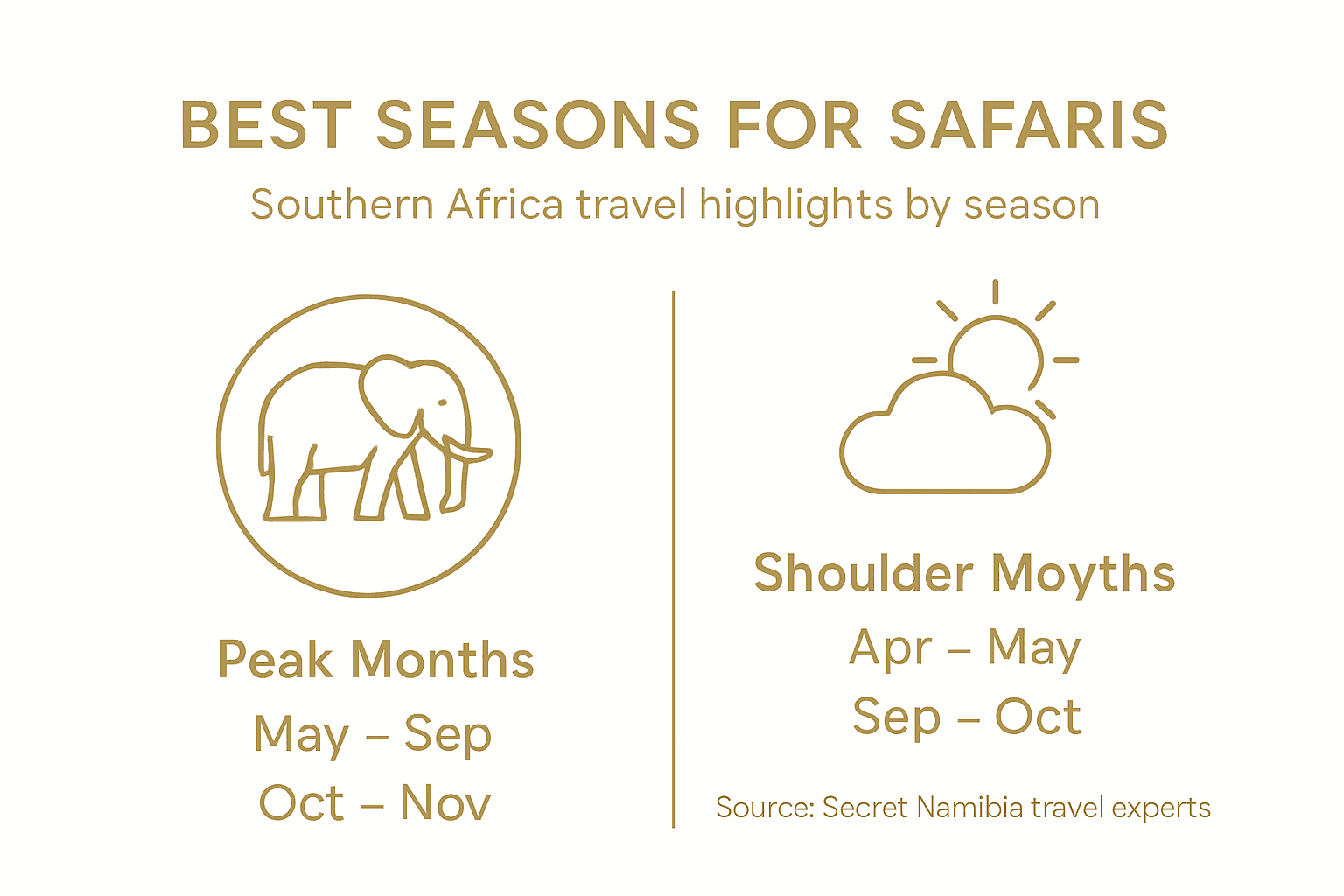
The following table outlines how Southern African seasons influence your safari experience:
Season | Wildlife Viewing Quality | Visitor Numbers | Accommodation Cost Impact |
|---|---|---|---|
Peak (Jun-Oct) | Wildlife easily spotted | Highest | Premium pricing |
Shoulder (Apr-May, Sep-Oct) | Excellent sightings | Moderate | 30-40% lower |
Summer (Nov-Mar) | Dense vegetation, young animals | Lowest | Substantial discounts |
Practical considerations extend to vaccinations, visas, and documentation. North American citizens require valid passports with six months’ validity remaining. Visas for South Africa, Namibia, and Botswana either aren’t required or are granted on arrival for American and Canadian visitors. Consult your doctor regarding malaria prophylaxis, though many reserves, particularly Madikwe in South Africa, are malaria-free or have minimal risk. Yellow fever vaccination is recommended if you’re travelling from countries where the disease occurs. Travel insurance covering emergency evacuation is genuinely important given remote locations. Your safari planner typically handles most logistics, including visa guidance, vaccination recommendations, and travel insurance referrals.
Flight logistics deserve attention. You’ll likely fly internationally to a major hub like Johannesburg, then take regional flights to your safari destination. These secondary flights often operate on small aircraft accommodating 10 to 20 passengers, which feels thrilling rather than claustrophobic. Luggage allowances on regional flights are stricter than international flights, so coordinate with your planner regarding what to bring. Most couples find that neutral colours (khaki, brown, green, grey) blend better with the landscape than bright colours, though guides will work with whatever you bring.
Pro tip: Book your honeymoon safari for April, May, September, or October when you receive peak wildlife viewing combined with dramatically reduced crowds and lower prices than June to August peak season.
Discover Bespoke Luxury Safaris in Southern Africa with Secret Namibia
The challenge for many travellers seeking to explore Southern Africa lies in crafting a truly personalised safari experience that combines privacy, expert guidance and immersive wildlife encounters. This article highlights the need for flexibility in itineraries, authentic wilderness moments, and exclusive accommodations that cater specifically to honeymooners and discerning adventurers. If you long for genuine solitude surrounded by iconic landscapes and unique wildlife, with the freedom to set your own rhythm, it is vital to partner with a knowledgeable expert who understands these demands.
At Secret Namibia, we specialise in tailoring luxury safari journeys that perfectly match your vision. Our bespoke tours blend the spectacular diversity of Namibia’s deserts, parks and waterways with years of insider expertise. Whether you dream of private game reserves, malaria-free regions or cultural experiences intertwined with nature, we ensure every detail reflects your passions and needs. Safeguard your once-in-a-lifetime honeymoon by choosing a service dedicated to authentic exploration, personalised planning and seamless logistics.
Begin your unforgettable Southern African adventure today by visiting Secret Namibia. Explore our extensive collection of luxury safaris and rich insider insights. The wilderness is calling and exclusivity awaits. Act now to secure your tailored itinerary and create memories that last forever.
Frequently Asked Questions
What makes Southern Africa a unique travel destination?
Travel in Southern Africa stands out due to its blend of personalised exploration, stunning wilderness, and intimate wildlife encounters, allowing couples to experience solitude and nature like never before.
How can I ensure the best wildlife viewing experience in Southern Africa?
Opt for private game reserve safaris, which limit visitor numbers and vehicle density, providing a more authentic wildlife experience compared to crowded national parks.
What types of accommodations are available for luxury safaris in Southern Africa?
Accommodations range from ultramodern suites with stunning views to intimate bush camps, allowing travelers to immerse themselves in nature while enjoying world-class comfort and service.
When is the best time to plan a trip to Southern Africa for a honeymoon?
The ideal times are during the shoulder seasons, specifically April to May and September to October, when wildlife viewing is excellent, prices are typically lower, and there are fewer travelers.
Recommended
RELATED
Safari Guides
Oct 30, 2025
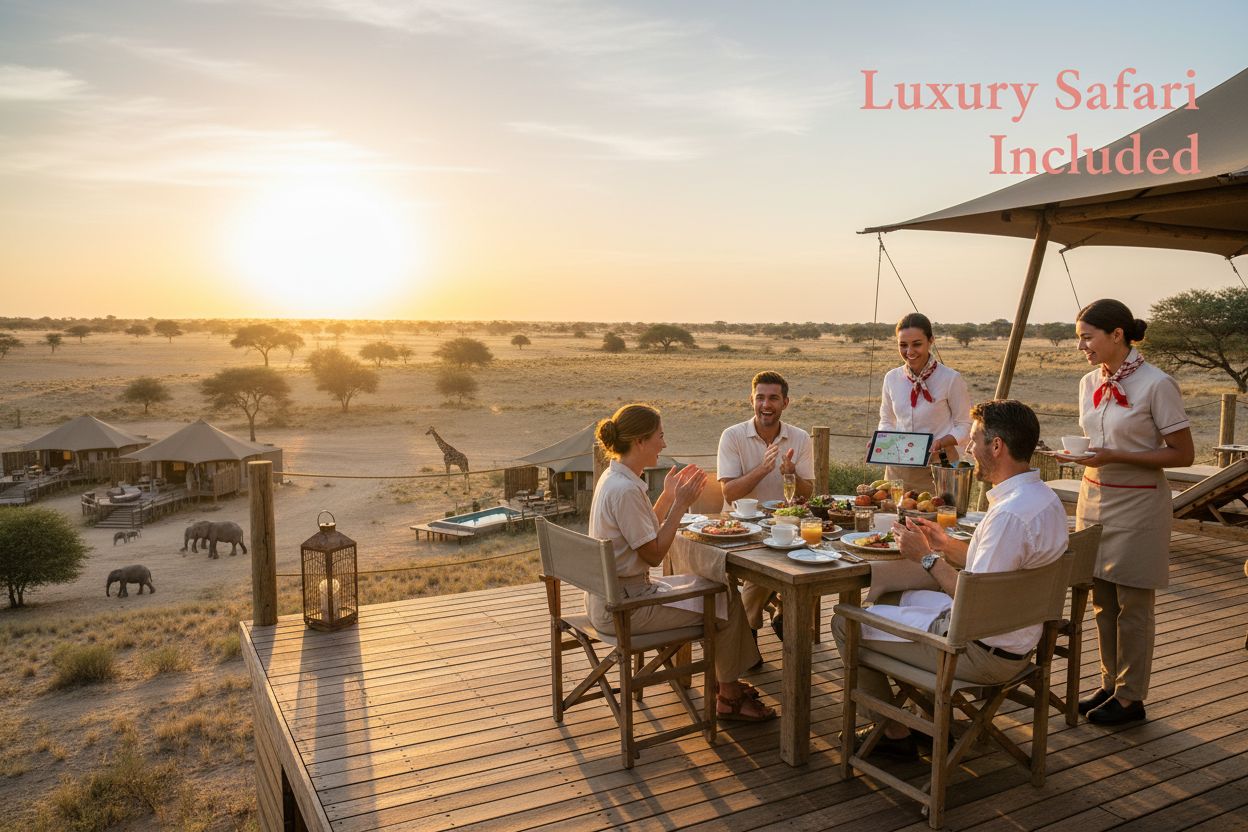
Understanding What is Included in Luxury Safaris
Explore what is included in luxury safaris, from exclusive accommodations to bespoke experiences that cater to discerning travelers.
Feb 24, 2026
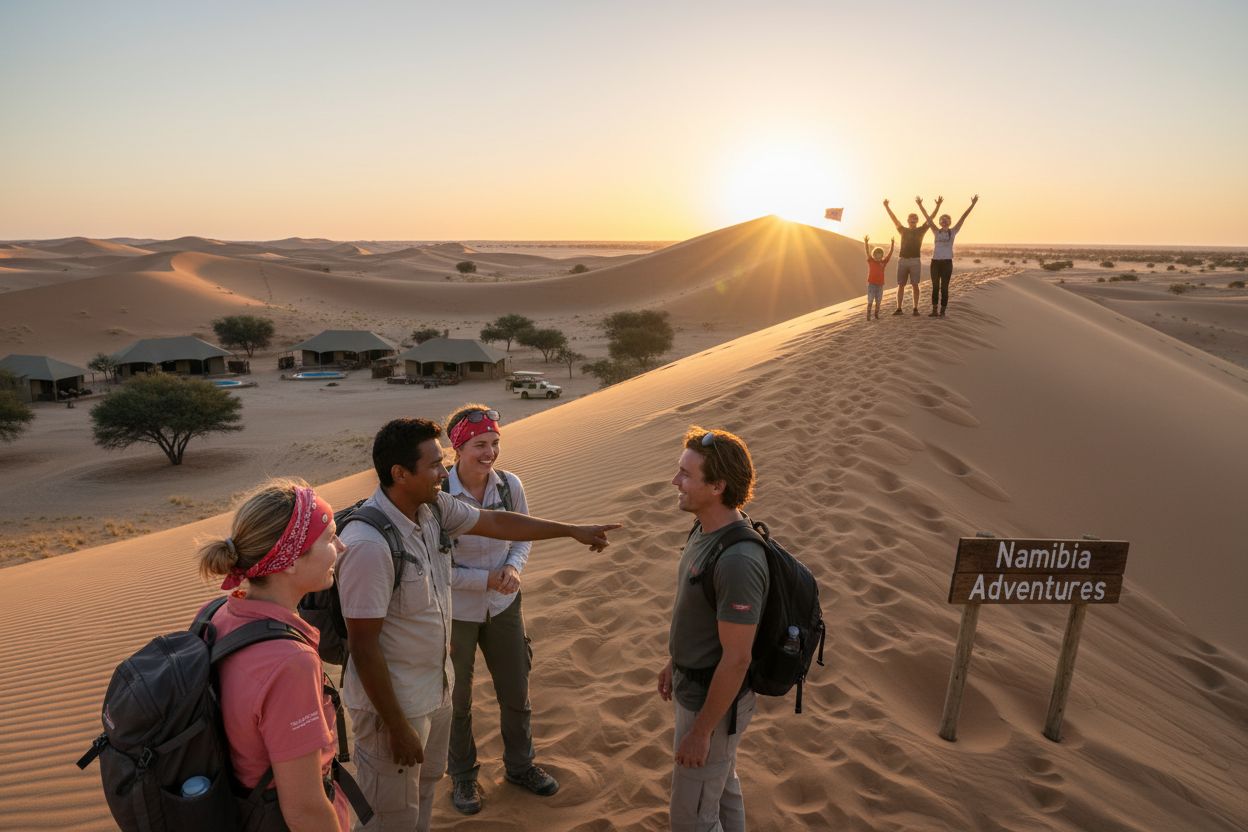
Why Namibia Adventures Matter: An In-Depth Look
Discover why Namibia adventures are essential for luxury travelers seeking unique, immersive experiences in nature and wildlife exploration.
Feb 23, 2026
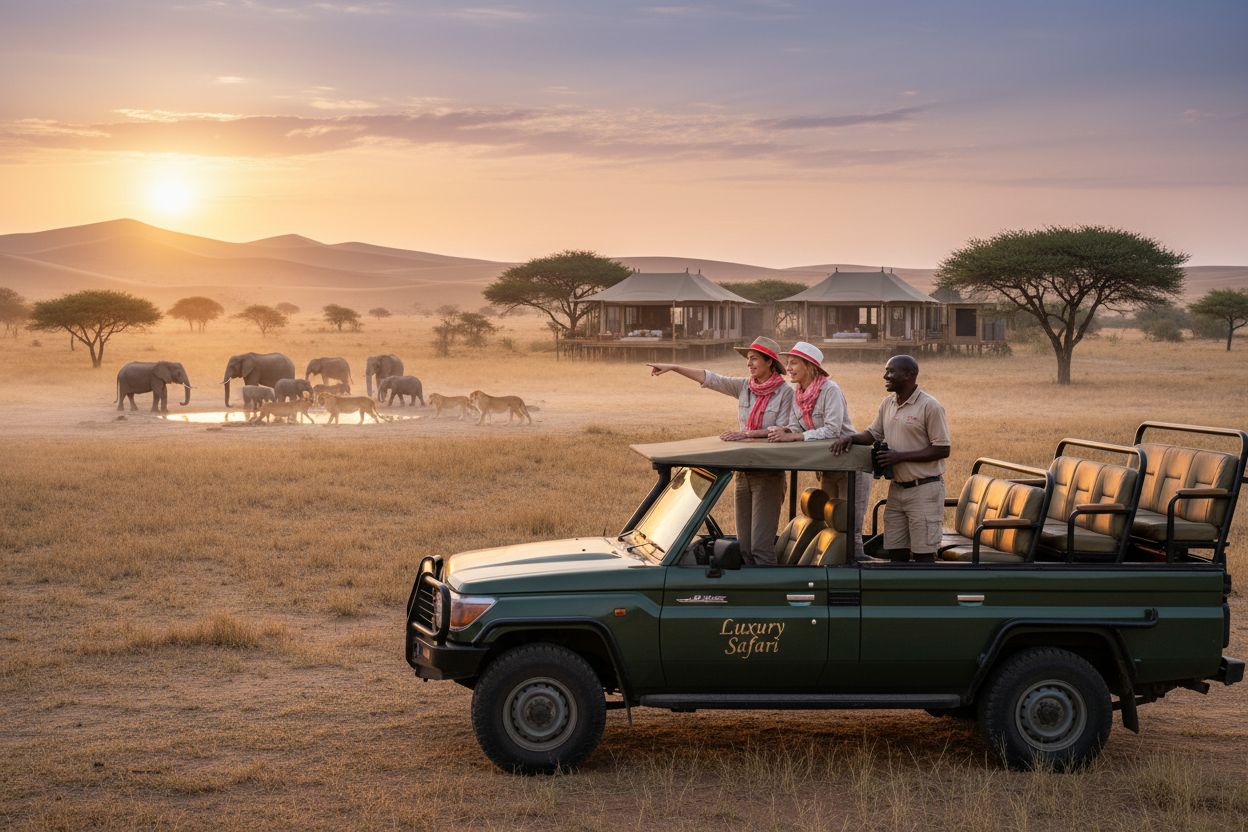
What to Expect on a Luxury Safari: A Comprehensive Guide
Discover what to expect on a luxury safari and gain a deeper understanding of the unique experiences that await you in the wild.
Feb 22, 2026
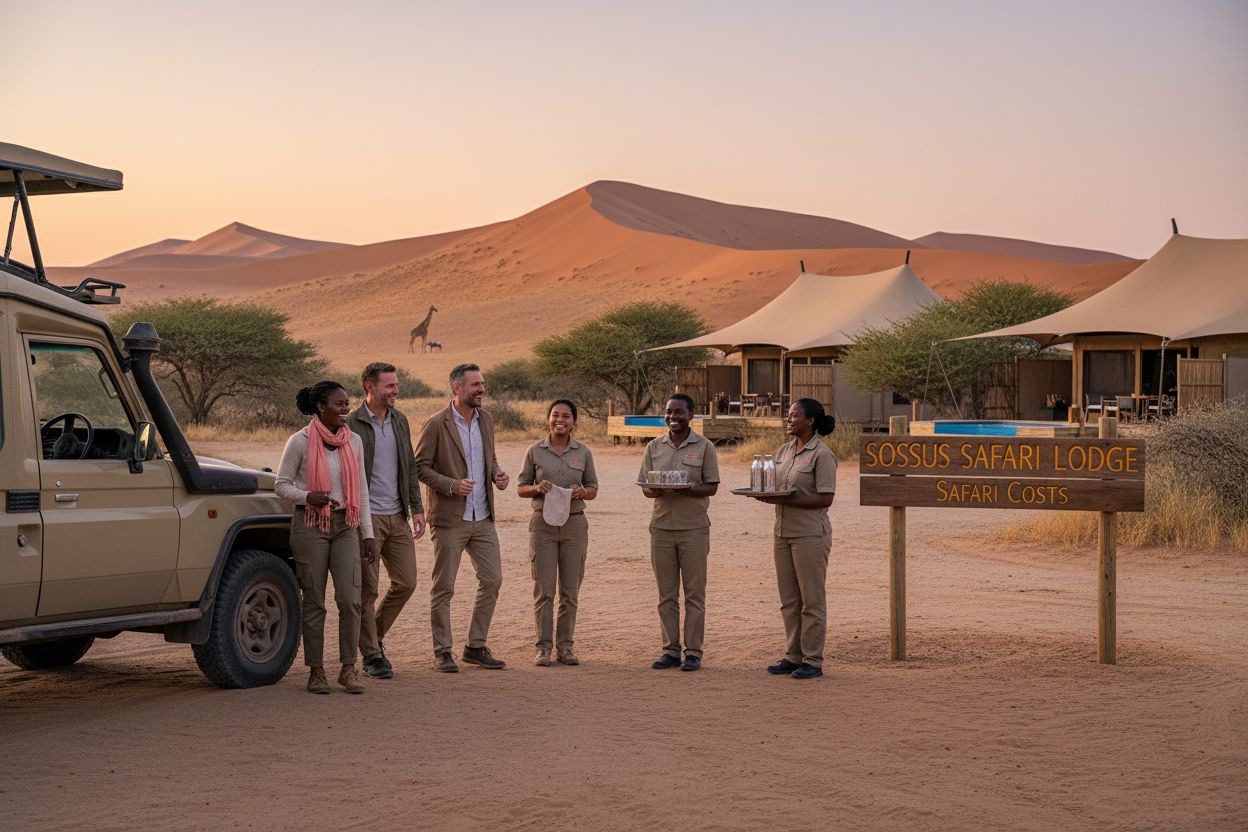
Understanding Namibia Safari Costs Explained
Explore Namibia safari costs explained to uncover what influences pricing and what it means for your adventure.
Feb 21, 2026
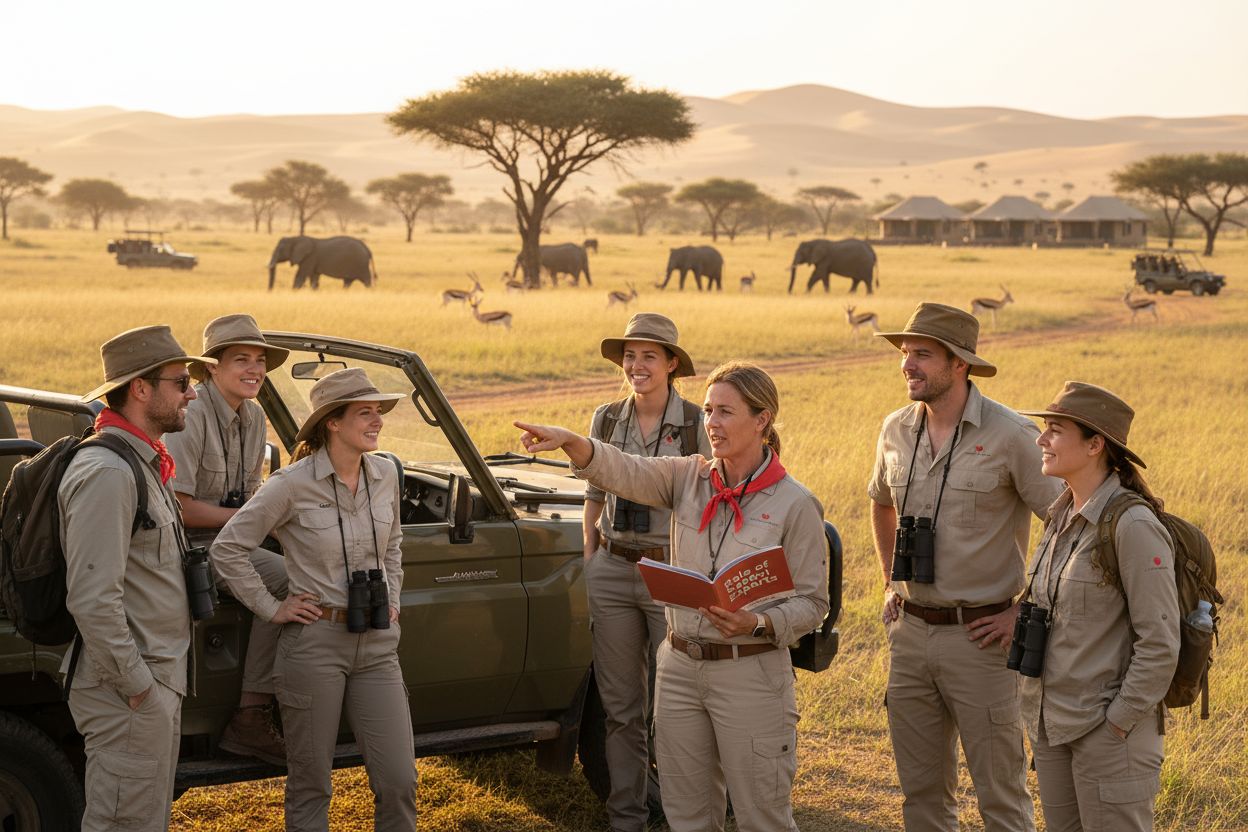
Understanding the Role of Safari Experts in Wildlife Travel
Explore the role of safari experts and gain a comprehensive understanding of how they enhance wildlife travel experiences for all types of travelers.
Feb 20, 2026
Guide organisation safari all inclusive : vivez l'aventure de vos rêves
Découvrez notre guide organisation safari all inclusive étape par étape pour planifier un voyage inoubliable au cœur de la nature.