Aug 23, 2026
Discover unforgettable safari and adventure trips in Africa. Experience luxury, wildlife, and stunning landscapes tailored to your desires.
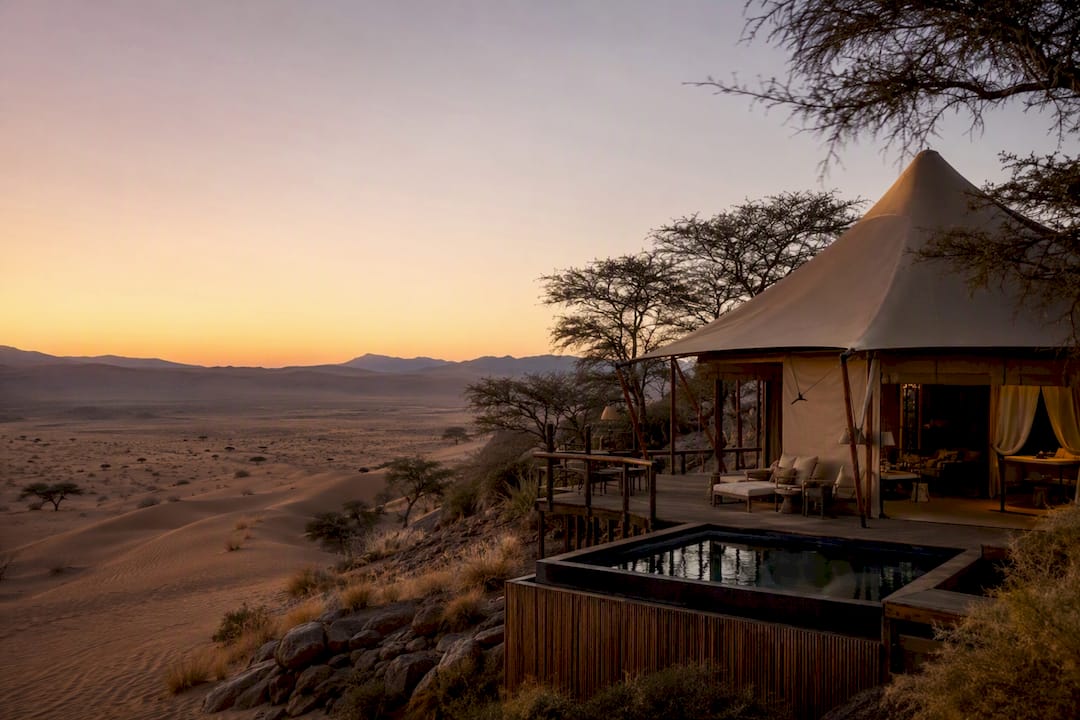
Safari and adventure trips: choosing your African escape
For wildlife, photography and luxury adventure, African safaris — especially Namibia’s private-reserve experiences — are the best starting point for planning safari and adventure trips worldwide. The golden dunes of the Namib, the wide skies over Etosha, and the private concessions scattered across southern Africa offer a rare combination: genuine wilderness paired with the kind of comfort and access that makes a trip unforgettable rather than merely completed. Secret Namibia builds bespoke itineraries around exactly this pairing, drawing on years of on-the-ground reserve relationships that most booking platforms simply don’t have.
Three quick decisions narrow the field fast. First, name your priority: photography, family comfort, or budget flexibility. Second, pick a style: luxury private-reserve, self-drive, fly-in, or a multi-country expedition. Third, match season to purpose, since dry months favor game viewing while green months favor birdlife and landscape drama.
Photography and intimacy point toward private reserves with dedicated vehicles and off-road access.
Family trips often suit lodge-based safaris with flexible activity levels and shorter transfer times.
Independent travelers on a budget frequently do best with a self-drive route through Namibia’s public parks and community concessions.
Secret Namibia’s luxury safari guide to private reserves is a useful next stop once you know which of these three paths fits your trip.
Key Takeaways
Private-reserve safaris in Namibia deliver the closest match between wildlife access, comfort, and personalized pacing available anywhere on the continent.
Point | Details |
|---|---|
Match style to priority | Choose luxury lodge, private-vehicle, photographic, self-drive, or fly-in based on your main goal, not destination alone. |
Favor private reserves for access | Fewer vehicles, off-road permissions, and flexible guiding make private concessions stronger for photography and intimacy. |
Plan around dry season for viewing | June through October concentrates wildlife at water sources across most sub-Saharan destinations. |
Prepare health and gear logistics early | Check CDC travel health guidance and confirm light-aircraft baggage limits before departure. |
Work with Secret Namibia for tailored planning | Secret Namibia builds bespoke itineraries across Namibia’s private reserves with 24/7 support and custom self-drive or fly-in options. |
Table of Contents
Why Namibia sets the standard for luxury safari and adventure trips
Why private game reserves beat national parks for serious travelers
Top private reserves and luxury safari highlights worth building a trip around
Which safari and adventure trip style actually suits you
Seasonality, budgets, and health basics for planning a safari
Practical safari photography tips that actually improve your shots
What a day on safari actually looks like
How to choose the right safari operator or trip
What most safari advice gets wrong about choosing where to go
Start planning your Namibia safari with Secret Namibia
Frequently asked questions
Sources
Why Namibia sets the standard for luxury safari and adventure trips
Namibia doesn’t look like anywhere else on the continent. The Namib Desert, one of the oldest deserts on Earth, rolls into towering red dunes at Sossusvlei before dropping into gravel plains where oryx and ostrich somehow thrive on almost no water. Drive north and the landscape shifts entirely: Etosha’s vast salt pan draws elephant, lion, and black rhino to its waterholes in numbers that make game viewing almost effortless during the dry months. Head further into Damaraland and the terrain turns to ochre rock and ancient riverbeds, home to desert-adapted elephant and some of the last free-roaming black rhino left anywhere.
That geographic range is what makes Namibia such a strong base for a safari built around variety rather than repetition. A single two-week trip can move from desert dune-climbing to open-plains game drives to a coastal stop at Walvis Bay for flamingos and seals, without ever feeling like the same day twice. Compare that to destinations built around one dominant ecosystem, like a rainforest built for primate treks, and Namibia’s range starts to look like its biggest asset.
Sossusvlei and the Namib Desert for dune landscapes, stargazing, and quiet.
Etosha National Park for concentrated, dry-season predator and herd sightings.
Damaraland for desert-adapted wildlife and dramatic geology.
The Skeleton Coast and Walvis Bay for marine life and coastal contrast.
Secret Namibia’s itineraries are built around this exact geography, pairing each region with the reserve or lodge best suited to it and layering in private guiding, transfers, and 24/7 support so the logistics never intrude on the experience. It’s the kind of local knowledge that turns a checklist trip into a genuinely well-paced one, and it’s a big part of why the ultimate luxury wildlife guide to Namibia keeps coming up as a starting reference for first-time visitors.
Why private game reserves beat national parks for serious travelers
National parks are wonderful, and Etosha alone justifies a trip to Namibia. But if your priority is intimacy, flexibility, or photography, private reserves change the equation entirely. Fewer vehicles share each sighting, guides can adjust the day’s plan on the fly, and some concessions permit off-road driving and night drives that public parks restrict for conservation reasons.
Access and flexibility. Private concessions typically cap vehicle numbers per sighting, so you’re not queuing behind six other trucks for a lion sighting.
Off-road and night access. Many reserves allow guides to leave marked tracks and run spotlight drives, both banned in most national parks.
Personalized guiding. Guides on private land often work with the same small group of guests for days, tailoring routes to specific interests like birding or big cat tracking.
Conservation partnerships. Many reserves fund anti-poaching units, research programs, or community trusts directly through guest fees.
That fourth point deserves a caveat: conservation language is easy to print on a brochure and harder to verify. Ask specifically what percentage of your stay funds conservation work, whether the reserve publishes results, and whether local communities hold a stake in the land. Genuine partnerships, like those tied to organizations such as the Africat Foundation, tend to be transparent about exactly this.
Pro Tip: Book a private vehicle rather than a shared game-drive seat if photography matters to you. Photographers consistently report better results when they can dictate the vehicle’s position and dwell time at a sighting, a point National Geographic’s safari photography guide makes repeatedly.
Top private reserves and luxury safari highlights worth building a trip around
Namibia and its southern African neighbors hold some of the most striking private reserves anywhere on the continent. Each one below offers a genuinely different flavor of safari, so the right pick depends on what kind of wildlife adventure tour you’re actually after.
Ongava Game Reserve, bordering Etosha National Park. This reserve sits along Etosha’s southern boundary, sharing an unfenced ecosystem with the park while keeping its own private concession status. The terrain is mopane woodland and open grassland, home to all four of Africa’s rhino conservation success stories rolled into one small area: black rhino, white rhino, lion, and cheetah all roam here in strong numbers. Lodges range from intimate thatched suites with private plunge pools to a dedicated rhino-tracking camp where guests join researchers on foot. A typical day starts before sunrise with a game drive toward the waterholes, breaks for a long lunch during the heat, then resumes with a sundowner drive and, on many nights, a spotlit drive that Etosha itself doesn’t permit.
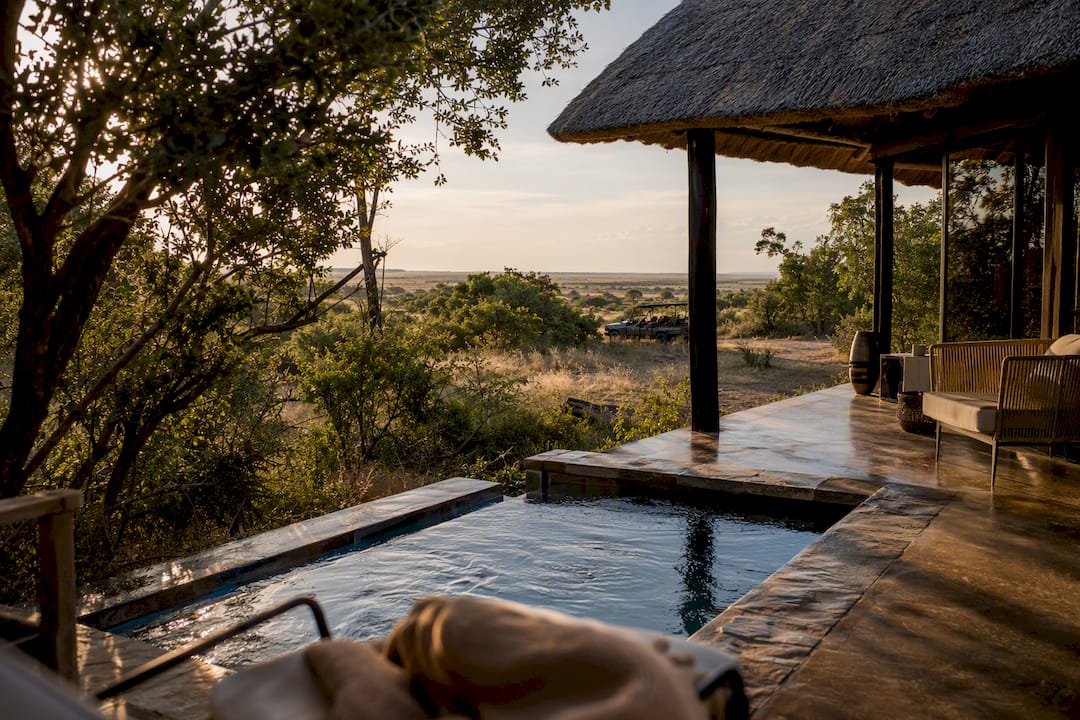
Erindi Private Game Reserve, central Namibia. Erindi covers a huge stretch of savanna and riverine bush an easy few hours from Windhoek, making it a practical add-on for shorter itineraries. Its Old Traders Lodge and Elephant Lodge both overlook waterholes where you can watch elephant, hippo, and predators from a private deck without leaving your room. The reserve runs its own carnivore research program, and guests can often join guides monitoring collared leopards and cheetahs. It suits families particularly well: activity levels are flexible, distances between camp and sightings are short, and the waterhole-facing rooms mean younger children get wildlife encounters even during rest hours.
NamibRand Nature Reserve, southern Namib Desert. One of the largest private nature reserves in southern Africa, NamibRand protects a swath of red dune and gravel plain south of Sossusvlei. Wolwedans, its flagship lodge collective, has built its camps almost entirely from canvas and timber raised on wooden platforms, minimizing the physical footprint on the desert floor. The wildlife here is subtler than Etosha’s, oryx, springbok, and the occasional brown hyena, but the real draw is the landscape itself: some of the darkest skies on Earth, certified for stargazing, plus hot-air balloon flights over the dunes at dawn. Days here run slower, built around desert walks, dune climbs, and long, quiet evenings rather than back-to-back game drives.
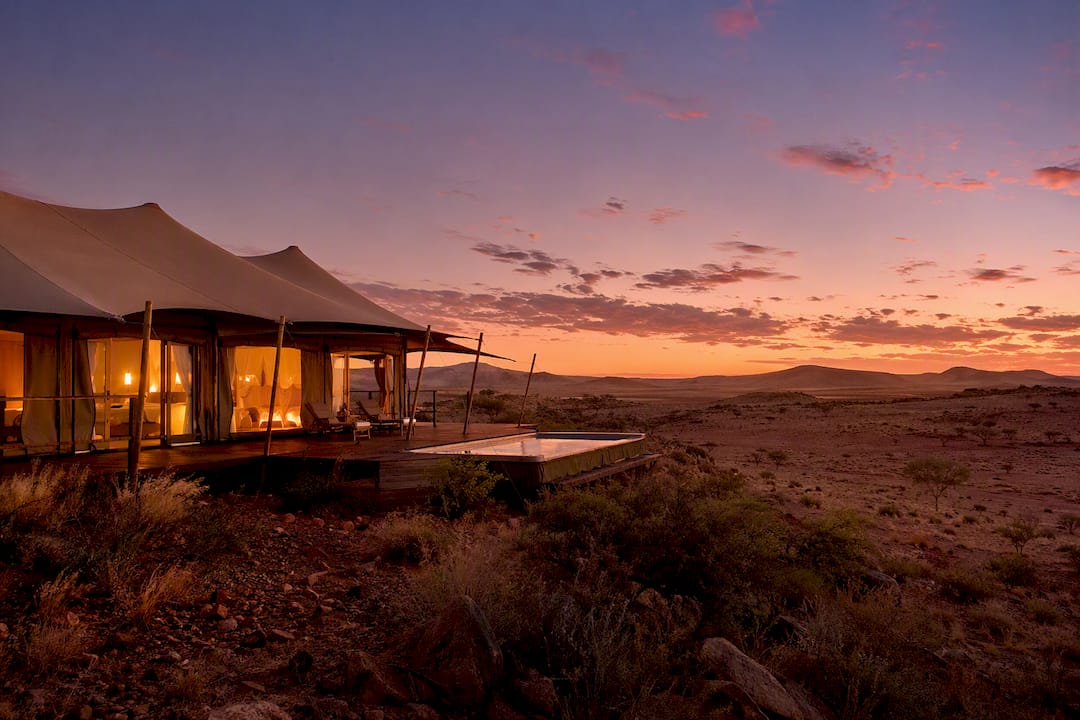
Okonjima Nature Reserve, home of the Africat Foundation. Okonjima sits in the Omboroko Mountains and functions as both a lodge destination and a working carnivore rehabilitation center. Guests stay in stone-and-thatch chalets or a private villa, and every stay includes guided tracking of collared leopards and cheetahs alongside the foundation’s research team. It’s the reserve to choose if conservation access, not just wildlife viewing, is the point of the trip. Children over a certain age are welcomed into tracking activities, making it one of the more education-forward options on this list.
Chobe region concessions, Botswana border area. For travelers extending a Namibia trip toward Victoria Falls, the private concessions bordering Chobe National Park offer riverfront lodges with unmatched elephant density along the water’s edge during the dry season. Boat-based game viewing here adds a dimension land-based reserves can’t match: watching a herd cross the river at sunset from a quiet skiff is a genuinely different kind of sighting.
Each of these reserves differs from a standard national park stay in the same basic way: your guide has latitude to change plans, your vehicle isn’t sharing every sighting with strangers, and your lodge is usually built to disappear into the landscape rather than dominate it. Secret Namibia’s luxury safari camp experience guide walks through what a multi-reserve itinerary combining several of these looks like in practice.
Which safari and adventure trip style actually suits you
Not every safari looks the same, and matching the style to your goals matters more than picking a destination first. Here’s how the main options break down.
Luxury lodge safaris center on a small number of high-end camps, full board, and guided activities included. Best for honeymooners and travelers who want comfort without logistics. Typical length: 5 to 10 nights.
Private-vehicle safaris add a dedicated vehicle and guide to any lodge stay, ideal for photographers and multi-generational families who want control over pacing.
Photographic safaris are built around specialist guides, extended sighting times, and sometimes photography-modified vehicles. Best suited to serious enthusiasts willing to trade some comfort for access. Often 7 to 14 nights.
Self-drive safaris put you behind the wheel with a planned route between lodges or campsites, suited to independent travelers comfortable with navigation and flexible timing. Namibia’s well-graded gravel road network makes this more accessible here than in most African countries, and Secret Namibia’s classic self-drive itinerary is a solid template.
Fly-in safaris use light aircraft to connect remote camps directly, cutting travel time dramatically for multi-region trips. Best for travelers with limited time who still want to see several ecosystems.
Multi-destination expeditions combine Namibia with neighboring countries like Botswana, Zambia, or Victoria Falls, typically running 12 to 21 nights with internal flights between stops.
Cost and complexity generally rise in that order: self-drive is the most budget-friendly, fly-in and multi-country trips carry the highest price tags due to internal flights and premium camp rates.
Seasonality, budgets, and health basics for planning a safari
Timing shapes everything else about a safari, from what you’ll see to how much you’ll pay. The dry season, running roughly June through October across most sub-Saharan destinations, pushes wildlife toward permanent water sources, which is why most safari operators and guides point to these months as the easiest window for reliable sightings. The trade-off is higher lodge rates and more vehicles at popular waterholes. The green season, November through May, brings dramatic afternoon storms, newborn animals, and migratory birdlife, along with lush scenery that’s harder to capture in the dry months, but wildlife disperses across a wider area and sightings take more patience.
Budgets vary enormously by trip style. As a general guide:
Self-drive safaris tend to run at the lower end, since you control accommodation choice and skip guide and private-vehicle fees.
Small-group lodge safaris sit in the middle, with costs driven mainly by lodge tier and whether internal flights are included.
Private-reserve and fly-in luxury trips command the highest rates, reflecting exclusive-use vehicles, premium suites, and light-aircraft transfers between camps.
The biggest cost drivers within any tier are accommodation category, whether a vehicle is private or shared, and how many internal flights the itinerary requires.
Health and safety checklist
Consult the CDC’s travel health guidance well before departure, since vaccine recommendations and malaria advice vary by region and season.
Confirm light-aircraft baggage limits with your operator if your itinerary includes bush flights; most restrict soft bags to a set weight per person.
Never approach wildlife on foot without a guide, and always follow your guide’s spacing instructions during game drives.
Share any medical conditions with your operator ahead of time so lodges can plan accordingly, especially for remote camps far from clinics.
Secret Namibia’s own safari safety checklist covers these points in more depth, and it’s worth a read before finalizing any itinerary that includes remote or fly-in camps.
Practical safari photography tips that actually improve your shots
Good safari photography has less to do with gear and more to do with preparation. Professional photographers consistently point to practicing with your own equipment before travel as the single most overlooked step. A telephoto lens you’ve never used in low light will cost you more usable shots than a slightly older camera body you know inside out.
Prioritize a telephoto lens (200mm or longer) over a second camera body if you have to choose.
Bring more memory cards than you think you’ll need; wildlife sightings often produce hundreds of frames in minutes.
Ask your guide to position the vehicle with the sun behind you for most sightings, and be patient during golden hour.
Pack a beanbag stabilizer for resting your lens on the vehicle’s frame, since tripods rarely work in a moving vehicle.
Confirm bush-flight baggage limits with your operator, since most light aircraft impose strict weight caps that affect how much camera gear you can bring.
Check whether your travel insurance covers camera equipment separately, since standard policies often cap electronics coverage low.
Pro Tip: If photography is the main point of your trip, book a private vehicle rather than sharing one. You’ll dictate how long the vehicle stays at each sighting, and that extra dwell time is often the difference between a snapshot and a genuinely striking image.
Secret Namibia’s dedicated wildlife photography guide goes further into lodge-specific advice, including which camps have hides or platforms built specifically for photographers.
What a day on safari actually looks like
Safari days follow a rhythm built around light and animal behavior, and it repeats with small variations across most reserves. Mornings start early, often before 6 AM, for a game drive timed to catch predators still active from the cooler night hours. You return to camp mid-morning for a full breakfast, then the middle of the day is largely free: a swim, a nap, or time on a private deck watching a waterhole. Afternoon tea precedes a second game drive that runs into sunset, often ending with drinks in the bush before heading back for dinner.
Private reserves frequently add night drives, using spotlights to find nocturnal species like aardvark, genet, and pangolin.
Guided bush walks, where offered, give a completely different perspective on tracks, plants, and smaller wildlife.
Evening briefings from your guide typically preview the next day’s plan and take requests for specific sightings.
Meals lean toward communal dining at smaller lodges, building the kind of shared storytelling that’s part of the appeal.
Guest behavior matters more than most travelers expect. Staying inside the vehicle during drives, keeping noise low near sightings, and following your guide’s lead on distance all protect both wildlife and the quality of everyone’s experience, points echoed throughout WWF’s guidance on responsible wildlife interactions.
How to choose the right safari operator or trip
Picking the right operator matters as much as picking the right reserve. Work through this before you book.
Define your wildlife priority. Big cats, rhino tracking, birdlife, or marine life all point toward different regions and reserves.
Check group size and vehicle sharing. Ask directly whether your vehicle will be private or shared with other guests.
Verify guide qualifications. Ask how long guides have worked the specific reserve, not just how long they’ve guided generally.
Confirm what’s included. Transfers, park fees, drinks, and laundry vary widely between “all-inclusive” packages.
Ask about cancellation flexibility. Remote lodges often have strict policies; know them before you pay a deposit.
Request conservation specifics. A reserve that can’t explain how guest fees support conservation work is worth questioning.
When you enquire, ask specifically about photography support (private vehicles, hide access), medical contingency plans for remote camps, and how weather delays on light aircraft are typically handled.
Pro Tip: Treat vague answers as a red flag. An operator who can’t tell you exactly which reserve, lodge, and vehicle arrangement you’re getting before you pay a deposit hasn’t finalized your trip, they’ve sold you a placeholder.
What most safari advice gets wrong about choosing where to go
Most safari guides rank destinations by wildlife density alone, as if a longer species checklist automatically means a better trip. That misses what actually makes a safari memorable: how much access, pacing control, and personal attention you get once you’re there. A reserve with fewer species but a private vehicle and a guide who adjusts the day around your interests will usually beat a crowded national park sighting of the same animal.
The conventional advice also underweights logistics. Travelers spend weeks choosing a lodge and almost no time confirming baggage limits on bush flights or asking how conservation fees actually get spent. Both details shape the trip more than an extra star rating ever will.
If there’s one priority worth setting first, it’s this: decide what kind of access matters to you, photographic dwell time, off-road tracking, conservation involvement, family flexibility, before you compare a single lodge. Namibia’s private reserves reward that kind of clarity because they’re built to be adjusted around it, in a way a fixed national park itinerary simply can’t match.
Start planning your Namibia safari with Secret Namibia
Secret Namibia builds bespoke safari itineraries around exactly the kind of private-reserve access this guide has covered, self-drive routes, fly-in transfers, and fully guided luxury stays, all backed by 24/7 support once you’re on the ground. Rather than choosing off a fixed package list, you work with a planner who knows which reserves suit your wildlife priorities and adjusts the route accordingly.
A typical next step takes less time than most travelers expect: submit a quick enquiry outlining your priorities (photography, family, honeymoon, budget), and you’ll receive a sample itinerary built around reserves and lodges matched to those goals, usually followed by a short customization call. Most travelers finalize a booking within two to three weeks of that first enquiry, though remote camps with limited rooms can require earlier commitment during peak dry-season months.
Browse the full range of luxury Namibia safaris to see current itineraries, or go straight to the enquiries page to start a conversation about your own custom trip. For travelers weighing lodge dining as part of the decision, this guide to combining lodging and gastronomy is worth a look alongside your itinerary planning.
Frequently asked questions
What is the best time of year for a Namibia safari? The dry season, roughly June through October, offers the most concentrated wildlife viewing as animals gather near water sources. The green season, November through May, suits travelers prioritizing landscape photography, birdlife, and lower rates over guaranteed sightings.
How many days should a first safari and adventure trip last? Most first-time travelers do well with a moderate number of nights, enough to cover two or three regions without excessive transfer fatigue. Multi-country expeditions combining Namibia with Botswana or Victoria Falls typically run 12 to 21 nights.
Are private reserves more expensive than national park stays? Generally yes, since private reserves fund exclusive-use vehicles, lower guest density, and often conservation programs directly through nightly rates. The trade-off is more flexible, personalized access than a public park stay usually allows.
Do I need vaccinations for a Namibia or southern African safari? Requirements vary by country and region, which is why checking CDC travel health guidance before departure matters more than relying on general assumptions about Africa as a whole.
Is self-drive safe for a first safari in Namibia? Namibia’s well-maintained gravel road network makes self-drive more accessible than in many African countries, though travelers should still plan routes carefully and carry appropriate vehicle recovery gear for remote stretches.
Sources
Several external references back the safety, wildlife, and photography guidance throughout this article, alongside a few Secret Namibia pages worth bookmarking for deeper planning.
How to photograph wildlife on a safari | National Geographic
41 Expert Safari Photography Tips For Better Wildlife Shots | Passport & Pixels
I’m a Professional Photographer and These Are My Safari Photo Secrets | Travel + Leisure
Recommended
RELATED
Safari Guides
Oct 30, 2025
Understanding What is Included in Luxury Safaris
Explore what is included in luxury safaris, from exclusive accommodations to bespoke experiences that cater to discerning travelers.
Feb 24, 2026
Why Namibia Adventures Matter: An In-Depth Look
Discover why Namibia adventures are essential for luxury travelers seeking unique, immersive experiences in nature and wildlife exploration.
Feb 23, 2026
What to Expect on a Luxury Safari: A Comprehensive Guide
Discover what to expect on a luxury safari and gain a deeper understanding of the unique experiences that await you in the wild.
Feb 22, 2026
Understanding Namibia Safari Costs Explained
Explore Namibia safari costs explained to uncover what influences pricing and what it means for your adventure.
Feb 21, 2026
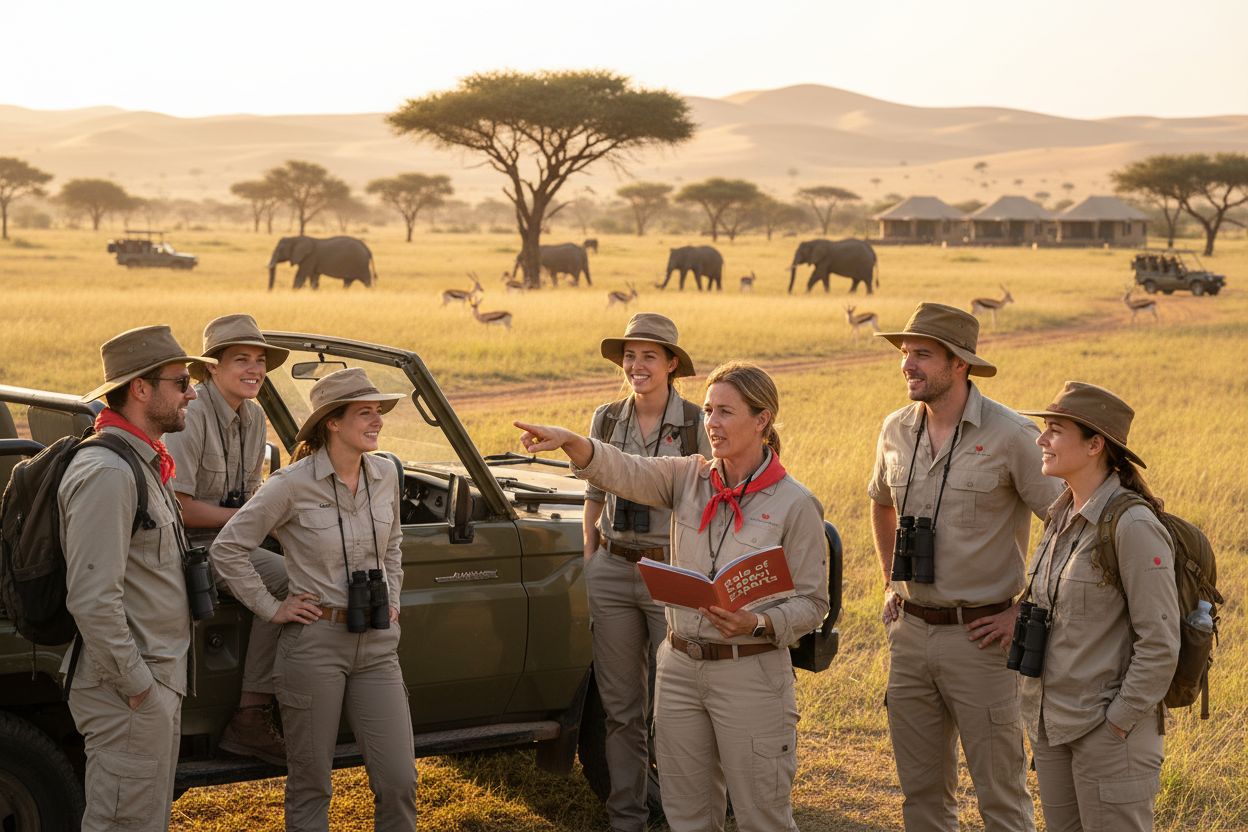
Understanding the Role of Safari Experts in Wildlife Travel
Explore the role of safari experts and gain a comprehensive understanding of how they enhance wildlife travel experiences for all types of travelers.
Feb 20, 2026
Guide organisation safari all inclusive : vivez l'aventure de vos rêves
Découvrez notre guide organisation safari all inclusive étape par étape pour planifier un voyage inoubliable au cœur de la nature.