
Sep 2, 2025
Self-drive safari guide covers what it is, types, essential planning, safety, legalities, and tips for exploring Namibia’s wild beauty your way.
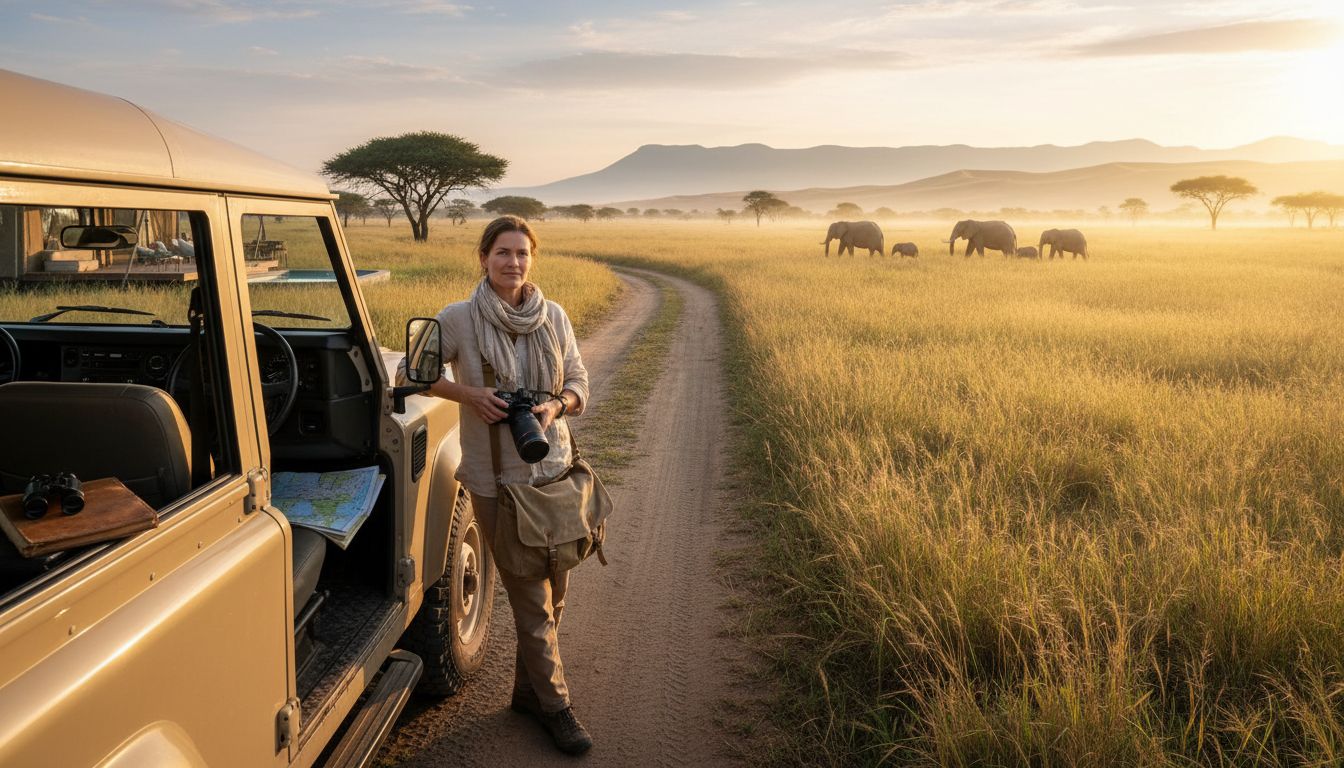
Self-Drive Safari: Everything You Need to Know
Over 65 percent of South African safari enthusiasts now choose self-drive adventures instead of traditional guided tours. This shift is changing the way people experience Africa’s remarkable wildlife and landscapes, offering unmatched freedom to explore at their own pace. If you want an authentic and flexible journey through the heart of the wild, understanding self-drive safaris gives you the knowledge to plan a safe, rewarding, and unforgettable adventure.
Table of Contents
Defining Self-Drive Safaris in Africa
Types of Self-Drive Safari Experiences
How a Self-Drive Safari Works
Essential Planning and Navigation Tips
Safety, Legal, and Environmental Considerations
Comparing Self-Drive Safaris with Guided Tours
Key Takeaways
Point | Details |
|---|---|
Self-Drive Safari Experience | This travel style offers unparalleled freedom to explore Africa’s wilderness at your own pace, creating unique and personal experiences in nature. |
Planning Essentials | Comprehensive preparation, including vehicle selection, navigation strategies, and safety protocols, is crucial for a successful self-drive safari. |
Environmental and Legal Awareness | Travellers must adhere to legal requirements and environmental responsibilities, ensuring minimal impact on wildlife habitats while enjoying their adventure. |
Choosing Your Safari Type | Understanding the various self-drive safari experiences available helps tailor the journey to align with personal interests and comfort levels. |
Defining Self-Drive Safaris in Africa
Self-drive safaris represent an extraordinary travel experience that grants adventurers unprecedented autonomy while exploring Africa’s magnificent wilderness. According to Lonely Planet, this style of travel allows travellers to explore wildlife at their own pace, offering significant advantages over traditional organised tours.
A self-drive safari essentially means independently navigating through national parks, game reserves, and wilderness areas using a personalised vehicle. Unlike guided safaris where professional drivers and tour operators manage every aspect of the journey, self-drive travellers assume complete control over their route, timing, and travel style. This approach requires specific preparation, including:
Renting a suitable 4x4 vehicle
Possessing robust navigation skills
Understanding wildlife safety protocols
Carrying appropriate emergency equipment
Maintaining detailed route planning
The freedom inherent in self-drive safaris allows travellers to craft uniquely personalised experiences. You can pause whenever a breathtaking wildlife moment unfolds, spend extended periods observing animal interactions, or explore remote regions inaccessible to larger tour groups. While this travel style demands higher levels of self-reliance and preparation, it rewards adventurers with an unfiltered, intimate connection to Africa’s extraordinary landscapes.
For travellers considering this remarkable journey, understanding the nuances of self-drive safari advantages becomes crucial.
Proper planning transforms a potentially challenging expedition into an unforgettable African adventure.
Types of Self-Drive Safari Experiences
Self-drive safari experiences offer an extraordinary spectrum of adventure across Africa’s diverse landscapes, allowing travellers to craft personalised journeys that match their interests and comfort levels. According to Responsible Vacation, these experiences vary dramatically by destination, ranging from exploring verdant tea plantations to navigating challenging desert terrains and wildlife reserves.
Safari Types can be categorised into several distinct experiences:
Wilderness Exploration Safaris: Traversing remote national parks with minimal infrastructure
Coastal Region Safaris: Combining wildlife viewing with scenic coastal landscapes
Mountain and Plateau Safaris: Navigating challenging terrain with unique ecological zones
Desert Landscape Safaris: Exploring arid regions with specialised wildlife adaptations
Cultural Interaction Safaris: Incorporating local community encounters with wildlife experiences
Each safari type demands specific vehicle preparation, navigation skills, and understanding of local environmental conditions. For instance, desert safaris require robust 4x4 vehicles capable of handling sandy terrain, while mountain routes might necessitate additional ground clearance and specialised equipment.
For those seeking a comprehensive understanding of these diverse experiences, our complete guide to adventure safaris provides in-depth insights into selecting the perfect self-drive safari tailored to your adventurous spirit.
How a Self-Drive Safari Works
A self-drive safari represents a meticulously planned expedition where travellers become the architects of their own wilderness adventure. Unlike traditional guided tours, this approach empowers you to navigate Africa’s breathtaking landscapes independently, combining personal freedom with strategic preparation. When embarking on such a journey, multiple critical components must align to ensure a seamless and safe experience.
The fundamental process involves several key stages:
Vehicle Selection
Choose a robust 4x4 vehicle suitable for terrain
Ensure comprehensive insurance coverage
Verify vehicle includes emergency equipment
Route Planning
Research national park regulations
Map potential wildlife viewing locations
Understand seasonal accessibility of different routes
Identify backup communication options
Safety Preparations
Pack essential survival and first-aid kits
Download offline maps
Carry extra fuel and water supplies
Understand wildlife interaction protocols
Successful self-drive safaris demand a combination of meticulous planning, adaptability, and respect for wilderness environments.
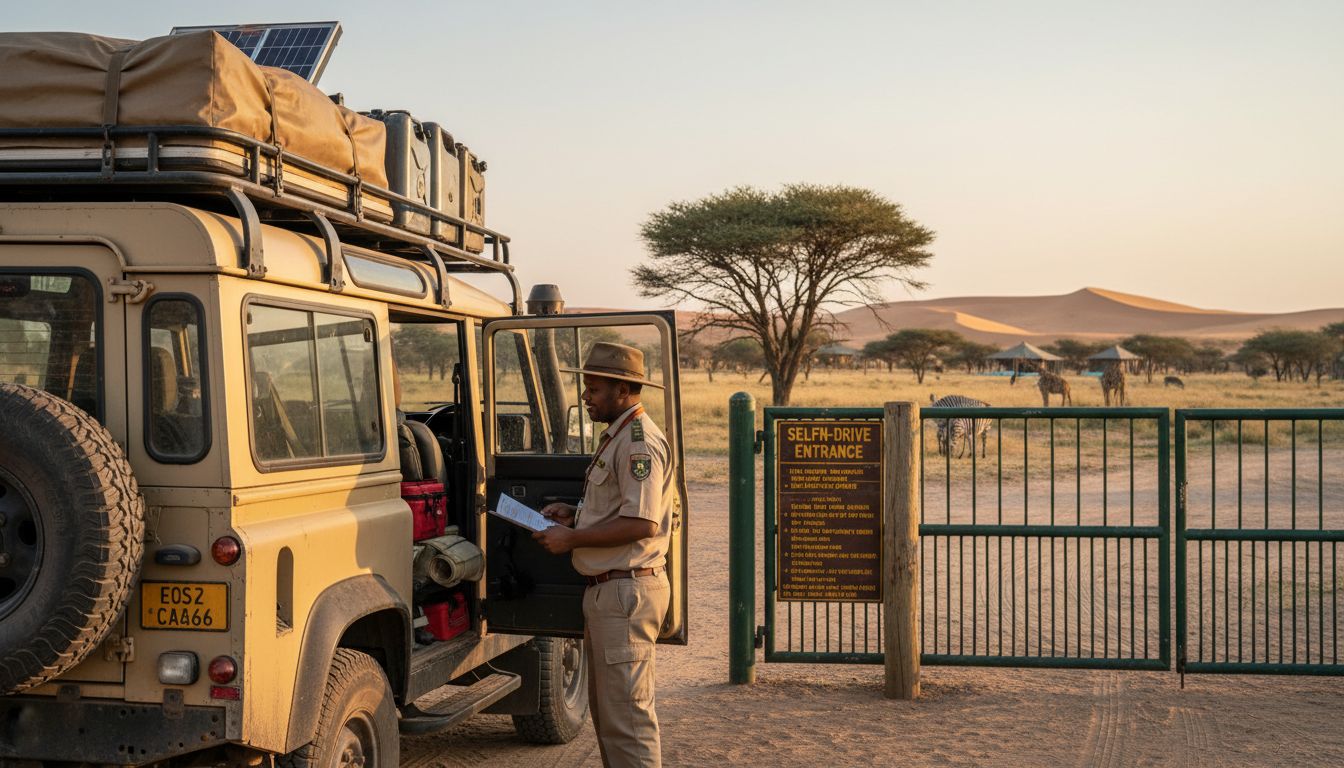
Travellers must balance spontaneity with careful preparation, understanding that each decision impacts their safety and wildlife experience.
For those seeking expert guidance on navigating these intricate logistics, our essential Etosha self-drive safari steps provide comprehensive insights into crafting an unforgettable African adventure.
Essential Planning and Navigation Tips
Successful self-drive safaris demand intricate planning and robust navigation skills. According to Lonely Planet, understanding navigation challenges and ensuring vehicle reliability are critical components of a seamless wilderness expedition. Navigation preparedness is not just about having a map, but about developing a comprehensive strategy for traversing unpredictable African terrains.
Key Navigation Strategies include:
Digital and Physical Mapping
Download offline GPS maps
Carry physical paper maps as backup
Mark key waypoints and potential rest locations
Understand topographical variations
Communication Preparedness
Carry satellite communication devices
Ensure mobile phone has international roaming
Pack portable power banks
Establish emergency contact protocols
Vehicle Navigation Equipment
Install robust GPS tracking systems
Carry comprehensive communication radios
Include detailed route-tracking capabilities
Understand vehicle’s technical limitations
Additional preparation involves studying regional road conditions, understanding local wildlife movement patterns, and developing contingency plans for unexpected scenarios. Successful navigators recognise that flexibility and detailed preparation are their greatest assets in remote wilderness environments.
For travellers seeking more detailed insights into crafting a meticulously planned safari adventure, our complete guide to self-drive in Namibia offers comprehensive strategies for navigating Africa’s most challenging and beautiful landscapes.
Safety, Legal, and Environmental Considerations
Self-drive safari adventures demand comprehensive understanding of safety protocols, legal requirements, and environmental responsibilities. According to Lonely Planet, travelers must be prepared to handle vehicle issues independently and carry adequate emergency supplies while minimising their environmental impact.
Safety Considerations encompass multiple critical dimensions:
Personal Safety
Carry comprehensive first-aid kits
Understand wildlife interaction protocols
Pack emergency communication devices
Learn basic vehicle repair skills
Legal Requirements
Verify international driving permits
Understand park entry regulations
Confirm vehicle insurance coverage
Research cross-border travel restrictions
Environmental Responsibilities
Stay on designated trails
Practice strict waste management
Minimise noise and visual disruptions
Respect wildlife habitats and movement corridors
Environmental stewardship is not optional but a fundamental obligation for self-drive safari participants. Responsible travelers recognise their role in preserving delicate ecosystems and maintaining the intricate balance of wilderness environments. This means adhering to strict guidelines that protect both wildlife and landscape integrity.
Travelers seeking deeper insights into responsible safari practices can explore our complete guide to self-drive in Namibia, which provides comprehensive strategies for ethical and safe wilderness exploration.
Comparing Self-Drive Safaris with Guided Tours
Choosing between self-drive and guided safari experiences represents a critical decision for wilderness adventurers. According to Lonely Planet, each approach offers unique advantages, with self-drive safaris providing greater freedom and potential cost savings, while guided tours deliver structured itineraries and expert wildlife insights.
Comparative Analysis:
Self-Drive Safari Advantages
Maximum personal flexibility
Lower overall expedition costs
Complete route customisation
Intimate wildlife encounter opportunities
Enhanced sense of personal achievement
Guided Safari Advantages
Professional wildlife tracking expertise
Comprehensive safety management
Deep ecological and cultural interpretations
Pre-planned logistical arrangements
Access to specialised wildlife viewing locations
The decision ultimately hinges on individual traveller preferences, experience levels, and comfort with wilderness navigation.
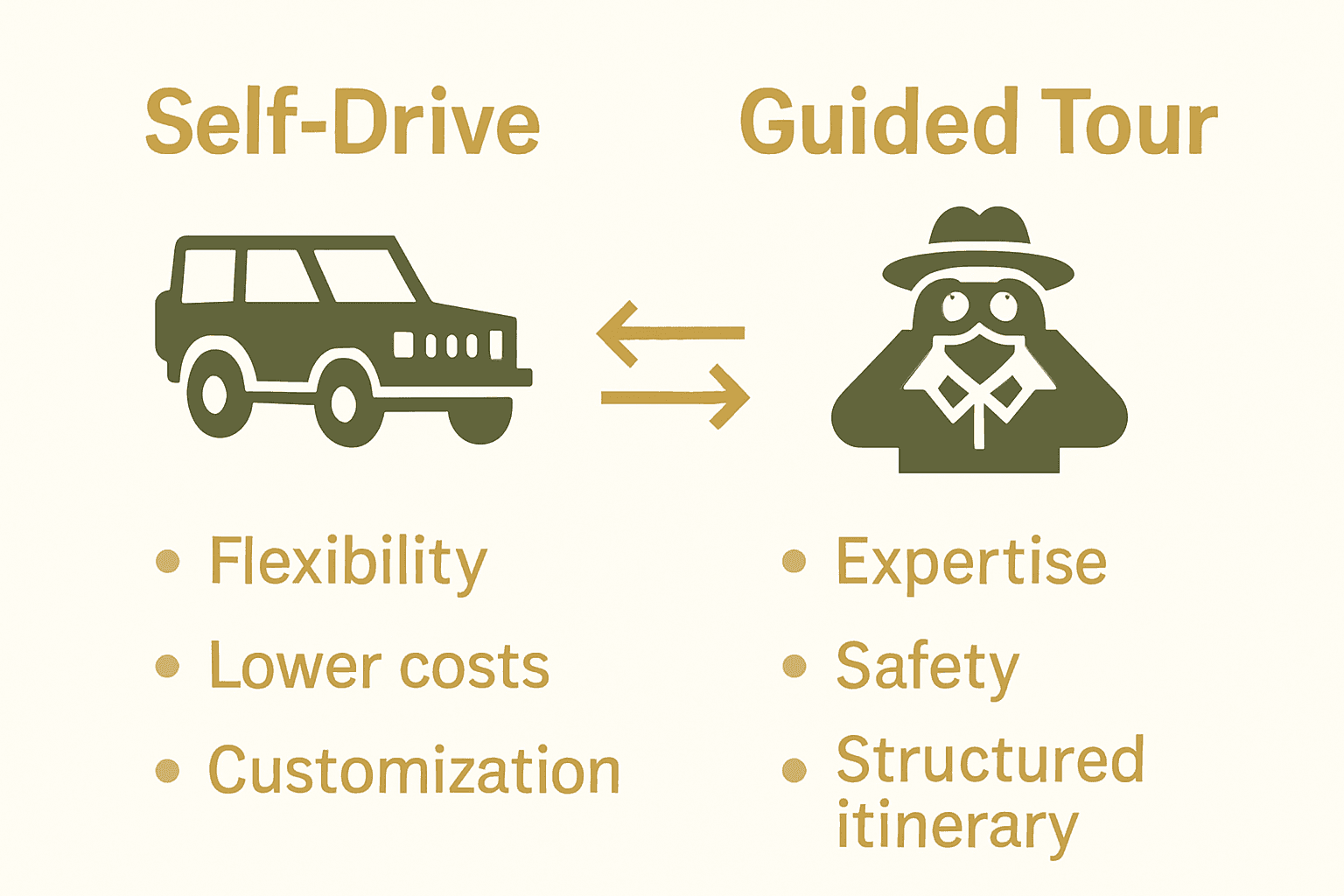
Novice adventurers might prefer guided experiences that offer structured support, while seasoned travelers often gravitate towards the autonomy of self-drive expeditions.
For travellers seeking nuanced insights into selecting their ideal safari experience, our comprehensive guide to safari differences provides detailed strategies for making an informed choice that matches your unique adventure profile.
Take Control of Your Own African Adventure with Expert Support
Setting off on a self-drive safari means embracing freedom and responsibility in equal measure. You want to enjoy the unmatched flexibility to pause at breathtaking wildlife moments while feeling confident you are fully prepared for the challenges of Namibia’s diverse terrain. This requires meticulous navigation, safety awareness and a robust plan to truly unlock the magic of this unique experience.
Discover how Secret Namibia can transform your self-drive safari dream into a seamless reality. Our personalised planning and expert guidance ensure you have the right vehicle, route and safety measures to explore iconic spots like Etosha National Park and the Namib Desert with peace of mind. Don’t wait to make your self-drive safari extraordinary. Start planning your bespoke trip now at Secret Namibia, where authentic adventure and luxury combine to create unforgettable memories. Take the first step with our complete guide to adventure safaris and tap into expert insights on essential Etosha self-drive safari steps. Your perfect African journey starts here.
Frequently Asked Questions
What is a self-drive safari?
A self-drive safari is an independent journey through national parks and wildlife reserves, where travellers use their own vehicle to explore at their own pace without a guide.
What preparation is needed for a self-drive safari?
Proper preparation includes renting a suitable 4x4 vehicle, understanding navigation and wildlife safety protocols, carrying emergency equipment, and planning detailed routes in advance.
What are the advantages of choosing a self-drive safari over a guided tour?
Self-drive safaris offer maximum flexibility, lower costs, complete route customisation, and opportunities for intimate wildlife encounters, whereas guided tours provide expert insights and structured itineraries.
What safety measures should I take during a self-drive safari?
Key safety measures include carrying a comprehensive first-aid kit, understanding wildlife interaction protocols, packing emergency communication devices, and ensuring your vehicle has adequate insurance coverage.
Recommended
RELATED
Safari Guides
Oct 30, 2025
Understanding What is Included in Luxury Safaris
Explore what is included in luxury safaris, from exclusive accommodations to bespoke experiences that cater to discerning travelers.
Feb 24, 2026
Why Namibia Adventures Matter: An In-Depth Look
Discover why Namibia adventures are essential for luxury travelers seeking unique, immersive experiences in nature and wildlife exploration.
Feb 23, 2026
What to Expect on a Luxury Safari: A Comprehensive Guide
Discover what to expect on a luxury safari and gain a deeper understanding of the unique experiences that await you in the wild.
Feb 22, 2026
Understanding Namibia Safari Costs Explained
Explore Namibia safari costs explained to uncover what influences pricing and what it means for your adventure.
Feb 21, 2026
Understanding the Role of Safari Experts in Wildlife Travel
Explore the role of safari experts and gain a comprehensive understanding of how they enhance wildlife travel experiences for all types of travelers.
Feb 20, 2026
Guide organisation safari all inclusive : vivez l'aventure de vos rêves
Découvrez notre guide organisation safari all inclusive étape par étape pour planifier un voyage inoubliable au cœur de la nature.