
2025年3月12日
Safari wildlife spotting is the art of observing wild animals in their natural settings. Discover types, key skills, risks, legal aspects, and expert safety tips.
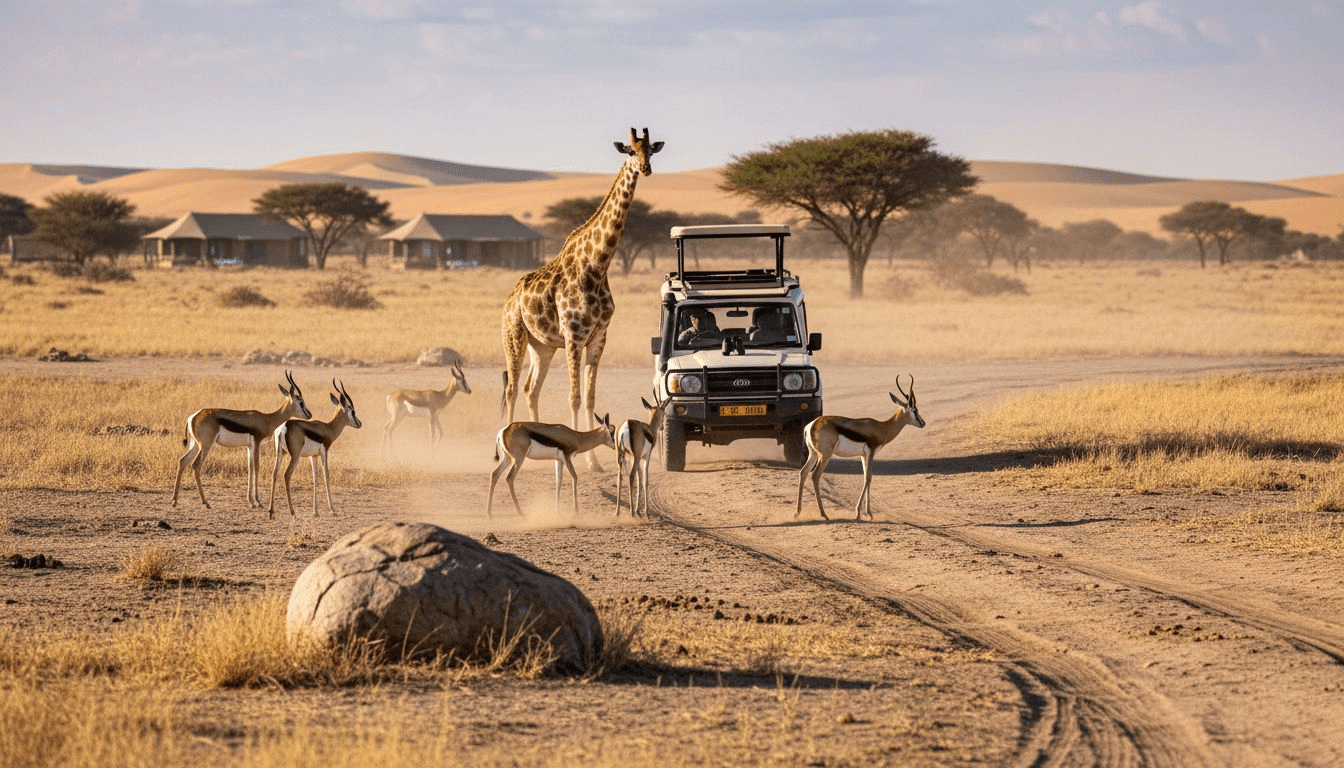
Safari Wildlife Spotting: Revealing Namibia’s Untamed Wonders
Seeking more than just a fleeting glimpse of African wildlife, many Canadian, American and European travellers are redefining what it means to experience a safari. Luxury safaris in Namibia promise not only rare animal sightings but also a deeper connection with its ecosystems and conservation efforts. This guide explores the evolution of safari wildlife spotting from hunting to responsible observation, and provides practical insight for those wanting unforgettable, personalised encounters in Namibia’s extraordinary wilderness.
Table of Contents
Safari Wildlife Spotting Defined And Debunked
Types Of Safari And Spotting Experiences
Essential Techniques For Successful Sightings
Legal, Ethical And Conservation Principles
Risks, Safety Protocols And Common Errors
Key Takeaways
Point | Details |
|---|---|
Safari experiences have evolved to focus on conservation | Modern safaris prioritise wildlife observation and ecological appreciation, moving away from traditional hunting roots. |
Understanding ecological relationships enhances wildlife spotting | Engaging with professional guides transforms wildlife sightings into educational journeys, revealing complex animal behaviours and interactions. |
Diverse safari types cater to various interests | Travellers can choose from vehicle-based, walking, photographic, aerial, and night safaris, each offering unique perspectives on wildlife. |
Safety protocols are crucial for successful experiences | Adhering to established safety measures ensures a secure and enjoyable safari, mitigating risks associated with wildlife encounters. |
Safari wildlife spotting defined and debunked
Safari wildlife spotting represents a transformative travel experience that has evolved dramatically from its historical roots. Originally a hunting expedition, safari tourism now focuses on observational wildlife experiences that prioritise conservation and ecological appreciation. Modern safari enthusiasts seek immersive encounters that balance adventure with responsible environmental engagement.
The contemporary safari experience encompasses multiple observation techniques beyond traditional vehicle-based viewing. Travellers can now engage with wildlife through walking safaris, photographic expeditions, specialised tracking experiences, and even aerial observation platforms like hot air balloons. Each approach offers unique perspectives on animal behaviour and habitat interactions, allowing guests to develop profound connections with Namibia’s extraordinary ecosystems.
Understanding wildlife spotting requires recognising it as more than casual observation. Professional guides interpret animal movements, track subtle environmental signals, and help guests understand complex ecological relationships. This expertise transforms a simple wildlife sighting into an educational journey, revealing intricate details about species interactions, territorial behaviours, and survival strategies within the landscape.
Pro Tip: Always listen carefully to your guide’s instructions and maintain respectful distances from wildlife to ensure both your safety and the animals’ natural behaviour patterns.
Types of safari and spotting experiences
Safari experiences in Namibia have dramatically expanded beyond traditional vehicle-based wildlife viewing, offering travellers multiple immersive ways to engage with nature. Safari types now encompass diverse observation techniques ranging from walking expeditions to specialised photographic journeys, each designed to provide unique perspectives on wildlife and ecosystems.
The most popular safari experiences include:
Vehicle-based safaris: Traditional game drives in 4x4 vehicles, allowing broad landscape coverage
Walking safaris: Intimate ground-level encounters with expert guides, focusing on intricate ecological details
Photographic safaris: Specialised trips designed for capturing wildlife through professional and amateur lenses
Aerial safaris: Hot air balloon or light aircraft experiences offering panoramic landscape and animal movement perspectives
Night safaris: Nocturnal expeditions revealing fascinating behaviours of typically hidden nocturnal species
Each safari type offers distinct advantages, enabling travellers to customise their wildlife observation experience based on personal interests, fitness levels, and desired level of adventure. Professional guides interpret animal behaviours, track environmental signals, and transform simple wildlife sightings into profound educational journeys about Namibia’s complex ecosystems.
Here’s a comparison of safari experience types and their unique benefits:
Safari Type | Best For | Unique Benefit |
|---|---|---|
Vehicle-based | Broad landscape viewing | Covers large areas with comfort |
Walking | Close interaction | Detailed insights into animal tracks |
Photographic | Photography enthusiasts | Optimal access to light and wildlife scenes |
Aerial | Scenic adventurers | Unmatched panoramic views |
Night | Nocturnal animal seekers | Observe species rarely seen by day |
Pro Tip: Select your safari type carefully by considering your physical capabilities, photography interests, and comfort with different wildlife interaction levels.
Essential techniques for successful sightings
Successful wildlife spotting in Namibia requires a strategic approach that combines timing, expertise, and nuanced observation skills. Wildlife photography experts recommend mastering specific sighting techniques that transform ordinary safari experiences into extraordinary encounters.
Critical techniques for maximising wildlife sightings include:
Timing: Focus on early morning and late afternoon periods when animals are most active
Positioning: Select vantage points that offer unobstructed views of potential animal movement corridors
Silence: Move quietly and minimise sudden movements that might startle wildlife
Patient Observation: Learn to read subtle environmental signals like tracks, sounds, and vegetation disturbances
Guide Expertise: Always work with experienced local guides who understand animal behaviours and terrain nuances
Understanding animal behaviour patterns is fundamental to successful wildlife spotting. Different species have unique activity cycles, territorial preferences, and movement rhythms. Professional guides can help interpret these complex ecological interactions, transforming a simple sighting into a profound learning experience about Namibia’s intricate wildlife ecosystems.
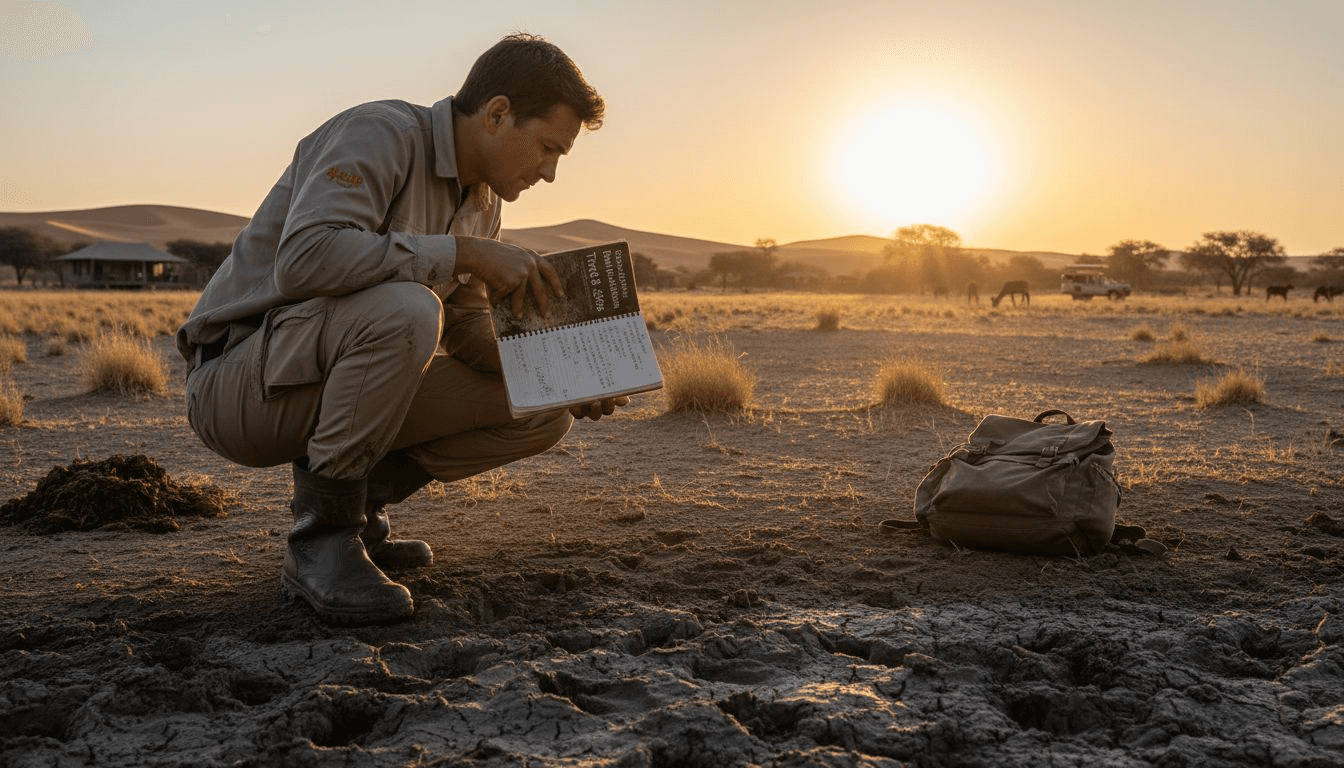
Pro Tip: Invest in lightweight, neutral-coloured clothing that blends with the natural environment to increase your chances of unobtrusive wildlife observation.
Legal, ethical and conservation principles
Wildlife tourism in Namibia operates within a complex framework of legal and ethical considerations that prioritise animal welfare and ecological preservation. Sustainable wildlife sanctuaries blend conservation goals with responsible tourism practices, creating a delicate balance between human interaction and environmental protection.
Key principles governing ethical safari experiences include:
Minimising Ecological Impact: Restricting visitor numbers and movement to prevent habitat disruption
Animal Welfare: Maintaining strict guidelines that prevent harassment or interference with wildlife
Cultural Respect: Acknowledging and supporting local indigenous communities’ relationships with wildlife
Scientific Understanding: Supporting research and conservation efforts through responsible tourism
Transparent Management: Ensuring clear accountability for environmental and animal protection standards
Conservation principles extend beyond immediate wildlife protection, encompassing broader ecosystem management, community engagement, and sustainable development strategies. Safari operators must demonstrate commitment to preserving biodiversity, protecting endangered species, and maintaining the delicate ecological balance of Namibia’s unique wilderness areas.
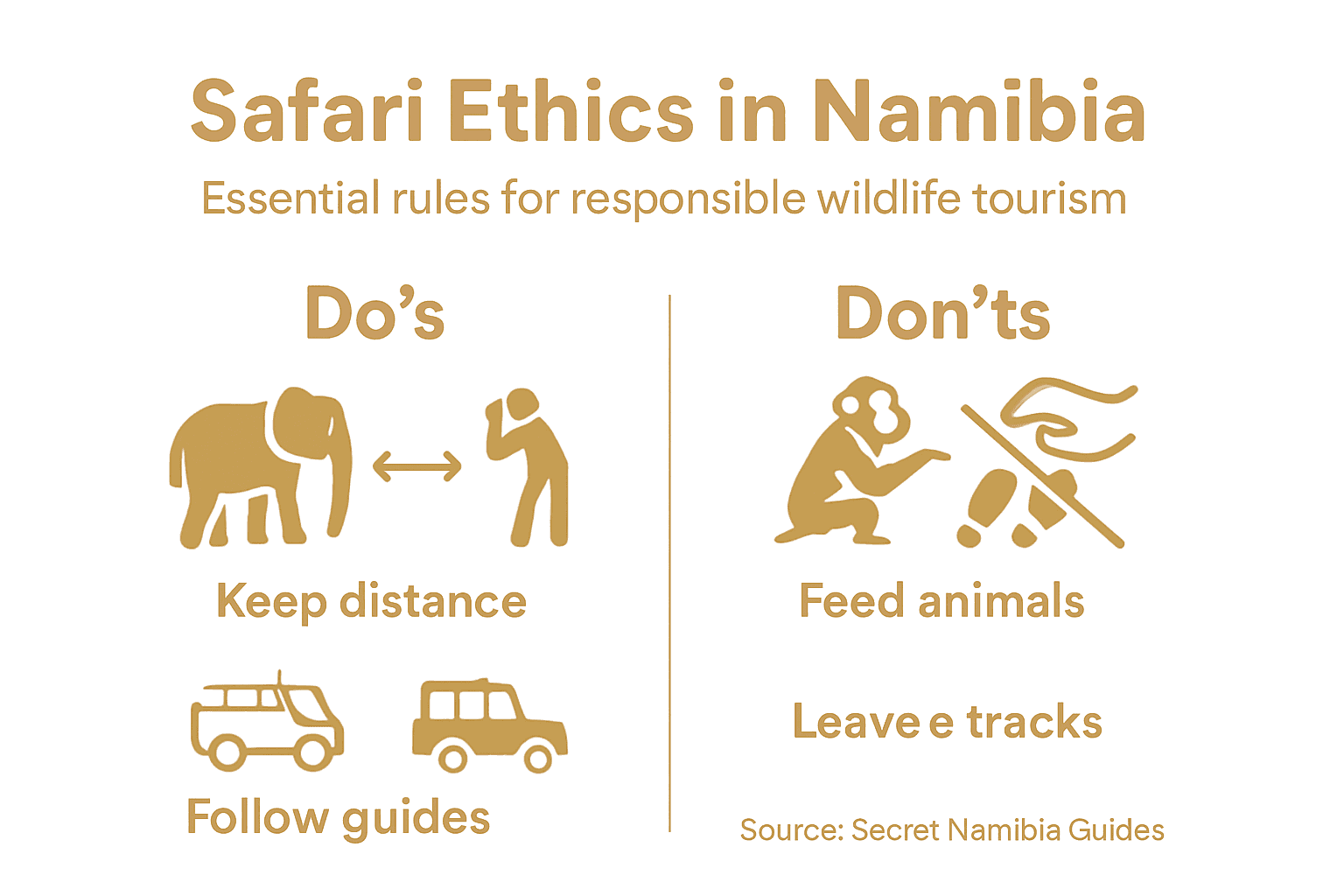
Pro Tip: Always choose safari operators who can transparently demonstrate their conservation credentials and commitment to ethical wildlife interactions.
Risks, safety protocols and common errors
Safari experiences in Namibia require meticulous attention to safety protocols and understanding potential risks inherent in wildlife environments. Modern safari safety depends on preparation and vigilant adherence to expert guidelines, ensuring travellers can enjoy extraordinary wildlife encounters without compromising personal security.
Common safari risks and essential safety protocols include:
Wildlife Proximity: Maintaining safe distances and avoiding unexpected animal interactions
Vehicle Safety: Remaining inside safari vehicles unless specifically instructed by professional guides
Communication: Carrying emergency communication devices and understanding local emergency procedures
Health Precautions: Receiving appropriate vaccinations and carrying necessary medical supplies
Environmental Awareness: Understanding terrain challenges, weather conditions, and potential hazards
Frequent traveller errors can significantly compromise safari safety. Inexperienced visitors often underestimate wildlife unpredictability, ignore guide instructions, or attempt inappropriate interactions. Professional safari operators emphasise comprehensive safety briefings, experienced guide supervision, and clear communication to mitigate potential risks and ensure a secure, memorable wildlife experience.
The following table summarises essential safety protocols and their importance during safari adventures:
Safety Protocol | Main Purpose | Key Risk Minimized |
|---|---|---|
Keep safe distance | Prevent animal stress and attack | Accidental wildlife encounters |
Remain in vehicle | Ensure immediate protection | Unexpected predator interactions |
Carry emergency devices | Fast communication during crisis | Delayed emergency responses |
Prepare medically | Prevent health complications | Illness or injury |
Monitor environment | Avoid terrain and weather risks | Accidental missteps or exposure |
Pro Tip: Always listen carefully to your professional guide’s instructions and never assume you understand animal behaviour better than local experts.
Unlock Namibia’s Untamed Wilderness With Expertly Crafted Safari Experiences
Safari wildlife spotting in Namibia challenges travellers to go beyond casual observation and engage deeply with the extraordinary ecosystems that shape this unique landscape. If you are eager to master essential spotting techniques, respect ethical conservation principles, and safely navigate the natural terrain while connecting intimately with wildlife, you need a partner who understands these complexities and tailors your journey accordingly.
At Secret Namibia, we specialise in personalised safari adventures that turn your wildlife encounters into unforgettable moments. Whether you prefer an immersive walking safari, scenic aerial views, or luxurious game drives through Etosha National Park or the Namib Desert, our expert guides blend deep ecological knowledge with unwavering safety protocols. Discover our bespoke all-inclusive trips or create your perfect itinerary with our custom planning service. Don’t wait to experience Namibia’s wildlife wonderland with confidence and style. Explore our full range of safaris today and start your journey to the heart of Africa’s spectacular wilderness.
Frequently Asked Questions
What are the different types of safari experiences?
Safari experiences include vehicle-based safaris, walking safaris, photographic safaris, aerial safaris, and night safaris, each offering unique perspectives on wildlife and ecosystems.
How can I improve my wildlife spotting success during a safari?
To enhance your wildlife spotting success, focus on timing your excursions for early morning or late afternoon, maintain silence, position yourself well, and work closely with an experienced guide who can interpret animal behaviour and ecological signals.
What safety protocols should I follow while on safari?
Important safety protocols include maintaining a safe distance from wildlife, remaining in your vehicle unless instructed otherwise, carrying emergency communication devices, and preparing medically against potential health risks associated with outdoor environments.
What principles should guide ethical wildlife tourism?
Ethical wildlife tourism principles include minimising ecological impact, ensuring animal welfare, respecting local cultures, supporting conservation research, and maintaining transparency about environmental protection efforts.
Recommended
相关
萨法里指南
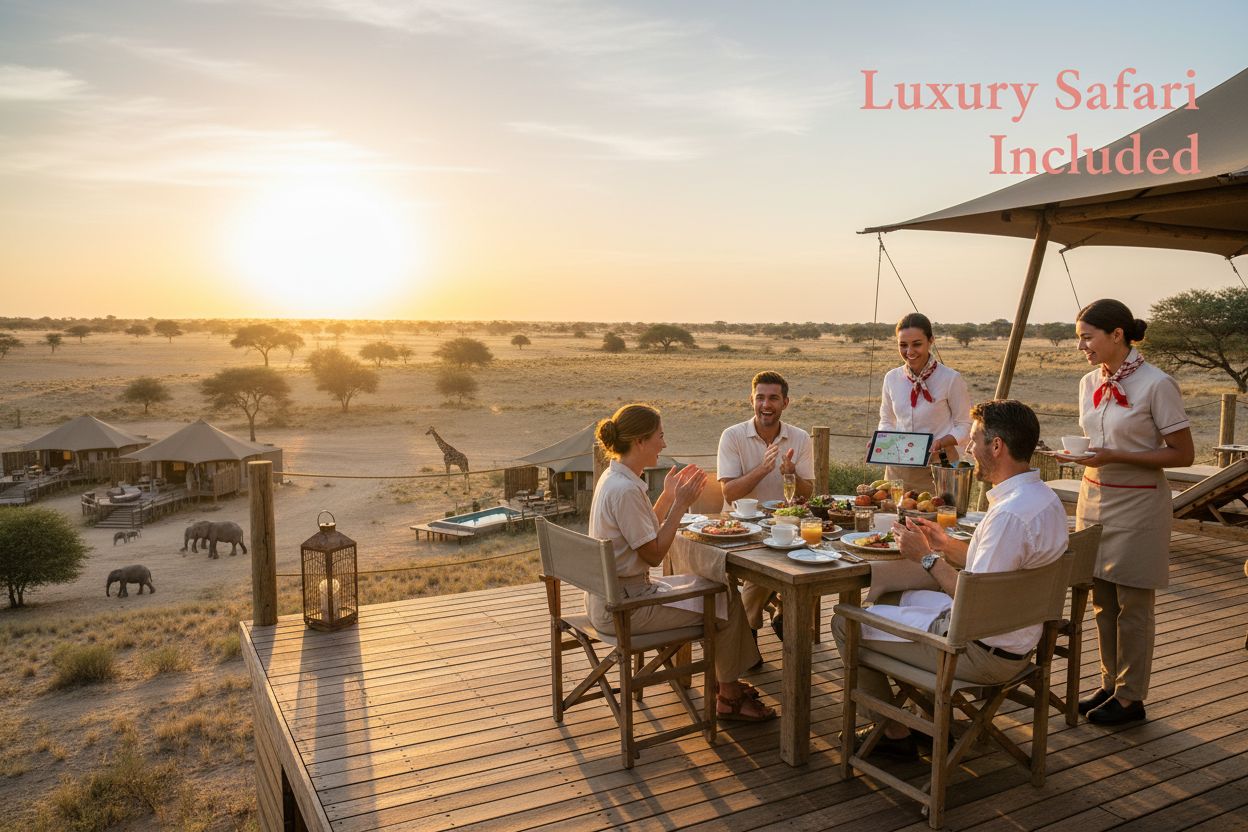
2025年10月30日
Understanding What is Included in Luxury Safaris
Explore what is included in luxury safaris, from exclusive accommodations to bespoke experiences that cater to discerning travelers.
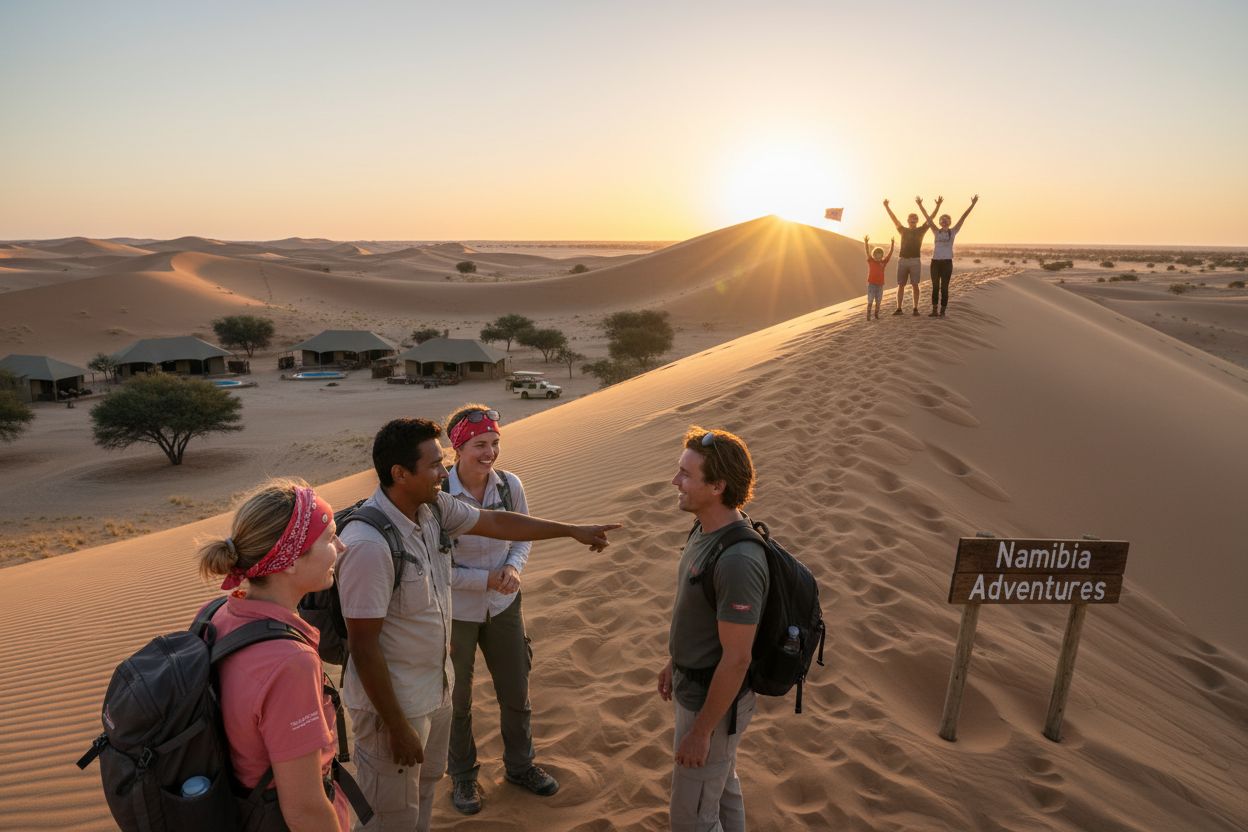
2026年2月24日
Why Namibia Adventures Matter: An In-Depth Look
Discover why Namibia adventures are essential for luxury travelers seeking unique, immersive experiences in nature and wildlife exploration.
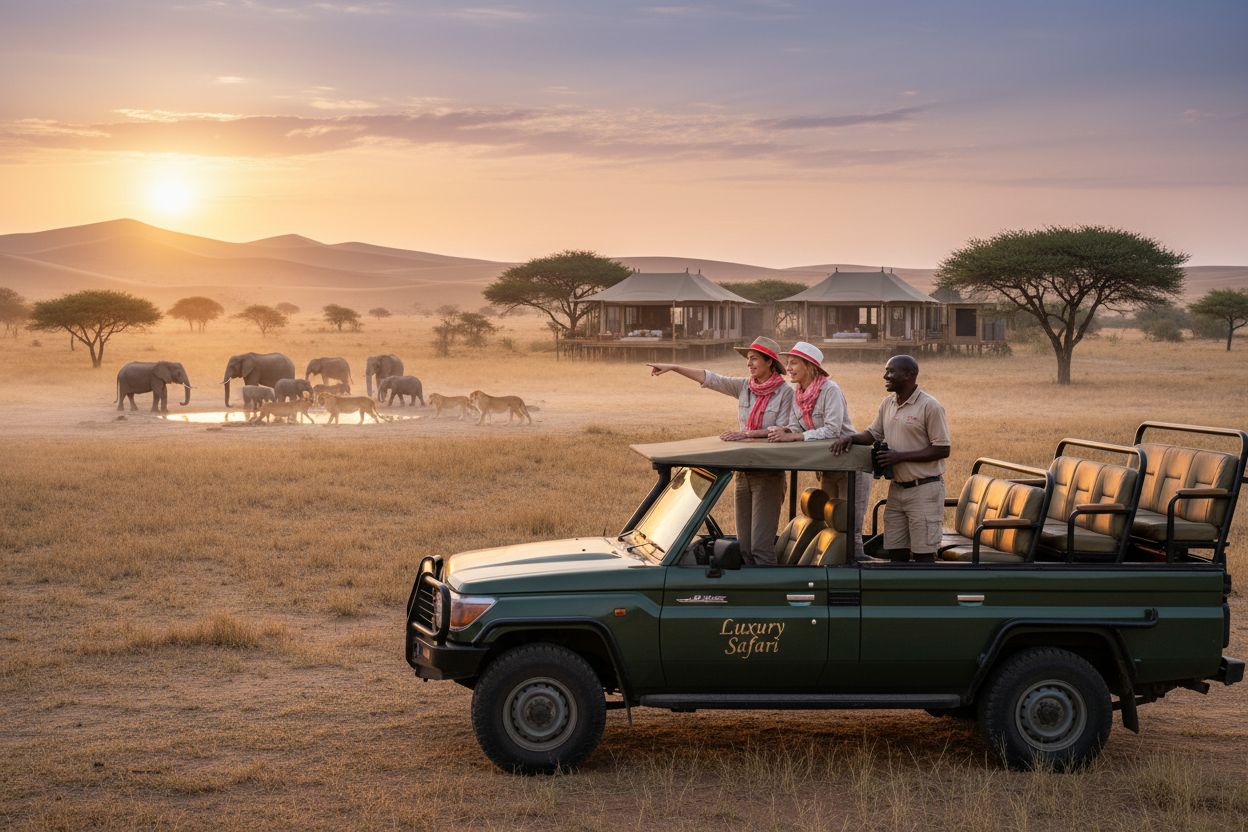
2026年2月23日
What to Expect on a Luxury Safari: A Comprehensive Guide
Discover what to expect on a luxury safari and gain a deeper understanding of the unique experiences that await you in the wild.
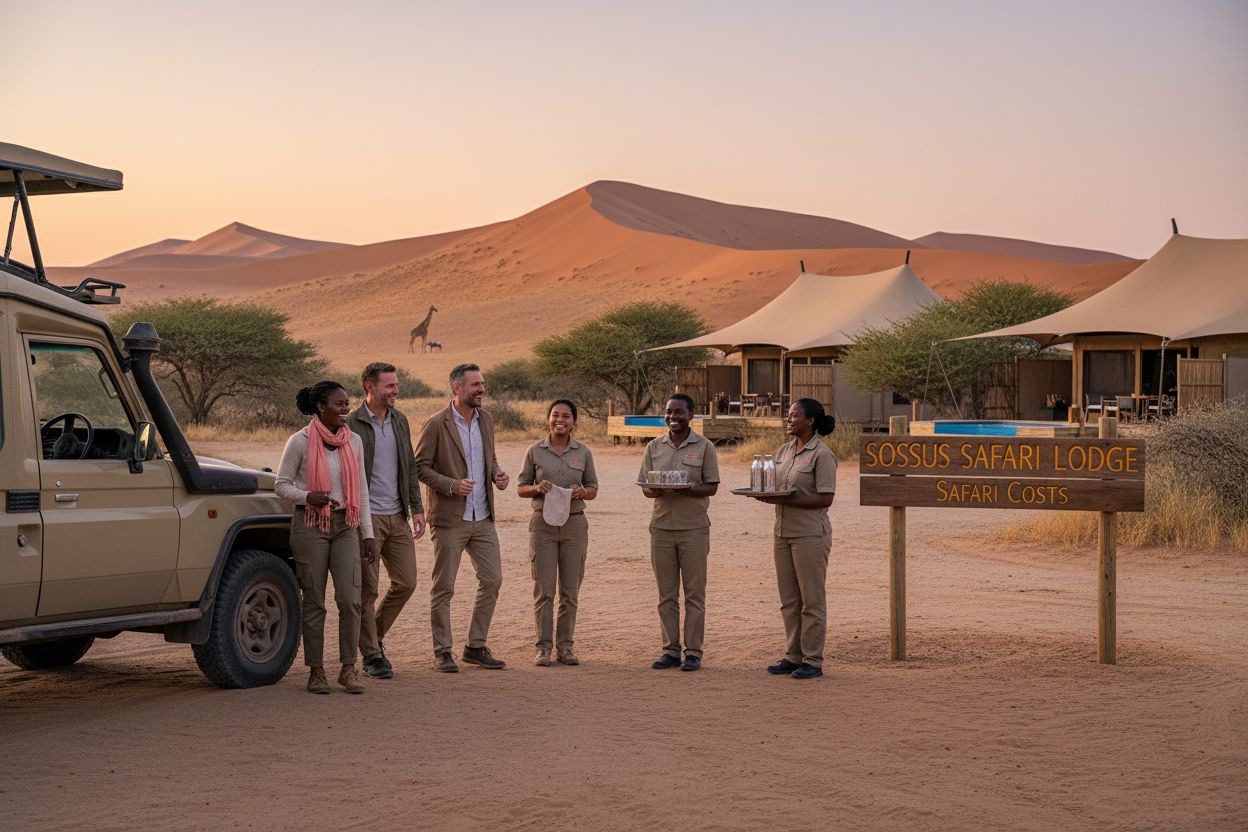
2026年2月22日
Understanding Namibia Safari Costs Explained
Explore Namibia safari costs explained to uncover what influences pricing and what it means for your adventure.
2026年2月21日
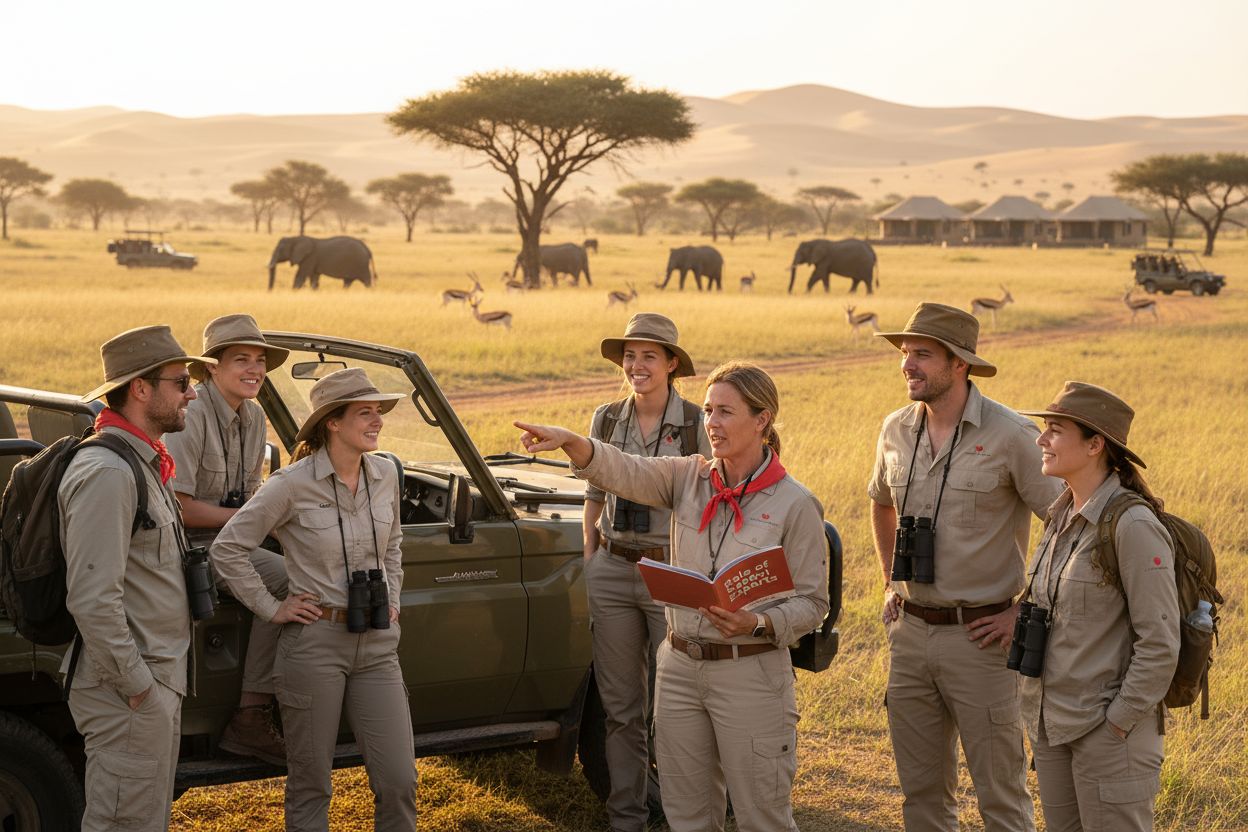
Understanding the Role of Safari Experts in Wildlife Travel
Explore the role of safari experts and gain a comprehensive understanding of how they enhance wildlife travel experiences for all types of travelers.
2026年2月20日
Guide organisation safari all inclusive : vivez l'aventure de vos rêves
Découvrez notre guide organisation safari all inclusive étape par étape pour planifier un voyage inoubliable au cœur de la nature.