
Mar 24, 2026
Master planning your luxury DIY self-drive safari in Namibia with this complete guide covering vehicle prep, route selection, safety tips, and wildlife viewing strategies for unforgettable adventures.
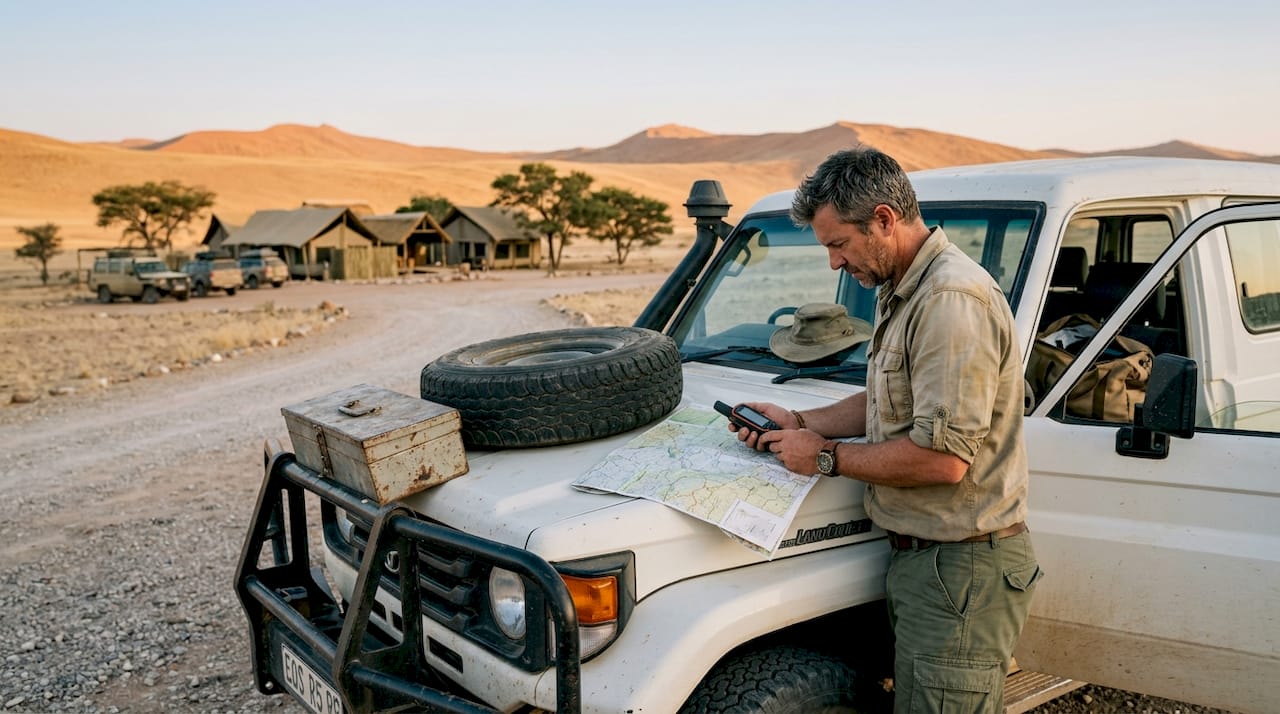
Master your DIY safari guide in Namibia for luxury trips
Planning a DIY self-drive safari in Namibia sounds thrilling, yet many affluent travelers find themselves overwhelmed by logistics, safety concerns, and route choices. You want the freedom to explore at your own pace while enjoying luxury accommodations and unforgettable wildlife encounters, but without expert guidance, critical mistakes can derail your adventure. This comprehensive guide walks you through every step of preparing and executing a flawless self-drive safari in Namibia, from vehicle selection and permit acquisition to route planning and wildlife viewing strategies. Whether you’re traveling with family or seeking an exclusive adventure, you’ll gain the confidence and knowledge to create an extraordinary Namibian safari experience.
Table of Contents
Key takeaways
Understanding what you need for your Namibia DIY safari
Step-by-step itinerary planning and route selection for your self-drive safari
Executing your luxury self-drive safari: tips, common mistakes, and wildlife encounters
What to expect and how to verify your safari success
Experience luxury Namibia safaris with Secret Namibia
Frequently asked questions
Key Takeaways
Point | Details |
|---|---|
Robust 4x4 required | A high clearance four wheel drive with dual spare tires, roof rack, and cooling features is essential for Namibia’s varied terrain. |
Permits and paperwork | Know entry permits for parks and private conservancies and carry licenses, registrations, insurance, and if international, an International Driving Permit. |
Comprehensive safety gear | GPS with offline Namibia maps, satellite phone, first aid kit, recovery equipment, and sun protection ensure safe travel in remote areas. |
Smart accommodation planning | Research and book peak season lodges early while prioritizing properties with private decks, gourmet dining, and guided activities that complement self drive freedom. |
Windhoek airport buffer | Book your first and last nights near Windhoek airport to cushion flight delays and simplify international connections. |
Understanding what you need for your Namibia DIY safari
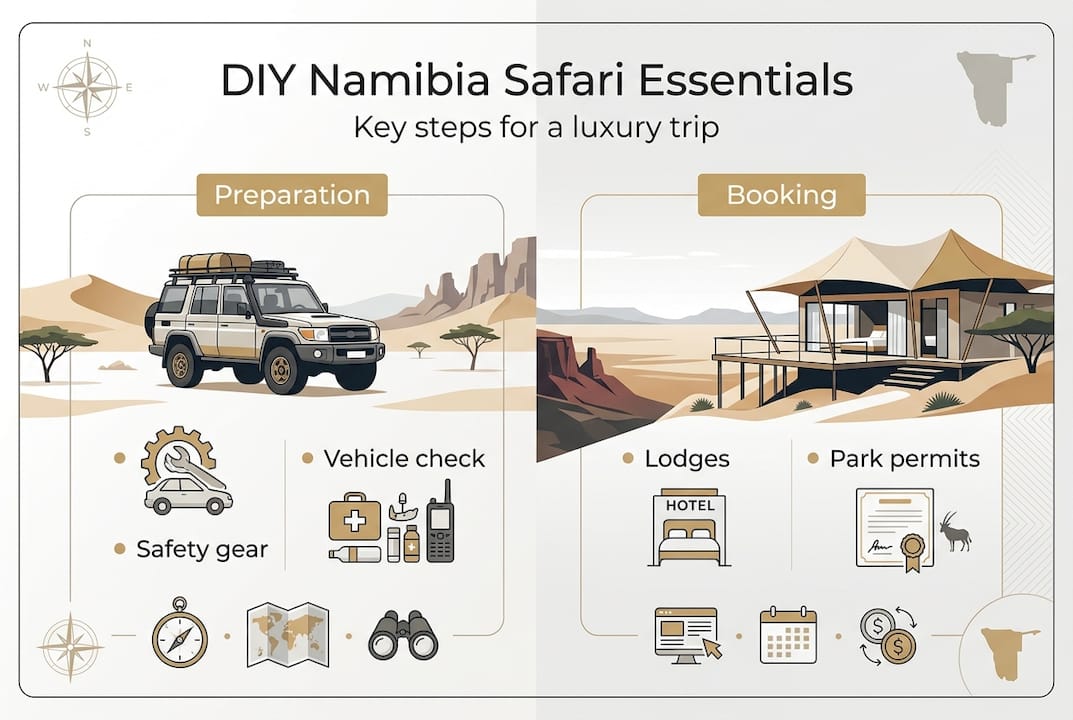
Successful self-drive preparations include vehicle, permits, gear, and safety considerations that separate memorable adventures from frustrating ordeals. Your vehicle choice forms the foundation of your entire safari experience. Namibia’s diverse terrain demands a robust 4x4 with high clearance, preferably equipped with dual spare tires, a roof rack for additional storage, and air conditioning for comfort during scorching midday temperatures. Luxury travelers should prioritize models offering premium seating, advanced suspension systems, and built-in coolers to maintain the comfort standards you expect.
Permit requirements vary by destination within Namibia. Most national parks require entry permits purchased at gates or online through Namibia Wildlife Resorts, while some private conservancies demand advance booking. Carry your driver’s license, passport, vehicle registration, and comprehensive insurance documentation at all times. International visitors need an International Driving Permit alongside their home country license.
Essential gear separates prepared travelers from those facing preventable emergencies:
GPS device with offline Namibia maps plus paper backup maps covering your entire route
Satellite phone or emergency beacon for areas without cellular coverage
Comprehensive first aid kit including malaria prophylaxis and rehydration salts
Premium binoculars and camera equipment with telephoto lenses for wildlife photography
Sun protection including high SPF sunscreen, wide-brimmed hats, and UV-blocking sunglasses
Portable cooler stocked with bottled water, snacks, and emergency food supplies
Vehicle recovery equipment including sand tracks, shovel, and tow rope
Accommodation booking requires strategic planning, especially during peak season from May through October. Luxury lodges in prime locations like Etosha National Park and Sossusvlei fill months in advance. Research properties offering private decks, gourmet dining, and guided activity options that complement your self-drive freedom. Family-friendly lodges provide interconnecting rooms, child-appropriate meals, and supervised activities allowing parents occasional relaxation time.
Accommodation tier | Average nightly rate | Typical amenities | Booking lead time |
|---|---|---|---|
Ultra-luxury lodge | $800-$1,500 | Private plunge pools, butler service, exclusive game drives | 6-12 months |
Premium lodge | $400-$800 | En-suite bathrooms, fine dining, guided walks | 3-6 months |
Boutique camp | $200-$400 | Comfortable tents, shared facilities, authentic atmosphere | 1-3 months |
Safety equipment extends beyond vehicle basics. Pack a comprehensive toolkit, tire pressure gauge, extra engine oil, and spare fuel cans for remote stretches between stations. Health preparations include yellow fever vaccination certificates if arriving from endemic countries, up-to-date tetanus shots, and prescription medications in original containers with doctor’s letters.
Pro Tip: Book your first and last night’s accommodation near Windhoek’s airport to buffer against flight delays and provide relaxed transition days, reducing stress at trip bookends while ensuring you don’t miss international connections.
Step-by-step itinerary planning and route selection for your self-drive safari
Selecting optimal self-drive routes maximizes wildlife viewing and comfort while matching your available time and interests. Route selection depends on multiple factors including seasonal wildlife patterns, road conditions, distances between destinations, and your group’s stamina for long driving days. Namibia’s vast distances mean daily drives often exceed 300 kilometers, requiring realistic assessments of your tolerance for time behind the wheel.
Follow this systematic approach to craft your perfect itinerary:
Define your trip duration and must-see destinations, prioritizing quality over quantity to avoid exhausting travel days.
Research seasonal wildlife concentrations, as dry winter months concentrate animals around permanent water sources.
Map realistic daily distances, limiting drives to 4-5 hours to preserve energy for wildlife viewing and photography.
Identify accommodation options at each destination, comparing luxury levels, family amenities, and proximity to key attractions.
Build in buffer days for unexpected delays, vehicle issues, or spontaneous detours to promising wildlife sightings.
Verify road conditions and closure schedules, as some routes become impassable during rare rainy periods.
Create detailed daily schedules including departure times, meal stops, and estimated arrival windows at accommodations.
Top route options cater to different traveler priorities and timeframes:
Route name | Duration | Key highlights | Best for | Considerations |
|---|---|---|---|---|
Classic Northern Circuit | 10-14 days | Etosha, Damaraland, Skeleton Coast | First-time visitors, wildlife enthusiasts | Long distances, book Etosha camps early |
Southern Dunes Explorer | 7-10 days | Sossusvlei, Fish River Canyon, Lüderitz | Photography lovers, desert landscapes | Extreme temperatures, limited facilities |
Caprivi Wetlands Adventure | 8-12 days | Bwabwata, Mahango, Zambezi Region | Birders, lush scenery seekers | Malaria precautions, different ecosystem |
Ultimate Grand Tour | 18-21 days | All major regions combined | Extended vacations, completionists | Requires stamina, substantial budget |
Pacing considerations balance adventure with recuperation. Alternate intensive wildlife viewing days with lighter cultural experiences or scenic drives. Schedule rest days at particularly appealing lodges, allowing time to enjoy property amenities like spa treatments, guided nature walks, or simply relaxing by your private pool while processing the incredible experiences you’ve accumulated.
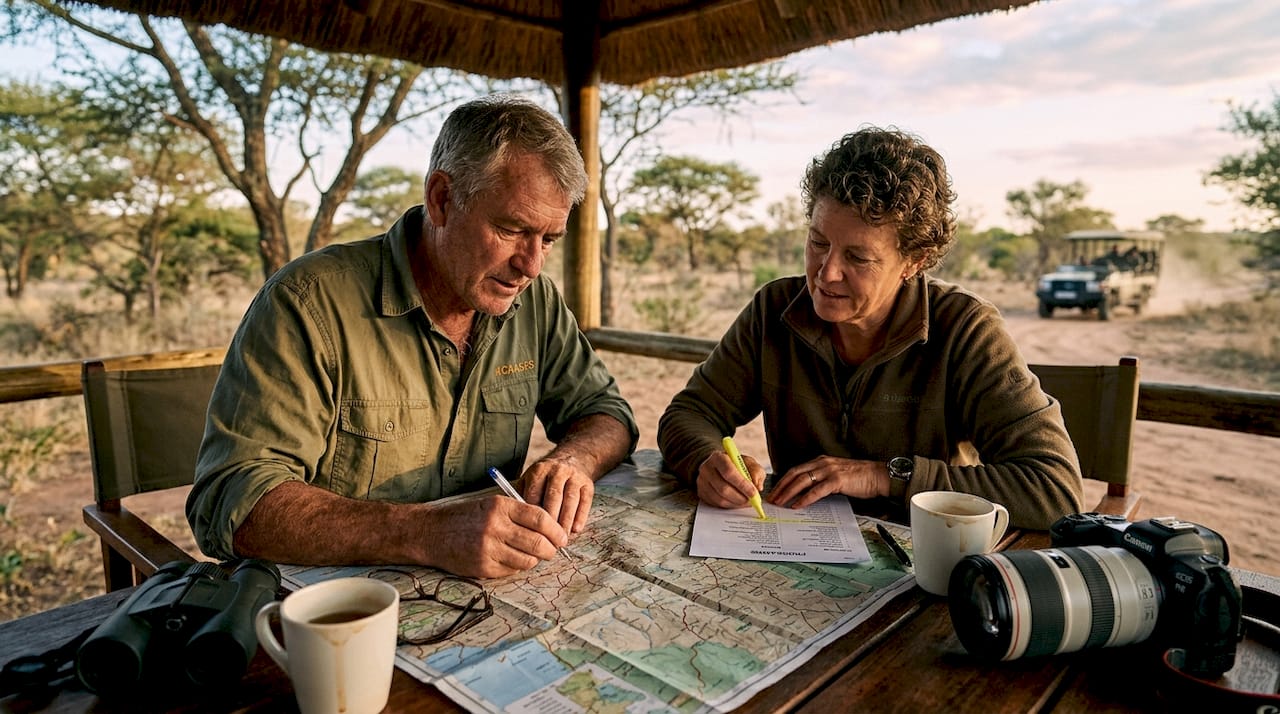
Family-friendly adjustments include shorter daily drives, accommodations with swimming pools and children’s programs, and routes avoiding the most remote areas where medical facilities remain distant. The best self-drive safari routes Namibia offers detailed comparisons helping families identify age-appropriate options. Consider breaking long stretches with interesting stops at craft markets, geological formations, or small towns where kids can stretch legs and interact with local culture.
Seasonal timing dramatically affects your experience. Winter months from May through September offer comfortable temperatures, minimal rain, and concentrated wildlife around waterholes, making animal sightings predictable and frequent. Summer months from November through March bring dramatic thunderstorms, lush vegetation, and newborn animals, though wildlife disperses across broader territories as temporary water sources multiply. Shoulder seasons in April and October provide pleasant weather with fewer tourists competing for prime lodge bookings and photographic positions.
Executing your luxury self-drive safari: tips, common mistakes, and wildlife encounters
Expert advice reduces risk and improves wildlife encounters during self-drive safaris through practical application of field-tested strategies. Driving Namibia’s challenging roads demands different skills than highway cruising. Gravel roads constitute the majority of safari routes, requiring reduced speeds, increased following distances, and constant vigilance for wildlife crossings. Maintain speeds between 60-80 km/h on gravel, slowing further for corners, oncoming vehicles, and loose surface sections.
Common mistakes derail otherwise well-planned safaris:
Underestimating distances and driving times, leading to exhausted arrivals and missed wildlife activity windows
Inadequate water supplies for both drinking and vehicle cooling systems in remote desert stretches
Approaching wildlife too closely for dramatic photos, stressing animals and violating park regulations
Ignoring fuel gauge warnings, assuming stations exist at convenient intervals along routes
Driving after dark outside fenced camps, dramatically increasing collision risk with nocturnal animals
Failing to check tire pressure daily, causing blowouts on hot gravel roads
Leaving food accessible in vehicles, attracting baboons and other opportunistic animals
Always maintain a minimum 25-meter distance from elephants, 50 meters from lions, and never position your vehicle between a mother and offspring of any species. These safety margins protect both you and the animals, preventing dangerous defensive behaviors triggered by perceived threats to young or invasion of personal space.
Pro Tip: Schedule your game drives for the golden hours between 6:00-9:00 AM and 4:00-7:00 PM when animals are most active and lighting conditions create stunning photographs. Midday hours are best spent resting at your lodge or driving between destinations rather than searching for wildlife hiding from extreme heat.
Enhancing wildlife encounters requires patience and observation skills that develop through practice. Stop your engine when spotting interesting animals, as idling motors mask subtle sounds revealing hidden creatures. Scan waterholes systematically from distant perimeters to shorelines, as predators often position themselves in shadows waiting for drinking prey. Watch for alarm calls and sudden movements among prey species, which often indicate predator presence before you spot the hunter directly.
Photography techniques separate amateur snapshots from professional-quality images. Shoot during golden hours when warm light enhances colors and creates dramatic shadows. Use fast shutter speeds above 1/1000 second for action shots, freezing motion of running animals or birds in flight. Position yourself at animal eye level rather than shooting downward from vehicle height, creating more engaging perspectives. Pack extra memory cards and batteries, as you’ll capture far more images than anticipated when surrounded by extraordinary wildlife moments.
Respectful wildlife observation means never using calls or sounds to attract animals, feeding wildlife, or leaving designated roads and tracks. These behaviors habituate animals to human presence, creating dangerous situations for future visitors and disrupting natural behaviors essential for survival. Your luxury safari experience should leave zero negative impact on the pristine ecosystems you’re privileged to witness.
Document your journey through detailed journaling each evening, recording species seen, locations visited, and memorable interactions. These notes become invaluable when sharing experiences with friends and prove surprisingly useful when planning return visits to favorite locations. Many travelers find the journaling process itself enhances their safari, encouraging mindful observation and deeper appreciation of subtle moments easily forgotten in the rush between dramatic sightings.
What to expect and how to verify your safari success
Luxury safaris offer unique wildlife encounters and unforgettable experiences that exceed expectations when properly planned and executed. Namibia’s diverse ecosystems support remarkable wildlife variety, though species distribution varies dramatically by region and season. Etosha National Park delivers reliable elephant, lion, rhino, and antelope sightings around permanent waterholes, while Damaraland offers desert-adapted elephants and endangered black rhinos in dramatic rocky landscapes.
Typical wildlife encounters by region and optimal viewing season:
Region | Signature species | Peak viewing months | Sighting probability | Unique features |
|---|---|---|---|---|
Etosha National Park | Elephant, lion, rhino, springbok | June-September | 90%+ for big game | Massive salt pan, numerous waterholes |
Damaraland | Desert elephant, black rhino, oryx | May-October | 60-70% for rarities | Dramatic rocky terrain, adapted species |
Caprivi Strip | Hippo, crocodile, buffalo, sable | April-October | 80%+ for water species | Lush wetlands, tropical atmosphere |
Namib Desert | Oryx, ostrich, desert birds | Year-round | 70-80% for adapted species | Iconic dunes, unique adaptations |
Luxury safari experience features distinguish your adventure from budget alternatives. Exclusive lodges provide private viewing decks overlooking waterholes where animals drink steps from your room, eliminating crowds competing for sightings. Gourmet dining transforms meals into culinary events featuring local ingredients and international techniques, often served under star-filled skies around crackling fires. Personalized service includes guides sharing deep ecological knowledge, staff remembering your preferences, and flexible scheduling accommodating your energy levels and interests.
Measuring safari satisfaction extends beyond simple species checklists:
Emotional resonance of encounters, remembering how specific moments made you feel rather than just what you saw
Photographic portfolio quality, capturing images worthy of framing and sharing with pride
Cultural insights gained through interactions with local communities and lodge staff
Personal growth from stepping outside comfort zones and embracing adventure challenges
Relationship strengthening as shared experiences create lasting family or couple memories
Conservation awareness developed through understanding ecosystem complexity and threats
Post-trip reflection enhances long-term value from your investment. Review photographs systematically, selecting best images for albums or wall displays that keep memories vivid. Share experiences through social media, travel forums, or blog posts, as articulating your adventures deepens appreciation while helping future travelers. Connect with safari communities online, exchanging tips and maintaining enthusiasm for African wildlife between trips.
Consider contributing to conservation organizations protecting the ecosystems you enjoyed. Many luxury lodges partner with specific conservation projects, making donations directly support areas you visited. This transforms your safari from pure consumption into meaningful contribution, ensuring future generations can experience the same wonders that captivated you.
Success verification ultimately remains personal and subjective. Did you return home energized rather than exhausted? Do memories bring smiles weeks and months later? Would you enthusiastically recommend the experience to friends? These emotional measures matter more than any objective checklist, revealing whether your luxury self-drive safari achieved its deepest purpose of enriching your life through authentic connection with nature’s magnificence.
Experience luxury Namibia safaris with Secret Namibia
While this guide equips you to plan an exceptional DIY safari, partnering with experts elevates your experience to extraordinary levels. Secret Namibia specializes in luxury Namibia safaris that blend self-drive freedom with curated excellence, handling complex logistics while preserving your independence.
Our expert team crafts personalized itineraries matching your specific interests, whether you’re seeking intensive wildlife photography opportunities, family-friendly adventures, or romantic honeymoon experiences. We leverage relationships with Namibia’s finest lodges to secure prime accommodations, negotiate exclusive rates, and arrange special touches transforming good trips into unforgettable journeys. Our Namibia self-drive safaris combine detailed route planning with 24/7 support, ensuring you enjoy adventure without anxiety. Let us help you maximize safari experiences for luxury travellers through insider knowledge accumulated over decades of African travel expertise. Contact Secret Namibia today to begin designing your perfect Namibian safari adventure.
Frequently asked questions
Is it safe to drive yourself on a Namibia safari?
Yes, Namibia self-drive safaris are generally safe with proper precautions including maintaining recommended wildlife distances, carrying emergency supplies, and following park regulations strictly. Namibia enjoys political stability, well-maintained roads compared to regional neighbors, and low crime rates in tourist areas. Stay informed about current conditions through lodge staff and park authorities, avoid driving after dark outside fenced areas, and ensure your vehicle receives thorough mechanical inspection before departure.
What is the best time of year for a self-drive safari in Namibia?
The best times for a Namibia safari are dry winter months from May through September when comfortable temperatures, minimal rainfall, and concentrated wildlife around permanent water sources create optimal viewing conditions. Shoulder seasons in April and October offer pleasant weather with fewer tourists competing for accommodations and prime photographic positions. Summer months from November through March bring dramatic storms and newborn animals but require tolerance for heat and dispersed wildlife across broader territories.
What equipment should I bring for a luxury self-drive safari?
Essential equipment for self-drive safaris includes a robust 4x4 vehicle suited for rugged terrain, GPS device with offline maps plus paper backups, comprehensive first aid kit, and adequate water supplies for both drinking and vehicle cooling. Luxury travelers should pack premium binoculars for wildlife observation, professional camera gear with telephoto lenses, sun protection including high SPF products, satellite communication device for emergencies, and portable cooler for maintaining comfort standards throughout your journey.
Can families enjoy a DIY safari in Namibia?
Absolutely, family-friendly Namibia safaris offer safe, enriching experiences when properly planned with age-appropriate itineraries, shorter daily drives, and accommodations featuring swimming pools and children’s programs. Namibia’s stable environment, malaria-free options in southern regions, and family-oriented lodges make it ideal for introducing children to African wildlife. Customize your route to include interactive experiences like visiting cheetah conservation projects, allowing kids to learn while parents enjoy luxury amenities and expert guidance ensuring everyone’s safety and enjoyment.
Recommended
RELATED
Safari Guides
Oct 30, 2025
Understanding What is Included in Luxury Safaris
Explore what is included in luxury safaris, from exclusive accommodations to bespoke experiences that cater to discerning travelers.
Feb 24, 2026
Why Namibia Adventures Matter: An In-Depth Look
Discover why Namibia adventures are essential for luxury travelers seeking unique, immersive experiences in nature and wildlife exploration.
Feb 23, 2026
What to Expect on a Luxury Safari: A Comprehensive Guide
Discover what to expect on a luxury safari and gain a deeper understanding of the unique experiences that await you in the wild.
Feb 22, 2026
Understanding Namibia Safari Costs Explained
Explore Namibia safari costs explained to uncover what influences pricing and what it means for your adventure.
Feb 21, 2026
Understanding the Role of Safari Experts in Wildlife Travel
Explore the role of safari experts and gain a comprehensive understanding of how they enhance wildlife travel experiences for all types of travelers.
Feb 20, 2026
Guide organisation safari all inclusive : vivez l'aventure de vos rêves
Découvrez notre guide organisation safari all inclusive étape par étape pour planifier un voyage inoubliable au cœur de la nature.