
Aug 6, 2026
Discover curated luxury safari vacations in Namibia and beyond. Enjoy exclusive access, personal guides, and unforgettable experiences. Book now!
Luxury safari vacations: curated private-reserve escapes
TL;DR:
Luxury safari vacations offer exclusive access to private reserves, personal guides, and accommodations that impress after dark. Secretnamibia curates tailored itineraries across Namibia, Botswana, Kenya, Tanzania, and South Africa, with a focus on conservation and seamless multi-country trips. Booking early and selecting the right region and property type ensure a personalized, memorable wildlife experience.
The finest luxury safari vacations share three qualities: access to private land where off-road driving is permitted, a guide-to-guest ratio that makes every sighting feel personal, and accommodation that earns its price tag after dark as much as at dawn. Secretnamibia curates exactly these experiences across Namibia’s Namib Desert, the Okavango Delta, the Serengeti, and beyond — matching each traveller to the right reserve, the right season, and the right style of camp.
The short list of private-reserve experiences worth your time:
Fly-in Namibia desert camps — Sossusvlei and Damaraland, where the dune light at dawn is unlike anywhere on earth, and Secretnamibia’s private-reserve planning removes every logistical friction
Singita private concessions (Tanzania/South Africa) — multiple exclusive concessions with some of the highest guide standards on the continent
Angama Mara (Kenya) — a glass-edged lodge above the Maasai Mara, timed for the Great Migration river crossings
San Camp (Botswana) — a minimalist white canvas camp on the Makgadikgadi salt pans, accessible only by light aircraft
Royal Malewane (South Africa) — a Thornybush private reserve lodge with a spa and a reputation for exceptional tracking
&Beyond properties — a portfolio spanning Kenya, Tanzania, Botswana, and South Africa, each on a private concession with explicit conservation mandates
Pro Tip: Book Secretnamibia’s bespoke planning service before you shortlist lodges. Knowing your travel window, group size, and wildlife priorities first means you compare the right options rather than the most-marketed ones.
Table of Contents
The best luxury safari lodges and private reserves, curated
How do these top picks compare for your priorities?
How to pick the right luxury safari vacation for your group
Which region suits which experience?
What do luxury safaris cost, and when should you go?
What does daily life on a luxury safari actually look like?
Why Secretnamibia delivers the bespoke luxury safari experience
Key takeaways
The case for curated private safaris
Plan your private-reserve safari with Secretnamibia
Useful sources for further research and planning
The best luxury safari lodges and private reserves, curated
This shortlist is arranged geographically so you can dovetail two or three properties into a single extended trip. Fly-in connections between Namibia, Botswana, and Kenya facilitate seamless multi-country itineraries, which Secretnamibia can coordinate.
Secret Namibia’s Namib Desert camps
Location: Sossusvlei and Damaraland, Namibia. Ecosystem: ancient dune sea and semi-arid wilderness.
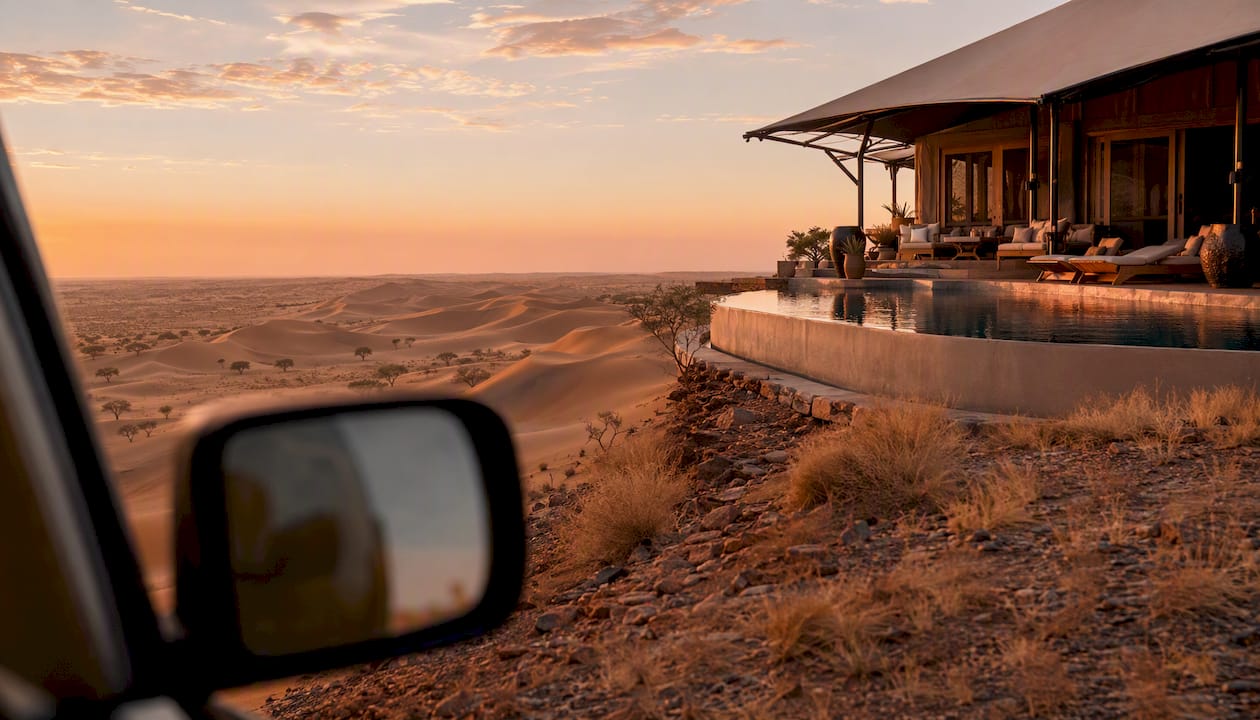
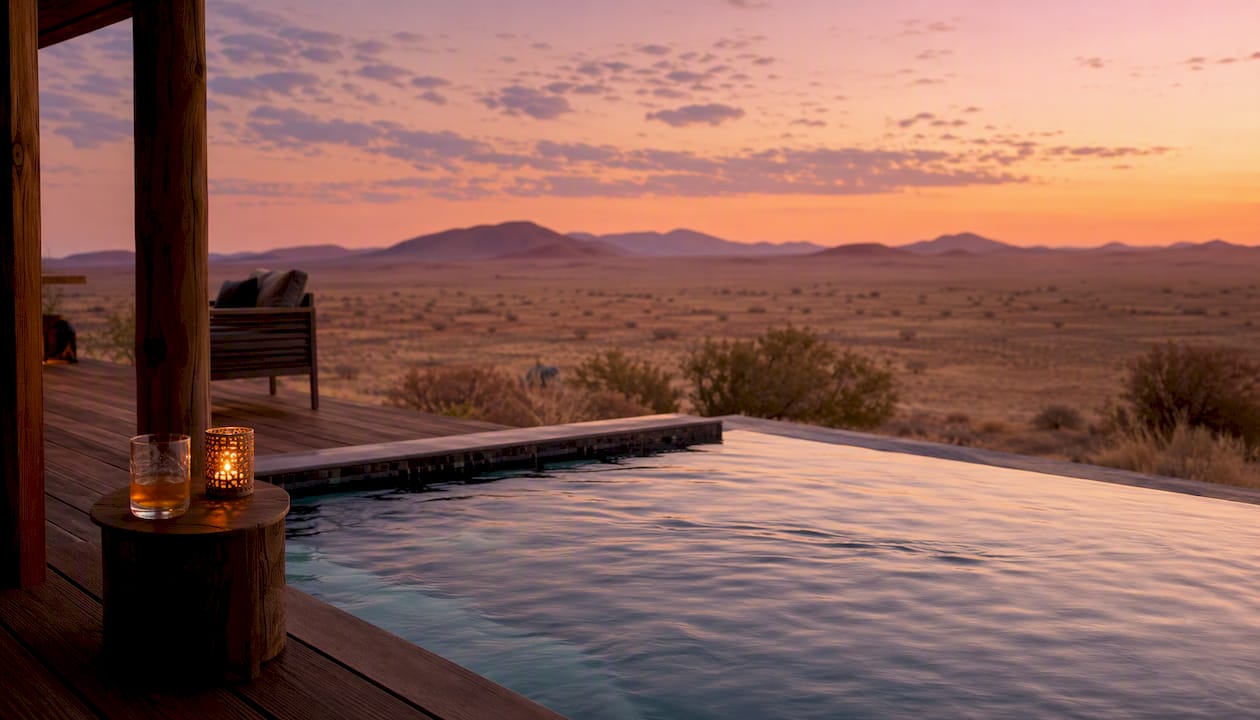
The Namib is the world’s oldest desert, and the private camps that sit within it offer something no national park road can replicate: the freedom to drive off-track at first light, when the dune shadows extend across the valley floor in long, dramatic lines. Accommodation ranges from canvas-and-timber suites with plunge pools to architecturally striking stone lodges that disappear into the ochre hillside. Secretnamibia’s top Namibian lodge guide covers the full range of properties, from intimate six-suite camps to larger private-concession lodges with dedicated spa facilities.
Conservation credential: most Namib private concessions operate under Namibia’s communal conservancy framework, channelling fees directly into community employment and anti-poaching patrols.
Access: fly-in from Windhoek Hosea Kutako International Airport (roughly 45 minutes by light aircraft to Sossusvlei airstrip) or a scenic 4–5 hour road transfer.
Singita
Location: Sabi Sand (South Africa) and Grumeti/Lamai (Tanzania). Ecosystem: Big Five bushveld and Serengeti migration corridor.
Singita operates multiple lodges across private concessions in both countries, each with off-road driving rights and strict low-volume guest policies. The Sabi Sand properties share an unfenced border with Kruger National Park, giving guests access to one of Africa’s densest leopard populations. In Tanzania, the Grumeti concession sits directly in the path of the wildebeest migration’s western corridor (April through June). Accommodation is architecturally distinctive at every camp: stone-and-glass river lodges, thatched suites with private plunge pools, and exclusive-use villas for groups wanting total privacy.
Conservation credential: Singita’s Grumeti Fund manages anti-poaching and habitat restoration across the concession.
Access: Johannesburg O.R. Tambo International Airport to Sabi Sand by charter flight of approximately one hour; Kilimanjaro or Arusha to Grumeti (scheduled light aircraft).
Angama Mara
Location: Maasai Mara, Kenya. Ecosystem: Great Rift Valley escarpment above the Mara plains.
Perched on the edge of the Rift Valley at 6,500 feet, Angama Mara’s glass-fronted suites look directly down onto the plains where the Great Migration river crossings happen between July and November. The lodge runs two separate camps — each with twelve suites — that can be taken on an exclusive-use basis for groups. Photography workshops with resident guides are a signature offering, and the lodge’s foundation supports local Maasai communities through education and employment programmes.
Access: Nairobi Wilson Airport to Angama’s private airstrip (scheduled light aircraft, roughly 45 minutes).
San Camp
Location: Makgadikgadi Pans, Botswana. Ecosystem: ancient salt pan and fossil river delta.
San Camp is one of Africa’s most singular properties: seven white canvas tents on the edge of the Makgadikgadi Pans, accessible only by light aircraft from Maun. The experience is deliberately spare — vast white silence, meerkats at sunrise, and guided walks with San Bushmen trackers. Botswana’s national tourism policy is built around high-value, low-volume luxury access, and San Camp embodies that philosophy completely. Seasonal: the camp operates from April to November when the pans are dry and accessible.
Access: Maun International Airport to Makgadikgadi airstrip by light aircraft
Royal Malewane
Location: Thornybush Private Nature Reserve, Limpopo, South Africa. Ecosystem: Big Five bushveld, unfenced border with Kruger.
Royal Malewane’s six suites and two exclusive-use villas are among the most decorated in southern Africa, combining colonial-era design with contemporary spa facilities. The lodge is known for its master tracker programme, and the guide-to-guest ratio is among the lowest of any Kruger-adjacent property. For travellers who want a Big Five experience with a genuine wellness dimension, this is the natural choice.
Conservation credential: active participation in Thornybush’s rhino protection programme.
Access: Johannesburg O.R. Tambo to Hoedspruit Eastgate Airport by scheduled flight, followed by road transfer.
&Beyond
Location: Multiple concessions across Kenya, Tanzania, Botswana, and South Africa. Ecosystem: Varies by property — Maasai Mara, Okavango Delta, Serengeti, Phinda.
&Beyond’s portfolio spans more than thirty properties, each on a private concession with explicit conservation and community mandates. The Phinda Private Game Reserve in KwaZulu-Natal is particularly compelling for families, with dedicated children’s programmes and rare species including black rhino and cheetah. In the Okavango, &Beyond Xaranna offers mokoro (dugout canoe) excursions through papyrus channels — an experience unavailable in any national park. The luxury safari camp experience guide from Secretnamibia covers the camp styles and amenity levels you should expect at properties of this tier.
Conservation credential: &Beyond’s “Care of the Land, Wildlife, and People” model is independently audited.
Access: varies by property; most require a regional hub flight plus a short light-aircraft leg.
How do these top picks compare for your priorities?
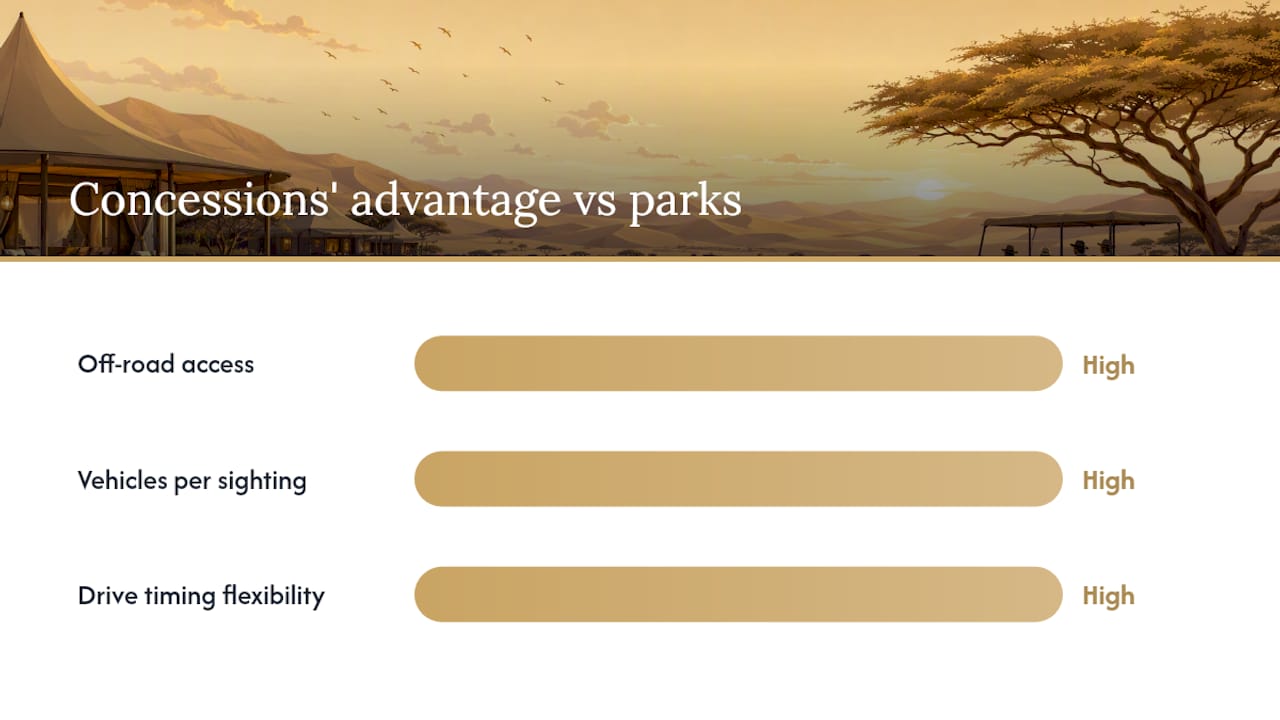
Private concessions consistently outperform national park lodges on the dimensions that matter most to discerning travellers: off-road access, fewer vehicles per sighting, and flexible drive timing.
Property | Country / Region | Property Type | Best For | Standout Wildlife / Experience | Access |
|---|---|---|---|---|---|
Secret Namibia desert camps | Namibia | Private concession tented lodge | Desert landscapes, romance, photography | Namib dunes, desert-adapted wildlife | Fly-in or road from Windhoek |
Singita (Sabi Sand) | South Africa | Exclusive-use concession lodge | Big Five, photography, couples | Leopard, lion, elephant | Charter from Johannesburg |
Singita (Grumeti) | Tanzania | Private concession lodge | Migration, exclusivity | Wildebeest migration (western corridor) | Light aircraft from Arusha |
Angama Mara | Kenya | Cliff-edge tented camp | Photography, romance, migration | Great Migration river crossings | Light aircraft from Nairobi |
San Camp | Botswana | Minimalist canvas tented camp | Exclusivity, unique landscapes | Meerkats, Bushmen walks, salt pans | Fly-in from Maun |
Royal Malewane | South Africa | Private villa lodge | Wellness, Big Five, couples | Leopard, rhino, tracking | Charter from Johannesburg |
&Beyond (Okavango) | Botswana | Delta tented camp | Families, water-based safari | Okavango Delta, mokoro, hippo | Fly-in from Maun |
Reading the table:
Exclusive-use properties (Royal Malewane’s villas, Angama Mara’s full-camp buy-out) command a significant premium but eliminate shared game drives entirely.
Fly-in access adds cost but is the most efficient use of your time. Multi-leg fly-in itineraries use scheduled light aircraft to reposition guests between reserves, maximising wildlife time and avoiding long road transfers.
Seasonal rate shifts are significant. Peak migration windows (July through October in Kenya, December through March for Ndutu calving in Tanzania) typically carry the highest nightly rates.
Pro Tip: When you receive a seasonal rate quote, ask the operator to confirm whether the rate is per person sharing or per villa. Some properties quote the villa rate as a per-person figure only at double occupancy — the actual exclusive-use cost can be two to three times higher.
How to pick the right luxury safari vacation for your group
Choose your region by the wildlife experience you most want, then narrow by property type based on your group’s privacy needs and mobility requirements.
Define your primary wildlife goal. Migration crossings (Kenya/Tanzania), Big Five density (South Africa), delta and water-based experiences (Botswana), or desert and dune landscapes (Namibia) each point to a different region.
Assess group composition. Couples and honeymooners often prioritise exclusive-use suites and romance-focused lodges. Families with children need properties with dedicated junior programmes and child-friendly drive times. Large groups (eight or more) should look at exclusive-use villa properties or full-camp buy-outs.
Consider mobility and accessibility. Light-aircraft transfers require boarding small six-to-twelve-seat planes on unpaved airstrips. If any guest has mobility limitations, confirm vehicle and accommodation accessibility with the lodge directly before booking.
Match your season to your experience. Dry season (May through October across most of southern Africa) concentrates wildlife at water sources and offers the clearest game-viewing. Wet season brings lush landscapes, newborn animals, and lower rates — but some camps close or become inaccessible.
Decide on your exclusivity level. A private vehicle (your group only, no shared drives) is the single most impactful upgrade at most lodges. Some properties include it; others charge a supplement.
Set a realistic budget range. Sample packages span a wide price range reflecting differences in exclusivity, access, and inclusions, with some ultra-luxury fly-in migration safaris representing the higher end of the market. Knowing your range before you enquire saves significant back-and-forth.
Build in a planning buffer. Peak-season dates at top properties often book out many months in advance. Secretnamibia’s step-by-step itinerary guide walks you through the booking timeline and deposit expectations in detail.
Questions to ask your tour operator or lodge before confirming:
Is a private vehicle included, or is it a supplement?
What is the guide-to-guest ratio on game drives?
Is the concession exclusive to your lodge, or shared with other properties?
Are conservation and community levies included in the quoted rate?
What are the deposit and cancellation terms, and are they refundable?
Does the property carry medical evacuation insurance, or must guests arrange their own?
Are park and concession fees included in the nightly rate?
What is the policy on children (minimum age for game drives, night drives)?
Are premium drinks and laundry included or charged separately?
What is the transfer arrangement if a bush flight is delayed or cancelled?
Does the property use its own guides, or does it subcontract to a third-party operator?
Are sample photos on the booking page from the actual property, or from a sister lodge?
Red flags to watch for: vague inclusions lists that don’t specify park fees, sample itineraries with no confirmed lodge names, last-minute subcontracted transfers, and “all-inclusive” claims without a written breakdown of what that covers.
Which region suits which experience?
The region you choose should follow your wildlife priority, not the other way around.
Northern Tanzania and the Maasai Mara (Kenya) are the natural choice for migration-focused travellers. The Serengeti/Mara ecosystem hosts the Great Migration year-round, but the spectacle shifts location by season: Ndutu calving grounds (December through March), the Grumeti corridor (April through June), and the famous Mara River crossings (July through November). Repositioning between these zones by light aircraft is the most effective way to follow the herds without wasting days on road transfers. Best for: photography enthusiasts, couples, and anyone for whom the migration is the primary reason to travel.
Botswana’s Okavango Delta and Makgadikgadi Pans suit travellers who want exclusivity above all else. Botswana’s tourism model is deliberately low-volume and high-value, meaning the private concessions here feel genuinely remote. Water-based safaris by mokoro or motorboat add a dimension unavailable elsewhere. Best for: couples seeking total seclusion, repeat safari travellers wanting something beyond the standard game drive.
Namibia stands apart from every other destination on this list. The Namib Desert, Etosha National Park, Damaraland, and the Skeleton Coast offer landscapes so dramatic that the wildlife is almost secondary — though desert-adapted elephant, black rhino, and lion make it anything but a wildlife compromise. Secretnamibia specialises in combining these regions into a single fly-in itinerary, and the luxury Namibia safari collection covers the full range of private-reserve options.
South Africa’s private reserves (Sabi Sand, Thornybush, Phinda) offer the easiest logistics of any destination on this list: direct international flights to Johannesburg, short charter connections to the reserve, and some of the continent’s most polished lodge infrastructure. Best for: first-time luxury safari travellers, families, and those combining a safari with a Cape Town extension.
Sample itinerary pairings:
Namibia + Botswana (10 days): Three nights in the Namib Desert (fly-in from Windhoek), two nights in Damaraland, then reposition to Maun for three nights in the Okavango Delta. Secretnamibia can arrange the cross-border light-aircraft connection.
Kenya + Tanzania (9 days): Two nights at Angama Mara for Mara River crossings (July through October), then fly south to the Serengeti for three nights at a private migration camp, finishing with two nights at a Ngorongoro crater lodge.
What do luxury safaris cost, and when should you go?
The honest answer: private-reserve luxury safari vacations span a wide price range, and the gap between the lower and upper ends reflects genuine differences in exclusivity, access, and inclusions. Sample packages range from about $7,500 per person for lower-luxury lodge itineraries to over $25,000 per person for ultra-luxury, multi-leg, fly-in migration safaris.
Sample luxury Tanzania migration packages show how per-person rates shift meaningfully between travel periods, with peak-season surcharges reflecting both demand and the operational cost of repositioning camps. At the ultra-luxury end, packages including multiple fly-in legs and private guiding can exceed $25,000 per person.
Seasonal timing callouts:
June through October is dry season across most of southern Africa: excellent game-viewing, cooler mornings, and the highest lodge rates.
December through March brings the Ndutu calving season in Tanzania and the green season in Namibia — lower rates, dramatic skies, and newborn wildlife.
July through November is the window for Mara River crossings in Kenya.
Sample 7–10 day trip timeline:
Day 1: Fly into Johannesburg or Nairobi (international gateway).
Days 2–4: Light-aircraft transfer to first private reserve; morning and afternoon game drives.
Day 5: Repositioning flight to second reserve or country.
Days 6–8: Second reserve; optional specialist activities (walking safari, night drive, cultural visit).
Day 9: Transfer to regional hub; overnight in city hotel.
Day 10: International departure.
Booking timeline: For peak-season dates at top properties, start planning 9–12 months ahead. Many lodges require a 20–30% deposit at confirmation, with the balance due 60–90 days before arrival. Cancellation terms vary significantly — always request the written policy before paying a deposit.
What does daily life on a luxury safari actually look like?
The rhythm of a private-reserve safari is one of its great pleasures. Days are structured around the light, not a schedule.
A typical day runs roughly like this:
5:00–5:30 AM: Wake-up call; hot coffee and rusks at the fire.
5:30–9:30 AM: Pre-dawn game drive, often the most productive of the day.
9:30–10:30 AM: Return to camp; full bush breakfast.
10:30 AM–3:30 PM: Midday rest, pool, spa, or optional guided bush walk.
3:30–7:00 PM: Afternoon game drive, ending with a sundowner in the bush.
7:30 PM onwards: Dinner under the stars, often around a fire.
Standard inclusions at most luxury private-reserve properties:
All game drives (morning and afternoon) with a dedicated guide
All meals and selected beverages (house wine, beer, soft drinks)
Laundry service (usually limited)
Park and concession fees (confirm this in writing)
Wi-Fi (variable quality — expect it to be slow or intermittent in remote camps)
Road or light-aircraft transfers within the itinerary
Common exclusions:
International and regional flights
Premium spirits and champagne
Specialist activities (helicopter flights, hot-air balloon, spa treatments)
Gratuities for guides and camp staff
Travel and medical evacuation insurance
Pro Tip: Medical evacuation insurance is non-negotiable for remote bush camps. Standard travel insurance rarely covers helicopter evacuation from a private concession. Policies from specialist providers such as AMREF Flying Doctors (East Africa) or Europ Assistance cover this gap. Confirm your policy covers the specific countries on your itinerary before you travel.
The luxury safari camp experience guide from Secretnamibia covers accommodation types and amenity expectations in detail, which is useful reading before you compare specific properties.
Why Secretnamibia delivers the bespoke luxury safari experience
Secretnamibia builds bespoke, luxury itineraries that combine Namibia’s dramatic landscapes with private-reserve exclusivity across southern and eastern Africa.
Sample bespoke itinerary: Namibia Fly-In Private Reserve (8 days)
Day 1: Arrive Windhoek; overnight at a boutique guesthouse.
Days 2–3: Fly-in to a Sossusvlei private concession camp; guided dune walks at dawn, afternoon desert drives, stargazing from the camp deck.
Days 4–5: Reposition by light aircraft to Damaraland; tracking desert-adapted elephant and black rhino with a specialist guide.
Days 6–7: Fly north to Etosha’s private concession lodges; morning and afternoon Big Five drives on the pan.
Day 8: Return flight to Windhoek; international departure.
This itinerary is available as a starting framework, and Secretnamibia’s planning team adjusts every element — lodge selection, fly-in timing, specialist activities, and conservation experiences — to match your group’s priorities. Conservation credentials are built into the itinerary at every stage, with lodge fees contributing directly to Namibia’s communal conservancy network.
Secretnamibia’s bespoke planning service is the most direct route to a private-reserve safari that fits your exact travel window, group size, and wildlife priorities. Contact the team at secretnamibia.com/enquiries to start the conversation.
Key takeaways
Private-reserve luxury safari vacations deliver the most exclusive wildlife access available in Africa, and the best results come from matching your region to your primary experience goal and booking peak-season dates 9–12 months in advance.
Point | Details |
|---|---|
Choose region by experience | Migration: Kenya/Tanzania; delta/water: Botswana; desert/dunes: Namibia; Big Five + logistics: South Africa. |
Private concessions outperform parks | Off-road access and fewer vehicles per sighting produce quieter, more personal wildlife encounters. |
Price range is wide | Sample packages range from around $7,500 per person to over $25,000 per person for ultra-luxury fly-in itineraries. |
Book peak season early | Top properties fill 9–12 months ahead; confirm deposit and cancellation terms in writing before paying. |
Secretnamibia for bespoke planning | Secretnamibia curates multi-leg Namibia and southern Africa itineraries with private-reserve access and conservation credentials built in. |
The case for curated private safaris
There is a version of a luxury safari that looks impressive on paper and delivers very little in the field: a well-photographed lodge on a shared concession, a guide managing three vehicles at every sighting, a schedule that fits the camp’s operational needs rather than yours. The private-reserve model exists precisely to eliminate those compromises.
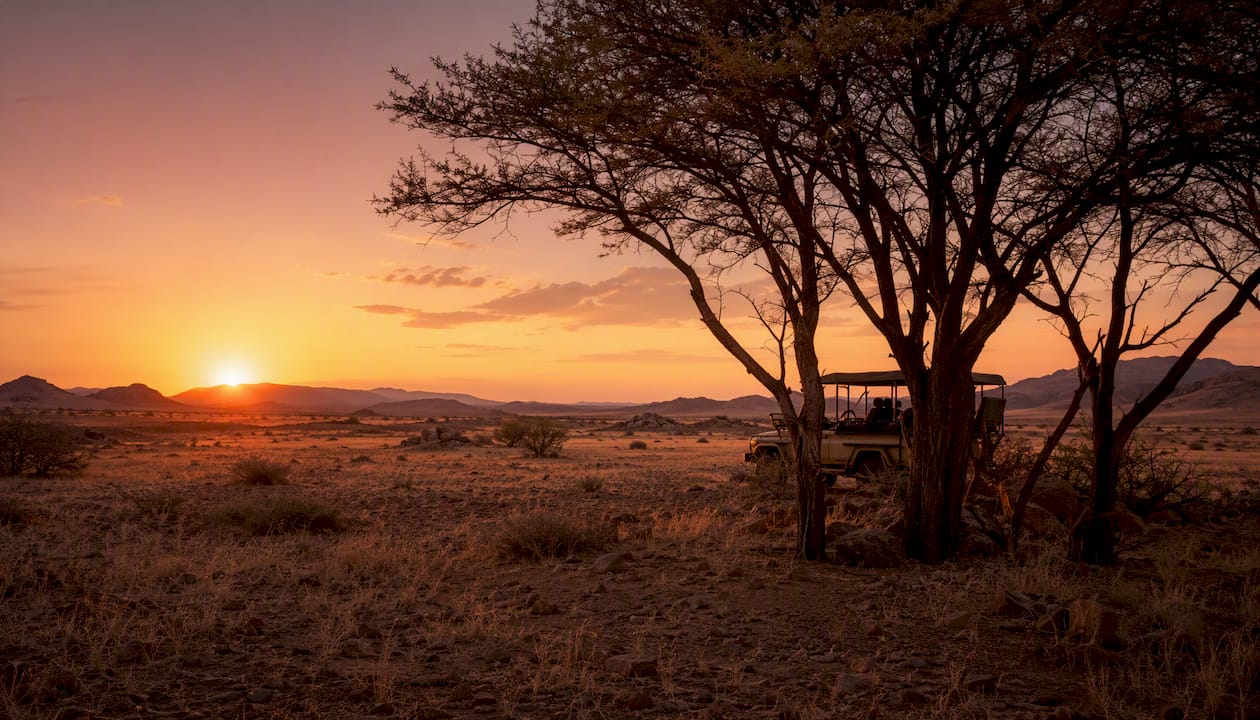
What you gain on a private concession is not just exclusivity for its own sake. It is the ability to stop the vehicle for forty minutes while a leopard moves through the grass at her own pace, with no other engine idling nearby. It is a guide who knows the specific animals on that land, who can read the morning light and the wind direction and make a decision that no shared-vehicle itinerary could accommodate. In Namibia particularly, where the desert light shifts from gold to white to copper in the space of an hour, that kind of unhurried attention to place is what separates a remarkable trip from a merely expensive one.
Plan your private-reserve safari with Secretnamibia
Secretnamibia’s core strength is exactly what most luxury travellers need most: a bespoke planning service that combines deep knowledge of Namibia’s private reserves with the connections to build multi-country itineraries across southern and eastern Africa.
Every itinerary is built around your group’s specific priorities, from fly-in logistics and lodge selection to conservation safari experiences and specialist guiding. Client testimonials, sample itineraries, and verified conservation partnerships are all available on the site. The planning process starts with a single enquiry: share your travel dates, group size, and the one experience you most want to have, and the team builds from there. Visit Secretnamibia’s luxury safari collection to see the full range of private-reserve options and start planning your trip.
Useful sources for further research and planning
Secretnamibia: Luxury Safari Guide, Private Reserves and Expert Planning — Secretnamibia’s planning-focused guide to private-reserve access and bespoke itinerary services; the starting point for any Namibia or southern Africa enquiry.
Secretnamibia: Luxury Safari Camp Experience — detailed guide to accommodation types, amenity levels, and guest expectations at luxury tented camps and lodges.
Secretnamibia: Step-by-Step Safari Itinerary for Luxury Namibia Trips — practical booking timeline, deposit guidance, and cancellation considerations for Namibia luxury safaris.
Secretnamibia: Conservation Safaris Explained — overview of conservation levies, community programmes, and sustainability credentials at private-reserve properties.
Secretnamibia: Top Luxury Safari Lodges in Namibia — curated roundup of Namibia’s top private-reserve lodge options with property-level detail.
Recommended
RELATED
Safari Guides
Oct 30, 2025
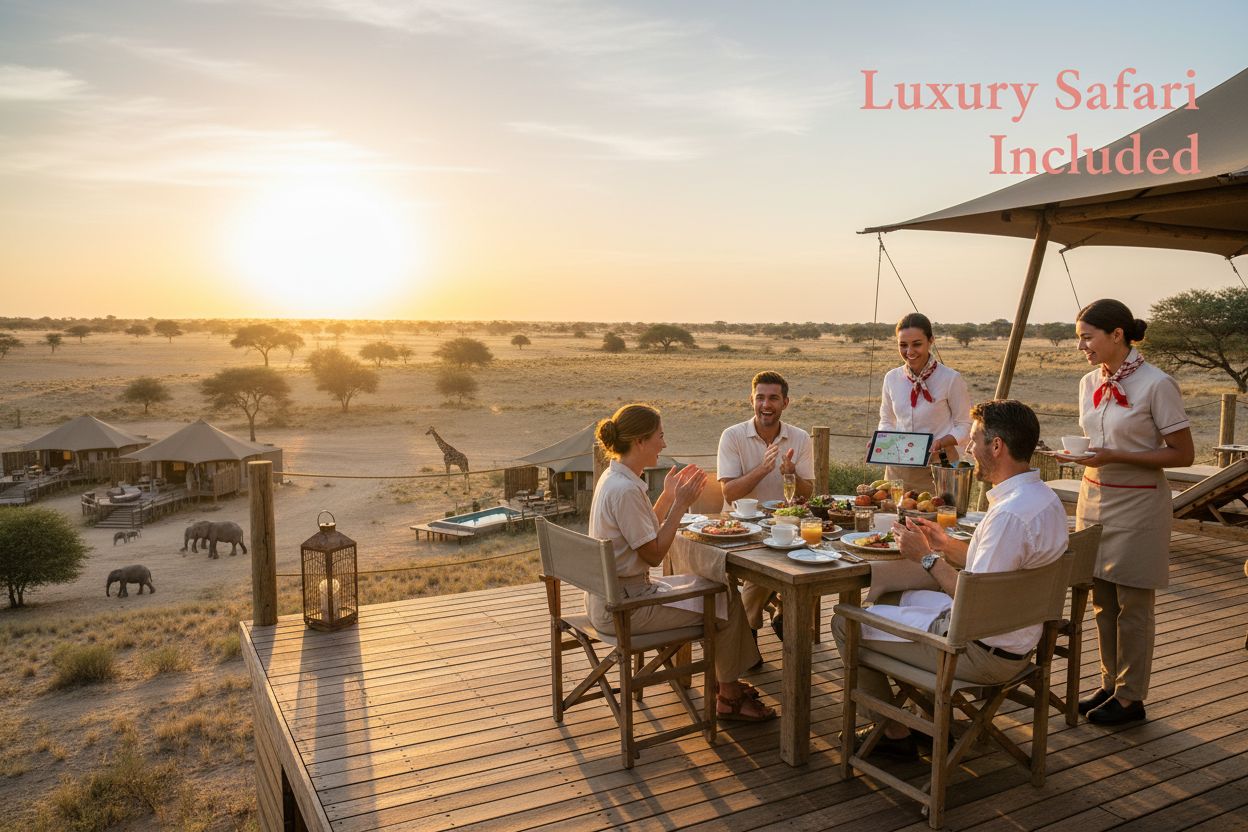
Understanding What is Included in Luxury Safaris
Explore what is included in luxury safaris, from exclusive accommodations to bespoke experiences that cater to discerning travelers.
Feb 24, 2026
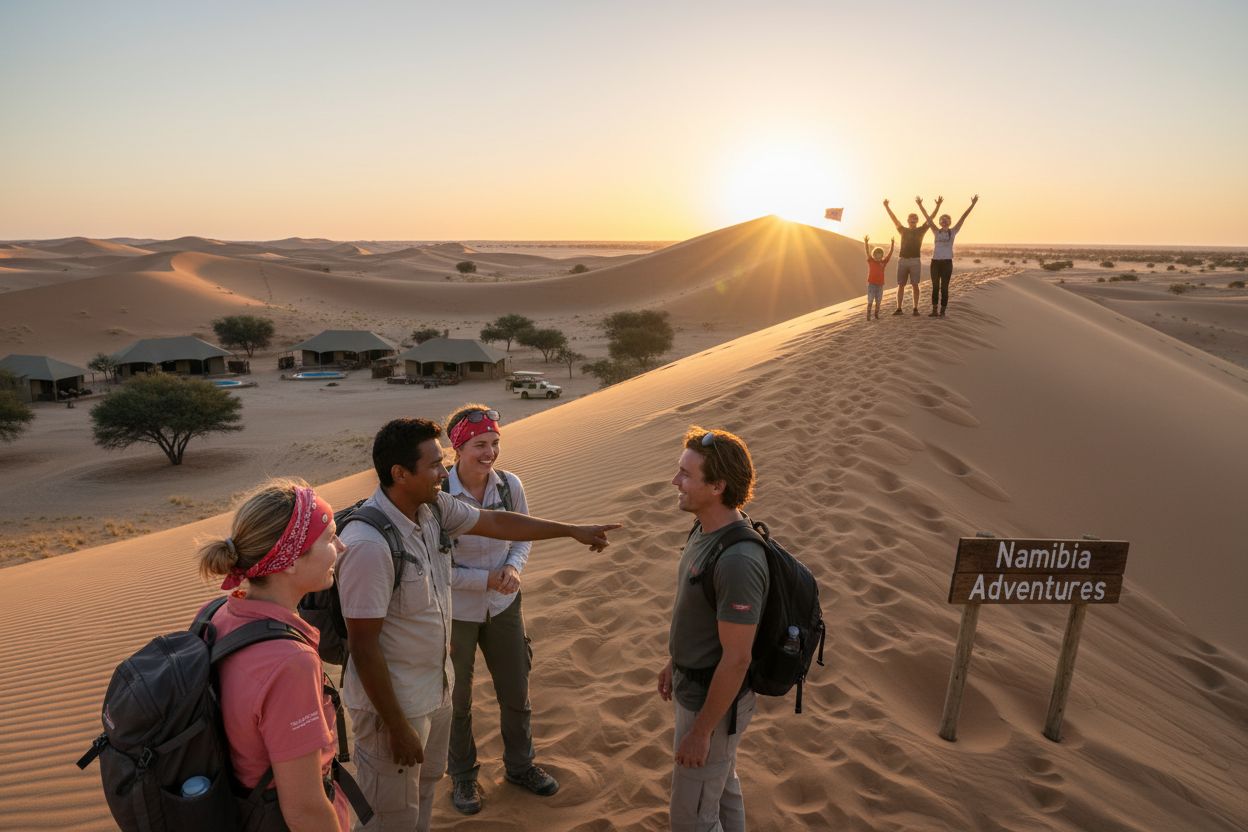
Why Namibia Adventures Matter: An In-Depth Look
Discover why Namibia adventures are essential for luxury travelers seeking unique, immersive experiences in nature and wildlife exploration.
Feb 23, 2026
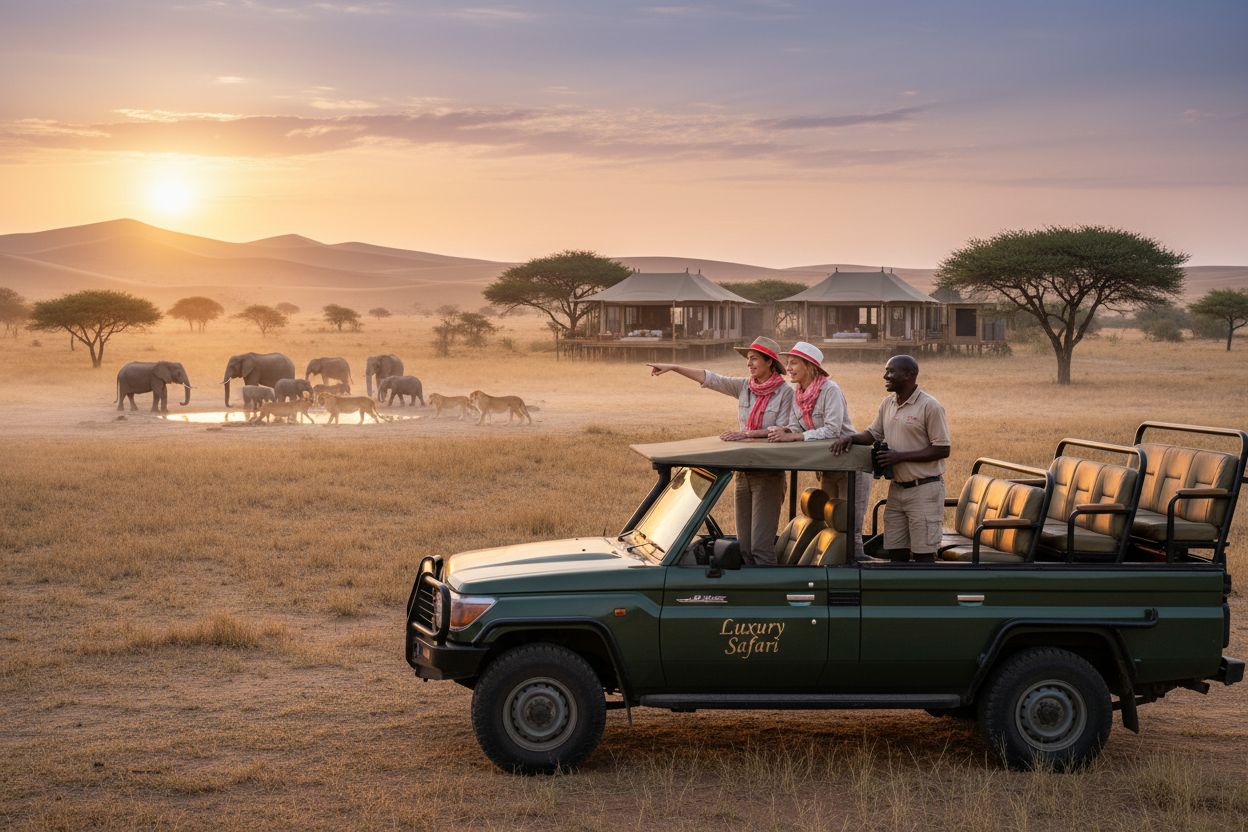
What to Expect on a Luxury Safari: A Comprehensive Guide
Discover what to expect on a luxury safari and gain a deeper understanding of the unique experiences that await you in the wild.
Feb 22, 2026
Understanding Namibia Safari Costs Explained
Explore Namibia safari costs explained to uncover what influences pricing and what it means for your adventure.
Feb 21, 2026
Understanding the Role of Safari Experts in Wildlife Travel
Explore the role of safari experts and gain a comprehensive understanding of how they enhance wildlife travel experiences for all types of travelers.
Feb 20, 2026
Guide organisation safari all inclusive : vivez l'aventure de vos rêves
Découvrez notre guide organisation safari all inclusive étape par étape pour planifier un voyage inoubliable au cœur de la nature.