
Aug 5, 2026
Experience unparalleled adventure with luxury African safari tours. Enjoy bespoke itineraries, private vehicles, and expert guidance tailored just for you.
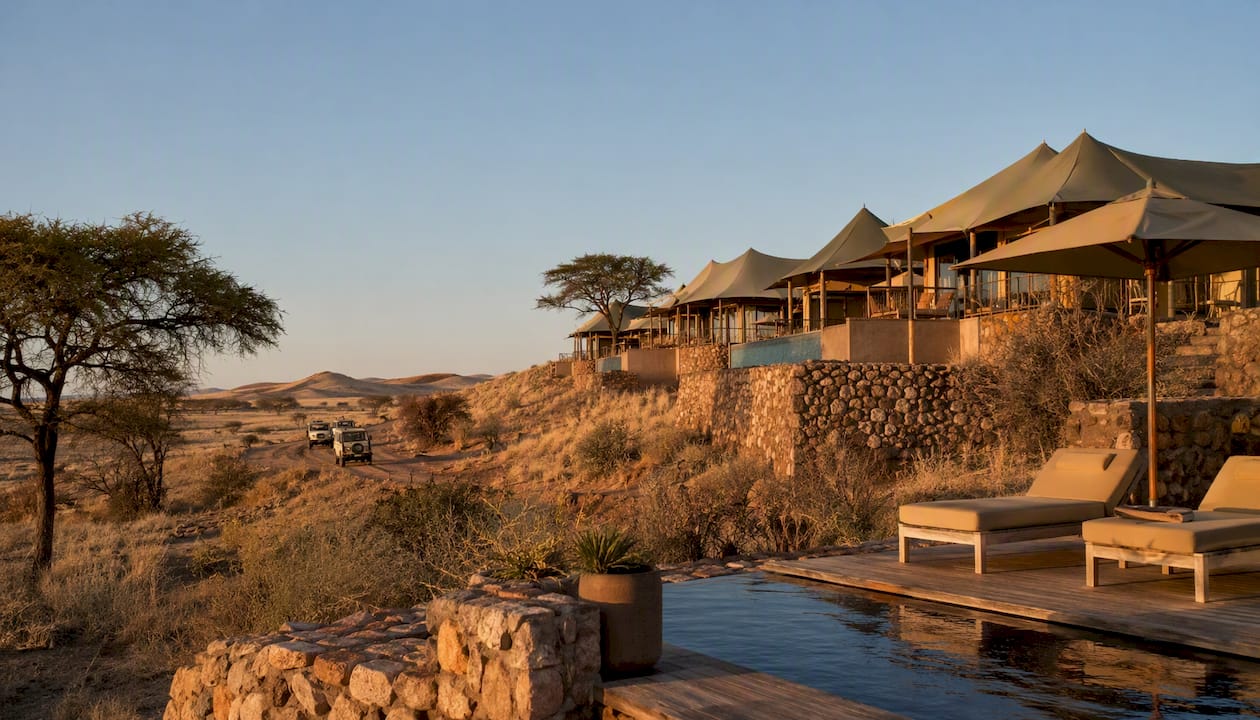
Luxury African safari tours: bespoke private-reserve experiences
TL;DR:
Luxury African safari tours offer private vehicles and expert guides, providing bespoke itineraries tailored to your schedule. Destination options include Namibia for desert landscapes, Botswana for exclusivity, Kenya and Tanzania for the Great Migration, and Rwanda for gorilla trekking, with each offering high-end accommodations. A genuine luxury safari features private guides, off-road access, night drives, and all-inclusive pricing, creating an immersive wilderness experience.
Luxury African safari tours deliver something no standard package can replicate: a private vehicle and dedicated expert guide, a bespoke itinerary built around your schedule, and accommodation that feels more like a remote residence than a hotel. The wilderness is explored entirely on your terms. If you’re ready to plan, the single best first step is to contact a specialist who knows the terrain intimately, such as the team at Secretnamibia, and request a tailored enquiry. Picture the Namib Desert at first light, when the towering apricot dunes of Sossusvlei cast shadows that stretch across the salt pan for what seems like miles, and the silence is so complete you can hear the sand shift. That is the promise of a well-planned private safari in southern Africa. From the remote private reserves of Namibia to the wildlife arenas of the Ngorongoro Conservation Area and the spectacle of the Great Migration in East Africa, a bespoke safari is one of the most extraordinary experiences money can buy.
Table of Contents
What types of luxury safari experiences are there?
Which African destinations deliver the finest luxury safari experiences?
What does ‘luxury’ actually mean on safari?
What do sample luxury safari itineraries look like?
What does an all-inclusive luxury safari cover, and what does it cost?
How do you choose the right luxury safari operator?
Why Secretnamibia and Namibia’s private reserves stand out
Key takeaways
What a well-planned luxury safari actually feels like
Secretnamibia: your bespoke safari planning partner
What types of luxury safari experiences are there?
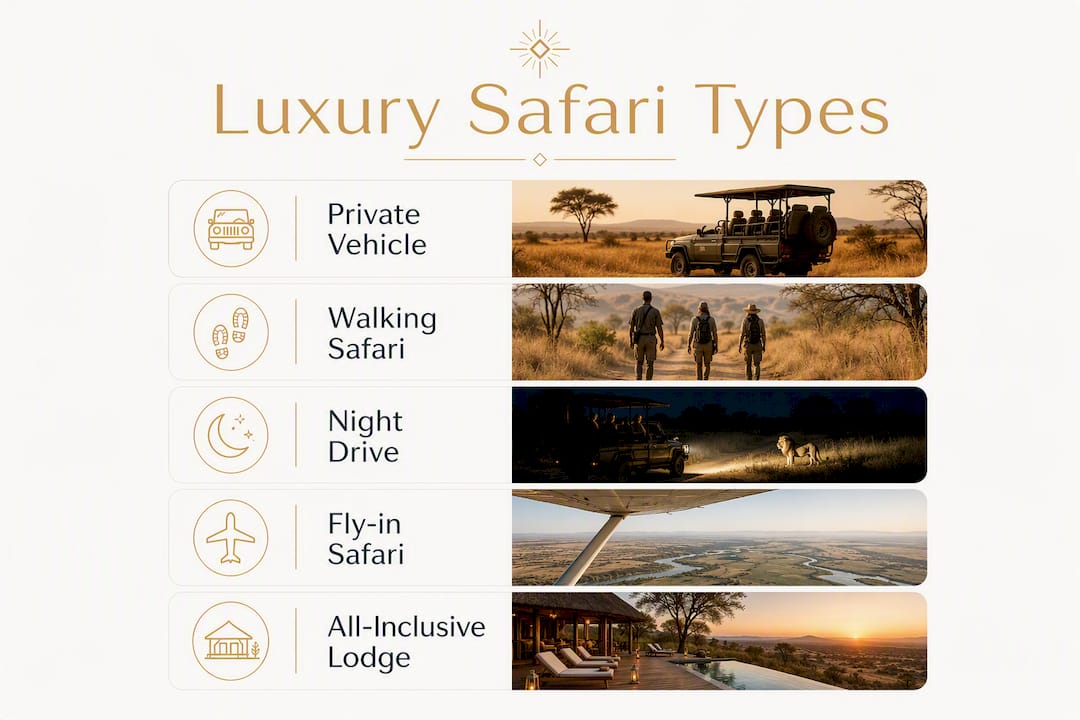
Choosing the right format is the first real decision, and it shapes everything from your daily rhythm to the wildlife you encounter. Here is a concise breakdown of the main styles:
Private classic lodge safari: You stay at two or three established luxury lodges, each in a distinct ecosystem, moving between them by road or light aircraft. Ideal for first-time luxury travellers and honeymooners who want comfort and variety without sacrificing exclusivity.
Exclusive-use private concession: Your group hires an entire conservancy or reserve. Exclusive-use properties guarantee that no other party shares the land, giving you complete scheduling flexibility and a genuinely private wilderness. Perfect for families, multi-generational groups, and anyone who values absolute solitude.
Fly-in (air-hopping) safari: Charter flights connect multiple ecosystems, replacing long road transfers with scenic approaches that leave you ready for an afternoon game drive the moment you land. The trade-off is cost; the gain is time in the bush.
Mobile/campaigned safari: A fully equipped luxury camp moves with the wildlife or the season, so you are always in the right place at the right time. Photographers and serious wildlife enthusiasts tend to love this format.
Family-friendly luxury safari: Tailored activity schedules, dedicated children’s guides, and child-safe lodge designs make this the format for families travelling with younger guests. Many private reserves offer junior ranger programmes.
Conservation-focused residency stay: Guests spend several nights at a conservancy that runs active research or anti-poaching operations, with the option to join ranger patrols, assist with wildlife monitoring, or visit veterinary facilities. Conservation patrons and repeat safari travellers find this the most meaningful format.
Pro Tip: Private concessions allow off-road driving, night drives, and walking safaris that national parks typically prohibit. If close-up, unhurried wildlife encounters are your priority, always ask whether your itinerary is based in a private concession rather than a national park.
Which African destinations deliver the finest luxury safari experiences?
The destination shapes the wildlife, the light, the landscape, and the season. Each of the regions below consistently delivers high-end accommodation alongside exceptional game viewing.
Namibia is the natural starting point for a private, desert-focused safari. The Namib Desert, Etosha National Park, and the remote private reserves of Damaraland and the Kaokoveld offer landscapes found nowhere else on earth: vast arid pans, ancient riverbeds, and desert-adapted wildlife including black rhino, desert elephant, and gemsbok. The dry season (May through October) brings the clearest skies and the most concentrated wildlife around waterholes, while the green season (November through April) transforms the landscape and draws extraordinary birdlife.
Botswana is synonymous with exclusivity. The Okavango Delta, Linyanti, and Savuti concessions are home to some of Africa’s most sought-after private camps, where elephant herds wade through papyrus channels and lion prides patrol floodplains. The dry season (June through October) is peak predator-viewing time, when receding water concentrates game dramatically.
Kenya offers the private conservancies bordering the Maasai Mara, particularly in Laikipia, where properties like Ol Jogi combine exclusive-use residences with active conservation operations including rhino bomas and on-site veterinary clinics. The Great Migration crosses the Mara River between July and October, making this one of the most spectacular wildlife windows in Africa.
Tanzania is the home of the Serengeti and the Ngorongoro Conservation Area, two of the continent’s most celebrated wildlife arenas. A fly-in circuit connecting the southern Serengeti (calving season, January through March) with the northern migration corridor (July through September) gives you the full arc of the Great Migration.
South Africa suits travellers who want to combine a private reserve safari with a Cape Town extension. The private reserves adjoining Kruger National Park offer Big Five game viewing year-round, with the dry winter months (June through September) favouring predator sightings.
Rwanda and Zambia are specialist destinations. Rwanda’s Volcanoes National Park offers mountain gorilla trekking, best attempted in the dry seasons (June through September and December through February). Zambia’s South Luangwa is Africa’s walking-safari heartland, with the late dry season (September through October) delivering extraordinary concentrations of wildlife along the Luangwa River.
At a glance: For big cats and predator action, choose Botswana or Kenya’s private conservancies. For the Great Migration spectacle, Tanzania’s Serengeti circuit is unmatched. For desert lightscapes and remote solitude, Namibia stands alone. For gorilla trekking, Rwanda is the only choice.
What does ‘luxury’ actually mean on safari?
The word gets used loosely, so it helps to know what genuinely defines the top tier. The hallmarks are consistent across the finest properties in Africa.
Accommodation:
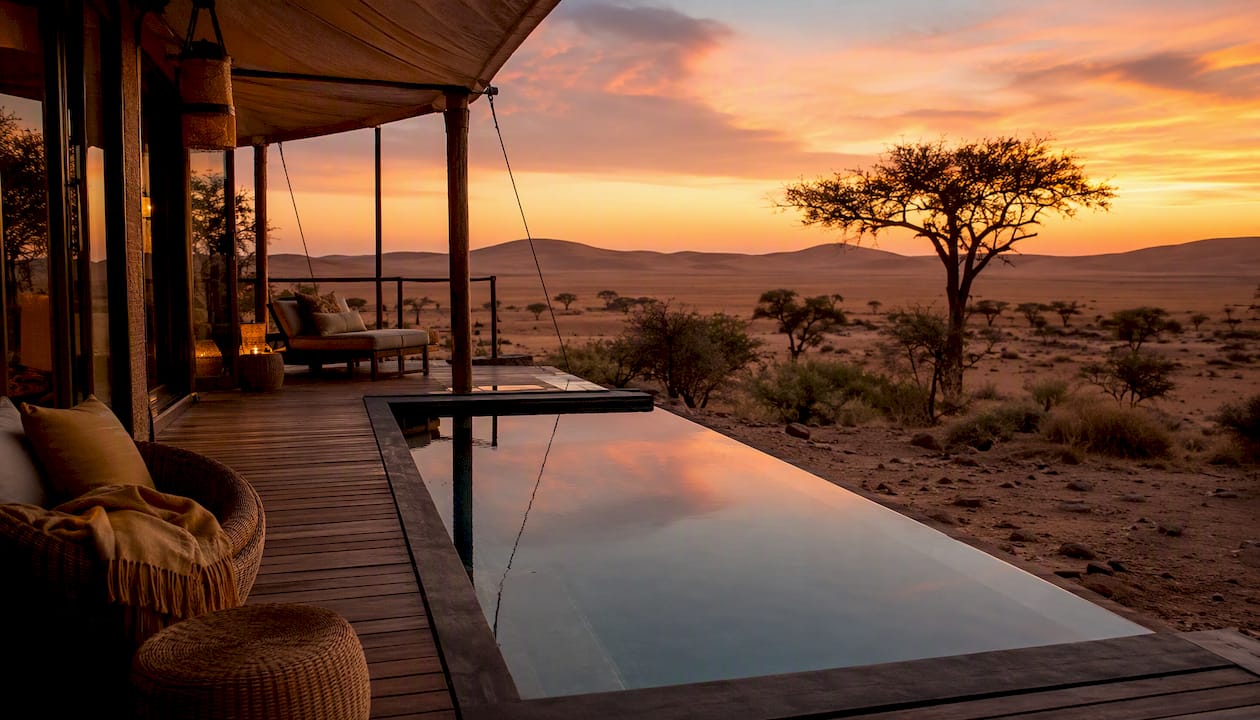
Private suites and tented villas with indoor and outdoor showers, plunge pools, and unobstructed bush views
Ultra-luxury tented camps where canvas walls and polished concrete floors create an atmosphere of refined wilderness
Exclusive-use residences that place an entire lodge or conservancy at your disposal
Properties such as Mwiba Lodge in the southern Serengeti, which lists private airstrip transfers, spa facilities, infinity pools, and curated conservation experiences as standard inclusions
Service and guiding:
High guide-to-guest ratios, often one dedicated guide and tracker per vehicle
Butler and concierge teams who manage every detail from sundowner locations to dietary preferences
FGASA-qualified or equivalent guides with deep regional knowledge
Exclusive experiences:
Private game drives on your schedule, not the lodge’s timetable
Night drives with spotlights, walking safaris, and helicopter or hot-air balloon options
Private bush dinners, stargazing sessions, and spa treatments in the field
Cultural encounters with local communities, from San tracking demonstrations to Maasai village visits
Conservation partnerships strengthen the luxury offer in a way that matters to discerning travellers. When a property runs active anti-poaching units, wildlife research programmes, or community development initiatives, your stay contributes directly to the ecosystem you came to see. That connection adds a layer of meaning that no amount of thread-count can replicate. You can read more about what defines Africa’s finest luxury safari features on the Secretnamibia resource pages.
What do sample luxury safari itineraries look like?
The three formats below give you a sense of how duration and structure translate into experience. Each can be tailored further.
Three itinerary shapes to consider
7-day private-concession week: Arrive at your base camp on Day 1 for an afternoon game drive. Days 2 through 5 are built around morning and evening game drives, a walking safari, and one night drive. Day 6 moves you by charter flight to a second ecosystem for a contrasting landscape and different species. Day 7 is a morning drive before your departure transfer. A focused 6–7 day itinerary pairing a migration zone with an exclusive private concession, connected by charter flights, can be highly effective when time is limited.
10-day migration fly-in circuit: Four scheduled scenic light-aircraft flights replace long road transfers, connecting the southern Serengeti calving grounds, the central Serengeti, the northern Mara River crossing zone, and a final exclusive conservancy. You arrive at each ecosystem ready for the afternoon game drive, with no transfer fatigue. This format converts travel time directly into wildlife time.
14-day desert-to-wetlands bespoke route: Begin in Namibia with three nights in a private desert reserve (Damaraland or the Skeleton Coast), then fly to Etosha for four nights of waterhole game viewing, before connecting to Botswana’s Okavango Delta for five nights in a private concession. The final two nights are spent at an exclusive-use lodge before departure. This is the format for travellers who want maximum ecosystem variety and are prepared to invest in the experience fully.
Seasonal timing at a glance
Region | Optimal months | Wildlife highlight |
|---|---|---|
Namibia (desert) | May through October | Desert-adapted species, clear skies, photography |
Botswana (Okavango) | June through October | Predator concentration, dry-season game viewing |
Kenya (Maasai Mara) | July through October | Great Migration river crossings |
Tanzania (Serengeti) | January through March, July through September | Calving season, migration spectacle |
South Africa (private reserves) | June through September | Predator sightings, dry bush visibility |
Rwanda (gorillas) | June through September | Mountain gorilla trekking |
For detailed logistics on step-by-step luxury Namibia itineraries, including bush flight connections and transfer options, Secretnamibia’s planning guides are a practical starting point.
What does an all-inclusive luxury safari cover, and what does it cost?
Understanding inclusions removes the most common source of post-booking disappointment. A genuine all-inclusive luxury safari typically bundles:
Inclusion | What it covers |
|---|---|
Game drives | Private vehicle and dedicated guide, unlimited drives on your schedule |
Meals and drinks | Full board, house wines, premium spirits, and non-alcoholic beverages |
Park and conservancy fees | Daily levies for the reserve or national park |
Transfers | Road and bush-flight transfers between camps |
Selected activities | Walking safaris, night drives, cultural visits, conservation experiences |
Conservation levy | Contribution to anti-poaching and community programmes |
Properties such as Mwiba Lodge describe their model as one where a private vehicle, unlimited game drives, transfers, meals, and select cultural experiences are all included, giving guests the freedom to dictate their own daily schedule without watching a running tab.
Pricing context: A 10-day ultra-luxury fly-in migration safari in Tanzania can be expected to cost $25,330 per person at the top end of the market. High-end lodge circuits across Namibia and Botswana typically vary widely in price depending on exclusivity and duration, while exclusive-use residency hires command a premium above that. This figure reflects the private vehicle, dedicated guiding, and all-inclusive model that defines the category.
Booking lead times: For peak-season dates (July through October in East Africa, June through September in southern Africa), booking well in advance is advisable. Exclusive-use residencies and private conservancy hires often require even longer lead times, particularly for the Great Migration window.
This article provides general pricing guidance, not professional financial or travel-insurance advice. Confirm current rates and inclusions directly with your chosen operator.
How do you choose the right luxury safari operator?
The operator you choose matters as much as the destination. Here is a practical checklist for evaluating your options:
Private-concession access: Does the operator have genuine relationships with private concessions, or are they booking standard national park camps?
Vehicle and guide exclusivity: Is the game-drive vehicle yours alone, or shared with other guests?
Guide credentials: Are guides FGASA-qualified, KATO-registered, or hold equivalent regional certification?
Inclusions clarity: Is the all-inclusive scope written clearly in the contract, with no ambiguous “select activities” clauses?
Conservation partnerships: Does the operator support named conservation initiatives, and can they demonstrate how guest fees are allocated?
Emergency evacuation: Is medical evacuation insurance included or clearly recommended, and is there a named evacuation provider?
Cancellation and flexibility policies: Are force-majeure clauses and date-change policies written into the booking terms?
References and testimonials: Can the operator provide named guest reviews or connect you with past clients?
Questions to ask during your initial enquiry
“Is the game-drive vehicle exclusively ours for the duration of the stay, or shared?”
“How many vehicles are typically present at a sighting on this concession?”
“What are your guides’ formal qualifications, and how long have they worked in this specific ecosystem?”
“How does the operator source and vet its guiding staff?”
“What is the contingency plan if a charter flight is delayed or a camp becomes inaccessible?”
“Which conservation organisations does the operator formally support, and how are guest levies allocated?”
Red flags to watch for:
Vague inclusions lists with no written contract detail
No named evacuation provider or insurance recommendation
Guides whose credentials cannot be independently verified
Conservation fees listed without any explanation of where they go
Operators who cannot provide named guest references on request
You can also explore Secretnamibia’s guide on how to customise a luxury Namibia itinerary for a practical framework on tailoring your trip.
Why Secretnamibia and Namibia’s private reserves stand out
Namibia’s light is unlike anything else in Africa. At dawn, the Namib Desert glows amber and gold, the silence broken only by the distant call of a Burchell’s courser and the soft creak of a private camp coming to life. This is the landscape that Secretnamibia was built around: remote, magnificent, and best experienced from the privacy of a dedicated vehicle with a guide who has spent years reading its rhythms.
Why private game reserves outperform national parks
The difference between a national park and a private reserve is not just about comfort. It is about freedom.
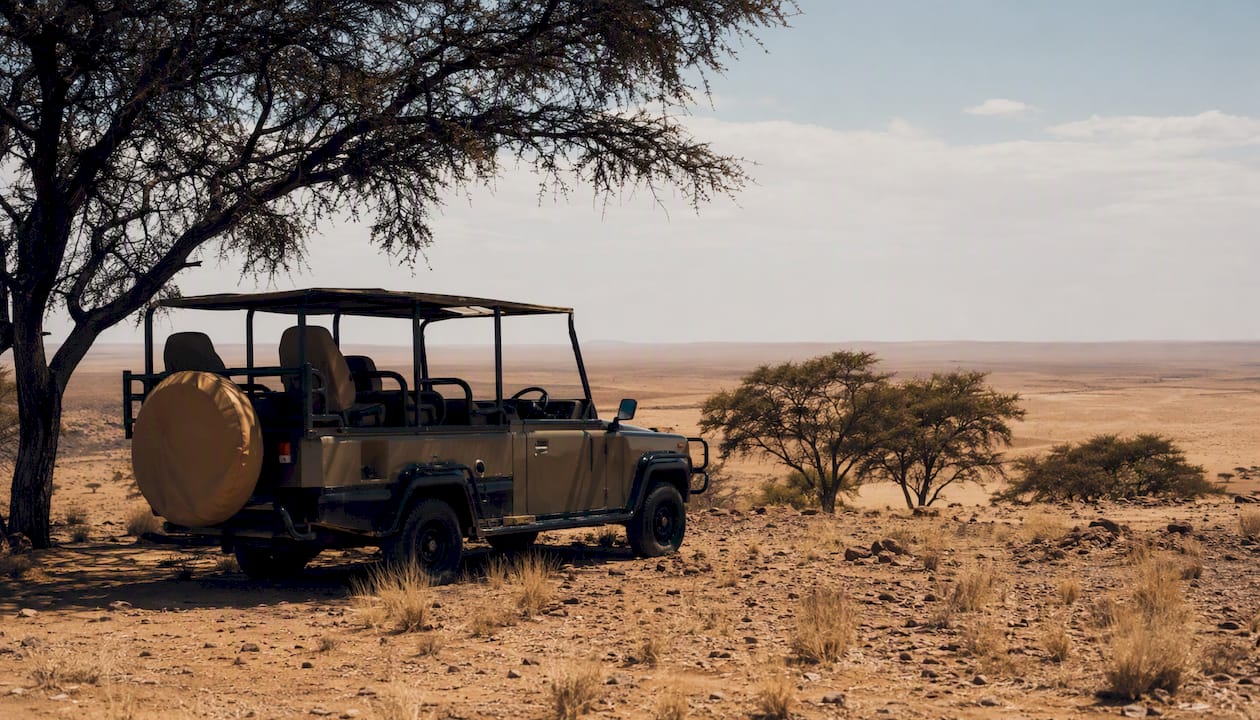
Off-road driving: Private concessions permit off-road tracking, allowing your guide to follow a leopard into the bush rather than watching it disappear from a gravel road.
Night drives: National parks enforce early exit times; private reserves allow spotlight drives after dark, when nocturnal species like aardvark, brown hyena, and pangolin become visible.
Walking safaris: Most national parks restrict or prohibit walking; private concessions offer guided walks without time limits.
Vehicle density: Private reserves typically limit vehicles at a sighting to two or three, compared with the convoys that can gather at popular national park sightings.
Tailored schedules: Your day starts and ends when you choose, not when the park gates open and close.
Secretnamibia private-reserve highlights
Damaraland Private Reserves Location and ecosystem: North-central Namibia, ancient volcanic landscape and semi-arid savanna. Accommodation: Intimate stone-and-canvas lodges with panoramic desert views, private decks, and open-air showers. Unique selling points: Desert-adapted black rhino and elephant tracking, San rock art sites, extraordinary photographic light, and low guest volumes that make every sighting feel personal.
Skeleton Coast Concessions Location and ecosystem: Namibia’s remote Atlantic coastline, where the cold Benguela Current meets the Namib Desert. Accommodation: Exclusive fly-in camps accessible only by light aircraft, with a maximum of eight guests at any time. Unique selling points: Brown hyena, desert lion, and vast Cape fur seal colonies; the sense of being in one of the world’s last truly wild places is unmatched.
Etosha Private Reserve Borders Location and ecosystem: Southern edge of Etosha National Park, open savanna and mopane woodland. Accommodation: Private lodges with floodlit waterholes visible from the suite terrace, plunge pools, and full spa facilities. Unique selling points: Black and white rhino, lion, leopard, cheetah, and elephant at the waterhole after dark, with the freedom of night drives that the national park itself does not permit.
Kalahari Private Concessions Location and ecosystem: Southern Namibia, the fossil desert of golden grass plains and red sand dunes. Accommodation: Luxury tented camps with elevated viewing platforms and private dining under the stars. Unique selling points: The Kalahari’s famed black-maned lions, meerkats, and gemsbok herds; extraordinary night skies in one of Africa’s darkest regions.
Trust signals and planning support:
Secretnamibia’s team offers a meet-with-an-expert session where you can discuss your priorities, preferred travel dates, and budget before a single itinerary line is written. The private-reserve planning guide on the Secretnamibia site walks through the full process in detail.
Key takeaways
A true luxury African safari is defined by private-vehicle exclusivity, bespoke itinerary design, and accommodation that places you inside the wilderness rather than adjacent to it.
Point | Details |
|---|---|
Private concessions beat national parks | Off-road access, night drives, and low vehicle density create a fundamentally different wildlife experience. |
Fly-in itineraries convert travel time into wildlife time | Charter flights between ecosystems eliminate road fatigue and maximise game-viewing hours. |
All-inclusive pricing removes surprises | Top-tier safaris bundle private vehicles, meals, park fees, and transfers into one figure; confirm every item in writing. |
Cost bands vary widely by format | A 10-day ultra-luxury fly-in Tanzania circuit is typically priced at $25,330 per person at the top end of the market. |
Secretnamibia for Namibia specialists | Secretnamibia offers bespoke private-reserve itineraries across Namibia and southern Africa, with a meet-with-an-expert planning service. |
What a well-planned luxury safari actually feels like
The vehicle stops. Your guide cuts the engine without a word, and sixty metres ahead a leopard is draped across a leadwood branch, her tail moving slowly in the last of the afternoon light. There are no other vehicles. There is no commentary from a neighbouring car. There is only the sound of your own breathing and the distant bark of a baboon troop settling for the night. That evening, dinner is set on a dry riverbed, a single table lit by lanterns, the Milky Way overhead so dense it looks like smoke. This is what a well-planned luxury safari delivers: not just wildlife, but the feeling of being genuinely inside the wild rather than observing it from a distance.
If that experience is what you’re looking for, Secretnamibia’s bespoke planning service is built to create exactly that. A conversation with the team is the best place to start.
Secretnamibia: your bespoke safari planning partner
Secretnamibia specialises in private-reserve safaris across Namibia and southern Africa, with a planning approach that begins with a conversation rather than a catalogue. A meet-with-an-expert session covers your travel dates, group size, wildlife priorities, and preferred pace, and from that conversation a fully tailored itinerary is built, not selected from a shelf.
For exclusive-use residencies and peak-season dates, Secretnamibia recommends beginning the planning process at least 12 months ahead. Sample itineraries, from a focused 7-day desert private-concession week to a 12-day ultra-luxury private fly-in safari, are available on the site as starting points for your own bespoke design.
Ready to plan? Enquire with the Secretnamibia team and request your bespoke itinerary today.
Useful sources and further reading
What to expect from a luxury safari in Namibia — Secretnamibia’s practical guide to services, inclusions, and what the experience looks and feels like on the ground.
Luxury safari features that define Africa’s finest — A detailed breakdown of accommodation standards, guiding quality, and the inclusions that separate top-tier properties from the rest.
Namibia adventure safaris: ultimate luxury wildlife guide — Broad destination and logistics reference covering Namibia’s key regions, wildlife, and travel planning essentials.
Private-reserve planning guide — Explains the private-reserve model, what to ask operators, and how Secretnamibia structures bespoke itineraries.
Mwiba Lodge, southern Serengeti — A reference example of the all-inclusive private-reserve model, with detailed inclusions and amenity descriptions.
For bespoke sourcing and to avoid the vendor bias common in independent listing sites, contact the Secretnamibia team directly at secretnamibia.com/enquiries.
Recommended
RELATED
Safari Guides
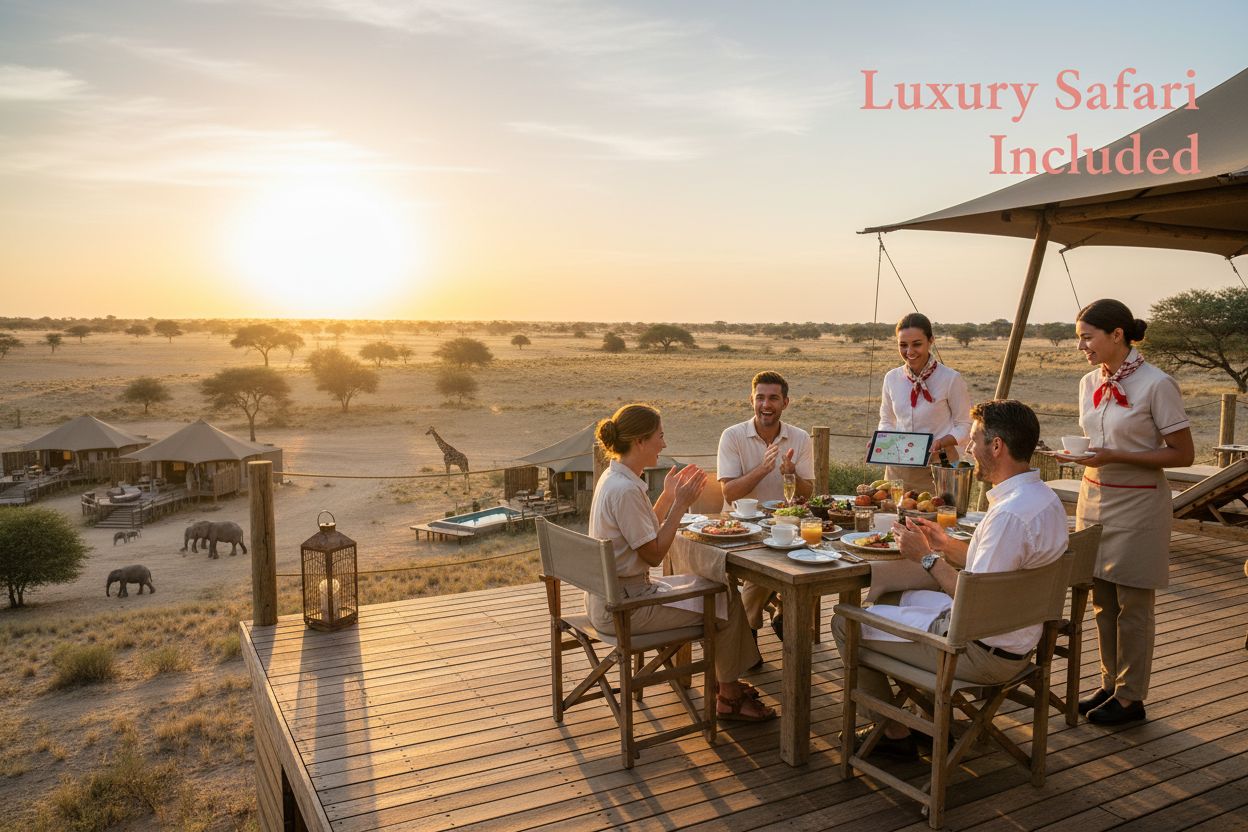
Oct 30, 2025
Understanding What is Included in Luxury Safaris
Explore what is included in luxury safaris, from exclusive accommodations to bespoke experiences that cater to discerning travelers.
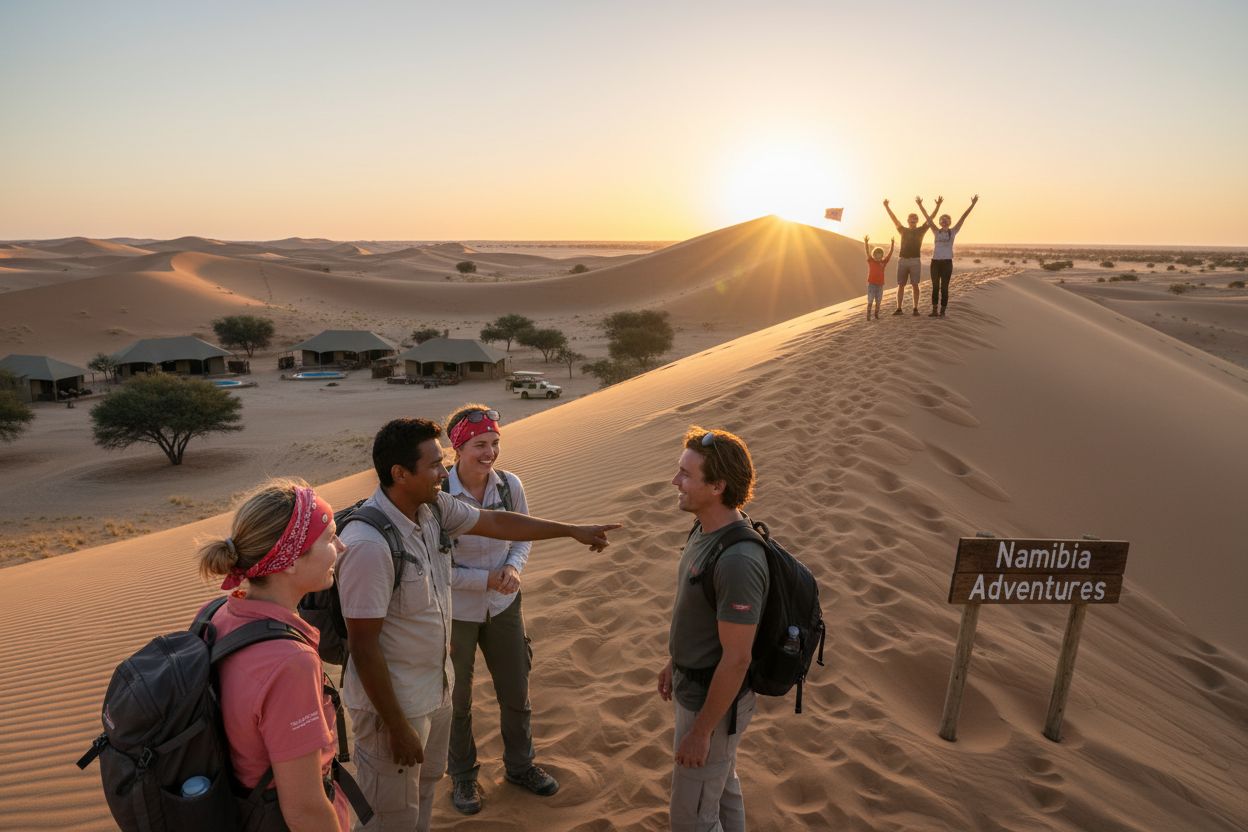
Feb 24, 2026
Why Namibia Adventures Matter: An In-Depth Look
Discover why Namibia adventures are essential for luxury travelers seeking unique, immersive experiences in nature and wildlife exploration.
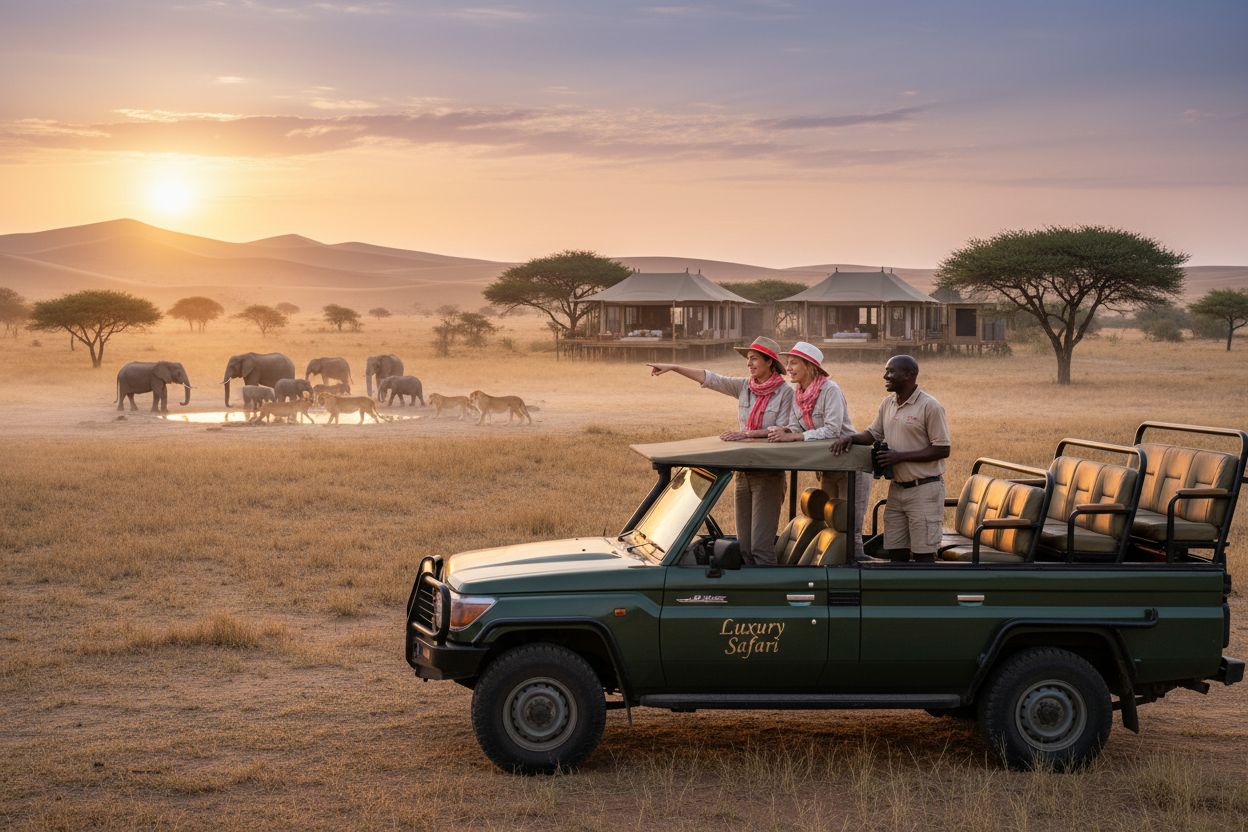
Feb 23, 2026
What to Expect on a Luxury Safari: A Comprehensive Guide
Discover what to expect on a luxury safari and gain a deeper understanding of the unique experiences that await you in the wild.
Feb 22, 2026
Understanding Namibia Safari Costs Explained
Explore Namibia safari costs explained to uncover what influences pricing and what it means for your adventure.
Feb 21, 2026
Understanding the Role of Safari Experts in Wildlife Travel
Explore the role of safari experts and gain a comprehensive understanding of how they enhance wildlife travel experiences for all types of travelers.
Feb 20, 2026
Guide organisation safari all inclusive : vivez l'aventure de vos rêves
Découvrez notre guide organisation safari all inclusive étape par étape pour planifier un voyage inoubliable au cœur de la nature.