
Jul 17, 2026
Discover the fly-in safari advantages for 2026. Save time, explore remote wilderness, and elevate your luxury safari experience. Plan your adventure now!
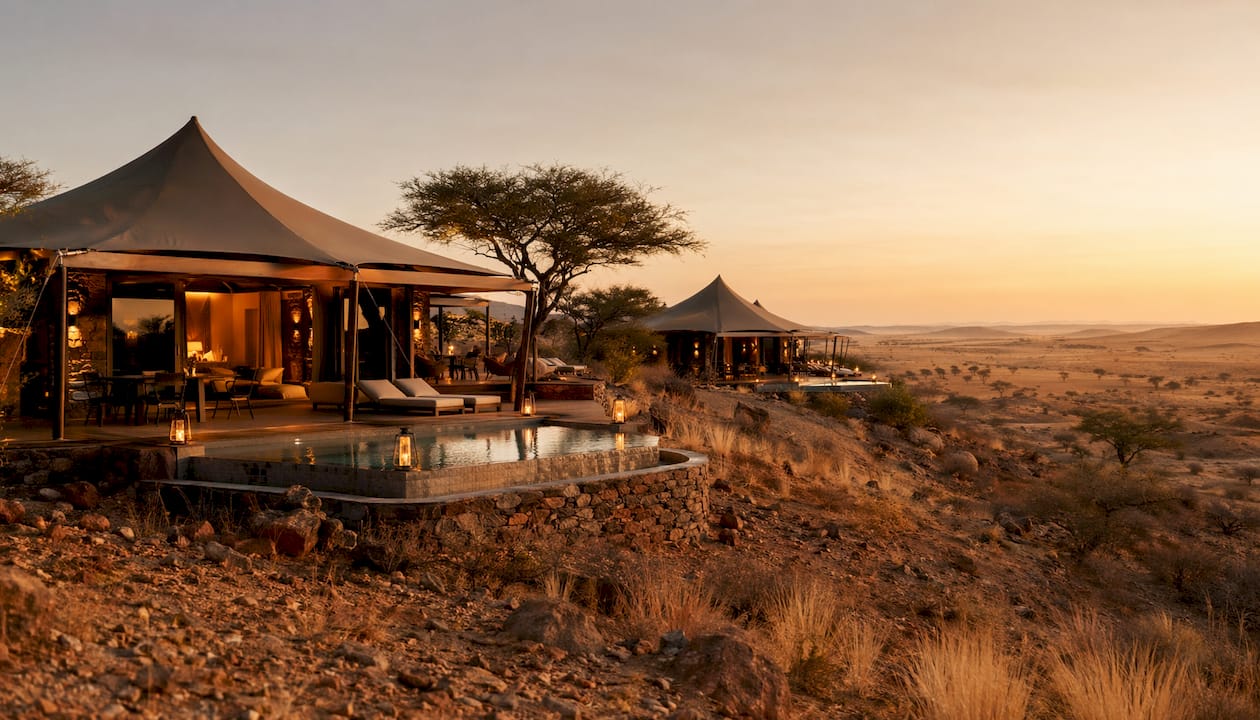
Fly-in safari advantages: your complete 2026 guide
TL;DR:
Fly-in safaris use short flights to quickly connect remote safari areas, saving time and reducing travel fatigue. They enable access to exclusive wilderness camps and offer spectacular aerial views of landscapes and wildlife. This approach enhances wildlife encounters, optimizes trip itineraries, and benefits travelers seeking efficient, luxurious experiences.
A fly-in safari is defined as a safari experience that uses light aircraft to transfer travelers between destinations, replacing long road journeys with short, scenic flights. The fly-in safari advantages are immediate and significant: flights typically last 20 minutes to 1.5 hours, compared to 8 or more hours on dusty, corrugated roads. This approach unlocks remote wilderness areas that road vehicles simply cannot reach within a reasonable timeframe, making it the preferred choice for time-conscious travelers, honeymooners, and families seeking maximum wildlife immersion with minimum fatigue. If you are planning a luxury safari in Namibia or East Africa in 2026, understanding these advantages will transform how you design your itinerary.
1. Fly-in safari advantages: how air transfers save your most precious resource
Time is the single greatest constraint on any safari itinerary. A full-day road transfer that eats eight or more hours of your trip is replaced by a 45-minute bush flight, and that difference is profound. Those recovered hours translate directly into additional game drives, a leisurely sundowner on the plains, or simply arriving at your lodge refreshed rather than exhausted.
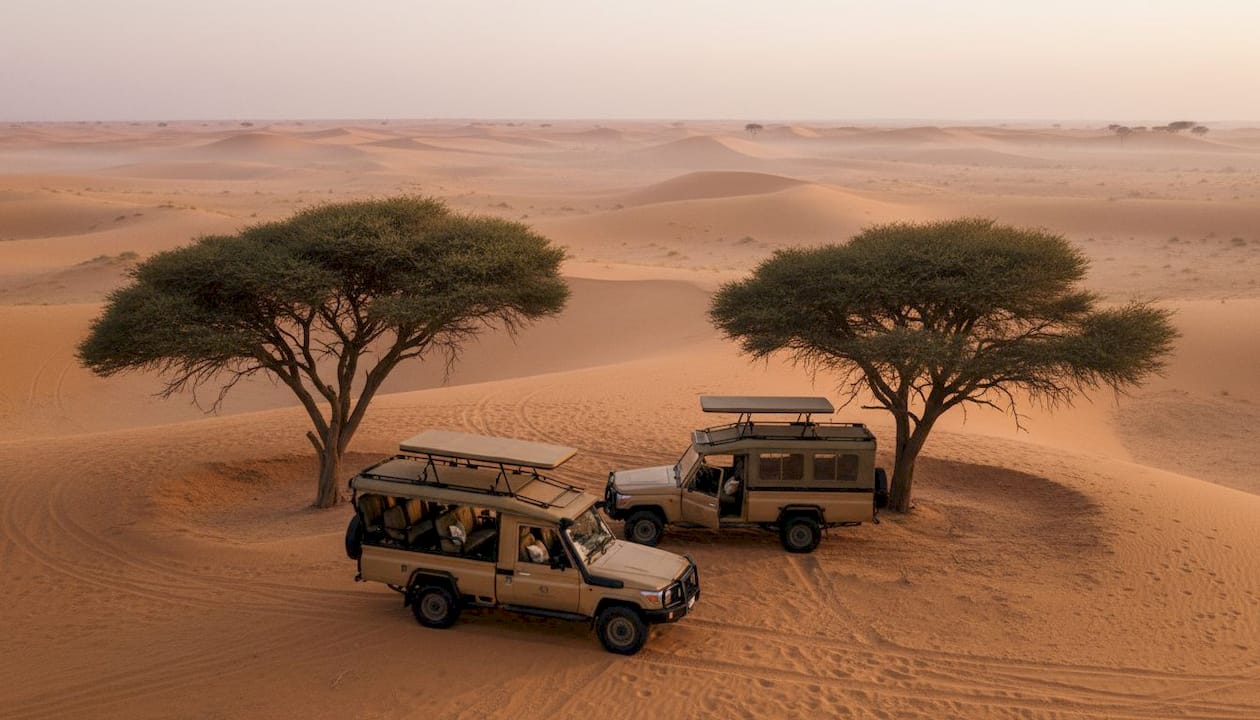
For travelers with 7 to 10 days on the ground, every hour counts. A fly-in approach can realistically add two or three extra game drives per destination, which dramatically increases your chances of witnessing a lion hunt, a leopard in a tree, or a herd of elephants crossing a river. Short safari trips, in particular, benefit most from this efficiency.
Pro Tip: If your safari window is 10 days or fewer and you plan to visit more than two parks, choose fly-in transfers for every inter-park leg. The wildlife encounters you gain far outweigh the cost premium.
Multi-destination itineraries across Namibia, for example, become genuinely feasible when you fly between Etosha National Park, the Namib Desert, and the Skeleton Coast rather than driving. What would take three full driving days collapses into three short morning flights, leaving your afternoons entirely free for game viewing.
2. Access to remote and exclusive wilderness areas
Some of Africa’s most exceptional camps are practically inaccessible by road within any reasonable timeframe. These are the places where wildlife densities are highest, human footprints are lightest, and the sense of true wilderness is overwhelming in the best possible sense.
Flying into a remote private concession in Namibia’s Damaraland or a secluded camp deep in the Okavango Delta means you arrive somewhere that most road-based travelers will never see. The exclusivity is not manufactured. It is a direct result of geography. Fewer visitors reach these areas, which means the wildlife behaves more naturally and the experience feels genuinely wild.
Flying into a remote bush camp is one of those rare travel moments where the journey itself signals that you have left the ordinary world behind. The airstrip is a red dirt strip carved from the bush, the welcoming committee is a guide and a cold towel, and the silence is absolute. That arrival sets the tone for everything that follows.
The access to remote camps also supports luxury safari operators who build intimate lodges in areas where road infrastructure would make daily supply runs impossible. These camps typically host fewer than 20 guests at a time, which means personalized attention, private game drives, and wildlife sightings shared with almost no one else. If you want to understand what luxury safari travel truly feels like, remote fly-in camps are the clearest answer.
3. Spectacular aerial views of Africa’s landscapes and wildlife
The flight itself is part of the experience. Flying over East Africa and Southern Africa reveals rivers, savannahs, ancient dunes, and wildlife herds in a way that no ground-level perspective can replicate. From 1,500 feet above the Namib Desert, the scale of the red dune sea is genuinely breathtaking. Elephant herds moving across a dry riverbed look like slow-moving shadows from above.
The aerial perspective also provides practical wildlife intelligence. Pilots and guides often spot concentrations of animals from the air, which informs where your game drive will head first after landing. That kind of advance knowledge gives fly-in travelers a real edge in finding predators and rare sightings.
Pro Tip: Always request a window seat and keep your camera ready during the entire flight. Some of the most remarkable wildlife photographs come from the air, not the game vehicle.
The benefits of this aerial dimension include:
Panoramic views of landscapes impossible to appreciate from ground level
Spotting large wildlife herds, dry riverbeds, and migration routes from above
Unique photography opportunities of dunes, salt pans, and river systems
A sense of Africa’s true scale and raw, untouched beauty
4. Seamless multi-destination and multi-country travel
Expanded regional flight routes now make it easier than ever to connect multiple parks and countries in a single trip. In East Africa, connectivity between Kenya, Uganda, Tanzania, and Rwanda has improved significantly for 2026. In Southern Africa, Namibia’s network of bush airstrips links the Namib Desert, Etosha, Damaraland, and the Caprivi Strip with remarkable efficiency.
A well-designed fly-in itinerary can cover three or four distinct ecosystems in 10 days without a single exhausting road transfer between them. You wake up in the desert, fly to a waterhole-rich savannah by mid-morning, and spend the afternoon on a game drive in an entirely different habitat. That ecological variety, compressed into a short trip, is one of the most compelling reasons to choose this format.
The best itineraries blend flying and driving to balance efficiency with immersive experience. A short scenic drive from a bush airstrip to your lodge, for example, is itself a game drive. Flying handles the long distances; driving handles the intimate, close-up wildlife encounters.
5. Comfort, reduced fatigue, and who benefits most
Reduced long, bumpy drives and dust exposure improve traveler comfort and wellbeing in ways that are easy to underestimate before your first road safari. Corrugated dirt roads in Namibia and Tanzania can be genuinely punishing over long distances. Arriving at a luxury lodge already tired and dusty from a full-day transfer is a poor start to an evening game drive.
Fly-in transfers are particularly well-suited to:
Families with young children who struggle with long, hot road journeys and need to arrive energized for afternoon activities.
Honeymooners who want every moment of their trip to feel special and unhurried, with no wasted hours in a vehicle. Secretnamibia offers specialized advice on fly-in honeymoon safaris for couples planning this kind of trip.
Older travelers or those with mobility considerations who find long road journeys physically demanding.
Time-poor professionals who have limited leave and need to extract maximum value from every day on the ground.
Pro Tip: Pack light and pack smart. Luggage limits of 15kg in soft-sided bags are strictly enforced on small bush aircraft like the Cessna Caravan. Hard-shell suitcases do not fit in the hold. Use a soft duffel bag and leave the excess at your city hotel.
The luggage restriction is not a minor inconvenience. It is a firm operational requirement dictated by aircraft weight and hold dimensions. Planning your packing around this limit from the start of your trip avoids stress and additional storage fees at departure airports.
6. Cost considerations: when the premium is worth it
Fly-in safaris typically add $200–$600 per person in costs compared to road-based transfers. That premium is real, and it deserves honest evaluation rather than dismissal.
The value calculation depends on three factors: the length of your trip, the number of destinations, and the remoteness of the camps you want to visit. For a 14-day trip visiting only one or two parks with good road access, the premium may not be justified. For a 10-day trip covering four destinations across Namibia, the math shifts decisively in favor of flying.
Factor | Fly-in safari | Road safari |
|---|---|---|
Transfer time between parks | 20 minutes to 1.5 hours | 6–10 hours |
Access to remote camps | Yes, including airstrip-only locations | Limited to road-accessible areas |
Travel fatigue | Minimal | Significant on long routes |
Cost per transfer | Higher ($200–$600 per person) | Lower |
Game drive time gained | Substantial | Lost to road travel |
The cost premium is justified most clearly when the alternative is spending a full day in a vehicle rather than in the bush watching wildlife. For travelers visiting luxury safari camps in remote Namibian concessions, flying is not a luxury add-on. It is the only practical way to reach the destination at all.
7. How fly-in safaris complement, not replace, game drives
Fly-in safaris do not replace game drives. They replace the dead time between destinations. This distinction matters enormously when you are planning your itinerary. The aircraft handles the long transit; the game vehicle handles the wildlife experience on the ground.
Understanding this relationship helps you design a trip that uses each mode of transport for what it does best. You fly between Etosha and Damaraland in the morning. You spend the afternoon on a private game drive in a wilderness area that road travelers cannot reach. You fly again the next morning to the Skeleton Coast. Every day is productive. No day is wasted on transit.
This complementary model is why experienced safari planners at Secretnamibia design fly-in safari itineraries around the rhythm of morning flights and afternoon game drives. The structure is elegant and efficient, and it produces the highest concentration of memorable wildlife encounters per day of any safari format.
Key takeaways
Fly-in safaris deliver the highest concentration of wildlife encounters per day by replacing road transit with short scenic flights, unlocking remote camps and maximizing time in the bush.
Point | Details |
|---|---|
Time savings are transformative | Flights of 20 minutes to 1.5 hours replace 8-hour road transfers, adding multiple game drives per trip. |
Remote access is a genuine advantage | Some of Africa’s best camps are only reachable by air, offering exclusivity and undisturbed wildlife. |
Pack to the 15kg limit | Soft-sided bags under 15kg are mandatory on bush aircraft like the Cessna Caravan. |
Cost premium requires honest evaluation | The $200–$600 per person premium is worth it for multi-destination trips and remote luxury camps. |
Fly-in complements driving | Aircraft handle long distances; game vehicles handle close-up wildlife encounters on the ground. |
Why fly-in safaris changed how I think about itinerary design
The first time I watched a client arrive at a remote Namibian bush camp by air, I understood something that no amount of planning had fully conveyed. They stepped off the plane onto a red dirt airstrip, looked out at an endless wilderness with no roads in sight, and their shoulders visibly dropped. The tension of travel simply left them. They were present in a way that road-weary travelers rarely are on arrival day.
That observation has shaped every itinerary I have helped design since. The energy travelers bring to their first game drive matters enormously. A fly-in arrival means they arrive curious, rested, and ready. A road arrival after eight hours on corrugated tracks means they often need a day to recover before they are truly engaged.
I have also noticed that the trend for 2026 is moving firmly toward blended itineraries. Travelers want the efficiency of flying between major destinations and the intimacy of short scenic drives within a reserve. That combination, flying for distance and driving for depth, produces the richest safari experiences I have seen. If you are weighing your options, I would encourage you to think of the aircraft not as a luxury but as a tool that gives you more of what you came to Africa for: time in the wild.
— Secret
Plan your fly-in safari with Secretnamibia
Secretnamibia designs bespoke fly-in safari packages across Namibia’s most magnificent wilderness areas, from the towering red dunes of Sossusvlei to the wildlife-rich floodplains of the Caprivi Strip.
Every itinerary is tailored to your travel dates, group size, and wildlife priorities, with expert support from planning through to landing. Secretnamibia’s luxury fly-in safari packages include hand-picked remote lodges, private game drives, and all air transfers coordinated for you. Whether you are planning a honeymoon, a family adventure, or a solo wildlife expedition, the team at Secretnamibia handles every detail. Reach out to enquire about your safari and start building the trip of a lifetime.
FAQ
What is a fly-in safari?
A fly-in safari uses small light aircraft to transfer travelers between safari destinations, replacing long road journeys with short flights of 20 minutes to 1.5 hours.
What are the main fly-in safari advantages over road travel?
The primary advantages are time savings, access to remote camps unreachable by vehicle, reduced travel fatigue, and the ability to cover multiple destinations efficiently in a short trip.
How strict are luggage limits on fly-in safaris?
Luggage limits are strictly enforced at around 15kg per person in soft-sided bags, due to the limited hold capacity of small bush aircraft like the Cessna Caravan.
Who benefits most from choosing a fly-in safari?
Families with young children, honeymooners, older travelers, and time-poor professionals benefit most, as fly-in transfers eliminate long, tiring road journeys between destinations.
How much extra does a fly-in safari cost compared to a road safari?
Fly-in transfers typically add $200–$600 per person in costs, a premium that is most justified on multi-destination trips or when visiting remote camps only accessible by air.
Recommended
RELATED
Safari Guides
Oct 30, 2025
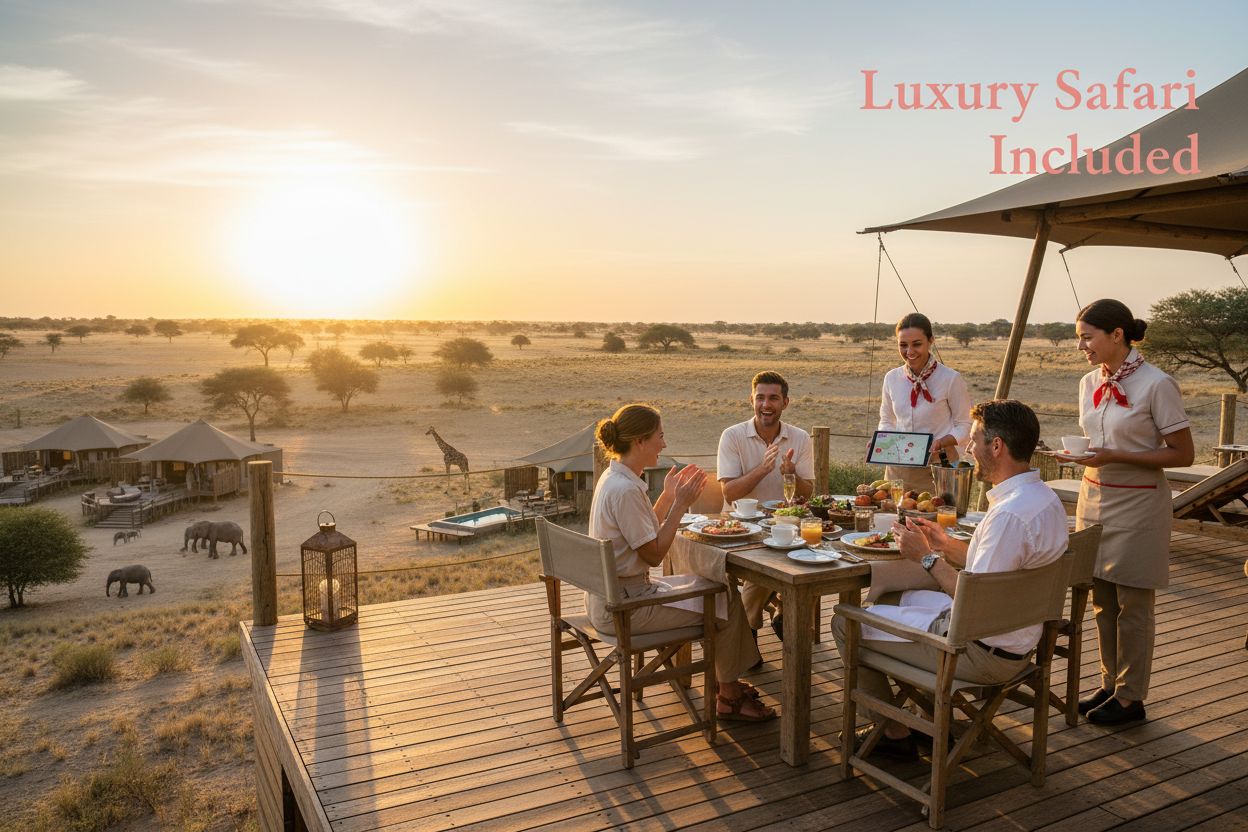
Understanding What is Included in Luxury Safaris
Explore what is included in luxury safaris, from exclusive accommodations to bespoke experiences that cater to discerning travelers.
Feb 24, 2026
Why Namibia Adventures Matter: An In-Depth Look
Discover why Namibia adventures are essential for luxury travelers seeking unique, immersive experiences in nature and wildlife exploration.
Feb 23, 2026
What to Expect on a Luxury Safari: A Comprehensive Guide
Discover what to expect on a luxury safari and gain a deeper understanding of the unique experiences that await you in the wild.
Feb 22, 2026
Understanding Namibia Safari Costs Explained
Explore Namibia safari costs explained to uncover what influences pricing and what it means for your adventure.
Feb 21, 2026
Understanding the Role of Safari Experts in Wildlife Travel
Explore the role of safari experts and gain a comprehensive understanding of how they enhance wildlife travel experiences for all types of travelers.
Feb 20, 2026
Guide organisation safari all inclusive : vivez l'aventure de vos rêves
Découvrez notre guide organisation safari all inclusive étape par étape pour planifier un voyage inoubliable au cœur de la nature.