Aug 17, 2026
Experience luxurious camping in Namibia with private suites, exclusive wildlife sightings, and tailored itineraries for an unforgettable journey.
Camping in Namibia: a private-reserve guide for luxury travellers
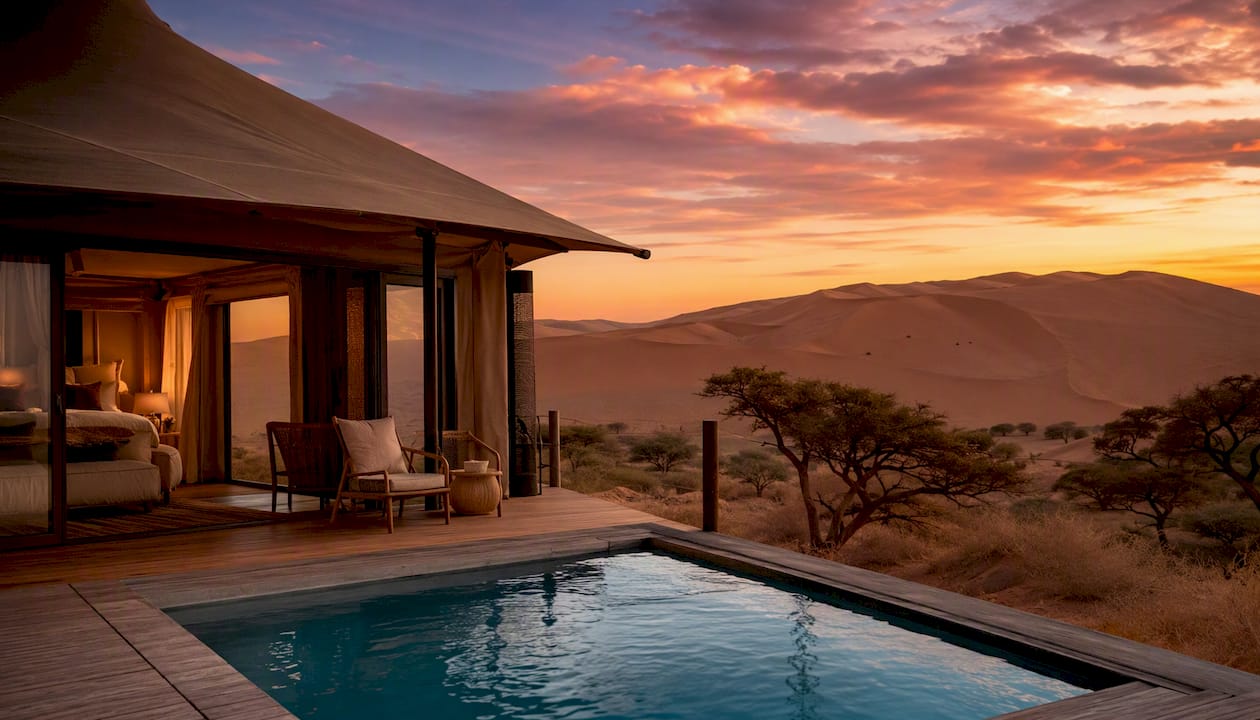
Camping in Namibia, for the traveller weighing up a private safari, means something quite specific: a canvas suite with a private plunge pool, a dedicated guide, and a concession where your vehicle might be the only one at a sighting. It is not a public campground with a shared ablution block. Secret Namibia curates exactly this kind of stay, working with private reserves and conservancies that cap vehicle numbers to protect a low-volume, high-value model of tourism. If that is the experience you are picturing, the fastest next step is to browse Secret Namibia’s curated private-reserve collections or start a conversation about a bespoke itinerary.
Key takeaways
Luxury private-reserve safaris in Namibia work because vehicle caps, off-road access, and dedicated guiding turn wildlife viewing into a genuinely personal experience.
Point | Details |
|---|---|
Define the term correctly | “Camping in Namibia” here means private-reserve tented suites and lodges, not public campsites. |
Choose region before amenities | Match the ecosystem (desert, Etosha corridor, Damaraland) to your priority before comparing lodges. |
Budget realistically | Expect $600 to $2,500 per person per night depending on tier, with fly-ins and gratuities often extra. |
Book 6 to 12 months ahead | Early planning secures top suites, private vehicles, and fly-in charter slots. |
Work with Secret Namibia | Secret Namibia’s bespoke, fly-in, family, and honeymoon safari packages handle the logistics end to end. |
Table of Contents
What luxury camping in Namibia actually feels like
Why private game reserves beat national parks for this kind of trip
Secret Namibia’s curated private-reserve shortlist
What a day on a private-reserve safari actually looks like
When to go and how long to stay
What luxury private-reserve safaris typically cost
Planning checklist before you book
Four sample itineraries worth adapting
How luxury safaris support conservation
Secret Namibia’s take on doing this trip right
Plan your private-reserve safari with Secret Namibia
Sources
What luxury camping in Namibia actually feels like
Picture this: the sun drops behind a dune the color of rust, and the light turns the whole Namib basin gold for about four minutes before the stars take over. You are sitting on a private deck, drink in hand, with nothing between you and the plain but a waterhole where a herd of oryx are taking their evening turn to drink. No other vehicle, no other guest, no schedule but your own.
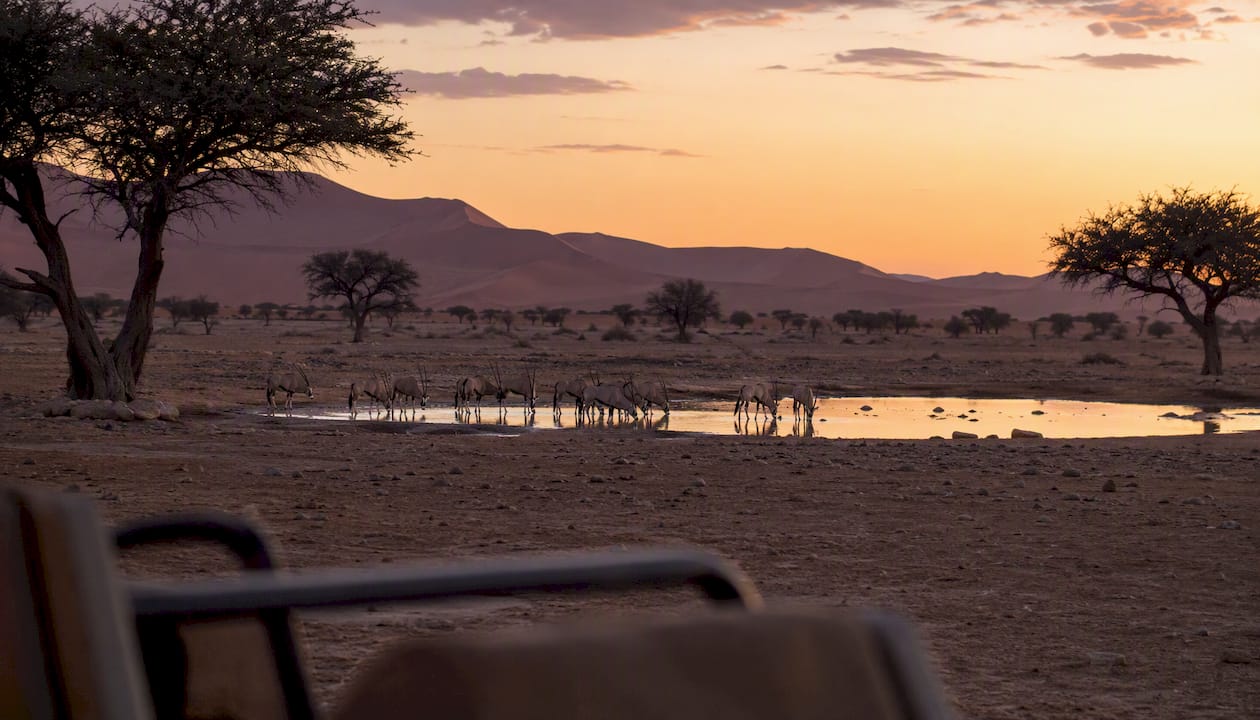
That is the version of camping in Namibia that private reserves are built around. It is desert silence broken only by the crack of a fire, service that anticipates rather than announces itself, and a guide who knows the difference between a black-backed jackal’s alarm call and a leopard’s cough. Secret Namibia has spent years building relationships with the reserves and lodges that deliver this, and its client reviews consistently point to the same thing: it is the personal planning, not just the destination, that makes the trip.
Why private game reserves beat national parks for this kind of trip
The direct answer is guiding freedom. Private reserves and concessions typically run fewer vehicles per sighting, allow off-road driving, and permit night drives and walking safaris, options that most national parks restrict or ban outright. That flexibility is what turns a good wildlife encounter into an immersive one, because your guide can follow a cheetah off the track instead of watching it disappear over a ridge.
The practical differences stack up quickly:
Exclusivity: many conservancies enforce strict vehicle caps, so a sighting that would draw six trucks in a national park might draw one on a private concession.
Guiding flexibility: off-road tracking, spotlit night drives, and guided walking safaris are common on private land and largely unavailable in public parks.
Time on sighting: guides on private reserves are not racing to the next gate closure, so they can simply wait.
Conservation funding: concession fees and lease payments on private reserves often flow directly into anti-poaching units and community programs.
Booking flexibility: private lodges can adjust game drive timing, meal schedules, and even routing around a single group’s preferences.
Factor | Private conservancies | National parks |
|---|---|---|
Vehicle density | Capped, often one or two vehicles per sighting | Uncapped, can mean five or more vehicles |
Off-road access | Usually permitted | Rarely permitted |
Walking safaris | Common, guide-led | Restricted or unavailable |
Night drives | Frequently offered | Generally prohibited |
Booking flexibility | High, tailored to guest schedule | Fixed gate hours and routes |
Secret Namibia’s curated private-reserve shortlist
This is the part most affluent travellers actually came for: which reserves deserve a place on the itinerary, and what sets each one apart.
Etosha corridor (northern Namibia). Reserves bordering Etosha National Park let guests combine private, low-volume game drives with access to Etosha’s floodlit waterholes at dawn. Accommodation here runs from thatched suites with private decks to tented rooms with plunge pools overlooking the bush, and several properties operate their own strict vehicle regulations to keep sightings intimate. Guided night drives and hide visits are a signature experience, alongside the option to slip into the national park itself for scale. Secret Namibia’s best lodges guide breaks down the standout properties in this region for readers planning a base camp near Etosha.
Damaraland and the Kaokoveld. This is Namibia at its most sculptural: ancient riverbeds, granite outcrops, and some of the last free-roaming desert-adapted elephant populations on Earth. Lodges here favor open-plan, design-forward suites built into the rock itself, with guiding focused on tracking rather than volume. Community conservancies in this region are also some of the continent’s strongest examples of tourism revenue funding local employment and anti-poaching patrols.
Namib Desert and NamibRand Nature Reserve. For dune photography, stargazing, and total silence, NamibRand is the standout. Its lodges specialise in desert sleep-outs under some of the darkest skies in Southern Africa, paired with hot-air ballooning at dawn and private dune drives. This is where Secret Namibia’s luxury fly-in safari itineraries earn their keep, cutting a multi-hour desert transfer down to a scenic light-aircraft hop.
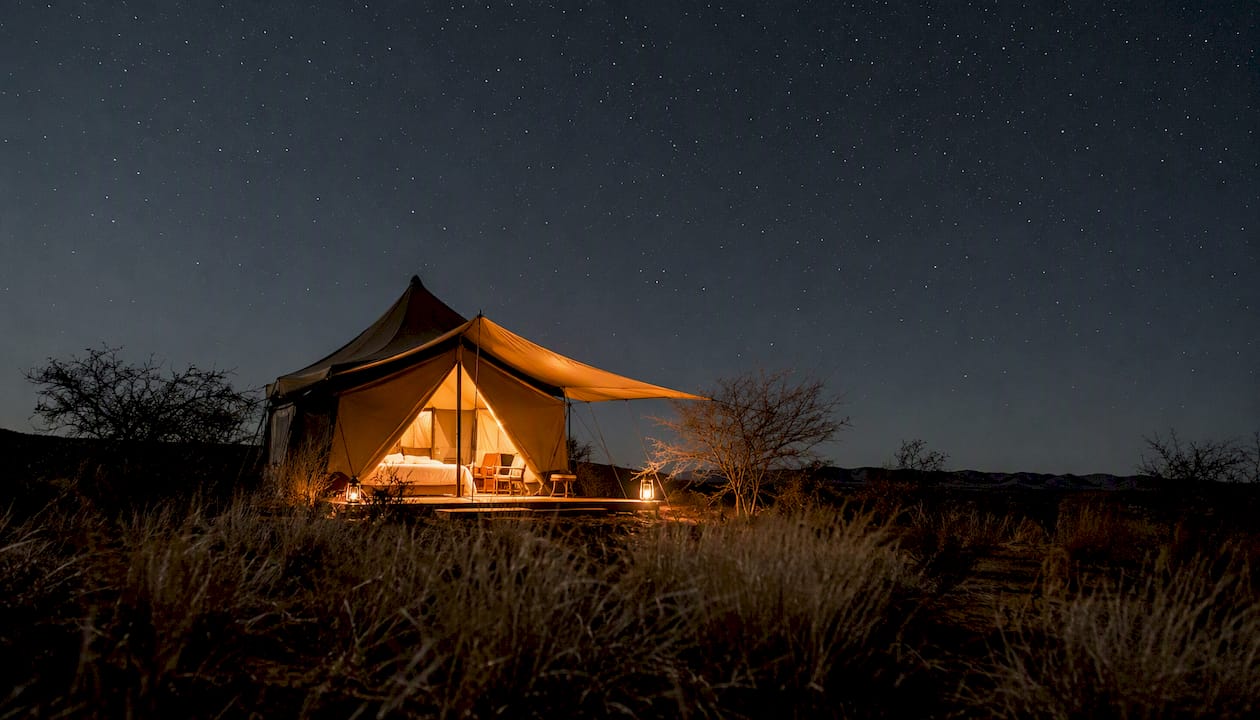
Southern extensions and private desert concessions. Further south, quieter reserves near Fish River Canyon extend a Namibia itinerary with dramatic geology and fewer crowds. Travellers combining canyon hikes with a private safari base should also check a regional guide to Fish River Canyon for logistics on getting between the canyon and nearby lodges.
Across all four regions, Secret Namibia builds its offering around four core products: bespoke private-reserve safaris for travellers who want total customisation, luxury fly-in safaris for those short on time but not budget, family luxury safari itineraries with child-friendly guiding and interconnecting suites, and honeymoon luxury safari packages built around privacy, sleep-outs, and private dining.
What a day on a private-reserve safari actually looks like
Days on a private-reserve safari follow a rhythm, not a rigid schedule, and that rhythm is exactly what makes the experience feel personal rather than packaged.
A typical day unfolds like this:
Pre-dawn wake-up call with coffee delivered to your suite.
Morning game drive, often two to three hours, with stops wherever the sighting warrants.
Late breakfast or brunch back at the lodge, sometimes served bush-style at a scenic spot.
Midday rest, spa treatment, or a guided nature walk for guests who want to stay active.
Afternoon game drive continuing into a sundowner stop as the light turns gold.
Dinner under the stars, often with a private table for honeymooners or a communal fire for families.
Recurring elements across nearly every property include:
Private game drives with a dedicated guide and vehicle, rather than shared seating.
Guided bush walks for guests who want a slower, more sensory pace.
Gourmet, often locally sourced dining, with wine pairings on request.
Spa or wellness options at higher-end lodges, from bush massages to plunge pools.
Child-friendly programming or private guides arranged specifically for family groups, and equally, private guiding arranged for honeymooners who want no other guests on their vehicle.
When to go and how long to stay
Timing depends on what you are prioritising. Dry season, roughly May through October, concentrates wildlife around waterholes and delivers the crisp, dust-free light photographers chase. Wet season, November through April, brings dramatic thunderstorms, newborn wildlife, and greener landscapes. Sightings can disperse across a wider area as animals no longer need to cluster near water.
Region by region: the Etosha corridor rewards a dry-season visit for predator sightings, Damaraland is rewarding nearly year-round for its desert-adapted wildlife, the Namib Desert is a genuine all-season destination since its appeal is landscape and sky rather than migration, and southern extensions are best avoided in peak summer heat.
For trip length, plan several nights per private reserve to let the rhythm settle in, and a week to two weeks for a multi-region itinerary that combines desert, mountain, and Etosha-corridor stays. Honeymooners often do well with a tighter, two-region trip of 7 to 8 nights; families and extended luxury seekers tend to want the fuller 10-to-14-night version.
What luxury private-reserve safaris typically cost
Expect a genuine spread here, because the price is driven by concession lease costs, vehicle caps, and guide-to-guest ratios, not just thread count. At the mid-premium tier, all-inclusive private-reserve stays often run roughly $600 to $1,200 per person per night. At the ultra-luxury end, that climbs to approximately $1,500 to $2,500 per person per night, and it is worth knowing that comparable national-park stays often land 35% to 80% lower, precisely because they carry none of the exclusivity overhead.
Tier | Typical nightly range (per person) | What’s usually included |
|---|---|---|
Mid-premium | $600–$1,200 | Full board, two daily game drives, house wine/beer, park or concession fees |
Luxury | $600 to $1,200 | All of the above plus private guiding, transfers between properties, curated activities |
Ultra-luxury | $1,500–$2,500 | All of the above plus fly-in transfers, sleep-outs, spa treatments, dedicated vehicle |
What is usually not included: international flights, gratuities, premium spirits, and optional extras like private-guide upgrades or spa add-ons. A few booking tips worth flagging:
Deposits of 25% to 50% are common to secure peak-season dates.
Peak season (roughly July through October) can carry a 15% to 25% premium over shoulder-season rates.
Fly-in transfers between reserves are often quoted separately from lodge rates, so ask early.
Planning checklist before you book
Start planning well ahead if you want first pick of top suites, private vehicles, and fly-in slots, since the best properties and charter routes book out well in advance of peak season.
Work through this before confirming dates:
Confirm lead times with your planner, especially for peak months (July to October).
Check whether internal flights or fly-in charters connect smoothly with your international arrival.
Ask about holding policies and deposit deadlines on your preferred lodges.
Arrange travel insurance that covers medical evacuation, given Namibia’s remote lodge locations.
Check malaria risk for your specific route. Northern regions like Etosha and the Kaokoveld carry more risk than the arid south, so speak with a travel health professional about prophylaxis.
Confirm visa requirements for your nationality well ahead of departure.
Flag dietary requirements and any child or elder care needs when booking.
Pro Tip: Try to align your international arrival time with your first fly-in leg. Landing in Windhoek in the late afternoon often means an overnight stop before the charter flight north, so book a morning arrival where flight schedules allow to save a full day of transfers.
Four sample itineraries worth adapting
1. Fly-in luxury (7 nights). Windhoek arrival, charter to Namib Desert for two nights of dune photography and a sleep-out, fly to Damaraland for two nights of elephant tracking, then on to an Etosha-corridor reserve for two nights of game drives and a night drive finale. Entirely fly-in, minimal road time.
2. Honeymoon escape (6 nights). Three nights in a NamibRand desert suite with a private stargazing dinner and dune sunrise, followed by three nights at an Etosha-corridor lodge with a private plunge-pool suite and a dedicated vehicle for the whole stay. Fly-in transfers throughout to protect romantic pacing.
3. Family safari (9 nights). Damaraland for three nights with a family suite and child-friendly guided walks, then Etosha corridor for four nights split between two connecting family units, plus two nights in Windhoek for arrival and departure buffer. Mostly road transfers to keep costs down, with one internal flight.
4. Extended conservation-focused journey (12 nights). Three regions: Kaokoveld for community-conservancy immersion, Damaraland for desert-elephant tracking, and NamibRand for dark-sky nights, with a guide briefing on anti-poaching work built into each stop. A mix of fly-in and 4x4 road transfers. For help sequencing a route like this, Secret Namibia’s itinerary customisation guide is a useful starting point.
How luxury safaris support conservation
Properly run private reserves channel guest revenue directly into anti-poaching units, ranger salaries, and lease payments to surrounding communities, which is precisely why the premium over national-park rates buys more than exclusivity. It funds a working conservation model.
Common commitments worth understanding:
Lease payments to community conservancies for land access rights.
Ranger and anti-poaching unit funding, often tied directly to nightly conservation fees.
Local employment and guide training programs.
Habitat protection projects tied to specific species, such as desert-adapted elephant corridors.
Before booking, ask your planner or the lodge directly:
What percentage of nightly rates goes to the local community or conservancy?
Are guides and staff hired locally?
How is anti-poaching work funded and staffed?
Are there guest opportunities to visit community projects or ranger programs?
Secret Namibia’s take on doing this trip right
The conventional advice on Namibia safaris tends to obsess over which lodge has the best Instagram shot. That misses the point. The real differentiator, based on everything above, is guiding freedom: off-road access, night drives, and walking safaris are what separate a memorable sighting from a forgettable one, and those privileges exist almost exclusively on private concessions.
Where most travellers get it wrong is treating trip length as a budget line to trim. A rushed 5-night trip crammed into two regions usually delivers worse memories than a slower 9-night trip in two well-chosen reserves, because the best moments on a private-reserve safari come from unhurried time, not ground covered. If there is one thing to prioritise first, it is choosing the right region for your specific interest (desert silence, elephant tracking, or predator density) before comparing lodge amenities. Get the ecosystem right, and the luxury details tend to fall into place.
Plan your private-reserve safari with Secret Namibia
Secret Namibia is the difference between assembling this trip yourself across a dozen lodge websites and having someone who already knows which Damaraland suite has the best elephant sightings this season. As a personalised planning service, Secret Namibia coordinates bespoke private-reserve safaris, luxury fly-in logistics between remote concessions, family luxury safari itineraries with connecting suites and private guiding, and honeymoon luxury safari packages built around privacy and sleep-outs.
What that means practically: you describe the trip you are imagining, and Secret Namibia handles the lodge relationships, the fly-in scheduling, and the conservancy access that would otherwise take weeks to research alone. If you already know the shape of your trip, start with the luxury safari guide to private reserves and expert planning for a deeper look at how the planning process works, or head straight to the full safari collection to see current itineraries and enquire about dates.
Sources
Private Concessions vs National Parks (2026): Cost, Crowds & Safari Experience
Private Conservancy vs National Park Safari — Where The Best Safaris Actually Happen | Bobby Safaris
Recommended
RELATED
Safari Guides
Oct 30, 2025
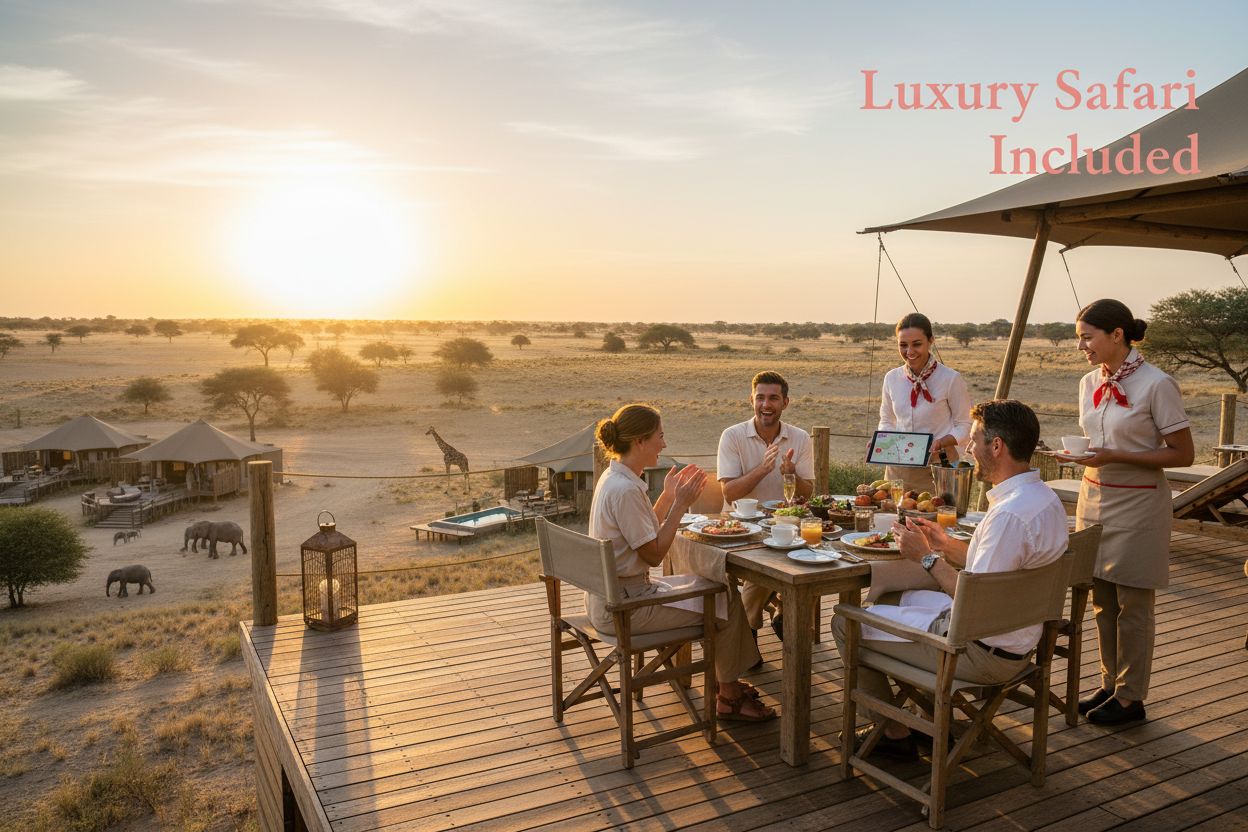
Understanding What is Included in Luxury Safaris
Explore what is included in luxury safaris, from exclusive accommodations to bespoke experiences that cater to discerning travelers.
Feb 24, 2026
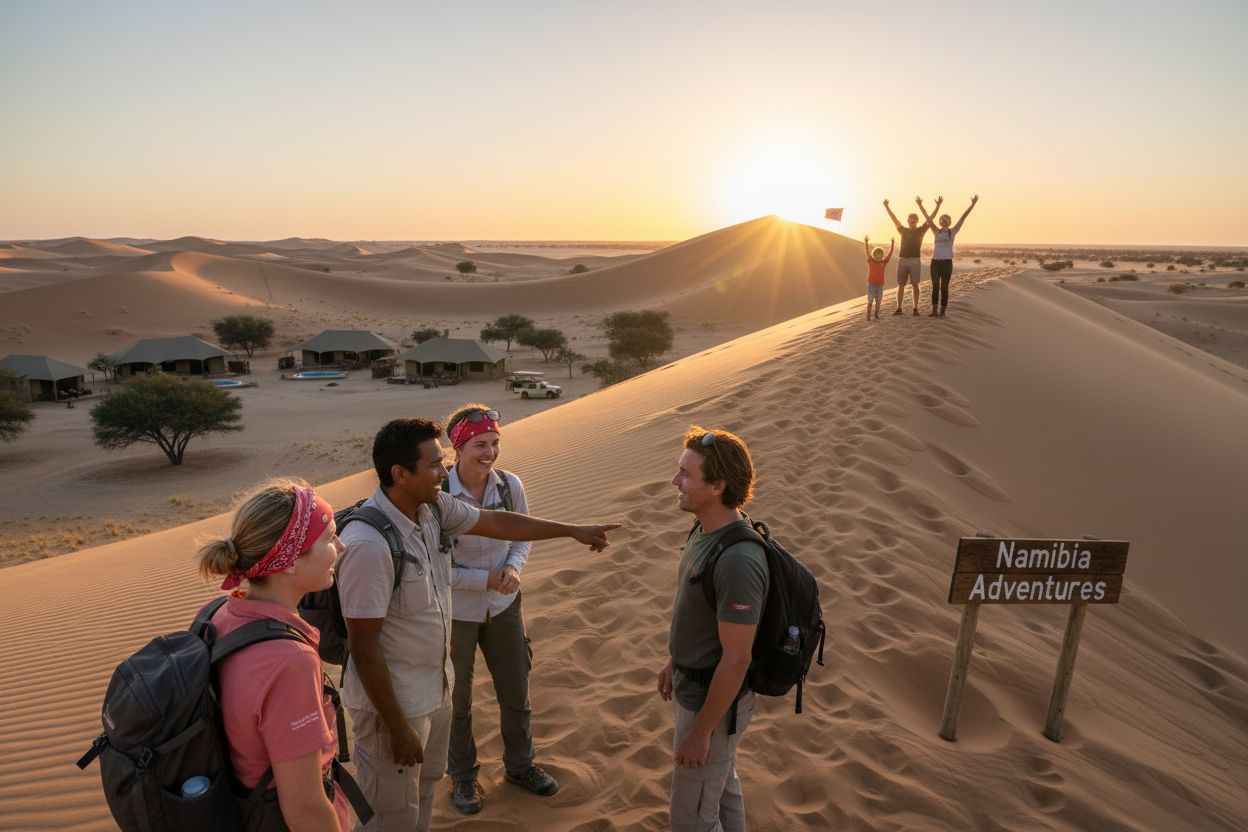
Why Namibia Adventures Matter: An In-Depth Look
Discover why Namibia adventures are essential for luxury travelers seeking unique, immersive experiences in nature and wildlife exploration.
Feb 23, 2026
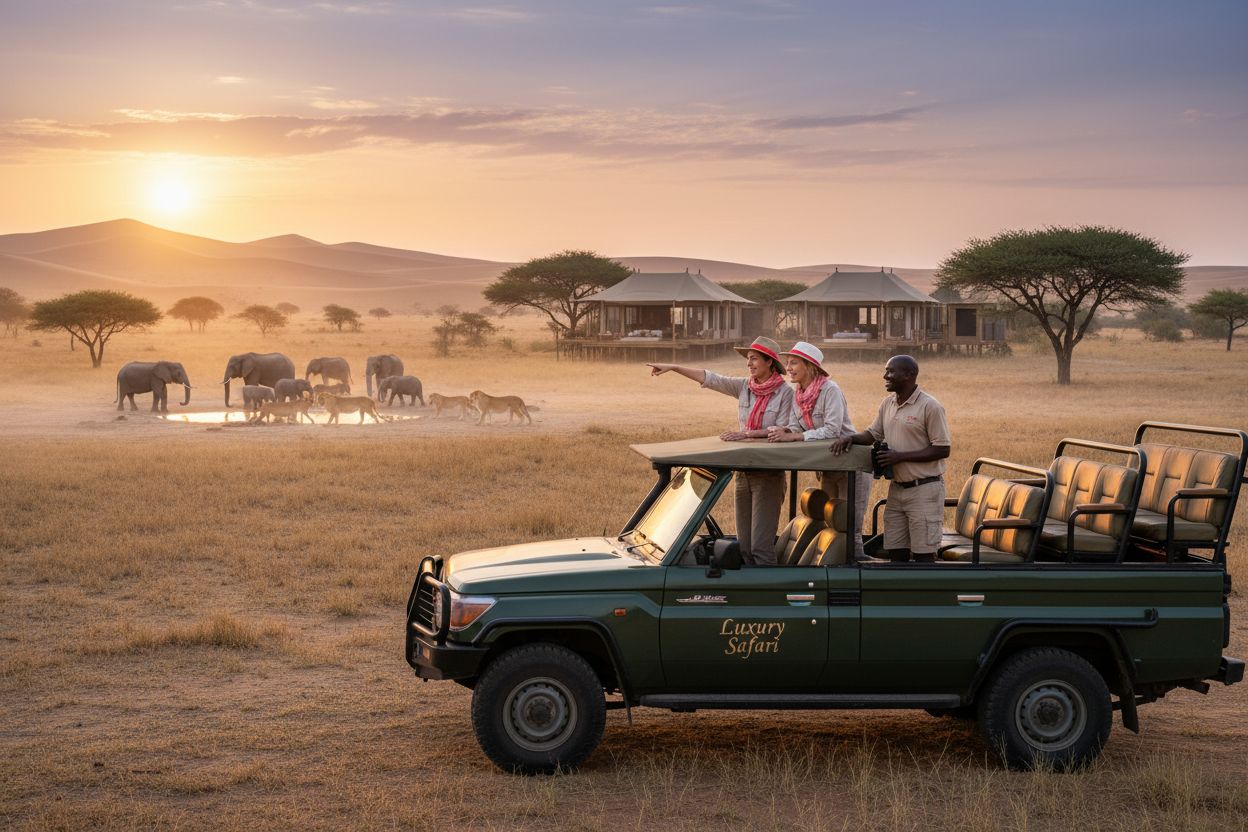
What to Expect on a Luxury Safari: A Comprehensive Guide
Discover what to expect on a luxury safari and gain a deeper understanding of the unique experiences that await you in the wild.
Feb 22, 2026
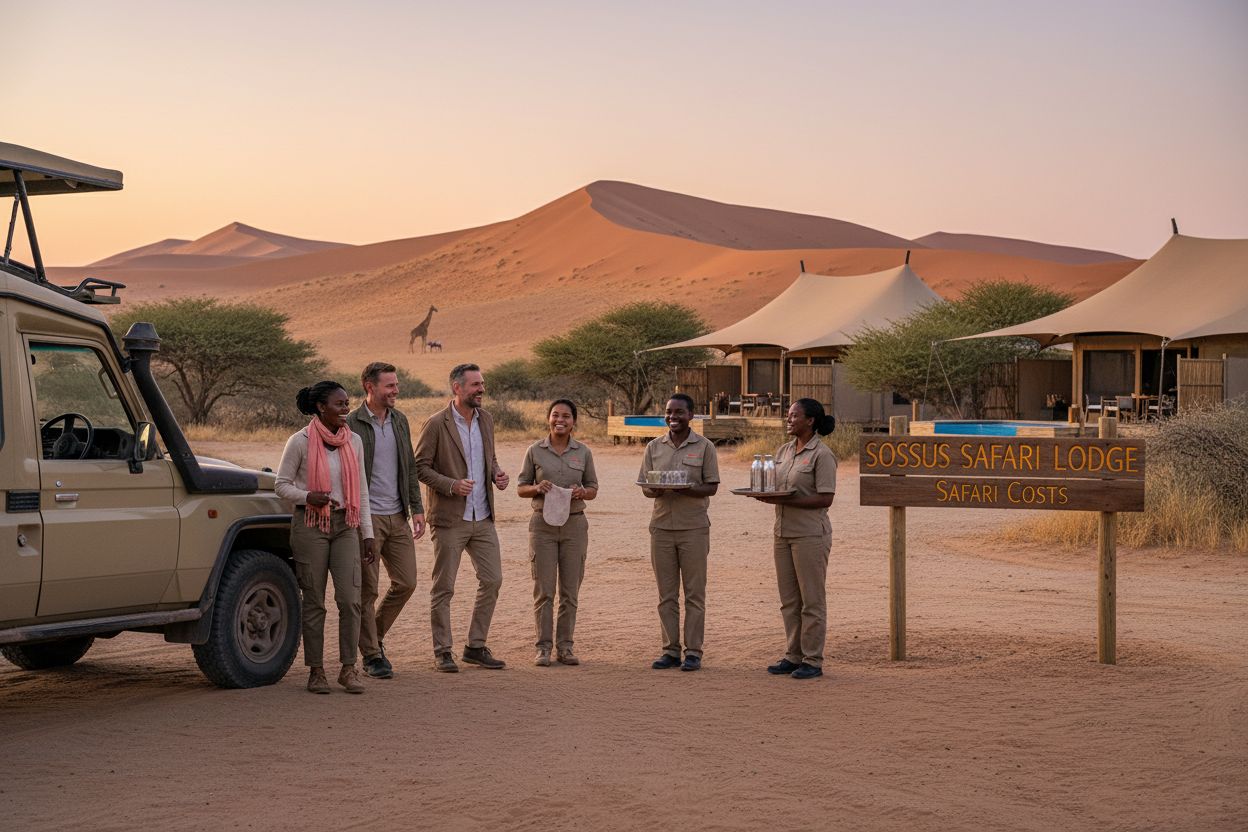
Understanding Namibia Safari Costs Explained
Explore Namibia safari costs explained to uncover what influences pricing and what it means for your adventure.
Feb 21, 2026
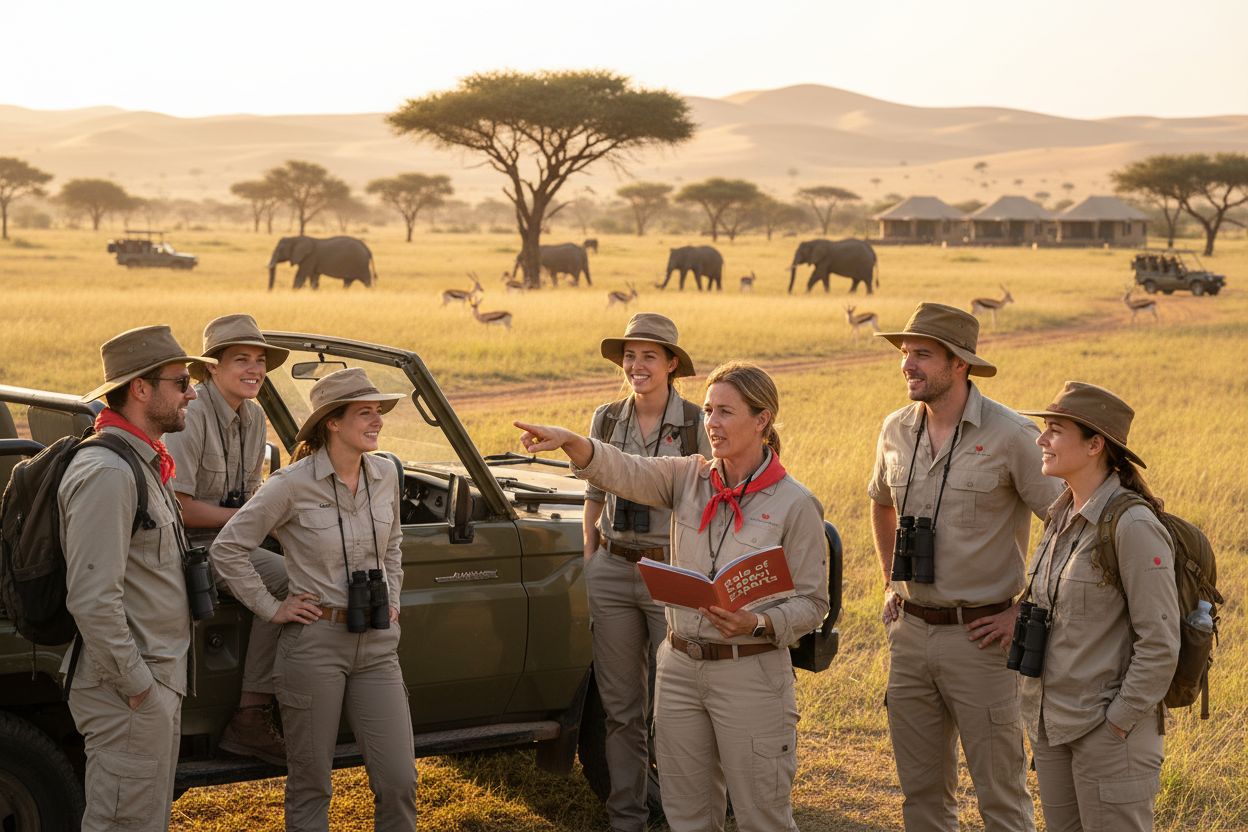
Understanding the Role of Safari Experts in Wildlife Travel
Explore the role of safari experts and gain a comprehensive understanding of how they enhance wildlife travel experiences for all types of travelers.
Feb 20, 2026
Guide organisation safari all inclusive : vivez l'aventure de vos rêves
Découvrez notre guide organisation safari all inclusive étape par étape pour planifier un voyage inoubliable au cœur de la nature.