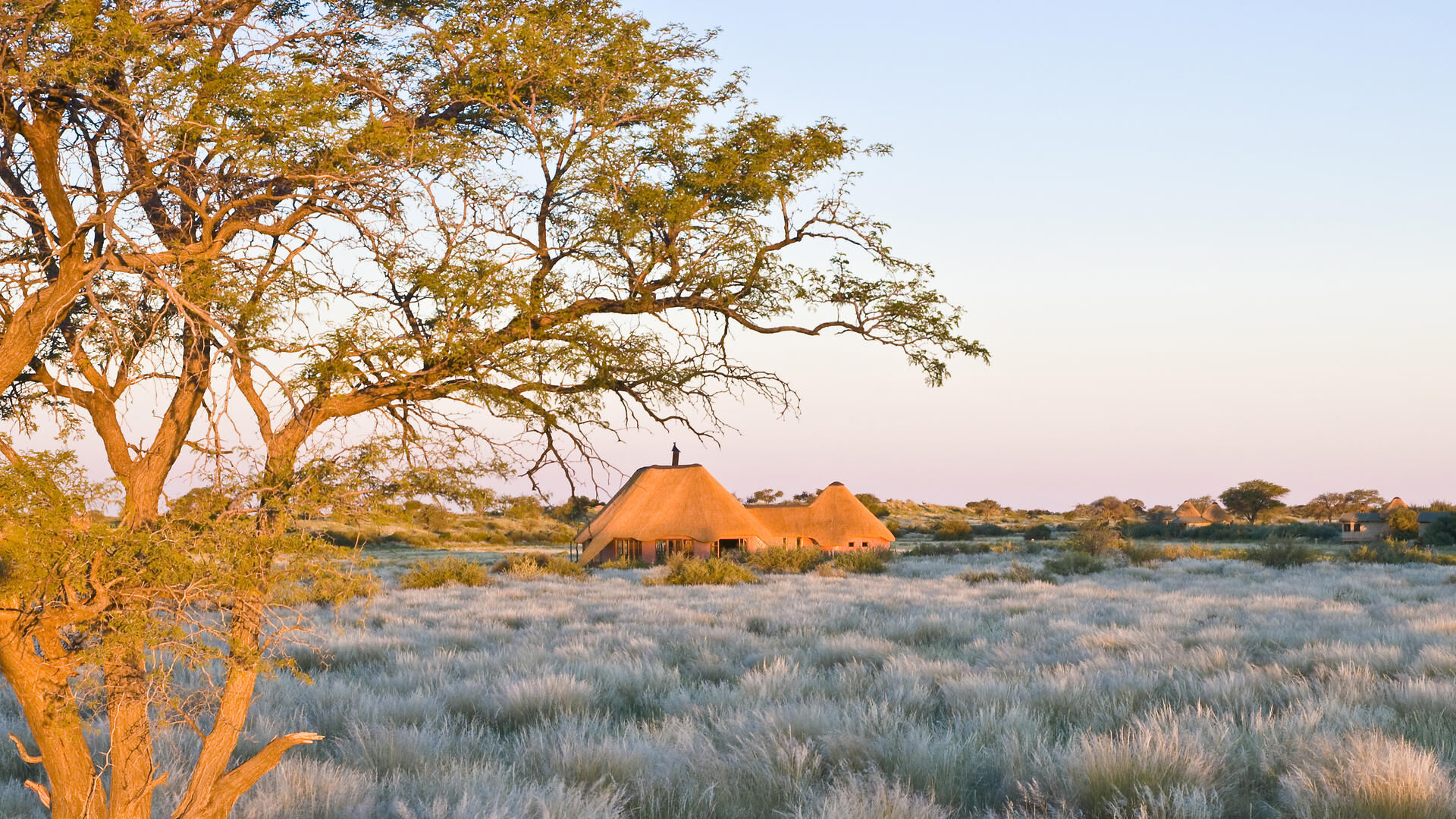
Namibia’s Southern Kalahari offers red dunes and meerkat encounters for travellers who linger. Far from the gravel plains many picture when they think of the country’s south, this region unfolds in soft waves of apricot sand dotted with golden grasslands and scattered acacia. The landscape feels gentler, more intimate, rewarding those who slow their pace and allow its subtle rhythms to emerge.
Secret Namibia has guided travellers through these southern reaches for years, shaping journeys that reveal the Kalahari’s quiet character. Here, meerkat colonies stand sentinel at dawn, bat-eared foxes dart through the grass, and the sheer scale of sky and earth invites deeper observation. This destination guide explores what makes the Namibian Kalahari distinct, why lingering pays dividends, and answers the common question: What is the Kalahari like in Namibia?
The Landscape That Surprises
Most visitors arrive in Namibia expecting the stark gravel plains and towering orange dunes of the west. The Southern Kalahari presents something altogether different: undulating red sand dunes interspersed with open savannah. After summer rains, the grasses shimmer in hues of green and gold, transforming the terrain into a living tapestry that shifts with every breeze.
Acacia trees punctuate the horizon, their umbrella canopies offering shade to passing herds of springbok and gemsbok. The air carries the sweet, dry scent of sun-warmed earth and distant rain. This is a place where colour and texture dominate, the deep terracotta of the dunes contrasting beautifully with pale grasses and vivid blue skies.
The Southern Kalahari invites you to trade hurried checklists for patient watching, where small details reveal the intricate balance of a desert that teems with life once you pause long enough to notice.
Meerkats and the Creatures of the Kalahari
Meerkat colonies thrive in these sandy soils, their sentinel behaviour providing some of the most engaging wildlife encounters in Namibia. Early morning visits, conducted on foot with experienced guides, allow travellers to observe these charismatic mongooses as they warm themselves in the first light, foraging and playing with remarkable coordination.
Beyond the meerkats, the region supports bat-eared foxes with their enormous ears tuned to detect insects beneath the sand. Sociable weavers construct their enormous communal nests in sturdy acacias, engineering structures so large they sometimes snap branches under their weight. Ground squirrels and yellow mongooses complete this cast of smaller inhabitants that prove every bit as captivating as their larger cousins.
Guided walks reveal tracks of nocturnal predators too, from Cape fox to the occasional leopard. The experience remains grounded and intimate, far removed from vehicle-bound game viewing in busier parks.
What is the Kalahari like in Namibia?
The Kalahari in Namibia features striking red sand dunes interspersed with golden grasslands and acacia trees. Unlike the gravel plains many associate with southern Namibia, this landscape supports thriving meerkat families, bat-eared foxes, and sociable weavers. The terrain feels softer and more intimate compared with the harsher western deserts, rewarding travellers who spend several nights immersed in its rhythms rather than passing through quickly. Seasonal shifts bring dramatic changes: after rains the grasslands burst into life, while drier months concentrate animals around natural pans.
Why Slowing Down Reveals More
The Southern Kalahari does not yield its treasures to those in a rush. Three or four nights at a well-positioned camp allow the landscape to work its spell. Morning walks with meerkats might be followed by lazy afternoons watching clouds build over distant dunes. Evenings bring the unforgettable sight of fiery sunsets painting the sand in impossible shades of crimson.
Travellers who embrace this slower rhythm often speak of the profound sense of space and silence. Without the pressure of ticking off sightings, conversations turn to the interconnectedness of this ecosystem and the San people who have read its signs for centuries. The experience becomes less about seeing and more about feeling the pulse of an ancient land.
In the Namibian Kalahari, patience is not simply a virtue but the key that unlocks genuine connection with a landscape that moves at its own deliberate pace.
Practical Considerations for Visiting
The best time to visit the Southern Kalahari spans from March to May, when the landscape remains lush after the rains, and from August to October, when drier conditions bring animals to reliable water sources. Temperatures vary widely, with warm days and chilly nights characteristic of desert environments. Pack layers and sturdy walking shoes for the guided meerkat encounters that often begin before sunrise.
Accommodation ranges from intimate tented camps to comfortable lodges that serve as perfect bases for exploration. Many properties maintain their own habituated meerkat colonies, ensuring responsible interactions that benefit both visitors and the animals through carefully managed conservation initiatives.
Self-drive travellers will find good gravel roads leading south from larger centres, though the true character of the region reveals itself when you step away from the vehicle. For those planning their Namibian journey, self-drive tours through the Southern Kalahari offer wonderful flexibility, while fly-in options suit those wanting to maximise time in camp.
Combining with Other Namibian Experiences
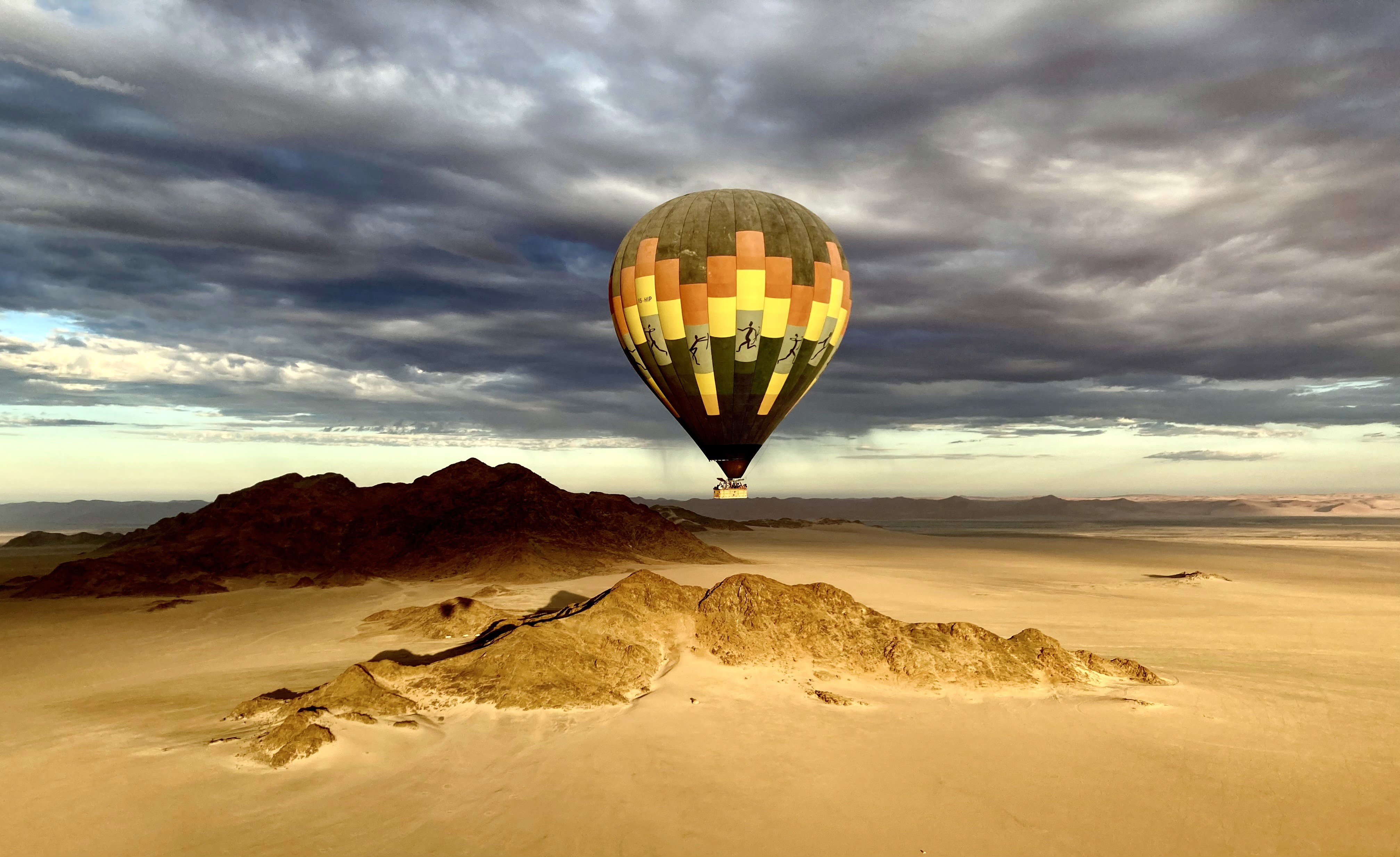
The Southern Kalahari pairs beautifully with visits further north, creating a journey that showcases Namibia’s remarkable variety. After days of red dunes and meerkat vigilance, the contrasting landscapes of Etosha or the Namib provide compelling counterpoints. Many travellers structure their itineraries to begin or end in this southern region, using it as a gentle introduction or reflective conclusion to their Namibian adventure.
Our detailed exploration of hidden gems accessible through self-drive safaris or featured in luxury safaris includes routing suggestions that make the most of this underrated corner of the country. The region’s accessibility from the South African border also makes it an excellent starting point for those crossing overland.
Those who grant the Southern Kalahari sufficient time often discover it becomes the unexpected highlight of their Namibian journey, a place where the land itself seems to encourage contemplation and connection.
Extending Your African Safari
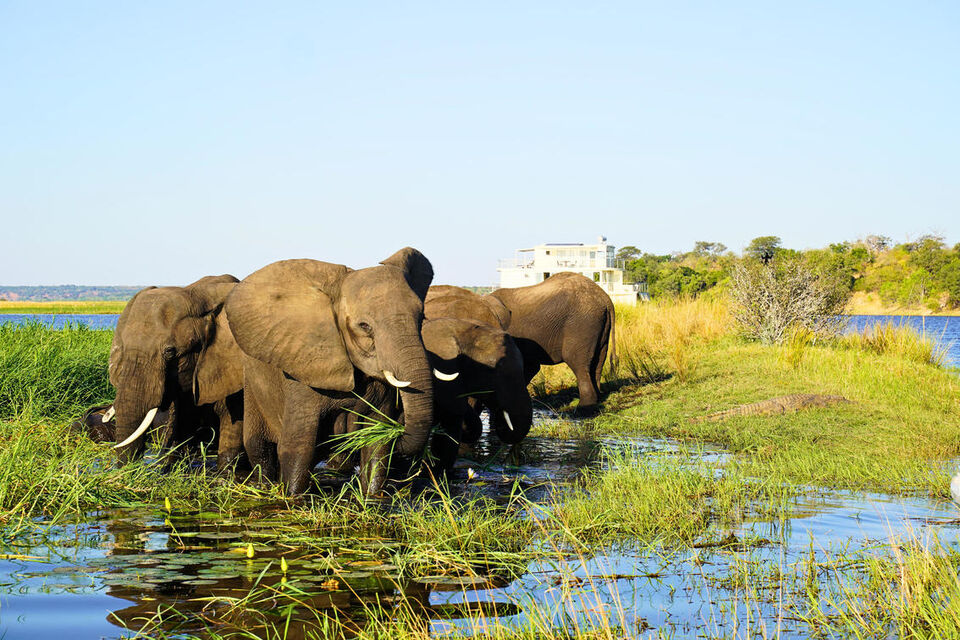
For those whose curiosity extends beyond Namibia’s borders after experiencing the Kalahari’s red dunes, our sister brand Encounters Africa specialises in seamless continuations across neighbouring countries. With three decades of combined experience, the group books directly with camps and lodges, designing tailor-made journeys for individuals, couples, families and private groups of up to eight guests. A journey through Botswana’s wildlife-rich waterways offers a wonderful complement, such as the 6-day Chobe and Savuti safari that reveals an entirely different face of the African wild.
Planning Your Southern Kalahari Journey
The Namibian Kalahari rewards those who approach it with openness and time. Its red dunes and grassy plains, its meerkat sentinels and intricate web of life offer something increasingly rare in our hurried world: the chance to truly slow down and observe. Whether you seek the thrill of tracking meerkats on foot or simply the profound peace found in vast open spaces, this southern region delivers with quiet confidence.
Secret Namibia stands ready to craft your perfect southern itinerary, drawing on deep regional knowledge to ensure every detail enhances your experience. The Kalahari waits in all its subtle glory. The only question is whether you will grant it the time it so richly deserves.
For discerning travellers seeking a private safari in Namibia beyond our set itineraries, we invite you to contact us directly. We specialise in designing exceptional, tailor-made journeys for individuals, couples, families, and private groups of up to eight guests. Drawing on our handpicked network of distinguished camps and lodges, we curate every detail with precision and care, creating a seamless, deeply personal safari experience shaped entirely around your preferences, pace, and budget.
Plan your safari: Enquire with Secret Namibia for tailor-made Namibia journeys. For safaris beyond Namibia, in Botswana, South Africa, Kenya, Tanzania, Rwanda, Uganda, Zambia and Zimbabwe, speak to the travel designers at Encounters Africa, Secret Namibia's sister company for the rest of Africa.