
2026年8月26日
Namibia's open farmlands sustain one of the world's highest densities of free-roaming cheetah, yet this same landscape creates persistent conflict with livestock farmers.
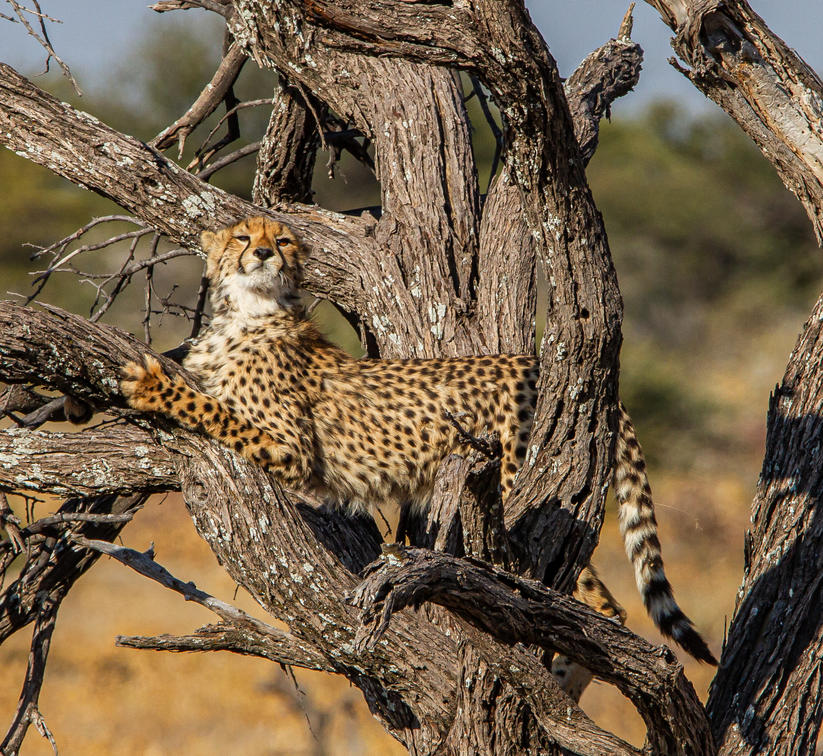
Namibia's cheetah stronghold reveals a complex interplay between vast open landscapes, human activity and dedicated conservation. The country supports one of the world's largest free-roaming populations of these swift predators, estimated at around 3,500 to 4,000 individuals, many of whom live beyond protected reserves on commercial farmland. This situation creates both opportunity and tension, shaping unique research and rehabilitation efforts that travellers can experience first-hand during a tailor-made safari.
Far from the crowded sightings in denser bushveld elsewhere, Namibia offers a different rhythm of cheetah observation, one rooted in the realities of coexistence. Secret Namibia designs journeys that weave these encounters into broader explorations of the country's arid wonders, always with the precision that comes from three decades of combined experience in the region.
The Open Landscapes That Favour Cheetah
Namibia's topography plays a defining role in sustaining high numbers of Acinonyx jubatus. The rolling farmlands and semi-arid savannahs of the central and northern regions provide the long sight lines and open terrain these cats prefer for hunting. Unlike lions or leopards that rely on cover for ambush, cheetah use speed and visibility, reaching bursts of up to 100 kilometres per hour over short distances.
These same characteristics that make the land ideal for the species also draw livestock farmers. The resulting overlap has persisted for generations, creating a distinctive conservation challenge that sets Namibia apart from many other African nations where cheetah numbers have declined sharply.
The cheetah's elegance masks a fragile existence. In Namibia its survival depends as much on human tolerance as on its own remarkable physiology.
Why Does Namibia Have So Many Cheetah?
Namibia holds one of the world's largest free-roaming cheetah populations primarily because of its extensive unfenced commercial farmland that covers roughly 70 percent of the country. This creates a massive contiguous habitat where cheetah can move freely without the barriers found in smaller, more fragmented reserves elsewhere in Africa. Historically, the low density of competing large predators such as lions and spotted hyenas on these farmlands further reduces pressure on cheetah, allowing higher survival rates for both adults and cubs.
The semi-arid climate and open acacia savannahs match the cheetah's hunting style perfectly, supporting abundant prey like springbok, steenbok and duiker. Government policies that encourage wildlife on private land, combined with pioneering conservation organisations, have helped stabilise numbers that might otherwise have plummeted. While figures fluctuate with rainfall and prey availability, current estimates place Namibia's cheetah population at approximately 3,500 to 4,000, representing a significant share of the global total of around 7,000.
The Persistent Conflict on Farmland
The same farmlands that support cheetah also sustain cattle, sheep and goat operations. When predators take livestock, farmers face real economic losses, sometimes reaching several animals per year per property. In response, cheetah have historically been trapped, shot or poisoned, contributing to population declines in other parts of their range.
Yet in Namibia a different story has unfolded. Many farmers have shifted towards tolerance, recognising the value of biodiversity and the potential for non-lethal coexistence. This change in attitude, supported by education programmes and compensation schemes, forms the backbone of current conservation success. Travellers often hear these stories directly from landowners during visits, gaining insight into the practical realities of living alongside wild cats.
Conservation here is not abstract. It plays out in the daily decisions of farmers who choose live traps over bullets and researchers who track every collar signal across thousands of square kilometres.
Research Stations and Rehabilitation Centres Travellers Can Visit
Several projects welcome visitors, transforming what might remain abstract statistics into tangible experiences. The Cheetah Conservation Fund near Otjiwarongo operates one of Africa's foremost research and education centres. Here travellers can observe habituated cheetah during carefully managed walks, learn about tracking techniques using radio collars, and understand the role of livestock guarding dogs in reducing conflict.
Further south, the AfriCat Foundation on Okonjima Nature Reserve combines rehabilitation with high-quality accommodation. Orphaned or injured cheetah receive veterinary care before potential release, while long-term residents help fund the wider programme through visitor interaction. Game drives here frequently yield close sightings, supported by expert guides who explain individual animals' histories.
These visits can be incorporated into fly-in or self-drive itineraries, typically lasting one to three nights. The knowledge gained adds depth to subsequent wildlife viewing across Etosha and beyond, connecting the dots between individual efforts and landscape-scale conservation.
Practical Considerations for Seeing Cheetah in Namibia
The best months for cheetah viewing align with the dry season from June to October, when vegetation thins and prey concentrates near water sources. Morning drives offer the greatest activity, as these cats hunt primarily during cooler hours. Expect sightings to require patience. Namibia's cheetah density may be high overall, but on any given drive the animals can cover large distances.
Experienced guides increase success rates considerably by reading subtle signs such as fresh tracks or nervous behaviour in antelope herds. Many camps maintain contact with researchers, sharing real-time data that improves sighting opportunities without compromising the animals' natural behaviour.
For those seeking a more immersive conservation focus, multi-day programmes at research centres provide opportunities to participate in monitoring activities under supervision. These experiences suit travellers of all ages and fitness levels, requiring no special skills beyond curiosity and respect for the work underway.
Each cheetah returned to the wild carries the hopes of an entire conservation community, a living bridge between research, rehabilitation and the open landscapes that first gave them refuge.
Extending Your Namibian Wildlife Journey
While Namibia offers unparalleled access to free-roaming cheetah, some travellers wish to explore big cat dynamics in contrasting environments after their Namibian safari. Kenya's diverse ecosystems provide fascinating comparison, from the open plains of the Masai Mara to the denser habitats of Laikipia.
Planning Your Cheetah-Focused Namibia Safari
Secret Namibia specialises in curating seamless journeys that balance iconic landscapes with meaningful conservation experiences. Whether you prefer the intimacy of a small family group or the flexibility of a private vehicle and guide, our team books directly with carefully selected camps and lodges to create itineraries shaped around your interests.
Combining visits to rehabilitation centres with classic destinations such as Etosha National Park and the Namib Desert creates a rich, layered understanding of Namibia's wildlife story. All-inclusive safaris can simplify logistics, allowing deeper focus on the animals and people working to protect them.
Those drawn to lesser-known corners will find additional rewards in Namibia's lesser-known luxury safari destinations, where cheetah sightings often come with greater exclusivity.
Conclusion
Namibia's cheetah story offers far more than fleeting glimpses of speed and grace. It reveals the intricate balance between wildlife, land use and human ingenuity that defines modern African conservation. Through research stations, rehabilitation programmes and committed landowners, the country continues to provide a vital stronghold for the species.
For discerning travellers seeking a private safari in Namibia beyond our set itineraries, we invite you to contact us directly. We specialise in designing exceptional, tailor-made journeys for individuals, couples, families, and private groups of up to eight guests. Drawing on our handpicked network of distinguished camps and lodges, we curate every detail with precision and care, creating a seamless, deeply personal safari experience shaped entirely around your preferences, pace, and budget.
Readers interested in safaris across South Africa, Botswana, Kenya, Tanzania, Rwanda, Uganda, Zambia or Zimbabwe should contact our sister brand Encounters Africa.
Plan your safari: Enquire with Secret Namibia for tailor-made Namibia journeys. For safaris beyond Namibia, in Botswana, South Africa, Kenya, Tanzania, Rwanda, Uganda, Zambia and Zimbabwe, speak to the travel designers at Encounters Africa, Secret Namibia's sister company for the rest of Africa.
相关
萨法里指南
2026年8月27日
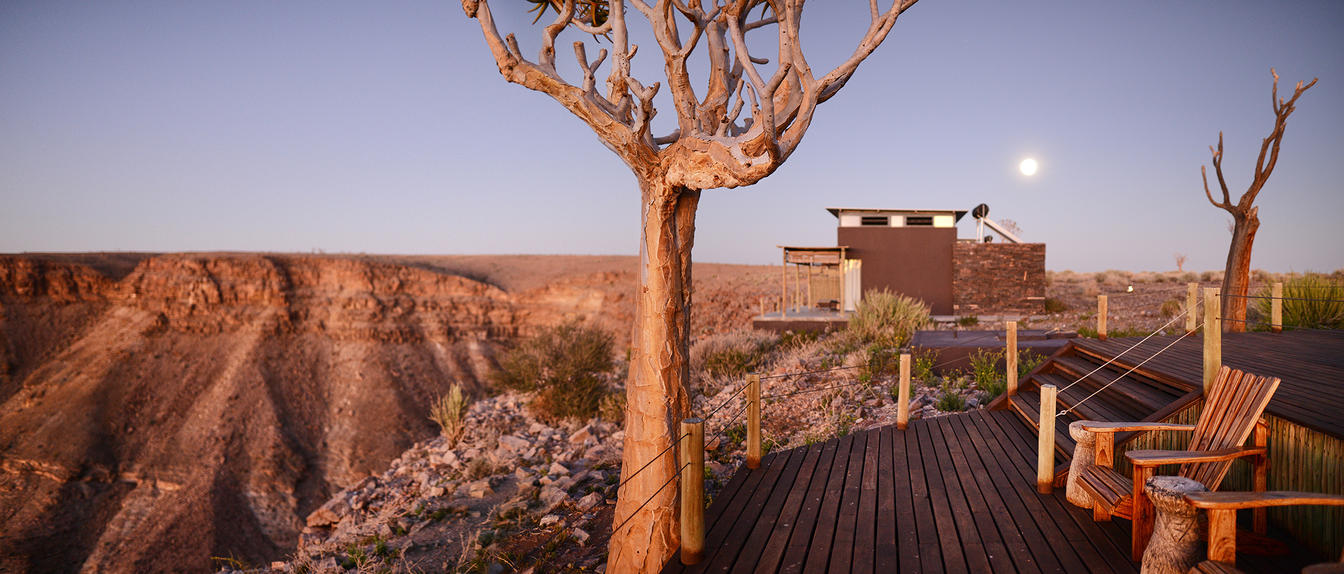
How to Plan Your Visit to Fish River Canyon in Southern Namibia
Namibia’s Fish River Canyon ranks as the second-largest on Earth, its 160 km length and 550 m depth dwarfing most visitors’ expectations.
2026年8月27日
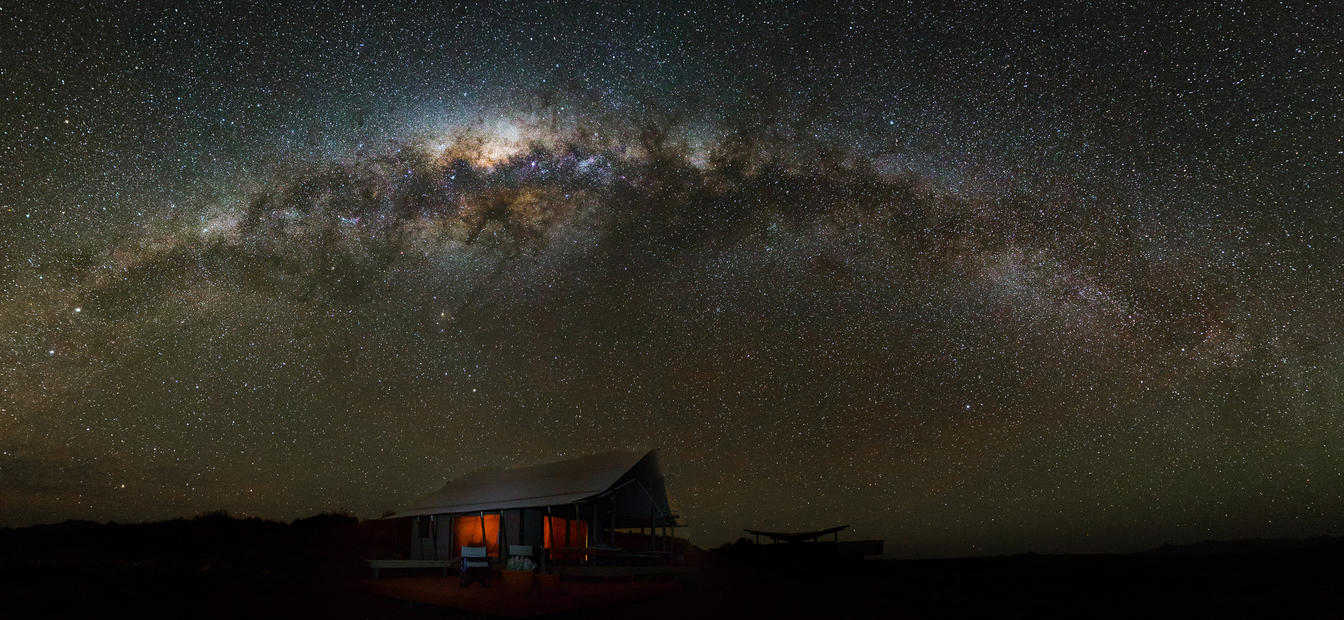
Why Namibia’s NamibRand and Central Desert Produce Some of Earth’s Darkest Night Skies
Namibia’s NamibRand and central desert rank among the planet’s most measured dark-sky locations, where the absence of artificial light reveals the Milky Way in vivid, three-dimensional detail.
2026年8月27日
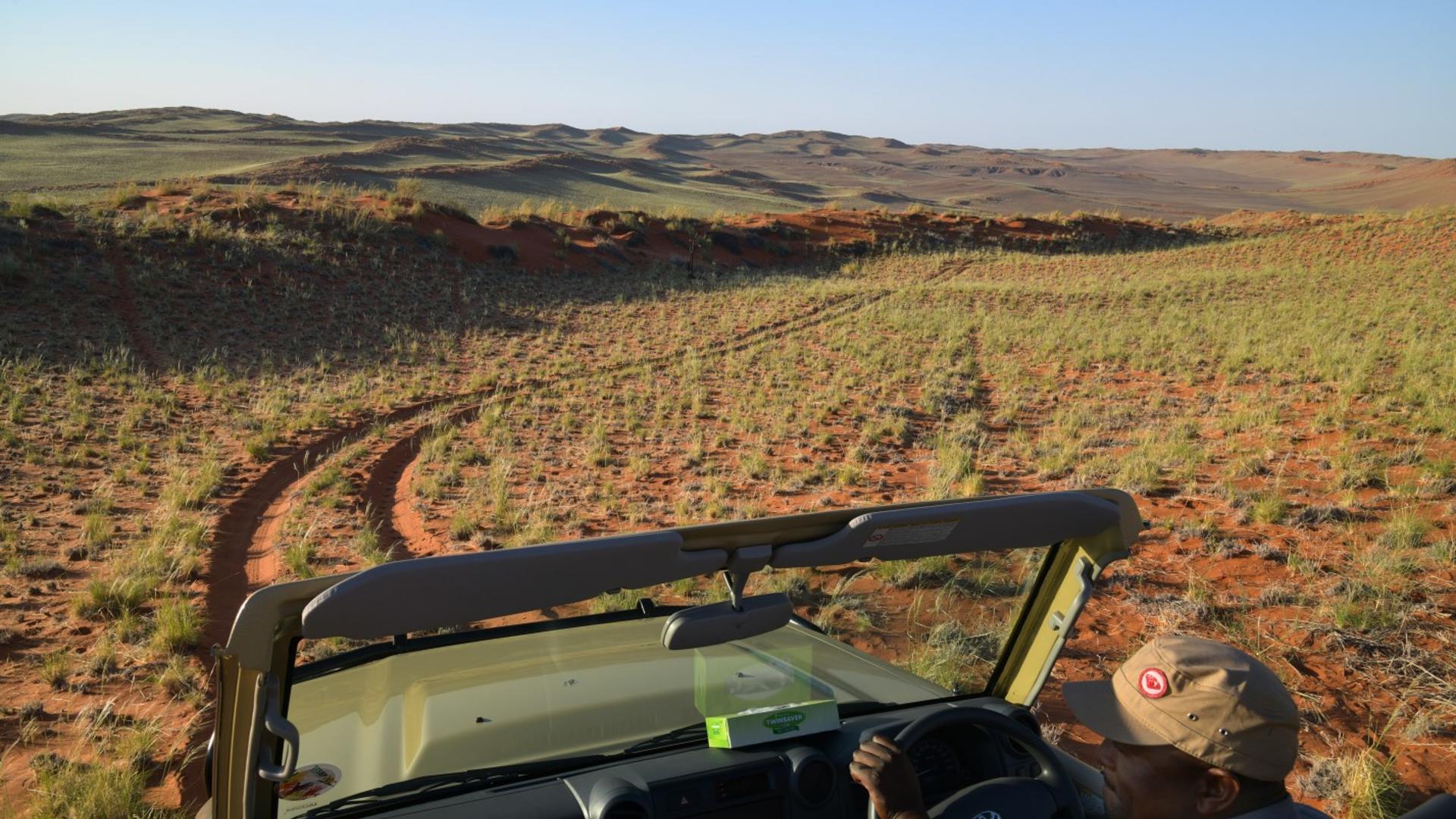
Namibia Self-Drive versus Fly-In: Gravel, Tyres and Time versus Wings
Namibia rewards two distinct rhythms. One places you behind the wheel on endless gravel, tyre changes included, stretching your journey across extra days. The other lifts you above the dunes in minutes.
2026年8月27日
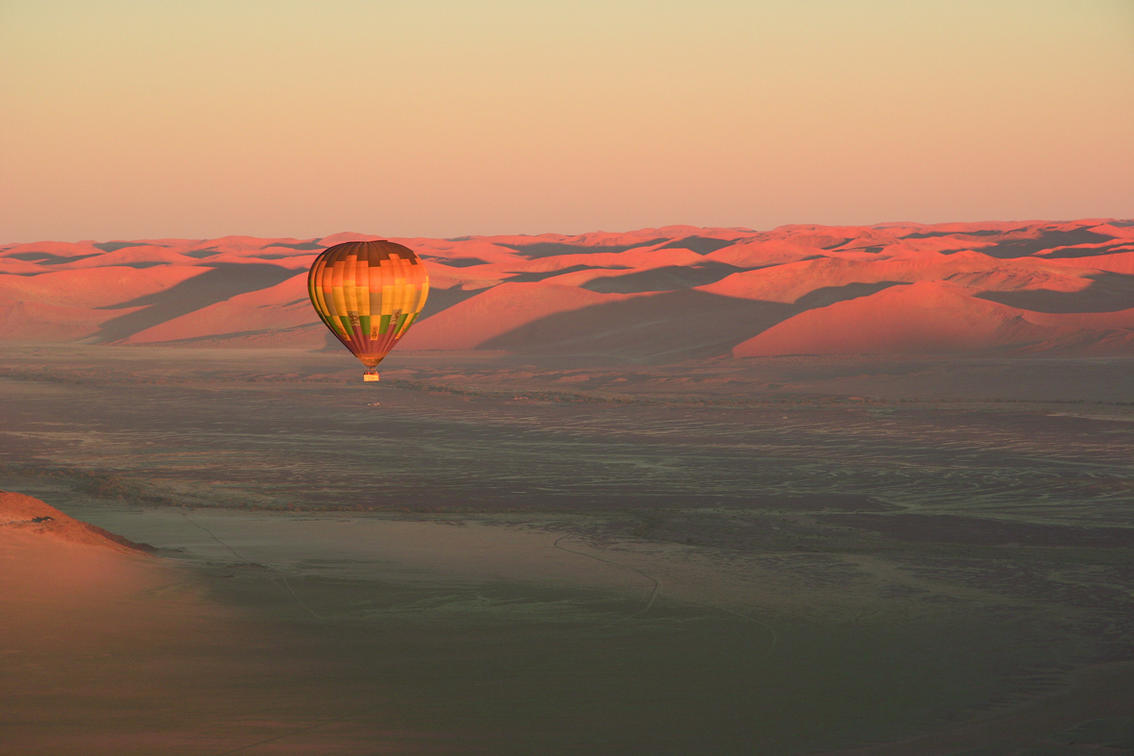
Why a Pre-Dawn Balloon Launch Belongs in Every Sossusvlei Itinerary
From the hiss of burners filling the envelope in darkness to gliding silently above crimson dunes at first light, a balloon flight adds an unmatched dimension to any Namib stay.
2026年8月27日
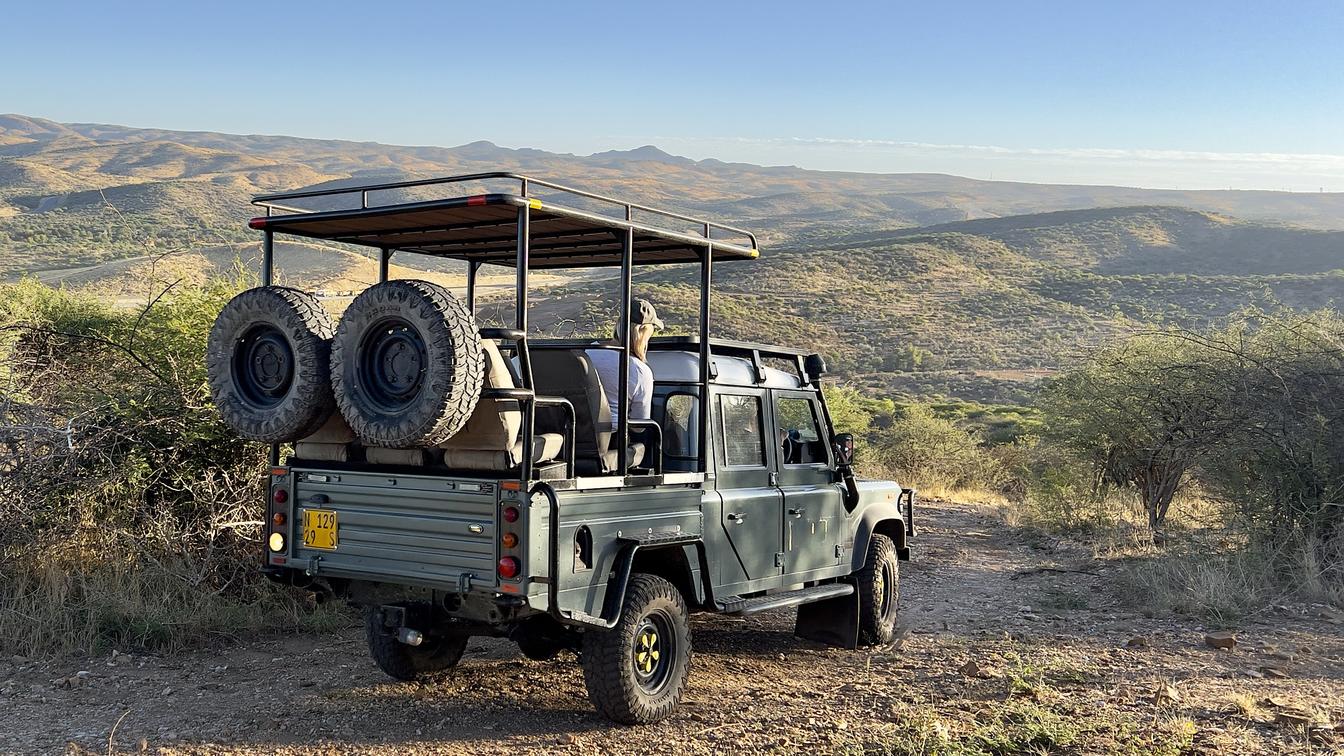
How Many Days Does a First Namibia Safari Actually Require?
Namibia's scale and sparse roads mean the classic route from Sossusvlei through Swakopmund to Etosha cannot be rushed.
2026年8月27日
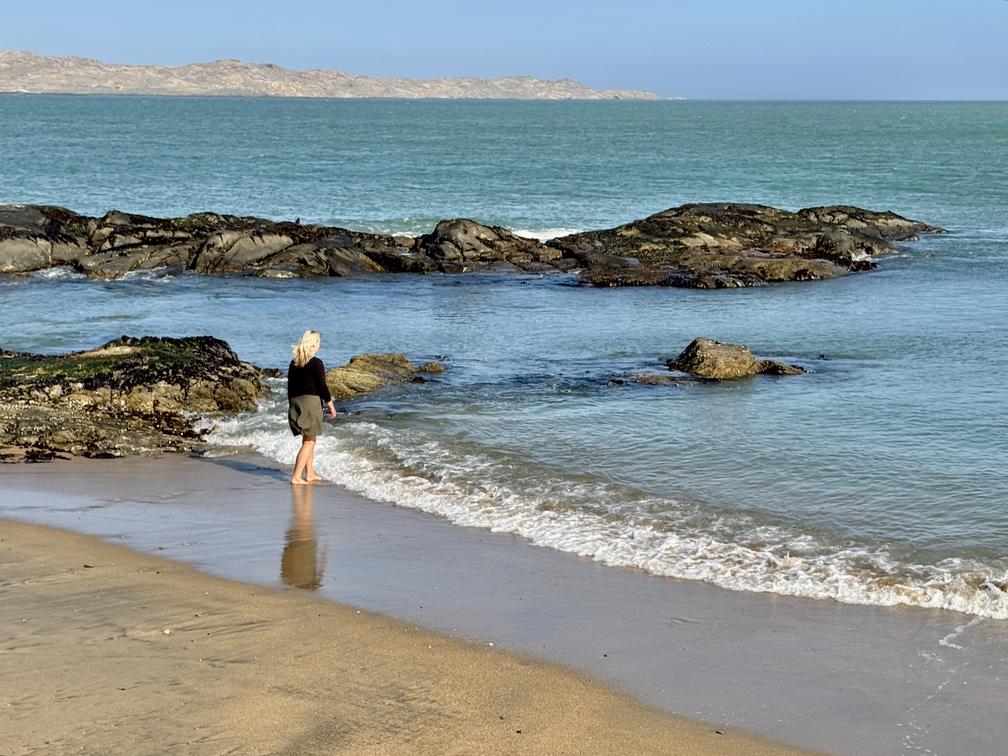
Cape Cross Seal Colony: What to Expect from Namibia’s Noisiest Coastal Encounter
Namibia’s Cape Cross hosts one of Africa’s largest Cape fur seal colonies, a chaotic, vocal gathering on wave-battered rocks where black-backed jackals and brown hyaenas prowl the fringes.